

The Best eSIM for Laos: Stay Connected with Ease in 2026


Traveling to Laos soon and wondering how you’ll stay online without dealing with airport SIM card counters or crazy roaming charges?
You're not alone.
Whether you're heading to Luang Prabang for its peaceful temples, floating down the river in Vang Vieng, or discovering hidden cafes in Vientiane, having reliable internet can make your trip so much smoother. From using maps and translation apps to uploading dreamy sunset photos or video calling home — your phone is your travel sidekick.
But here's the catch: buying a physical SIM in Laos isn’t always convenient. You might arrive late when the kiosks are closed, or run into language barriers when trying to choose the right data plan.
That’s where eSIMs come in. And not just any eSIM — you want the best eSIM for Laos, one that’s affordable, easy to activate, and gives you strong, consistent coverage across the country.
In this guide, we’ll break it all down for you — what an eSIM is, whether it works well in Laos, how to choose the best plan for your trip, how to set it up, and what tips can help you save data on the go.
Ready to travel smart? Let’s get started.
What is an eSIM and Why You Need One in Laos
If you’ve only ever used a traditional SIM card — that tiny chip you slide into your phone — then eSIMs might sound a bit high-tech. But trust me, they’re incredibly easy to use and they’ve become a total game-changer for travelers.
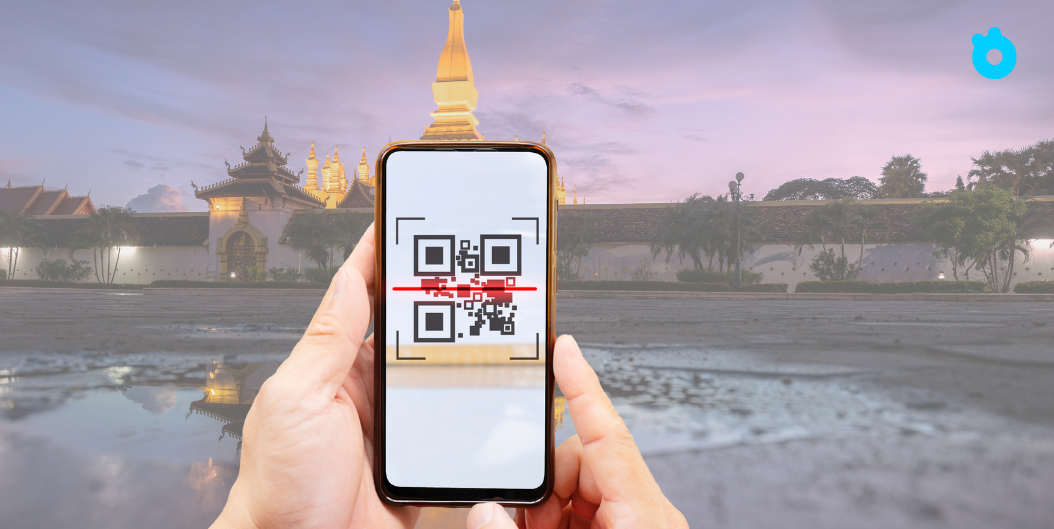
An eSIM, short for embedded SIM, is a digital SIM that’s built right into your phone. Instead of buying a plastic SIM card from a shop, you can simply download a data plan from a provider — no hardware, no tools, no swapping cards.
Learn more from GSMA's eSIM overview.
Here’s why using the best eSIM for Laos is such a smart move:
No physical SIM card needed
You don’t need to search for a mobile store or fiddle with a SIM tray. Just scan a QR code, and your data is ready to go.Instant setup
Most eSIM providers send you everything by email. You can activate your plan while still at home or from the airport Wi-Fi before takeoff.No surprise roaming charges
eSIM plans are prepaid. What you see is what you pay — no hidden fees, no post-trip bill shock.Keep your regular number
Since eSIMs are digital, you can keep your physical SIM active too. That means you can still receive texts and calls from your home number while using local data through your eSIM.Works on most modern smartphones
If you’re using an iPhone XS or later, or a recent Android device like a Google Pixel or Samsung Galaxy S20 and up, your phone probably already supports eSIM.
In short? eSIMs are perfect for travel — and especially handy in places like Laos, where Wi-Fi can be patchy and finding a SIM kiosk with English-speaking staff isn’t guaranteed.
Can You Use an eSIM in Laos? Here’s What You Need to Know
Short answer? Yes, absolutely.
Laos may not be the first country that comes to mind when you think of digital innovation, but when it comes to mobile connectivity, it’s surprisingly well-equipped — especially in tourist hotspots like Luang Prabang, Vientiane, and Pakse.
Here’s how it breaks down:
eSIM is supported in Laos
Most modern smartphones with eSIM support will work just fine in Laos. While local mobile providers don’t always offer eSIMs directly to tourists, international eSIM providers (like GoHub, of course 😉) offer data packages that are fully compatible with Laos’ mobile networks.
Once your eSIM is activated, your phone will connect automatically to one of the major local carriers, like:
Unitel – One of the most reliable networks in the country with wide coverage, even in rural areas.
Lao Telecom – Great speeds in major cities and decent coverage in remote regions.
ETL Mobile – Smaller, but still usable in urban zones.
4G is widely available
You’ll find strong 4G connections in most cities and towns. Even many mid-sized villages now have decent coverage, and 5G is beginning to appear in certain areas — though it's not widespread yet.
Important tip
Make sure your phone is unlocked and supports eSIM before you buy. Otherwise, you won’t be able to install it. You can usually check this in your settings, or by asking your mobile provider.
Curious if your phone is ready? Check out this guide on eSIM-compatible phones to confirm.
eSIM vs. Physical SIM in Laos: Which One’s Better for Travelers?
If you’ve traveled before, you’ve probably dealt with the whole physical SIM card routine. You land, find a kiosk (if it's open), deal with a language barrier, swap SIMs, and hope you didn’t just mess up your phone settings.
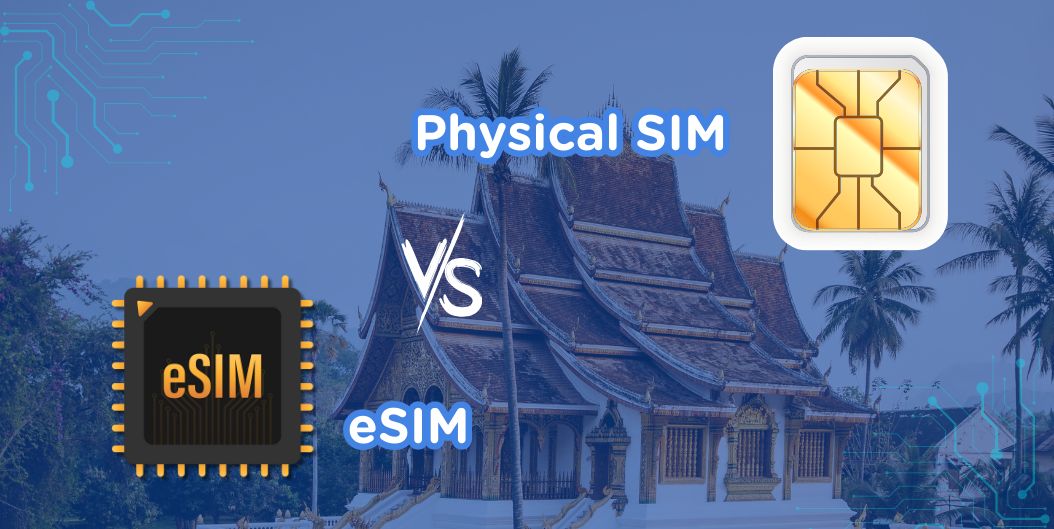
Sound familiar?
With eSIMs becoming more widely available, the question isn’t just “Can I get a SIM in Laos?”, but rather, “Which type is better for my trip?”
Let’s break it down:
Feature | eSIM | Physical SIM |
Ease of Purchase | Buy online before your trip | Must buy in person (usually at airport or shop) |
Activation | Instant – just scan QR code | Manual, sometimes requires passport |
Device Setup | No SIM swapping needed | Must remove your existing SIM |
Dual SIM Use | Keep your home SIM active | You lose access to your regular number |
Language Barrier | No interaction needed | May need to communicate in Lao |
Losing the SIM | Can’t be lost – it’s digital | Easy to lose the tiny plastic card |
Support for Tourists | Designed for travelers | Local SIMs may not cater to short stays |
Still unsure? Here's a great explainer on eSIM vs SIM vs Nano SIM and how each option stacks up for travelers.
Use eSIM if:
You want to set everything up before arriving
You value convenience and speed
You don’t want to risk losing your primary SIM card
You’re staying less than 30 days or just passing through
Use a physical SIM if:
You don’t have an eSIM-compatible phone
You’ll be in Laos long-term (over a month) and want a local number
You need local call minutes or SMS
For most tourists, digital nomads, or short-term travelers, eSIM is the clear winner. It’s just easier — especially if your goal is to land, connect, and get on with your adventure without tech headaches.
Popular eSIM Data Plans for Laos (with Prices and Travel Tips)
Alright, so you're convinced that eSIM is the way to go — but which plan should you choose?
The answer depends on two things:
How long you’re staying
How much data you’ll realistically use
Here’s a quick look at the most popular eSIM data packages for Laos, including what kind of traveler each one is best suited for:
5-Day Plan – 3GB or 5GB
Best for: Short stays, visa runs, or weekend getaways
3GB or 5GB of high-speed data
Valid for 5 days
Coverage in major cities and towns
No local calls/SMS (data only)
10-Day Plan – 10GB to 15GB
Best for: Digital nomads on a stopover, casual tourists
10 to 15GB of high-speed data
Valid for 10 days
Seamless connectivity across most tourist areas
Data-only plan (VoIP supported)
30-Day Plan – 20GB to Unlimited
Best for: Longer stays, backpacking routes, slow travelers
20GB or more (some plans offer unlimited data*)
Valid for 30 days
Coverage in both cities and rural areas
Great for hotspot/tethering use
🔎 Travel tip: If you’re planning a Southeast Asia trip covering multiple countries, look for regional eSIMs that include Laos + Thailand + Vietnam + Cambodia — it saves you money and hassle.
Where to Buy an eSIM for Laos (and How to Set It Up in Minutes)
Step 1: Choose a Trusted eSIM Provider
Examples include:
GoHub – Affordable plans for travelers with friendly support
Airalo, Nomad, SimOptions, etc.
Step 2: Pick Your Plan and Make Payment
Choose your plan and make a secure payment online. You’ll get a QR code via email, usually within 5–10 minutes.
Step 3: Install the eSIM on Your Phone
iPhone: Settings > Cellular > Add eSIM > Scan QR > Label it > Turn on Mobile Data + Roaming
Android: Settings > Network > Mobile Network > Add eSIM > Scan QR or enter manually
Important: Activate only after you land in Laos, so the validity timer starts at the right time.
Need help? Here’s our guide on how to install an eSIM on iPhone or how to install an eSIM on Android.
How to Set Up and Use Your eSIM in Laos (Step-by-Step Guide for iPhone & Android)
For iPhone Users
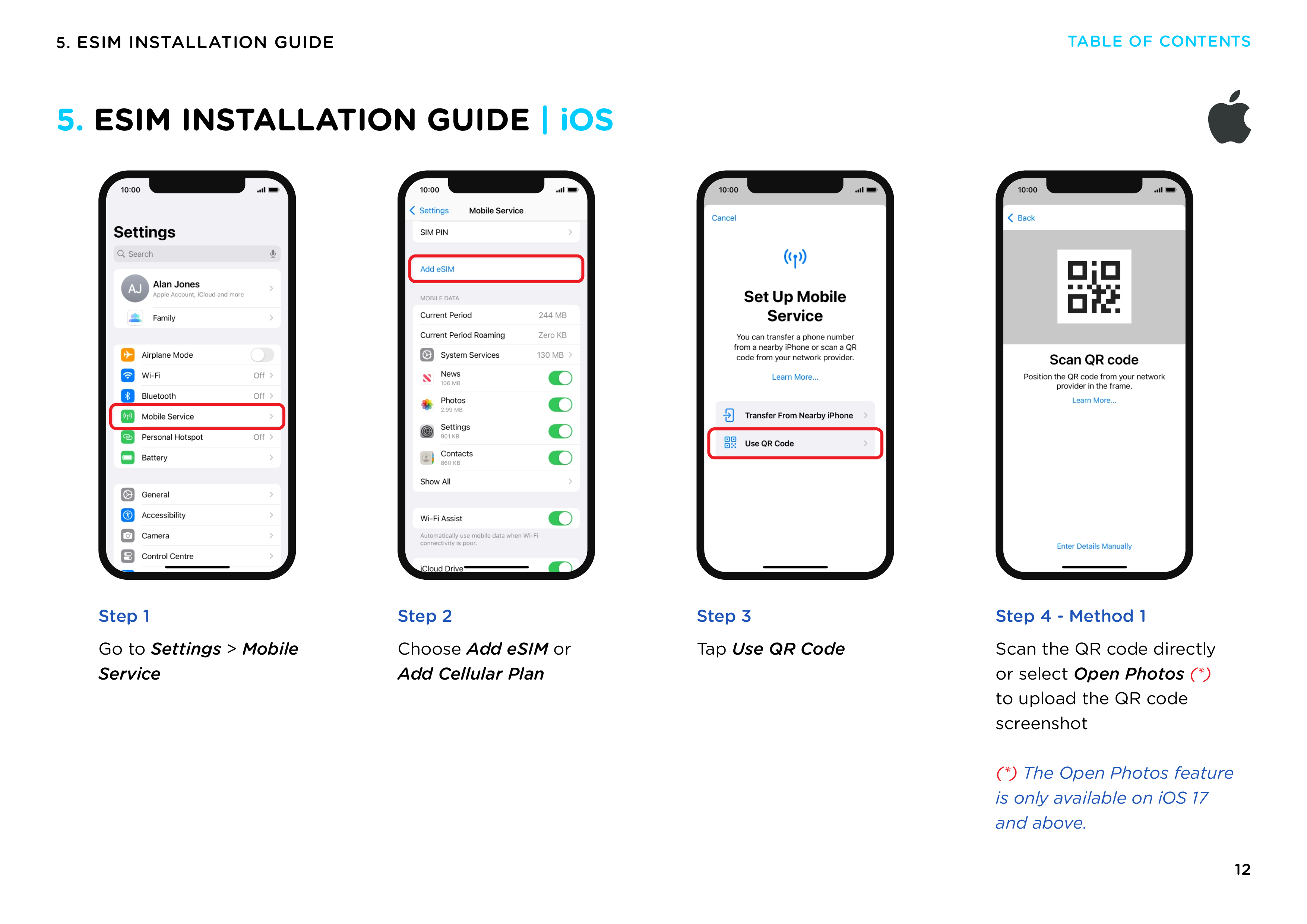
Go to Settings > Cellular > Add eSIM
Scan the QR code
Label it (e.g., “Laos eSIM”)
Enable Mobile Data and Data Roaming
For Android Users
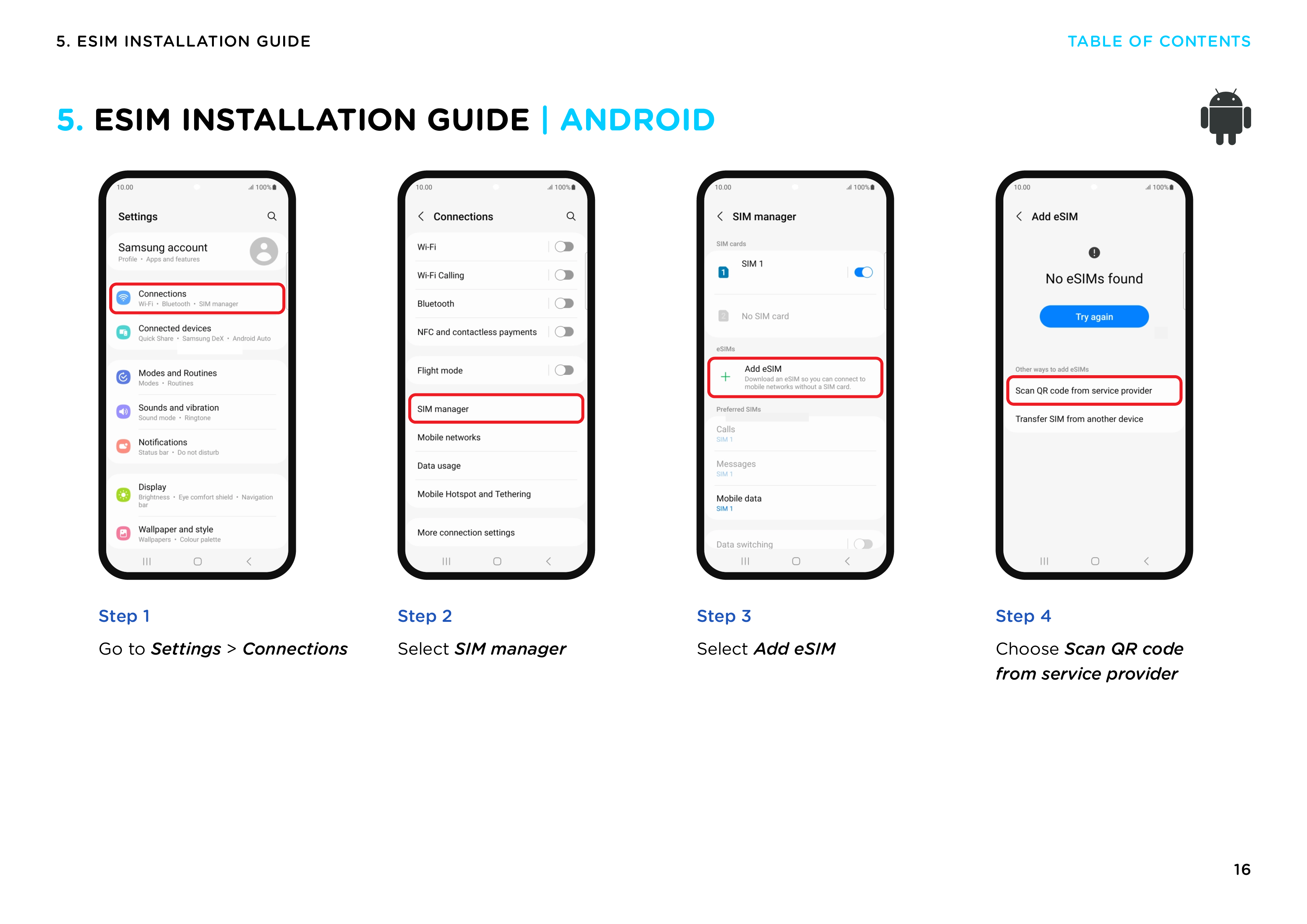
Go to Settings > Network & Internet > SIMs
Tap Add eSIM
Scan your QR code
Set as default mobile data line and enable roaming
Troubleshooting
No signal? Restart your phone and turn on roaming
QR code expired? Contact your eSIM provider
Still no service? Manually select Unitel or Lao Telecom in network settings
Smart Tips to Save Mobile Data While Using an eSIM in Laos
Turn off background app data
Use offline modes in Spotify/YouTube
Use lite versions of apps
Turn off cloud backups
Use data-saving browsers like Chrome Lite or Opera Mini
Frequently Asked Questions About Using eSIMs in Laos
Whether it’s your first time using an eSIM or you’ve already gone digital on past trips, it’s totally normal to have a few questions before making the switch — especially in a destination like Laos.
Here are the most common things travelers ask when choosing the best eSIM for Laos.
1. Can I really use an eSIM in Laos?
Yes, you can! eSIMs work perfectly in Laos, as long as your phone is unlocked and supports eSIM technology. Once installed, your device connects to a local network like Unitel or Lao Telecom for reliable 4G coverage.
2. Will I get a local phone number with an eSIM?
Most travel eSIMs are data-only, which means they don’t include a Lao phone number. But that’s not a problem — you can still make calls or send messages using apps like WhatsApp, FaceTime, Telegram, or Skype.
3. Is it cheaper than roaming with my regular SIM?
Absolutely. Roaming charges from your home provider can be unpredictable and expensive. With a travel eSIM, you pay a fixed price upfront for a local data plan — no surprises when you get home.
4. Do I need to show my passport to buy an eSIM?
No. When you buy through an international provider like GoHub, there’s no ID or paperwork required. Everything is handled online, and you’ll get your QR code by email.
5. Can I share my eSIM data with other devices?
Yes, most eSIMs support hotspot/tethering, so you can share your mobile data with your laptop or tablet. Just check the plan details to confirm before buying.
6. What if I have trouble setting it up?
Most providers offer detailed setup guides and responsive support via chat or email. Some, like GoHub, even have 24/7 customer support in multiple languages to help travelers troubleshoot on the go.
7. How do I know if my phone supports eSIM?
If you have an iPhone XR or newer, or a flagship Android device from the past few years (Google Pixel 4+, Samsung Galaxy S20+ and newer, etc.), it probably does. You can also check your phone’s specs or settings:
iPhone: Settings > Cellular > Add eSIM
Android: Settings > Network & Internet > SIMs > Add eSIM
Final Thoughts: Is an eSIM Worth It for Laos? Absolutely.
If you’ve made it this far, you probably already know the answer — but here’s the bottom line:
Yes, getting an eSIM for your trip to Laos is 100% worth it.
It’s easy. It’s fast. It saves you the hassle of hunting down a SIM shop or dealing with roaming fees. Whether you're temple-hopping in Luang Prabang, café-hopping in Vientiane, or getting gloriously lost in the countryside — you’ll want solid, stress-free mobile data to back you up.
With just a few taps and a QR code, you’ll be connected to local networks, powered by 4G, and free to explore on your terms.
And when you're ready? Check out GoHub’s best eSIMs for Laos — reliable coverage, fast setup, and support that’s actually helpful.
📌 Next steps:
Need a reliable recommendation? GoHub’s Laos eSIM offers excellent value, super fast setup, and support that actually cares.

Hi! Mình là Lala Wren, một content creator yêu xê dịch và đam mê chia sẻ trải nghiệm thực tế cho cộng đồng Gohub. Trong nhiều năm qua, mình đã đặt chân đến Thái Lan, Hàn Quốc, Nhật Bản, Singapore, Malaysia, Bali và nhiều điểm đến thú vị khác trên khắp châu Á. Cùng mình tìm hiểu tất tần tật từ khâu chuẩn bị eSIM, Visa, lịch trình và địa điểm nổi bật cho chuyến đi sắp tới của bạn nhé!
View all articles →Related articles
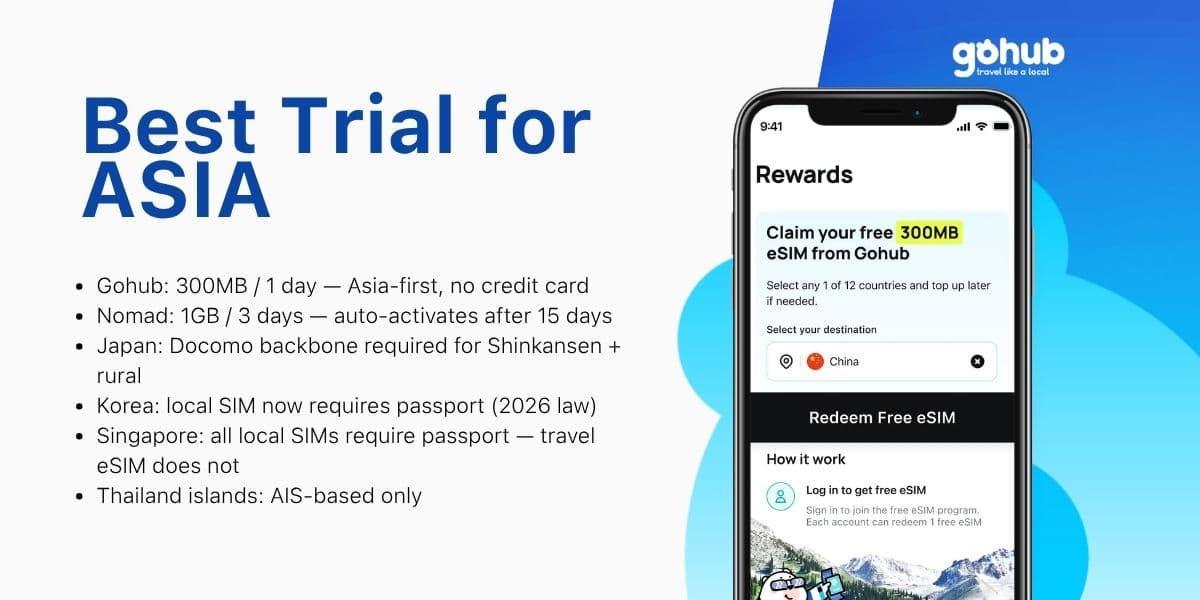
Free eSIM Asia 2026: Best Trial for Japan, Korea, Thailand and Singapore
Traveling to Japan, Korea, Thailand, or Singapore? Compare free eSIM trials by destination, trip length, and KYC requirements — find the right option for your Asia itinerary.
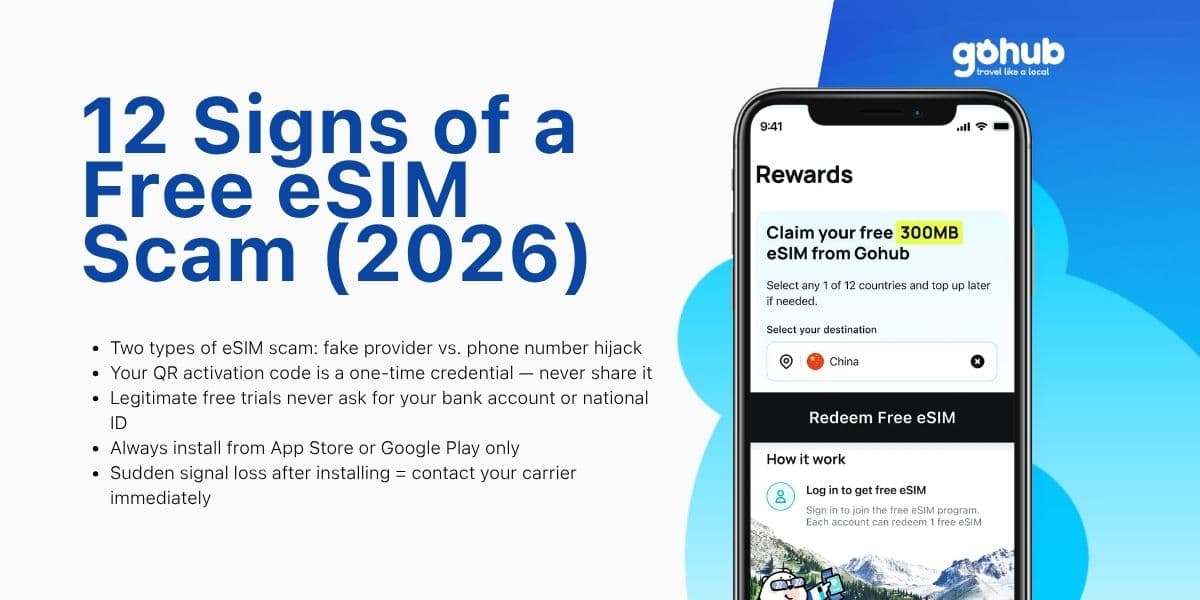
12 Signs of a Free eSIM Scam and How to Protect Yourself (2026)
Fake QR codes, "free unlimited" traps, SIM swap attacks — learn the 12 warning signs of a free eSIM scam and how to verify any provider before you install. Updated March 2026.
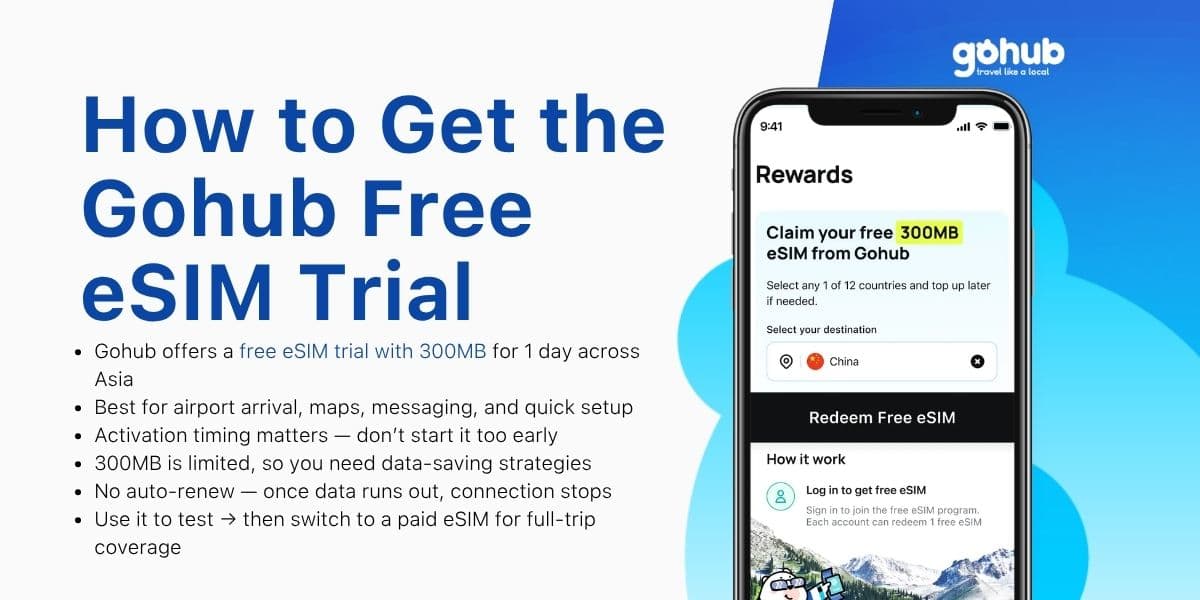
How to Get Gohub Free eSIM Trial (300MB/1 Day for Asia)
Get a Gohub free eSIM trial with 300MB for 1 day across Asia. Learn how to activate, use data efficiently, and avoid common setup issues.
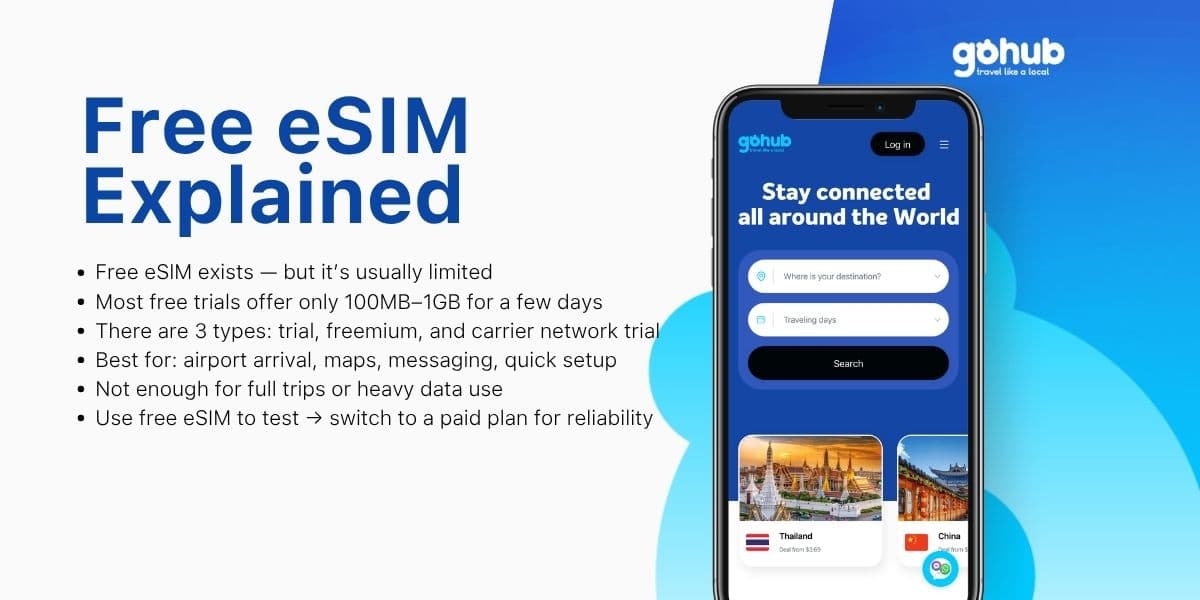
Free eSIM Explained: Is a Free eSIM Trial Really Free? (2026)
What is a free eSIM? Learn the difference between eSIM trials, freemium eSIMs, and carrier network trials before you use one for travel.
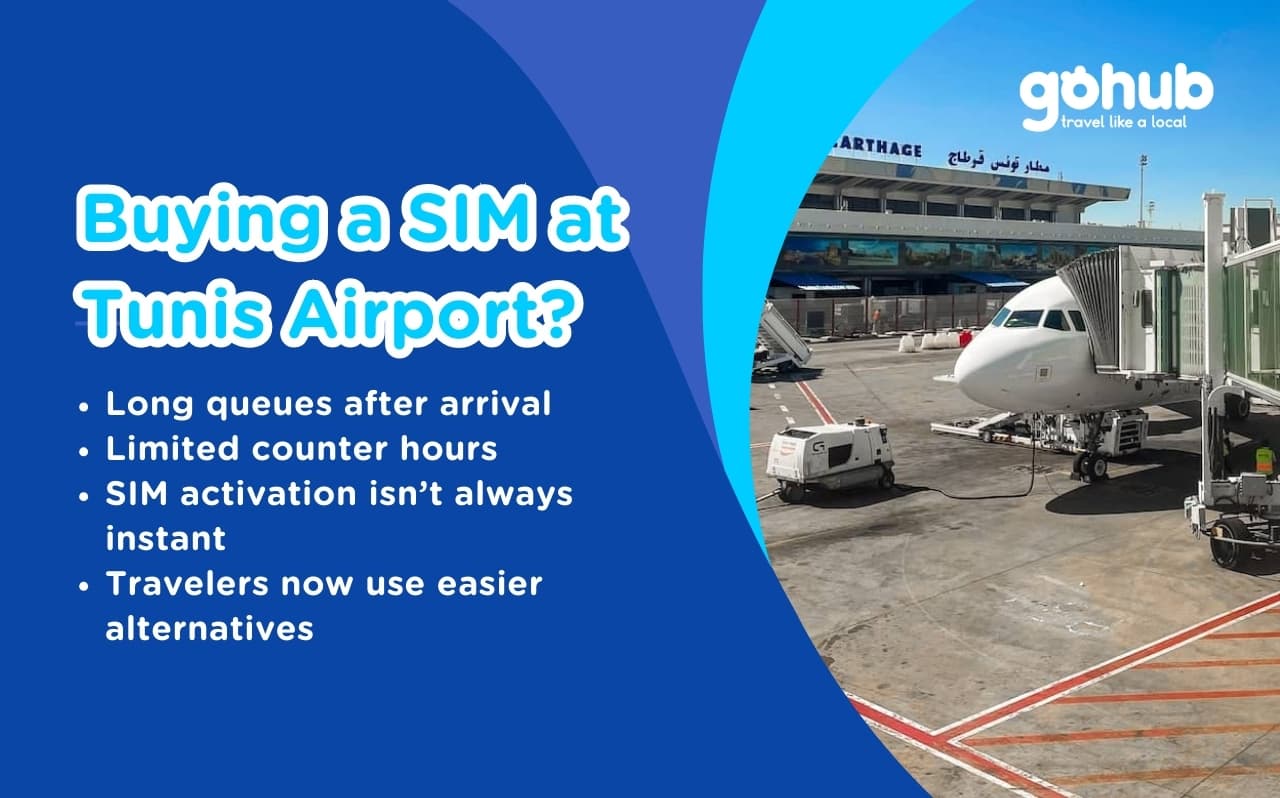
Tunis Airport SIM vs eSIM (2026): How to Get Internet Fast After Landing
Avoid long queues and SIM activation problems at Tunis Airport. Discover better connectivity options for travelers to Tunisia in 2026.
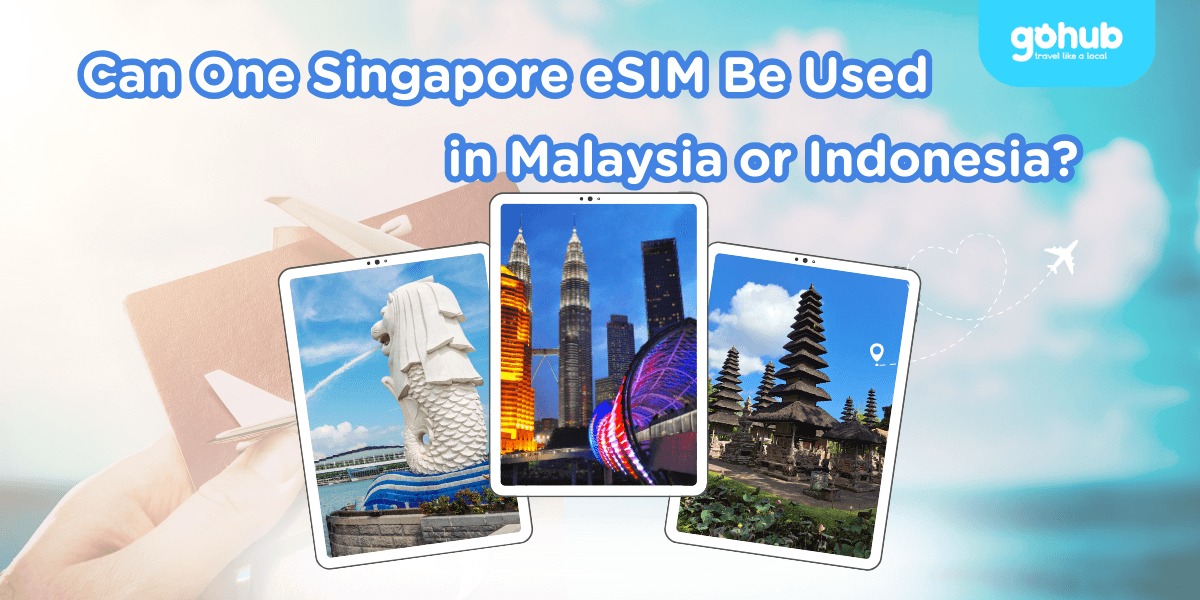
Can One Singapore eSIM Be Used in Malaysia or Indonesia? Coverage & Data Explained
Singapore eSIM Malaysia Indonesia: learn when one regional eSIM covers all three countries, how data limits work, and when separate plans make sense.