
Get the app on the App StoreDownload Gohub App on the App Store
AsiaeSIM for Indonesia

Galungan 2027: Dates, Where to Celebrate and Travel Tips

  • Jan 13–23, 2027 (again Aug 11–21, 2027)
  • Bali, Indonesia
  • Last updated: Oct 20, 2026
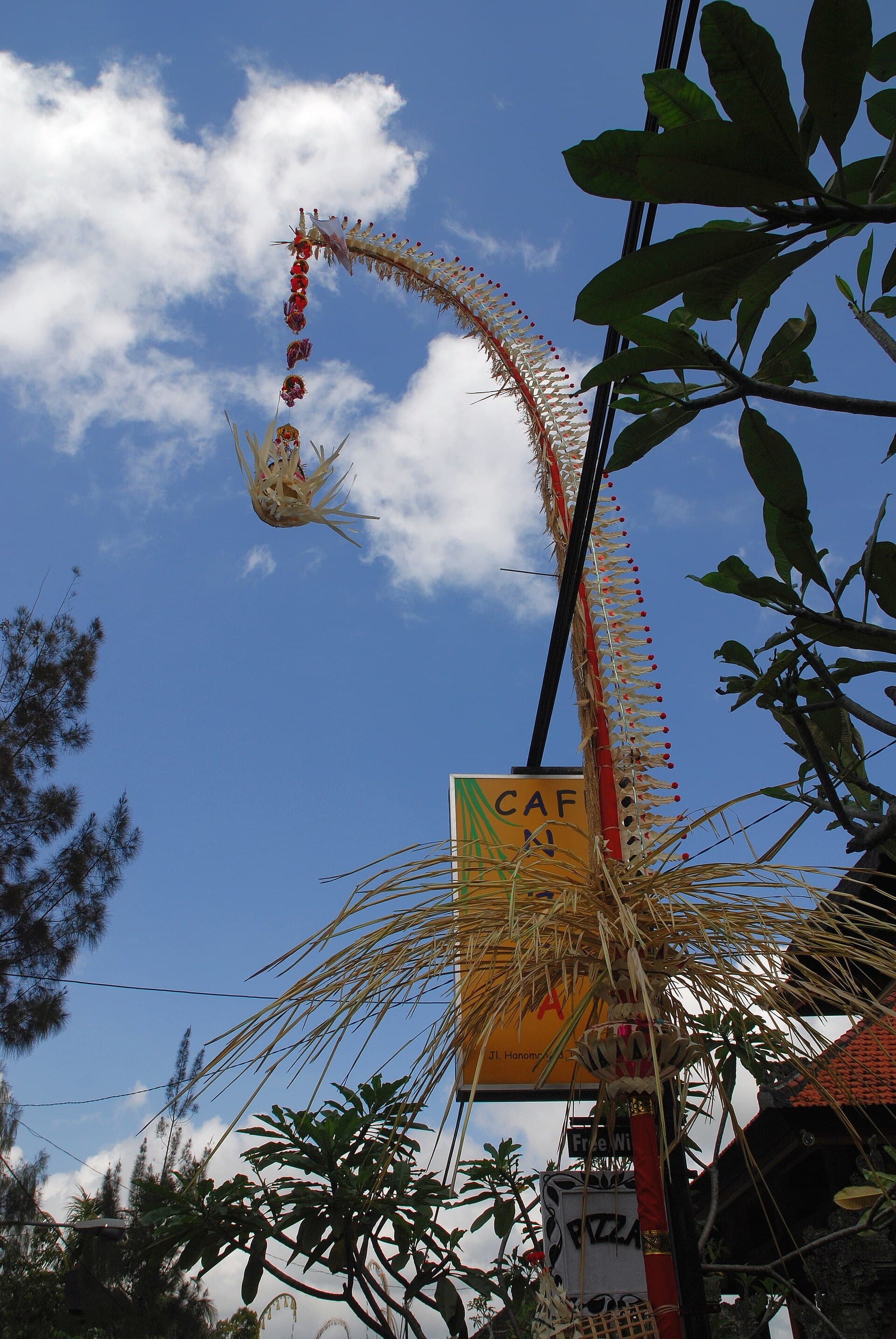
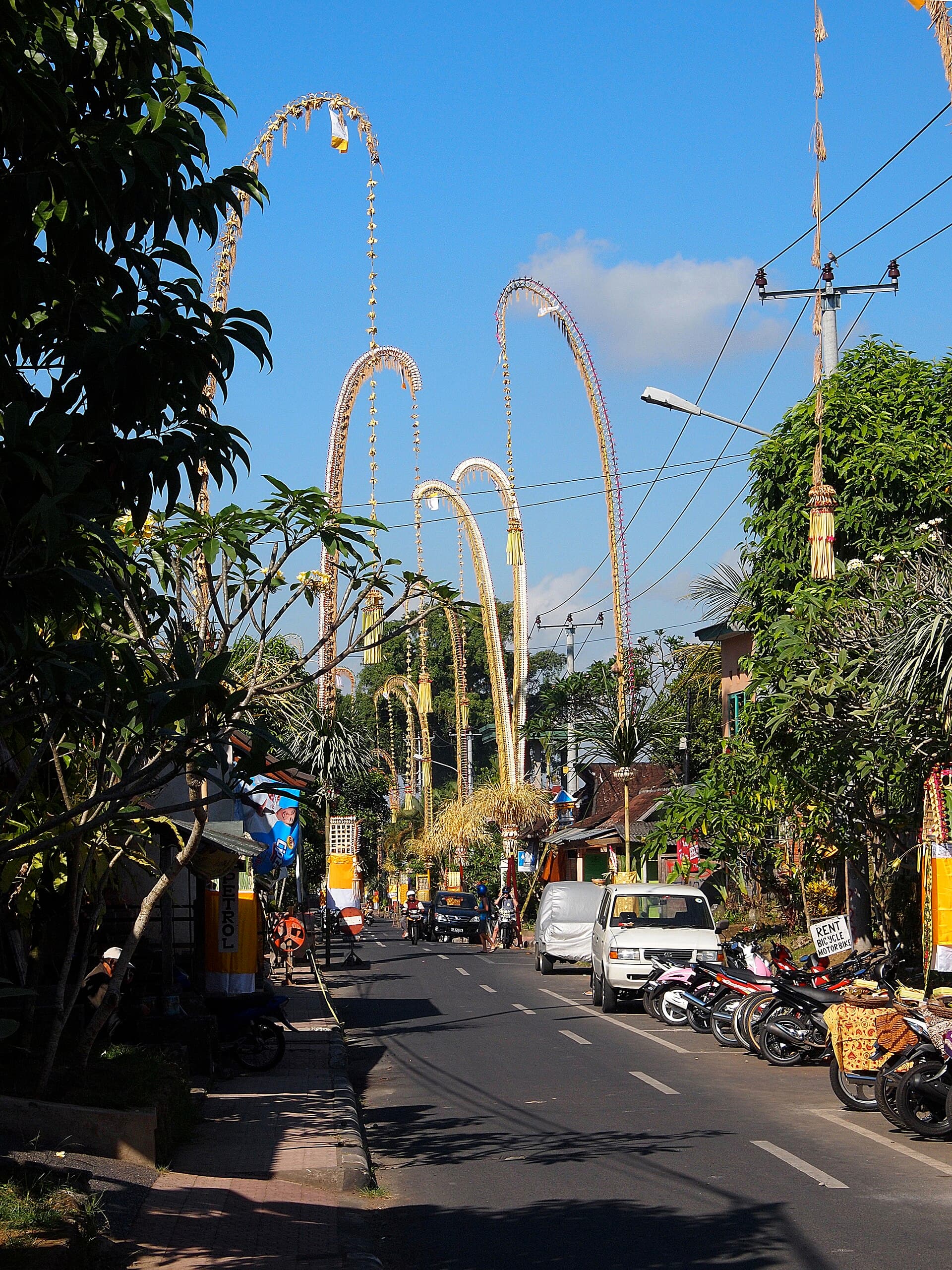
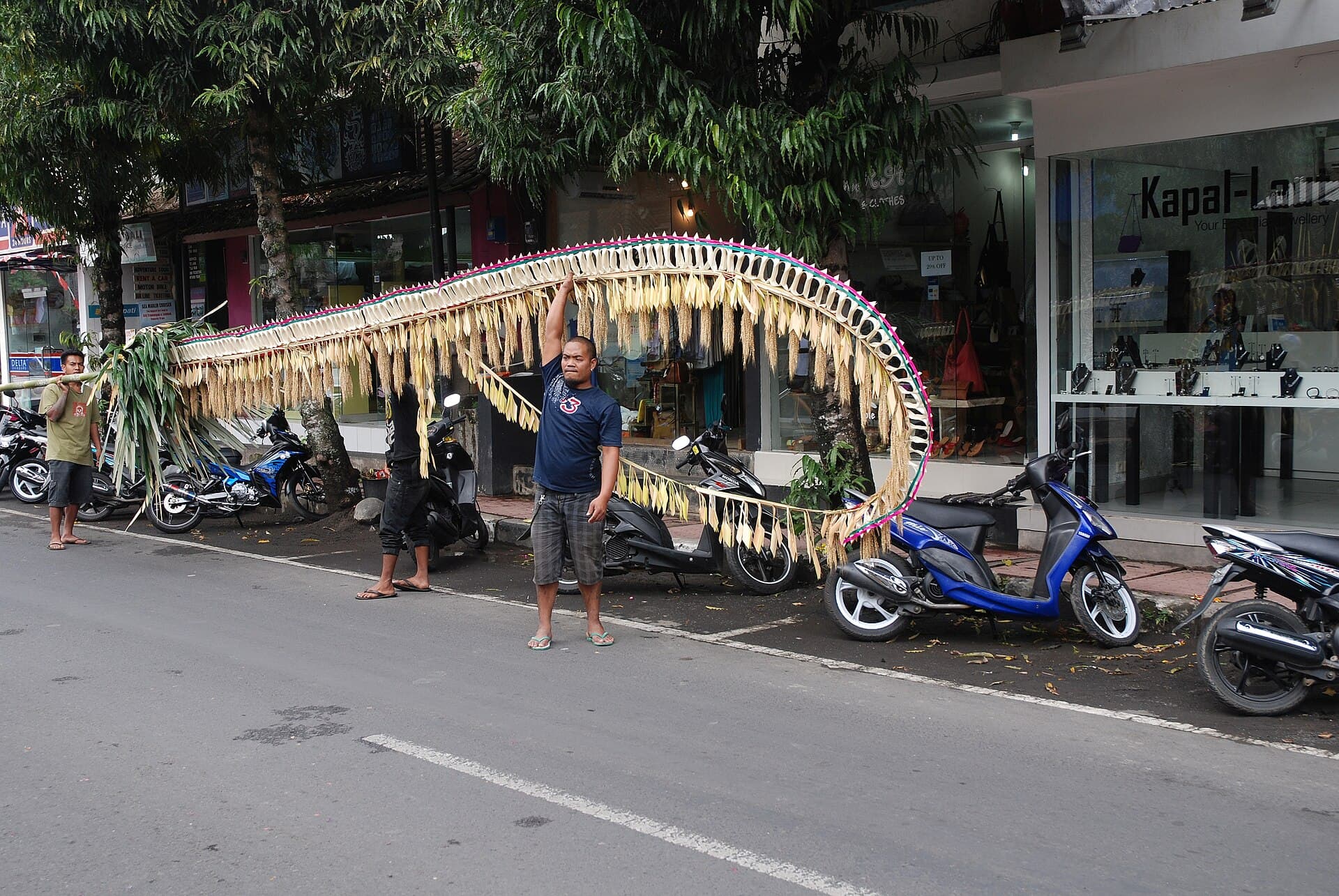
Penjor bamboo poles arching over a village road in Bali during Galungan, wide landscape view

Penjor bamboo poles arching over a village road in Bali during Galungan, wide landscape view

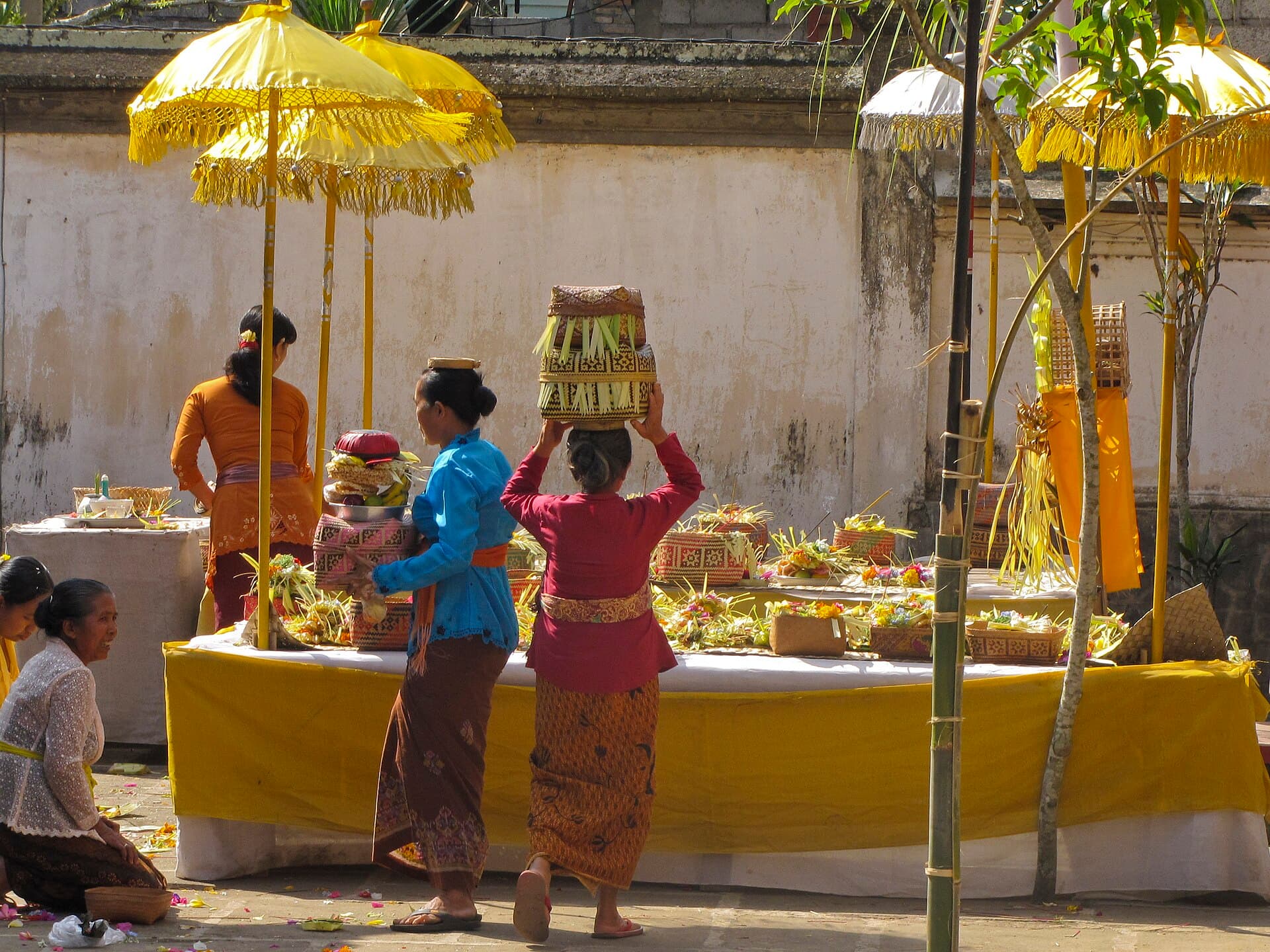
Balinese women carrying gebogan offering towers on their heads to a village temple on Galungan day
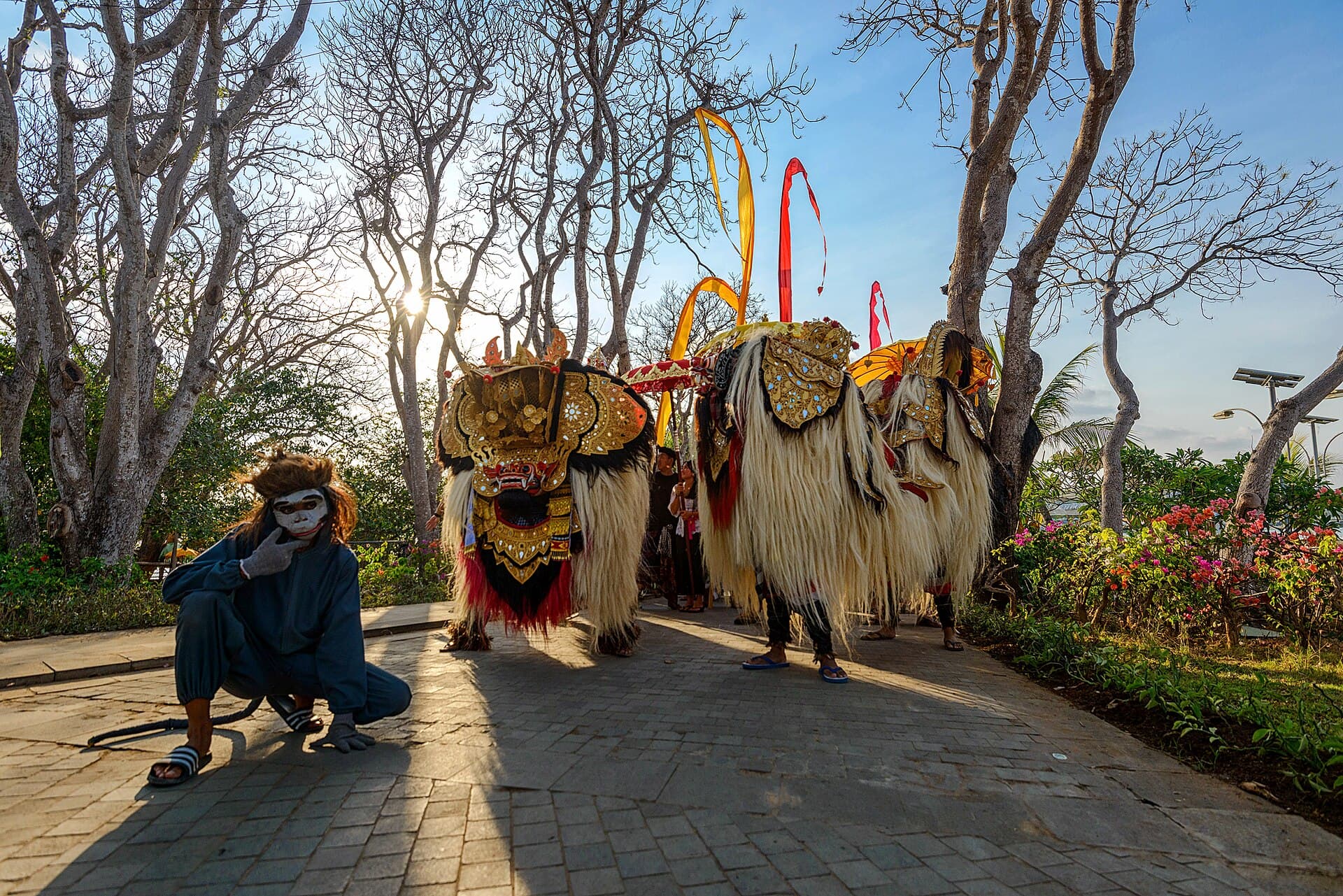
Children performing the Barong Bangkung ngelawang dance in a Bali village lane with gamelan players
Mekotek ritual in Munggu village, Badung, with young men stacking long wooden poles into a pyramid
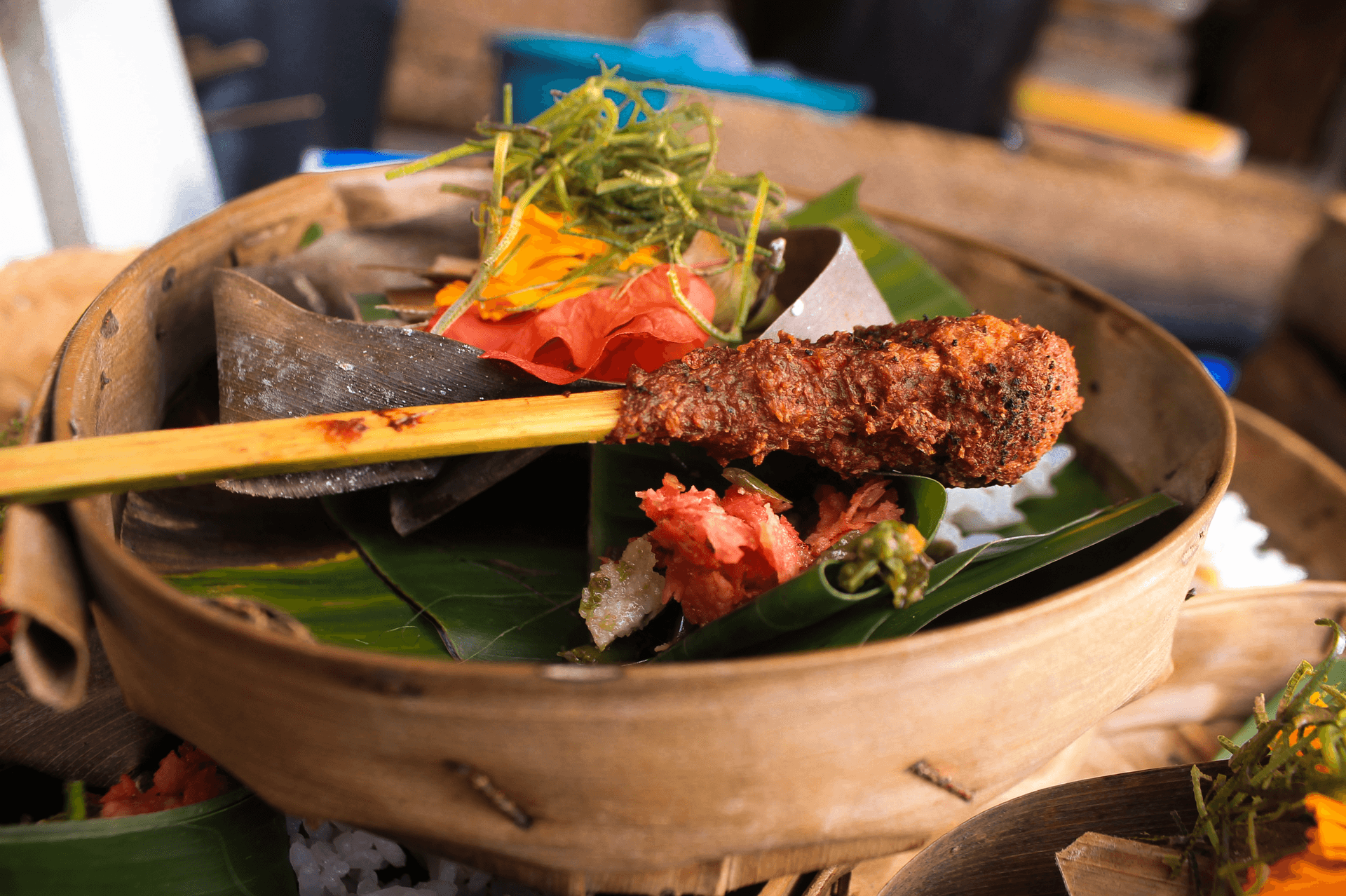
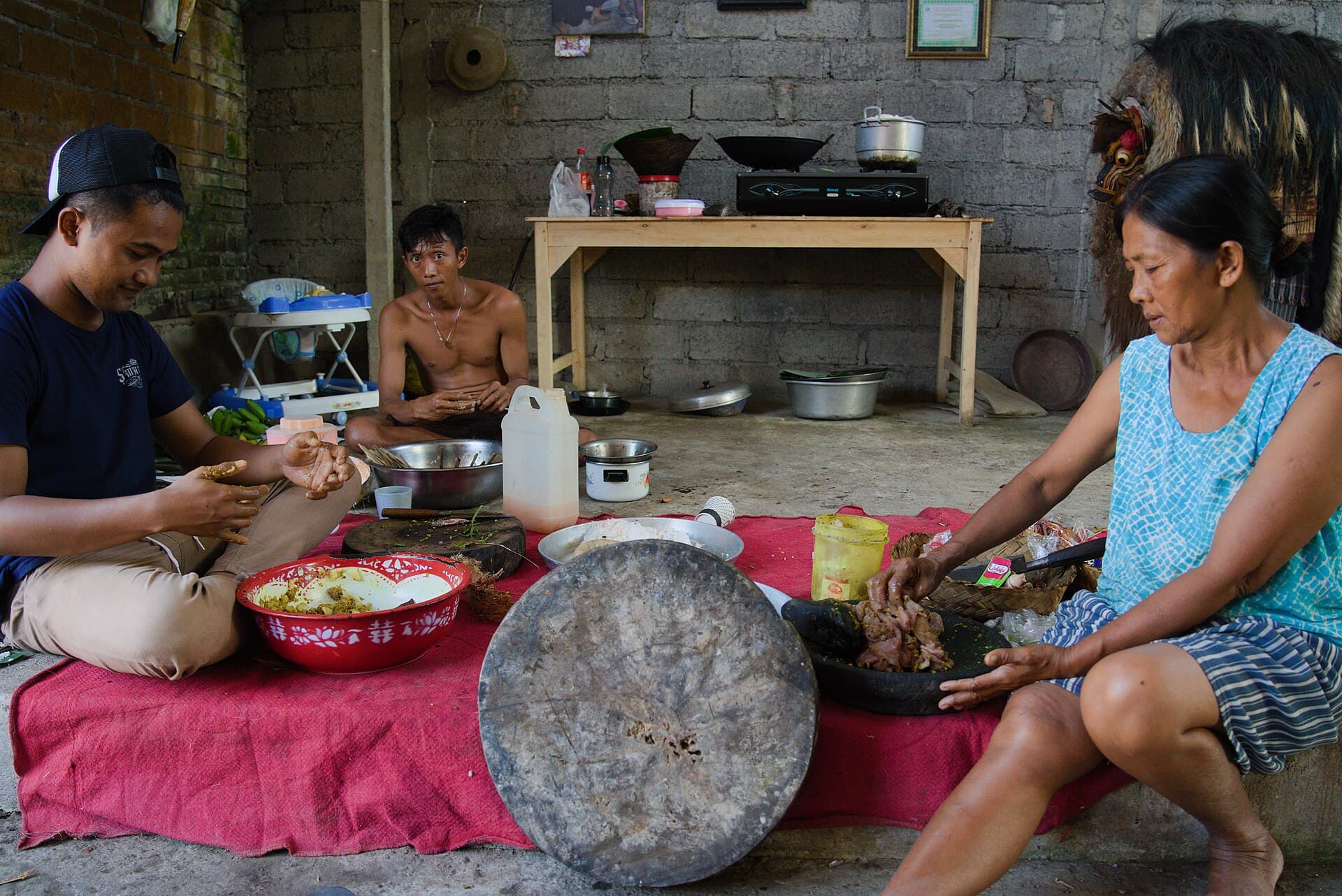
Balinese lawar being prepared on Penampahan Galungan

Overview

Galungan 2027 falls on Wednesday 13 January 2027 across Bali, and the cycle repeats on Wednesday 11 August 2027, each closing with Kuningan ten days later 1 4. It marks dharma defeating adharma, when ancestral spirits are believed to visit home 1. Expect bamboo penjor arching over every road, families in temple dress carrying offerings, and children parading a barong through village lanes 2 3.

Highlights

  • Two Galungan cycles in 2027: 13 January and 11 August
  • Curved bamboo penjor line almost every Bali street for ten days
  • Children dance the Barong Bangkung door to door between Galungan and Kuningan
  • Kuningan offerings of yellow rice must be finished by midday
  • Munggu village clashes wooden poles in the Mekotek ritual on Kuningan
  • No tickets: watch respectfully from village roadsides and temple gates

Good to know

Dates
13 to 23 January 2027, again 11 to 21 August 2027 1 4
Prayer hours
Kuningan rites end around midday 7 8
Venue
Home shrines and village temples island-wide; Denpasar at -8.650, 115.217 17
Entry
Free, no tickets for Galungan prayers or penjor streets
Getting there
Ngurah Rai airport to Ubud is 36–40 km, 1.5–2 hours by day 19
Recommended eSIM
eSIM for Indonesia

Why Does a Penjor-Lined Bali Lane Still Need Mobile Data?

Galungan does not happen in one place. It happens in thousands of family compounds and banjar temples at once, so the best moments are scattered and unannounced. A procession of women balancing offering towers can turn out of a side lane in Ubud at any time, and the ngelawang barong group your homestay host mentioned could be three lanes away or in the next village 2 10. None of this is on a printed programme, and most of it is passed along by word of mouth or a quick message.

Public Wi-Fi does not reach the places that matter. Village temples, rice-field roads to Sidemen and the walk up Penglipuran's main street have no café hotspot to lean on. On Umanis Galungan, the day after Galungan, half of Bali is on the road visiting relatives, and roads to highland attractions jam quickly 2 14. Without live maps you sit in that queue. Without a translation app you miss what the pemangku at the gate is asking you to do. A working phone is how you follow a moving, village-scale festival rather than a fixed stage.

How Do You Track a Ngelawang Barong Through Ubud's Lanes?

Ngelawang groups of 8 to 15 children carry the Barong Bangkung from house to house, with two dancers inside and the rest playing gamelan 10. They move constantly, so a host's voice note saying "they are at the banjar hall now" is only useful if you can open it and drop a map pin before the music fades into the next lane.

Why Check Live Traffic Before Driving to Bedugul on Umanis Galungan?

On Umanis Galungan in 2013, traffic queues around Bedugul and Ulun Danu Beratan stretched more than 5 km from around 13:00 WITA 14. Families head to the highlands, lakeside temples and relatives on that day, so check live traffic before leaving Ubud and switch to a coastal or village plan when the route turns red.

How Do You Pay the Love Bali Levy Before Landing?

Foreign visitors pay a Bali tourist levy of IDR 150,000 through the Love Bali website or app, choosing bank transfer, virtual account or QRIS, and the QR voucher arrives by email 18. Keep that email reachable on your phone at Ngurah Rai, because airport Wi-Fi queues during a holiday arrival are a poor place to search your inbox.

Install your eSIM before you fly and be online when you land — see matching plans

The complete guide

When Is Galungan in 2027?

Galungan 2027 falls twice: on Wednesday 13 January 2027 and again on Wednesday 11 August 2027 1 2 4. Kuningan, which closes each cycle, falls ten days later on Saturday 23 January 2027 and Saturday 21 August 2027 1 4. The August cycle repeats the same rituals in the dry season.

The date moves because Galungan follows the 210-day Pawukon calendar, not the solar year. It always lands on Buda Kliwon Dungulan, the Wednesday of the eleventh week of the Pawukon cycle 1 2. Since 210 days is exactly 30 weeks, every Galungan is a Wednesday and every Kuningan a Saturday, and some solar years fit two cycles while others fit only one.

In 2026 there was only one Galungan, on Wednesday 17 June 2026, with Kuningan on Saturday 27 June 2026 1 3. The Bali governor's 2026 holiday circular gave dispensation days on 16 June (Penampahan Galungan), 17 June (Galungan), 18 June (Umanis Galungan), 26 June (Penampahan Kuningan) and 27 June (Kuningan) 6.

Key days of the January 2027 cycle, as estimated in Bali's 2026/2027 school calendar pending the governor's circular for 2027 5:

  • Penampahan Galungan: Tuesday 12 January 2027 5

  • Galungan: Wednesday 13 January 2027 5

  • Umanis Galungan: Thursday 14 January 2027 5

  • Kuningan: Saturday 23 January 2027 5

The second cycle of Galungan 2027 in Bali runs from Wednesday 11 August 2027 to Kuningan on Saturday 21 August 2027, so a summer trip can catch the same penjor-lined roads under drier skies 1 4. After that, Galungan returns on 8 March 2028 and 4 October 2028 1.

The sign that Galungan is near is the penjor: a tall, curved bamboo pole hung with janur coconut leaves, bananas, sugarcane, fabric and snacks, seen as a bridge between the living and the ancestors 16. Its arc is often read as the outline of Gunung Agung, and each family raises its own outside the gate 3.

Galungan is not an Indonesian national holiday; it is a Balinese Hindu holy day, so banks and government offices on Bali may close or shorten hours while the rest of Indonesia works normally 3. The provincial circular, not the national calendar, sets which Galungan days count as holidays for Bali's schools and civil servants 6.

Tip: Plan to arrive by Penampahan, the day before Galungan. That is when families slaughter pigs, cook lawar and raise penjor, and it is the busiest preparation day you can see from the street.
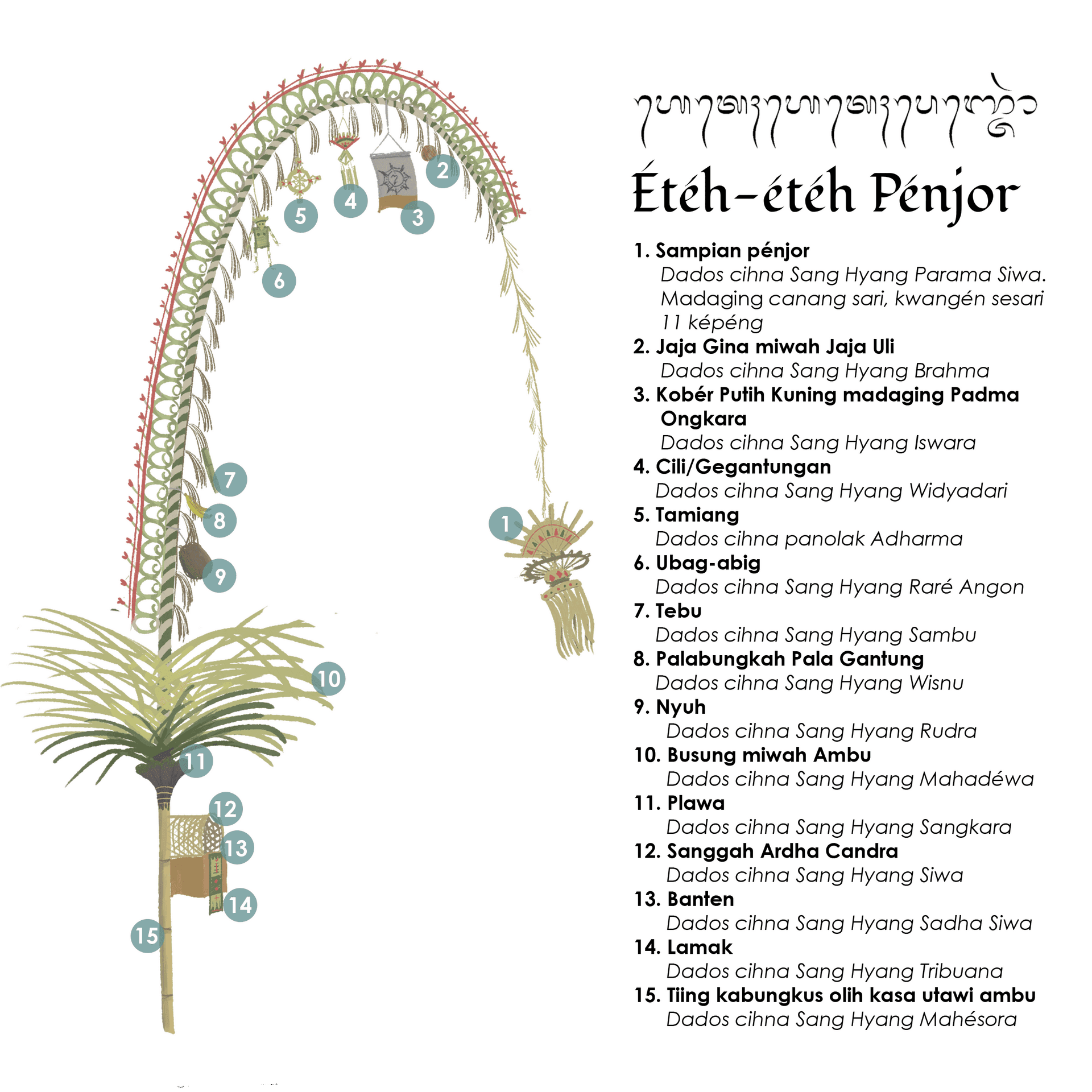
Close-up of a Balinese penjor with janur coconut-leaf decorations and the small offering shrine at its base
Photo: Eka Setyawan · CC BY-SA 4.0 · Wikimedia Commons

Why Is There No Ticket for Galungan Prayers at a Village Pura?

No ticket exists for Galungan, because it is a family and village holy day rather than a staged event. Prayers take place at household shrines, the banjar temple and larger temples such as Pura Agung Jagatnatha in Denpasar, and nobody sells entry to them 2 13. Direct participation is generally for Balinese Hindus; respectful watching from a distance is welcome, and a local may invite you to join part of the day 3. Without an invitation, visitors generally cannot join the ceremony itself 2.

On Galungan day in July 2019, thousands of worshippers filled Pura Jagatnatha in Denpasar, many from families who could not travel home, and foreign tourists stood among them watching and in some cases joining the prayers 13. That large city temple is the most practical place for a visitor in Denpasar to see collective Galungan worship without intruding on a private family compound.

What you will actually spend money on:

  • Bali tourist levy: IDR 150,000 per foreign visitor, paid once on arrival 18

  • Small change for ngelawang groups: households give punia (alms) when the barong dances at their gate 10

  • A sarong and sash for temple courtyards, needed at any Bali temple you enter 3

  • Regular entry fees at tourist-run sites such as Tirta Empul or Penglipuran village, which stay open over Galungan

The story behind Galungan gives Tirta Empul in Tampaksiring extra weight during the holiday: the god Indra is said to have created its spring while defeating the trickster king Mayadenawa 3. Expect locals in full temple dress at the purification pools, and give bathers space.

Behaviour matters more than money here. Ask before photographing anyone praying, step around canang sari offerings on the pavement rather than over them 3. Greeting people with "Selamat hari raya Galungan" is always appreciated 2.

Note: Temples attract monkeys, and Bali has street dogs. GOV.UK advises immediate medical help after any bite or scratch, and the ambulance number in Indonesia is 118 20.

Worshippers in sarongs at the Tirta Empul purification pools in Tampaksiring, Gianyar
Photo: Cempedak9 · CC BY-SA 4.0 · Wikimedia Commons
Need a steady connection for transit and maps?See eSIM plans

How Do You Reach Ubud From Ngurah Rai Airport During Galungan Week?

Galungan is celebrated island-wide, so the "venue" is wherever you stay; Ubud, Sidemen and Penglipuran feel the most immersive, while Sanur and Denpasar offer family-scale celebrations close to the airport 3. Denpasar, the capital and the reference point for most transfers, sits at -8.650, 115.217 17.

The only airport is I Gusti Ngurah Rai International (DPS) on the southern isthmus. From there to Ubud is about 36–40 km by road 19. Fares and times for this trip as of June 2026 19:

  • Official airport taxi counter: IDR 300,000–500,000 for central Ubud, paid by prepaid voucher 19

  • Grab or Gojek from the in-terminal pickup lounge: IDR 300,000–450,000, higher at peak times 19

  • Travel time: about 1.5–2 hours in daytime traffic, 2–2.5 hours or more between 16:00 and 19:00 19

  • Late night or early morning: about 1 hour 19

Many Balinese guides and drivers take several days off around Galungan, so private drivers for day trips should be booked before you fly; some non-Hindu drivers keep working 2. Ride-hailing apps still operate, but expect fewer cars in villages on Galungan morning itself.

Three places outside Ubud are worth the drive. Penglipuran in Bangli regency, near Kintamani, is the classic penjor street: rows of decorated poles line the village and girls in traditional dress carry banten offerings to the village pura 15. Munggu village in Mengwi, Badung, holds the Mekotek pole ritual on Kuningan 11. Pura Sakenan on Serangan, about 12 km from central Denpasar, can be reached by car since land reclamation joined the island to Bali; before 2000 worshippers crossed by boat 12.

Central Denpasar also puts on penjor displays, and the Kerobokan area is known for decorated streets 2. Large ceremonies can block roads briefly while processions pass, and village pecalang (traditional security guards) direct traffic and parking 2 12.

Tip: Walk the penjor-lined streets early in the morning, before cars and motorbikes fill the narrow roads, when the light on the coconut-leaf decorations is softest 3.

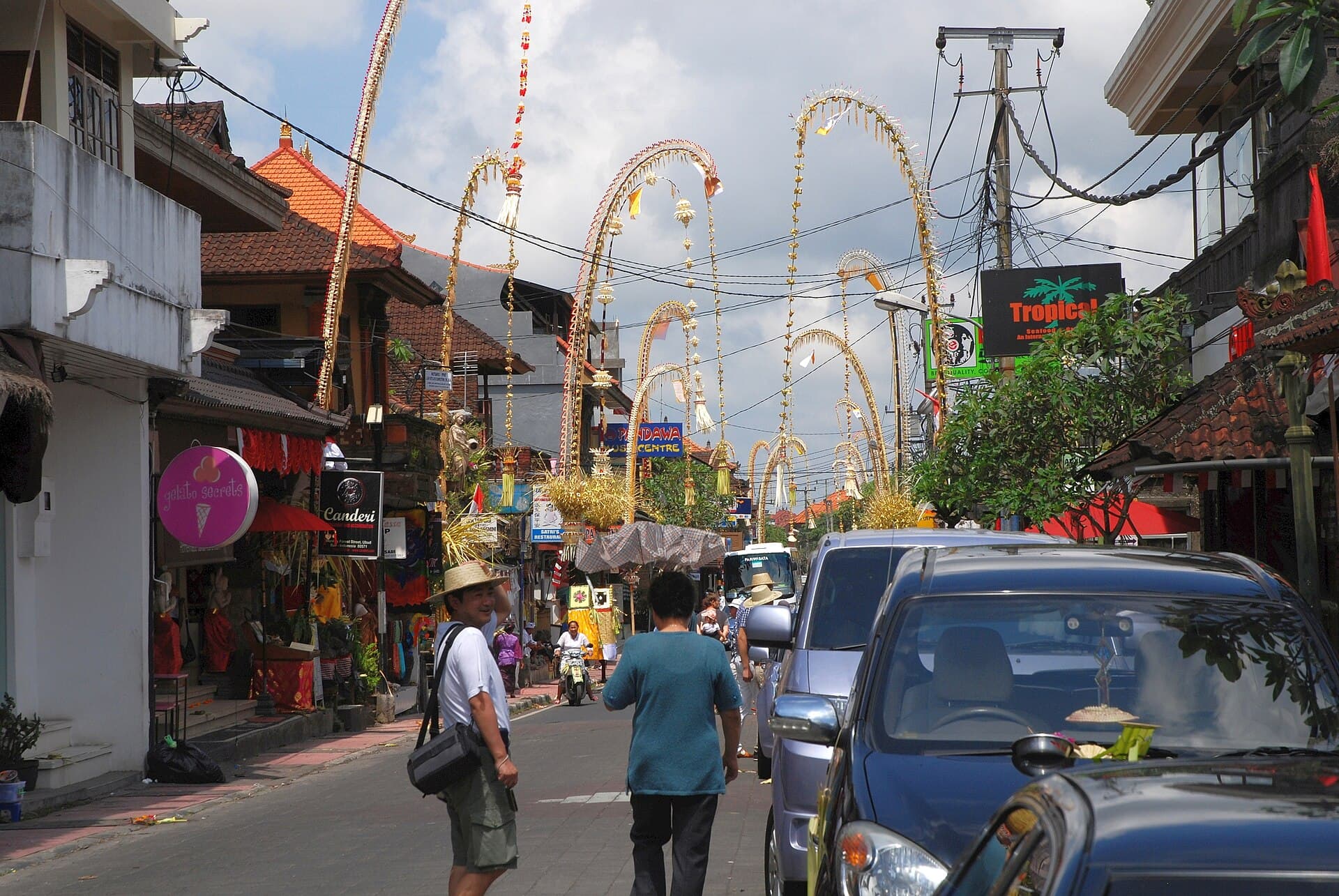
Penjor along Jalan Raya Ubud in front of Puri Saren Ubud, the Ubud Palace
Photo: Tigerente · CC BY-SA 4.0 · Wikimedia Commons

What Happens From Sugihan Jawa to Kuningan?

Galungan is a sequence of named days rather than a single festival day, starting nearly a week before and ending with Kuningan ten days after 8. The name comes from Old Javanese and means to fight or to win 8. Each day has its own task:

  • Sugihan Jawa (Thursday of wuku Sungsang): cleansing of the outer world 8 13
  • Sugihan Bali (Friday of wuku Sungsang): self-cleansing 8 13
  • Penyekeban (Sunday): green bananas sealed in clay pots to ripen for offerings 2 8
  • Penyajaan (Monday): families make jaja, the rice cakes used in offerings 2 8
  • Penampahan (Tuesday): pigs or chickens slaughtered, lawar cooked, penjor raised 2 9
  • Galungan (Wednesday): prayers at home shrines and temples in full temple dress 2
  • Umanis Galungan (Thursday): visiting relatives, friends and neighbours 2 13
  • Kuningan (Saturday, ten days later): yellow-rice offerings, rites finished by midday 7 8

Penampahan starts before dawn. In Banjar Ole in Tabanan in 2016, a jointly bought 100 kg pig was slaughtered and shared among 15 to 20 households, a practice called mepatung, and the work was done before sunrise 9. The meat becomes lawar and be balung for that day, with other dishes preserved to last until Kuningan 9. In Desa Adat Samsam in Tabanan, families light cotton-wrapped linting sticks on Penampahan night 10.

On Galungan day, women carry tall offering boxes to the temple and families pray at the household shrine, which serves as a temporary home for the ancestors 2 3. In Desa Medahan in Gianyar, villagers bring tumpeng offerings to couples who married in the previous six months 10. Between Galungan and Kuningan, children's ngelawang groups dance the Barong Bangkung from gate to gate to drive off bad influences 10.

Kuningan on Saturday 23 January 2027 brings nasi kuning (yellow rice) and woven tamiang shields, ter and endongan pouches hung at shrines 7 8. Ceremonies close around 12:00, because the gods and ancestors are believed to stay on earth only until midday 8. In Munggu, hundreds of young men stack long wooden poles into pyramids at every crossroads for Mekotek 11. Pura Sakenan often holds its piodalan temple festival over Kuningan, with worship running from morning until late afternoon 12. In parts of Tabanan, families scatter money for neighbours in Mesuryak 7. Penjor come down at Pegat Wakan, the formal end of the wider ritual period 7.

Pura Sakenan on Serangan Island, Denpasar, during the Kuningan temple festival
Photo: Spencer Weart · CC BY-SA 3.0 · Wikimedia Commons

How Wet Is Bali During a January Galungan?

A January Galungan sits in the middle of Bali's wet season, which in Denpasar runs from 11 November to 29 March 17. Average conditions in Denpasar from WeatherSpark's 1980–2016 records 17:

  • January: highs around 31°C, lows around 25°C, about 262 mm of rain over 18.2 wet days 17

  • August: highs around 29°C, lows around 23°C, about 15 mm of rain over 2.2 wet days 17

In practice, the January 2027 Galungan in Ubud and Denpasar means humid mornings, heavy afternoon downpours and wet penjor drooping by Kuningan, while the August 2027 cycle brings clear, dry days that suit long walks between villages 17. Humidity peaks in January, and it is Denpasar's cloudiest month 17.

Crowd levels differ sharply by day, rated here from 1 (quiet) to 5 (packed):

  • Penampahan: 3, markets and roadsides busy with preparations

  • Galungan morning: 2 on main roads, 5 at large temples such as Pura Jagatnatha 13

  • Umanis Galungan: 5 on roads to the highlands and family visits 2 14

  • Kuningan morning: 4 at Pura Sakenan and other major temples 12

Umanis Galungan is the day to avoid long drives. On that day in 2013, queues around Bedugul, Ulun Danu Beratan and the Kebun Raya botanical garden ran more than 5 km from around 13:00 WITA, and police from Polres Tabanan were posted at each attraction 14. Families heading to relatives also fill coastal roads 2.

Arrive in Bali at least a day before Galungan, so that Penampahan is your first full day. For Kuningan, be at the temple you want to see early in the morning, because rites wind down by midday 7 8.

Tip: In January, carry a light rain jacket rather than an umbrella. Narrow village lanes, processions and motorbikes leave little room for a wide canopy, and afternoon storms are short but heavy.

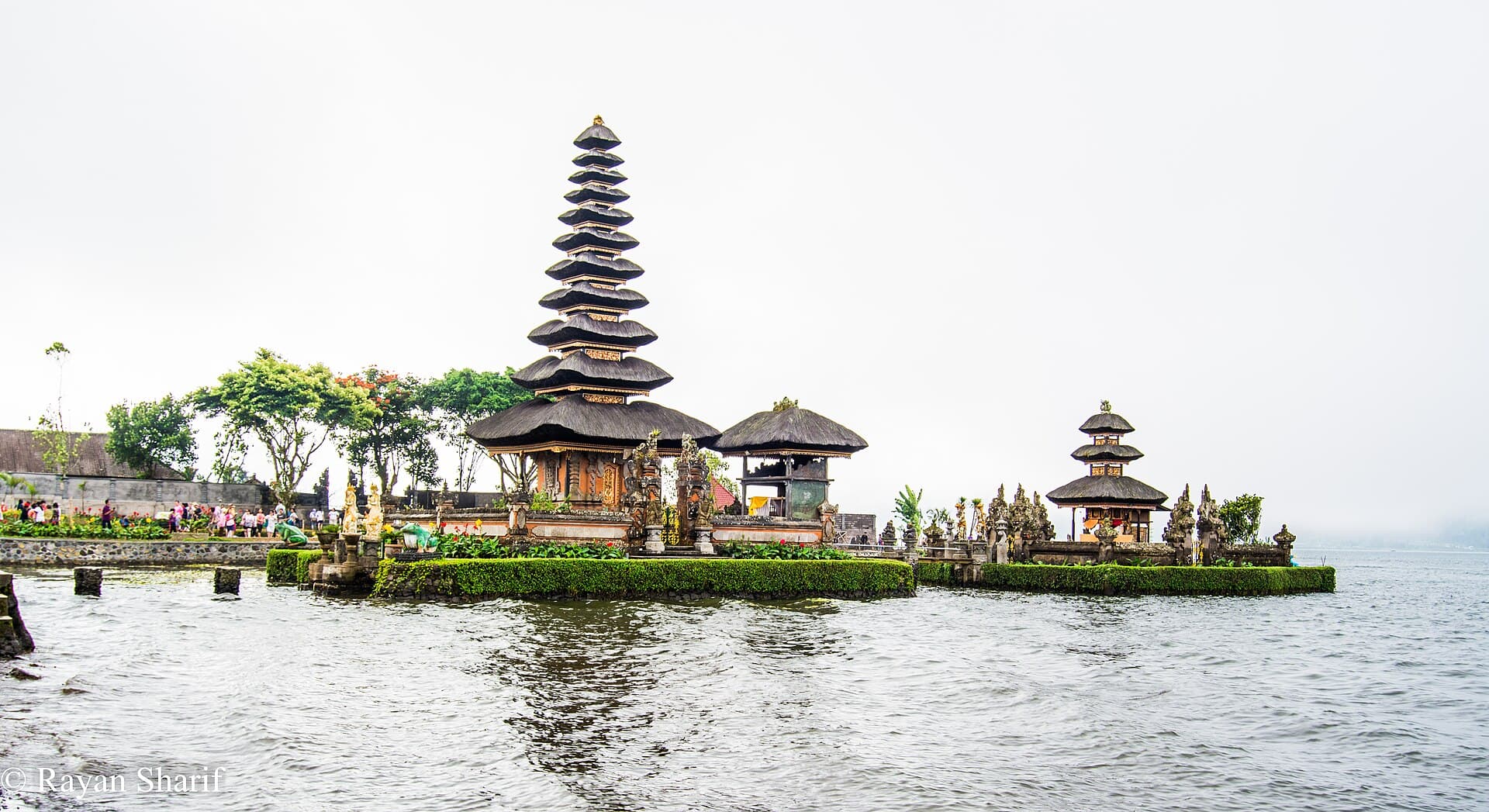
Pura Ulun Danu Beratan on Lake Beratan, Bedugul, under cloudy skies
Photo: Rayansharif · CC BY-SA 3.0 · Wikimedia Commons

Why Is Ubud the Easiest Base for Galungan Week?

Ubud puts you inside the kind of village life Galungan is built around: walkable streets lined with penjor, banjar temples between guesthouses, and easy drives to Sidemen, Tampaksiring and Bangli 3. Seminyak, Canggu and Uluwatu stay busy with beach clubs and feel far less connected to the holiday 3.

Where to stay, by what you want to see:

  • Ubud: penjor streets, ngelawang groups in the lanes, short drives to Tirta Empul and Penglipuran 3 15

  • Sidemen: quiet rice-terrace villages in east Bali where the holiday feels intimate 3

  • Sanur: family-oriented celebrations and the shortest drive to Pura Sakenan 3 12

  • Denpasar: Pura Jagatnatha and central penjor displays within walking distance 2 13

  • Nusa Penida: quieter, more traditional observances, including ceremonies at Ped temple 3 4

Family-run homestays are the best seat for Galungan. Hosts often give guests fruit and rice cakes from their offerings 2, and the household shrine is a few steps from your room, so you see the morning prayers without seeking them out. Ask your host the evening before whether the family minds you watching from the courtyard edge.

Domestic school holidays matter more than Galungan for room prices. Bali's odd-semester school holiday ends on Saturday 2 January 2027, so the January Galungan cycle falls after the year-end peak 5. The August 2027 cycle falls in Bali's dry season, the busier period for foreign visitors, so book Ubud rooms earlier for that trip 17.

Book transport alongside your room. Since many guides and drivers take time off for their own family ceremonies, a guesthouse that can arrange a trusted driver for Umanis Galungan and Kuningan morning saves a lot of waiting 2. Most restaurants, shops and attractions in tourist areas stay open; a few locally run warungs close on Galungan day itself 2 3.

Tip: Ask for a room facing the lane rather than the rice fields. On Galungan week the lane is where the penjor, the processions and the barong pass.

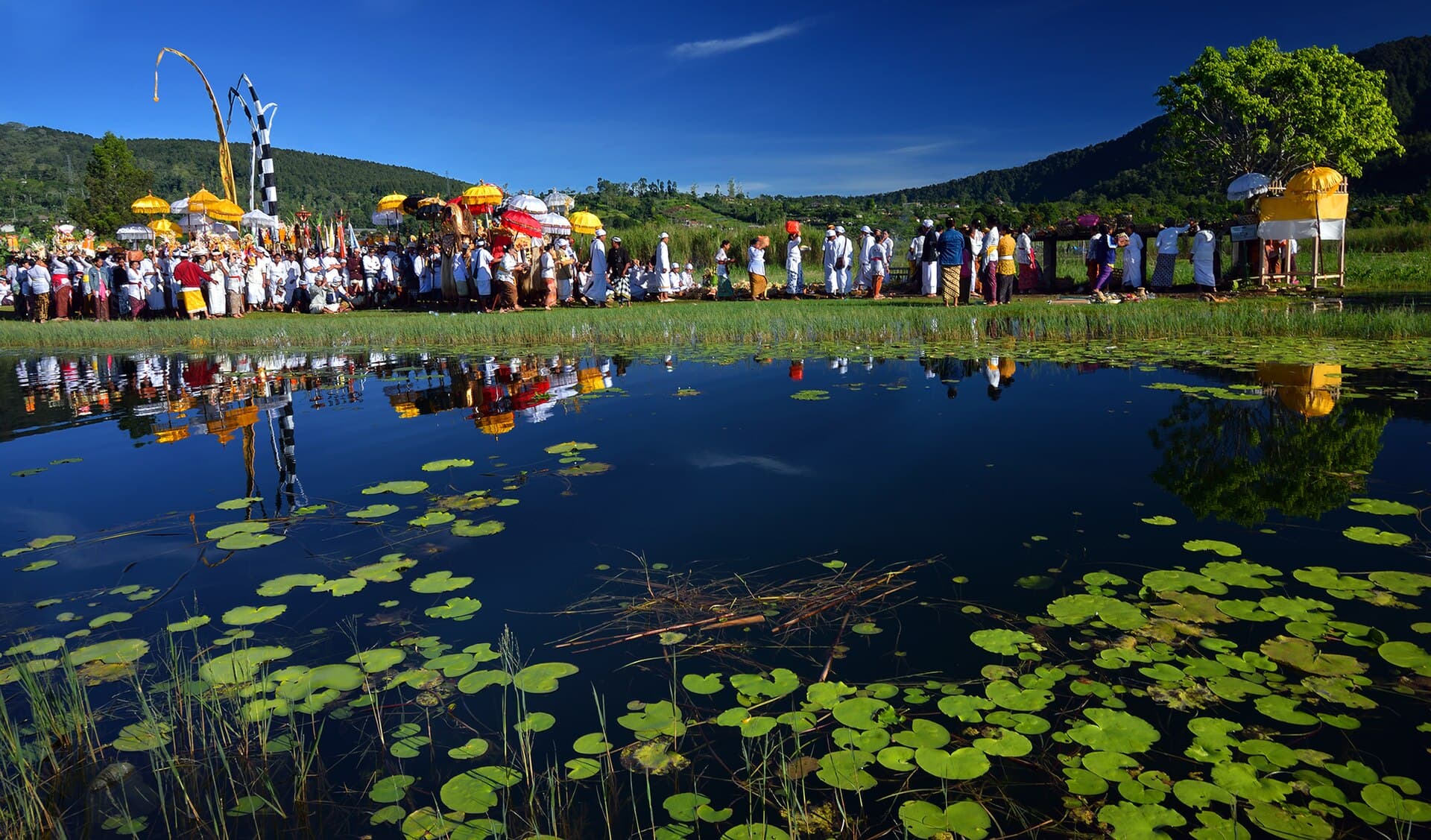
Pura Taman Saraswati and its lotus pond in central Ubud
Photo: Ilham Mufti Laksono · CC BY-SA 4.0 · Wikimedia Commons

How Do You Stay Online on Umanis Galungan Road Trips?

Mobile data, not Wi-Fi, carries you through Galungan, because the festival is spread across village lanes, temples and rural roads rather than a single site with hotspots. Your phone does four jobs on a Galungan trip in Bali: live traffic, messages from hosts and drivers, translation, and payments.

What uses data during the holiday:

  • Live maps to dodge the Umanis Galungan traffic that once queued more than 5 km at Bedugul 14

  • Booking a Grab or Gojek car from the airport pickup lounge or a village road 19

  • Paying the IDR 150,000 tourist levy by QRIS or transfer through Love Bali 18

  • Voice notes and pins from homestay hosts tracking where the ngelawang barong is dancing 10

  • Translating Balinese and Indonesian signs at temple gates and offering stalls

The heaviest use is video. Kuningan morning at Pura Sakenan, the Mekotek pole pyramids in Munggu and the barong in the lanes are all moments people film and share on the spot 11 12. Sending clips home over mobile data in a crowd is slower than at your guesthouse, so upload in the evening and keep the daytime connection for maps and messages.

Signal in Ubud, Denpasar and Sanur is generally strong, but crowds at major temples on Galungan and Kuningan mornings can slow it. In rice-field villages around Sidemen and on the highland roads to Bangli, coverage thins, so save an offline map of each day's route the night before.

Set up your plan at home rather than at a counter in Ngurah Rai's arrivals hall. An eSIM for Indonesia installed before departure activates on landing, so the airport ride, the levy voucher and your first messages to your host all work from the jet bridge.

Tip: Share your live location with your group before Galungan morning. Processions can split you up in seconds on a narrow lane lined with penjor.

Pura Agung Jagatnatha beside Puputan Badung Square in Denpasar
Photo: Roland · CC BY-SA 2.0 · Wikimedia Commons

Suggested itinerary

Day 1 · Penampahan Galungan

  1. Before sunrise
    Your homestay courtyardAsk the evening before whether the family minds you watching the pig preparation for lawar
  2. Morning
    Ubud village lanesWatch families raise penjor at their gates and fix the small offering shrine at the base
  3. Midday
    Tirta Empul, TampaksiringThe spring linked to Indra's defeat of Mayadenawa fills with locals before the holy day
  4. Afternoon
    Rest in UbudAfternoon storms are common in January, so keep this slot indoors
  5. Evening
    Penjor walk near your guesthouseLanes are quiet and the new poles are freshly decorated

Day 2 · Galungan day

  1. Early morning
    Jalan Raya UbudWalk the penjor-lined main road before traffic builds
  2. Morning
    Roadside near a banjar templeWatch women carry offering towers to prayers from a respectful distance
  3. Midday
    Lunch in central UbudMost tourist restaurants stay open, but some family warungs close for the day
  4. Afternoon
    Ubud back lanesListen for gamelan, which means a ngelawang barong group is nearby, and keep small change ready
  5. Evening
    HomestayHosts often share fruit and rice cakes from the day's offerings

Day 3 · Umanis Galungan

  1. Early morning
    Drive to Penglipuran, BangliLeave early, as families fill the roads on this visiting day
  2. Morning
    Penglipuran main streetRows of penjor line the village, and littering is strictly forbidden
  3. Midday
    Back towards UbudAvoid the highland roads to Bedugul after midday, when queues build
  4. Afternoon
    Sidemen or Ubud rice terracesQuiet countryside while the main roads are busy
  5. Evening
    Early nightRest before the Kuningan morning start

Day 4 · Kuningan

  1. Early morning
    Munggu village, MengwiAsk locally the day before when the Mekotek pole procession starts
  2. Morning
    Pura Sakenan, SeranganThe temple festival often coincides with Kuningan, so join the queue managed by pecalang
  3. Before midday
    Watch the last offeringsYellow-rice offerings and tamiang shields appear before the rites close at noon
  4. Afternoon
    Sanur beachfrontA short drive from Serangan for a calm end to the holy day
  5. Evening
    Return to Ubud or stay in SanurPenjor stay up after Kuningan until Pegat Wakan
Tip: Book a driver for the Kuningan morning well ahead, because many Balinese drivers take Galungan days off for family ceremonies.

Recommended eSIM plans

Pick by trip length. Visiting several countries? Choose a regional plan.

Selected: eSIM Indonesia 20GB 15 Day(s)

Set up your eSIM in 3 steps

  1. Order and get your QR codeThe QR code arrives by email right after payment.
  2. Scan before you flySettings → Cellular → Add eSIM, while you still have Wi-Fi.
  3. Turn on data when you landSet the eSIM as your data line and enable data roaming.

Frequently asked questions

Galungan is the Wednesday when Balinese Hindus believe ancestral spirits return to visit their family homes, celebrating dharma over adharma. Kuningan, ten days later on a Saturday, is when those spirits return to the divine realm. Kuningan rites use yellow rice and tamiang shields and must finish by midday 1 7 8.

Galungan repeats every 210 days on the Pawukon calendar, so its solar date drifts. Galungan falls on Wednesday 13 January 2027, and 210 days later lands on Wednesday 11 August 2027, both inside the same year 1 4. In 2026, by contrast, only one Galungan fell, on 17 June 2026 1 3.

Yes. Pura Agung Jagatnatha is the large public temple in central Denpasar, and on Galungan day in 2019 foreign tourists stood among thousands of worshippers, some even joining the prayers 13. Wear a sarong and sash, stay at the edge of the courtyard and ask before photographing anyone praying 3.

Most restaurants, cafes, shops and attractions in Ubud and other tourist areas stay open through Galungan. Some locally run warungs close on Galungan day itself, and banks and government offices may shut or work shorter hours 2 3. Unlike Nyepi, the island does not stop, but call ahead if you have a booking.

Small change is the right gift. Ngelawang groups of children carry the Barong Bangkung from house to house between Galungan and Kuningan, and households give punia, a small offering of money, when the barong dances at their gate 2 10. Hand it to the group leader with your right hand.

It depends mostly on video. Maps, ride-hailing and messages to hosts use little, but filming the barong, Mekotek or Kuningan offerings and sending clips home uses far more. Choose a plan sized for daily navigation plus a few uploads, install it before flying, and upload long videos over guesthouse Wi-Fi in the evening.

Sources

Figures on this page come from the sources below — the small number next to each figure points to its source.

  1. 1Wikipedia, Galungan (accessed 2026-10-18)
  2. 2Bali Untold, Galungan and Kuningan (accessed 2026-10-18)
  3. 3Honeycombers Bali, Galungan and Kuningan in Bali (accessed 2026-10-18)
  4. 4NusaPenida.org, celebrations and ceremonies in Bali (accessed 2026-10-18)
  5. 5Komunitas Belajar, Kalender Pendidikan Provinsi Bali 2026/2027 (accessed 2026-10-18)
  6. 6SD Negeri 3 Nyalian, Surat Edaran Gubernur Bali Libur 2026 (accessed 2026-10-18)
  7. 7Wikipedia, Kuningan (Bali) (accessed 2026-10-18)
  8. 8Kompas TV, Apa itu Hari Raya Galungan dan Kuningan (accessed 2026-10-18)
  9. 9ANTARA Bali, Bali potong ribuan ekor babi secara massal (accessed 2026-10-18)
  10. 10detikBali, Tradisi unik saat Galungan dan Kuningan di Bali (accessed 2026-10-18)
  11. 11ANTARA Bali, Warga Munggu Badung ikuti tradisi Mekotek (accessed 2026-10-18)
  12. 12ANTARA Bali, Balinese Hindus celebrate holy Kuningan day (accessed 2026-10-18)
  13. 13ANTARA Bali, Galungan, umat Hindu padati Pura Jagatnatha Denpasar (accessed 2026-10-18)
  14. 14ANTARA Bali, Bedugul macet saat Umanis Galungan (accessed 2026-10-18)
  15. 15Indonesia Travel, Penglipuran Bali (accessed 2026-10-18)
  16. 16Bali.com, Penjor bamboo poles (accessed 2026-10-18)
  17. 17WeatherSpark, average weather in Denpasar (accessed 2026-10-18)
  18. 18Love Bali, Bali tourist levy, Bali Provincial Government (accessed 2026-10-18)
  19. 19Pickyourtrail, Bali airport to Ubud (accessed 2026-10-18)
  20. 20GOV.UK, Indonesia travel advice: health (accessed 2026-10-18)