What is Diwali and why everyone loves it
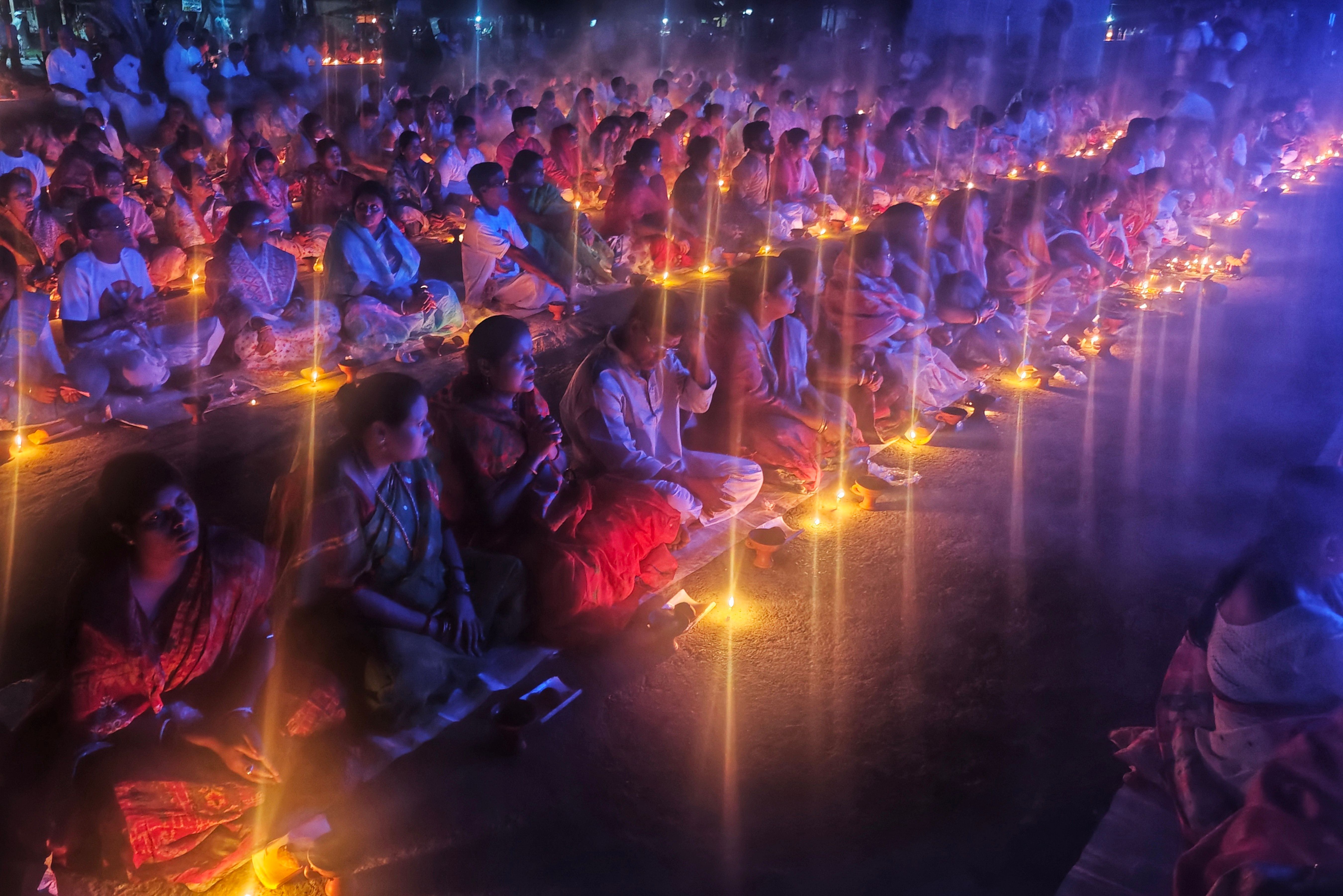
Diwali, also known as Deepavali, is the festival of lights for Indians and Indian communities around the world. At the core of the festival is the belief that light triumphs over darkness, and good triumphs over evil. Each tradition tells a different story: many associate the festival with King Rama's return to Ayodhya, others with the goddess Lakshmi, who is believed to visit homes on the main night, and for Sikhs, it is also the festival of Bandi Chhor Divas. The date of the festival changes each year as it is based on the lunar calendar, so it falls in late October or November.
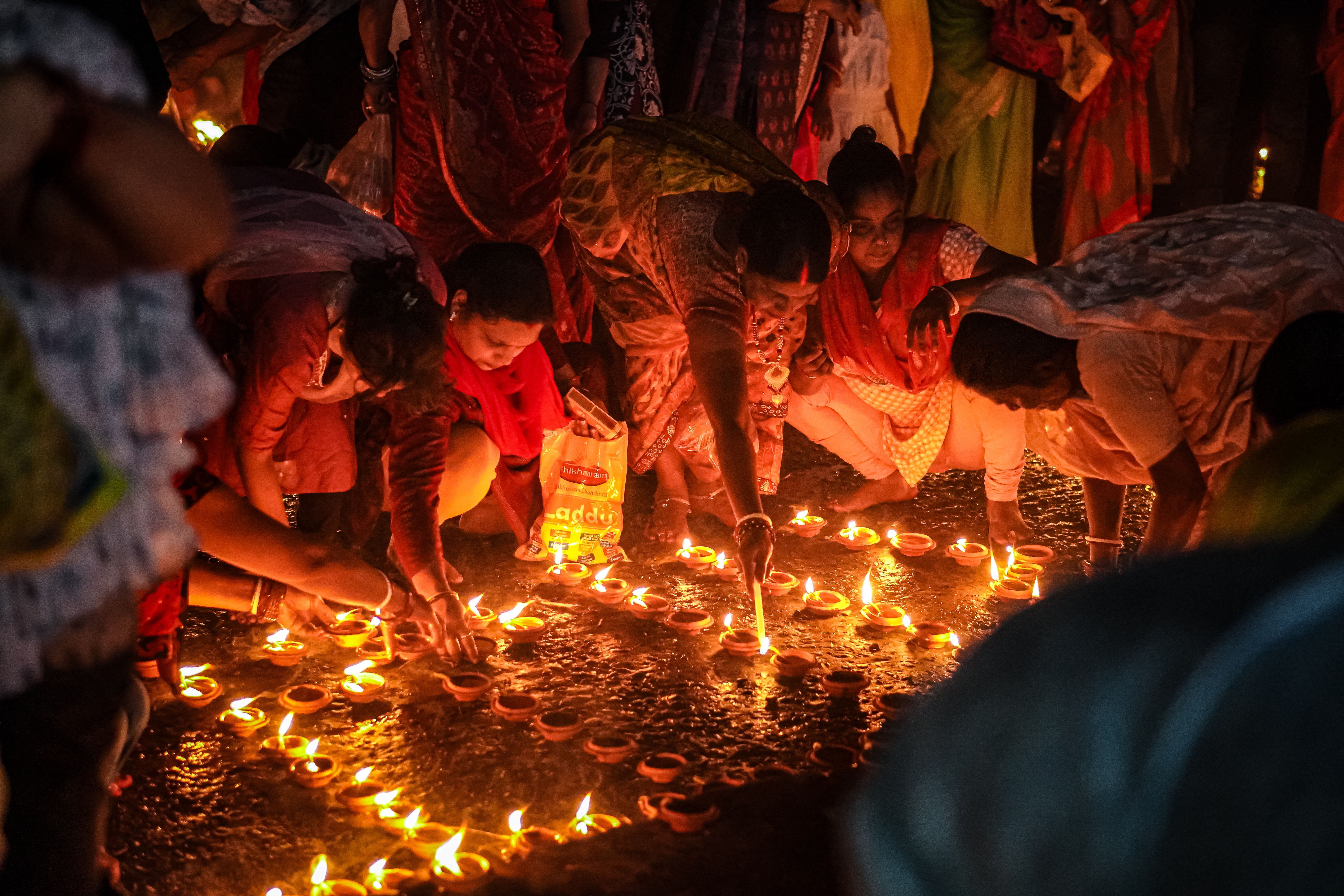
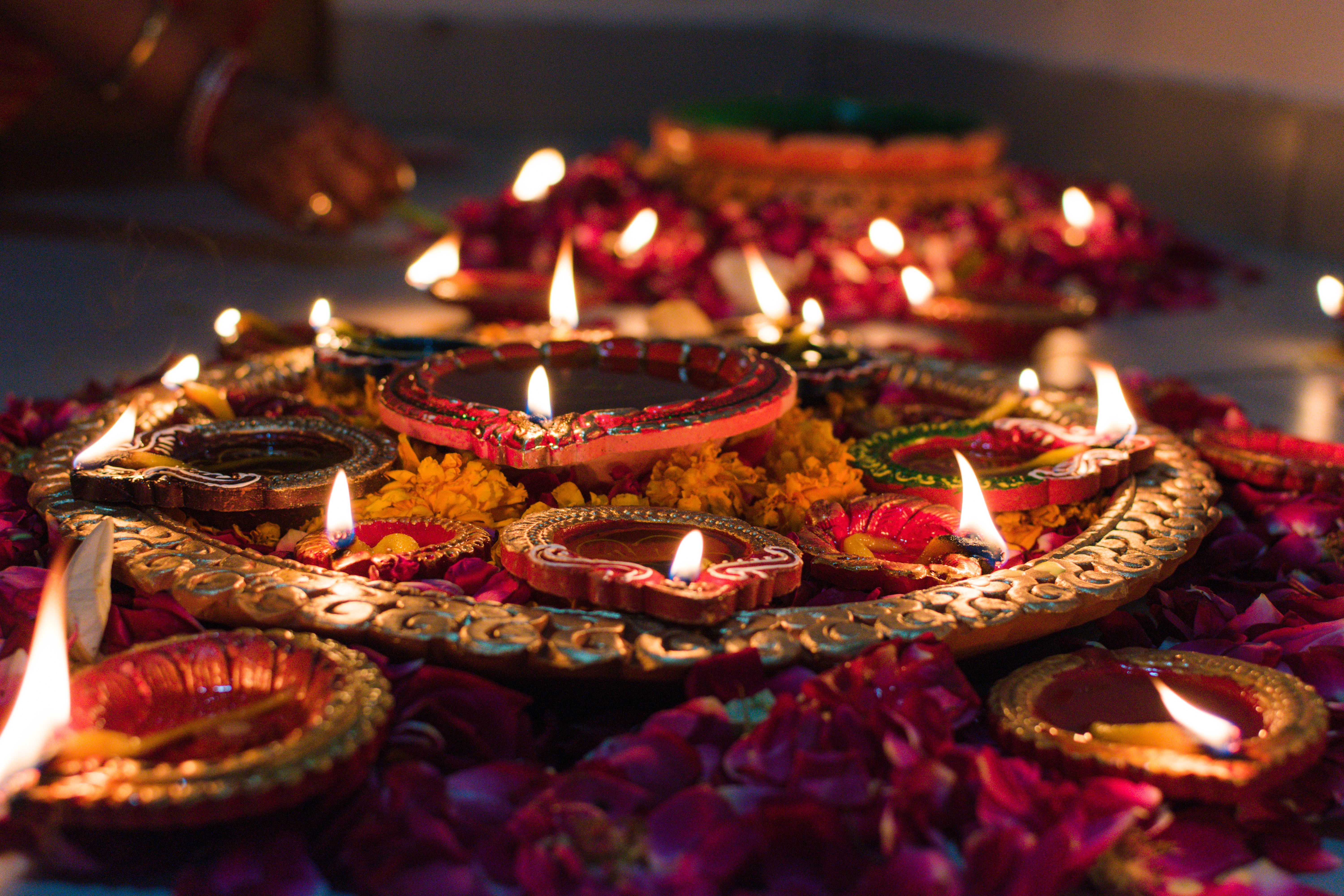
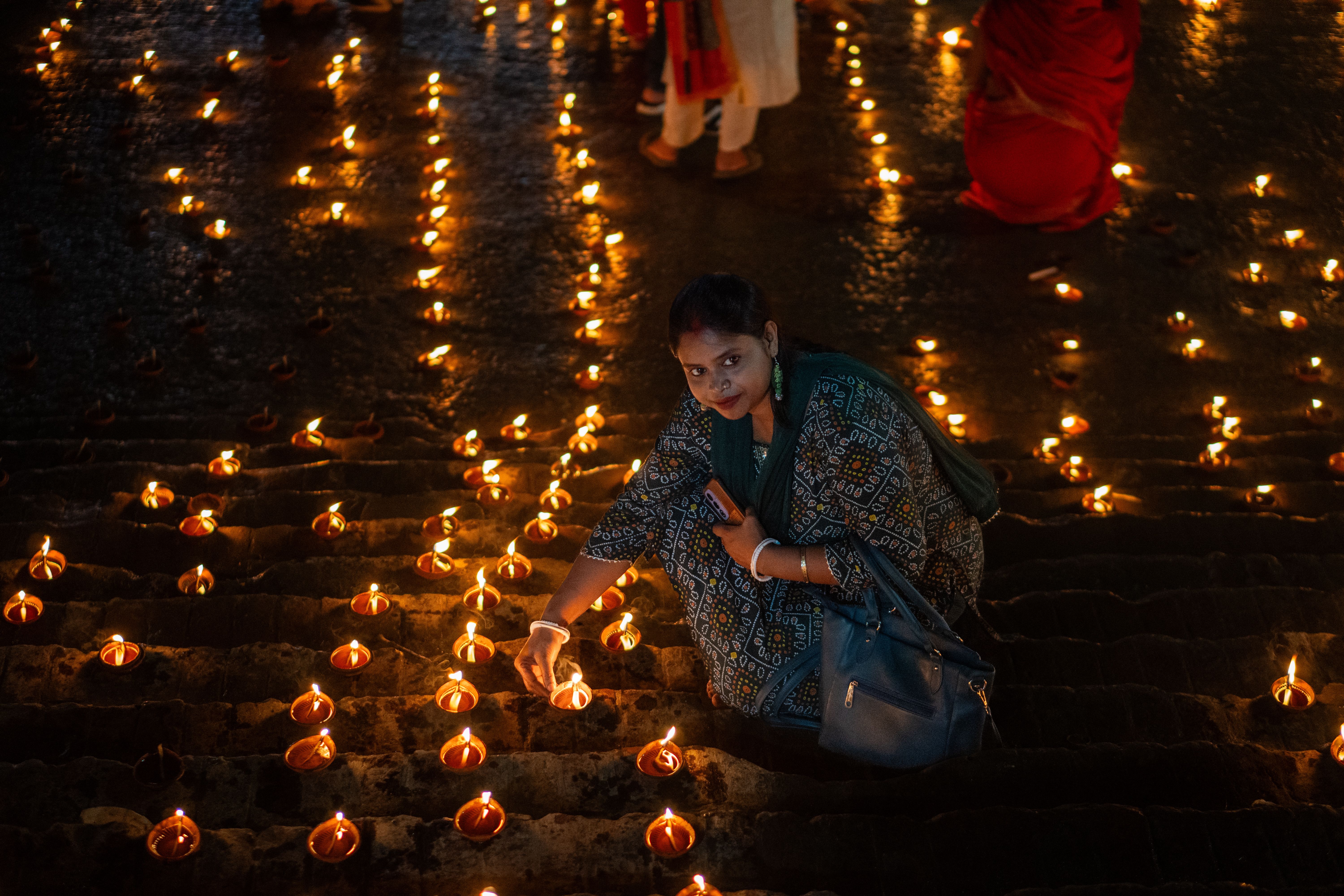
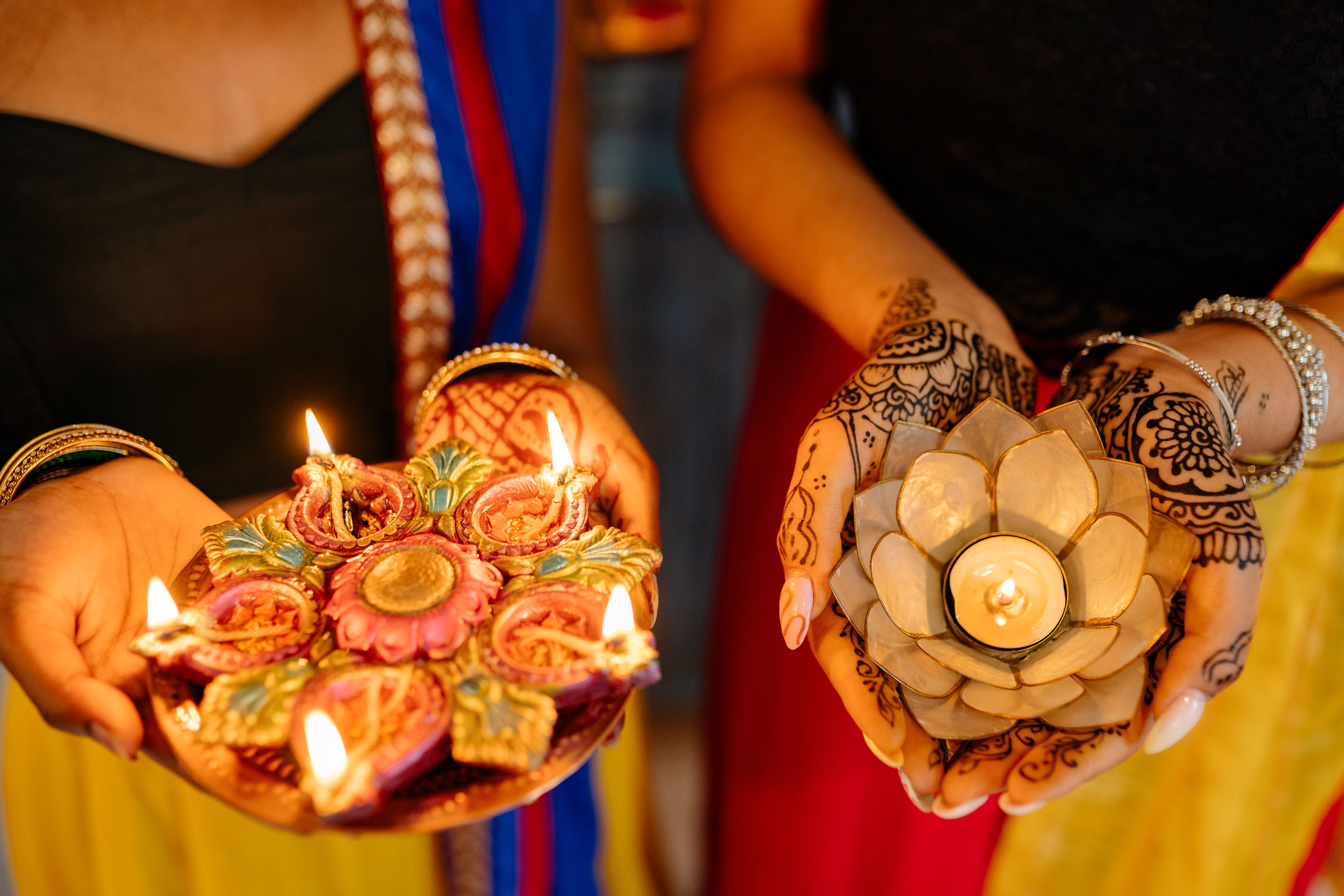
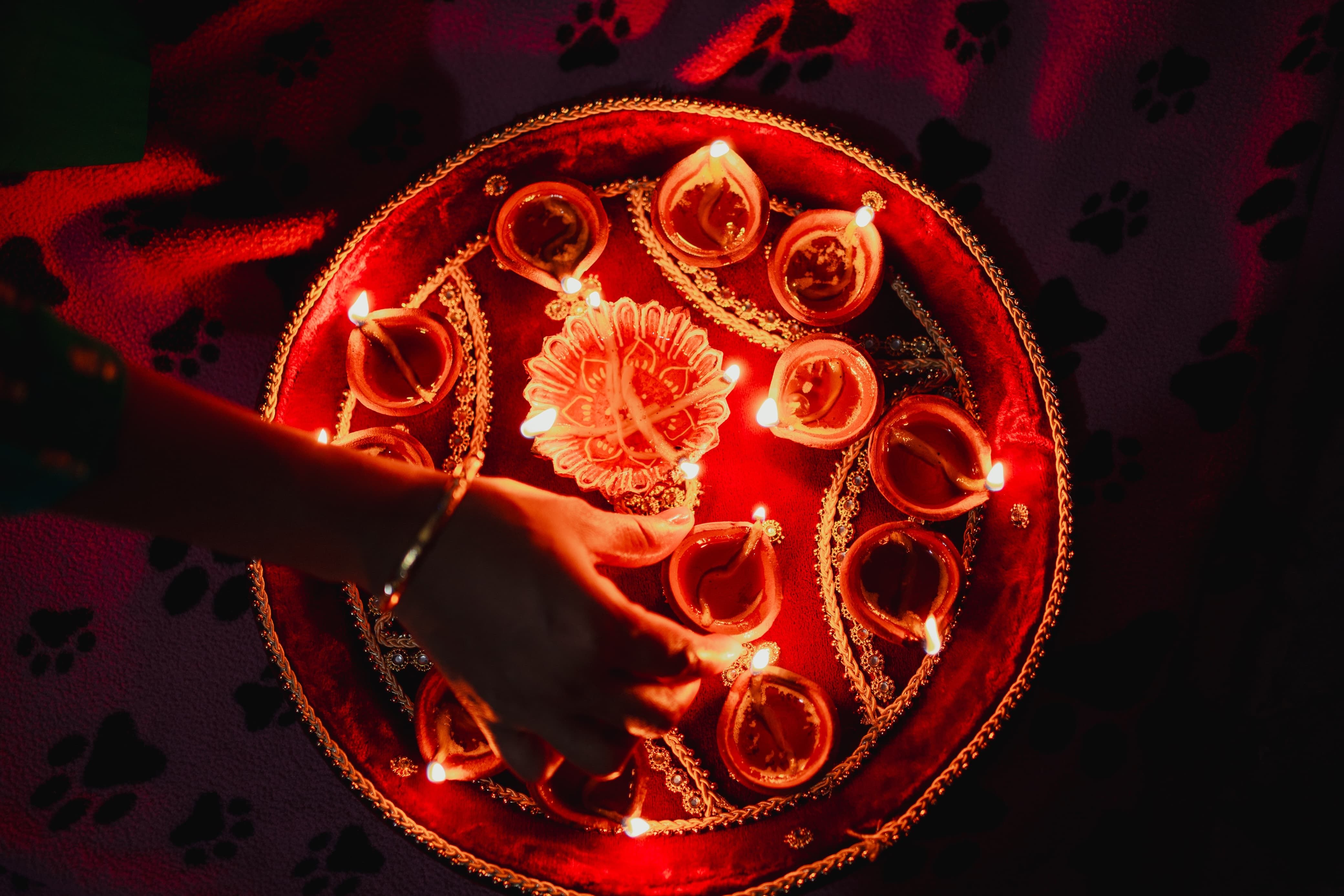
The first thing you'll notice is the atmosphere of preparation. Homes are cleaned and repainted, doorways are decorated with rangoli, patterns on the floor made from colored powder or flower petals, and earthenware oil lamps called diya are lit in rows on windowsills, rooftops, and temple steps. Markets are filled with lights, sweets, flowers, new clothes, and gold and silver. In the evening, the sound of firecrackers, temple bells, and family laughter blend together.
What to see, do, eat, buy:
See: markets, temples, forts, and riverbanks lit up after dark.
Do: watch or attend a Lakshmi Puja ceremony, light a diya, and try drawing rangoli.
Eat: sweets like ghewar, jalebi, gulab jamun, kaju katli, and savory dishes like kachori.
Buy: oil lamps, brassware, textiles, sweets as gifts, and if you like, a traditional outfit.
Tip: When offered sweets, accept them. Sharing mithai is part of the festival, and refusing might be seen as unfriendly. Taking a small portion and smiling is enough.