What Coachella Is and Why It Is Worth It
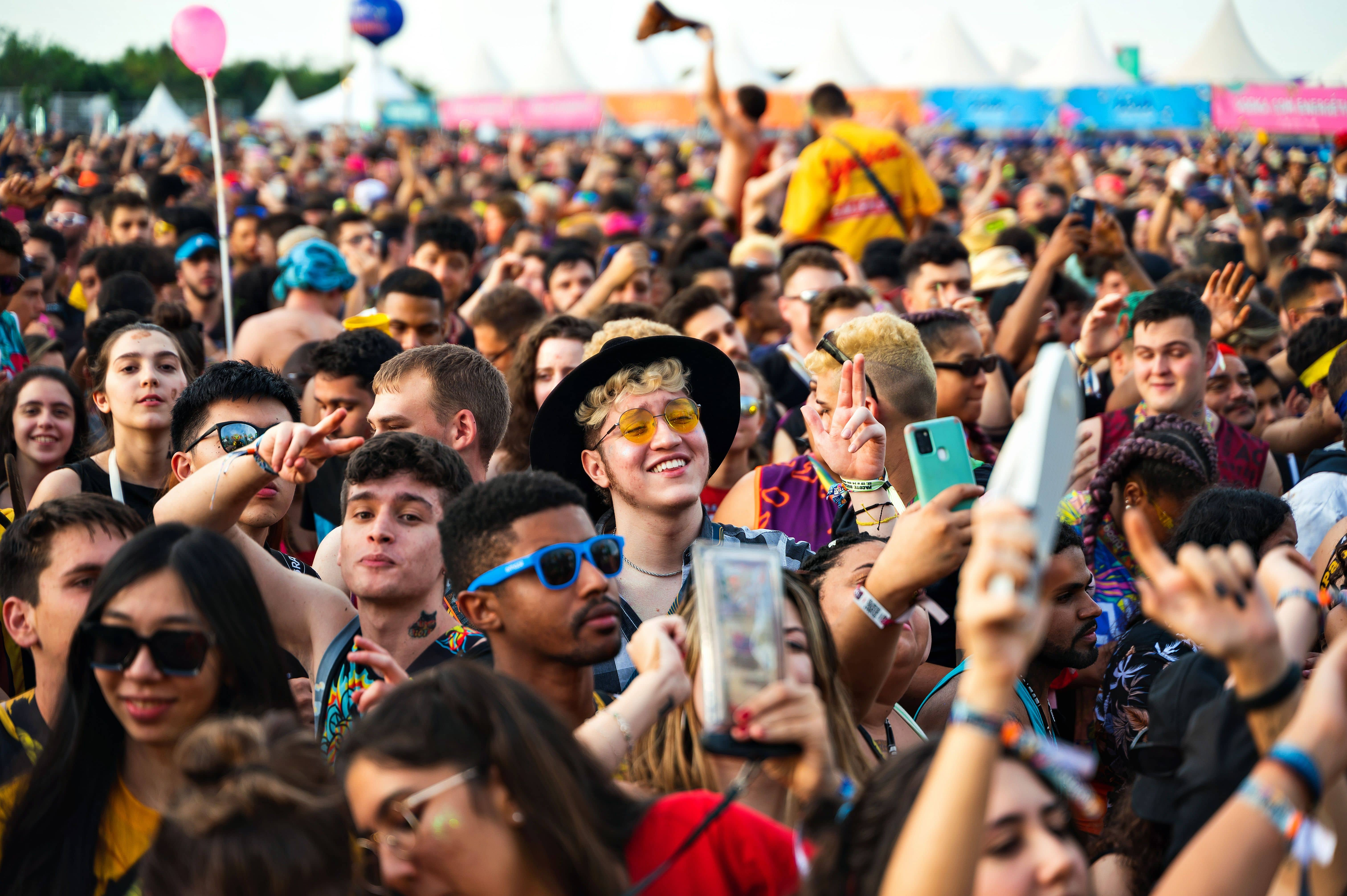
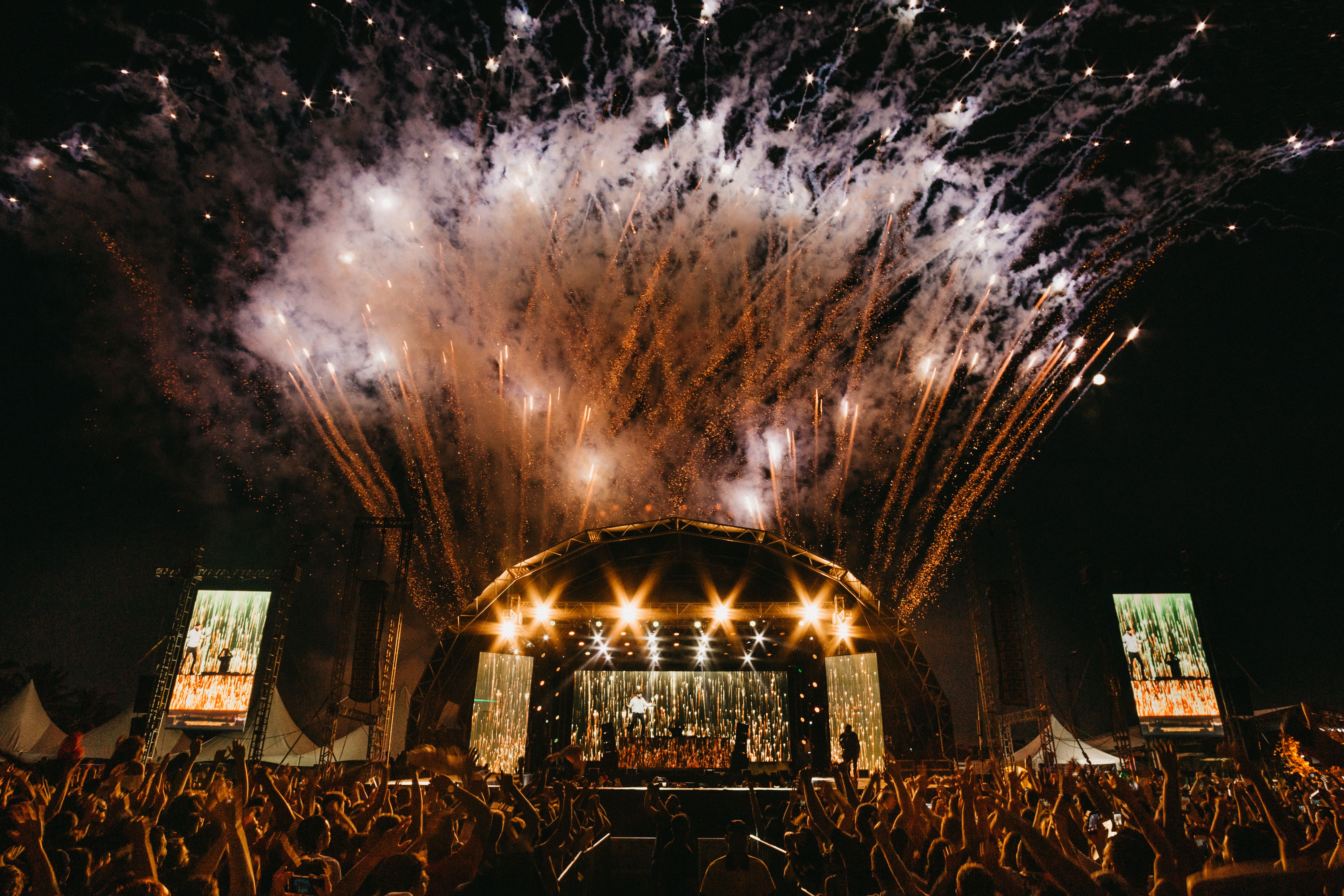
Coachella is the Coachella Valley Music and Arts Festival, held every April since 1999 on the polo fields of Indio, California, and now the largest festival in the United States by attendance and by cultural weight. It runs over two identical weekends, each Friday to Sunday, with the same lineup on both; around 125,000 people a day fill the grounds for pop, hip-hop, rock and electronic headliners, a mid-card of rising acts from every continent, and an art programme that commissions sculptures and buildings you walk through and climb.
What makes it worth the ticket:
The lineup: three headliners a night across the weekend, a special "returning to the desert" dance headliner, and a bill of 150 or so acts, with surprise guests at the big sets
The stages: the Coachella Stage for headliners, the Outdoor Theatre, the Sahara, Mojave, Gobi and Sonora tents, the Yuma dance tent, and the Quasar and Do Lab for DJs
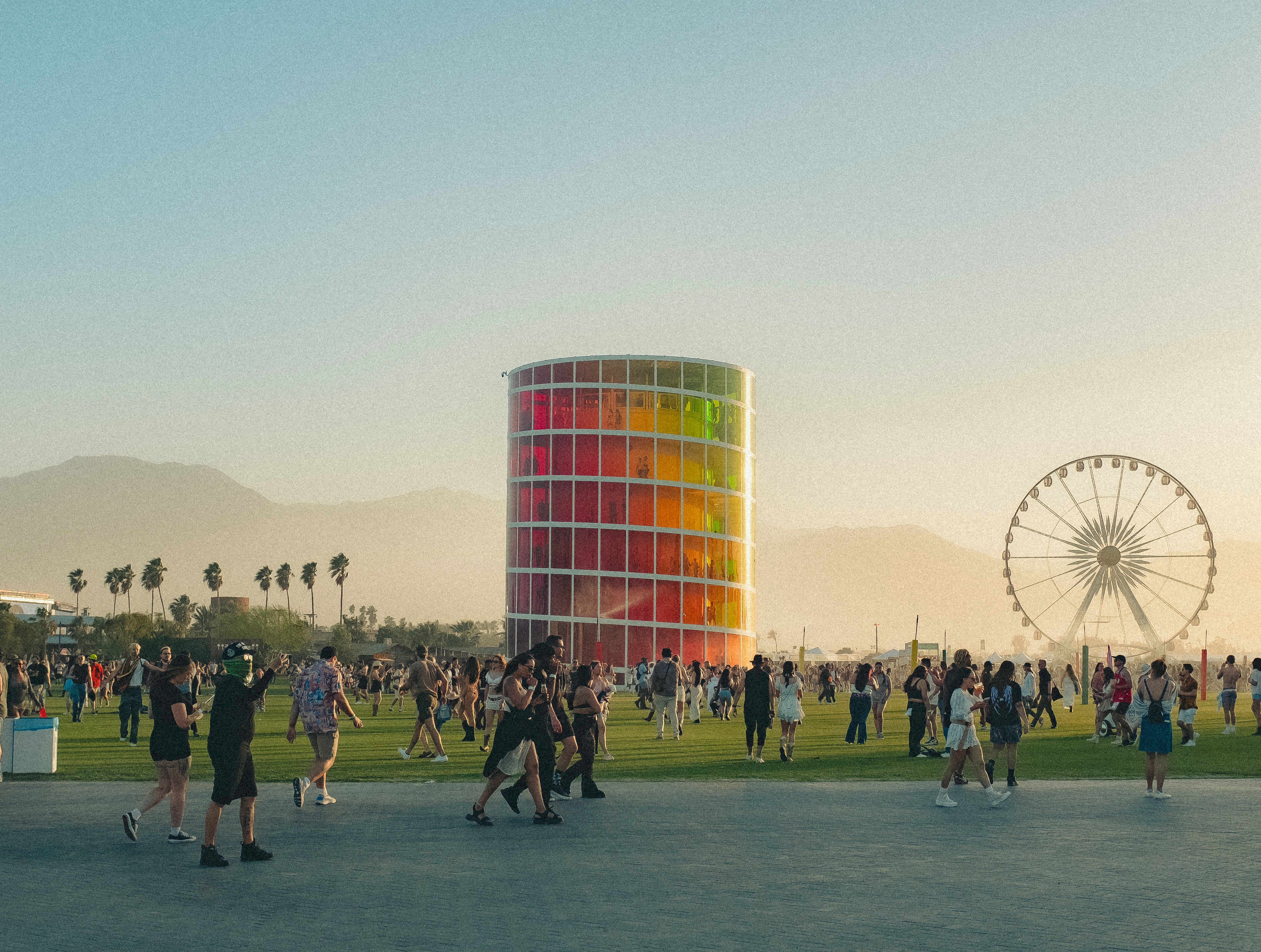
The art: large-scale installations and the Spectra tower, lit at night, which are the photographs people remember
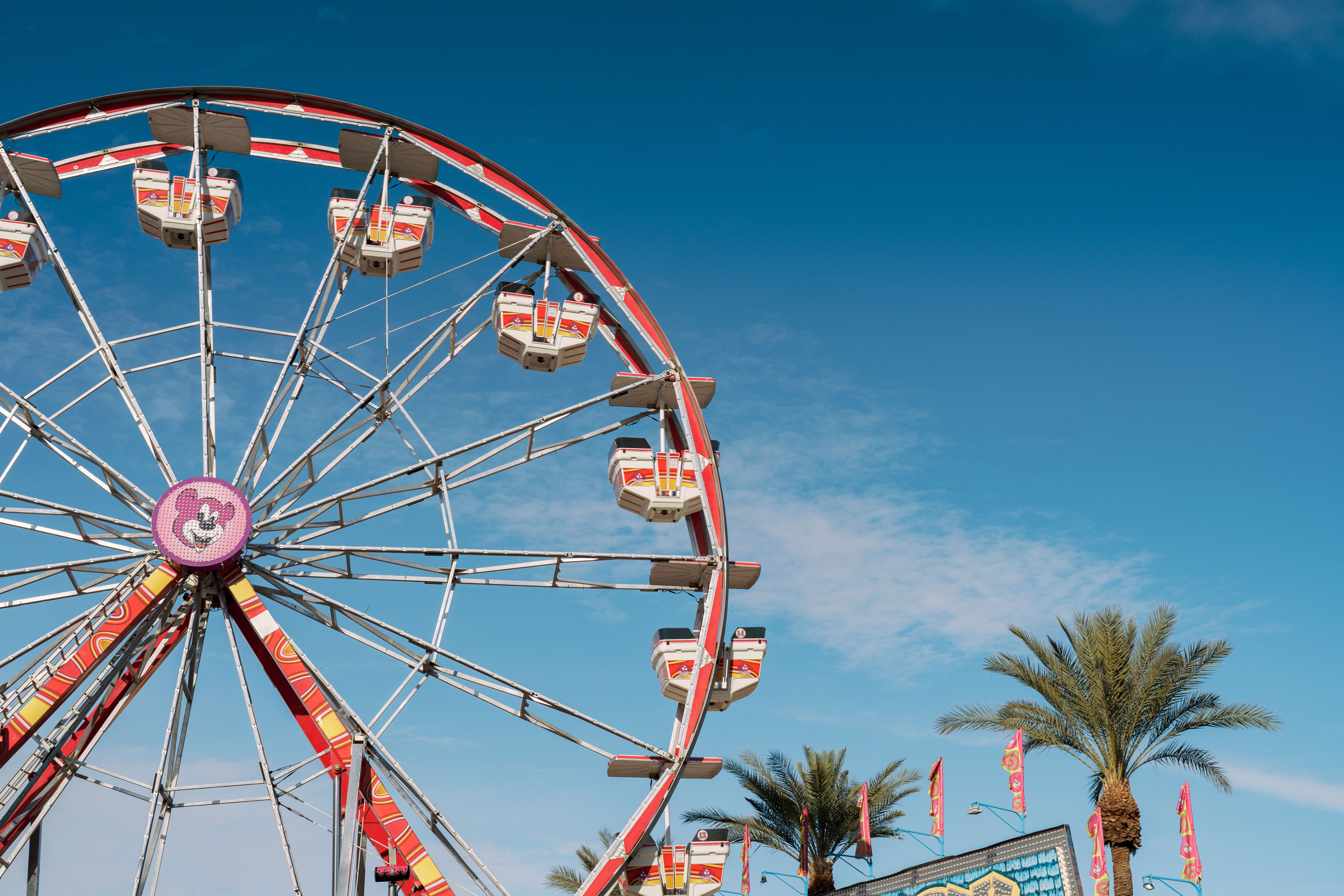
The grounds: grass, palms, the Ferris wheel, mountains all round, and sunsets that stop the crowd
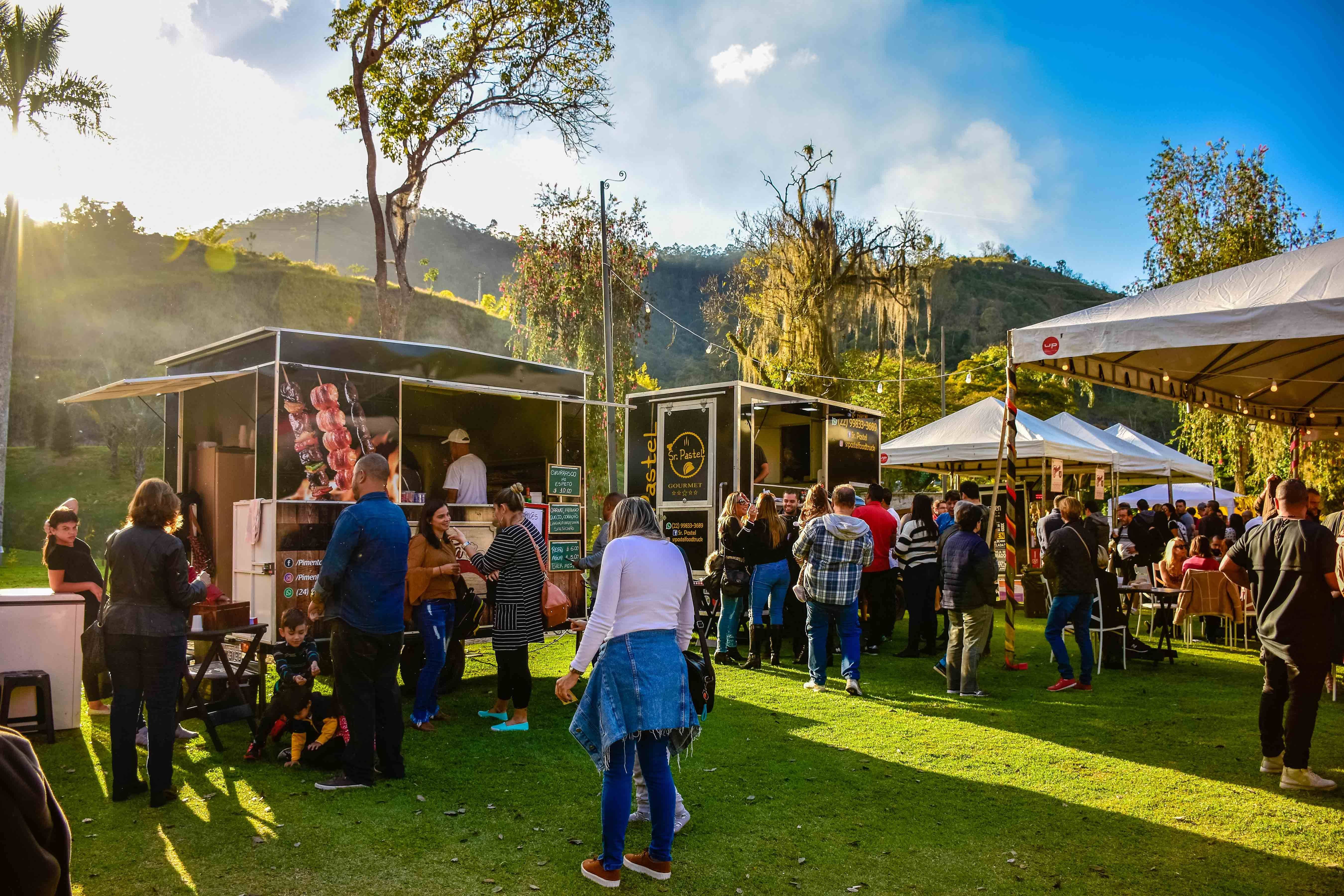
The food: a curated line-up of Los Angeles restaurants, food trucks, vegan rows and a sit-down "Outstanding in the Field" dinner
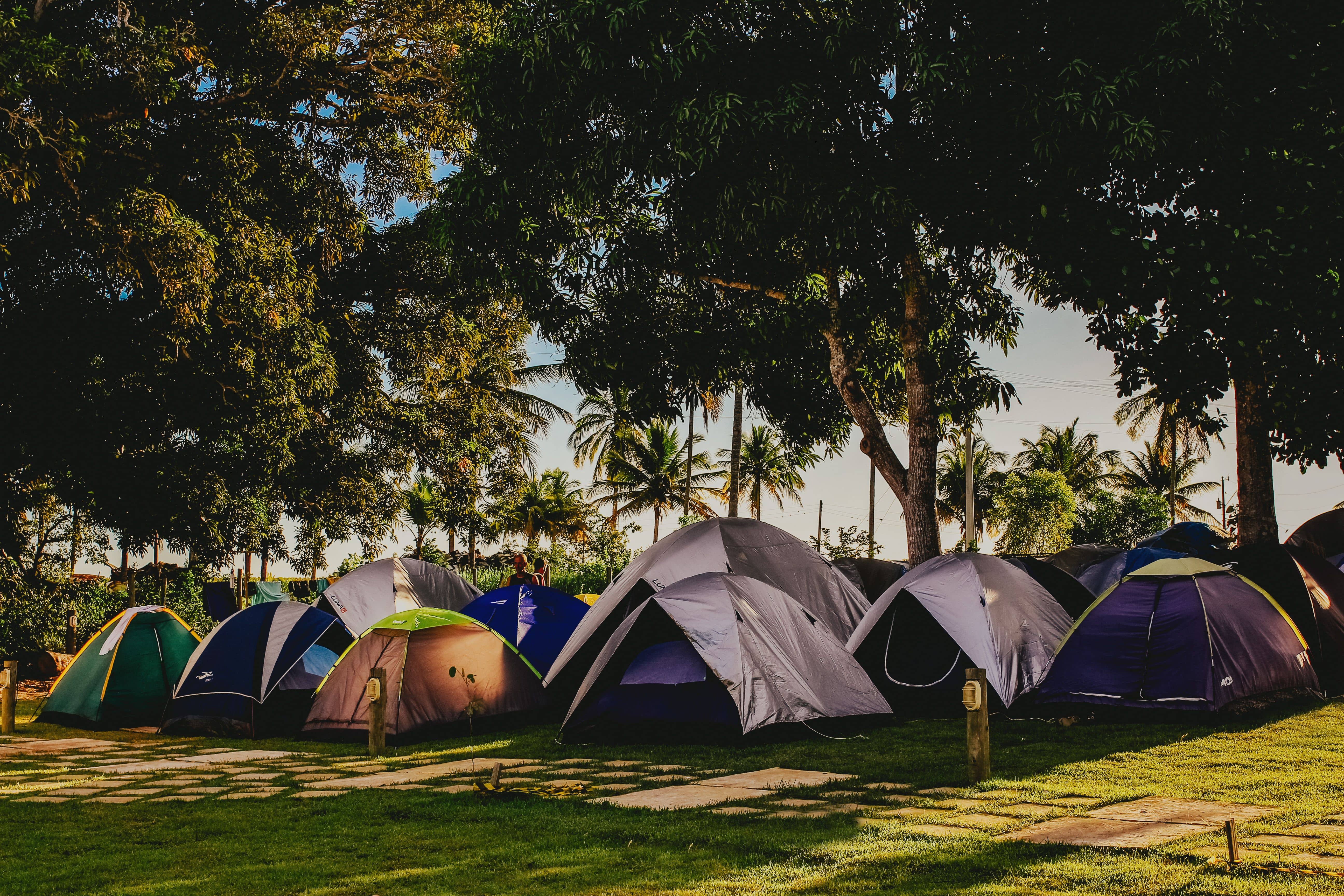
Camping culture: car camping beside the grounds for the full experience, or hotel pools in Palm Springs for the glamorous version
What surprises first-timers: the walking distances, the heat at 16:00 and the cold at midnight, the queue for everything, the celebrity-and-influencer side of the first weekend, and how much better the second weekend is for actually hearing music.
Tip: If you are choosing a weekend, the second is cheaper, marginally less crowded and gets the sets the artists have already rehearsed once; the first has the surprise guests and the press.
Stagecoach, the country festival from the same organiser, follows a week later on the same grounds, and some visitors do both.