

What to Do in Dubrovnik and Split: Old Towns, City Passes, and Day Trips Explained

Planning what to do in Dubrovnik and Split can feel straightforward at first. Both cities sit along Croatia’s Adriatic coast. Both are historic. Both are walkable. Yet the experience inside Old Town Dubrovnik is very different from walking through Old Town Split Croatia. The ticket systems also differ. The Dubrovnik City Pass works one way, while many attractions in Split operate separately. Understanding these differences makes it easier to prioritize the right things to do in Dubrovnik and the right stuff to do in Split Croatia without rushing.
This guide focuses on attraction planning and practical logistics. It explains how each city works in practice. It also clarifies how day trips, walking routes, and local transport shape your schedule.
TL;DR
The main things to do in Dubrovnik focus on Old Town Dubrovnik, the City Walls, and nearby Lokrum Island.
The Dubrovnik City Pass can simplify entry to major attractions, but activation timing matters.
Old Town Split Croatia is more open and integrated into daily life, with fewer bundled ticket systems.
Popular stuff to do in Split Croatia includes Diocletian’s Palace, Marjan Hill, beaches, and island day trips.
Split offers more flexible ferry connections, while Dubrovnik requires closer attention to seasonal schedules.
Walking routes, stairs, bus apps, and ferry docks can shape how smoothly each day unfolds.
1. Why Attraction Planning Feels More Complicated Than It Looks
Before choosing specific landmarks, it helps to understand why planning often feels overwhelming in these two cities.
Different City Layouts Create Different Experiences
Dubrovnik is a contained medieval city surrounded by walls. Most highlights sit within a compact area. Once inside the gates, movement happens on foot. The streets are narrow. Many paths include stairs. The layout creates an immersive atmosphere, but it can slow movement during peak hours.
Split is structured differently. Old Town Split Croatia centers around Diocletian’s Palace. The palace is not a separate museum complex. It is integrated into daily life. Shops, apartments, and cafes sit inside Roman stone walls. Visitors walk through freely. This openness changes how time is allocated.
Ticket Systems and Entry Rules Vary
Many of the main things to do in Dubrovnik require tickets. The City Walls have a separate entry fee. Museums inside the Old Town also charge admission. The Dubrovnik City Pass bundles several of these entries into one pass. However, activation timing matters. Once scanned, the countdown begins.
In Split, most of the historic center is accessible without a pass. Specific sites such as the Cathedral bell tower or the palace basements require individual tickets. There is no single city pass that covers everything in the same way as Dubrovnik.
Crowds and Timing Affect Value
Cruise ships significantly affect Dubrovnik’s rhythm. When multiple ships dock, the Old Town becomes dense with visitors. Lines for the walls can stretch for over an hour.
Split experiences crowds too, but the flow disperses more easily because the city is less enclosed. Timing therefore plays a larger role in Dubrovnik planning, especially if the Dubrovnik City Pass is used to access multiple sites in one day.
2. Things to Do in Dubrovnik: What First-Time Visitors Should Prioritize
Understanding the structure of the city makes it easier to prioritize the most realistic things to do in Dubrovnik.
Old Town Dubrovnik Explained
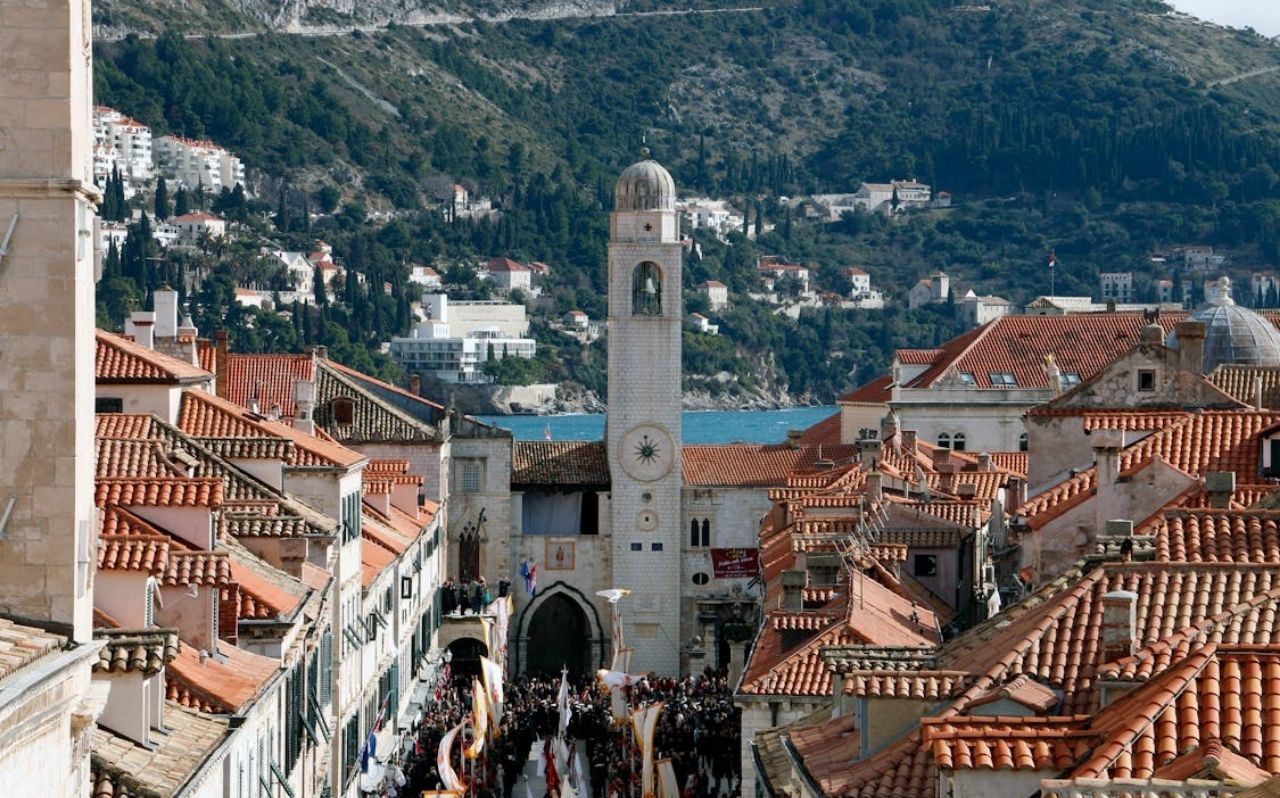
Old Town Dubrovnik centers around Stradun, the main stone street that runs between Pile Gate and Ploče Gate. Most attractions branch off from this axis.
Key highlights include:
Walking the City Walls
Rector’s Palace
Franciscan Monastery
Jesuit Stairs
Small museums within historic buildings
The City Walls offer elevated views over terracotta rooftops and the Adriatic Sea. The full circuit takes around 1.5 to 2 hours. It involves stairs and limited shade. Visiting early in the morning reduces heat and crowd pressure.
Because Old Town Dubrovnik is compact, multiple attractions can be combined in a single day. However, climbing the walls and visiting museums back to back can be physically demanding.
How the Dubrovnik City Pass Works in Practice
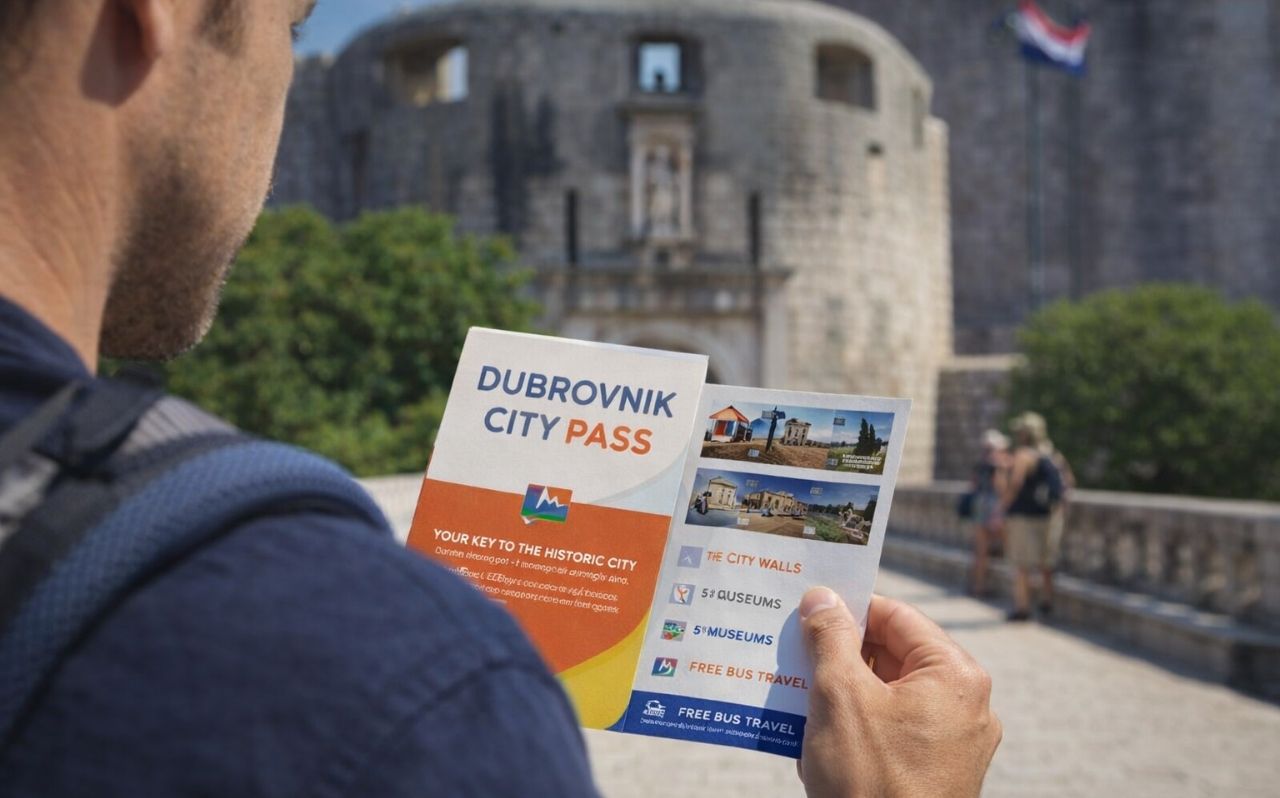
The Dubrovnik City Pass typically includes:
Entry to the City Walls
Access to selected museums
Limited use of local buses for a defined period
The pass is available in different durations, often one or three days. Activation begins at first use. This means timing matters. If activated late in the afternoon, valuable hours are lost.
The pass makes sense when multiple paid attractions are visited within the same validity window. If planning to walk the walls and visit several museums, the pass can simplify ticket handling. If visiting only one paid site, individual tickets may be more practical.
Official details can be found at:
https://www.dubrovnikpass.com/
Beyond the Walls: Cable Car and Lokrum
Not all things to do in Dubrovnik are inside the walls. The cable car to Mount Srđ offers panoramic views. The ride itself is short. Sunset times are especially popular.
Lokrum Island sits just 15 minutes away by boat. Ferries depart regularly during the tourist season. Lokrum functions as a half-day escape with swimming spots and shaded walking trails.
Combining Old Town Dubrovnik with either Lokrum or the cable car requires careful pacing. Trying to fit everything into one day can feel rushed.
3. Stuff to Do in Split Croatia Beyond the Palace
Split offers a different rhythm. The structure of Old Town Split Croatia changes how visitors plan their days.
Old Town Split Croatia and Diocletian’s Palace
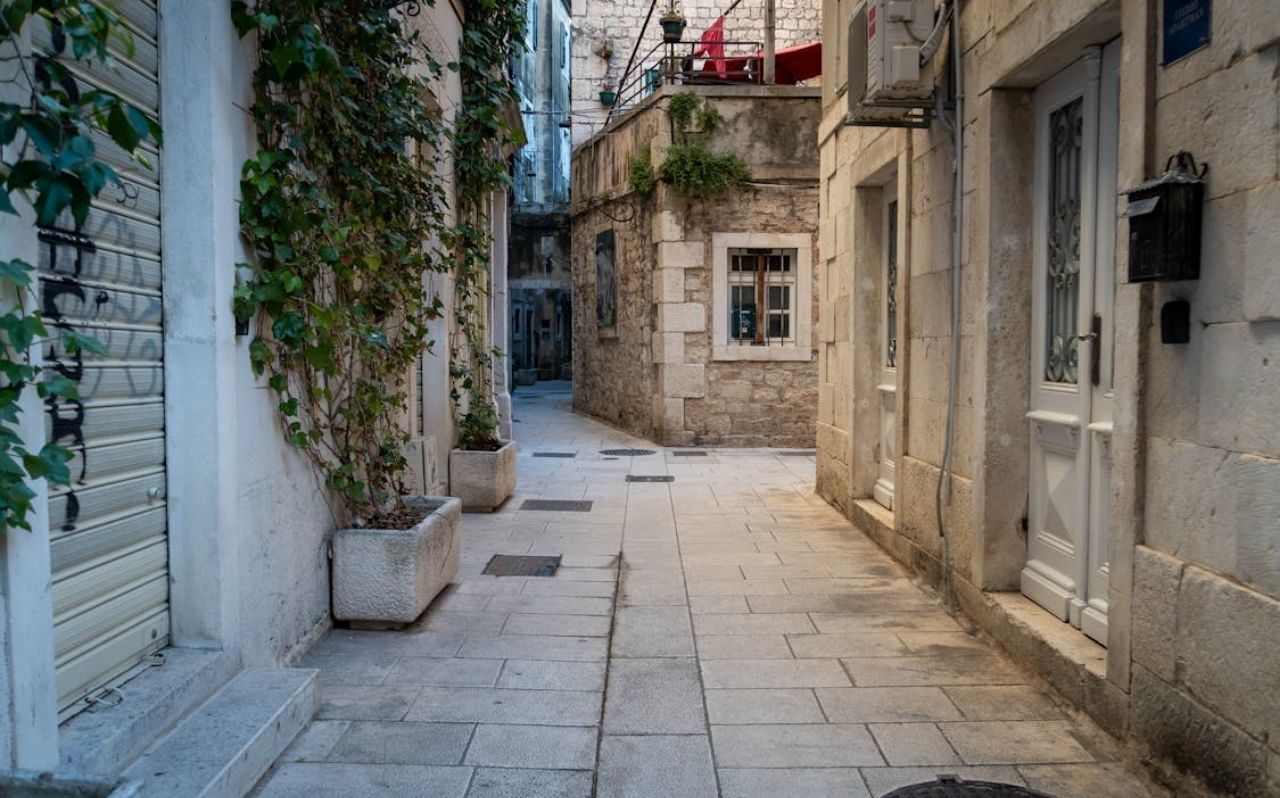
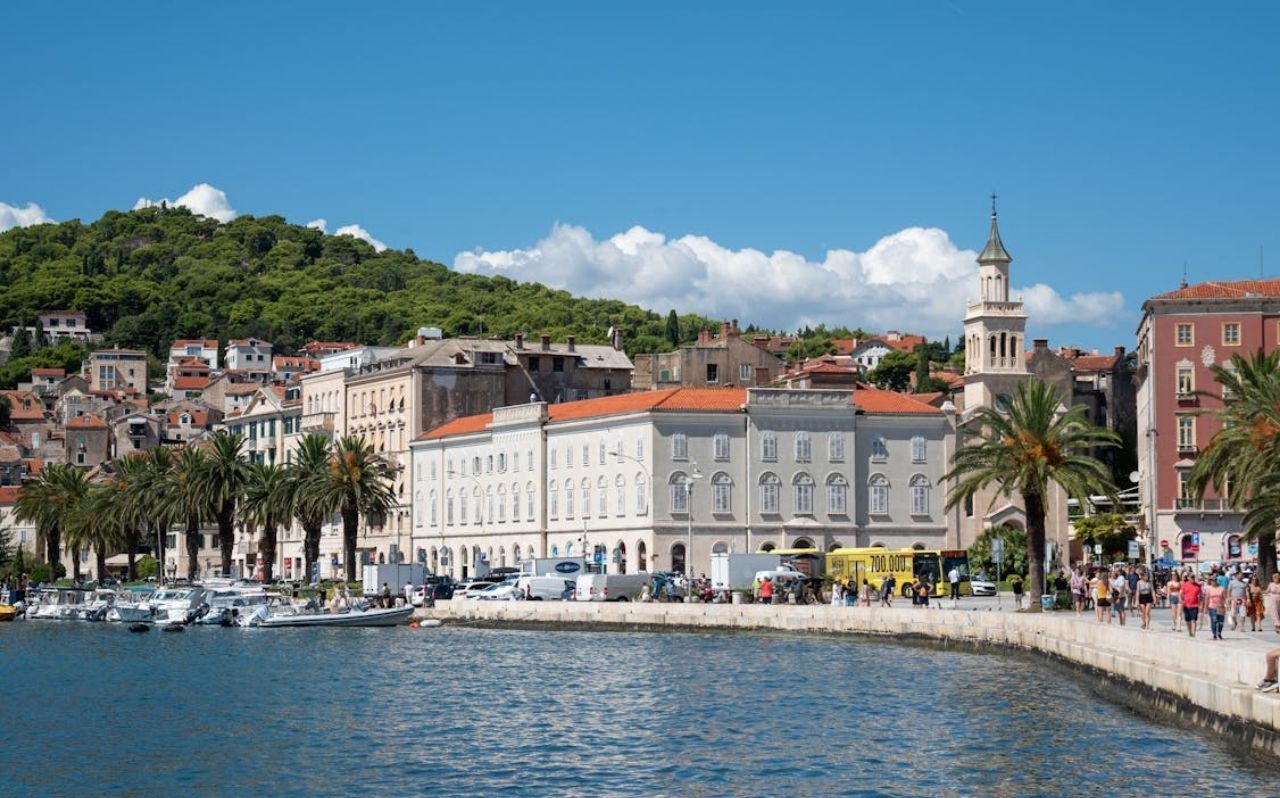
Old Town Split Croatia is built within Diocletian’s Palace, a Roman complex dating back to the 4th century. Unlike Dubrovnik, there are no gates controlling access. Visitors move in and out freely.
Highlights include:
Peristyle Square
Cathedral of Saint Domnius
Bell tower climb
Palace basement halls
The atmosphere feels lived-in rather than preserved as a separate monument. This flexibility makes it easier to explore spontaneously. Short visits can still feel complete.
Official tourism information is available at:
https://visitsplit.com/
Marjan Hill and City Beaches
Beyond the palace, there is additional stuff to do in Split Croatia that balances history with nature.
Marjan Hill offers walking trails and viewpoints. The climb is manageable for most visitors. Sunset views over the harbor are popular.
City beaches such as Bačvice or Kašjuni provide swimming access without leaving town. These beaches integrate naturally into a multi-day itinerary.
Day Trips from Split
Split functions as a major ferry hub. Day trips include:
Hvar Island
Brač Island
Vis Island
Krka National Park
Trogir
Ferry frequency is higher from Split compared to Dubrovnik. This flexibility allows same-day returns from several islands, especially in high season.
4. Day Trips from Dubrovnik vs Split: What Actually Works
Day trips look similar online, but logistics differ significantly between the two cities.
From Dubrovnik
Popular options include:
Lokrum Island
Elaphiti Islands
Korčula Island
However, ferry frequency can be limited in shoulder seasons. Travel times may exceed two hours depending on the route.
From Split
Split’s port offers more connections. Multiple daily departures allow easier scheduling. Missing one ferry does not necessarily end the day’s plan.
Official ferry schedules can be checked at:
https://www.jadrolinija.hr/en
Seasonal Ferry Reality
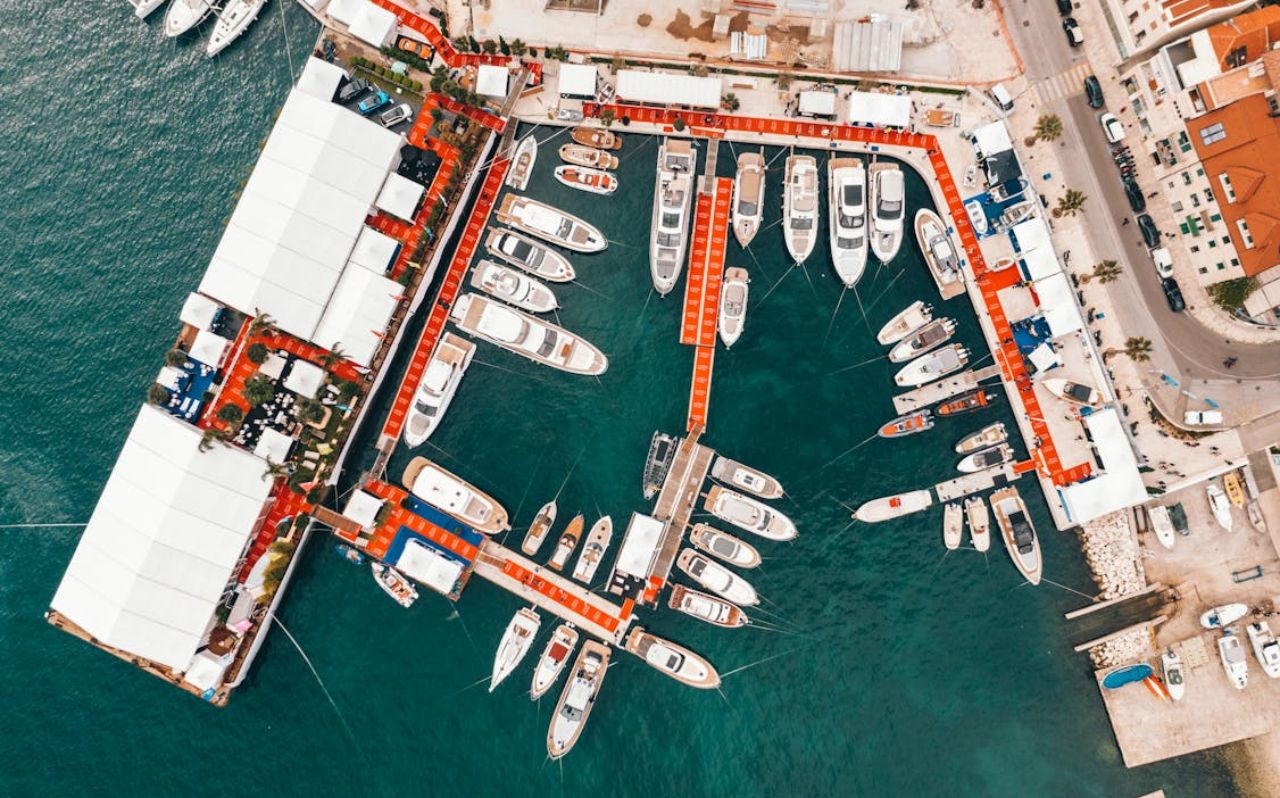
High season brings frequent departures but crowded docks. Shoulder season reduces frequency. Weather conditions, especially wind, can affect smaller boats.
Planning around confirmed return times is essential. Accommodation check-in times should also align with ferry arrivals.
5. Walking Maps, Bus Apps, and Practical Navigation
Attraction planning is only part of the experience. Moving between sites can take more time than expected.
Navigating Old Town Dubrovnik
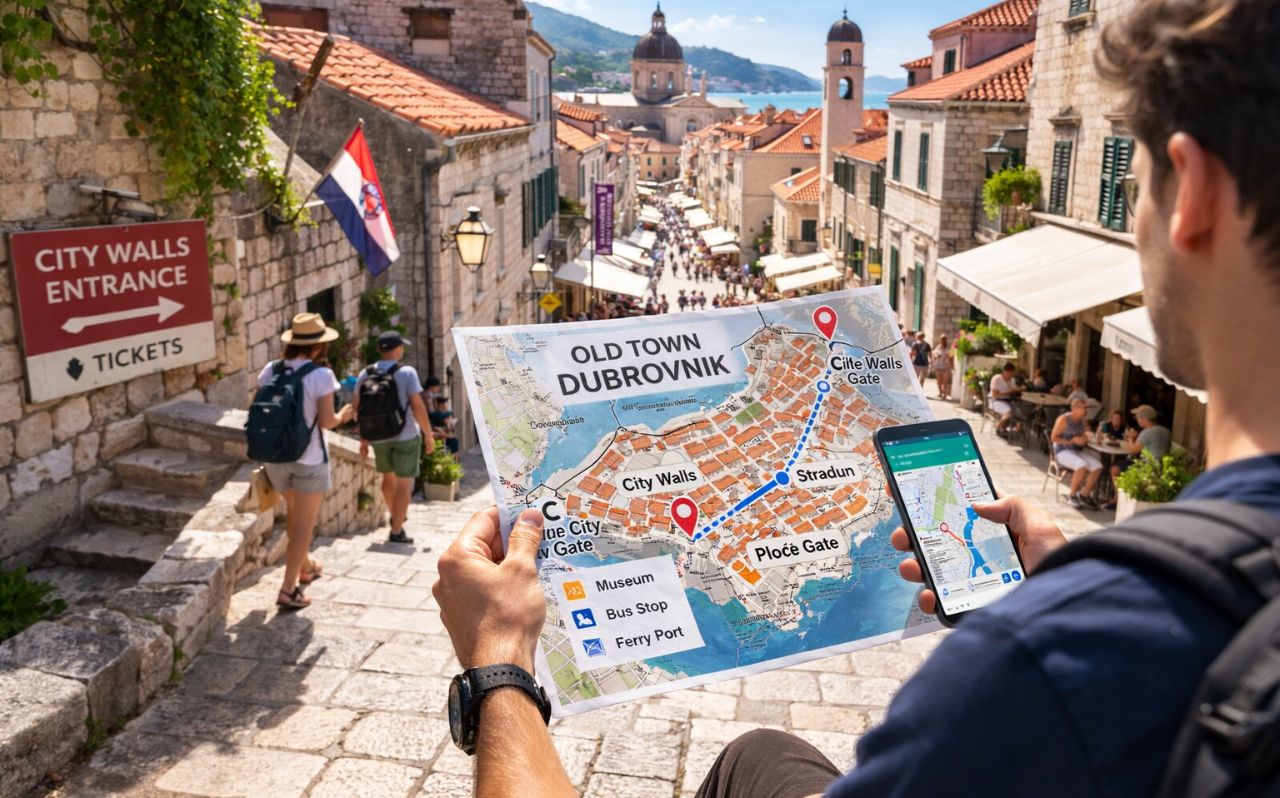
Old Town Dubrovnik contains many staircases. Short distances on the map may require vertical climbing. Choosing the correct gate exit saves time.
Local buses operated by Libertas connect the Old Town to other neighborhoods. Ticket prices differ depending on whether purchased onboard or at kiosks.
Getting Around Split
Split’s layout is flatter and more open. Bus connections are straightforward. Ride-hailing services are widely available. Walking between major sites is generally easier than in Dubrovnik.
Useful Tools
Practical tools include:
Google Maps with offline download
Official ferry schedules
Bus timetables
Digital ticket confirmations
Offline maps are helpful, but they must be downloaded in advance.
6. Practical Connectivity Reality While Exploring Old Towns
Historic cities are beautiful. They also create practical challenges.
Several realistic situations highlight this:
Checking Dubrovnik City Pass activation timing
Confirming ferry departure docks
Accessing QR-coded tickets
Navigating narrow alleys in Old Town Dubrovnik
Adjusting day trips due to weather changes
Public WiFi exists in cafes and accommodations. It is less reliable at ferry docks or during transit.
Connectivity becomes infrastructure rather than convenience. Reliable access to maps and schedules reduces friction when plans shift unexpectedly.
7. When to Consider a More Reliable Setup
Exploring both Dubrovnik and Split often involves switching between historic centers, ferry ports, and day trip destinations.
In situations like this, having a reliable travel eSIM for Croatia can help travelers maintain access to maps, ferry schedules, and booking confirmations without relying solely on public WiFi.
8. Frequently Asked Questions
What are the main things to do in Dubrovnik?
Walking the City Walls, exploring Old Town Dubrovnik, and visiting Lokrum Island are among the most popular activities. The cable car also provides panoramic views of the coast.
Is the Dubrovnik City Pass worth it?
It can be practical if visiting multiple paid attractions within its validity period. Timing activation carefully increases its value.
What is special about Old Town Split Croatia?
It blends Roman architecture with daily city life. Visitors can explore much of it freely without purchasing a city-wide pass.
Can I visit both Dubrovnik and Split in one trip?
Yes. Many travelers combine both cities within a week. Transport between them takes several hours by road or ferry.
Do I need mobile data while exploring?
Mobile data helps with ferry updates, walking navigation, and digital tickets. While not mandatory, it reduces uncertainty during busy travel days.
9. Final Thoughts
Both cities offer distinct experiences. Old Town Dubrovnik provides dramatic scenery within a contained medieval setting. Old Town Split Croatia feels more open and integrated into daily life.
The key to deciding what to do in Dubrovnik and choosing the right stuff to do in Split Croatia lies in understanding layout, ticket systems, and pacing. Allocate time realistically. Confirm ferry schedules. Activate passes strategically.
With practical planning and reliable access to essential travel information, both Dubrovnik and Split become easier to explore without unnecessary stress.
Many travelers combine Croatia with nearby destinations such as Montenegro, Bosnia and Herzegovina, or Slovenia.
This travel Balkan countries guide offers a practical overview for understanding how Dubrovnik and Split connect to the wider region.

Hi! Mình là Lala Wren, một content creator yêu xê dịch và đam mê chia sẻ trải nghiệm thực tế cho cộng đồng Gohub. Trong nhiều năm qua, mình đã đặt chân đến Thái Lan, Hàn Quốc, Nhật Bản, Singapore, Malaysia, Bali và nhiều điểm đến thú vị khác trên khắp châu Á. Cùng mình tìm hiểu tất tần tật từ khâu chuẩn bị eSIM, Visa, lịch trình và địa điểm nổi bật cho chuyến đi sắp tới của bạn nhé!
View all articles →Related articles

Free eSIM Trial USA 2026: T-Mobile vs Verizon vs AT&T vs Visible
Compare every free eSIM trial from US carriers in 2026 — T-Mobile 30 days, Verizon 100GB, AT&T 25GB hotspot, Visible 15 days. Plus: what travelers visiting the US should use instead.

Best Free eSIM Trials in 2026: Every Active Offer Compared (No Credit Card)
Looking for a free eSIM trial in 2026? Compare all active offers — Gohub 300MB, Nomad 1GB, GigSky 100MB, Eskimo 250MB, SimLocal 500MB — no credit card needed. Updated March 2026.

Things to Do in Almaty: City Highlights, Mountain Escapes & Best Day Trips (1–3 Days)
Things to do in Almaty: top city highlights, mountain escapes, best day trips, food spots, and winter ideas—plus 1–3 day itineraries for first-timers.

Things to Do in Kyrgyzstan: Horse Trekking, Horseback Tours, Skiing, Yurts, & Epic Nature Spots
Things to do in Kyrgyzstan: Song-Köl horse treks, yurt stays, Karakol skiing, Ala Archa day hikes, plus seasons, safety, and booking tips.
Serbia Travel Guide for First-Time Visitors (2026 Update)
A practical Serbia travel guide covering safety, transport, regions, and real connectivity tips for first-time visitors in 2026.
Serbia Itinerary for 7 Days: How to Plan Cities and Nature Without Rushing
Plan a realistic Serbia itinerary for 7 days, covering Belgrade, Novi Sad, Tara National Park, and the Danube Gorge with practical travel advice.