Loading page, please wait...
WhatsApp 24/7:+1 (302) 899-2888
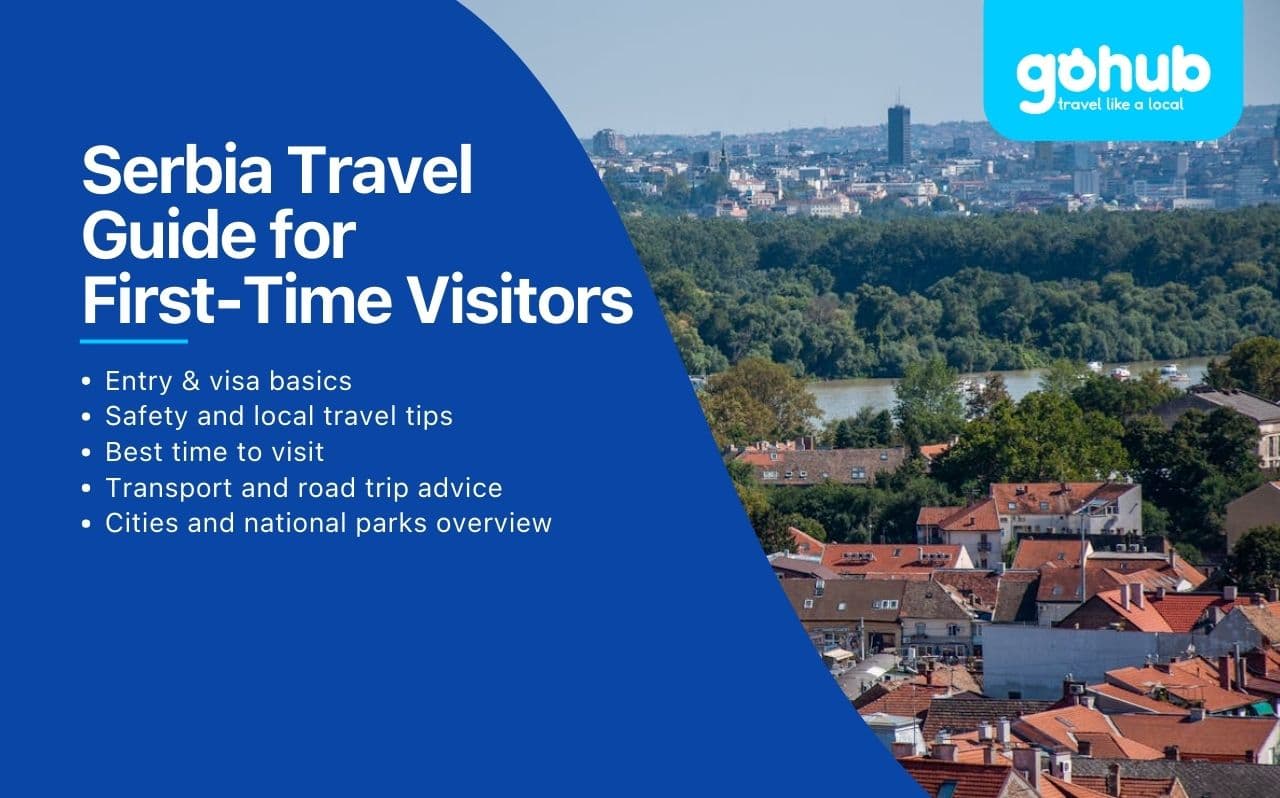
Planning your first trip can feel overwhelming without a clear framework. This Serbia travel guide brings together entry rules, safety advice, transport realities, seasonal insights, and regional planning in one place so you can prepare with confidence.
Many travelers arrive with limited information about the Balkans and are surprised by how diverse the country feels once they begin traveling to Serbia. From riverfront capitals to forested mountains and medieval monasteries, Serbia combines compact cities with slower rural landscapes.
This Serbia travel guide covers:
Visa and entry basics
Safety considerations
Best time to visit Serbia
Transport and road trip decisions
Serbia travel costs
Regional highlights
Internet in Serbia for tourists
If you are considering traveling to Serbia for the first time, this overview will help you set realistic expectations before building a detailed itinerary.
Serbia sits in Southeast Europe at the crossroads of Central Europe and the Balkans. It borders Hungary to the north, Romania to the northeast, Bulgaria to the southeast, and several Western Balkan countries to the south and west.
Traveling to Serbia often appeals to visitors who want:
Fewer crowds than Western Europe
Affordable city breaks
Scenic national parks
A mix of Ottoman, Austro-Hungarian, and Slavic heritage
Belgrade, the capital, lies at the confluence of the Sava and Danube rivers. Novi Sad offers a more relaxed urban atmosphere in the north. Western Serbia brings mountain landscapes, while eastern Serbia features the dramatic Danube Gorge.
This regional diversity is why any practical Serbia travel guide should start with geography before listing attractions.
For many nationalities, Serbia allows visa-free stays of up to 90 days within a six-month period. However, Serbia visa requirements depend on your passport.
Before traveling to Serbia, confirm:
Passport validity (typically at least 90 days beyond departure)
Visa-free eligibility
Proof of onward or return travel
Sufficient funds for your stay
Serbia is not part of the Schengen Area. Entry into Schengen countries does not automatically grant entry to Serbia, and vice versa.
Border authorities may request documentation such as accommodation confirmation or travel insurance. Rules can change without notice, so always verify official sources before departure.
Including up-to-date Serbia visa requirements is essential in any Serbia travel guide, as entry policies evolve periodically.
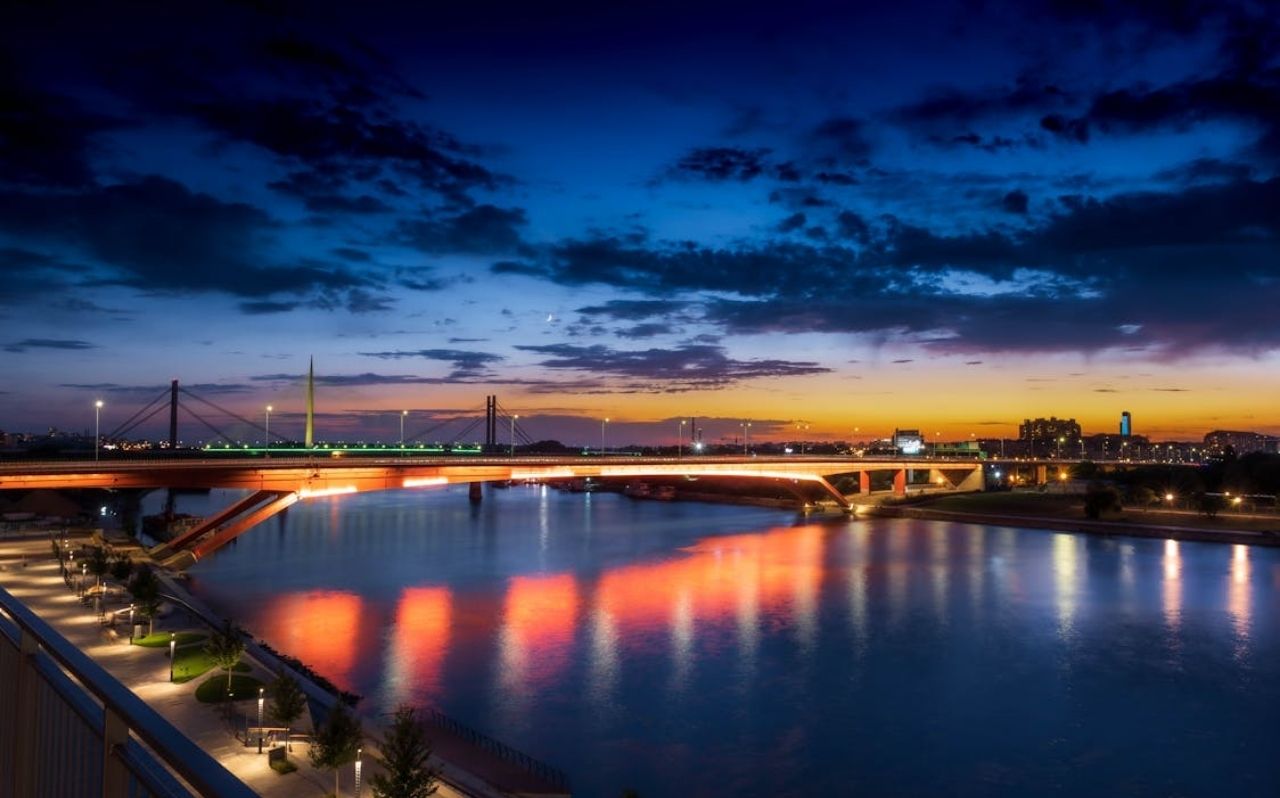
One of the most common Serbia travel tips concerns safety.
In general, Serbia is considered safe for tourists. Violent crime rates are low, and most visits proceed without incident.
However, practical precautions apply:
Watch belongings in crowded areas
Use licensed taxis
Exercise caution when driving on rural roads at night
Emergency numbers in Serbia:
112 – General emergency
192 – Police
193 – Fire
194 – Ambulance
Travelers frequently ask, “Is Serbia safe for tourists?” The short answer is yes, particularly in central districts of Belgrade and established tourist areas. As in most European cities, standard awareness is sufficient.
Including clear safety guidance is an important component of any reliable Serbia travel guide.
The best time to visit Serbia depends on your priorities.
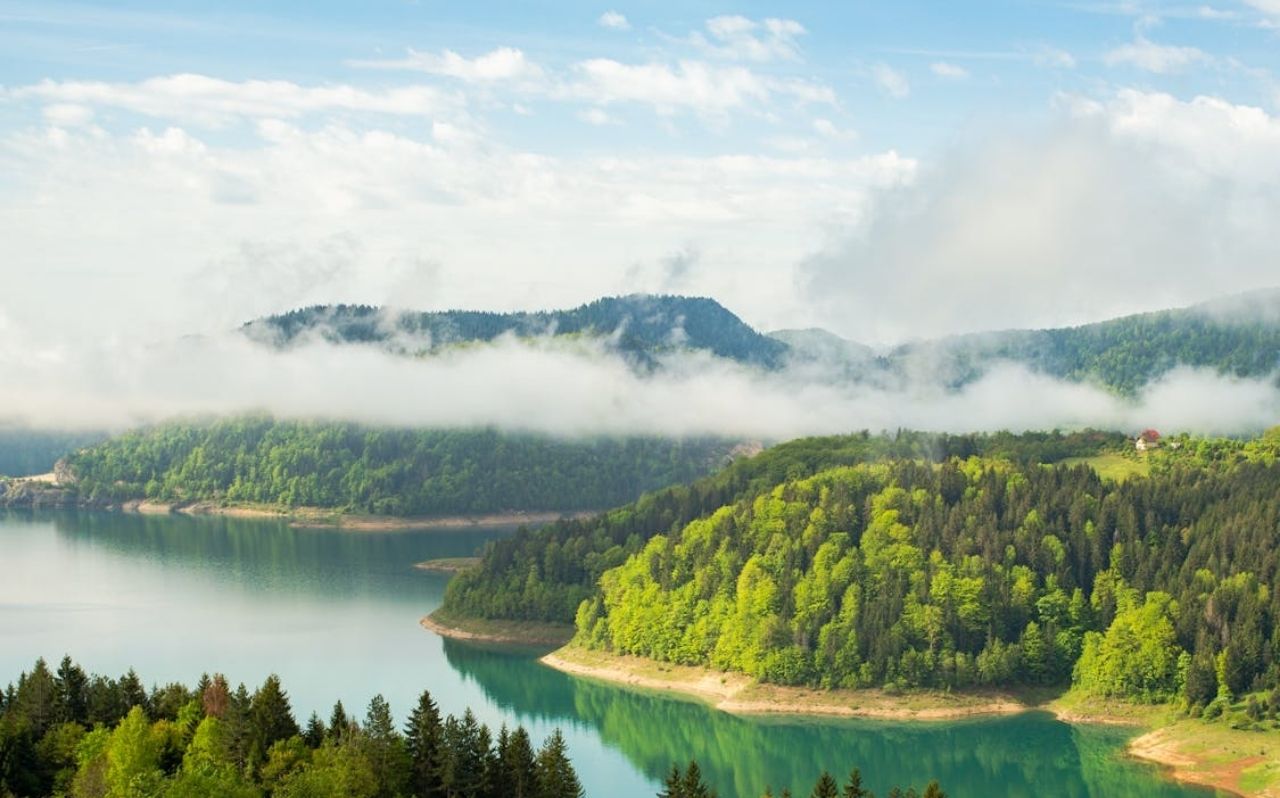
Mild temperatures
Ideal for city exploration
Good hiking conditions
Spring is often recommended in Serbia travel tips because landscapes are green and crowds remain moderate.
Warmer weather
Festival season in Belgrade and Novi Sad
Lively nightlife
Urban areas can become hot, especially in Belgrade. However, summer works well for river activities and mountain escapes.
Cooler temperatures
Fewer tourists
Scenic national parks
Many travelers consider early autumn the best time to visit Serbia due to balanced weather and reduced crowds.
Ski season in Kopaonik
Quieter cities
Cold temperatures
When building a Serbia travel guide recommendation, late spring and early autumn often provide the most comfortable conditions overall.
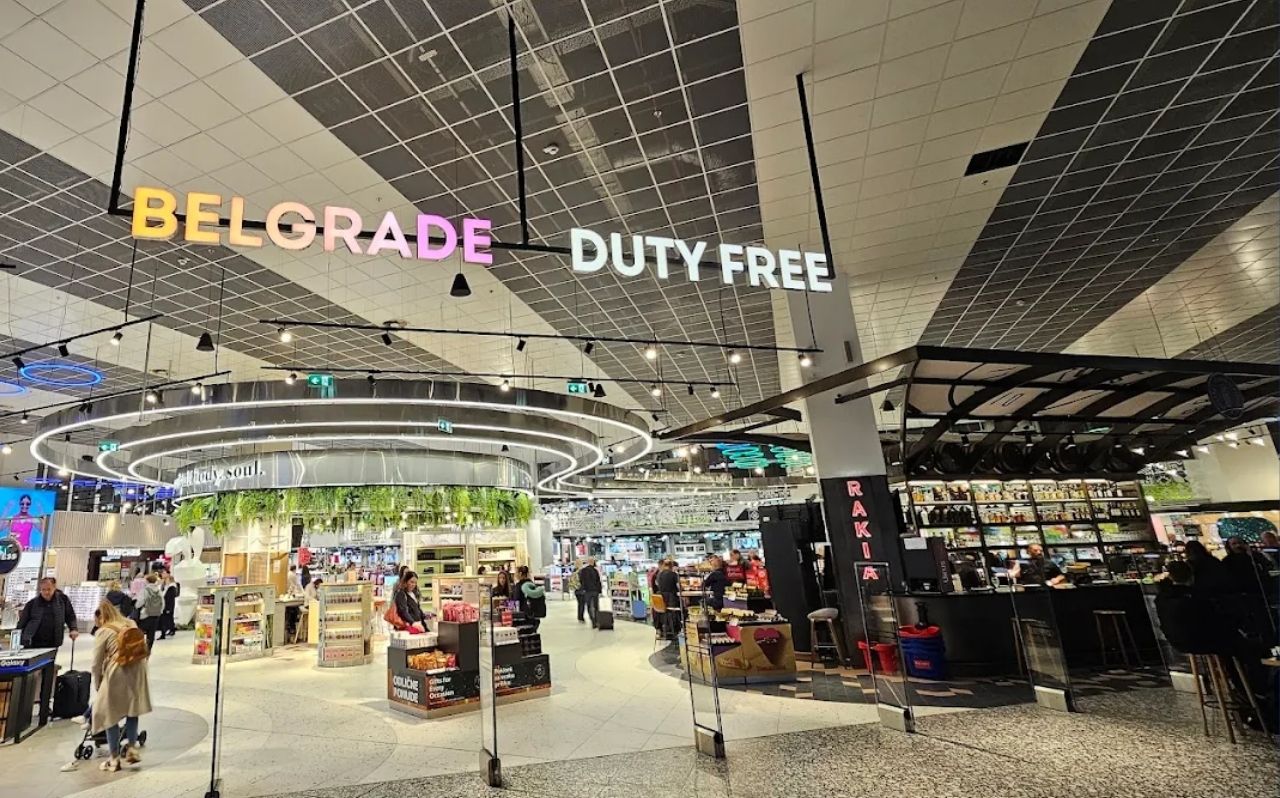
Understanding transportation options is central to traveling to Serbia efficiently.
Most international travelers arrive at Belgrade Nikola Tesla Airport. Airport buses and taxis connect to the city center. Official taxis operate with fixed pricing by zone.
Always confirm transport options through the airport’s official website before departure.
Public transport in Serbia works well between major cities.
Frequent trains connect Belgrade and Novi Sad
Intercity buses link regional centers
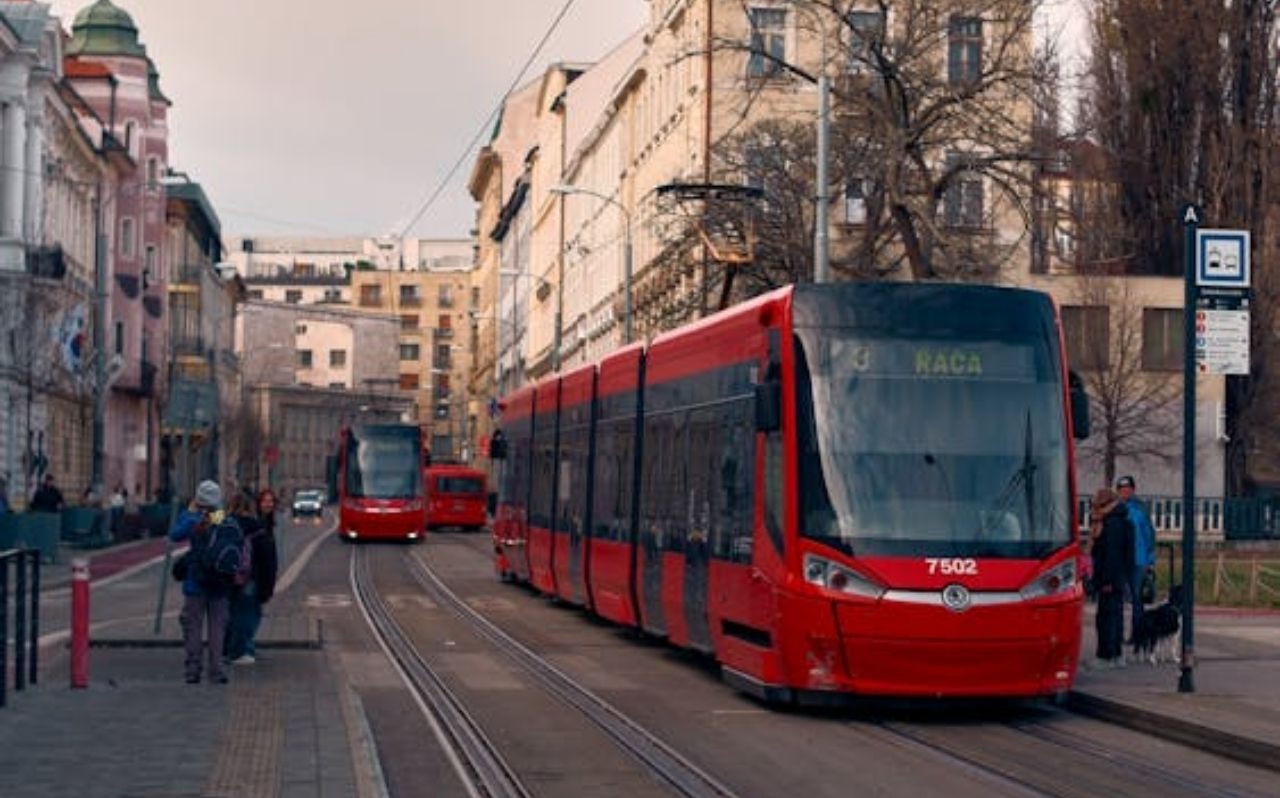
Urban buses and trams operate in Belgrade
Public transport in Serbia becomes less frequent in rural and mountainous regions. Timetables may change seasonally.
When planning routes across the country, many Serbia travel tips recommend checking official train schedules shortly before departure.
A common question is whether you need a car in Serbia.
For city travel alone, a car is unnecessary. Belgrade and Novi Sad are walkable, and public transport covers main districts.
However, for western Serbia or parts of eastern Serbia, renting a vehicle provides flexibility. A Serbia road trip guide typically recommends a car if you plan to visit:
Tara National Park
Zlatibor
Đerdap National Park
Golubac Fortress
Mountain roads are generally well maintained but require slower driving speeds. Planning realistic travel times is crucial.
Including both public transport in Serbia and road trip considerations ensures this Serbia travel guide remains balanced.
Serbia travel costs are generally lower than in Western Europe, though prices vary by region and season.
Hostel dorm beds
Casual local restaurants
Public transport
Budget travelers can manage daily expenses at relatively moderate levels compared to neighboring EU countries.
Boutique hotels in Belgrade
Sit-down restaurants
Car rental for several days
Dining prices remain accessible, particularly outside major tourist streets.
Fuel for road trips
National park entry fees
Museum tickets
While Serbia travel costs remain competitive, expenses increase during festivals and peak summer months.
Any comprehensive Serbia travel guide should include realistic budget expectations without promising fixed prices that may fluctuate.
A strategic overview helps first-time travelers avoid inefficient routing.
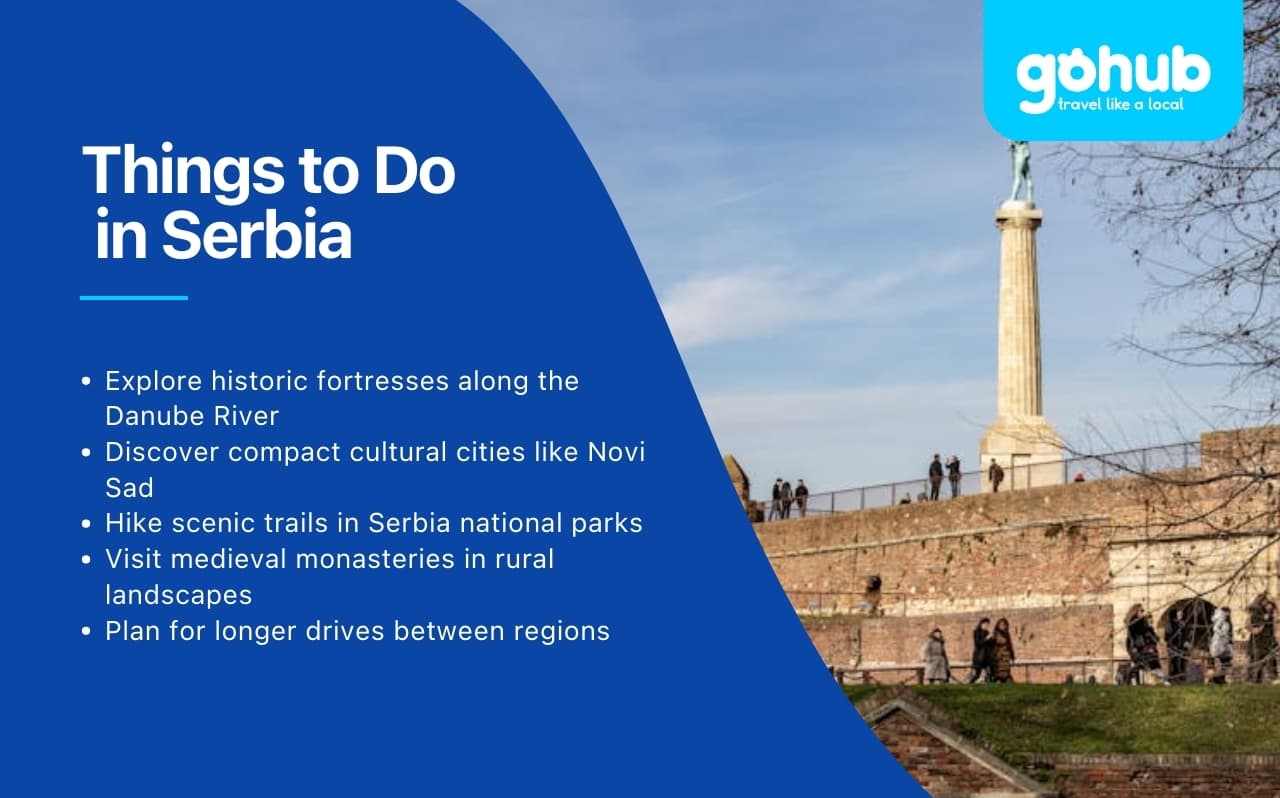
Belgrade combines history, nightlife, and riverside parks. A Belgrade travel guide typically includes Kalemegdan Fortress, Skadarlija, and river promenades.
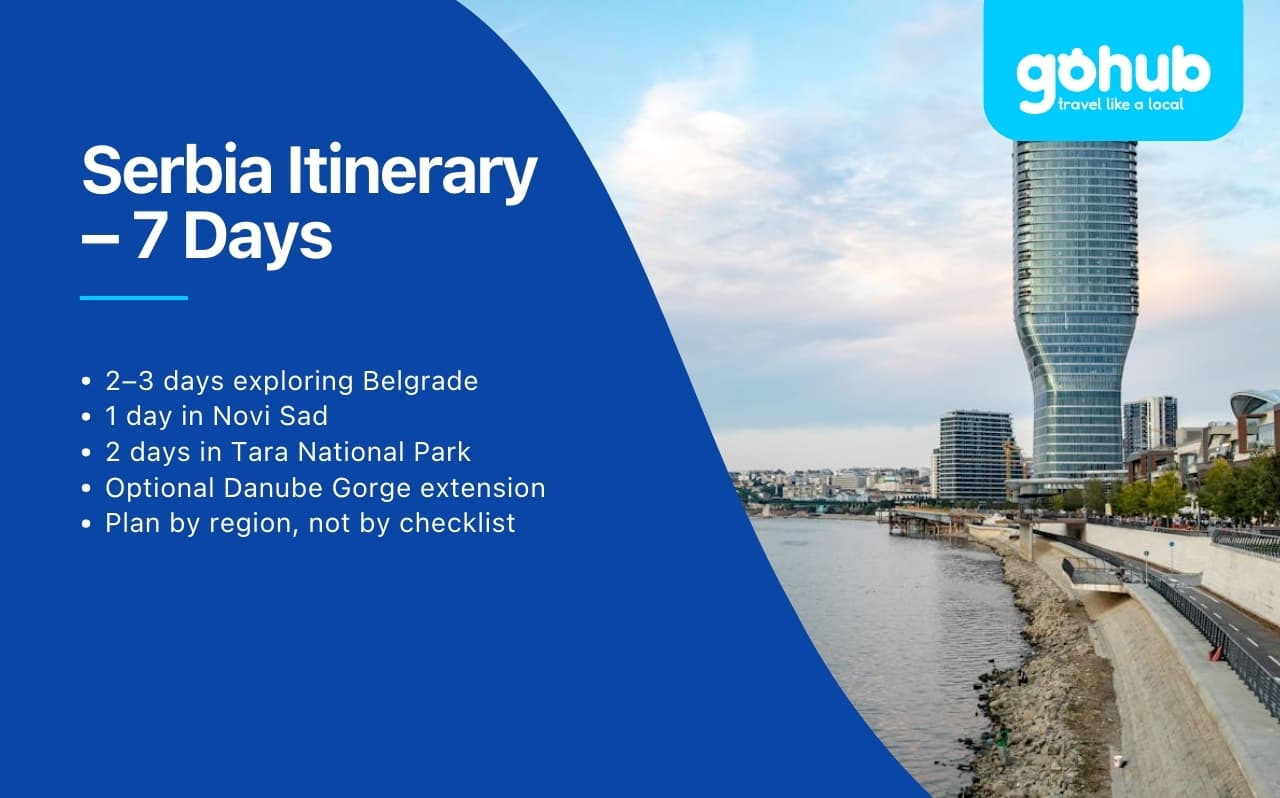
Located about one hour north, Novi Sad offers a compact historic center and Petrovaradin Fortress. Many visitors combine it with Belgrade as a short extension.
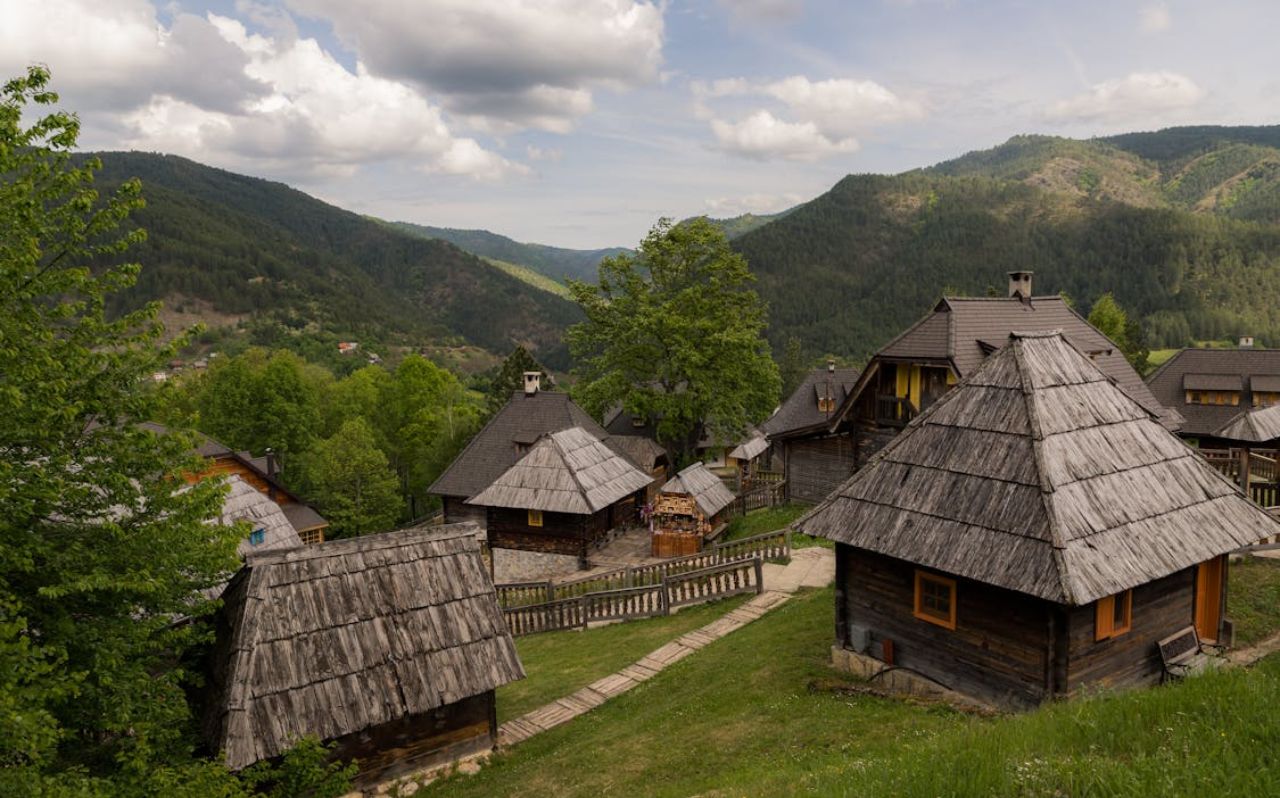
Western Serbia features mountain landscapes, forests, and traditional villages. Tara National Park and Zlatibor represent highlights of a Serbia road trip guide.
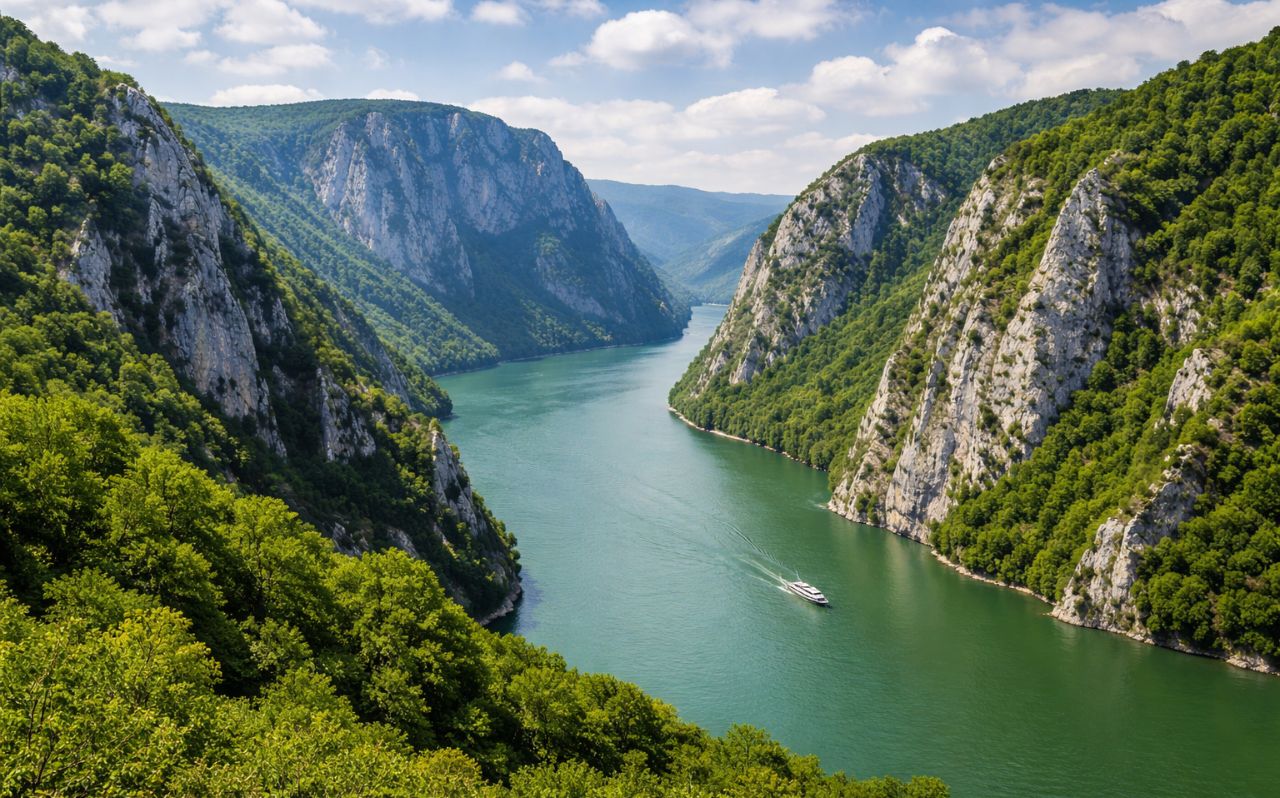
Eastern Serbia includes Đerdap National Park and Golubac Fortress along the Danube River. The dramatic gorge scenery contrasts with western mountain forests.
Balancing one urban base with one nature region keeps traveling to Serbia manageable.
For a broader overview of highlights across cities and national parks, explore this breakdown of top activities across Serbia before locking in your plan.
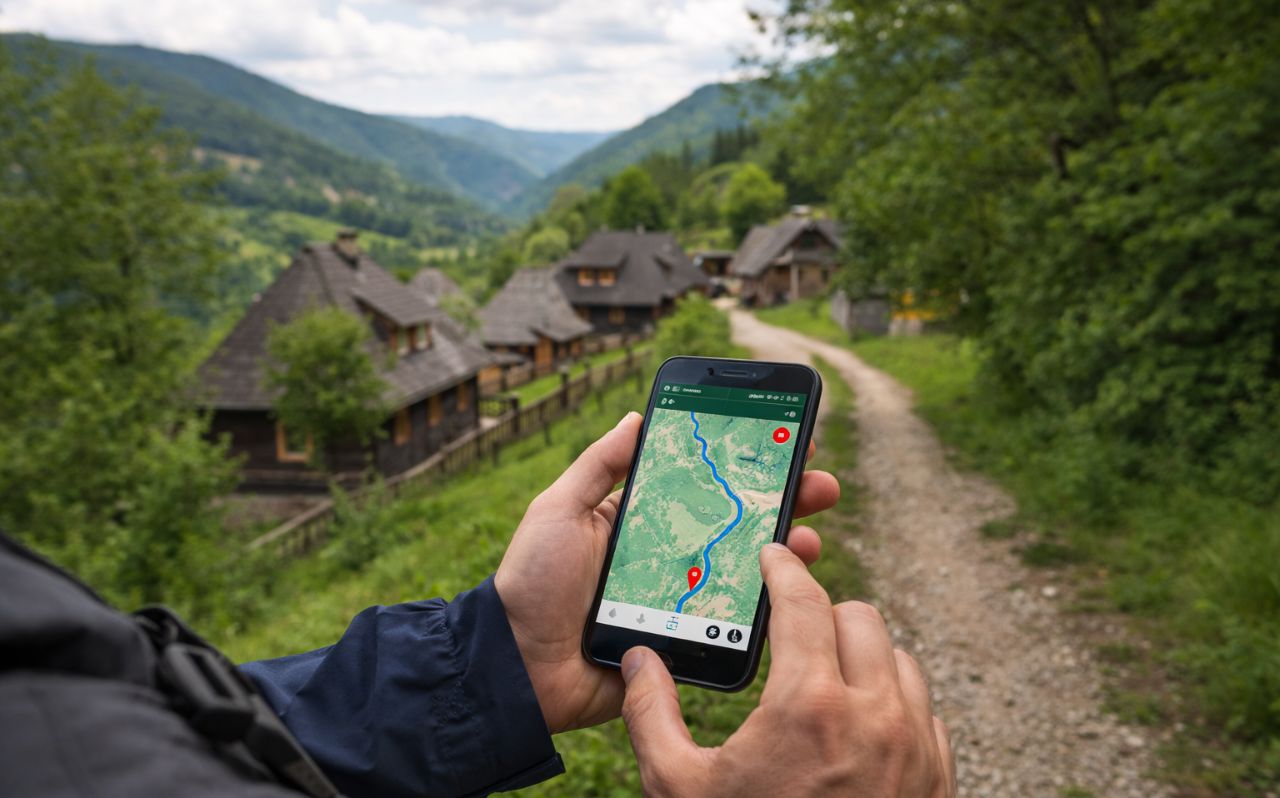
Internet in Serbia for tourists is generally reliable in urban areas. Cities have stable mobile coverage and public WiFi in cafés and hotels.
However, signal strength may vary in:
Mountain valleys
Remote hiking trails
Rural villages
Travelers frequently rely on mobile data for:
Navigation
Checking bus schedules
Booking accommodation
Translation assistance
Roaming charges depend on your home provider. Some visitors compare roaming with local SIM options before arrival. Others consider using a reliable travel eSIM for Serbia to maintain access throughout both cities and rural areas.
Including connectivity considerations strengthens the practical value of this Serbia travel guide.
These Serbia travel tips help avoid common misunderstandings:
Carry some cash, especially outside cities
Expect slower service in rural restaurants
Learn basic Serbian greetings
Dress modestly when visiting monasteries
Allow buffer time for mountain driving
Traveling to Serbia becomes smoother when expectations align with local pace and infrastructure.
Visa requirements depend on nationality. Many travelers can enter visa-free for short stays, but always verify current Serbia visa requirements before departure.
Serbia travel costs are moderate compared to much of Western Europe. Prices vary by city and season.
Central districts of Belgrade and major towns are generally safe. Standard precautions apply.
English is widely spoken among younger generations and in tourist areas.
A car is unnecessary for city-focused trips but helpful for exploring national parks and rural regions.
This Serbia travel guide provides the essential framework for planning your first visit. From entry requirements and safety considerations to regional planning and transport options, Serbia rewards preparation without overcomplication.
Traveling to Serbia offers a balance of city culture and natural landscapes. Whether you focus on Belgrade, extend to Novi Sad, or follow a Serbia road trip guide into the mountains, realistic pacing enhances the experience.
With practical expectations and thoughtful planning, your trip can remain flexible, manageable, and rewarding from arrival to departure.
Compare every free eSIM trial from US carriers in 2026 — T-Mobile 30 days, Verizon 100GB, AT&T 25GB hotspot, Visible 15 days. Plus: what travelers visiting the US should use instead.
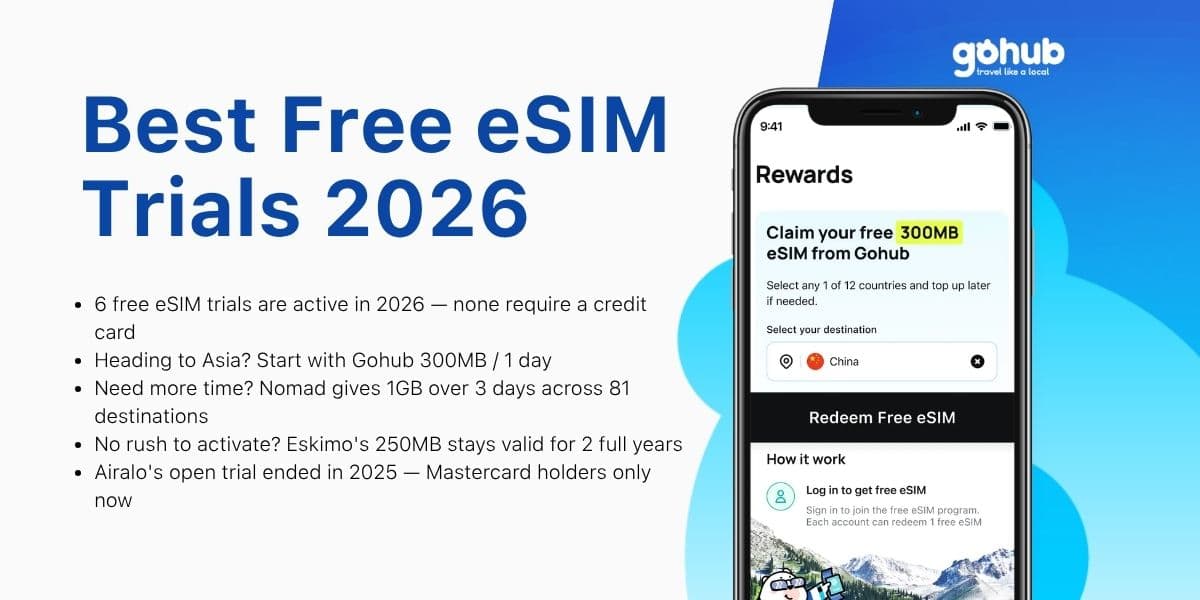
Looking for a free eSIM trial in 2026? Compare all active offers — Gohub 300MB, Nomad 1GB, GigSky 100MB, Eskimo 250MB, SimLocal 500MB — no credit card needed. Updated March 2026.
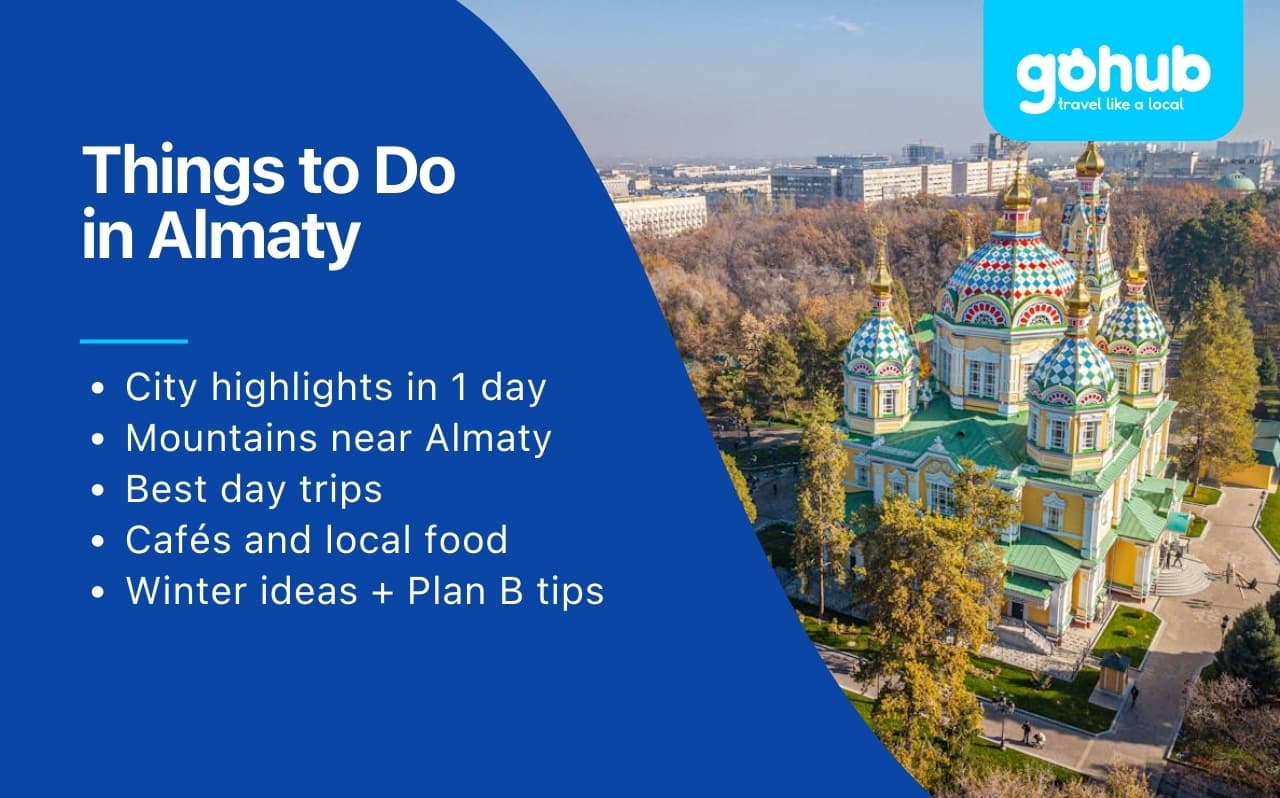
Things to do in Almaty: top city highlights, mountain escapes, best day trips, food spots, and winter ideas—plus 1–3 day itineraries for first-timers.