

Things to Do in Santo Domingo: A Practical Guide for First-Time Visitors

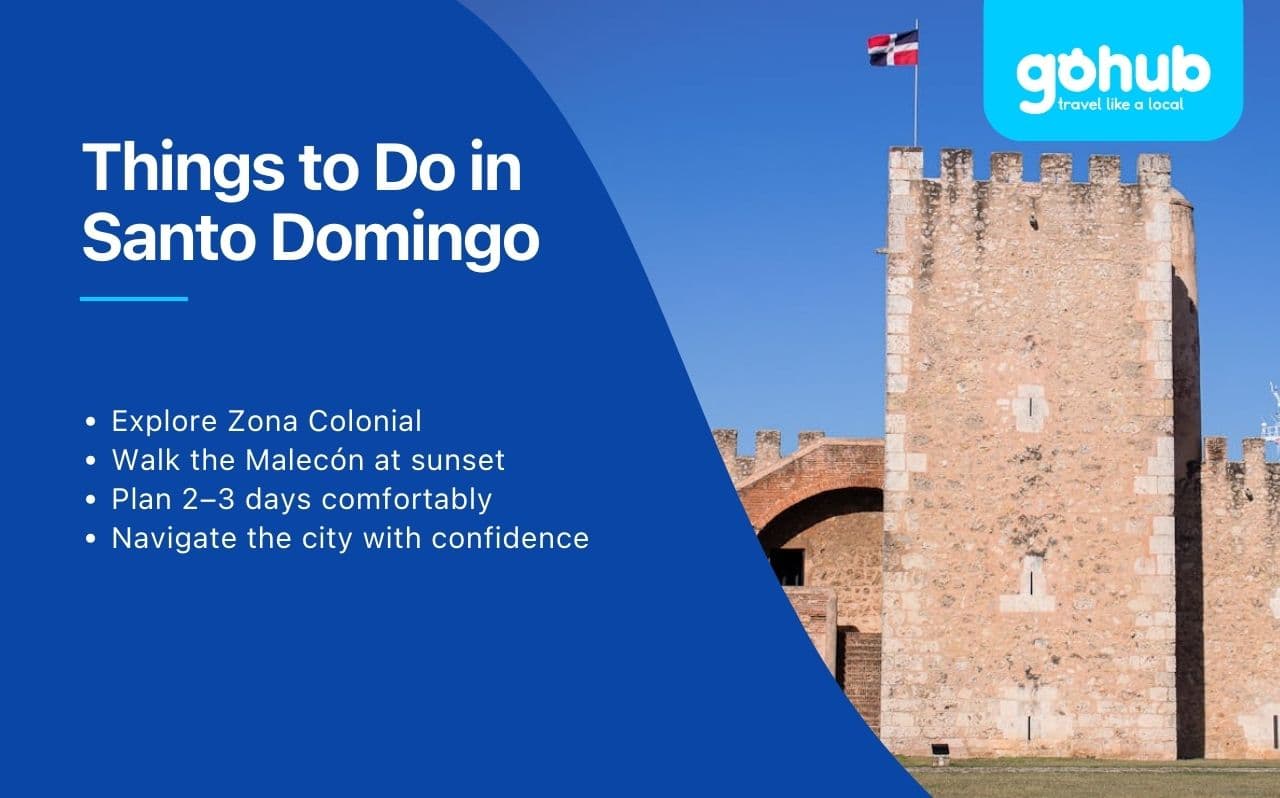
Santo Domingo is often the first stop for travelers arriving in the Dominican Republic. It is historic, energetic, and full of contrasts. For first-time visitors, figuring out the right things to do in Santo Domingo can feel surprisingly overwhelming.
The city is large. Traffic can be intense. Neighborhoods feel very different from one another. Some travelers come for colonial history. Others arrive before heading to Punta Cana. Many land at Las Américas International Airport late at night and simply want to get settled without stress.
This guide is written for first-time visitors who want clarity. It focuses on what typically works well, what often causes confusion, and how to move around Santo Domingo Dominican Republic with confidence.
TL;DR
Santo Domingo is large and spread out. Planning the right areas to focus on reduces stress.
Most first-time visitors need 2 to 3 days to explore comfortably.
Zona Colonial is the main highlight and the most walkable district.
Ride-hailing apps are commonly used for airport transfers and evening outings.
Public WiFi exists, but mobile data is often more reliable for navigation and transportation.
Many travelers combine Santo Domingo with Punta Cana, so transfer planning matters.
1. Why First-Time Visitors Often Feel Overwhelmed in Santo Domingo
Santo Domingo is not a compact old town. It is a sprawling capital city with layers of history and modern life mixed together.
Common sources of confusion include:
The city is divided into very different areas. Zona Colonial feels walkable and historic. Other districts are car-dependent.
Traffic can be unpredictable, especially during rush hour.
Many travelers are unsure whether to stay in Santo Domingo or head straight to Punta Cana.
Public transportation information is not always clear to visitors.
In practice, first-time travelers often underestimate distances. They plan too many activities in one day. Or they do not realize how much they will rely on maps and ride-hailing apps to get around.
Understanding this upfront makes planning the right things to do in Santo Domingo much easier.
2. How Many Days Do You Really Need in Santo Domingo?
Most first-time visitors do well with two to three days in the city.
1 Day in Santo Domingo
With only one full day, focus on:
Zona Colonial
A museum or cathedral visit
A sunset walk along the Malecón
A relaxed dinner in the historic district
Trying to cover modern shopping districts or far-out neighborhoods in one day usually feels rushed.
2 to 3 Days in Santo Domingo
Two or three days allow for a more balanced experience:
One full day in Zona Colonial
One day exploring museums, parks, or the National Palace area
One evening dedicated to Santo Domingo nightlife or live music
This pacing reduces stress and gives time for breaks. Heat and humidity can slow travelers down more than expected.
Combining Santo Domingo and Punta Cana
Many travelers split their trip between Santo Domingo and Punta Cana.
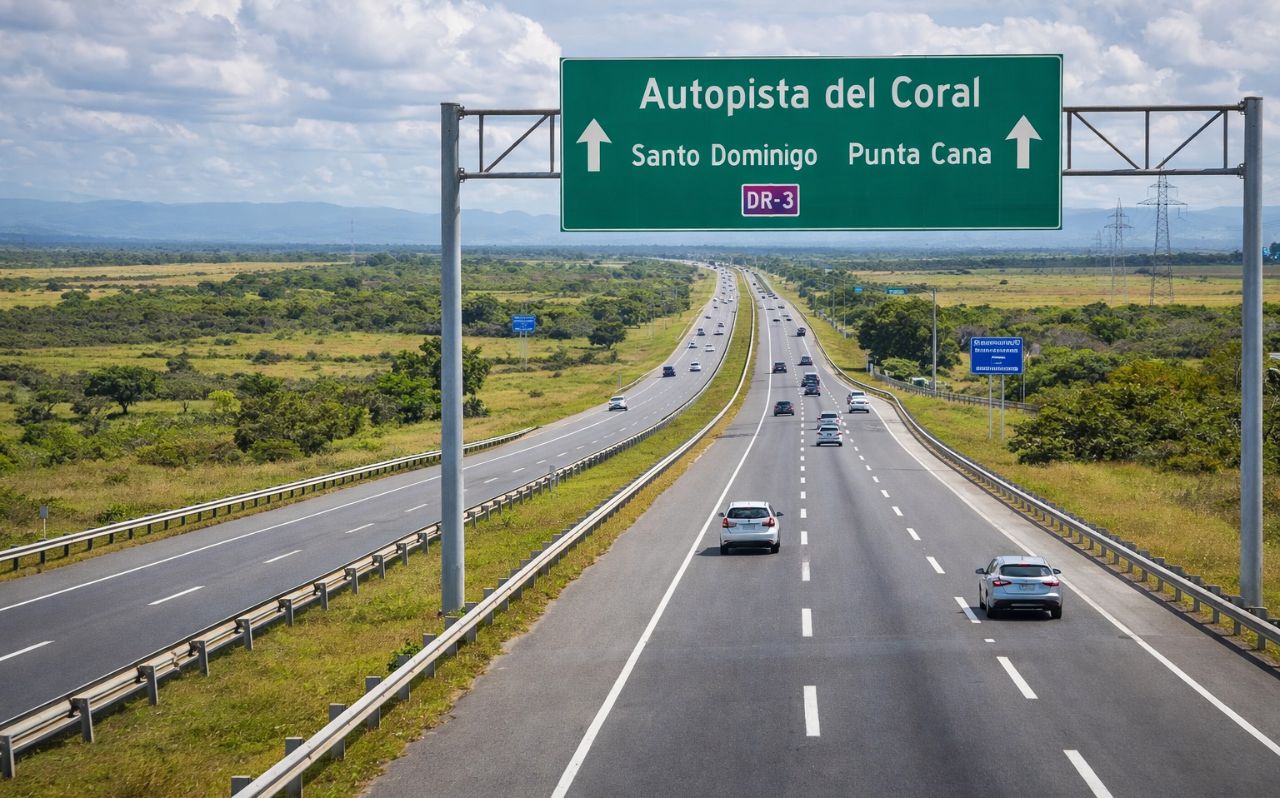
The drive between the two takes about 2 to 3 hours depending on traffic. Buses and private transfers are common. Planning this transition carefully matters. Travelers often need maps, booking confirmations, and communication access during the transfer.
Keeping the itinerary realistic helps first-time visitors enjoy the city instead of feeling rushed.
3. The Most Important Things to Do in Santo Domingo
When travelers search for things to do in Santo Domingo, most highlights center around history, culture, and local life.
Explore the Zona Colonial
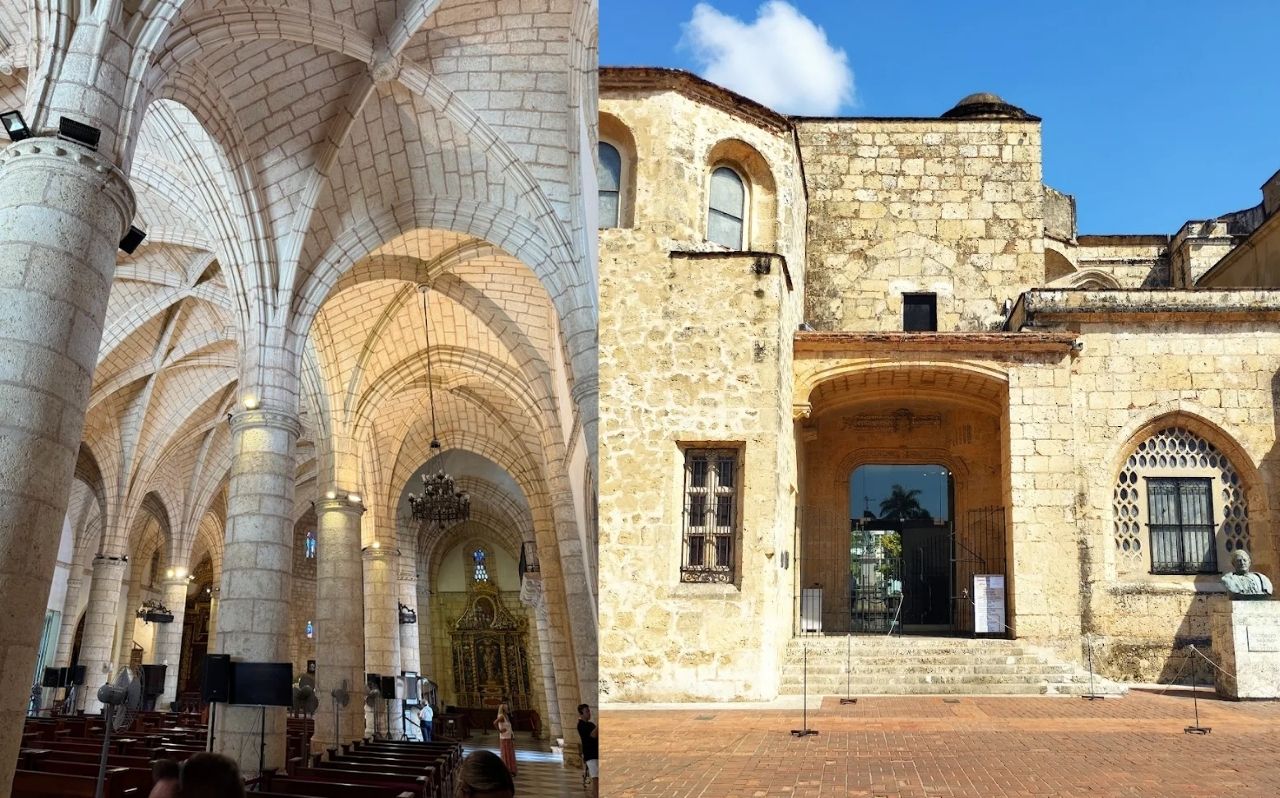
Zona Colonial is the heart of Santo Domingo attractions. It is also a UNESCO World Heritage Site, recognized for its historical significance. You can learn more through UNESCO’s official listing.
Expect:
Cobblestone streets
16th-century buildings
Small plazas and shaded cafés
Key landmarks include:
Catedral Primada de América
Alcázar de Colón
Parque Colón
This area is walkable and manageable for first-time visitors. It is also the safest place to explore on foot during the day.
Walk Along the Malecón
The Malecón is the city’s waterfront promenade. It stretches along the Caribbean Sea and offers open views and ocean breezes.
Late afternoon is the most comfortable time to visit. The heat softens, and locals gather to socialize.
This area is less about monuments and more about atmosphere. It offers a glimpse into everyday life in Santo Domingo Dominican Republic.
Visit Museums and Cultural Sites
For travelers interested in deeper history, consider:
Museo de las Casas Reales
Museo del Hombre Dominicano
The National Palace area
These sites provide context for the colonial period and modern Dominican identity.
The official tourism portal of the Dominican Republic offers updated cultural site information and opening hours.
Experience Santo Domingo Nightlife
Santo Domingo nightlife is lively but varied. Options include:
Rooftop bars in Zona Colonial
Live music venues
Casual cocktail lounges
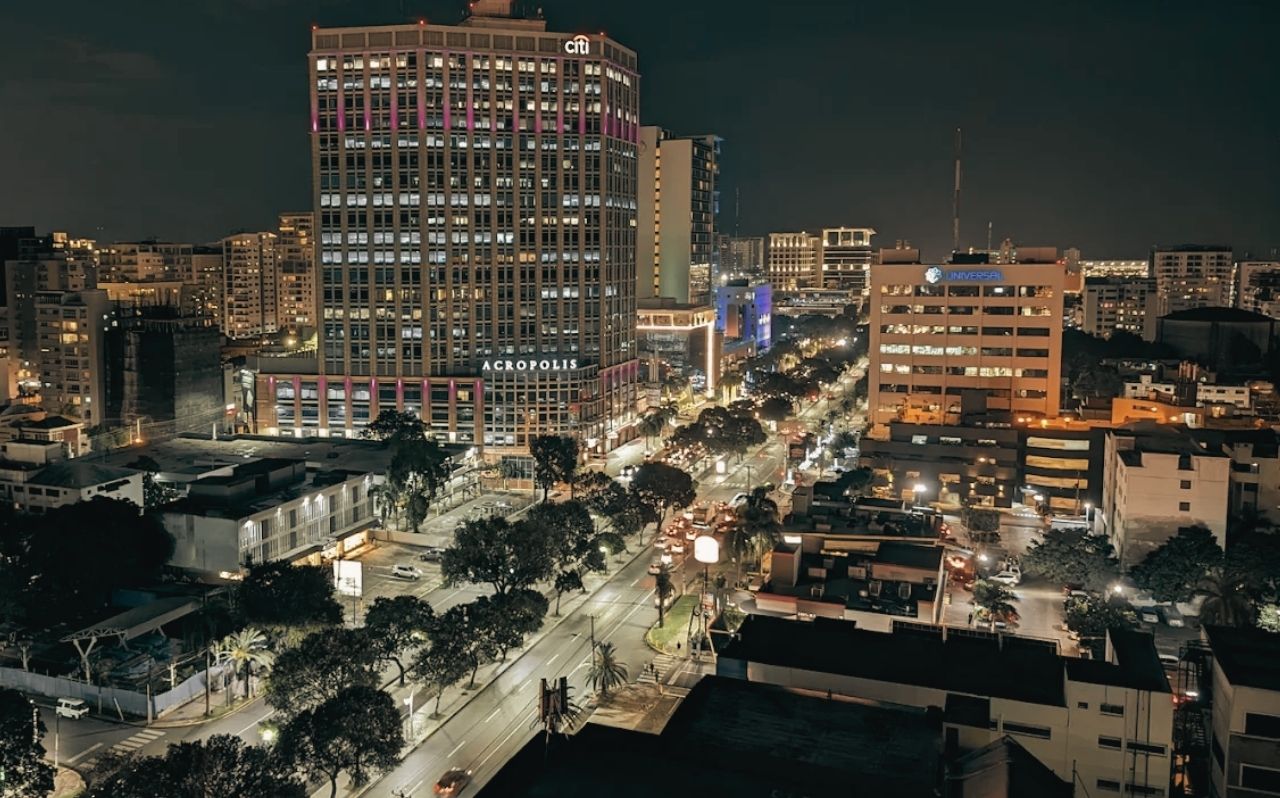
Evening outings are common among both locals and visitors. However, transportation planning becomes more important after dark. Ride-hailing apps are widely used, especially by travelers unfamiliar with the area.
Understanding the layout of the neighborhood helps visitors feel more confident when going out at night.
4. Where to Eat and Relax in Santo Domingo
Food is an important part of what to do in Santo Domingo. The city blends traditional Dominican dishes with international influences.
Typical local dishes include:
Mangu for breakfast
Sancocho stew
Tostones and fried plantains
Fresh seafood along the coast
Zona Colonial offers a mix of traditional and modern dining in Santo Domingo. Many cafés provide shaded outdoor seating. Travelers often pause here between sightseeing stops.
Reservations are not always required, but weekends can be busier. Keeping dining plans flexible makes the experience smoother.
5. Getting Around Santo Domingo Without Stress
Transportation is one of the most practical concerns for first-time visitors.
Walking
Zona Colonial is walkable. Many key attractions are within short distances of each other.
Outside this district, walking is less practical due to traffic patterns and wider roads.
Ride-Hailing Apps
Ride-hailing services operate in Santo Domingo. Travelers commonly use them for:
Airport transfers
Evening outings
Cross-city trips
Using these apps reduces language barriers and negotiation stress.
Taxis
Traditional taxis are available but can vary in pricing. Agreeing on the fare in advance is common practice.
Understanding these options helps travelers focus on the right things to do in Santo Domingo rather than worrying about logistics.
6. Practical Connectivity Reality in Santo Domingo
Connectivity plays a larger role in the travel experience than many first-time visitors expect.
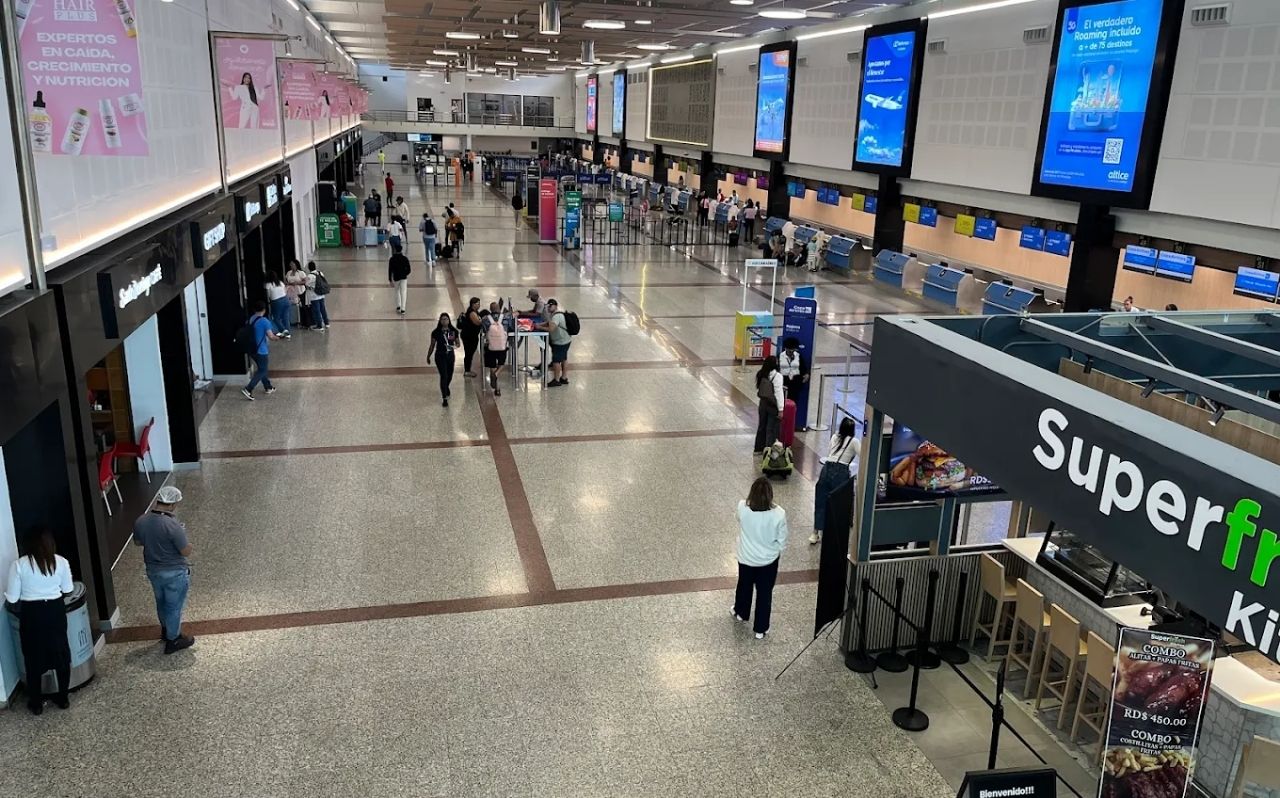
Airport Arrival
Las Américas International Airport is the main entry point. Official airport information is available on the airport’s website.
After landing, travelers often need:
Directions to accommodation
Ride-hailing access
Booking confirmations
Contact with hosts or drivers
Public WiFi at airports can be slow or require registration steps. During busy arrival times, connections may not be reliable.
Navigating the City
Mobile data is commonly used for:
Google Maps
Translation apps
Restaurant searches
Ride bookings
In practice, public WiFi in Santo Domingo exists in hotels and some cafés. However:
Speeds can vary
Log-in portals may require local phone numbers
Connections can drop unexpectedly
This becomes more noticeable when moving between districts or planning day trips outside the city center.
Transfers to Punta Cana or Remote Areas
When traveling between Santo Domingo and Punta Cana, or visiting less central areas, consistent connectivity becomes more important.
Travelers often rely on:
Live navigation
Real-time traffic updates
Communication with drivers
Losing signal during a transfer can create unnecessary stress, especially for first-time visitors unfamiliar with the region.
Connectivity in Santo Domingo is not usually a crisis. But in practical terms, mobile data often acts as travel infrastructure rather than a luxury.
7. When to Consider a More Reliable Setup
For short city stays, hotel WiFi may be sufficient for basic browsing.
However, situations that typically require consistent mobile data include:
Late-night airport arrivals
Cross-city transfers
Nightlife transportation
Multi-city trips between Santo Domingo and Punta Cana
In situations like this, having a reliable travel eSIM for Dominican Republic can reduce stress and help travelers stay connected throughout their trip.
This is less about convenience and more about maintaining control over logistics, directions, and communication.
8. Is Santo Domingo Safe for First-Time Visitors?
Safety is a common concern for travelers researching what to do in Santo Domingo.
In general:
Zona Colonial is considered safe during the day.
Standard city awareness applies at night.
Using registered transportation services is common practice.
Avoid displaying valuables openly. Keep personal items secure in crowded areas.
Most visitors complete their stay without incident. Planning transportation and accommodation carefully contributes significantly to peace of mind.
9. Frequently Asked Questions
Is Santo Domingo worth visiting for first-time travelers?
Yes. Santo Domingo offers a mix of colonial history, cultural landmarks, and local life. It works well as a starting point before visiting beach destinations.
How far is Santo Domingo from Punta Cana?
The distance is approximately 190 kilometers. Travel time typically ranges from 2 to 3 hours by car or bus, depending on traffic.
Does Uber work in Santo Domingo?
Ride-hailing apps operate in the city and are commonly used by visitors. They are often preferred for airport transfers and evening trips.
Is public WiFi reliable in Santo Domingo?
Public WiFi is available in many hotels and cafés. However, connection speed and stability can vary, especially during busy periods.
When is the best time to visit Santo Domingo?
The most comfortable weather is generally between December and April. These months offer lower humidity and fewer heavy rains compared to hurricane season.
10. Final Thoughts
Planning the right things to do in Santo Domingo does not require a complicated strategy. It requires realistic pacing and an understanding of how the city functions.
Focus on:
Zona Colonial for history
The Malecón for atmosphere
Balanced days instead of packed schedules
Thoughtful transportation planning
Santo Domingo Dominican Republic rewards travelers who approach it calmly. With practical preparation and a flexible mindset, first-time visitors can explore the city confidently and enjoy its unique blend of heritage and everyday life.
Many travelers continue to the coast after exploring the capital.
For a clearer look at Punta Cana beaches and day trips, this detailed guide can help you plan the next stage of your journey.

Hi! Mình là Lala Wren, một content creator yêu xê dịch và đam mê chia sẻ trải nghiệm thực tế cho cộng đồng Gohub. Trong nhiều năm qua, mình đã đặt chân đến Thái Lan, Hàn Quốc, Nhật Bản, Singapore, Malaysia, Bali và nhiều điểm đến thú vị khác trên khắp châu Á. Cùng mình tìm hiểu tất tần tật từ khâu chuẩn bị eSIM, Visa, lịch trình và địa điểm nổi bật cho chuyến đi sắp tới của bạn nhé!
View all articles →Related articles

Free eSIM Trial USA 2026: T-Mobile vs Verizon vs AT&T vs Visible
Compare every free eSIM trial from US carriers in 2026 — T-Mobile 30 days, Verizon 100GB, AT&T 25GB hotspot, Visible 15 days. Plus: what travelers visiting the US should use instead.

Best Free eSIM Trials in 2026: Every Active Offer Compared (No Credit Card)
Looking for a free eSIM trial in 2026? Compare all active offers — Gohub 300MB, Nomad 1GB, GigSky 100MB, Eskimo 250MB, SimLocal 500MB — no credit card needed. Updated March 2026.

Things to Do in Almaty: City Highlights, Mountain Escapes & Best Day Trips (1–3 Days)
Things to do in Almaty: top city highlights, mountain escapes, best day trips, food spots, and winter ideas—plus 1–3 day itineraries for first-timers.

Things to Do in Kyrgyzstan: Horse Trekking, Horseback Tours, Skiing, Yurts, & Epic Nature Spots
Things to do in Kyrgyzstan: Song-Köl horse treks, yurt stays, Karakol skiing, Ala Archa day hikes, plus seasons, safety, and booking tips.
Serbia Travel Guide for First-Time Visitors (2026 Update)
A practical Serbia travel guide covering safety, transport, regions, and real connectivity tips for first-time visitors in 2026.

Serbia Itinerary for 7 Days: How to Plan Cities and Nature Without Rushing
Plan a realistic Serbia itinerary for 7 days, covering Belgrade, Novi Sad, Tara National Park, and the Danube Gorge with practical travel advice.