

Things to Do in Punta Cana: A Practical Guide for First-Time Visitors

1. Introduction: What First-Time Visitors Often Expect
Many first-time visitors arrive in Punta Cana expecting one thing.
Beaches, palm trees, and resort pools.
That expectation is not wrong. Punta Cana does offer long stretches of white sand and calm turquoise water. The region is one of the most visited destinations in the Caribbean. According to the official Dominican Republic tourism portal, tourism continues to grow steadily each year, with Punta Cana International Airport serving as one of the busiest airports in the Caribbean.
But after arrival, many travelers realize something else.
There are islands to visit. National parks to explore. Adventure parks, cenotes, historic cities, and public beaches outside the resort corridor. The challenge is not finding things to do. The challenge is choosing wisely and planning realistically.
This guide is written for first-time visitors who want clarity.
Not hype. Not marketing. Just practical insight into what Punta Cana actually feels like on the ground.
TL;DR
Punta Cana is known for white-sand beaches, resort stays, and easy-access day trips.
Saona Island and Scape Park are among the most popular excursions.
Macao Beach offers a more natural, non-resort experience.
Santo Domingo provides a meaningful cultural contrast to beach life.
Mobile data is commonly needed for maps, ride coordination, and digital tour tickets.
2. Why Planning Activities in Punta Cana Can Feel Confusing
At first glance, Punta Cana seems simple to navigate.
However, once travelers begin researching activities, the number of options and distances between them can quickly feel overwhelming.
Most Attractions Are Spread Out
Punta Cana is not a compact town. It is a large coastal region. Beaches, islands, eco-parks, and cultural sites are located in different directions.
For example:
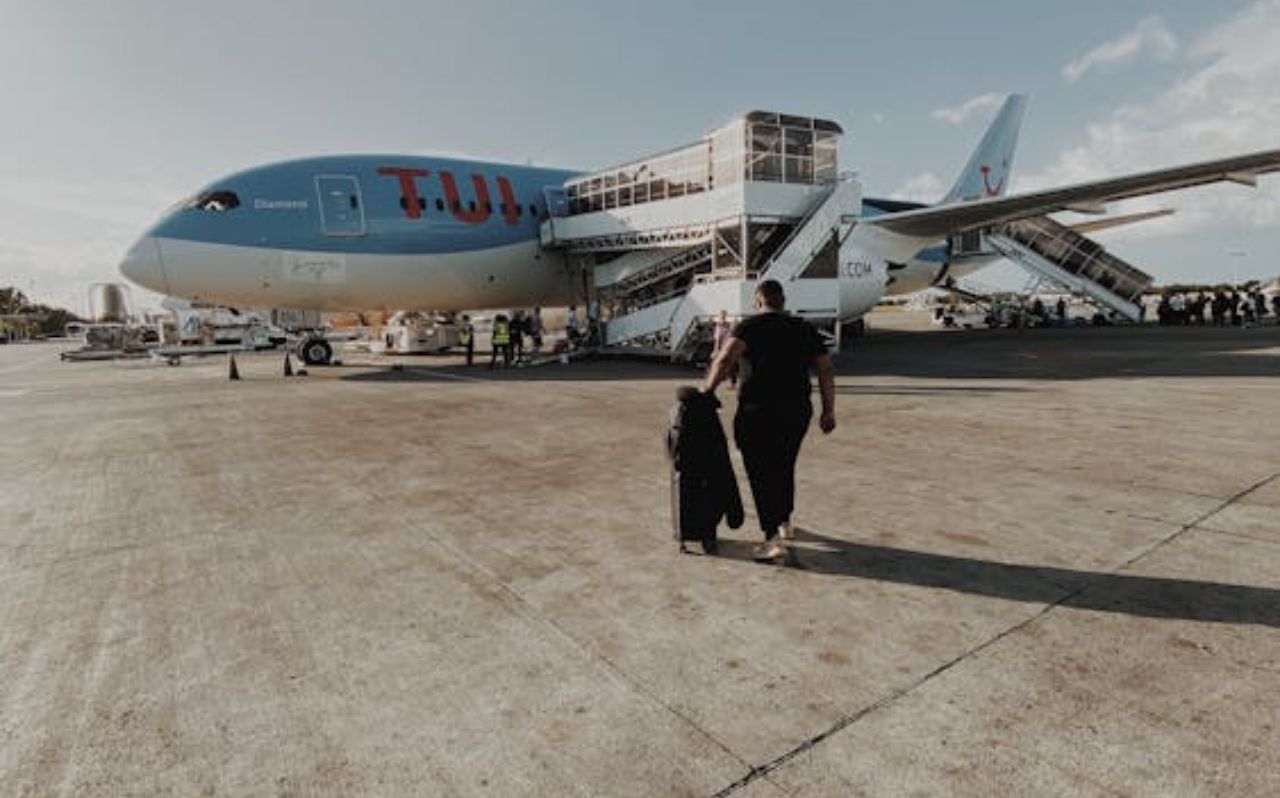
Saona Island is reached by boat from Bayahibe, about 1 to 1.5 hours by road from most resorts.
Santo Domingo is approximately 2.5 to 3 hours away by car.
Los Haitises National Park requires early departures and coordinated transport.
Travel time matters. A simple excursion can become a full-day commitment.
First-time visitors often underestimate this.
The Resort Bubble vs. Real Dominican Experience
Most visitors stay in all-inclusive resorts along Bávaro Beach. These resorts offer dining, entertainment, pools, and organized tours. It is entirely possible to stay inside the resort for days.
However, some travelers later feel they missed something. They want to see more of the Dominican Republic beyond the resort gates.
Deciding when to leave the resort and where to go can feel uncertain. That uncertainty is common among first-time visitors.
Too Many Tour Options Online
Searching “Punta Cana excursions” produces hundreds of results. Catamaran cruises. ATV tours. Zipline parks. Snorkeling trips. Party boats. Whale watching. Cultural tours.
Without context, it is difficult to understand:
Which activities are physically demanding.
Which are family-friendly.
Which require long transfers.
Which are seasonal.
This guide breaks that down more clearly.
3. The Beaches First-Time Visitors Should Know
Punta Cana’s coastline stretches for miles, but not all beaches feel the same.
Understanding the differences helps first-time visitors choose where to spend their time.
Playa Bávaro
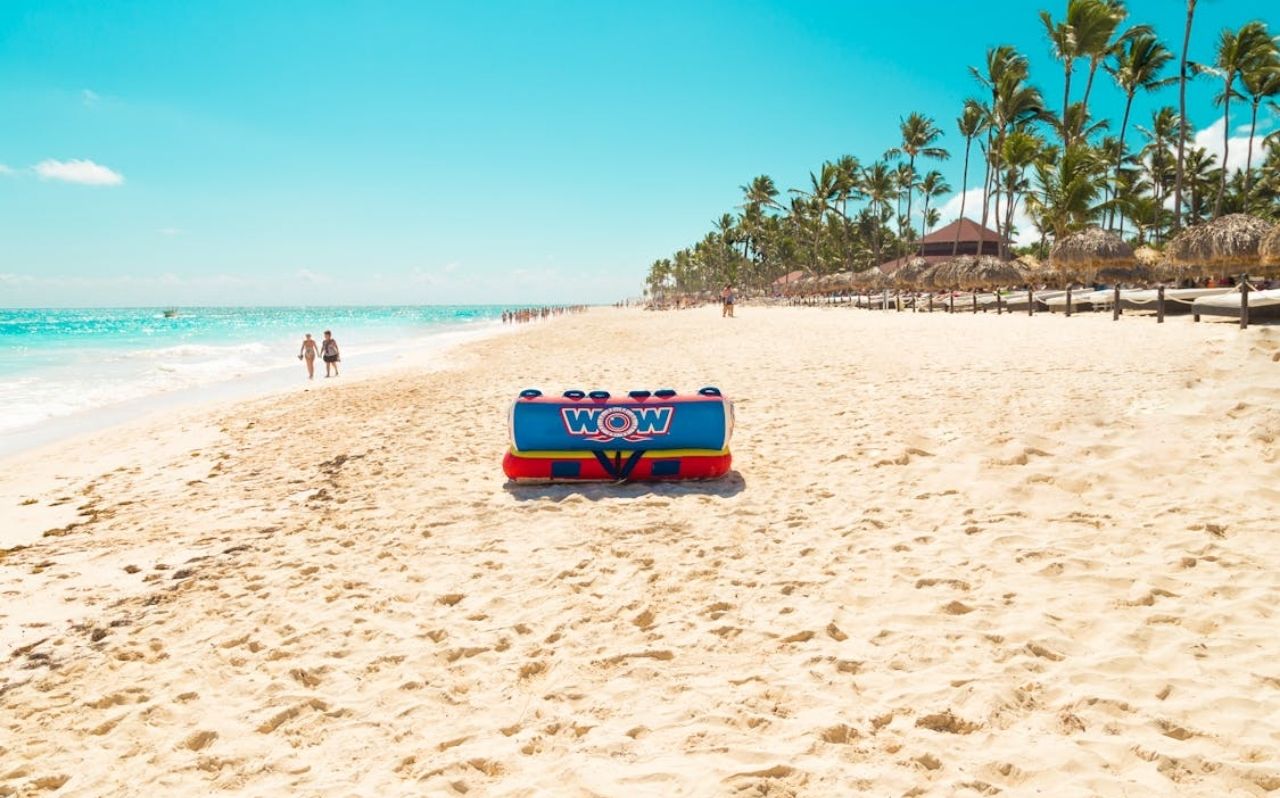
Playa Bávaro is the most well-known beach in Punta Cana. It is lined with resorts and offers calm water, especially during the dry season from December to April.
The sand is soft and white. The water is typically shallow near shore. This makes it suitable for families and casual swimmers.
Water activities such as parasailing and snorkeling tours depart directly from this stretch of coastline.
For many travelers, Playa Bávaro is the main beach experience.
Macao Beach
Macao Beach offers something different.
It is one of the few public beaches not fully surrounded by resorts. The atmosphere feels more open and less controlled. Waves here are often stronger, especially in winter months.
Some visitors come here specifically to surf or take surf lessons.
If someone wants to step outside the resort environment, Macao Beach is worth considering.
Juanillo and Arena Gorda
Juanillo Beach, located in the Cap Cana area, is known for its calm water and relatively peaceful setting. Arena Gorda Beach is another option with a slightly quieter feel than central Bávaro.
Beach conditions vary by season. According to Dominican tourism resources, the dry season typically offers calmer sea conditions, while late summer and early fall may bring stronger swells or occasional storms.
Checking seasonal weather patterns through sources such as the National Hurricane Center can help with planning during hurricane season.
4. Popular Day Trips and Excursions
Beyond the beaches, many travelers choose to explore nearby islands, eco-parks, and protected natural areas.
These excursions vary in distance, physical effort, and time commitment.
Saona Island: A Classic Caribbean Experience
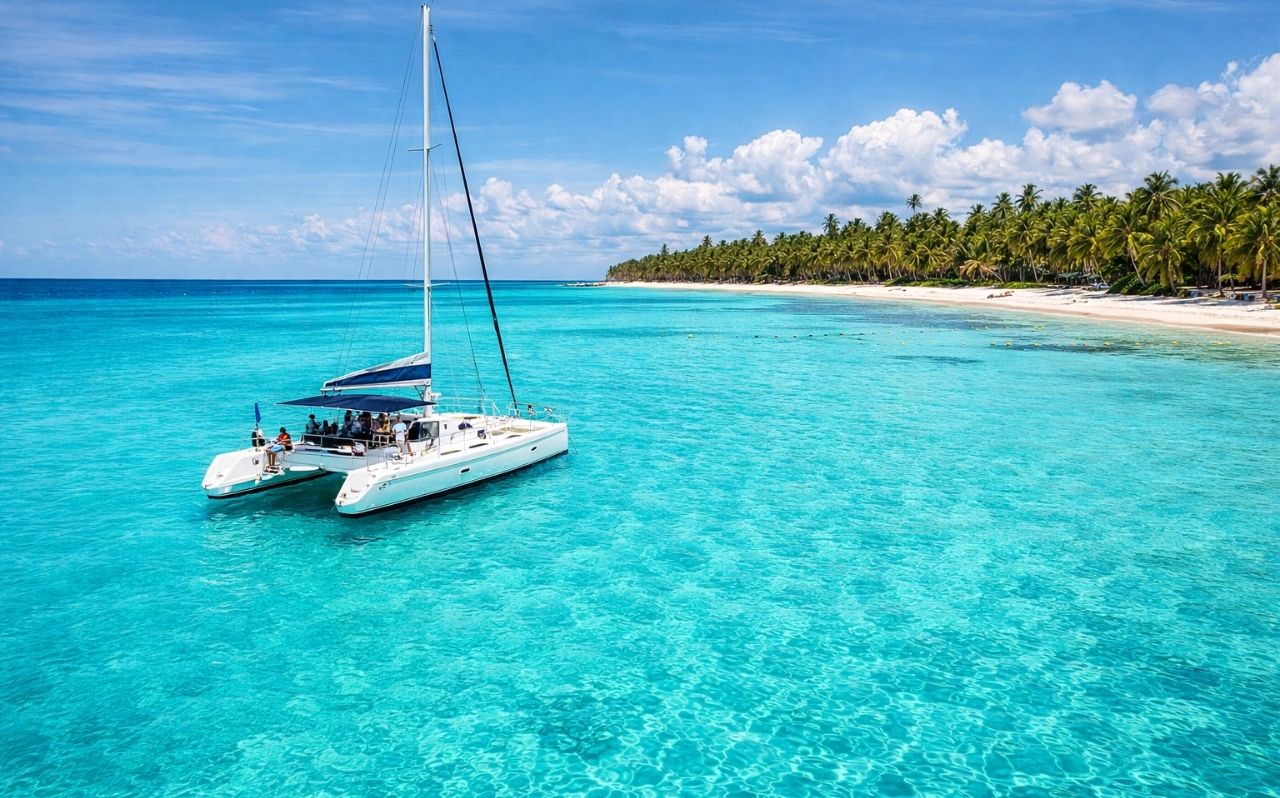
Saona Island is one of the most popular day trips from Punta Cana. It is part of Cotubanamá National Park, a protected area in the southeastern Dominican Republic.
Most tours include:
Boat or catamaran transfer.
A stop at a shallow natural swimming pool.
Time on the island’s beach.
Lunch and drinks included in the package.
Because Saona is within a protected park, tour operators follow specific guidelines. Visitor numbers can increase significantly during high season.
For first-time visitors, Saona offers a clear contrast to resort beaches. The water is often remarkably clear, and the environment feels more remote.
However, it is a full-day excursion. Departure times are usually early in the morning. Return may be late afternoon or early evening.
Scape Park and Hoyo Azul
Scape Park is an adventure park located in the Cap Cana area. It combines outdoor activities such as:
Ziplining.
Cave exploration.
Nature trails.
Cenote swimming.
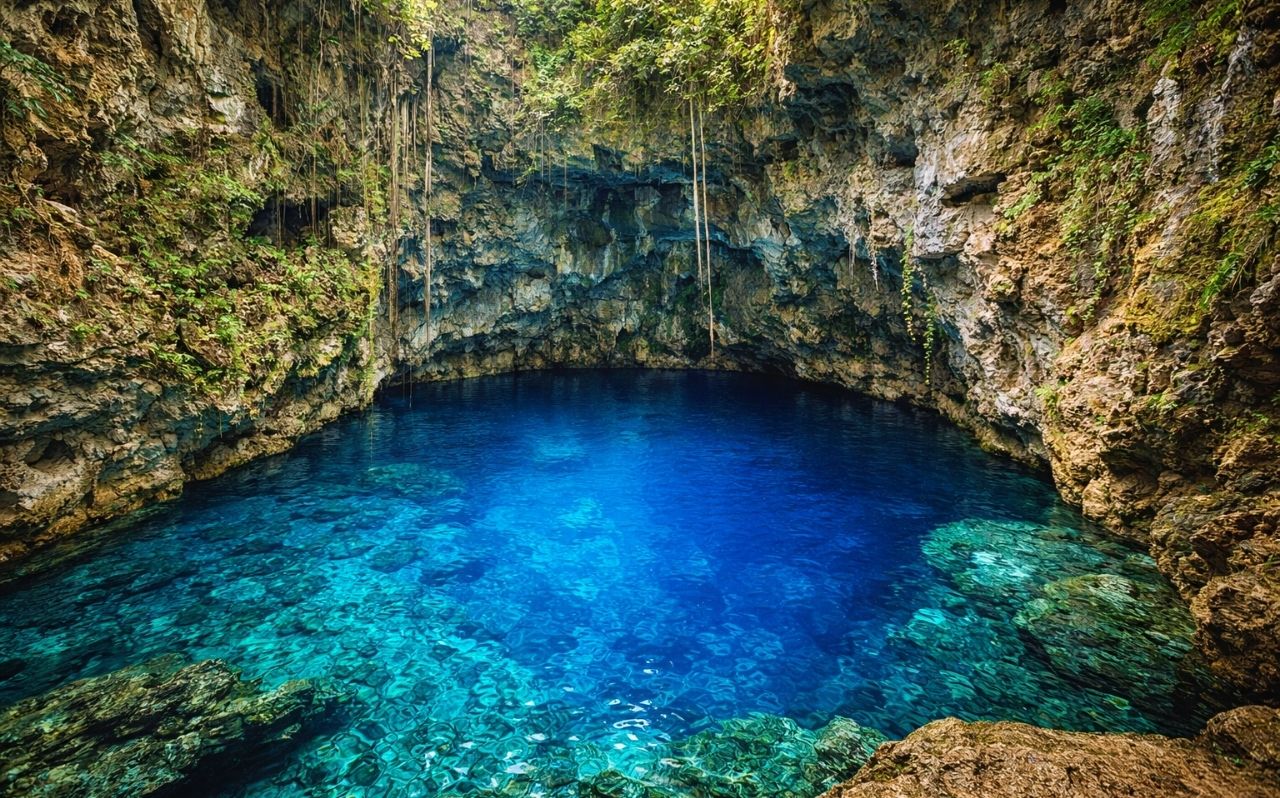
Hoyo Azul is a well-known natural cenote inside the park. It is a deep, blue freshwater lagoon at the base of a limestone cliff.
For travelers who want active experiences rather than beach relaxation, this park offers a structured way to explore nature safely.
It is advisable to review the official Scape Park website for current operating hours and age or health restrictions before booking.
Los Haitises National Park
Los Haitises National Park is less frequently visited than Saona but offers a very different landscape. It features mangroves, limestone formations, and caves with indigenous Taíno petroglyphs.
Tours typically involve:
Early morning pickup.
Boat rides through mangrove channels.
Guided visits to caves.
Visitor access is managed carefully. Some tours limit daily numbers.
This excursion is better suited to travelers interested in ecology and history rather than beach lounging.
5. Cultural Experiences Beyond the Beach
While beach life defines Punta Cana for many visitors, there are meaningful cultural experiences available as well.
These options provide historical context and a deeper understanding of the Dominican Republic.
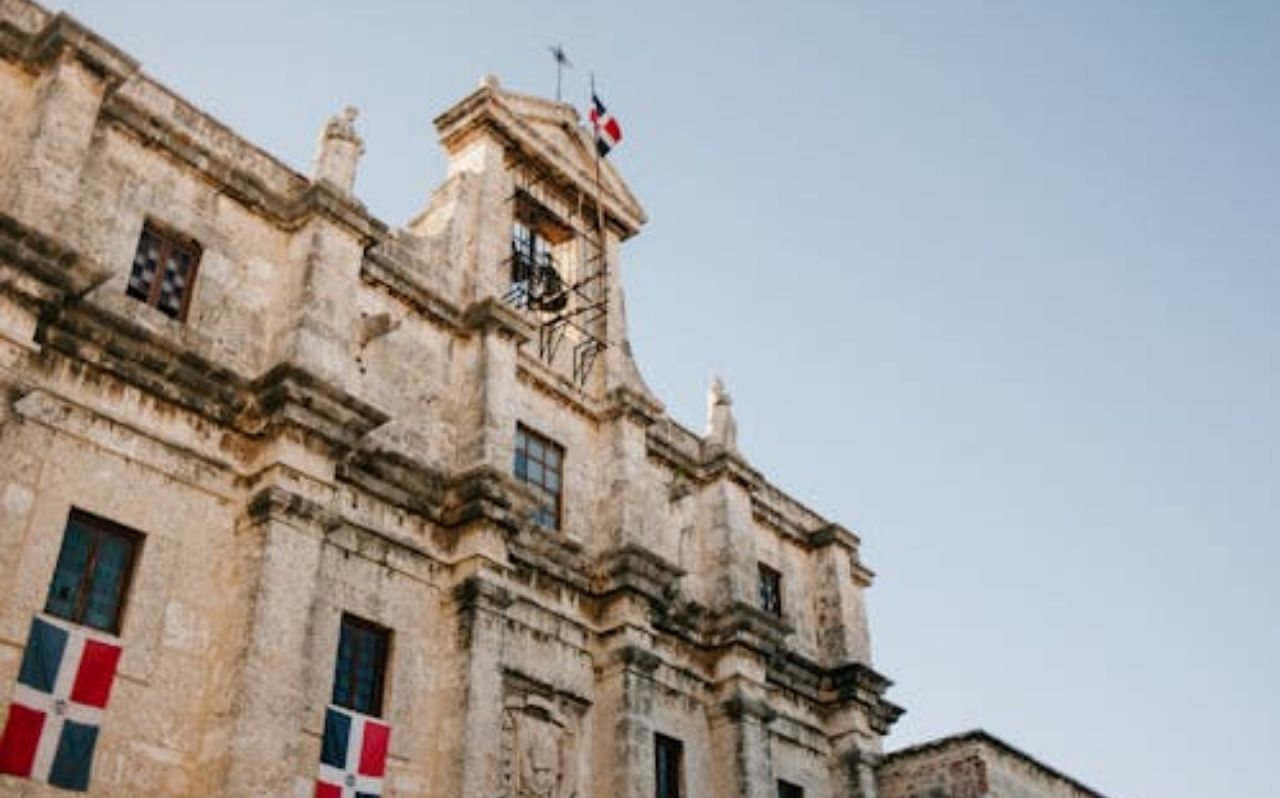
Santo Domingo: A UNESCO World Heritage City
Santo Domingo is the capital of the Dominican Republic. Its Colonial Zone is recognized by UNESCO as a World Heritage Site.
Highlights include:
Catedral Primada de América.
Alcázar de Colón.
Colonial-era streets and plazas.
A day trip to Santo Domingo involves a long transfer. It is typically 2.5 to 3 hours each way.
However, for travelers who want historical context, it provides a meaningful contrast to resort life.
It is important to prepare for a long day. Comfortable shoes and sun protection are essential.
Local Cuisine Outside Resorts
Resort dining can be varied and convenient. Still, some visitors prefer to try local Dominican dishes.
Common traditional foods include:
Mangú, a mashed plantain dish often served at breakfast.
Fresh seafood along coastal towns.
Rice and beans with stewed meats.
Exploring small local restaurants can offer cultural insight. Basic Spanish phrases are helpful. Translation apps are commonly used by travelers when ordering.
6. Seasonal Considerations First-Time Visitors Should Understand
Weather plays a significant role in shaping the Punta Cana experience.
Knowing how seasons affect sea conditions and tour availability helps travelers plan more realistically.
Dry Season: December to April
This period is generally considered the most comfortable in terms of weather.
Expect:
Lower humidity.
Pleasant temperatures.
Calmer sea conditions.
It is also high season. Resorts and excursions can fill quickly.
Booking popular tours in advance is often advisable.
Rainy Season: May to October
Rain during this period is often short and intense rather than constant. However, hurricane monitoring becomes relevant from June through November.
The National Hurricane Center provides updates during storm season.
Outdoor activities such as boat trips may be adjusted depending on weather conditions.
Understanding seasonality helps set realistic expectations.
If you are considering a multi-region itinerary, this article on planning a first trip across the Dominican Republic’s main regions provides helpful context on distances, weather, and logistics.
7. Practical Connectivity Reality in Punta Cana
Connectivity may not be the first thing travelers think about when planning beach vacations. In practice, it becomes important quickly.
Airport Arrival
Punta Cana International Airport offers WiFi. During peak arrival times, connections may feel slow or inconsistent.
Late-night arrivals can create additional stress. Travelers often need to:
Contact drivers.
Confirm hotel transport.
Check booking confirmations.
Having mobile data at this stage reduces uncertainty.
Coordinating Day Trips
Excursion operators frequently communicate through messaging apps. Pickup times can shift slightly depending on traffic or weather.
Digital tickets are common. Many travelers receive QR codes or booking confirmations by email.
Relying solely on hotel WiFi can be inconvenient when waiting outside for transport.
Navigating Outside Resort Areas
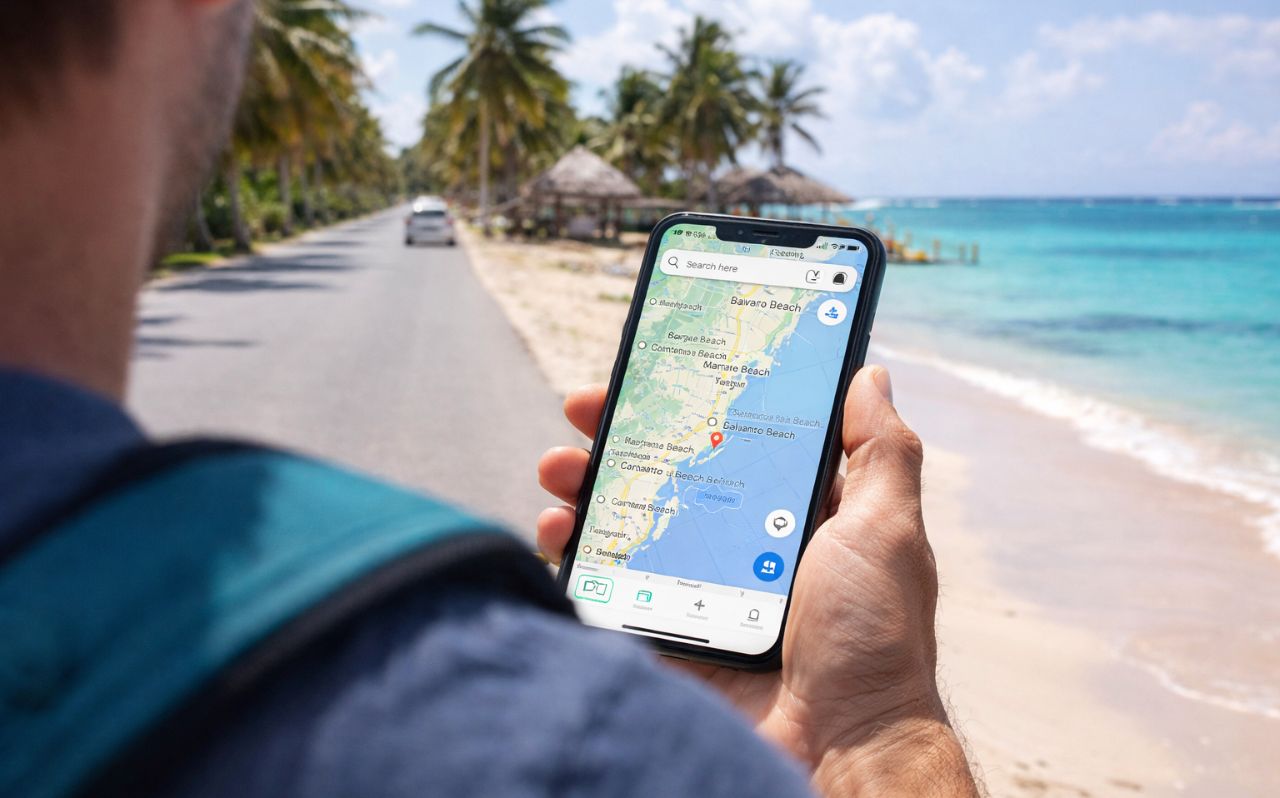
Ride-hailing apps and Google Maps are widely used in Punta Cana. While resorts provide WiFi, signal strength can weaken outside those areas.
Public beaches such as Macao do not offer consistent WiFi coverage.
National parks and boat excursions also do not provide reliable connectivity.
Mobile data is typically used for:
Checking directions.
Translating conversations.
Accessing digital documents.
Monitoring weather updates.
These are practical needs rather than luxury add-ons.
8. When to Consider a More Reliable Setup
First-time visitors often assume resort WiFi will cover all situations. In practice, many travel moments happen outside hotel walls.
Airport transfers. Early-morning pickups. Boat departures. Navigation in unfamiliar areas.
In situations like this, having a reliable travel eSIM for the Dominican Republic can reduce stress and help travelers stay connected throughout their trip.
This is not about constant social media use.
It is about practical coordination and peace of mind.
9. Frequently Asked Questions
Is Punta Cana only about resorts?
No. While the coastline is dominated by all-inclusive resorts, visitors can explore public beaches, national parks, and historical sites such as Santo Domingo’s Colonial Zone.
How many days do you need in Punta Cana?
Most first-time visitors spend between four and seven days. This allows time for beach relaxation and one or two structured excursions.
Is Saona Island worth visiting?
For many travelers, yes. It offers clear water, protected natural landscapes, and a change of scenery from resort beaches. It does require a full-day commitment.
Can you explore Punta Cana independently?
Some beaches and restaurants are accessible independently. However, offshore islands and certain national parks usually require organized transport.
Is mobile internet necessary in Punta Cana?
Mobile data is commonly used for maps, ride coordination, and digital tickets. Resort WiFi is available but does not cover every travel situation.
10. Final Thoughts for First-Time Visitors
Punta Cana is often marketed as a simple beach escape.
In reality, it offers layers.
Resort relaxation.
Public beaches.
Protected islands.
Adventure parks.
Historical cities.
The key for first-time visitors is balance. Do not overpack the schedule. Allow time for both rest and exploration.
And plan with realism.
Distances are longer than they appear. Excursions take full days. Weather can shift. Coordination matters.
With thoughtful preparation, Punta Cana becomes more than a resort stay.
It becomes a complete Caribbean experience.
If Punta Cana is already part of your itinerary, you might also consider spending time in the capital.
For ideas on museums, colonial streets, and local neighborhoods, this guide on what to do in Santo Domingo offers a practical overview to help plan your visit.

Hi! Mình là Lala Wren, một content creator yêu xê dịch và đam mê chia sẻ trải nghiệm thực tế cho cộng đồng Gohub. Trong nhiều năm qua, mình đã đặt chân đến Thái Lan, Hàn Quốc, Nhật Bản, Singapore, Malaysia, Bali và nhiều điểm đến thú vị khác trên khắp châu Á. Cùng mình tìm hiểu tất tần tật từ khâu chuẩn bị eSIM, Visa, lịch trình và địa điểm nổi bật cho chuyến đi sắp tới của bạn nhé!
View all articles →Related articles

Free eSIM Trial USA 2026: T-Mobile vs Verizon vs AT&T vs Visible
Compare every free eSIM trial from US carriers in 2026 — T-Mobile 30 days, Verizon 100GB, AT&T 25GB hotspot, Visible 15 days. Plus: what travelers visiting the US should use instead.

Best Free eSIM Trials in 2026: Every Active Offer Compared (No Credit Card)
Looking for a free eSIM trial in 2026? Compare all active offers — Gohub 300MB, Nomad 1GB, GigSky 100MB, Eskimo 250MB, SimLocal 500MB — no credit card needed. Updated March 2026.

Things to Do in Almaty: City Highlights, Mountain Escapes & Best Day Trips (1–3 Days)
Things to do in Almaty: top city highlights, mountain escapes, best day trips, food spots, and winter ideas—plus 1–3 day itineraries for first-timers.

Things to Do in Kyrgyzstan: Horse Trekking, Horseback Tours, Skiing, Yurts, & Epic Nature Spots
Things to do in Kyrgyzstan: Song-Köl horse treks, yurt stays, Karakol skiing, Ala Archa day hikes, plus seasons, safety, and booking tips.

Serbia Travel Guide for First-Time Visitors (2026 Update)
A practical Serbia travel guide covering safety, transport, regions, and real connectivity tips for first-time visitors in 2026.
Serbia Itinerary for 7 Days: How to Plan Cities and Nature Without Rushing
Plan a realistic Serbia itinerary for 7 days, covering Belgrade, Novi Sad, Tara National Park, and the Danube Gorge with practical travel advice.