

Things to Do in Costa Rica for First-Time Visitors: Pick Your Regions, Then Your Days

Searching for things to do in Costa Rica is a little dangerous.
Not because Costa Rica isn’t worth it. It absolutely is. The problem is that most Costa Rica bucket lists make it look like you can bounce from volcano hikes to cloud forests to beach towns like it’s a compact island.
In real life, Costa Rica is a country of microclimates, winding roads, and regions that feel completely different from each other. That’s why many “perfect” plans fall apart somewhere between day two and day three.
This guide fixes that.
Instead of throwing 70 activities at you, it helps you choose the right regions first, then build days that actually feel good on the ground. It also includes two sample plans for a Costa Rica itinerary 5 days and a Costa Rica 1 week itinerary, plus tips for Costa Rica family vacations.
TL;DR
Pick 2 bases, not 5. One inland, one coast.
Plan one main activity per day. Everything else is optional.
Transfer days are not tour days. Keep them light.
Costa Rica “landmarks” are mostly nature based, so timing matters.
Mobile data helps most during airport arrivals, transfers, and meeting points.
1. Why “Things to Do in Costa Rica” Feels Overwhelming for First-Time Visitors
Costa Rica planning feels confusing for a simple reason: the country doesn’t behave like a single destination.
Costa Rica is not one destination
A beach town on the Pacific coast does not feel like the Caribbean side. A volcano area does not feel like a cloud forest. Even the rhythm of the day changes depending on where you are.
So when you read a list that mixes everything together, it can feel like you need to do it all to “do Costa Rica right.”
You don’t.
You just need to choose the right two or three regions for your style of trip.
Travel time is the hidden cost
The most common first-timer mistake is stacking regions without respecting the roads.
A plan might look like this:
Two nights in a volcano town
One night in a cloud forest
Two nights at a beach
One night near the capital
Day trips sprinkled everywhere
On a map, it looks fine. In reality, you spend your best hours packing, checking out, driving, checking in, and trying to find food at odd times.
A simple rule of thumb works better:
5 days: maximum 2 bases
7 to 10 days: 2 to 3 bases, with at least one buffer window
Weather and microclimates change the day plan
Costa Rica can be sunny in one region and rainy in another on the same day. That’s normal. The best plans don’t fight that.
They build days with flexibility:
Early starts when it matters
One “anchor activity” per day
Easy backups nearby
Once you plan like that, Costa Rica stops feeling chaotic.
2. The Region-First Framework: Choose Your 2–3 Bases, Then Fill Your Days
Here’s the framework that makes everything simpler.
Step 1: Choose one inland base
This is where you get the classic Costa Rica rainforest feeling. Think waterfalls, forest trails, volcano views, hot springs, canopy, wildlife walks.
Most first-timers choose one of these:
Arenal / La Fortuna for easy adventure and hot springs
Monteverde for cloud forest vibes and canopy
Step 2: Choose one coast base
This is where the trip breathes. Beach time, slow mornings, water activities, recovery days.
Most first-timers choose one of these:
Central Pacific style base for “park plus beach” days
Guanacaste for beach towns and relaxed pacing
Step 3: Add a third base only if you truly have the days
A third base can be amazing. It can also be the reason the trip starts feeling like a checklist.
Add it only if:
Your trip is 8–10 days or longer
You enjoy transfers and changing hotels
You’re aiming for a very different vibe (like the Caribbean side)
A quick way to choose your base fast
If choosing still feels fuzzy, use this simple shortcut:
Want hot springs, waterfalls, and an easy adventure rhythm: choose Arenal / La Fortuna
Want misty cloud forest walks and canopy energy: choose Monteverde
Want a park plus beach day that is easy to pace: choose the Central Pacific
Want beach-first days and a slower schedule: choose Guanacaste
Want a different culture and a slower Caribbean rhythm: choose the Caribbean side
Now let’s break down what each base actually feels like, and what you should do there.
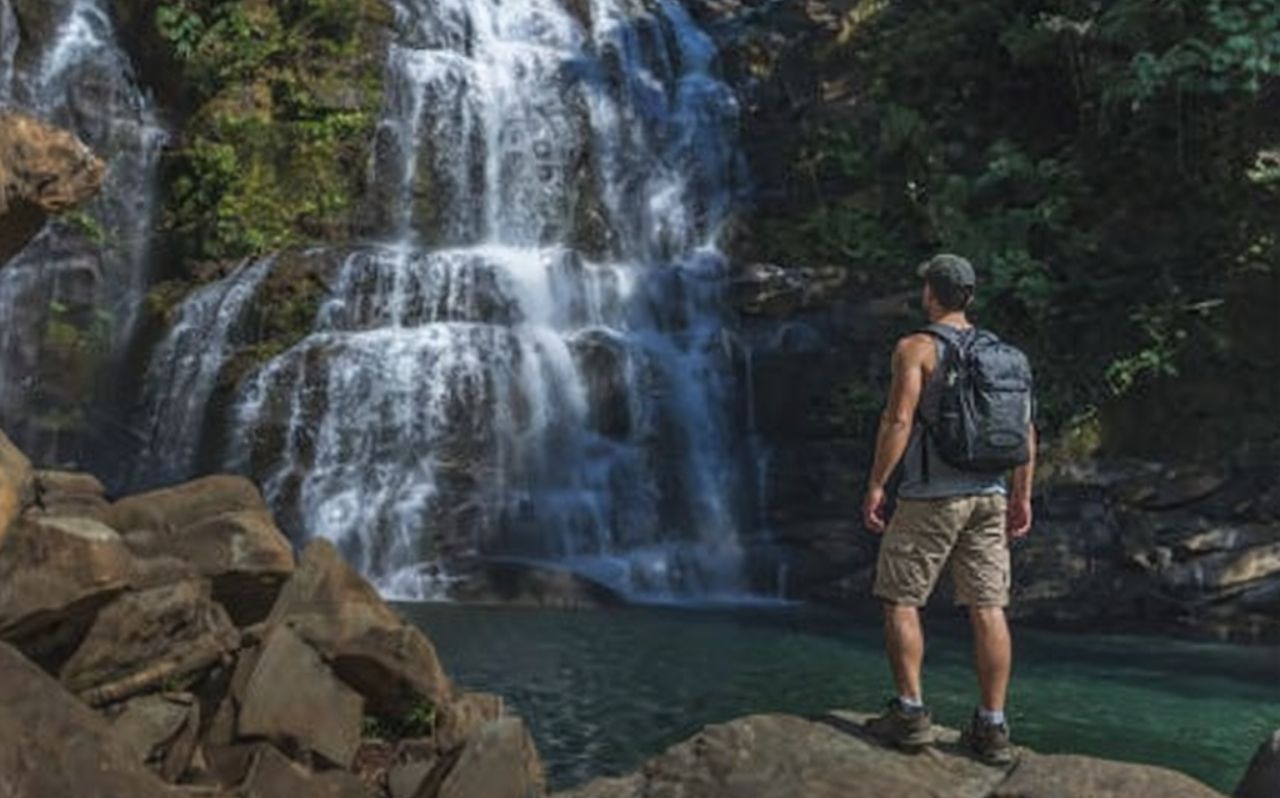
3. Base 1: Arenal / La Fortuna
Waterfalls, hot springs, and easy adventure
If Costa Rica had a “starter kit” region, this would be it. La Fortuna is popular for a reason: you can have big nature days without needing extreme planning.
What this base is best for
Waterfalls you can actually fit into a day
Forest walks and viewpoints that feel rewarding
Hot springs as a built-in recovery activity. Some travelers prefer quieter, adults-focused settings when choosing hot springs in La Fortuna.
A flexible mix of guided and DIY time
It’s also one of the easier places to pace for mixed groups, including families.
A realistic 1–2 day plan
A great Arenal day is not complicated. It just needs structure.
Day template that works:
Morning: one main active block
An easy rainforest trail, Mistico-style hanging bridges, or a short viewpoint hike.Midday: lunch, then slow down
Afternoon: choose one highlight
One waterfall stop such as La Fortuna Waterfall, or a hot springs session. If you’re planning a longer waterfall day or heading toward Rio Celeste, it’s also worth understanding luggage storage and car safety basics before leaving town.Evening: early dinner, early sleep if transferring tomorrow
This is also a great place for hiking in Costa Rica that doesn’t require a full-day mountain mission. Many trails here are short enough to stay fun, not punishing.
Quick pitfalls to avoid
Trying to squeeze multiple waterfalls plus a long hike into one day
Booking tours back-to-back without recovery time
Treating transfer day as a “normal day” (it’s not)
If you do Arenal right, you leave feeling energized, not depleted.
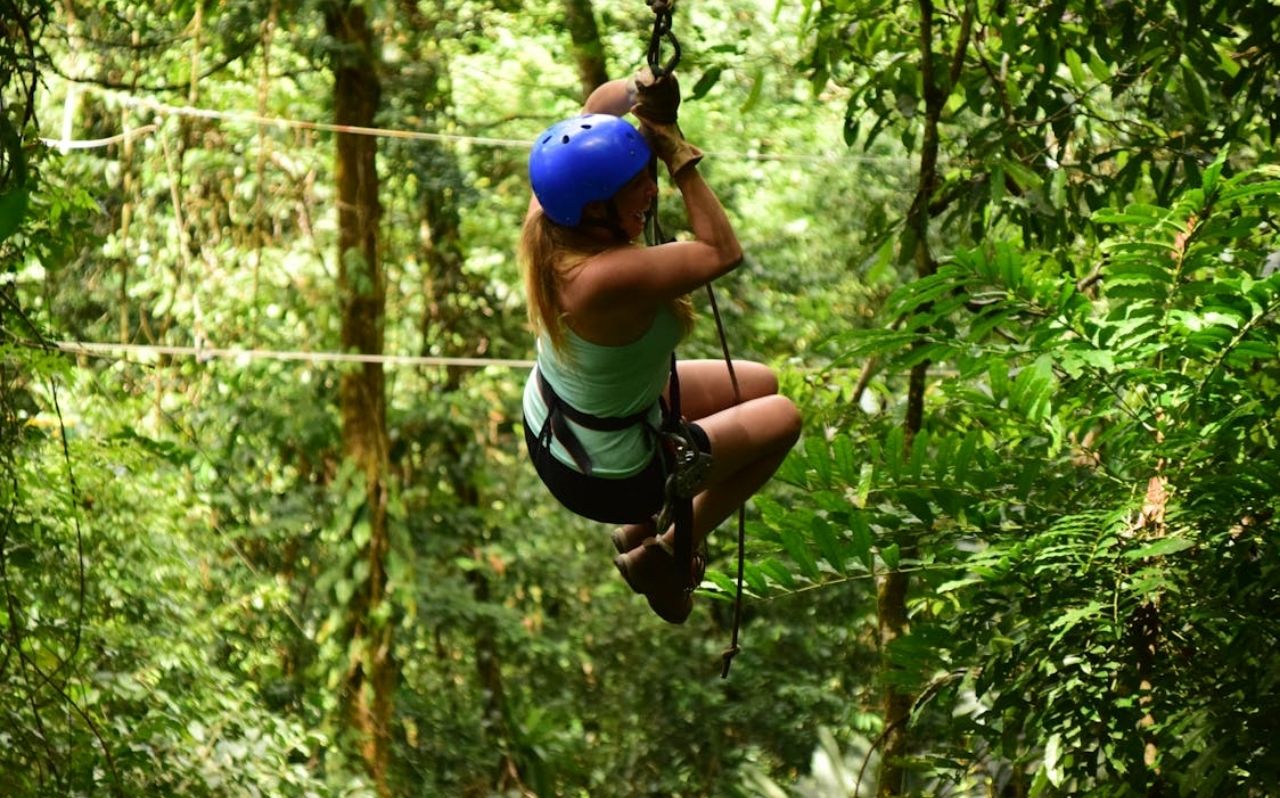
4. Base 2: Monteverde
Cloud forest, canopy, and slower nature walks
Monteverde feels like the opposite of beach Costa Rica. It’s cooler, misty, and built for slow observation rather than nonstop movement.
What makes Monteverde different
This is true Costa Rica rain forest energy, but in cloud forest form.
Visibility changes quickly. The forest can feel magical one minute and moody the next. That’s not a problem. It’s the point.
Monteverde rewards people who don’t try to force a perfect photo schedule.
The best way to plan your day here
Monteverde days work best with one main commitment.
Pick one:
a cloud forest walk at places like Monteverde Cloud Forest Reserve or Santa Elena Reserve
a canopy or zipline style experience
a guided wildlife focus walk
an evening or night walk if your group likes it
Then leave the rest open.
A good pacing approach:
Morning: main activity
Midday: long lunch and rest
Afternoon: small add-on, not another “big ticket” tour
Evening: keep it simple
Who this base fits best
Travelers who like forest vibe, birds, mist, and slower days
People who want a different feel from beaches and volcano areas
Families who prefer calm trails and predictable day rhythms
Once you’ve done an inland base like Arenal or Monteverde, most first-timers feel ready for a coast base where the schedule loosens.
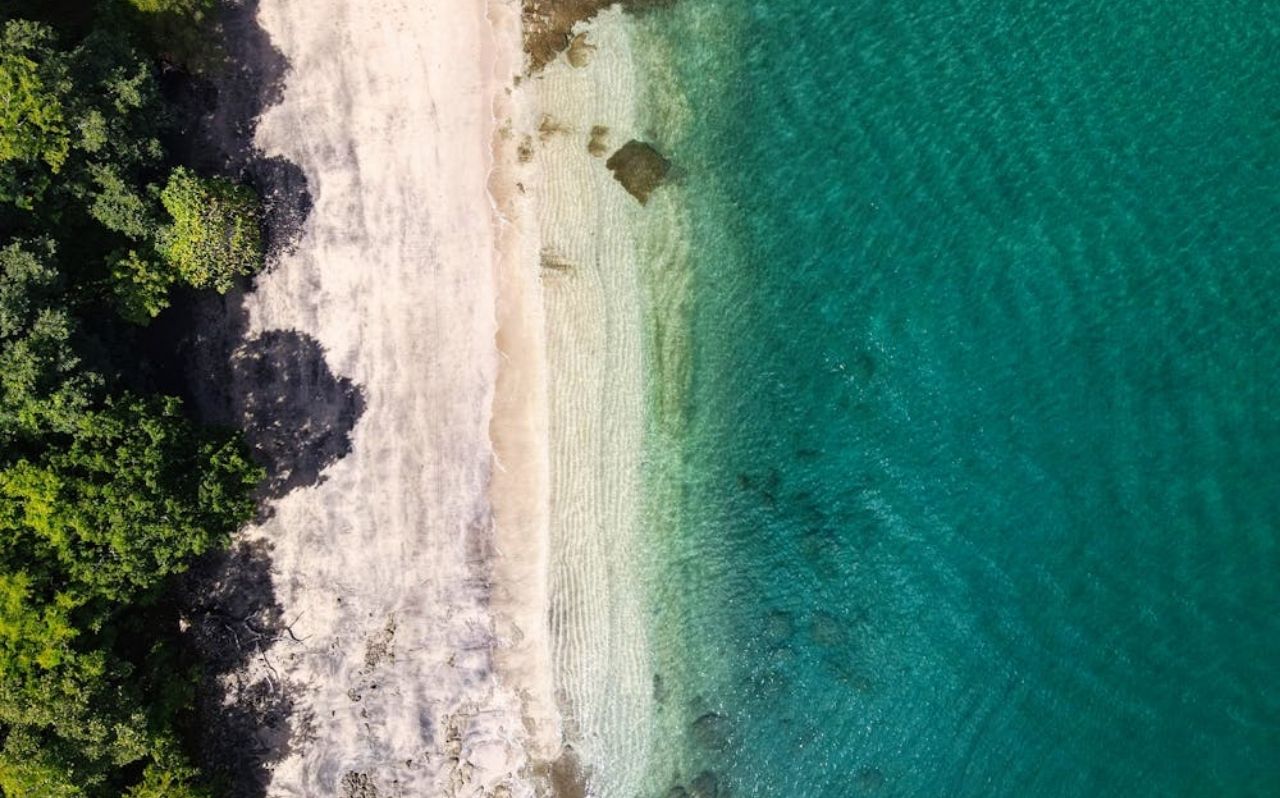
5. Base 3: Central Pacific
A “national park plus beach” day that doesn’t kill your schedule
If you want coastal Costa Rica without going too remote, a Central Pacific style base is a strong first-timer choice.
What a perfect day looks like
The ideal plan is simple:
Morning: park-style wildlife walk
A Manuel Antonio style morning plan works well because trails and beaches can fit into one day.Midday: beach time and shade
Afternoon: slow lunch, then an easy return
Evening: sunset if the day still has energy
This is one of the best ways to experience Costa Rica “landmarks,” because the standout sights are often nature moments, not monuments.
Common scheduling mistakes
Planning a long drive plus a park visit plus a big tour on the same day
Entering the park too late and rushing the trail
Skipping rest time, then wondering why the trip feels exhausting
If you only want one coast base
If your trip is short and you want one coast base that balances nature and beach, this type of region is a safe choice.
But if you want a beach-first trip with slower days, Guanacaste may fit better.
6. Base 4: Guanacaste
Beach towns, water days, easy rest
Guanacaste is where Costa Rica starts feeling like a true beach vacation.
If your goal is to recover, eat well, and let the trip breathe, this base makes that easier.
What this base is best for
Beach town rhythm without constant touring
Long lunches, grocery stops, and flexible evenings
Water time that doesn’t require intense planning
A great fit for Costa Rica family vacations because the day can be simple
How to plan a 2–3 day beach block
A calm beach block might look like this:
Day 1: settle day
arrive, check in
walk the town
sunset beach time
early night
Day 2: water day
plan one water activity
keep the rest open
long lunch
optional second beach stop if energy is high
Day 3: flex day
repeat your favorite beach
recover
do a short snorkel attempt if conditions are right
or just slow down
This is also where travelers often search for best beach towns in Costa Rica, because the goal isn’t to “see everything,” it’s to find a base that matches your pacing. For example, Tamarindo works well for a lively surf-town vibe, while beaches like Playa Conchal are often picked for calmer water days.
Snorkeling and surf expectations
Many people want snorkeling in Costa Rica on their first trip. It can be great, but it’s not “guaranteed crystal water everywhere.”
Conditions vary by beach, day, and season. A smart approach:
Ask your local operator what’s best today, not what’s best “in general”
Keep snorkeling as a flexible plan, not the entire reason for the day
If conditions aren’t ideal, turn it into a beach day and enjoy the win anyway
Now, if you want a totally different vibe from Pacific beach towns, the Caribbean side is where you go. Just don’t force it into a short trip.
7. Base 5: Caribbean Side
A different vibe, better as a dedicated choice
The Caribbean side often feels like a different country. The rhythm is different. The culture feels different. The coastline vibe is different.
That’s why it’s best as a deliberate choice, not a “quick add-on.”
When it makes sense
You have 8–10 days or more
You want slower days and less checklist travel
You don’t mind longer transfers
You want a vibe shift that feels real, not rushed
For example, Puerto Viejo is often chosen for laid-back beach days and café hopping, while Cahuita works well for a nature-first day that still feels relaxed.
When to skip it
Your trip is 5–7 days
Your group doesn’t like moving hotels
You’re already doing two big bases and want rest days
If you’re not sure, start with the classic two-base plan first. You can always come back.
8. Two Ready-to-Use Itineraries
Minimal transfers, maximum fun
Below are two templates that match how Costa Rica travel actually feels.
Costa Rica itinerary 5 days
Two bases only
Day 1: arrive and settle
land, get food, rest
avoid big tours on arrival day
Day 2: inland base big day
one main activity in the morning
one relaxing stop in the afternoon (waterfall or hot springs)
Day 3: inland base second day
choose a different style activity
keep the evening light
Day 4: transfer day
drive or shuttle
check in, grocery stop
sunset beach walk if energy is high
no big tours today
Day 5: beach morning and exit plan
easy beach time
lunch
head back based on flight timing
Sample pairing that keeps it simple: La Fortuna plus Guanacaste, or La Fortuna plus a Central Pacific coast base.
This style of plan is the difference between “did a lot” and “had a great time.”
Costa Rica 1 week itinerary
Balanced inland plus coast with a buffer
Day 1: arrive and settle
same rule: keep it light
Day 2: inland base anchor day
main activity
recovery block
Day 3: inland base active morning
trails, bridges, or a guided nature focus
rest afternoon
Day 4: inland base lighter day
keep it easy
optional small add-on, not a second big tour
Day 5: transfer day
buffer window
avoid stacking anything time-sensitive
Day 6: coast water day
one main water plan
long lunch
free evening
Day 7: flexible day
repeat your favorite beach
slow morning
pack without stress
Sample pairing for a first trip: Monteverde plus the Central Pacific, or La Fortuna plus Guanacaste with a strong buffer day.
If you want to add a third base, this is the trip length where it becomes possible. Just protect your buffer windows.
9. If You’re Planning Costa Rica Family Vacations
How to keep days easy
Costa Rica can be incredible for families. The key is pacing.
Build days around one anchor activity
For family travel, one main highlight per day is enough.
That anchor could be:
a short wildlife-focused walk
a waterfall viewpoint
hot springs
a calm beach day
Everything else is optional.
Pick activities with high reward, low friction
Family wins often look simple:
short trails with clear endpoints
predictable meal breaks
afternoon shade time
one “wow moment” per day
Family stress usually comes from:
long drives stacked back-to-back
late night plans followed by early tour pickups
trying to please everyone with too many stops
Always keep a Plan B
Costa Rica is flexible travel by nature.
A Plan B can be as simple as:
a nearby café
a short walk close to town
a quiet beach or pool block
a grocery stop and early dinner
When Plan B is built in, bad weather turns into a slower day, not a ruined day.
10. Practical Connectivity Reality in Costa Rica
Where trips usually get stressful
Most travel stress is not activities. It’s logistics.
And logistics often happen in the exact moments when WiFi is not practical.
Moments when mobile data matters most
Airport arrival: messaging your driver, confirming pickup points, checking shuttle details
Transfer days: navigation, fuel stops, quick food searches, checking route changes
Tour days: last-minute updates, meeting points, “where are you” coordination
Group travel: keeping everyone in sync when people split up
These are the moments where travel plans either feel smooth or fall into frustration.
Where WiFi is inconvenient
Airports can be crowded, slow, or portal-heavy
Small cafés and rural stops may not be consistent
On the road, you don’t want to “stop and connect” when you’re already behind
What typically goes wrong
Maps don’t load at the exact turn
Booking confirmations can’t be pulled up at check-in
A group gets separated and can’t message quickly
A pickup location changes and nobody sees it
That’s why a simple connectivity setup can make the whole trip feel calmer.
11. A Simple Way to Stay Online During Transfers and Day Trips
If your itinerary includes airport arrivals, long drives between bases, or tours with meeting points, it helps to have a setup that keeps navigation and messaging working even when WiFi isn’t convenient.
Many travelers use a reliable travel eSIM for Costa Rica as a low-friction option, especially for transfers and day trips, with 4G/5G where available. It is one less thing to worry about when plans change mid-drive.
The goal isn’t to be online all day. It’s to avoid the one moment where you need maps or messages and have nothing.
12. FAQs
What are the best regions for first-time visitors in Costa Rica?
For most first trips, one inland base (Arenal/La Fortuna or Monteverde) plus one coast base (Central Pacific style or Guanacaste) is the easiest pairing. It keeps transfer time realistic and still delivers the “classic” Costa Rica mix.
How many days do you need to see the highlights?
With 5 days, aim for two bases and keep transfer days light. With 7 days, you can do two bases comfortably and still have a buffer. A third base becomes realistic around 8–10 days if your group enjoys moving around.
Is Costa Rica good for families and kids?
Yes, especially if you pace the days. Build around one anchor activity per day, protect rest time, and keep transfers simple. Beach bases and hot springs recovery time are often the easiest wins for families.
Do you need a rental car for most things to do in Costa Rica?
It depends on your region and travel style. Many first-timers use shuttles and day tours successfully, and this can reduce stress on transfer days. A car adds flexibility, but it also adds navigation and timing pressure. The best choice is the one that matches your group’s comfort level.
What are the most popular nature landmarks in Costa Rica?
Many Costa Rica landmarks are nature based: rainforest trails, wildlife areas, waterfalls, volcano zones, and beaches. That’s why “where you base yourself” often matters more than adding more stops.
Where is the best snorkeling in Costa Rica for beginners?
Beginner snorkeling depends heavily on daily conditions. Choose calm water days, ask local operators what’s best that morning, and keep a backup plan so your day still works if visibility isn’t ideal.
What should you pack for a first trip?
Pack for mixed conditions: light layers, quick-dry clothes, comfortable walking shoes, sun protection, and rain protection. Even in dry season windows, short showers can happen, especially outside beach zones.
13. Final Thoughts
The best things to do in Costa Rica start with fewer bases
Costa Rica becomes easier the moment you stop trying to “collect” it.
Pick your regions first. Keep transfer days light. Plan one big activity per day, then leave room for naps, long lunches, and small surprises that don’t show up on any list.
That’s how a trip goes from “busy” to genuinely memorable.
And when plans shift on the road, having maps and messaging ready is what keeps the day feeling calm, even when the schedule changes.

Hi! Mình là Lala Wren, một content creator yêu xê dịch và đam mê chia sẻ trải nghiệm thực tế cho cộng đồng Gohub. Trong nhiều năm qua, mình đã đặt chân đến Thái Lan, Hàn Quốc, Nhật Bản, Singapore, Malaysia, Bali và nhiều điểm đến thú vị khác trên khắp châu Á. Cùng mình tìm hiểu tất tần tật từ khâu chuẩn bị eSIM, Visa, lịch trình và địa điểm nổi bật cho chuyến đi sắp tới của bạn nhé!
View all articles →Related articles

Free eSIM Trial USA 2026: T-Mobile vs Verizon vs AT&T vs Visible
Compare every free eSIM trial from US carriers in 2026 — T-Mobile 30 days, Verizon 100GB, AT&T 25GB hotspot, Visible 15 days. Plus: what travelers visiting the US should use instead.

Best Free eSIM Trials in 2026: Every Active Offer Compared (No Credit Card)
Looking for a free eSIM trial in 2026? Compare all active offers — Gohub 300MB, Nomad 1GB, GigSky 100MB, Eskimo 250MB, SimLocal 500MB — no credit card needed. Updated March 2026.

Things to Do in Almaty: City Highlights, Mountain Escapes & Best Day Trips (1–3 Days)
Things to do in Almaty: top city highlights, mountain escapes, best day trips, food spots, and winter ideas—plus 1–3 day itineraries for first-timers.

Things to Do in Kyrgyzstan: Horse Trekking, Horseback Tours, Skiing, Yurts, & Epic Nature Spots
Things to do in Kyrgyzstan: Song-Köl horse treks, yurt stays, Karakol skiing, Ala Archa day hikes, plus seasons, safety, and booking tips.

Serbia Travel Guide for First-Time Visitors (2026 Update)
A practical Serbia travel guide covering safety, transport, regions, and real connectivity tips for first-time visitors in 2026.
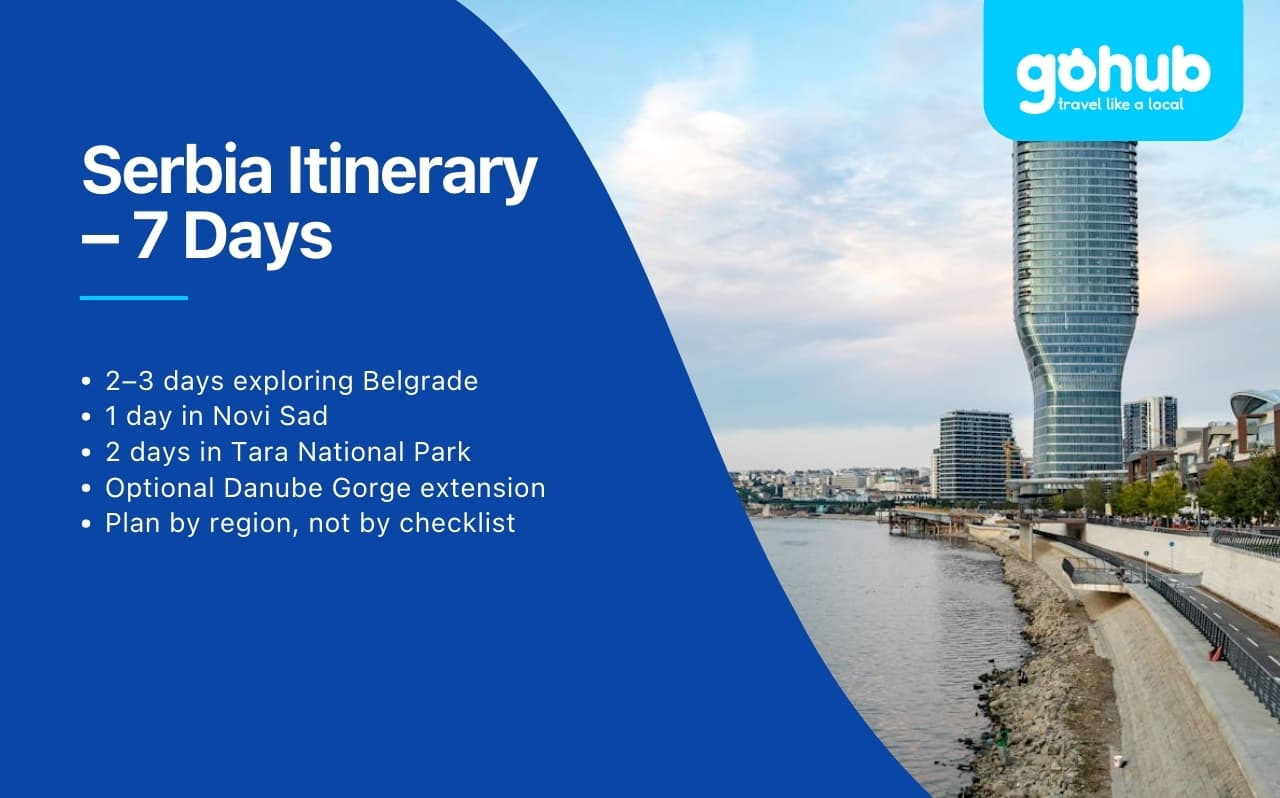
Serbia Itinerary for 7 Days: How to Plan Cities and Nature Without Rushing
Plan a realistic Serbia itinerary for 7 days, covering Belgrade, Novi Sad, Tara National Park, and the Danube Gorge with practical travel advice.