

Nicest Beaches in Costa Rica and How to Plan a Stress-Free Beach Trip

Nicest Beaches in Costa Rica and How to Plan a Stress-Free Beach Trip
Costa Rica is often imagined as a place where rainforest meets the ocean.
But once travelers begin researching the nicest beaches in Costa Rica, the planning stage can quickly feel overwhelming.
The country has two very different coastlines.
The Pacific side is known for dramatic sunsets and surf towns.
The Caribbean side feels greener, calmer, and more laid-back.
For first-time visitors, the challenge is not finding beautiful beaches.
It is choosing the right ones for their pace, expectations, and travel style.
Distances can be misleading. Some beaches are inside national parks. Others require driving on partially unpaved roads. Understanding these realities early helps turn a beach trip into a relaxed experience instead of a stressful one.
According to the Costa Rica Tourism Board, more than a quarter of Costa Rica’s land is protected. That includes many coastal areas. This protection preserves beauty, but it also means access rules and logistics matter more than travelers expect.
TL;DR
Costa Rica has two very different coastlines. The Pacific is more developed. The Caribbean is quieter and more natural.
Many of the nicest beaches in Costa Rica are inside national parks with limited daily entry.
Driving times are longer than they appear due to mountain roads and weather conditions.
WiFi is common in towns but not directly on beaches or inside parks.
Choosing one coast per week helps reduce stress and long transfer days.
1. Why Choosing the Right Beach Is Trickier Than It Looks
Before selecting specific beaches, it helps to understand why planning can feel confusing in the first place.
Two Coasts, Two Very Different Experiences
Costa Rica’s Pacific and Caribbean coasts offer distinct atmospheres.
The Pacific coast is generally more developed. Towns have stronger tourism infrastructure, paved access roads, and more accommodation options. Surf culture is prominent. Sunsets over the ocean are a highlight.
The Caribbean coast moves at a slower rhythm. Jungle often stretches close to the shoreline. Towns are smaller and more spread out. The vibe feels relaxed and less commercial.
Both sides feature stunning beaches. The difference lies in services, wave conditions, and accessibility.
Driving Times Can Be Misleading
On a map, Costa Rica appears compact.
In practice, driving often takes longer than expected.
Mountain terrain, narrow roads, and seasonal rainfall slow travel. A transfer that looks short online may require extra time in reality.
Travelers sometimes try to combine too many regions in one week. That often results in long drives and limited beach time.
Some Beaches Are Inside National Parks
Several of the nicest beaches in Costa Rica are located within protected areas.
For example, beaches inside Manuel Antonio National Park require advance ticket reservations. Daily visitor numbers are limited. Parking is outside the park and can be informal.
Remote regions near Tortuguero National Park require boat transfers. That changes how luggage, schedules, and connectivity are handled.
Knowing these details helps travelers avoid last-minute surprises.
2. The Nicest Beaches in Costa Rica by Region
To make planning easier, it helps to explore beaches by coast. Each region offers a different type of experience.
Pacific Coast Highlights
The Pacific coast stretches from Guanacaste in the northwest down toward the southern Osa Peninsula. It combines surf culture, developed towns, and scenic shoreline.
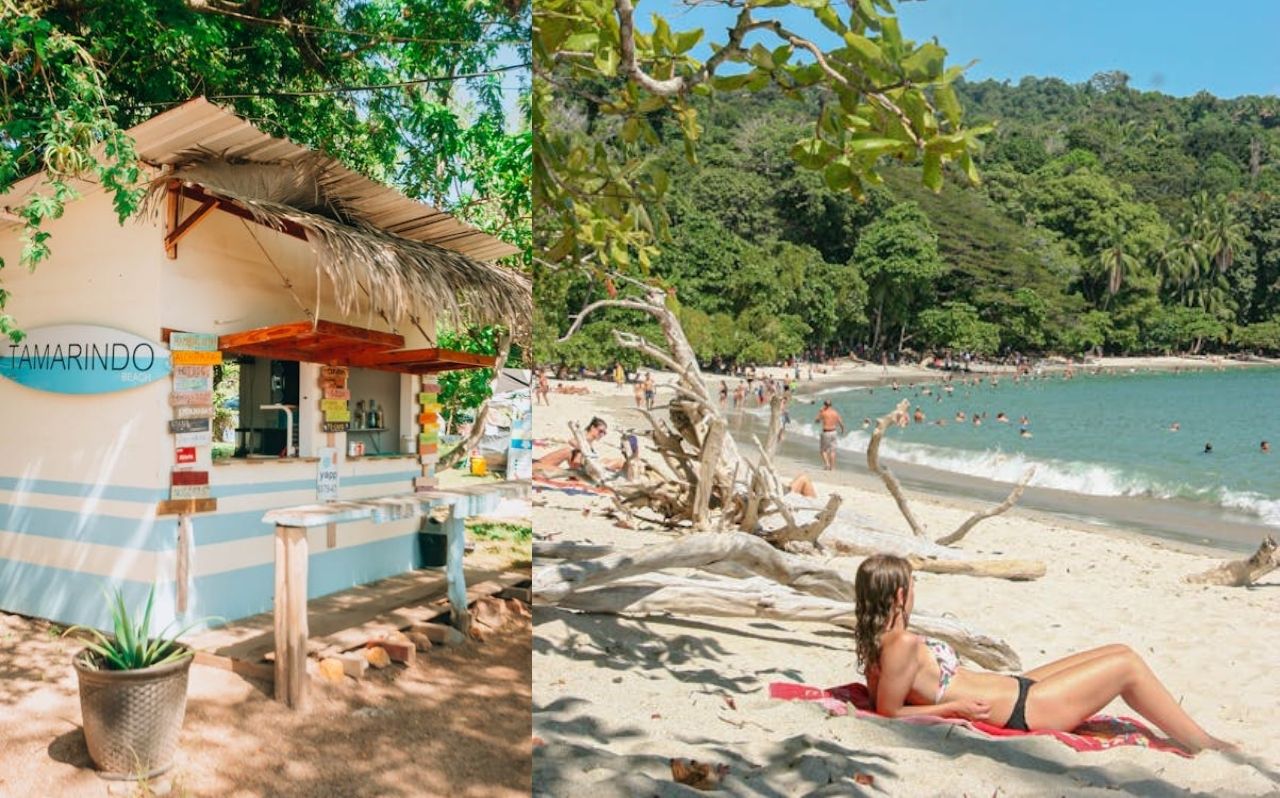
Tamarindo (Guanacaste)
Tamarindo is one of the most accessible beach towns in Costa Rica. It is relatively close to Liberia International Airport, which makes arrival simple.
The beach is long and sandy. Waves are steady, making it popular for beginner surfers. Restaurants, grocery stores, and pharmacies are within walking distance.
This area suits first-time visitors who want convenience and easy access to services.
Manuel Antonio Beach
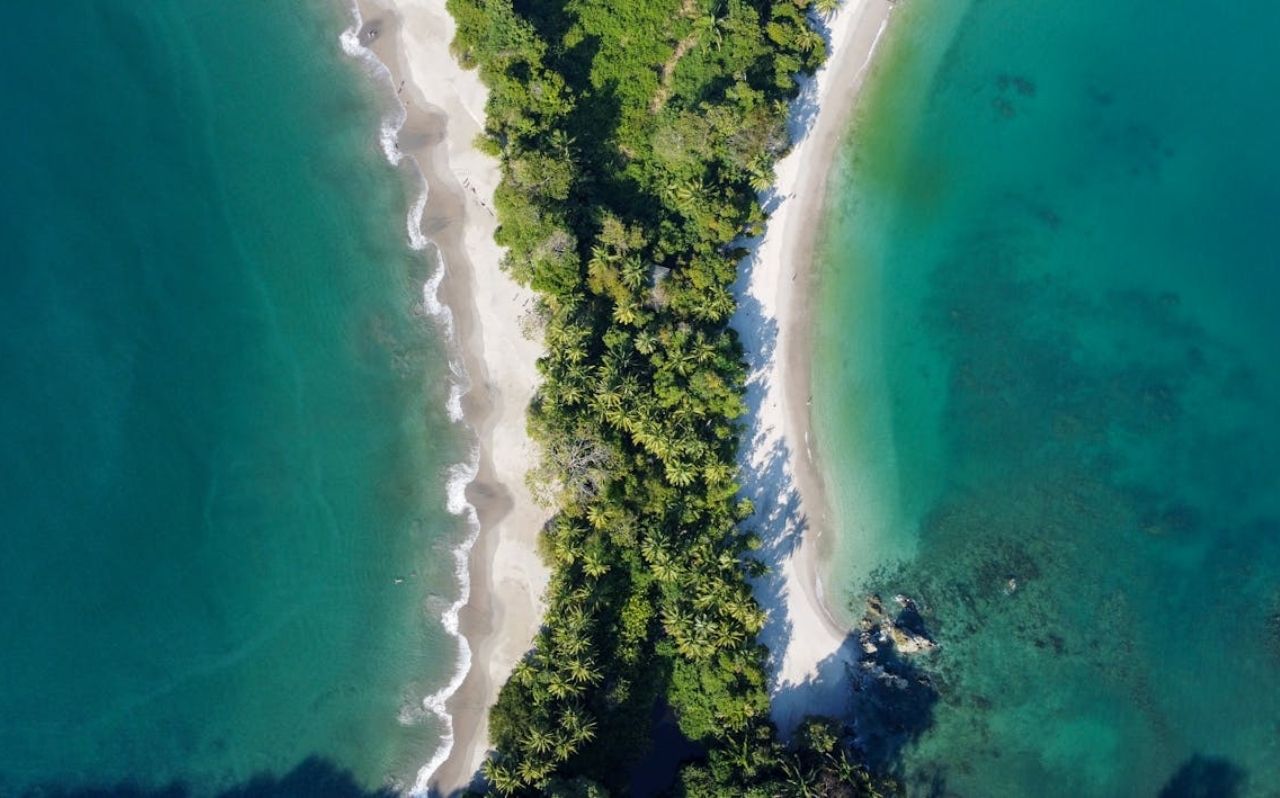
Manuel Antonio combines rainforest and ocean in one compact area.
Inside the national park, beaches are framed by jungle. Wildlife sightings are common. The water can be calm depending on conditions.
Visitors should plan ahead:
Purchase park entry tickets in advance
Arrive early during peak travel periods
Bring water and sun protection
This beach appeals to travelers who want both nature and swimming opportunities in one place.
Santa Teresa
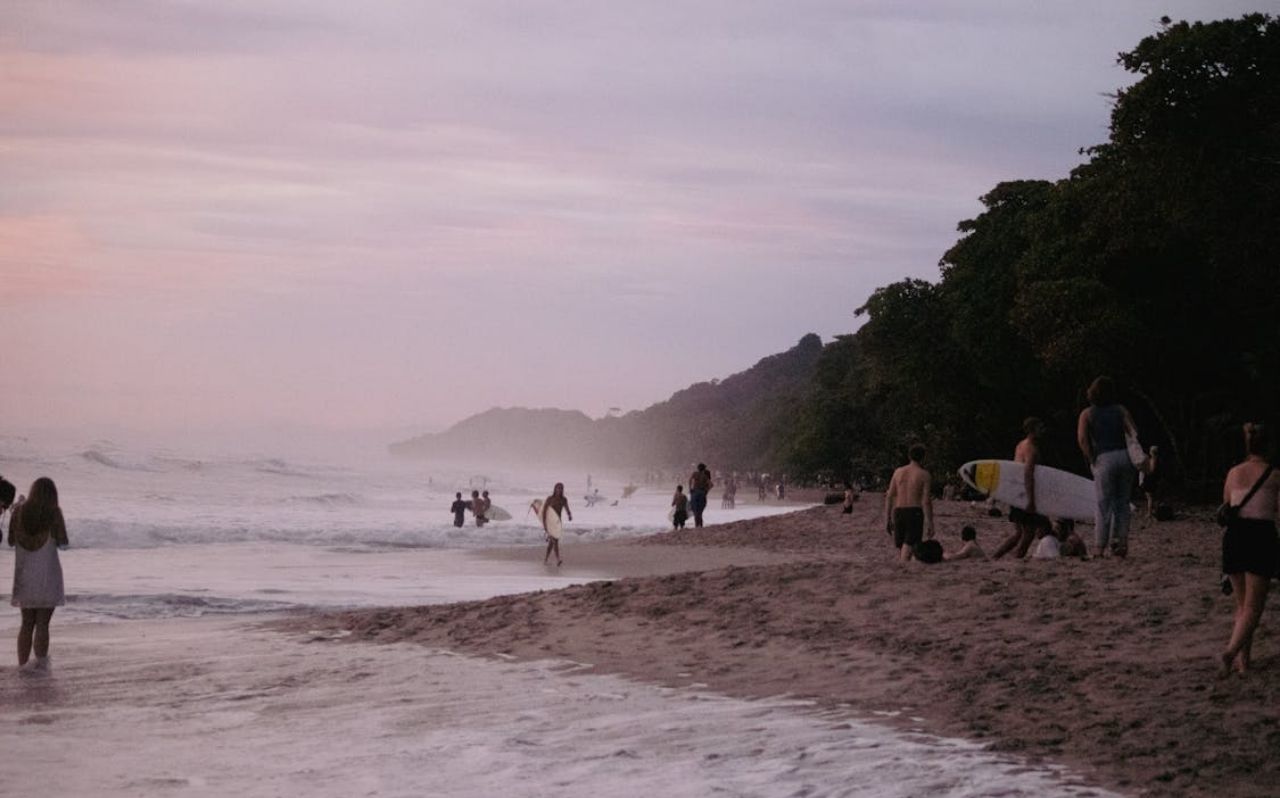
Santa Teresa has a more remote feel.
Roads into town can be uneven. The atmosphere is quieter compared to larger Pacific destinations.
The beach itself is wide and dramatic. Waves are stronger and attract experienced surfers. Sunset views are striking.
Santa Teresa works well for couples or longer-stay travelers seeking a slower pace.
Caribbean Coast Highlights
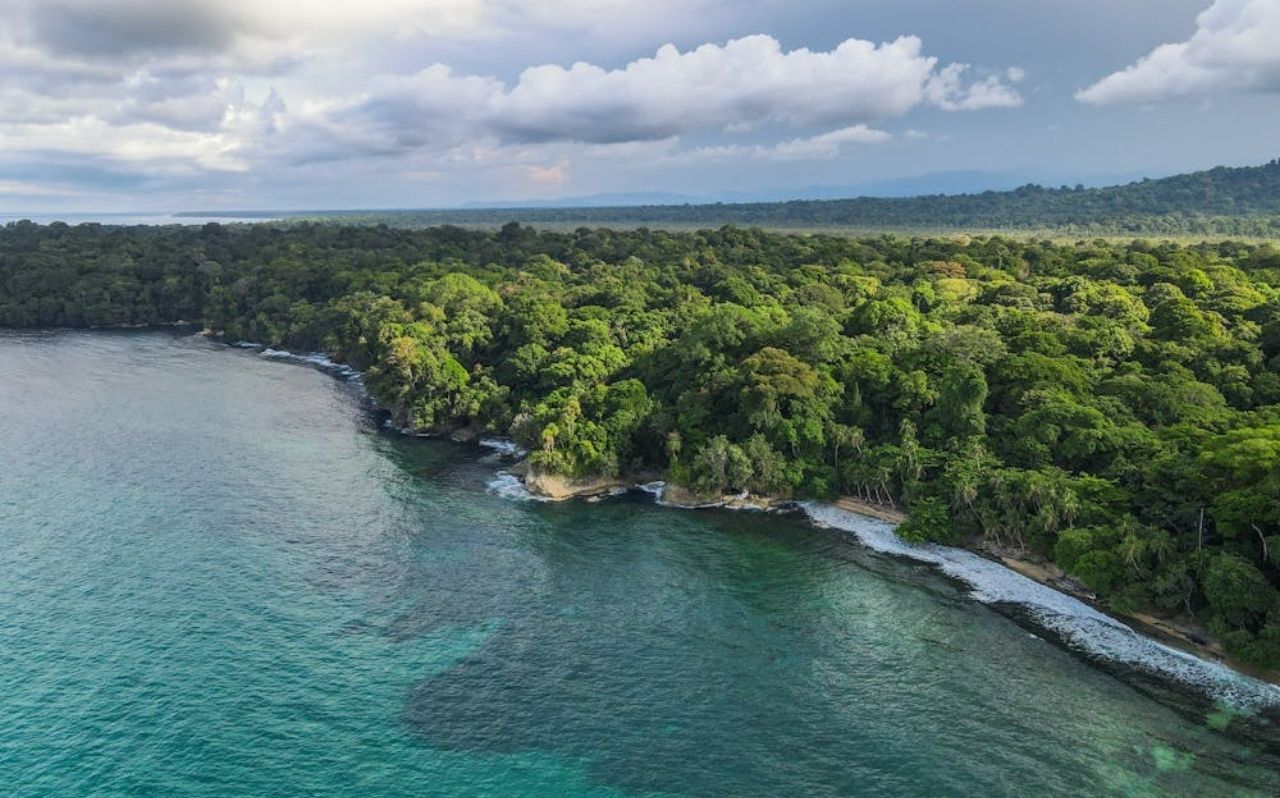
The Caribbean coast offers a different environment. Rainforest meets the shoreline, and water conditions are often calmer in certain bays.
Playa Punta Uva
Playa Punta Uva is known for its clear water and sheltered shape.
The bay protects swimmers from stronger waves. The sand feels more natural and less developed.
Snorkeling is possible when the water is calm. Services are limited, which adds to the peaceful atmosphere.
Puerto Viejo Beaches
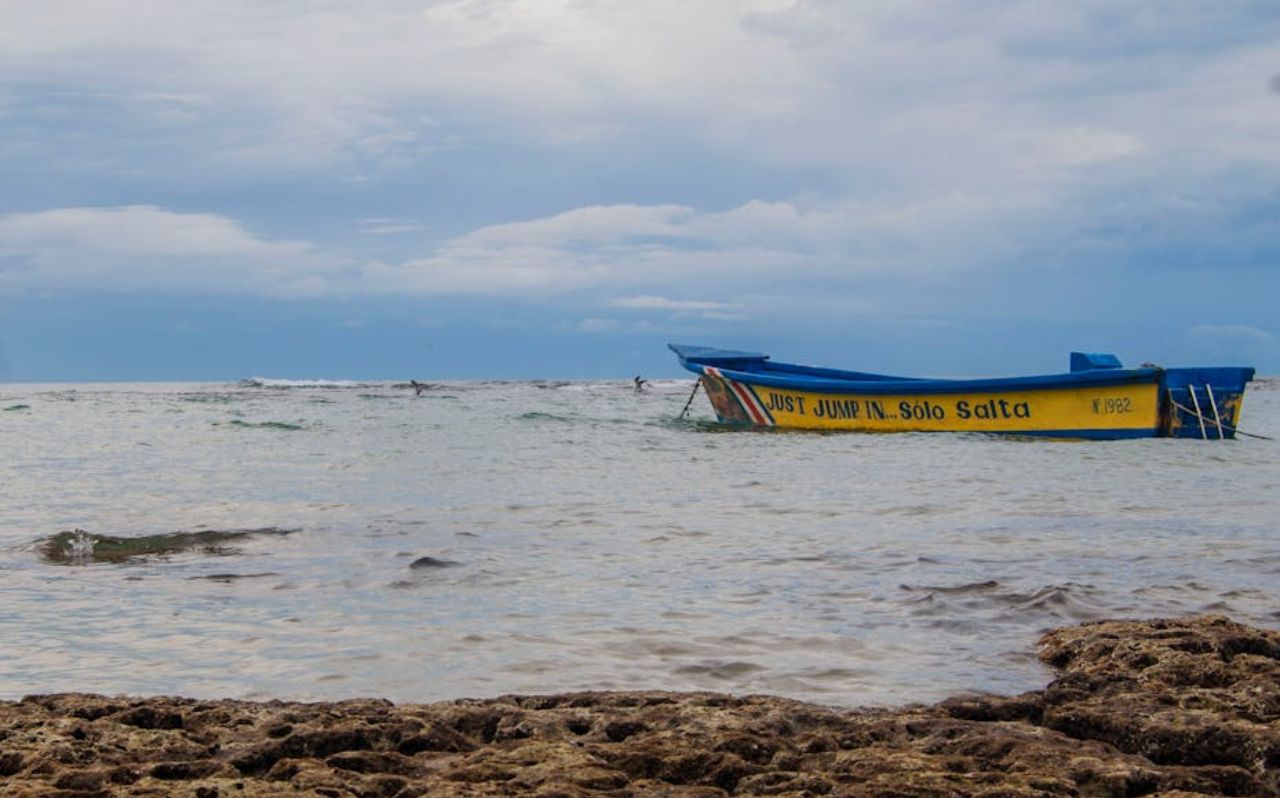
Puerto Viejo includes several beaches along a relatively short stretch of coastline.
Playa Cocles attracts surfers. Other sections provide calmer swimming areas. Bicycle rentals are common, and small restaurants line the main road.
The cultural influence here reflects Afro-Caribbean heritage. The rhythm is relaxed. Compared to parts of the Pacific coast, large resorts are less common.
3. How to Plan a Stress-Free Beach Trip
Once the main beach regions are clear, the next step is structuring the itinerary in a realistic way.
Choose One Coast If Time Is Limited
If the trip is under ten days, focusing on one coastline often makes sense.
Switching between Pacific and Caribbean regions adds long transfer days. Staying within one area allows more time on the sand.
Understand the Seasons
Costa Rica experiences a dry season and a rainy season.
The Pacific coast is typically drier from December through April. The Caribbean coast has different rainfall patterns and can be sunny when the Pacific is wet.
Checking forecasts before moving between towns helps avoid weather surprises.
Balance Remote and Developed Beaches
A practical approach is to begin in a more developed town. This allows travelers to adjust after arrival.
After settling in, moving to a quieter beach becomes easier. Leaving buffer time between transfers also reduces pressure.
Overloading the schedule often leads to unnecessary stress.
4. Practical Connectivity Reality at Costa Rica Beaches
Beach vacations may seem simple. In practice, connectivity plays a quiet but important role.
When Mobile Data Becomes Essential
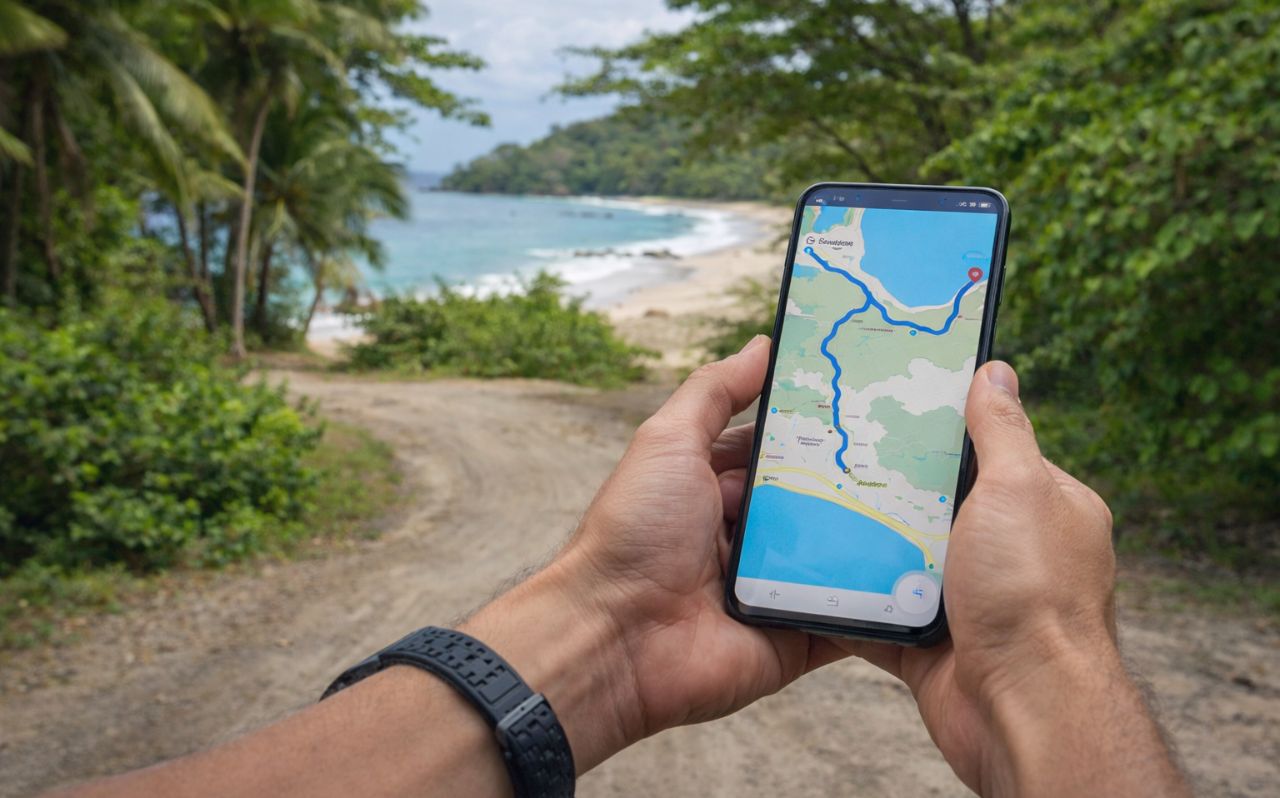
Travelers commonly rely on mobile data for:
Navigating to less obvious beach entrances
Confirming national park entry times
Checking tide information
Monitoring changing weather conditions
Coordinating shuttle pickups or rental car returns
Some beaches have minimal signage. Access roads may not be clearly marked. Real-time navigation helps avoid confusion.
Where WiFi Is Limited
WiFi is usually available in hotels and cafés.
It is not commonly available directly on the beach.
National parks generally do not offer public WiFi. In remote areas near Santa Teresa or certain Caribbean stretches, signal strength can vary.
During long drives between coastal towns, mobile coverage may drop in mountainous sections.
Planning for occasional signal gaps helps reduce frustration.
What Typically Goes Wrong
Common travel situations include:
Arriving late and struggling to find parking
Discovering a park has reached visitor capacity
Getting lost on a dirt road near sunset
Finding that restaurant hours have changed
Downloading offline maps is helpful. However, real-time updates often make coordination easier.
Beach trips in Costa Rica often involve moving between towns, parks, and remote stretches of coastline. In situations like this, having a reliable travel eSIM for Costa Rica can reduce stress and help travelers stay connected throughout their trip.
5. FAQ
What side of Costa Rica has the nicest beaches?
Both coasts offer beautiful beaches. The Pacific side often has stronger surf and more developed towns. The Caribbean side features calmer bays and a quieter atmosphere.
Are Costa Rica beaches safe for swimming?
Many beaches are safe under calm conditions. However, rip currents can occur, especially on the Pacific coast. Observing local guidance and posted signs is important.
Which beaches are better for families?
Beaches with calmer water, such as sheltered Caribbean bays or protected areas inside Manuel Antonio, are often more comfortable for families. Staying near towns with facilities also adds convenience.
Do Costa Rica beaches have public WiFi?
Public WiFi is usually available in accommodations and cafés. It is rarely available directly on the sand or inside national parks.
Is cell service reliable near remote beaches?
Cell service is generally stable in larger towns. In more remote areas and along mountain roads, coverage can vary. Preparing for occasional gaps is advisable.
Costa Rica’s coastline offers remarkable diversity. The nicest beaches in Costa Rica depend on the type of experience travelers seek. Some prefer convenience and surf culture. Others prefer quiet bays framed by jungle.
Careful planning reduces uncertainty. Understanding distances, park access rules, and infrastructure makes the journey smoother.
With realistic expectations and thoughtful preparation, beach time in Costa Rica can feel relaxed and unhurried.

Hi! Mình là Lala Wren, một content creator yêu xê dịch và đam mê chia sẻ trải nghiệm thực tế cho cộng đồng Gohub. Trong nhiều năm qua, mình đã đặt chân đến Thái Lan, Hàn Quốc, Nhật Bản, Singapore, Malaysia, Bali và nhiều điểm đến thú vị khác trên khắp châu Á. Cùng mình tìm hiểu tất tần tật từ khâu chuẩn bị eSIM, Visa, lịch trình và địa điểm nổi bật cho chuyến đi sắp tới của bạn nhé!
View all articles →Related articles

Free eSIM Trial USA 2026: T-Mobile vs Verizon vs AT&T vs Visible
Compare every free eSIM trial from US carriers in 2026 — T-Mobile 30 days, Verizon 100GB, AT&T 25GB hotspot, Visible 15 days. Plus: what travelers visiting the US should use instead.

Best Free eSIM Trials in 2026: Every Active Offer Compared (No Credit Card)
Looking for a free eSIM trial in 2026? Compare all active offers — Gohub 300MB, Nomad 1GB, GigSky 100MB, Eskimo 250MB, SimLocal 500MB — no credit card needed. Updated March 2026.

Things to Do in Almaty: City Highlights, Mountain Escapes & Best Day Trips (1–3 Days)
Things to do in Almaty: top city highlights, mountain escapes, best day trips, food spots, and winter ideas—plus 1–3 day itineraries for first-timers.

Things to Do in Kyrgyzstan: Horse Trekking, Horseback Tours, Skiing, Yurts, & Epic Nature Spots
Things to do in Kyrgyzstan: Song-Köl horse treks, yurt stays, Karakol skiing, Ala Archa day hikes, plus seasons, safety, and booking tips.

Serbia Travel Guide for First-Time Visitors (2026 Update)
A practical Serbia travel guide covering safety, transport, regions, and real connectivity tips for first-time visitors in 2026.

Serbia Itinerary for 7 Days: How to Plan Cities and Nature Without Rushing
Plan a realistic Serbia itinerary for 7 days, covering Belgrade, Novi Sad, Tara National Park, and the Danube Gorge with practical travel advice.