

Things to Do in Tashkent: A Practical Guide for First-Time Visitors


For many travelers, Tashkent is the first point of contact with Uzbekistan. It is where international flights arrive, train journeys begin, and first impressions are formed.
Recent changes have made visiting easier. From 2026, U.S. citizens can enter Uzbekistan visa-free for up to 30 days. At the same time, some rules remain in place. Travelers staying longer than three days still need to register their stay with local authorities, a process most hotels complete automatically at check-in.
These updates have put Uzbekistan on more travelers’ radar. But Tashkent can still feel unfamiliar. It is not a compact old town like Samarkand or Bukhara. It is a large, modern city shaped by Soviet planning, with wide roads, long distances, and neighborhoods that feel very different from one another.
For first-time visitors, the most common question is simple. What is actually worth doing in Tashkent, and how much time do you need to enjoy it without feeling rushed?
This guide focuses on practical experiences. It highlights what first-time travelers tend to enjoy most, where planning helps, and what often surprises visitors once they start exploring the city.
1. Why Tashkent Can Feel Overwhelming at First
Tashkent rarely matches expectations formed by photos of Uzbekistan’s famous Silk Road cities. That contrast is one reason many travelers feel unsure about how to approach it.
A City That Feels Different From Other Silk Road Stops
Unlike Samarkand or Khiva, Tashkent does not revolve around one historic core. Much of the city was rebuilt after a major earthquake in 1966. What emerged was a wide, planned capital with broad avenues, large apartment blocks, and scattered cultural landmarks.
This does not make Tashkent less interesting. It simply means it rewards a different style of exploration.
Distance, Scale, and Planning Mistakes
One of the most common mistakes is assuming attractions are close together. They often are not.
Visitors may plan several stops in a single afternoon, only to realize that travel time between locations takes longer than expected. Walking is pleasant in some districts, but not practical for covering the city as a whole.
Common First-Time Misunderstandings
Many first-time visitors:
Try to see too much in one day
Underestimate how useful the metro is
Skip Tashkent too quickly on the way to other cities
Understanding what the city offers helps travelers slow down and enjoy it on its own terms.
2. Top Things to Do in Tashkent for First-Time Visitors
Tashkent’s highlights are spread across the city. These experiences give a well-rounded introduction without overloading the schedule.
Explore the Tashkent Metro
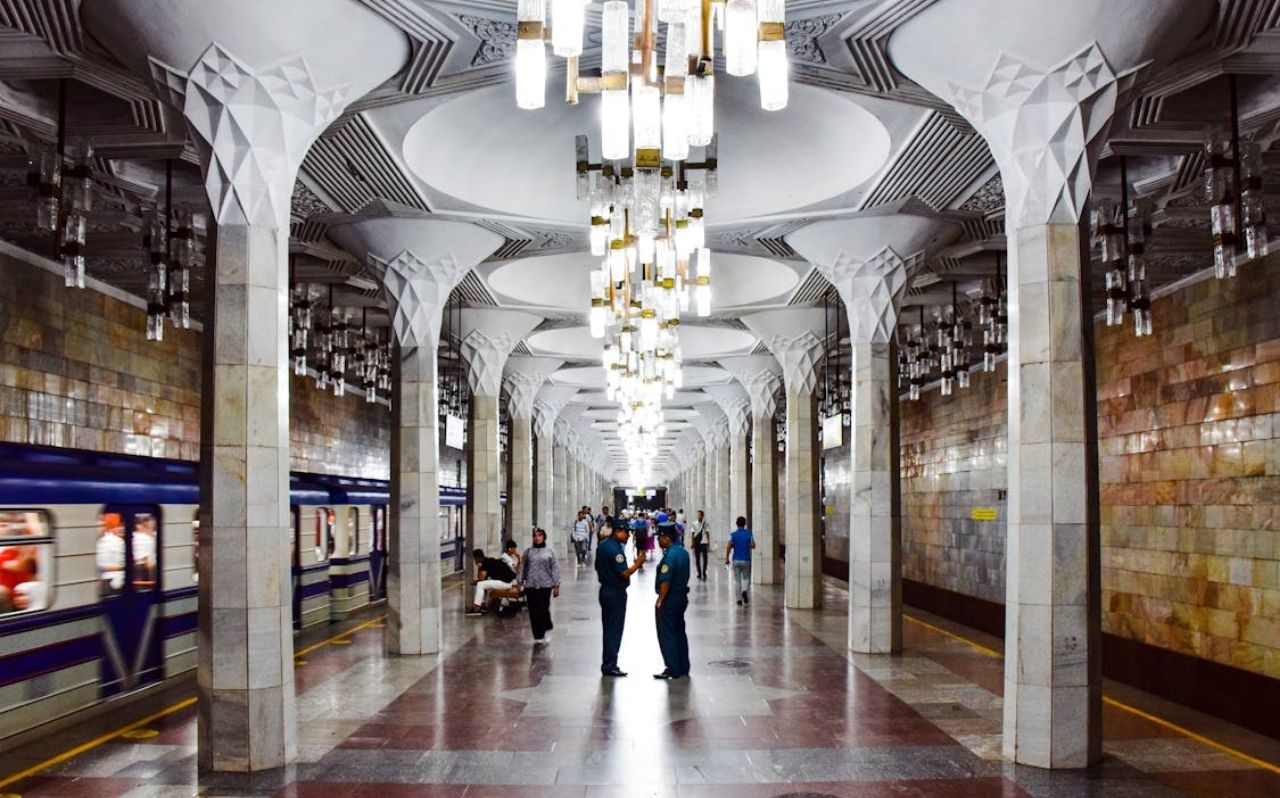
The Tashkent Metro is more than transportation. It is one of the city’s most distinctive attractions.
Each station has its own architectural style, often reflecting Soviet-era design themes. Chandeliers, mosaics, and decorative ceilings are common. For many travelers, simply riding a few stops is an experience in itself.
The metro is clean, affordable, and easy to use. It connects most major districts and saves significant time compared to surface traffic.
Visit Chorsu Bazaar and the Old Town Area
Chorsu Bazaar offers a glimpse into everyday life. Under its large blue dome, vendors sell fresh produce, spices, bread, and household goods. The atmosphere is busy but welcoming.
Nearby, parts of Tashkent’s Old Town reveal narrower streets, traditional homes, and small mosques. This area contrasts sharply with the modern city center and helps visitors understand how the city has evolved.
Discover Tashkent’s Museums and Cultural Centers
Tashkent has several museums worth visiting, especially for travelers interested in history and identity.
Popular stops include:
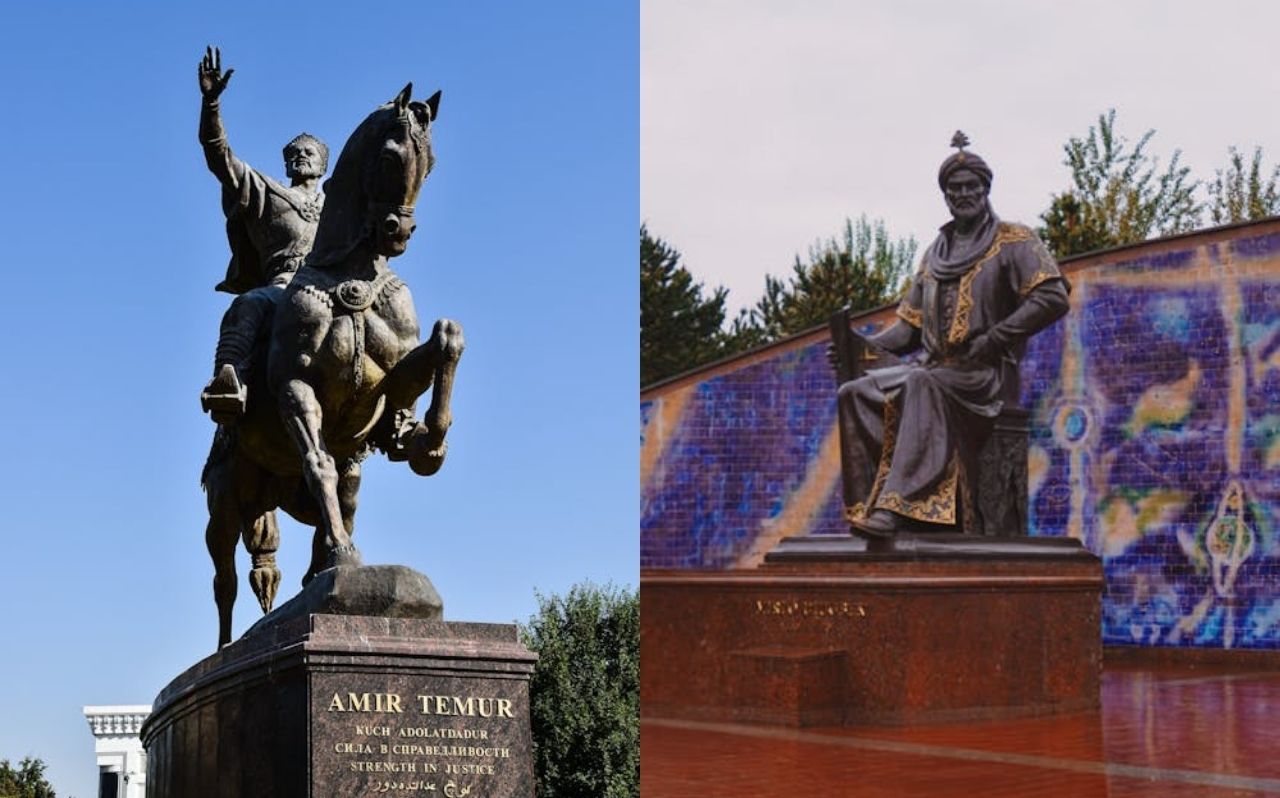
The Amir Timur Museum, focused on the historical figure central to Uzbek heritage
The State Museum of History of Uzbekistan, which provides broader historical context
Museums are well-maintained and typically quiet, making them a good option during hotter parts of the day.

Walk Through Central Parks and Public Squares
Public spaces play an important role in Tashkent life. Amir Timur Square and Independence Square are popular meeting points and offer a sense of the city’s scale.
These areas are especially pleasant in the evening, when locals gather, families stroll, and the city slows down.
3. Things to Do in Tashkent in a Short Stay
Not everyone has unlimited time. Many travelers spend one or two days in Tashkent before continuing onward.
If You Have One Full Day
A realistic one-day plan often includes:
Morning metro ride and station exploration
Late morning visit to Chorsu Bazaar
Afternoon museum visit
Evening walk around a central square
This pacing avoids constant movement and leaves room for breaks.
If You Have Two Days
With two days, travelers can explore at a more comfortable rhythm.
Day one can focus on central sights and museums. Day two can include quieter neighborhoods, parks, or a return visit to areas that felt rushed the first time.
4. Practical Connectivity Reality While Exploring Tashkent
Connectivity is rarely the main focus of travel planning. In practice, it often shapes how smoothly a day unfolds.
When Travelers Typically Need Mobile Data
In Tashkent, mobile data is commonly used for:
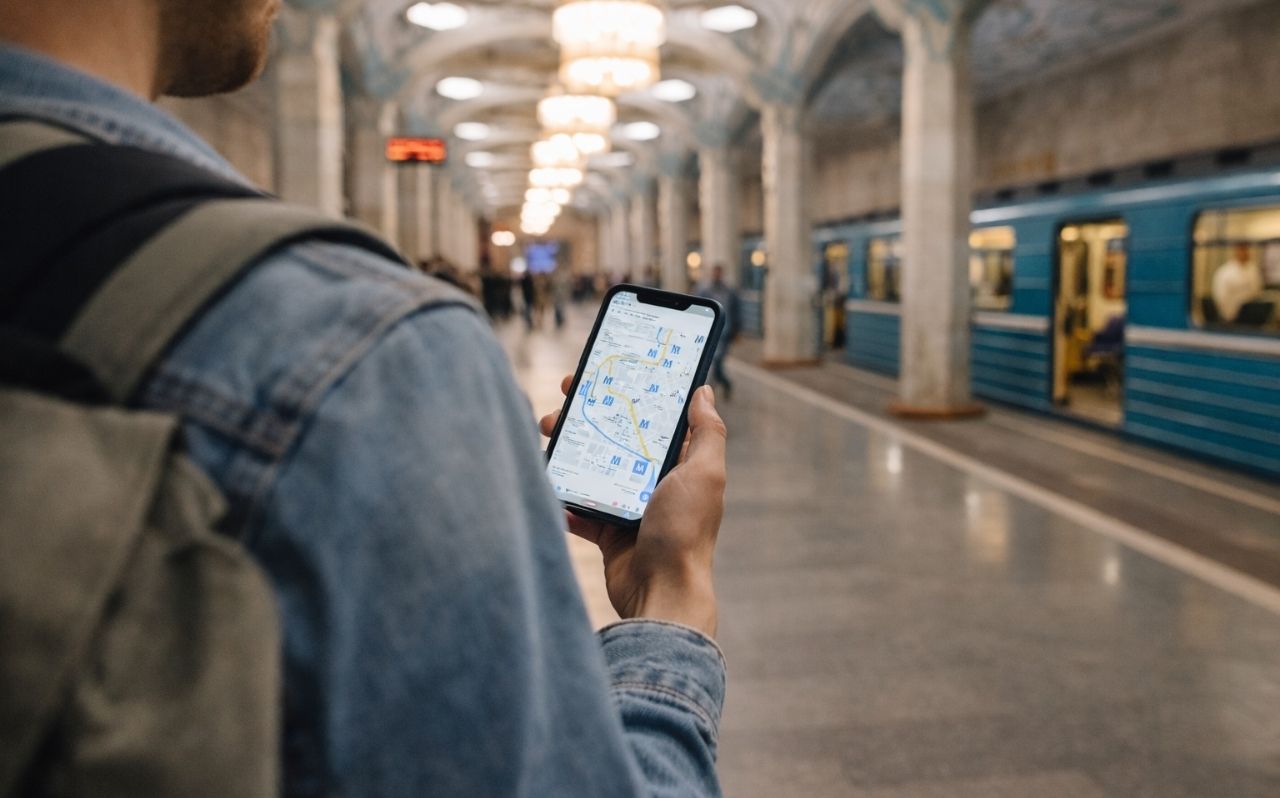
Navigating the metro system and exits
Calling taxis or ride-hailing services
Checking museum hours and locations
Translating menus or signs
These needs come up throughout the day, not just at the beginning.
Where WiFi Is Often Unreliable or Inconvenient
Public WiFi exists, but it is not always dependable.
Travelers often notice weaker or unavailable connections:
Inside metro stations and underground passages
At markets and older buildings
In smaller cafés and local eateries
Relying on WiFi alone can mean waiting or changing plans.
What Commonly Goes Wrong for Visitors
Typical situations include:
Losing signal underground while navigating
Maps failing to load when moving between districts
Difficulty translating information quickly
These issues are not dramatic, but they add friction, especially for first-time visitors.
5. When to Consider a More Reliable Setup
For travelers who plan to move around independently, use public transport, and explore different parts of the city in a single day, consistency matters.
In situations like this, having a reliable travel eSIM for Uzbekistan can help travelers stay connected throughout their trip without relying on public WiFi.
6. FAQ: Visiting Tashkent for the First Time
Is Tashkent worth visiting for first-time travelers?
Yes. Tashkent offers cultural sites, local life, and modern infrastructure that provide context for the rest of Uzbekistan.
How many days do you need in Tashkent?
Most travelers find one to two full days sufficient to see the main highlights without rushing.
Is it easy to get around Tashkent?
Public transport is affordable and extensive. Many visitors rely on metro lines and taxis to move efficiently.
Do travelers need to register their stay in Tashkent?
Yes. Stays longer than three days must be registered, though most hotels and guesthouses handle this automatically.
Is internet access reliable in Tashkent?
Coverage is generally good in central areas, but connectivity can drop underground or in older parts of the city.
Final Notes for First-Time Visitors
Tashkent is not a city that reveals itself instantly. It rewards travelers who slow down, use public transport, and approach it without rigid expectations.
As a starting point for Uzbekistan, it provides useful orientation. It offers history without crowds, everyday life alongside monuments, and a practical base for onward journeys.
For first-time visitors, that balance is often exactly what makes Tashkent worth exploring.

Hi! Mình là Lala Wren, một content creator yêu xê dịch và đam mê chia sẻ trải nghiệm thực tế cho cộng đồng Gohub. Trong nhiều năm qua, mình đã đặt chân đến Thái Lan, Hàn Quốc, Nhật Bản, Singapore, Malaysia, Bali và nhiều điểm đến thú vị khác trên khắp châu Á. Cùng mình tìm hiểu tất tần tật từ khâu chuẩn bị eSIM, Visa, lịch trình và địa điểm nổi bật cho chuyến đi sắp tới của bạn nhé!
View all articles →Related articles

Free eSIM Trial USA 2026: T-Mobile vs Verizon vs AT&T vs Visible
Compare every free eSIM trial from US carriers in 2026 — T-Mobile 30 days, Verizon 100GB, AT&T 25GB hotspot, Visible 15 days. Plus: what travelers visiting the US should use instead.

Best Free eSIM Trials in 2026: Every Active Offer Compared (No Credit Card)
Looking for a free eSIM trial in 2026? Compare all active offers — Gohub 300MB, Nomad 1GB, GigSky 100MB, Eskimo 250MB, SimLocal 500MB — no credit card needed. Updated March 2026.

Things to Do in Almaty: City Highlights, Mountain Escapes & Best Day Trips (1–3 Days)
Things to do in Almaty: top city highlights, mountain escapes, best day trips, food spots, and winter ideas—plus 1–3 day itineraries for first-timers.

Things to Do in Kyrgyzstan: Horse Trekking, Horseback Tours, Skiing, Yurts, & Epic Nature Spots
Things to do in Kyrgyzstan: Song-Köl horse treks, yurt stays, Karakol skiing, Ala Archa day hikes, plus seasons, safety, and booking tips.
Serbia Travel Guide for First-Time Visitors (2026 Update)
A practical Serbia travel guide covering safety, transport, regions, and real connectivity tips for first-time visitors in 2026.

Serbia Itinerary for 7 Days: How to Plan Cities and Nature Without Rushing
Plan a realistic Serbia itinerary for 7 days, covering Belgrade, Novi Sad, Tara National Park, and the Danube Gorge with practical travel advice.