

Things to Do in Kyrgyzstan: Horse Trekking, Horseback Tours, Skiing, Yurts, & Epic Nature Spots

If you’re searching for things to do in Kyrgyzstan, one pattern shows up fast: the best experiences don’t sit neatly inside a city center. They’re out in wide valleys, high-altitude lakes, and mountain bases where time slows down and your camera roll fills up in minutes.
This guide keeps it practical and travel-real. It covers the classic horse trekking Kyrgyzstan experience at Song-Köl, beginner-friendly horseback tours, Kyrgyzstan skiing in Karakol, what a Kyrgyzstan yurt stay is actually like, and the easiest big-nature day trip near Bishkek. Along the way, it includes the “small reality checks” that travelers keep repeating on YouTube, forums, and social platforms—because those details are what make the trip smooth.
1. Things to Do in Kyrgyzstan: Quick Picks by Travel Style
Before diving into details, it helps to pick one “anchor experience.” Kyrgyzstan becomes dramatically easier to plan when the trip has a main theme (horse trek, yurt life, skiing, hiking), and everything else supports it.
Best for first-timers (5–7 days)
Bishkek + Ala Archa for a straightforward mountain day trip
One yurt night (Song-Köl is the classic choice)
Karakol as a base if you want nature days without changing hotels constantly
Best for adventure travelers
Horse trekking in Kyrgyzstan (Song-Köl is the iconic first trek)
Add one more nature day (a valley day + a lake day is a good rhythm)
Best for winter travelers
Kyrgyzstan skiing in Karakol, typically late November to early April (snow-dependent)
Now, let’s break down the top experiences properly—starting with the one that shows up in almost every “best of Kyrgyzstan” story.
2. Horse Trekking to Song-Köl Lake: The Classic Kyrgyzstan Experience
Ask travelers for their highlight and a pattern repeats: horses + yurts + a lake that feels like another planet. A multi-day Kyrgyzstan horse trek to Song-Köl is a signature experience because it combines everything Kyrgyzstan does best—open pastures, high passes, and yurt life in big nature.
To make this section useful (not dreamy-but-vague), the next few sub-sections cover where treks usually start, what the trek actually feels like, and what to pack so it stays comfortable.
Where most Song-Köl treks start (and why it matters)
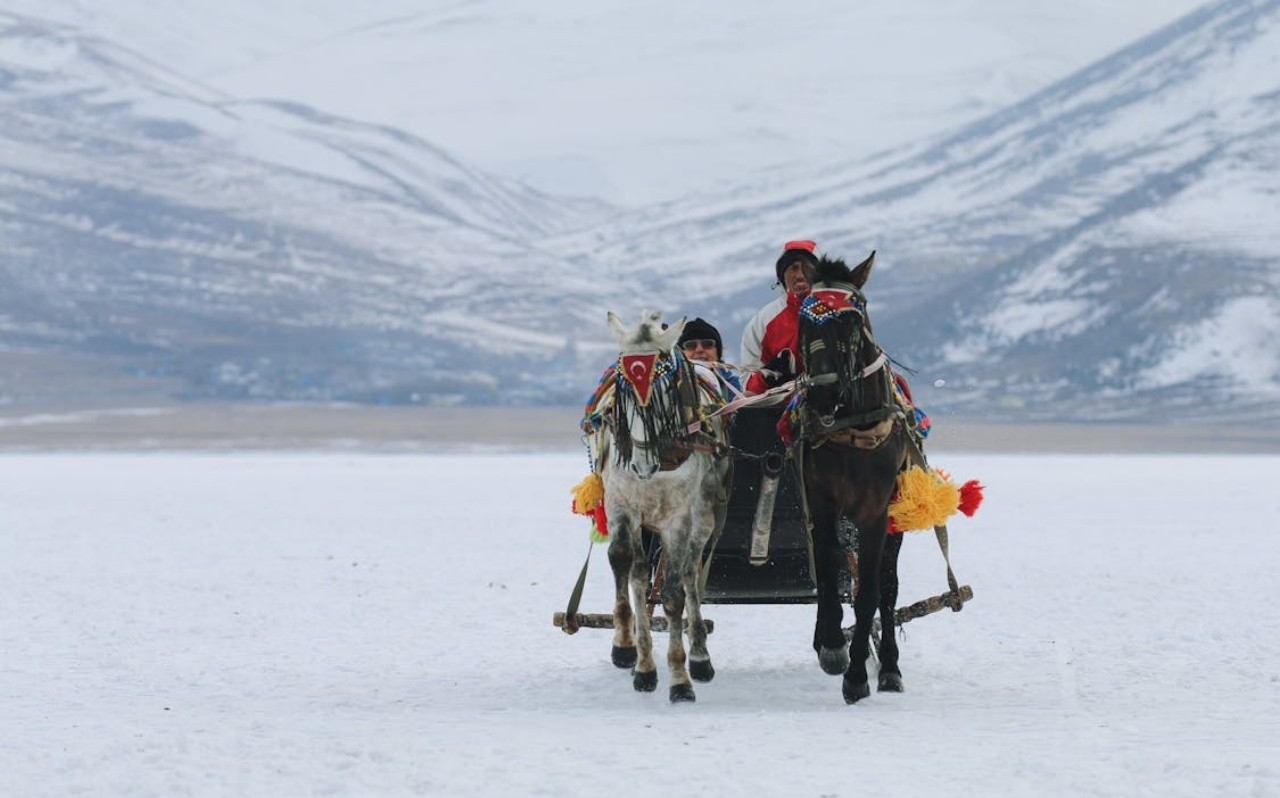
A common starting point mentioned in newer trip guides is Kyzart (often via Kochkor), especially for 2–4 day routes. Starting points matter because they influence:
how many hours you ride per day,
whether you cross a higher mountain pass,
and how busy the route can feel in peak months.
In plain terms: the same “Song-Köl trek” can feel relaxed or intense depending on where it begins.
What the experience actually feels like
This trek is beautiful, but it’s still physical. A realistic arc looks like this:
Day 1: everything is exciting and photogenic
Day 2: you discover muscles you didn’t know existed
Day 3: you’re weirdly proud of your new horse-person routine
That’s not meant to scare anyone. It’s just a reminder that “easy” in Kyrgyzstan can still mean “your legs will remember it.”
2–3 days vs longer treks
Most first-timers get the best balance from a 2–3 day horse trek:
it includes the full story (ride in → yurt night → lake morning → ride out),
without turning the entire trip into a single endurance event.
Longer treks can be incredible for people who love slow travel and don’t mind more saddle time. But if this is the first horse trekking Kyrgyzstan experience, 2–3 days usually delivers the wow factor without overcommitting.
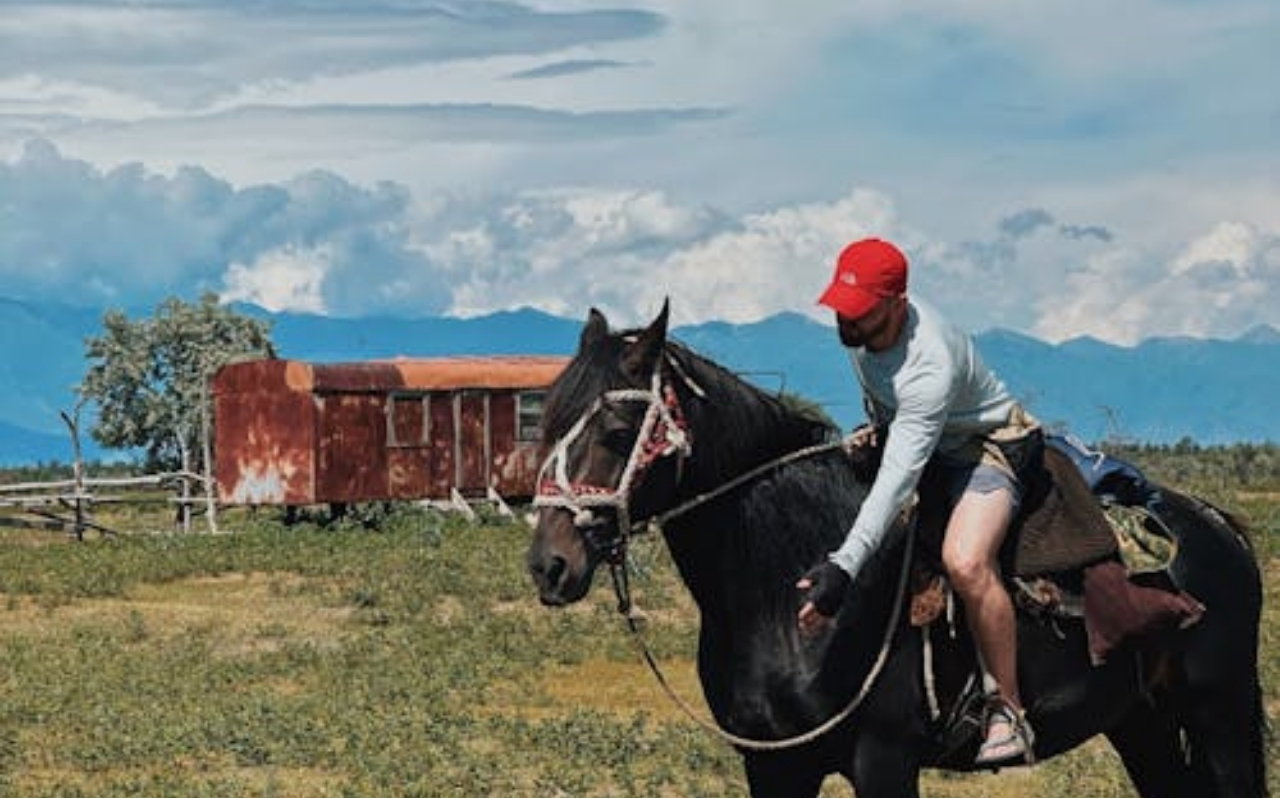
What to pack (so the yurt night is cozy, not chaotic)
Song-Köl sits at high altitude, and nights can feel chilly even when afternoons look sunny. Packing for warmth and wind makes the difference between “best night ever” and “counting minutes until sunrise.”
Practical list:
Warm base layer (top + bottom)
Wind/rain jacket
Sunglasses + sunscreen (high-altitude sun can be harsh)
Light gloves
Warm socks
Power bank (photos + maps = battery drain)
Blister care
Small daypack + water bottle
Questions to ask before booking a horse trek
Before paying, asking the right questions prevents 90% of issues. Useful questions:
Is the trek beginner-friendly?
How many hours per day in the saddle?
Do you provide helmets, and do you recommend them?
What happens if weather changes?
What’s included (meals, sleeping setup, luggage transport)?
How big is the group?
A good operator answers clearly. A sketchy one gets vague.
With the “full trek” covered, the next section is for travelers who want the horse experience—just not the multi-day commitment.
3. Horseback Tours: Easier Options Than Multi-Day Treks
Not everyone wants to do a multi-day ride. That’s normal. A horseback tour Kyrgyzstan option (half-day or full-day) gives the horse culture + scenery with less logistical effort and less physical intensity.
To choose the right format, it helps to understand what half-day rides feel like versus full-day rides, and what to ask so the tour matches your comfort level.
Half-day vs full-day rides
Half-day: best for nervous beginners, tight schedules, or anyone who wants a “test ride” before committing to a trek.
Full-day: better scenery payoff because you can go deeper into the countryside and move at a calmer pace.
If the goal is to try horseback riding Kyrgyzstan for the first time, half-day is often the safest entry point. If the goal is to feel like you actually went somewhere, full-day wins.
How to choose a good horseback tour (without overthinking it)
This is a simple filter:
Choose a slower pace if you’re a beginner
Look for a route with breaks and viewpoints
Avoid anything that sounds rushed or “fast” if you want comfort
One sentence to say out loud when booking: “A slower pace is preferred.”
That sentence prevents a lot of stress.
Questions that protect your trip
Ask these before paying:
Is the ride beginner-friendly?
Will there be steep sections or narrow trails?
Are helmets available?
What’s the plan if weather changes?
Is water included?
Who leads the group, and how many people join?
Now that the “horse” part is covered, it’s time to talk about the most Kyrgyzstan thing you can do after riding: sleeping in a yurt.
4. Stay in a Yurt Camp: What It’s Really Like
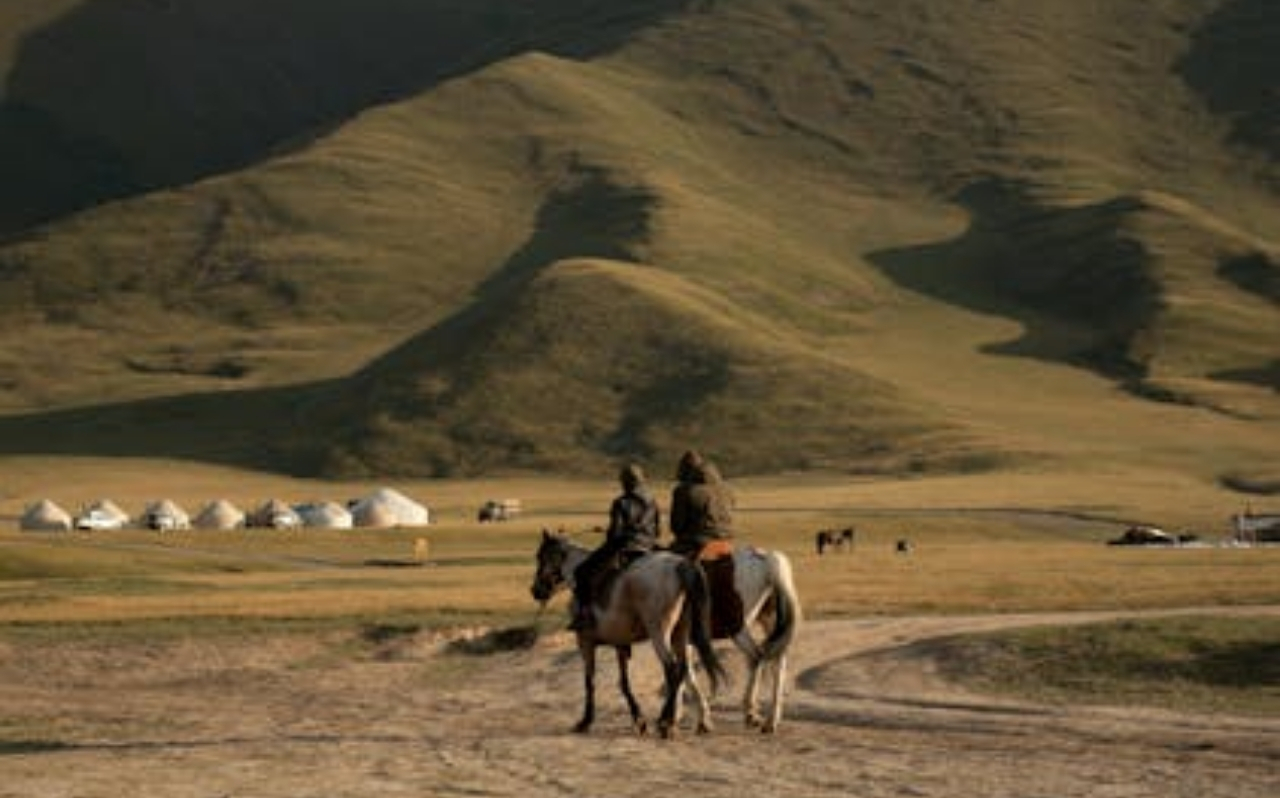
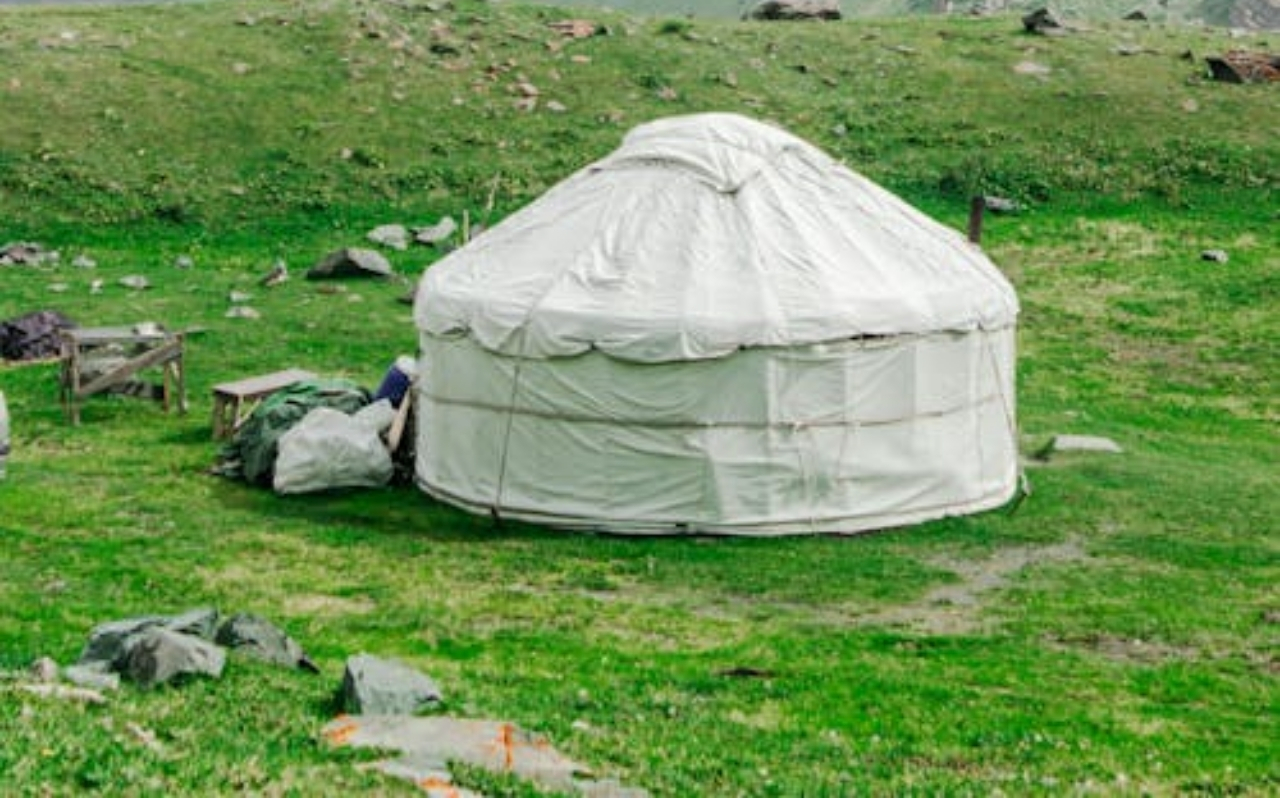
A Kyrgyzstan yurt stay sounds like a novelty, but for many travelers it becomes a core memory. The key is knowing what to expect, because yurts range from rustic to surprisingly comfortable depending on the camp and season.
The next sub-sections explain comfort levels and the small etiquette details that make the experience feel respectful (and less awkward).
Comfort levels: basic vs comfy
Think of yurt camps like campsites:
Basic yurts: warm bedding, simple facilities, shared bathrooms, rustic vibes
Comfy yurts: better insulation, cleaner setup, more consistent meals, sometimes improved bathrooms
If sleep matters (and it usually does after horseback days), choosing a more comfortable camp is worth it.
Yurt etiquette (small things that matter)
Yurts are often family-run hospitality, not a theme park. Easy etiquette rules:
Follow the host’s lead (shoes off, where to sit, meal timings)
Keep noise down at night (yurt walls don’t do “soundproof”)
If unsure about something, ask politely
Also: tea will appear. Often. Accept the tea.
After yurts, the next most plan-friendly activity is a day hike that doesn’t require weeks of planning. That’s where Ala Archa comes in.
5. Hike Ala Archa National Park: The Best Day Trip From Bishkek
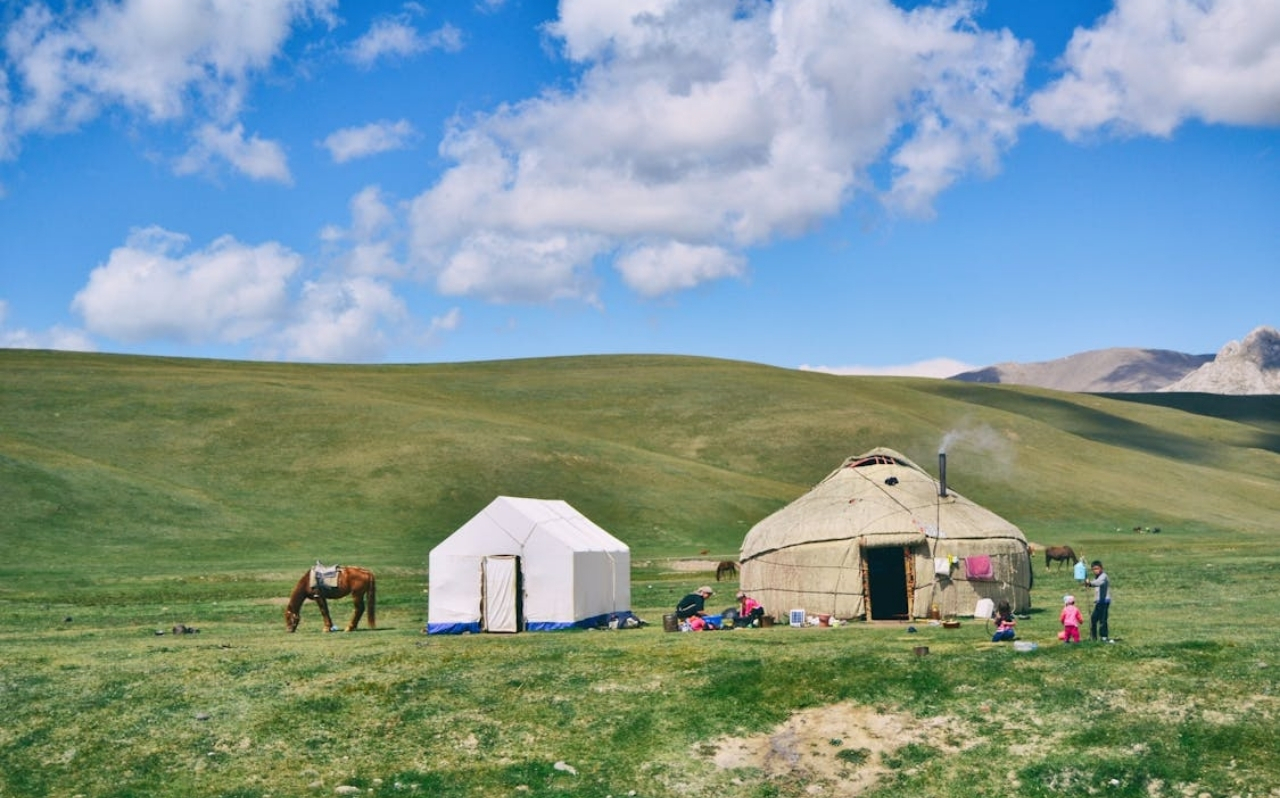
For travelers looking up things to do in Kyrgyzstan without committing to multi-day logistics, Ala Archa is one of the easiest wins. It’s close enough to Bishkek for a day trip, but the scenery feels like you teleported into the mountains.
To make this section practical, the next sub-sections cover how the hike options differ and what to bring so it stays safe and comfortable.
Easy walks vs proper hikes
Ala Archa works for different fitness levels:
a light valley walk still delivers a mountain experience
more serious hikes exist for anyone who wants a challenge
The important part is not underestimating the combination of incline + mountain air. Even moderate trails can feel harder than expected.
Day-trip checklist (simple and effective)
Start early
Bring water + snacks
Wear proper shoes
Carry a light layer even in warm months
Download offline maps before leaving Wi-Fi
Now for winter travelers (or anyone planning a second trip): Kyrgyzstan has a skiing scene that surprises people in the best way.
6. Skiing in Kyrgyzstan: Karakol Ski Base
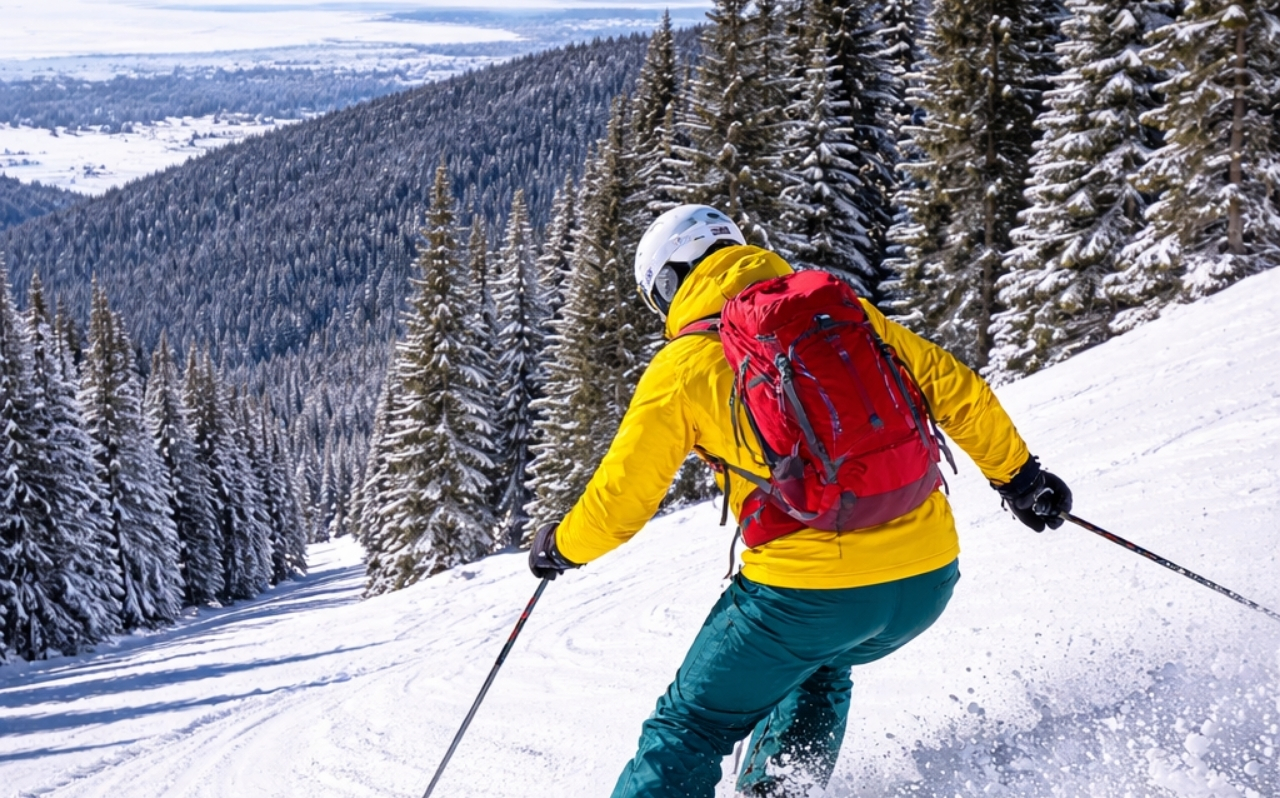
Yes, Kyrgyzstan skiing is a real plan-worthy trip. Karakol is the best-known base and comes up repeatedly as the country’s most established ski spot.
This section stays practical: when to go, what to expect, and how to make winter travel feel easy instead of stressful.
When to go
The ski season is typically late November to early April, but it depends on snowfall and conditions. If skiing is the main goal, adding flexibility to travel dates helps.
What to expect in Karakol
Karakol isn’t a glossy mega-resort. It’s more:
real snow and big mountains,
a laid-back mountain vibe,
rentals and lessons (availability can vary by season and timing)
For travelers who like fewer crowds and a more local feel, that’s exactly the appeal.
A practical winter planning tip
Winter itineraries work best when plans are simple:
base in Karakol,
keep day plans realistic,
build buffer time for weather.
Now let’s connect all these experiences into easy combinations—because Kyrgyzstan is best when it’s not rushed.
7. Epic Nature Spots to Pair With These Activities
Kyrgyzstan planning becomes easier when experiences are stacked in a way that doesn’t exhaust you. The goal is a rhythm: one big day, one lighter day, one slow day.
Here are a few simple combos that work well and cover a lot of nature in Kyrgyzstan without turning the trip into a transport marathon.
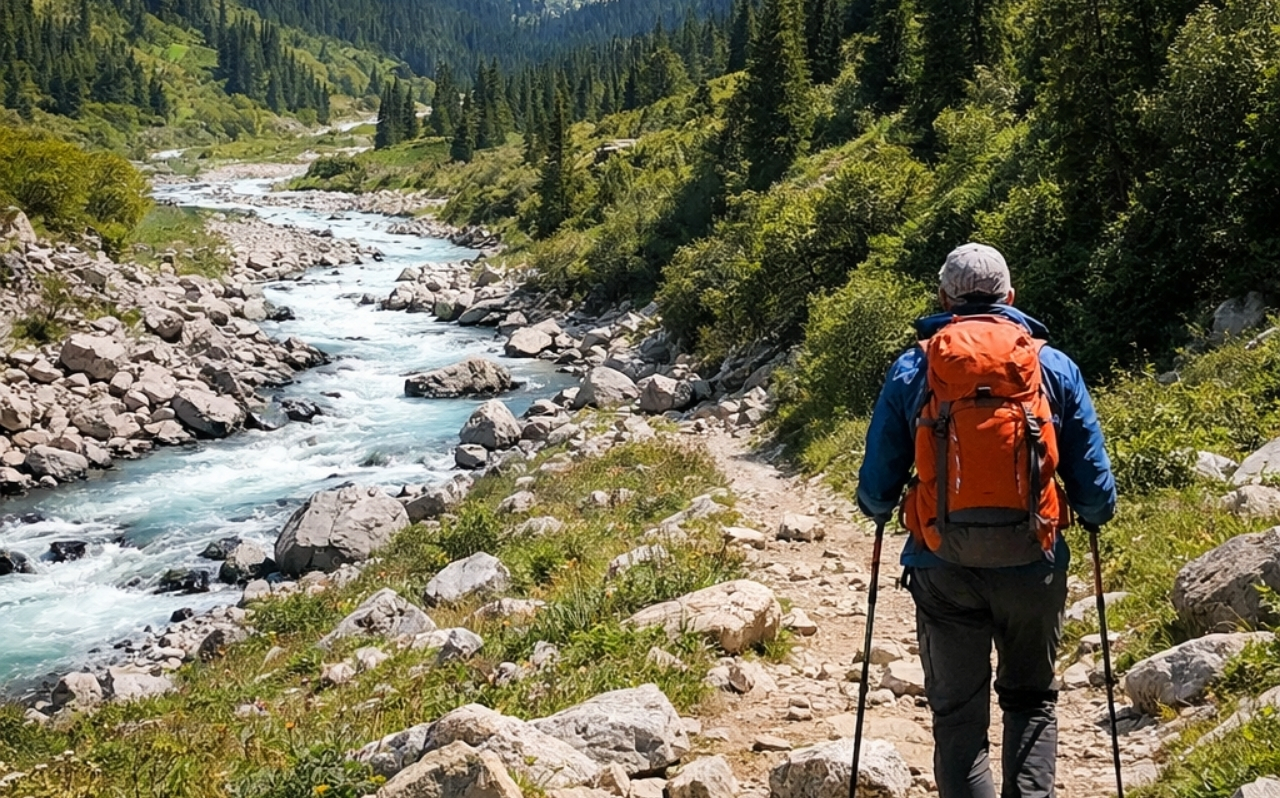
Combo idea 1: Song-Köl trek + recovery day + light hike
Horse trekking day(s) = higher energy
Recovery day = slower town day
Light hike = scenic but manageable
Combo idea 2: Ala Archa + Bishkek evening
Ala Archa gives the mountains. Bishkek gives food, rest, and planning space.
Combo idea 3: Karakol base (ski or no ski)
Even outside winter, Karakol Kyrgyzstan is a useful hub for nature-focused travel. Staying put for a couple of nights often makes the trip feel calmer.
Road-time reality check
Kyrgyzstan landscapes are huge, and drive times can be longer than map apps suggest. Build buffer time. Kyrgyzstan is not a country that rewards rushing.
Now that the experience list is clear, the last “make it smooth” section is about timing, booking, and staying connected without stress.
8. Practical Tips: Seasons, Booking, Money, Connectivity
This is the section that prevents small issues from snowballing. It’s not glamorous—but it’s the difference between “best trip ever” and “why is everything harder than it should be?”
Best seasons by activity
Horse trekking + yurts: most reliable in warmer months when yurt camps operate consistently
Hiking: late spring through early autumn is generally easiest
Skiing: late Nov through early Apr, snow-dependent
Booking strategy: prebook vs last-minute
Both can work. The choice depends on schedule and comfort with uncertainty:
Prebook if dates are tight or missing the trek would be genuinely disappointing
Book locally if you’re flexible and want to compare options in person
A helpful rule: book early for the one experience you’d be sad to miss. Keep the rest flexible.
Connectivity reality (and one soft prep tip)
In towns and on main routes, service is usually fine. In remote valleys, mountain passes, and high-altitude areas, coverage can be patchy.
Travel-smart habits:
download offline maps before leaving stable Wi-Fi
screenshot meeting points and key addresses
bring a power bank (you’ll use your phone more than expected)
For travelers who want data ready before heading into the mountains, setting up a Kyrgyzstan eSIM can keep maps and messages working without hunting for a shop. GoHub’s 24/7 support is helpful if anything gets confusing mid-trip.
9. FAQ
Do travelers need horseback riding experience for a Song-Köl horse trek?
Not necessarily. Many first-timers do Song-Köl routes successfully. The key is choosing a beginner-friendly pace and being honest about comfort level. If you’re unsure, starting with a shorter horseback tour Kyrgyzstan option first is a smart warm-up.
What’s the difference between “horse trekking” and a regular “horseback tour” in Kyrgyzstan?
A horseback tour is usually a few hours to a full day. Horse trekking Kyrgyzstan is the full journey: multiple days, mountain routes, and usually at least one Kyrgyzstan yurt night. Treks are for the “full story.” Tours are for a lower-commitment taste.
Where do most Song-Köl treks start?
Many common routes start from Kyzart (often reached via Kochkor), especially for 2–4 day itineraries. Starting points matter because they change riding time, pass difficulty, and how busy the route feels.
How cold is it at Song-Köl at night?
Song-Köl is high altitude, so nights can feel chilly even in summer. Packing a warm base layer, socks, and a wind/rain shell usually makes the yurt night comfortable.
When is the best time for yurt stays and horse trekking?
Warm months are typically the easiest and most reliable, because yurt camps operate more consistently and road conditions are simpler. Shoulder seasons can be beautiful, but weather changes faster at altitude.
Is skiing in Kyrgyzstan worth it, and when is Karakol ski season?
For travelers who like big mountains and a laid-back vibe, yes. Kyrgyzstan skiing in Karakol usually runs late November to early April, depending on snowfall and conditions.
Can Ala Archa be done as a day trip from Bishkek?
Yes. It’s one of the most popular day trips from Bishkek, with options for both easy walks and more challenging hikes. Starting early and bringing water/snacks makes the day much smoother.
Should tours be prebooked, or can they be arranged last-minute?
Both approaches can work. Prebooking feels calmer for fixed dates or peak season travel. Local booking can work well for flexible travelers who want to compare options in person.
10. Wrap-up
For anyone searching things to do in Kyrgyzstan, here’s the simplest “best-of” plan:
Do a horse trekking Kyrgyzstan experience (Song-Köl is the classic)
Try a shorter horseback riding Kyrgyzstan tour if multi-day riding feels too much
Sleep in a Kyrgyzstan yurt at least once
Hike Ala Archa for an easy big-nature day trip
Go Kyrgyzstan skiing in Karakol if visiting in winter

Hi! Mình là Lala Wren, một content creator yêu xê dịch và đam mê chia sẻ trải nghiệm thực tế cho cộng đồng Gohub. Trong nhiều năm qua, mình đã đặt chân đến Thái Lan, Hàn Quốc, Nhật Bản, Singapore, Malaysia, Bali và nhiều điểm đến thú vị khác trên khắp châu Á. Cùng mình tìm hiểu tất tần tật từ khâu chuẩn bị eSIM, Visa, lịch trình và địa điểm nổi bật cho chuyến đi sắp tới của bạn nhé!
View all articles →Related articles

Free eSIM Trial USA 2026: T-Mobile vs Verizon vs AT&T vs Visible
Compare every free eSIM trial from US carriers in 2026 — T-Mobile 30 days, Verizon 100GB, AT&T 25GB hotspot, Visible 15 days. Plus: what travelers visiting the US should use instead.

Best Free eSIM Trials in 2026: Every Active Offer Compared (No Credit Card)
Looking for a free eSIM trial in 2026? Compare all active offers — Gohub 300MB, Nomad 1GB, GigSky 100MB, Eskimo 250MB, SimLocal 500MB — no credit card needed. Updated March 2026.
Things to Do in Almaty: City Highlights, Mountain Escapes & Best Day Trips (1–3 Days)
Things to do in Almaty: top city highlights, mountain escapes, best day trips, food spots, and winter ideas—plus 1–3 day itineraries for first-timers.
Serbia Travel Guide for First-Time Visitors (2026 Update)
A practical Serbia travel guide covering safety, transport, regions, and real connectivity tips for first-time visitors in 2026.
Serbia Itinerary for 7 Days: How to Plan Cities and Nature Without Rushing
Plan a realistic Serbia itinerary for 7 days, covering Belgrade, Novi Sad, Tara National Park, and the Danube Gorge with practical travel advice.
Things to Do in Serbia: Cities, Nature, and Cultural Highlights for First-Time Visitors
Explore things to do in Serbia, from Belgrade Fortress and Novi Sad to Tara National Park, medieval monasteries, and scenic Danube landscapes.