

Stuff to Do in Puerto Plata: What First-Time Visitors Often Overlook

Puerto Plata is often described as an easy Caribbean stop.
It appears compact on the map. Beaches, waterfalls, and the historic center all seem close together.
That impression is partly true. But for first-time visitors, especially cruise passengers or travelers staying only a few days, planning what to do can feel less straightforward than expected.
Many people search for stuff to do in Puerto Plata and assume they can see everything in one relaxed afternoon. In practice, attractions are spread out. Distances add up. Weather and timing matter more than most travelers realize.
This guide explains what is realistically possible, what tends to be overlooked, and how to plan your time with less stress.
TL;DR
Puerto Plata looks compact, but attractions are spread out and require planning.
Damajagua Waterfalls and the cable car each take several hours.
Cruise passengers should avoid scheduling too many activities in one day.
Beaches, waterfalls, and city sights are in different directions.
Mobile data is commonly needed for maps, messaging, and timing updates.
1. Why “Stuff to Do in Puerto Plata” Feels Simple but Isn’t
Puerto Plata is not overwhelming.
But it is more spread out than it first appears.
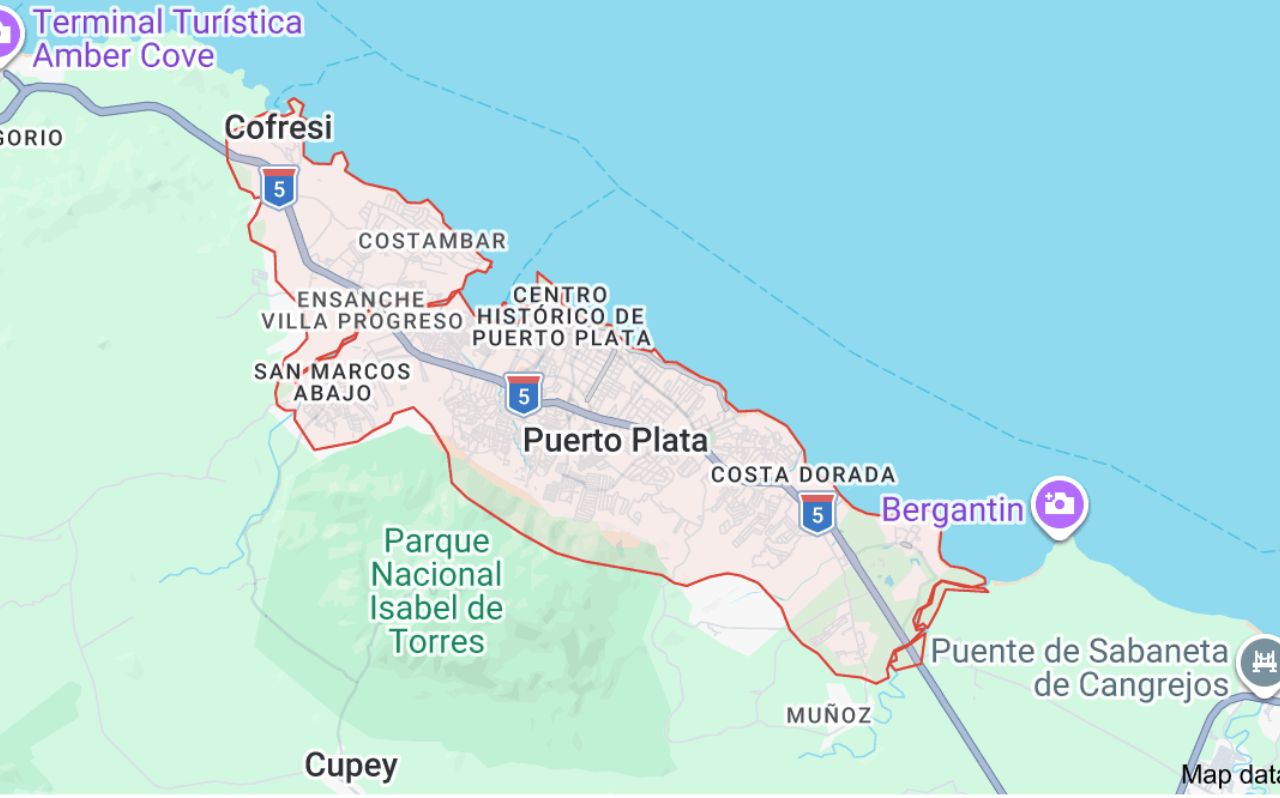
Puerto Plata Is More Spread Out Than It Looks
On a map, the city center looks small. However:
Damajagua Waterfalls are about 30 to 40 minutes from town.
The Puerto Plata cable car climbs Mount Isabel de Torres above the city.
Beaches such as Sosúa and Cabarete are farther east.
Cruise ports like Amber Cove sit outside the old town area.
These are not long journeys. But they are not walkable either. Planning matters.
Cruise Timing Adds Pressure
Cruise passengers often have 6 to 8 hours in port.
That sounds generous.
In reality, you need to:
Disembark.
Travel to your activity.
Return well before departure.
Ships do not wait. Many visitors underestimate travel time and feel rushed toward the end of the day.
Official port details and timing updates can be found on the Amber Cove cruise site, which outlines arrival and departure procedures.
Resort Comfort vs Real-World Logistics
If you stay in an all-inclusive resort, everything feels convenient.
Transportation, food, and entertainment are handled for you.
Once you leave that environment, you coordinate taxis, tours, and entry times yourself. That shift catches some first-time visitors off guard.
2. The Most Popular Stuff to Do in Puerto Plata
When planning your trip, it helps to understand what each activity involves. Not every attraction fits every schedule.
Damajagua Waterfalls
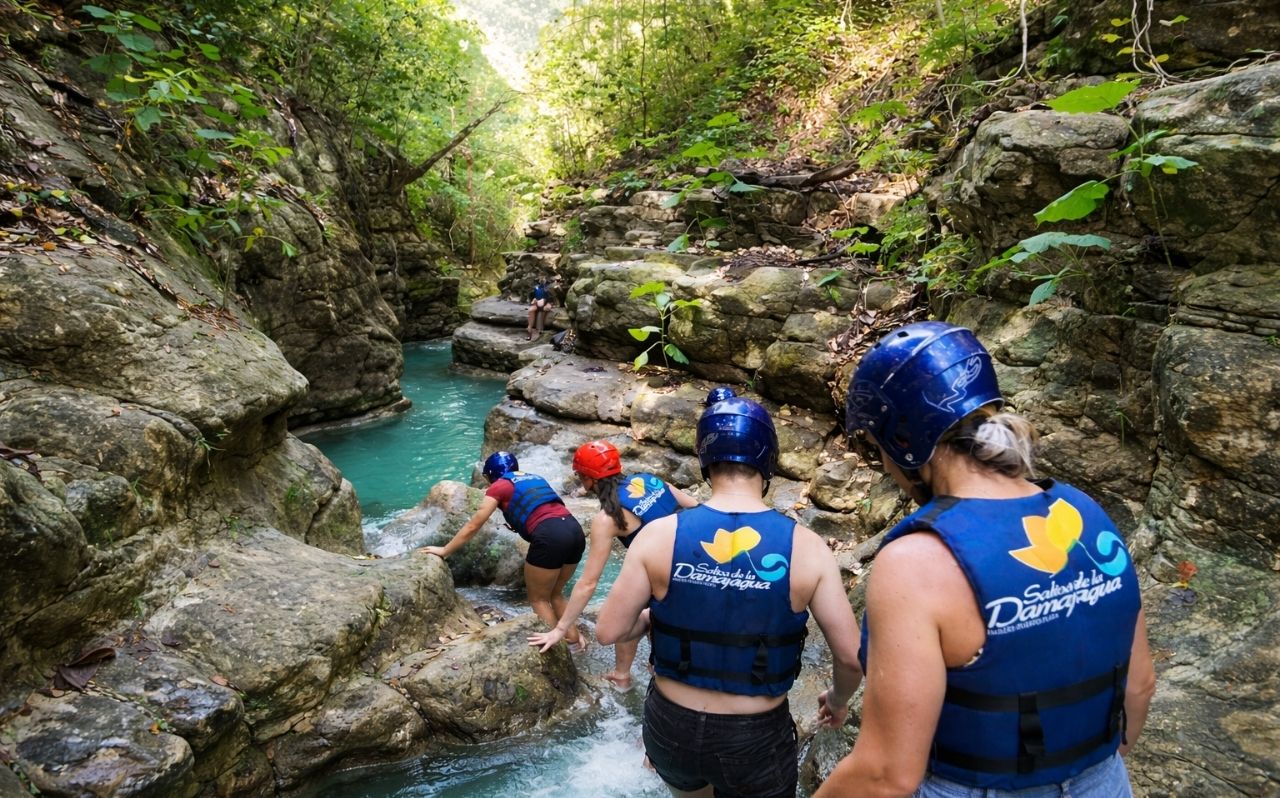
The 27 Charcos de Damajagua is one of the most well-known Puerto Plata attractions. The site is officially managed and provides safety briefings, helmets, and life vests.
Visitors hike uphill and then descend by sliding, climbing, or jumping into natural pools. According to the official Damajagua site, tours typically last several hours.
In practice:
Expect a half-day commitment.
Wear secure water shoes.
Be prepared for moderate physical effort.
Younger children or those uncomfortable with heights may find parts challenging.
It is one of the most memorable things to do in Puerto Plata, but it requires energy and planning.
Puerto Plata Cable Car and Mount Isabel de Torres
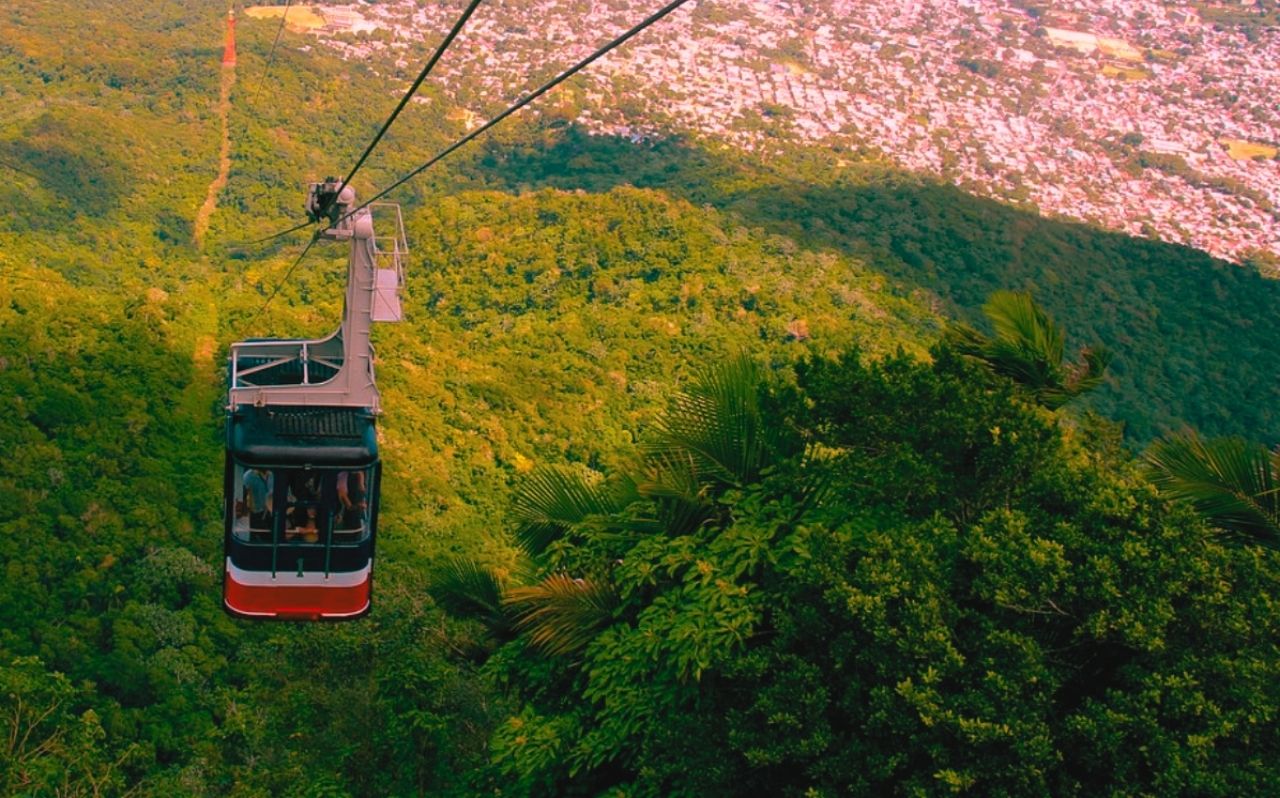
The Puerto Plata cable car is the only one of its kind in the Caribbean. It transports visitors to the top of Mount Isabel de Torres, where gardens and a large Christ statue overlook the city.
Weather plays a role. If winds are strong or clouds are heavy, the cable car may pause operations. The official cable car website provides updated information.
A typical visit:
2 to 3 hours total.
Light walking at the summit.
Excellent city and ocean views.
This activity works well for visitors who want something scenic without intense physical effort.
Fortaleza San Felipe and the Historic Center
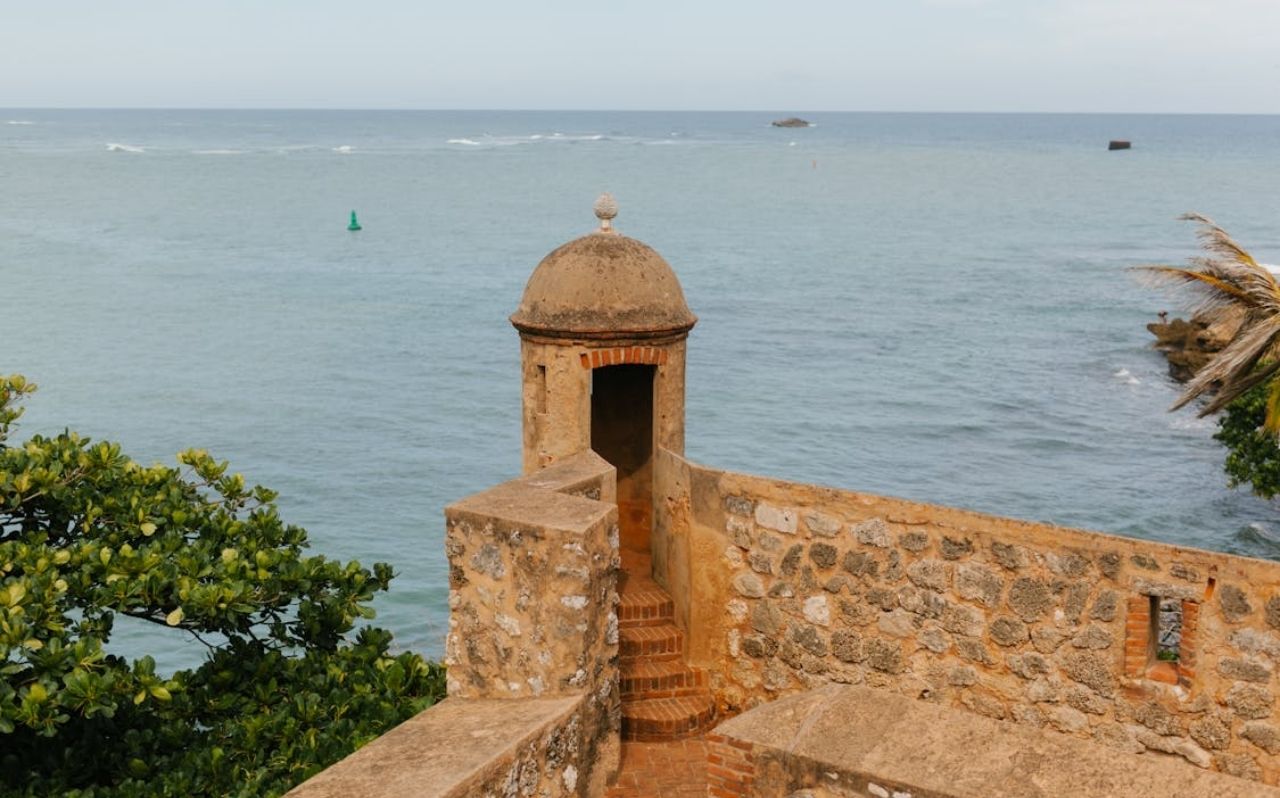
Fortaleza San Felipe is a 16th-century Spanish fort located near the Malecón. It offers a short but informative visit into colonial history.
Nearby, colorful Victorian-style buildings and Umbrella Street create easy photo opportunities.
This area is compact and walkable. It works well as a morning or late afternoon activity when temperatures are cooler.
Puerto Plata Beaches
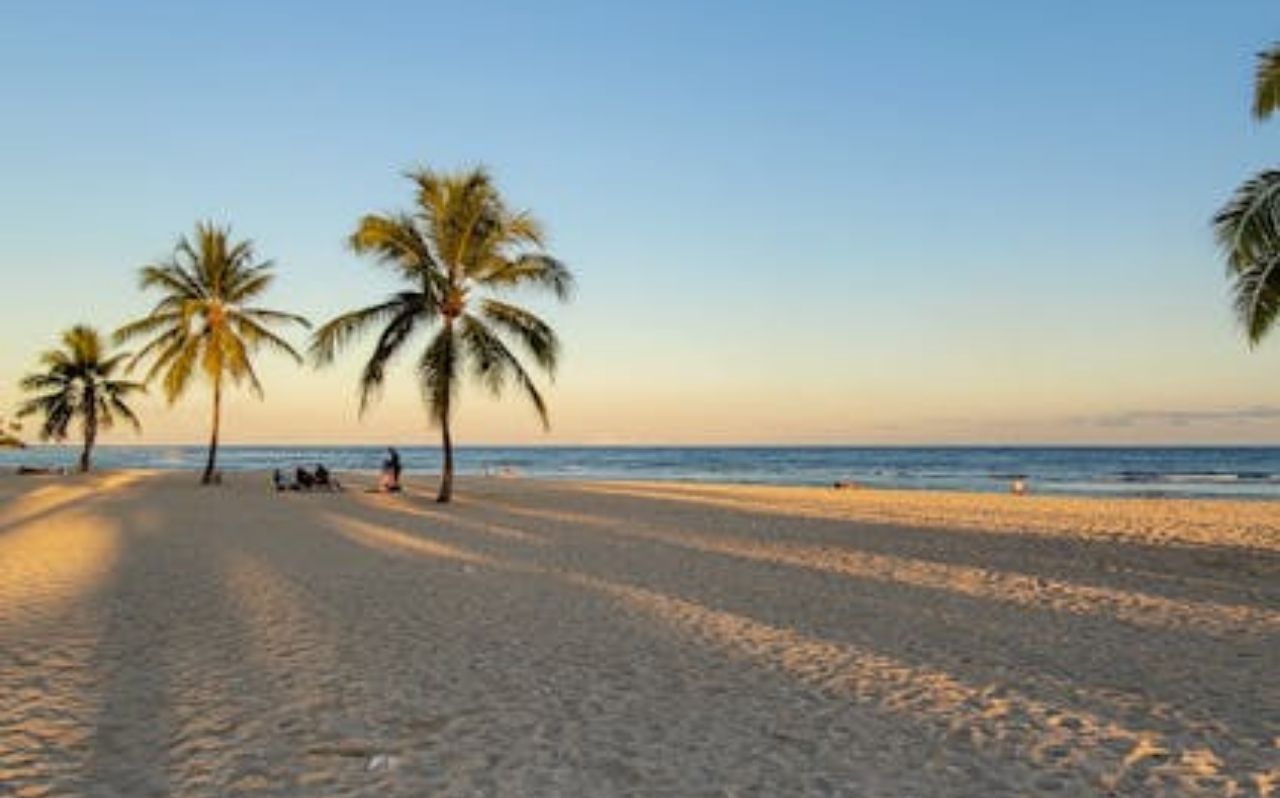
Puerto Plata beaches vary in character.
Playa Dorada is calm and resort-oriented.
Long Beach sits closer to town.
Sosúa and Cabarete are popular for snorkeling and windsurfing.
Conditions change with wind and season. Some beaches are better for swimming than others on a given day. It is worth asking locally before entering rough water.
Beach days are often underestimated. Travelers schedule them between tours instead of giving them dedicated time.
Amber Cove and Taino Bay Cruise Ports
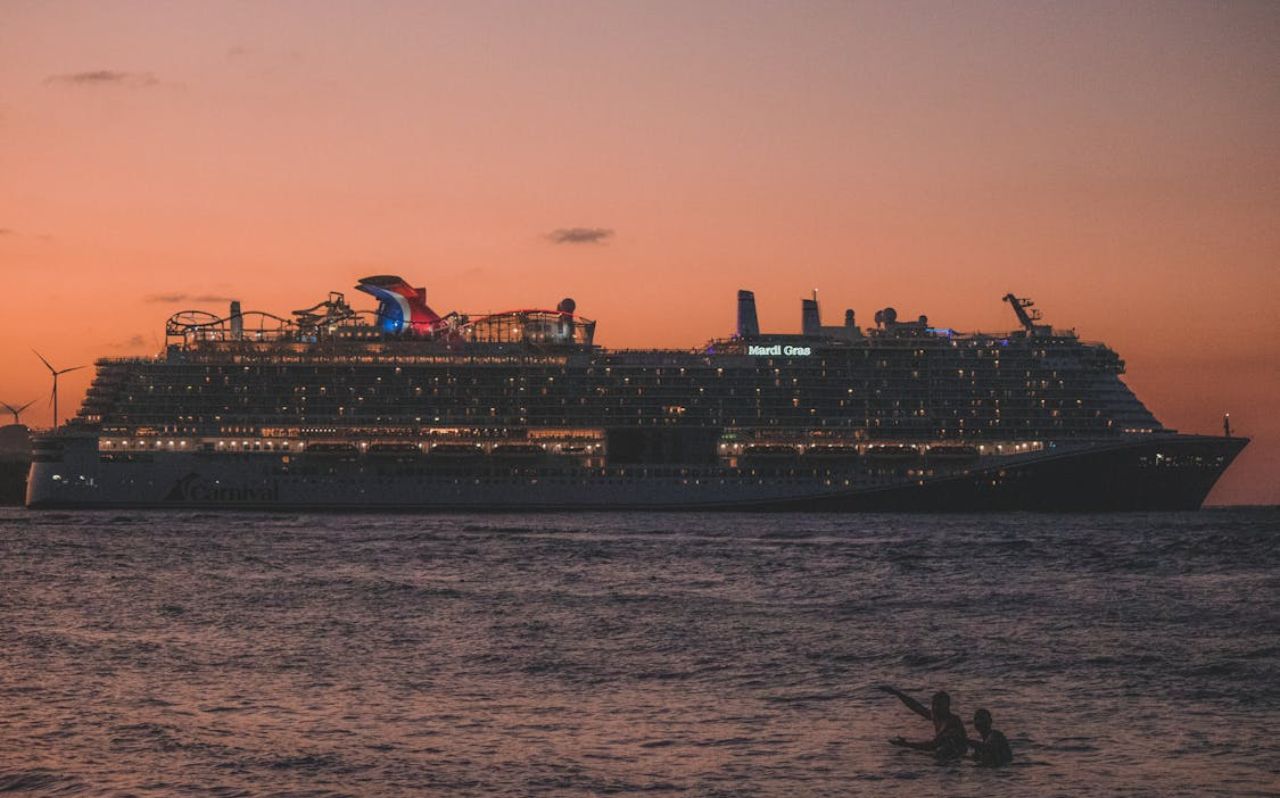
If you are visiting by cruise, you may not need to leave the port area at all. Amber Cove offers pools, shops, and organized excursions.
For very short stops, this can be a practical option. However, many travelers feel they have not fully experienced Puerto Plata unless they venture into town.
3. What Many First-Time Visitors Overlook
Planning what to do in Puerto Plata is not just about choosing attractions. It is about pacing.
Distances Add Up
Trying to combine:
Damajagua Waterfalls
The Puerto Plata cable car
A full beach afternoon
in one day often leads to rushing. Each activity deserves time.
Weather Changes Plans
Caribbean weather can shift quickly. Afternoon rain showers are common.
Cable car operations may pause. Waterfall conditions can vary. Flexibility reduces stress.
Energy Levels Matter
Activities under the tropical sun are more demanding than expected.
Hiking waterfalls after a long cruise morning can feel exhausting. Many visitors adjust their plans mid-day.
Not Every Activity Is Walkable
Outside the historic center, taxis or organized tours are usually necessary.
Public transport options are limited for short-term visitors. Understanding this early helps with realistic scheduling.
4. How to Plan Your Time Realistically
The key to enjoying the best stuff to do in Puerto Plata is choosing fewer activities, not more.
If You Only Have One Day
Focus on:
One major activity, such as Damajagua.
One lighter stop, such as the historic center.
Leave buffer time to return to port or hotel.
If You Have Two to Three Days
Day 1: Explore the city and take the cable car.
Day 2: Visit Damajagua Waterfalls.
Day 3: Relax at a beach.
This pacing allows recovery time between active outings.
If You Are Staying at a Resort
Consider dedicating one full day to exploring beyond the resort.
Spend the remaining days relaxing.
This balance often feels more satisfying than trying to see everything.
For broader regional travel planning, the Dominican Republic Ministry of Tourism provides updated destination information and regional maps.
5. The Practical Connectivity Reality in Puerto Plata
Connectivity is not the main focus of your trip.
But it often becomes important at specific moments.
When Travelers Typically Need Mobile Data
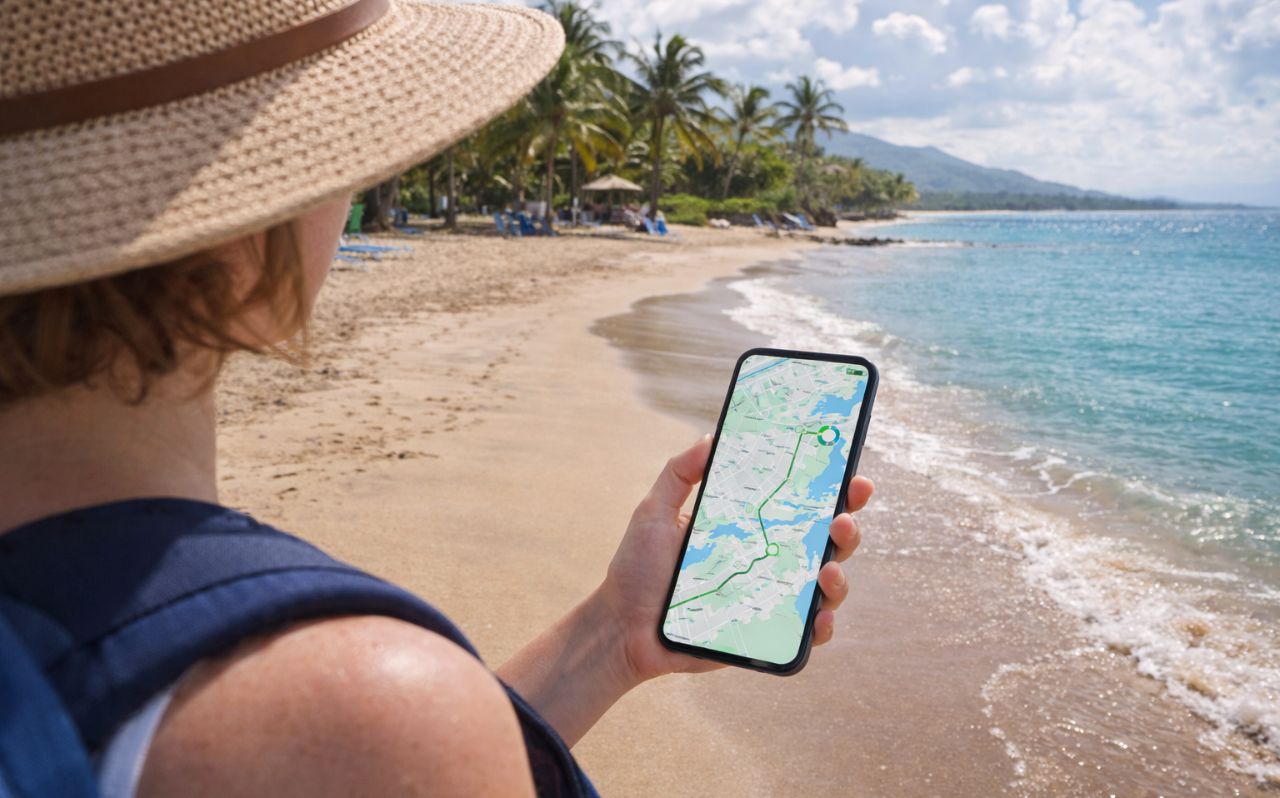
In practice, visitors use mobile data for:
Google Maps while driving or taking taxis.
Communicating with tour guides on WhatsApp.
Checking cruise departure times.
Translating Spanish menus or directions.
Confirming cable car operating hours.
These are small tasks. But they matter at critical times.
Where WiFi Is Limited
Resorts usually provide WiFi.
Outside those areas:
On the road to Damajagua, coverage may fluctuate.
Beaches do not consistently offer public WiFi.
Cruise port WiFi can be crowded when ships arrive.
Short disruptions are common, especially when moving between locations.
What Usually Goes Wrong
Common situations include:
Losing signal while navigating back to port.
Difficulty contacting a driver.
Not being able to confirm updated operating hours.
These are not daily disasters. But they create avoidable stress.
6. When to Consider a More Reliable Setup
If your itinerary includes multiple locations across Puerto Plata, or if you rely heavily on navigation and messaging apps, planning your connectivity in advance can reduce uncertainty.
This is especially relevant for cruise passengers who must return on time or travelers exploring outside resort zones.
In situations like this, having a reliable travel eSIM for Dominican Republic can reduce stress and help travelers stay connected throughout their trip.
7. FAQ
Is Puerto Plata safe for first-time visitors?
Puerto Plata is generally considered safe for tourists, especially in established areas such as the historic center, beaches, and organized tour locations. As in any destination, staying aware of your surroundings and using registered transportation services is recommended.
How far is Damajagua from Puerto Plata?
Damajagua Waterfalls is approximately 30 to 40 minutes by car from central Puerto Plata. Most tours include transportation and last around half a day.
Can you explore Puerto Plata without a car?
Within the historic center, walking is easy. For waterfalls, beaches outside town, or the cruise port area, taxis or organized excursions are typically required.
What to do in Puerto Plata for one day?
If you have one day, choose one major activity such as Damajagua or the cable car, then spend remaining time in the historic center or at a nearby beach. Avoid overloading your schedule.
Are beaches in Puerto Plata swimmable?
Many beaches are swimmable, but conditions vary. Some areas experience stronger waves depending on weather and season. It is wise to observe local conditions before entering the water.
Puerto Plata offers more than it first appears.
The key is not doing everything.
Understanding distances, pacing your days, and preparing for small logistical realities allows you to focus on what matters most. Enjoying the experience.
Related Articles (Dominican Republic Travel Guides)
If you are planning a multi-city trip, these guides explore other parts of the country in more detail:
Explore Punta Cana’s beaches and day trips: A practical overview of resort areas, excursions, and what first-time visitors often underestimate.
Discover Santo Domingo’s historic center and cultural sites: A focused guide to the Colonial Zone, museums, and realistic pacing for a city visit.
Plan your route across the Dominican Republic’s top destinations: A broader look at regions, travel distances, and how to structure a balanced itinerary.

Hi! Mình là Lala Wren, một content creator yêu xê dịch và đam mê chia sẻ trải nghiệm thực tế cho cộng đồng Gohub. Trong nhiều năm qua, mình đã đặt chân đến Thái Lan, Hàn Quốc, Nhật Bản, Singapore, Malaysia, Bali và nhiều điểm đến thú vị khác trên khắp châu Á. Cùng mình tìm hiểu tất tần tật từ khâu chuẩn bị eSIM, Visa, lịch trình và địa điểm nổi bật cho chuyến đi sắp tới của bạn nhé!
View all articles →Related articles

Free eSIM Trial USA 2026: T-Mobile vs Verizon vs AT&T vs Visible
Compare every free eSIM trial from US carriers in 2026 — T-Mobile 30 days, Verizon 100GB, AT&T 25GB hotspot, Visible 15 days. Plus: what travelers visiting the US should use instead.

Best Free eSIM Trials in 2026: Every Active Offer Compared (No Credit Card)
Looking for a free eSIM trial in 2026? Compare all active offers — Gohub 300MB, Nomad 1GB, GigSky 100MB, Eskimo 250MB, SimLocal 500MB — no credit card needed. Updated March 2026.

Things to Do in Almaty: City Highlights, Mountain Escapes & Best Day Trips (1–3 Days)
Things to do in Almaty: top city highlights, mountain escapes, best day trips, food spots, and winter ideas—plus 1–3 day itineraries for first-timers.

Things to Do in Kyrgyzstan: Horse Trekking, Horseback Tours, Skiing, Yurts, & Epic Nature Spots
Things to do in Kyrgyzstan: Song-Köl horse treks, yurt stays, Karakol skiing, Ala Archa day hikes, plus seasons, safety, and booking tips.
Serbia Travel Guide for First-Time Visitors (2026 Update)
A practical Serbia travel guide covering safety, transport, regions, and real connectivity tips for first-time visitors in 2026.
Serbia Itinerary for 7 Days: How to Plan Cities and Nature Without Rushing
Plan a realistic Serbia itinerary for 7 days, covering Belgrade, Novi Sad, Tara National Park, and the Danube Gorge with practical travel advice.