

Staying in Sokcho for Hiking Seoraksan: A Complete Travel Guide
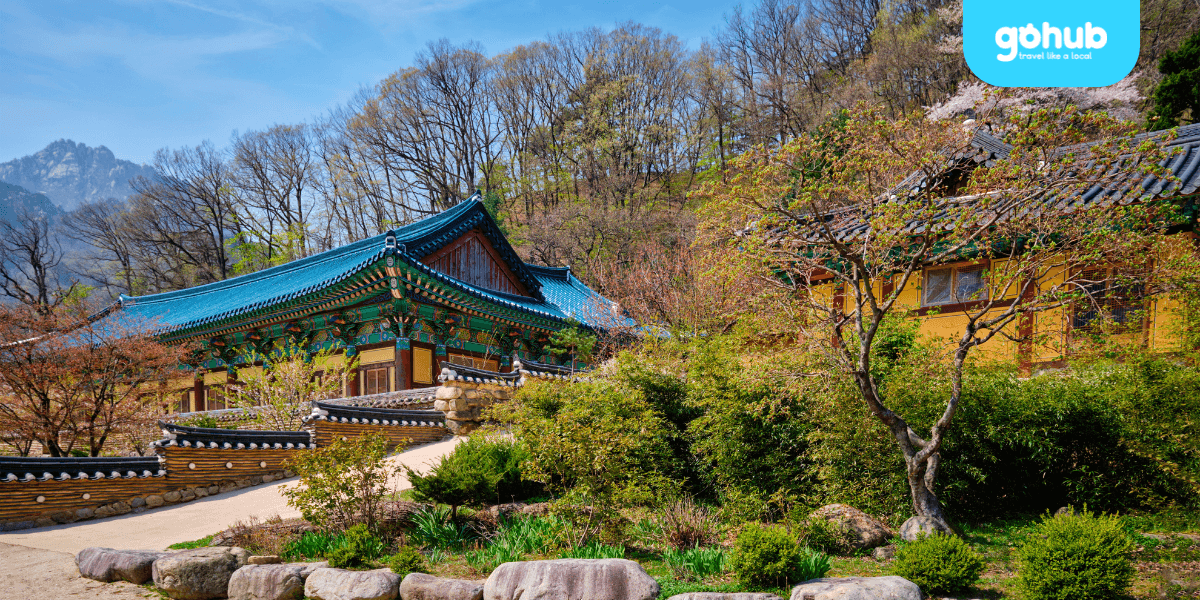
If you're dreaming of majestic mountains, crisp forest air, and a break from South Korea’s fast-paced cities, this is your sign to head east to Sokcho, the gateway to Seoraksan National Park.
Sokcho is a small coastal city that offers something magical: the perfect mix of seaside calm and mountainous adventure. While most tourists flock to Seoul or Busan, those in the know sneak away to Sokcho for a slower, more grounded travel experience, especially if they’re chasing fall foliage or dramatic hiking trails.
And when we say Seoraksan is epic, we mean it. Towering granite peaks, misty valleys, waterfalls, temples tucked into cliffs… it's a full-on “National Geographic meets K-drama” situation. Whether you're a seasoned hiker or just someone who wants to breathe cleaner air for a few days, this region will deliver.
But here’s the thing: Seoraksan is beautiful, but it’s also a bit remote. Planning the logistics — getting from Seoul to Sokcho, figuring out buses, finding food near the trailheads, and staying online when you're surrounded by mountains — can feel overwhelming.
That’s where this guide comes in.
I’ll walk you through everything you need to know: where to stay in Sokcho, how to get to Seoraksan, the best hiking trails, food to fuel your adventure, and yes, how to stay connected even when you're deep in the forest (hint: don’t skip the eSIM part). Ready to trade city noise for birdsong?
Let’s get you up that mountain.
Why Base Yourself in Sokcho?
So, why not just take a quick day trip to Seoraksan from Seoul?
Technically, you could. But you'd miss out on half the experience. Sokcho isn’t just a place to sleep near the mountain. It's part of the whole adventure.
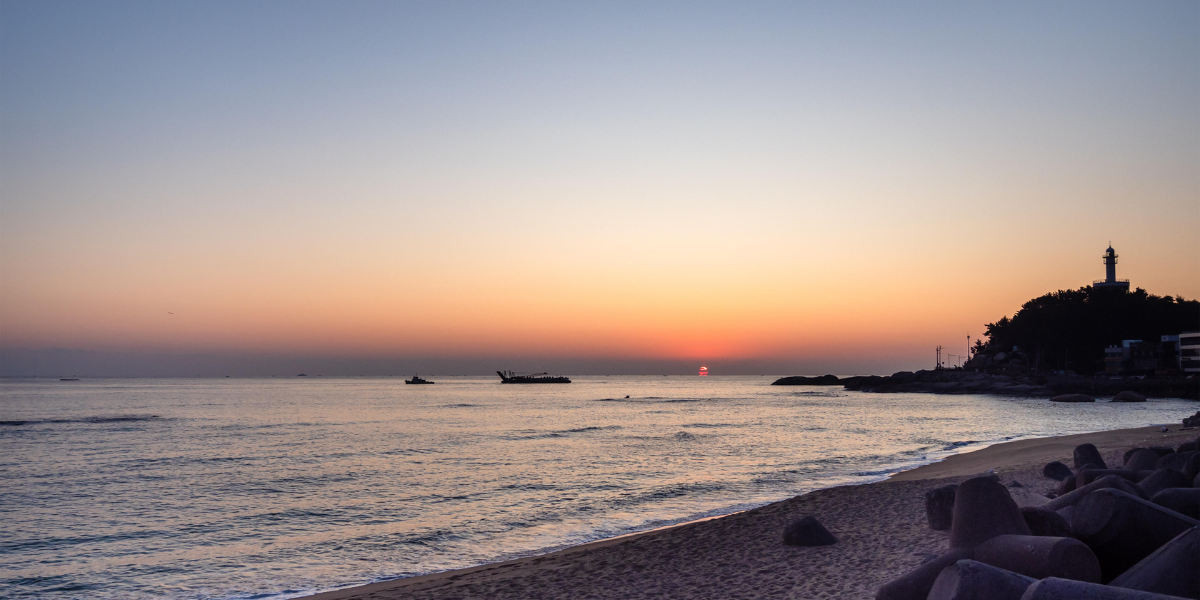
Sokcho is peaceful. The air smells like the sea, the mountains are always on the horizon, and life here moves at a slower, gentler pace. You’ll see locals fishing at sunrise, fresh seafood sizzling at the markets, and quiet beaches just a short walk from wherever you're staying.
It’s also incredibly convenient for hikers. Many guesthouses and hostels cater specifically to travelers heading to Seoraksan. You’ll find early breakfast options, trail info at the front desk, and easy access to buses going directly to the park. Some places even offer shuttle service.
And after a long hike, nothing beats soaking your tired feet in the ocean, grabbing a hot bowl of seafood ramyeon, and watching the sun dip behind the fishing boats.
Instead of rushing back to Seoul, give Sokcho at least two nights. Take it slow. Let the mountains and the sea reset your pace.
How to Get to Sokcho from Seoul
Getting from Seoul to Sokcho is surprisingly easy, and it’s one of those journeys where the views start getting good long before you arrive. Whether you prefer convenience or a bit of adventure, here are your best options.
Option 1: Intercity Bus (Most Popular)
This is the simplest and most direct way. Buses leave regularly from the Dong Seoul Bus Terminal (connected to Gangbyeon Station on Line 2) and go straight to Sokcho Intercity Bus Terminal.
Duration: Around 2.5 to 3 hours depending on traffic
Cost: Approximately 15,000 to 20,000 KRW one-way
Frequency: Every 30 to 40 minutes throughout the day
Tickets can be purchased on-site or online via Kobus or Tmoney, but they often sell out on weekends and during peak seasons like autumn. If you're traveling during the fall foliage season, book ahead.
Option 2: Express Bus from Seoul Express Bus Terminal
Located in the southern part of the city (near Gangnam), this terminal also offers a few buses to Sokcho, though they may be less frequent. It’s a solid backup if you're staying closer to that side of town.
Option 3: Train + Local Bus (For the Scenic Route)
There’s no direct train to Sokcho, but if you love trains, you can take one from Seoul to Gangneung, then catch a local bus to Sokcho. It adds a bit of time, but the coastal views along the way are gorgeous.
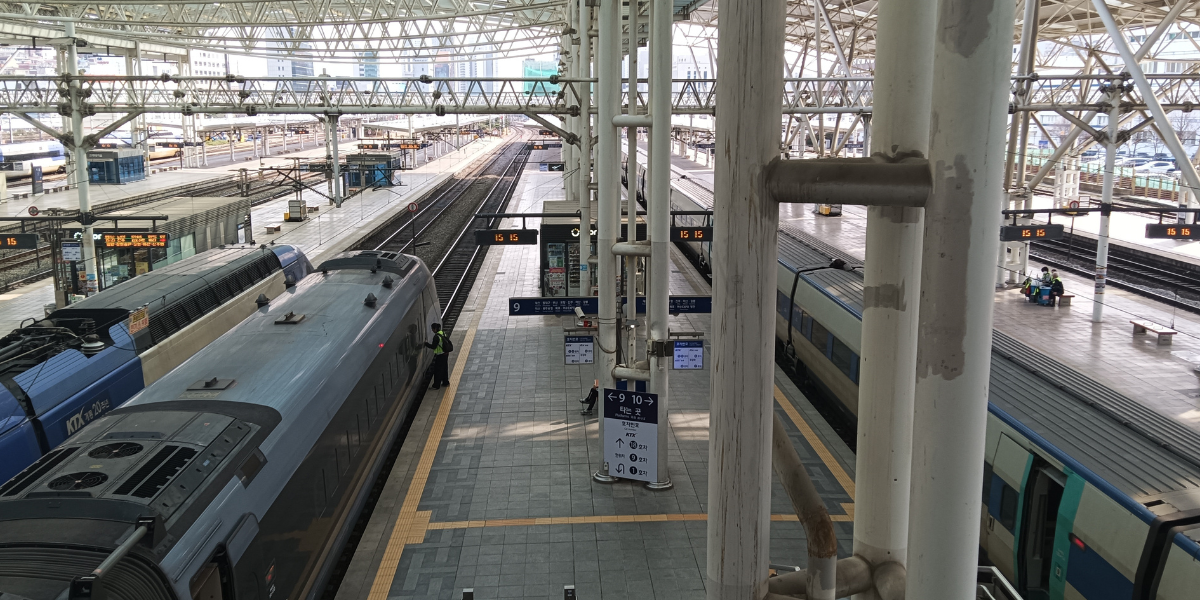
Step 1: KTX from Seoul to Gangneung (around 2 hours)
Step 2: Local bus or intercity bus from Gangneung to Sokcho (around 1.5 hours)
This route is ideal if you’re planning to explore other east coast towns or beaches along the way.
Final Tips
Most buses drop you off near Sokcho’s city center. From there, it’s easy to grab a local taxi or use a navigation app to get to your accommodation.
Try to travel earlier in the day if possible. Arriving before sunset means you’ll have time to check in, grab dinner, and maybe sneak in a walk by the beach before bed.
Exploring Seoraksan National Park: Top Hiking Trails
Seoraksan isn’t just a mountain. It’s a whole world of jagged peaks, pine forests, ancient temples, and dramatic cliffs that seem to appear out of nowhere. It's one of South Korea’s most iconic national parks, and once you're in, it's easy to see why.
The park has trails for every type of traveler. Whether you're looking for a quick walk to a waterfall or an all-day climb to a summit, there's something here for you. But fair warning: even the "easy" hikes in Seoraksan can have a few sneaky staircases.
Here are a few of the most popular routes to consider:
Ulsanbawi Trail (Moderate to Challenging)
This is the crown jewel of Seoraksan for many hikers. The trail takes you to the top of Ulsanbawi, a massive granite formation made of six distinct peaks stacked like giant stone waves.
Distance: About 4 km one way
Time: 3 to 4 hours round trip
What to expect: A steep staircase section near the top (nearly 800 steps), but the views are breathtaking. On clear days, you can see all the way to Sokcho and the East Sea.
The reward? A 360-degree panorama that makes every drop of sweat worth it.
Biryong Falls Trail (Easy to Moderate)
If you’re not up for a major climb but still want to enjoy a scenic hike, this is a great option. Biryong means "flying dragon," and the waterfall is said to resemble one leaping into the sky.
Distance: Around 2.4 km one way
Time: 1.5 to 2 hours round trip
What to expect: A well-marked, mostly forested trail with gentle inclines. Ideal for families or beginners.
You can extend this hike to Towangseong Falls Observatory if you’re feeling up for more steps.
Daecheongbong Peak (Advanced)
This is the highest peak in the Taebaek mountain range and the third-highest in Korea. It’s a serious undertaking and should only be attempted if you’re in good shape and prepared for mountain weather changes.
Distance: Varies depending on route (shortest from Osaek is about 12 km one way)
Time: 8 to 12 hours round trip
What to expect: Long hours, switchbacks, and dramatic elevation gain. But standing at 1,708 meters above sea level, you’ll feel like you’re on top of the world.
Cable Car + Gwongeumseong Fortress (Easy Option)
Don’t want to hike much? No problem. Seoraksan has a cable car that takes you near the top of Gwongeumseong, an ancient stone fortress with panoramic views.
Duration: About 5 to 10 minutes by cable car, plus a short uphill walk
Great for: Travelers short on time or mobility, or those who just want to enjoy the scenery without sweating too much
The cable car often sells out in peak season, so arrive early if you want a ticket.
A Few Notes Before You Hike
The park opens early and gets crowded quickly, especially in autumn. Starting before 8 am is highly recommended.
Wear proper footwear. Even short trails can get slippery or rocky.
Bring water, snacks, and sun protection.
Mobile signal is unreliable in some parts of the park. Download offline maps ahead of time and make sure your eSIM is working before you lose reception.
Where to Stay in Sokcho (for Easy Access to Seoraksan)
One of the best things about Sokcho is that it’s compact. You’re never too far from the beach, the bus station, or the mountains. But depending on your travel style, choosing the right area to stay in can make your trip a lot smoother.
Here are a few recommended areas and accommodation types based on what kind of experience you’re looking for.
Near the Intercity Bus Terminal (Most Convenient)
If you’re arriving by bus from Seoul, staying near the Sokcho Intercity Bus Terminal is a smart move. You’ll have easy access to public transport, plenty of restaurants and convenience stores nearby, and it’s a quick ride to Seoraksan.
Great for: First-time visitors, solo travelers, those with early-morning hikes planned
What you'll find: Budget-friendly guesthouses, simple motels, and a few newer boutique hotels
Bonus: Buses to Seoraksan stop right near the terminal, so you can just roll out of bed, grab some gimbap, and catch the first one out.
Near Sokcho Beach or Yeonggeumjeong Pavilion (Relaxing & Scenic)
If you want a more atmospheric stay, consider a place near the water. After a long hike, nothing beats walking barefoot on the beach or watching waves crash under the wooden pavilion at Yeonggeumjeong.
Great for: Couples, slow travelers, people who want ocean views with their morning coffee
What you'll find: Cozy pensions, seaside guesthouses, mid-range hotels, and a growing number of design-forward cafes
You’ll be a short taxi ride from the park, but the extra comfort might be worth it.
Close to Seoraksan Park Entrance (For the Serious Hikers)
Some travelers prefer to stay as close to the mountain as possible, especially if they’re tackling Daecheongbong Peak or trying to catch the sunrise from a summit.
There are a few accommodations near the Seoraksan National Park entrance, including local guesthouses and mountain lodges. These tend to be quieter and more basic, but the location is unbeatable.
Great for: Hardcore hikers, sunrise chasers, early risers
What you'll find: Family-run guesthouses, no-frills mountain motels, and the occasional temple stay option
Keep in mind: dining options are limited near the park, so plan your meals or stock up in Sokcho city before heading in.
What to Eat in Sokcho After Hiking
You’ve made it back from the mountain, legs sore and stomach growling. Now comes the reward: food. Sokcho is famous for its fresh seafood and hearty local dishes. It’s exactly what your body craves after hours on the trail.
Here are a few local specialties you should definitely try.
Ojingeo Sundae (Stuffed Squid)
This is Sokcho’s signature dish. A whole squid is filled with a mix of vegetables, tofu, and sometimes noodles or rice. It’s then steamed or pan-fried until tender and flavorful. It sounds intense, but it’s surprisingly comforting. Savory, chewy, and full of umami.
You’ll find it at traditional restaurants near the fish market or tucked into local alleyways. Follow the hand-written signs and the sound of sizzling.
Dakgangjeong (Crispy Sweet Fried Chicken)
Sweet, sticky, spicy, and dangerously addictive. This version of Korean fried chicken is coated in a glossy glaze of soy, garlic, and chili, then topped with peanuts or sesame seeds.
Head to Sokcho Tourist Fish Market in the evening and follow the scent of fried goodness. Some stalls have lines, but they move quickly and the chicken is worth every minute of waiting.
Fresh Seafood from the Market
If you love seafood, Sokcho delivers. Whether it’s raw fish, grilled clams, or spicy stews, you can expect top-quality flavor. Many vendors have live seafood tanks where you choose what to eat and have it cooked right there.
Not sure what to try? Haemul-tang, a bubbling seafood hot pot, is a favorite. Or go for grilled mackerel with rice and plenty of side dishes.
Convenience Store Classics
Sometimes, after a long hike, all you want is something fast and easy. Sokcho’s convenience stores are surprisingly solid for that. Triangle kimbap, cup noodles, or simple gimbap can be found everywhere.
Grab your meal, find a bench near the harbor, and enjoy a quiet, satisfying moment with the ocean in front of you.
Practical Tips for Seoraksan Travel
Hiking Seoraksan is an unforgettable experience, but it does take a bit of planning. Unlike the big cities, Sokcho and the surrounding area can feel more local and less tourist-ready. That’s part of the charm, but also something to be aware of.
Here are a few practical tips to help you avoid surprises and stay fully connected while exploring the park.
Install Your South Korea eSIM Before You Go
Mobile signal in Seoraksan National Park can be unreliable, especially as you head deeper into the trails. If you’re relying on Google Maps, KakaoTaxi, or just want to check the weather before a hike, a stable data connection is a must.
The best way to stay online is to install a South Korea eSIM before your trip. Choose a provider that offers strong coverage in rural areas, not just in Seoul or Busan. With the right eSIM, you’ll be able to:
Look up trail maps in real time
Book taxis or call accommodation
Share your location in case of emergency
Avoid expensive roaming fees or confusing SIM registration at the airport
It’s also one less thing to worry about once you arrive. Activate it before departure and land ready.
Use KakaoMap and KakaoTaxi
Google Maps often struggles with Korean addresses and bus routes. KakaoMap is far more accurate for local navigation, especially for figuring out which bus to take to the park entrance.
For taxis, KakaoTaxi is your best friend. It’s similar to Uber and works well in Sokcho, especially when flagged taxis are hard to find. Set it up in advance so you’re not scrambling after a hike.
👉 Kakao T Taxi – Android | iOS
Download Offline Maps
Even with a good eSIM, coverage can drop in the deeper mountain areas. Download offline maps of the park and Sokcho city while you still have signal.
You can do this in KakaoMap, Naver Map, or even Google Maps, though the first two tend to be more accurate in Korea.
Check mountain weather:
👉 Seoraksan Weather – Korea Meteorological Agency
Pack Light, But Smart
Don’t overpack for the hike, but do bring essentials:
Water and light snacks like gimbap or energy bars
A light jacket or windbreaker, even in summer
Sunscreen and a hat
A power bank if you're using your phone for photos or maps
A small towel or wipes
Arrive Early to Beat the Crowds
Seoraksan is one of the most popular parks in the country, especially during autumn. If you want quieter trails or a better chance of grabbing a cable car ticket, aim to arrive by 8 AM.
This also gives you time to finish your hike and still have a relaxed afternoon exploring Sokcho or enjoying the beach.
Sample 2–3 Day Itinerary for Sokcho and Seoraksan
If it’s your first time visiting Sokcho and Seoraksan, planning your days well can make all the difference. You don’t need to pack your schedule hour by hour, but having a general flow will help you enjoy the highlights without feeling rushed.
Here’s a flexible itinerary that balances nature, food, and local culture.
Day 1: Arrival in Sokcho
Take the morning bus from Seoul to Sokcho (aim to arrive around midday)
Check in to your accommodation near the bus terminal or the beach
Grab a casual lunch — triangle kimbap or cold noodles are great on travel days
Stroll around the harbor or Sokcho Beach to stretch your legs
Visit Yeonggeumjeong Pavilion in the late afternoon for ocean views
Dinner at Sokcho Tourist Fish Market, try dakgangjeong or grilled seafood
If you're staying near the beach, a night walk along the shore is the perfect way to wind down.
Day 2: Seoraksan National Park – Hike Day
Wake up early, have breakfast, and take bus 7 or 7-1 to Seoraksan
Start with the Ulsanbawi hike if you're feeling energetic, or Biryong Falls for a lighter trail
Bring water, snacks, and a power bank for your phone
Finish hiking by early afternoon and relax near the park’s base area
Return to Sokcho, grab a snack or coffee on the way
Optional: Visit a jjimjilbang (Korean spa) to soothe your muscles
Dinner at a local restaurant or convenience store picnic by the sea
If you still have energy, consider a night stroll through Abai Village, a quirky little neighborhood once home to North Korean refugees.
Day 3 (Optional): Chill and Explore Local Life
Sleep in or have a slow breakfast by the beach
Rent a bike or take a walk through Cheongchoho Lake area
Visit Abai Village again to try their unique squid sausage soup
Do some light shopping at the market for snacks or souvenirs
Take the afternoon bus back to Seoul (or continue on to Gangneung if you're beach-hopping)
This third day is optional, but it adds a softer, cultural touch to your trip. It’s also great if you want to avoid weekend traffic or don’t feel like rushing back.
FAQ: Sokcho and Seoraksan Travel
Do I need a ticket to enter Seoraksan?
Yes, about 3,500 KRW per adult, paid at the entrance.
Can I visit Seoraksan in one day from Seoul?
Possible but rushed. Staying in Sokcho is much better.
Is there mobile signal in the park?
Patchy at best. Use a reliable eSIM and download offline maps.
How do I get from Sokcho to Seoraksan?
Take bus 7 or 7-1 from the Intercity Bus Terminal. Around 30–40 minutes.
Are taxis easy to get?
Not always. Use KakaoTaxi and make sure you have mobile data.
What should I pack for hiking?
Comfortable shoes, water, snacks, light jacket, sun protection, and power bank.
Best season to visit?
Autumn for foliage, spring for flowers. Avoid summer heat and winter unless experienced.
Ready to Hike Seoraksan Like a Local?
Before you lace up your boots and head into the mountains, make sure you’ve got everything sorted — especially your mobile connection. Sokcho might be peaceful, but that doesn’t mean you want to be offline when you’re trying to book a taxi or check a trail map.
Set up your South Korea eSIM with GOHUB now and stay connected from the moment you land. No roaming fees, no stress, just fast, reliable data wherever your adventure takes you.
👉 Get your South Korea eSIM here
Explore deeper. Travel smarter. And never lose signal in the middle of a mountaintop moment.
Related Article:
Planning more trips around Asia or South Korea? These guides might help:
Related articles

Free eSIM Trial USA 2026: T-Mobile vs Verizon vs AT&T vs Visible
Compare every free eSIM trial from US carriers in 2026 — T-Mobile 30 days, Verizon 100GB, AT&T 25GB hotspot, Visible 15 days. Plus: what travelers visiting the US should use instead.

Best Free eSIM Trials in 2026: Every Active Offer Compared (No Credit Card)
Looking for a free eSIM trial in 2026? Compare all active offers — Gohub 300MB, Nomad 1GB, GigSky 100MB, Eskimo 250MB, SimLocal 500MB — no credit card needed. Updated March 2026.

Things to Do in Almaty: City Highlights, Mountain Escapes & Best Day Trips (1–3 Days)
Things to do in Almaty: top city highlights, mountain escapes, best day trips, food spots, and winter ideas—plus 1–3 day itineraries for first-timers.
Things to Do in Kyrgyzstan: Horse Trekking, Horseback Tours, Skiing, Yurts, & Epic Nature Spots
Things to do in Kyrgyzstan: Song-Köl horse treks, yurt stays, Karakol skiing, Ala Archa day hikes, plus seasons, safety, and booking tips.
Serbia Travel Guide for First-Time Visitors (2026 Update)
A practical Serbia travel guide covering safety, transport, regions, and real connectivity tips for first-time visitors in 2026.
Serbia Itinerary for 7 Days: How to Plan Cities and Nature Without Rushing
Plan a realistic Serbia itinerary for 7 days, covering Belgrade, Novi Sad, Tara National Park, and the Danube Gorge with practical travel advice.