

Okinawa Beach Guide: Where to Swim, Snorkel, and Explore Japan’s Southern Coast

Okinawa does not feel like mainland Japan.
The air is warmer. The sea is closer. The light reflects differently off the water. Instead of temples and neon districts, you find coral reefs, limestone cliffs, and long coastal roads that curve beside an open horizon.
Located at the southern edge of Japan, Okinawa Prefecture stretches across the Ryukyu island chain. Most travelers begin on Okinawa’s main island, where beaches are spread across distinct coastal zones rather than clustered in one place.
Understanding those zones makes all the difference.
Okinawa is not about finding one “best beach.”
It is about moving between different kinds of coastline — urban, resort-lined, remote, elevated — and letting the sea shape the experience.
TL;DR
Okinawa’s beaches are spread across southern (urban), west coast (sunset & snorkeling), and northern (clear water & space) zones.
Naminoue Beach offers city access near Naha.
Araha Beach and Chatan provide sunset views and easy pacing.
Emerald Beach in Motobu is known for clarity and open horizons.
Onna Village is home to the famous Blue Cave snorkeling site.
Southern Okinawa offers dramatic sea cliffs and elevated coastal views.
A car is highly recommended for exploring multiple beach regions.
Public WiFi becomes limited outside urban areas.
1. Understanding Okinawa’s Coastal Regions
Although the main island is not massive, it feels long. Driving from the south to the northern tip takes time. Beaches differ not only in appearance but in atmosphere and accessibility.
Southern Coast – Naha and Nanjo
The south is where most trips begin. Naha combines city infrastructure with small urban beaches and harbor views. Further east, Nanjo introduces cliffs and panoramic sea perspectives rather than wide swim zones.
This region works well for short stays or first-day exploration.
Central West Coast – Chatan and Onna
Facing the East China Sea, the west coast offers calmer water and strong sunsets. This area blends accessibility with marine activity.
It is often the most practical base for beach-focused travelers.
Northern Coast – Motobu and Beyond
The north feels quieter and more open. Water clarity often improves. Beaches are wider. Development is lighter.
This is where Okinawa feels most expansive.
2. Naha and the Urban Waterfront
Most travelers land in Naha and see the sea within minutes.
It does not look tropical at first. Buildings frame the harbor. Elevated roads pass overhead. Then suddenly, blue water appears.
Naminoue Beach
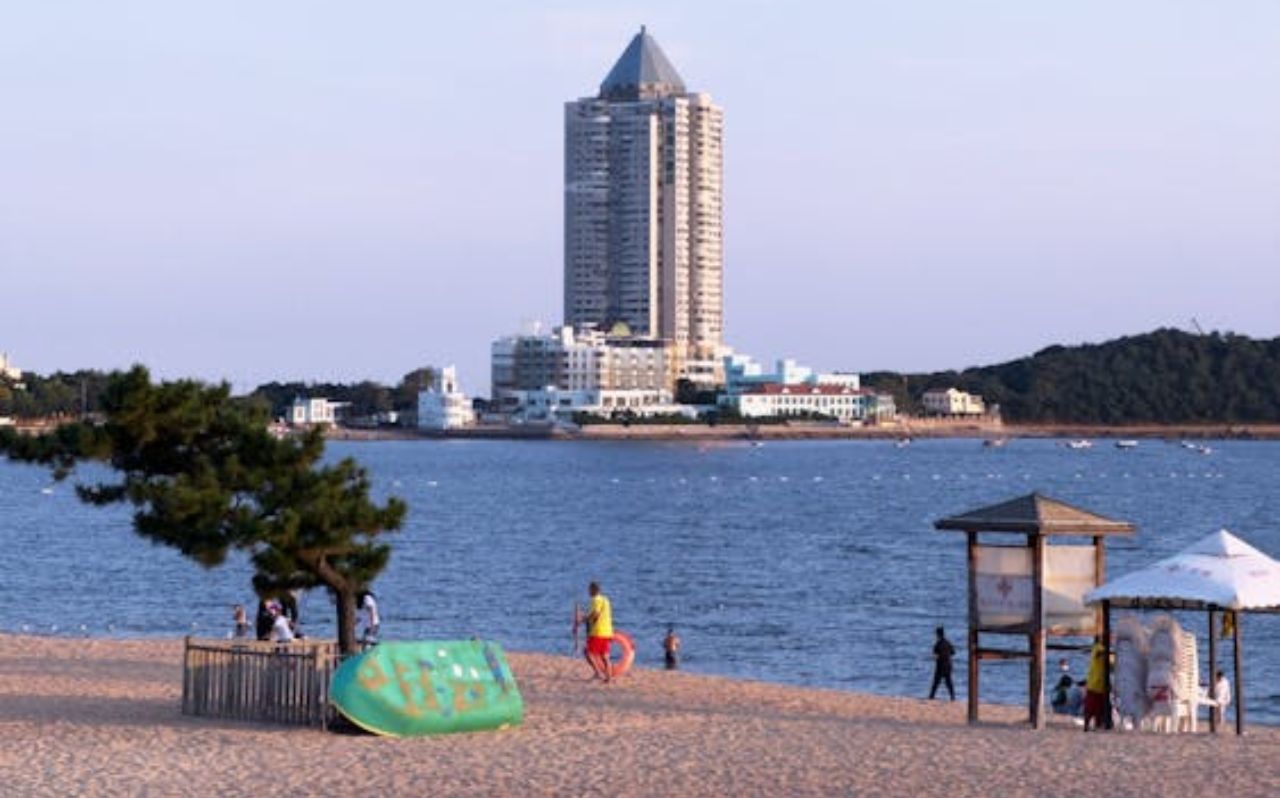
Tucked beneath a highway overpass, Naminoue Beach is compact but convenient.
It offers:
Designated swim areas during season
Basic facilities
Easy access from central Naha
It may not be the island’s most scenic beach, but it is often the first contact with Okinawa’s coastline.
After swimming, you can walk to restaurants or explore Kokusai-dori in the evening.
The transition from sand to street takes less than 15 minutes.
3. Chatan and Okinawa’s Sunset Coast
Driving north from Naha, the coastline opens.
The sea becomes more visible. The horizon widens. The atmosphere relaxes.
Araha Beach
Araha Beach offers a longer stretch of sand and a gentler shoreline.
It is known for:
Open walking paths
Calm water for casual swimming
Space to spread out
This is a comfortable beach — not dramatic, but easy.
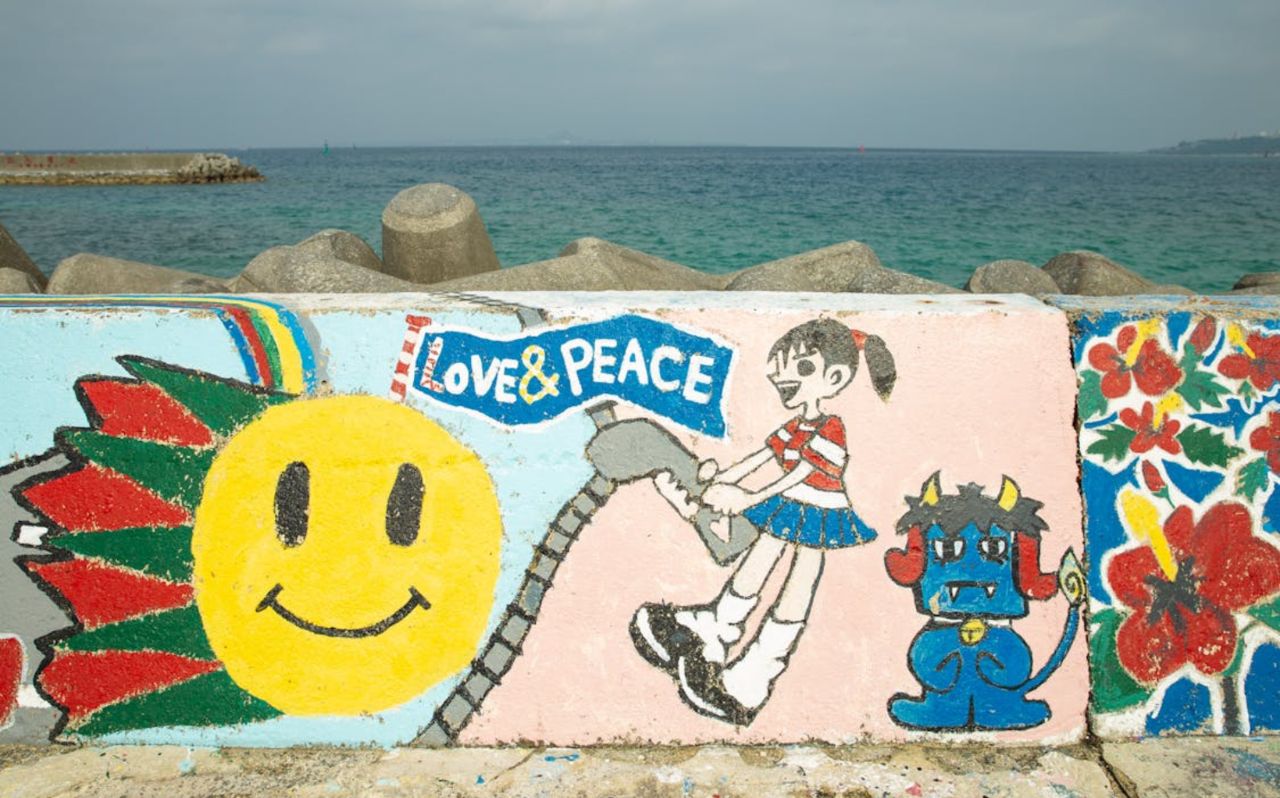
Sunset Along the Waterfront
Chatan’s west-facing orientation makes it ideal for sunset viewing. As the sun lowers, the sky shifts from gold to pink, reflected across the water.
This area balances beach time with cafés and restaurants nearby.
You can swim in the afternoon and have dinner within walking distance.
4. Motobu and Emerald Waters in the North
As you continue north, development thins out and the sea often appears brighter.
Emerald Beach
Located within Ocean Expo Park near Motobu, Emerald Beach is structured and maintained.
It offers:
Clear water
Divided zones for swimming and relaxation
Wide, open views
Because it sits in the north, the surrounding environment feels less dense than central Okinawa.
The horizon stretches further. Buildings are fewer.
Marine Context
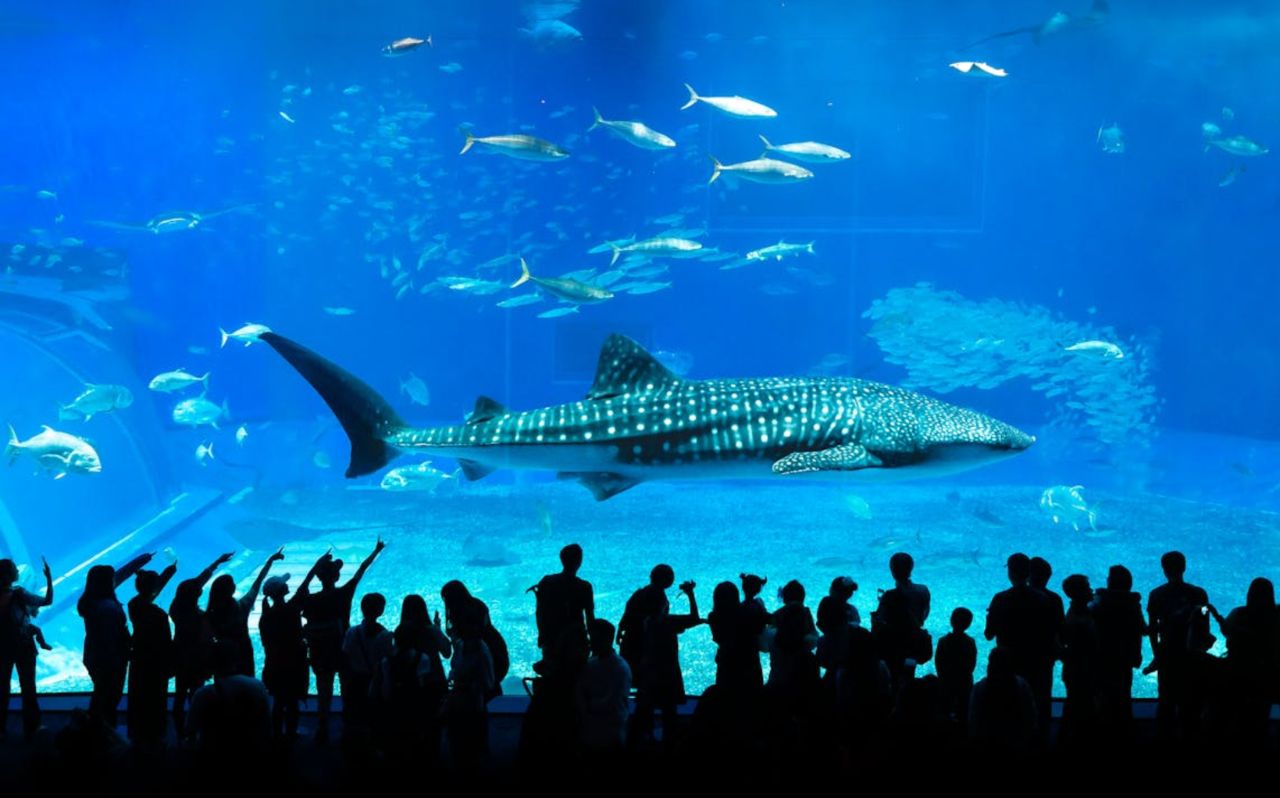
Nearby, the Okinawa Churaumi Aquarium showcases the marine ecosystem that surrounds the island. Whale sharks and coral habitats reinforce that Okinawa’s beaches are part of a larger ecological system.
Northern Okinawa is less about nightlife and more about space and clarity.
5. Onna Village and the Blue Cave
Onna Village sits along the west coast between Chatan and Motobu.
Here, limestone cliffs frame sections of shoreline, and marine activity becomes more visible.
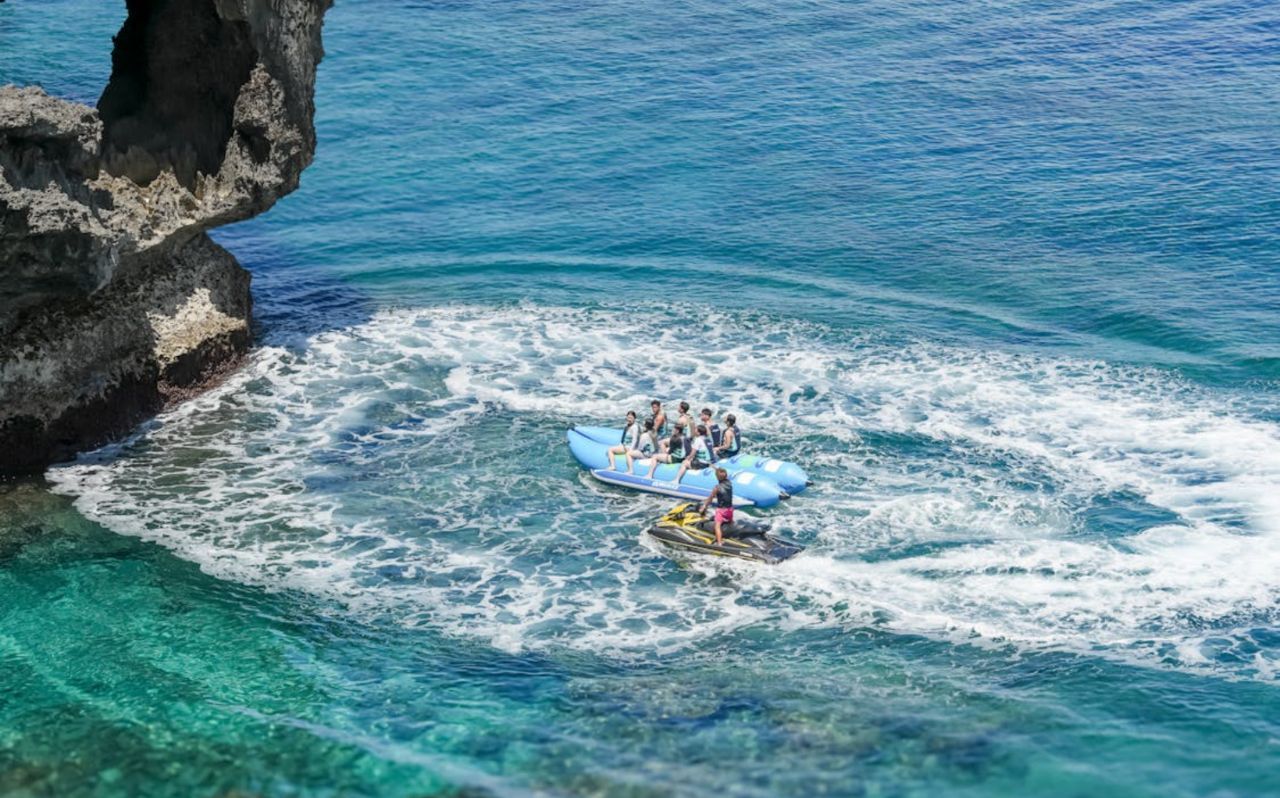
Cape Maeda and the Blue Cave
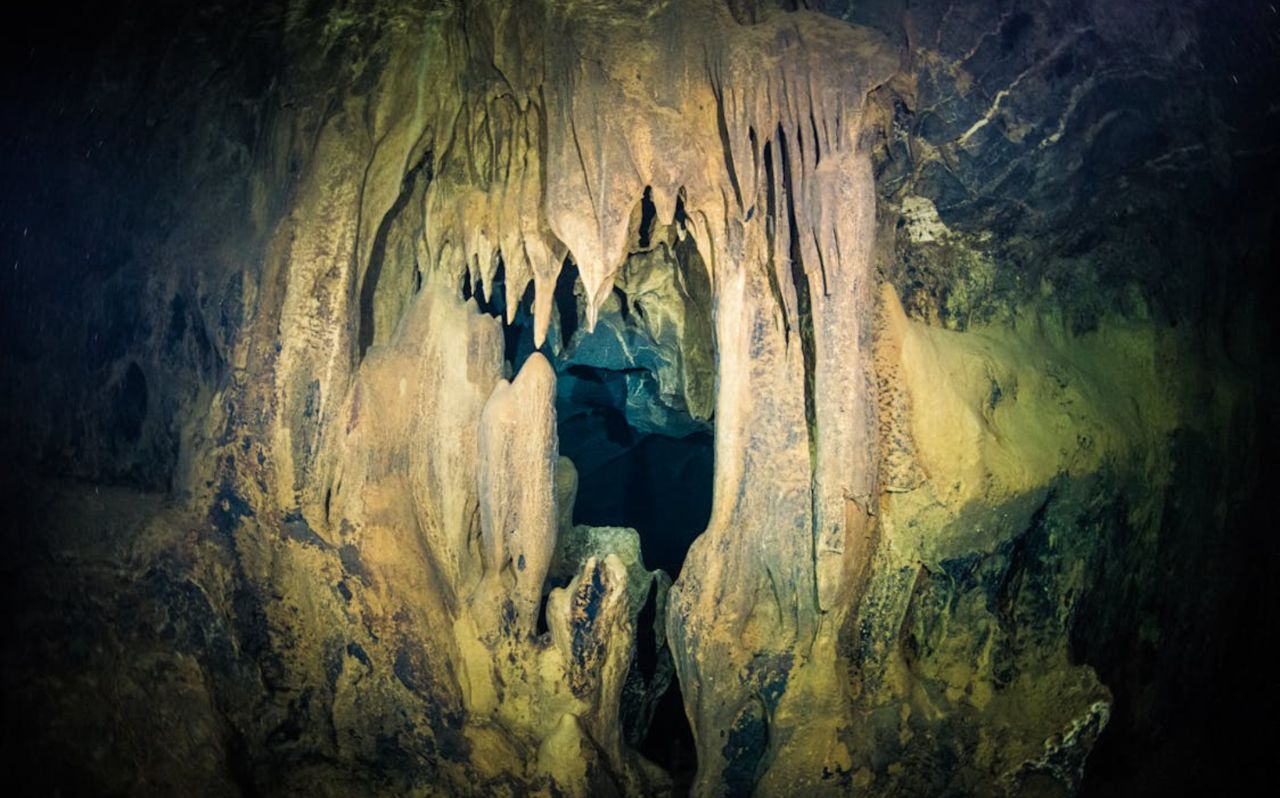
The Blue Cave is one of Okinawa’s most famous snorkeling locations.
Inside the cave, sunlight reflects through the water, creating a luminous blue glow.
Visitors typically:
Join guided snorkeling tours
Descend stairs from the cliff to the water
Visit in the morning for calmer conditions
The surrounding waters host small tropical fish and coral formations.
Onna combines activity and comfort. Resort beaches nearby provide structured swimming zones and equipment rental.
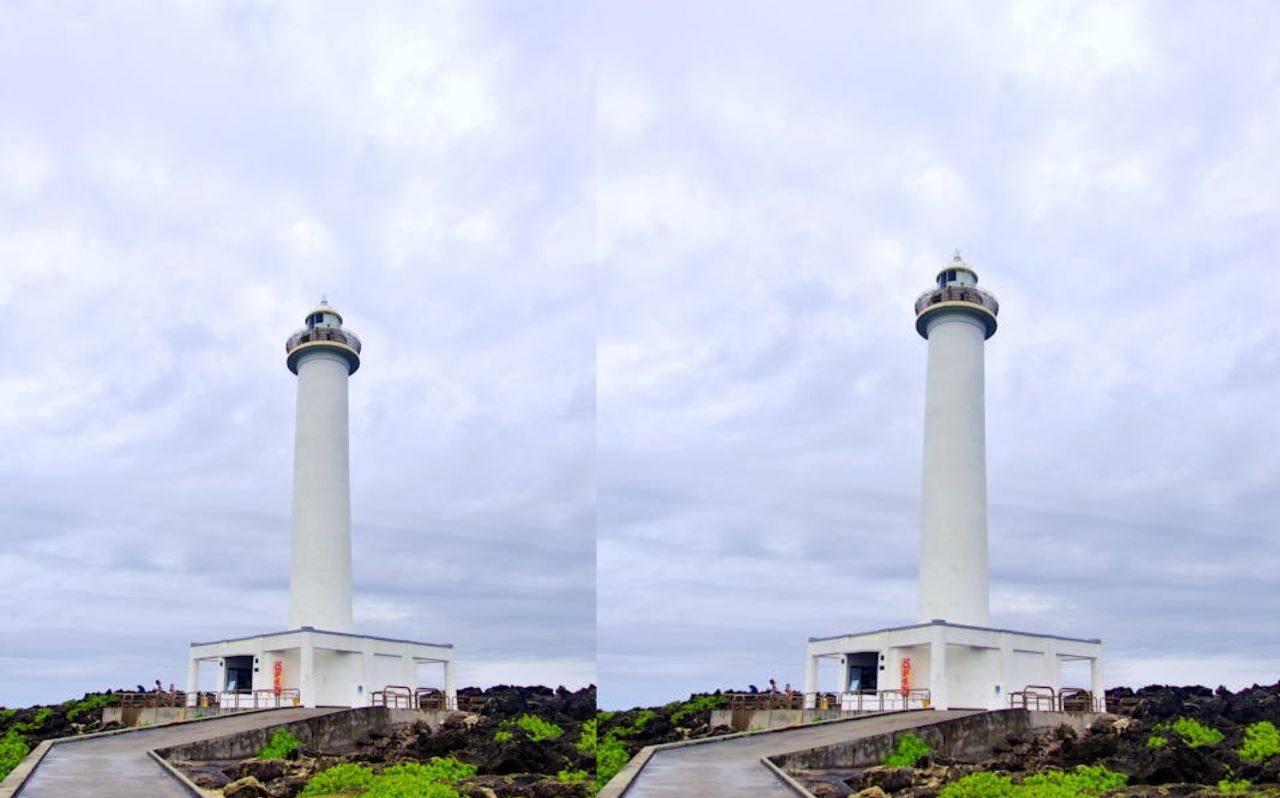
6. Southern Okinawa’s Dramatic Coastline
Beyond swimming beaches, southern Okinawa offers elevation.
In Nanjo, the coastline rises into cliffs overlooking the Pacific.
This region is less about long beach days and more about perspective.
You stand above the sea rather than inside it.
Scenic drives and elevated viewpoints provide wide ocean views that contrast with the west coast’s swim zones.
7. Coastal Ruins and Elevated Sea Views
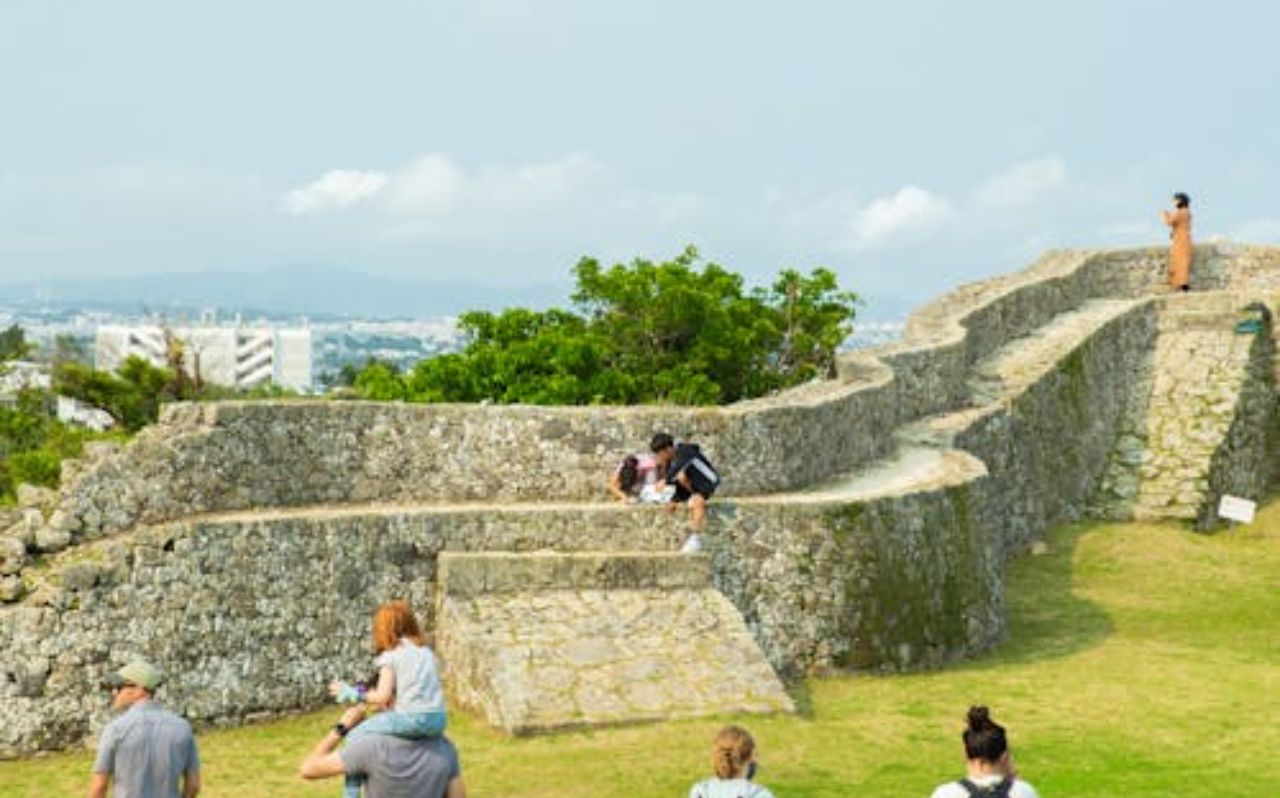
Several Ryukyu-era castle ruins sit on hills overlooking the ocean.
Nakagusuku Castle, for example, features curved limestone walls that follow the terrain.
From the top, the coastline stretches outward.
Visiting an elevated ruin after days at sea level changes the narrative.
Okinawa becomes more than beaches.
It becomes maritime geography shaped by history.
8. Adventure Along the Shore
Okinawa’s clear water and warm climate make marine activities accessible.
Popular options include:
Snorkeling near coral shelves
Stand-up paddleboarding in calm west coast areas
Jet ski and inflatable rides near resort beaches
For beginners, snorkeling remains the most approachable.
Water clarity near Onna and parts of the north allows even shallow exploration to feel immersive.
But even active days require movement.
And movement introduces practical realities.
9. Planning Your Beach Days
Okinawa looks compact on a map, but travel time adds up.
Driving from Naha to northern beaches can take around two hours. Public buses connect major towns but are less flexible for beach hopping.
For multi-region exploration, renting a car is often the simplest solution.
Weather also plays a role.
Wind direction can affect snorkeling visibility. Tide levels influence reef access. Typhoons occasionally disrupt plans during storm season.
Flexibility improves the experience.
Instead of packing every beach into one trip, many travelers structure their days by region:
South for arrival and city access
West coast for sunset and snorkeling
North for clarity and space
Balanced pacing prevents long return drives after sunset.
10. Where Public WiFi Falls Short
In central Naha, connectivity is easy.
The airport offers WiFi. Hotels provide stable networks. Urban cafés usually share passwords.
But Okinawa’s coastline extends far beyond city infrastructure.
Most public beaches do not provide open WiFi. Scenic viewpoints, castle ruins, and remote coastal roads often lack reliable access.
Between regions, you may encounter:
Weaker signal in hilly terrain
Limited facilities at cliffside stops
No public networks at smaller beaches
Beach days are not about screens.
But practical moments still depend on access:
Confirming snorkeling tour meeting points
Checking wind conditions
Navigating to less obvious entrances
Translating menus in smaller coastal towns
For travelers moving between Naha, Onna, and the northern coast within a short trip, having stable mobile access can reduce friction during transitions.
If you are planning multiple beach regions, you can review options for a Japan travel eSIM here!
Not as the focus of the trip — simply as quiet support behind it.
11. A Balanced 4-Day Coastal Structure
To avoid rushing, consider this pacing:
Day 1: Naha arrival and Naminoue Beach
Day 2: Chatan and sunset coast
Day 3: Northern clarity in Motobu
Day 4: Onna Village snorkeling
Optional Day 5 can include Nanjo’s cliffs and historic ruins.
This structure reduces backtracking and allows each coastal zone to feel distinct.
12. Final Thoughts
Okinawa is not defined by one iconic shoreline.
It is shaped by transitions.
Urban harbor to open west coast.
Structured swim zones to coral shelves.
Underwater caves to elevated stone ruins.
Sunset promenades to quiet sea cliffs.
The island rewards movement, but it also rewards restraint.
Instead of chasing every beach, choose regions that match your pace.
Let the sea define the rhythm.
And allow space between destinations — because in Okinawa, the coastline itself is the experience.
13. FAQs
When is the best time to visit Okinawa for beach weather?
The main beach season runs from May to October. July and August offer the sunniest conditions, though they also fall within typhoon season.
Are Okinawa beaches safe for swimming?
Most public beaches have designated swim zones, lifeguards during peak season, and protective jellyfish nets. Always check local signage before entering the water.
Do I need a car to explore Okinawa beaches?
Yes. While buses connect major towns, reaching northern beaches, Onna’s snorkeling spots, and scenic coastal viewpoints is much easier with a rental car.
Are Okinawa beaches free to enter?
Most natural beaches are free. Some resort-managed beaches may charge facility fees for showers, parking, or equipment use.
Which area of Okinawa has the clearest water?
Northern Okinawa and the Onna coastline are known for brighter turquoise water and better snorkeling visibility compared to urban beaches near Naha.
Can I swim in Okinawa during winter?
Yes, though water temperatures are cooler. Wetsuits are recommended for extended snorkeling or diving between December and March.
What should I bring to Okinawa beaches?
Swimwear, sunscreen, and water shoes are recommended, as some beaches have coral fragments and rocky sections near shore.
Are beaches in Okinawa public or private?
Legally, most beaches are public. However, access to certain resort-front beaches may require passing through private property or paying facility fees.
Is snorkeling better with a guided tour?
For shallow reef areas near shore, independent snorkeling is possible. Guided tours are safer for cave access and deeper coral zones.
How reliable is mobile signal along Okinawa’s coast?
Urban areas like Naha have stable connectivity. In remote northern or cliffside regions, signal strength may vary depending on terrain.

Hi! Mình là Lala Wren, một content creator yêu xê dịch và đam mê chia sẻ trải nghiệm thực tế cho cộng đồng Gohub. Trong nhiều năm qua, mình đã đặt chân đến Thái Lan, Hàn Quốc, Nhật Bản, Singapore, Malaysia, Bali và nhiều điểm đến thú vị khác trên khắp châu Á. Cùng mình tìm hiểu tất tần tật từ khâu chuẩn bị eSIM, Visa, lịch trình và địa điểm nổi bật cho chuyến đi sắp tới của bạn nhé!
View all articles →Related articles

Free eSIM Trial USA 2026: T-Mobile vs Verizon vs AT&T vs Visible
Compare every free eSIM trial from US carriers in 2026 — T-Mobile 30 days, Verizon 100GB, AT&T 25GB hotspot, Visible 15 days. Plus: what travelers visiting the US should use instead.

Best Free eSIM Trials in 2026: Every Active Offer Compared (No Credit Card)
Looking for a free eSIM trial in 2026? Compare all active offers — Gohub 300MB, Nomad 1GB, GigSky 100MB, Eskimo 250MB, SimLocal 500MB — no credit card needed. Updated March 2026.

Things to Do in Almaty: City Highlights, Mountain Escapes & Best Day Trips (1–3 Days)
Things to do in Almaty: top city highlights, mountain escapes, best day trips, food spots, and winter ideas—plus 1–3 day itineraries for first-timers.

Things to Do in Kyrgyzstan: Horse Trekking, Horseback Tours, Skiing, Yurts, & Epic Nature Spots
Things to do in Kyrgyzstan: Song-Köl horse treks, yurt stays, Karakol skiing, Ala Archa day hikes, plus seasons, safety, and booking tips.

Serbia Travel Guide for First-Time Visitors (2026 Update)
A practical Serbia travel guide covering safety, transport, regions, and real connectivity tips for first-time visitors in 2026.
Serbia Itinerary for 7 Days: How to Plan Cities and Nature Without Rushing
Plan a realistic Serbia itinerary for 7 days, covering Belgrade, Novi Sad, Tara National Park, and the Danube Gorge with practical travel advice.