

Cities in Romania: How to Choose the Right Base for Your First Trip


1. Introduction: Why Choosing a City in Romania Feels Harder Than It Looks
For many first-time visitors, choosing a city in Romania is the first real decision that shapes the entire trip.
Romania is not built around one dominant tourist hub. Instead, it offers a mix of medium-sized cities, historic towns, mountain regions, and rural landscapes. Travelers often search for romania cities to visit or the best city to stay in Romania, hoping for a simple answer. What they usually find is a long list without much context.
The reality is more nuanced.
Distances between regions can be longer than expected. Train travel across the country is scenic but not always fast. Mountain areas change the pace of travel. Some cities are compact and walkable. Others require more planning.
Understanding how each city in Romania functions as a travel base helps reduce unnecessary stress. It also helps travelers avoid overpacking their itinerary in the first few days.
This guide explains how to choose the right starting point, what each major city offers, and what practical travel logistics look like once you arrive.
TL;DR
Choosing a city in Romania is not just about attractions. It affects travel time, pace, and daily logistics.
Bucharest is the easiest starting point due to airport access and transport links.
Brasov and Transylvania offer scenic landscapes but require slower planning.
Cluj-Napoca suits longer urban stays, while Sibiu works well for compact cultural trips.
WiFi is common in cities, but rural travel and intercity transfers may require more reliable mobile data.
2. Why Choosing a City in Romania Can Feel Overwhelming
Romania’s map does not immediately reveal how different its regions feel in practice.
Many first-time travelers assume they can combine Bucharest, Transylvania, and several small towns within a few days. On paper, distances look manageable. In reality, travel times can be longer due to mountain routes and slower rail connections.
Another common misunderstanding relates to geography. Bucharest sits in the south, close to the Black Sea coast and Bulgaria. Brasov and much of Transylvania lie several hours north, surrounded by the Carpathian Mountains. Cluj-Napoca is even farther west. Sibiu sits between them, often acting as a cultural bridge.
Travelers also underestimate arrival logistics. Most international flights land at Henri Coandă International Airport in Bucharest. From there, onward travel requires planning. That first transfer sets the tone for the trip.
Because of this, choosing a city in Romania is not just about attractions. It is about pace, transport connections, and how comfortable you feel navigating between regions.
3. Bucharest: The Most Common Starting Point
For many visitors, Bucharest travel begins the moment they land at Henri Coandă International Airport.
As the capital, Bucharest offers the largest selection of accommodation, transport links, and cultural institutions. The Old Town is compact and walkable. Major landmarks such as the Palace of the Parliament and Herăstrău Park are easily accessible.
Bucharest works well for:
Short city-focused trips
Travelers arriving late at night
Those who prefer a major transport hub
It may feel less suitable for travelers who want immediate access to mountain scenery or medieval town centers.
In practical terms, the city is relatively easy to navigate. Ride-hailing apps operate widely. Public transport is affordable. Cafés and hotels typically provide WiFi. Navigation tools are commonly used to move between neighborhoods.
For first-time visitors unsure where to begin, Bucharest offers a structured starting point. It reduces uncertainty during the first 48 hours and allows time to adjust before heading into other regions.

4. Brasov and Transylvania: Scenic and Slower
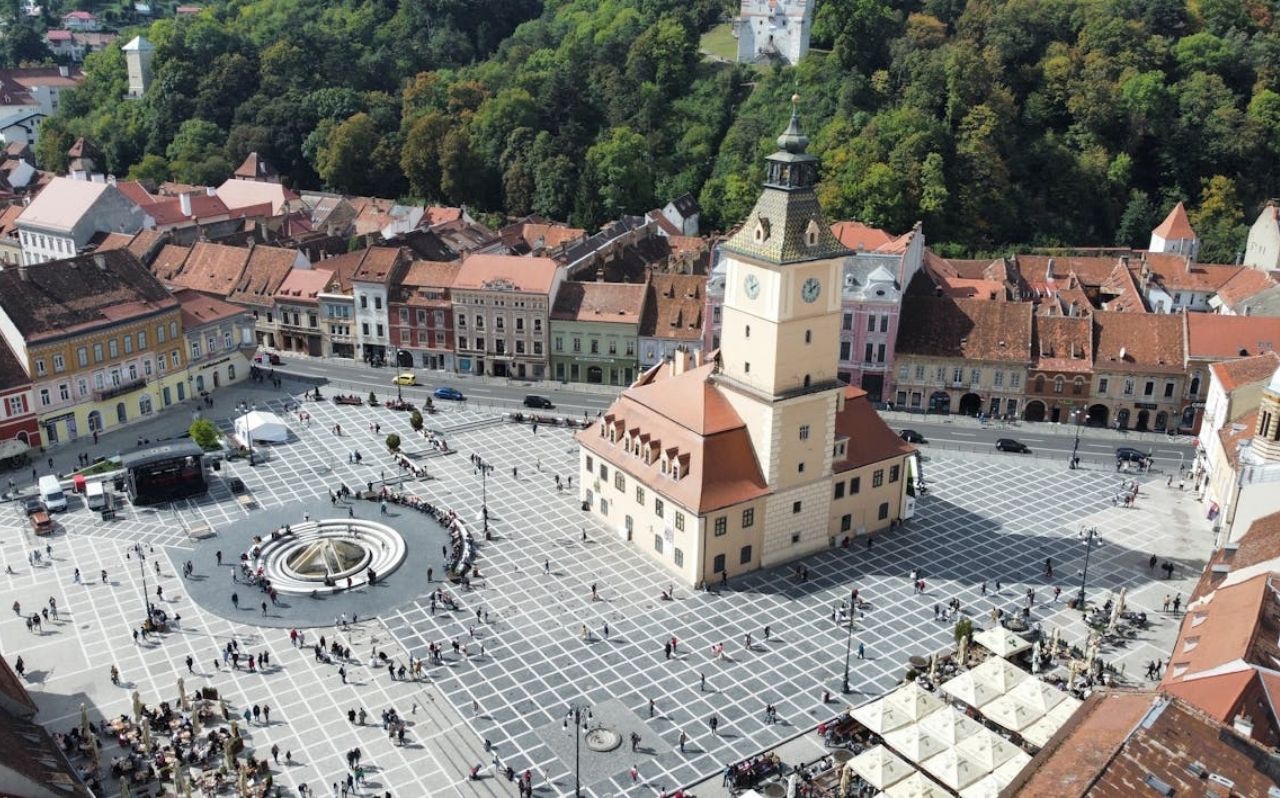
Brasov, Romania, is often the gateway to Transylvania. The city sits near forested mountains and within reach of Bran Castle and other historic sites.
Many travelers are drawn to this region for its atmosphere. Cobblestone streets, medieval squares, and access to hiking routes create a slower rhythm. The nearby Dacian fortresses, some dating back thousands of years, add historical depth to the landscape.
Brasov works well for:
Travelers seeking a balanced mix of town and nature
Short excursions into mountain areas
Visitors interested in castles and fortified churches
However, moving between small towns in Transylvania requires more coordination. Train routes exist, but frequency can be limited. Car travel offers flexibility but involves mountain roads.
The region rewards travelers who plan carefully and accept a slower pace. It is less about ticking off landmarks and more about absorbing the setting.
5. Cluj-Napoca: Urban Energy Without the Capital
Cluj-Napoca travel appeals to visitors who want a youthful, creative atmosphere without the scale of Bucharest.
The city is known for its universities, festivals, and growing tech scene. Cafés, cultural events, and pedestrian-friendly streets make it comfortable for longer stays. Many travelers describe it as modern yet still distinctly Romanian.
Cluj works well for:
Digital nomads
Longer stays
Travelers interested in contemporary culture
Transport connections from Cluj to other regions can require planning. It sits farther west, which means reaching Bucharest or the southern regions involves several hours of travel.
The city itself is easy to navigate on foot. Central areas are compact. WiFi is common in public spaces. Urban infrastructure supports remote work and extended visits.
For travelers deciding between capitals and smaller towns, Cluj offers a middle ground.

6. Sibiu and Romania’s Cultural Cities
Sibiu, Romania, provides a different experience. The old town is compact and visually distinctive, with pastel buildings and narrow lanes.
Sibiu works well for:
Short cultural stays
Travelers focused on architecture and museums
Those who prefer smaller, walkable centers
Romania’s culture is often expressed through regional food traditions and seasonal festivals. Traditional Romanian desserts, such as papanași, appear frequently in local cafés. Exploring these food traditions becomes part of understanding the broader cultural context.
Because Sibiu is smaller, it can feel easier to manage than larger cities. However, onward travel still requires coordination. Intercity trains may take longer than expected. Planning departure times becomes important when connecting between regions.
For visitors who want a calm base with strong character, Sibiu often feels approachable and manageable.

7. What Mobile Data and WiFi Are Really Like in Romania
In major city centers, WiFi in Romania is generally available in hotels, cafés, and public areas. Urban internet infrastructure is relatively strong compared to many European destinations.
However, travel rarely stays within city limits.
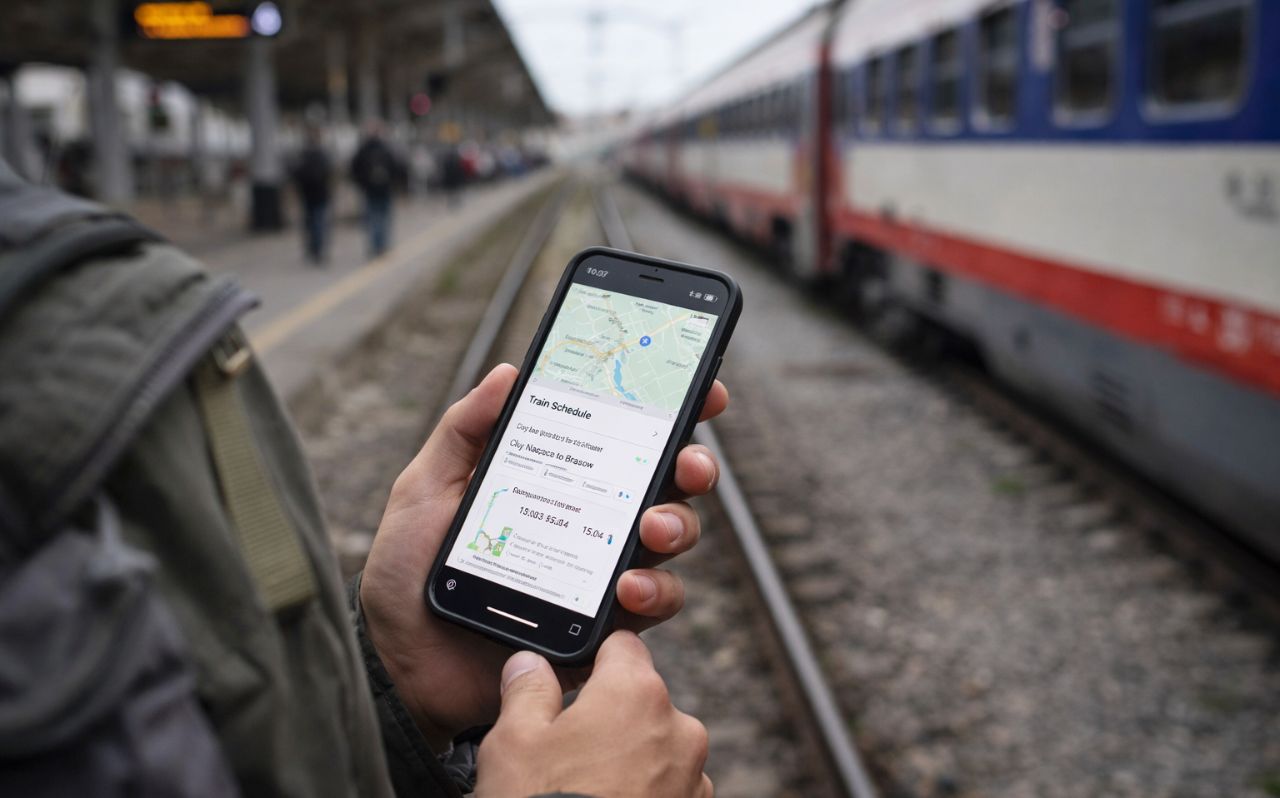
During intercity train journeys, signal strength can fluctuate. Rural areas in Romania may experience weaker coverage, especially in mountain corridors. Travelers relying on navigation tools sometimes notice temporary gaps.
Common real-life scenarios include:
Using maps to find a rural guesthouse
Checking train platforms shortly before departure
Translating menus in smaller towns
Requesting ride-hailing services late at night
Mobile data in Romania becomes particularly relevant during transfers. Arrival at the airport is one example. After landing in Bucharest, many travelers arrange onward trains or car pickups. Access to real-time information reduces uncertainty.
Roaming in Romania depends on your home provider. Travelers from EU countries often benefit from roaming agreements. Visitors from outside the EU may face higher charges if relying solely on international plans.
In practice, most issues arise not in city centers but during movement between regions. Mountain roads, countryside routes, and long train segments are where connectivity feels less predictable.
Understanding this helps travelers prepare calmly rather than reacting to unexpected gaps.
8. When a More Reliable Setup Makes Sense
Short city breaks may not require extensive planning. Many travelers manage with hotel WiFi and occasional roaming.
However, multi-city trips often involve longer transfers and rural stops. In these situations, having continuous access to maps, booking confirmations, and translation tools reduces stress.
In situations like this, having a reliable travel eSIM for Romania can help travelers stay connected across cities and during intercity journeys.
Planning connectivity in advance is less about convenience and more about maintaining flexibility when travel plans shift.
9. FAQ
What is the best city in Romania for first-time travelers?
There is no single answer. Bucharest offers structure and transport connections. Brasov provides scenic surroundings. Cluj-Napoca balances urban life with cultural depth. The right choice depends on travel style and pace.
Is Bucharest enough for a full Romania trip?
Bucharest works well for a short stay. However, many travelers choose to combine it with Transylvania or another region to experience different landscapes and historical contexts.
Is WiFi reliable in Romania?
In major cities, WiFi is commonly available in hotels and cafés. Coverage may be less predictable during rural travel or on long train routes.
Do I need mobile data when traveling between cities?
Mobile data is often useful during transfers. It helps with navigation, ticket confirmations, and last-minute schedule changes.
Does Romania have good internet coverage in rural areas?
Urban coverage is generally strong. Rural and mountainous areas may experience weaker or inconsistent signal depending on location.
Choosing the right city in Romania shapes the rhythm of the entire journey. By understanding geography, pace, and practical logistics, first-time travelers can build an itinerary that feels balanced rather than rushed.
Final Thought
Choosing a city in Romania is less about finding a “top” destination and more about choosing the right rhythm for your trip.
Some travelers prefer the structure of a capital city. Others feel more comfortable in smaller towns surrounded by mountains. What matters most is understanding how distance, transport, and daily logistics shape the experience once you arrive.
Romania rewards travelers who plan realistically. When the base city matches your pace and expectations, the rest of the journey tends to unfold more smoothly.

Hi! Mình là Lala Wren, một content creator yêu xê dịch và đam mê chia sẻ trải nghiệm thực tế cho cộng đồng Gohub. Trong nhiều năm qua, mình đã đặt chân đến Thái Lan, Hàn Quốc, Nhật Bản, Singapore, Malaysia, Bali và nhiều điểm đến thú vị khác trên khắp châu Á. Cùng mình tìm hiểu tất tần tật từ khâu chuẩn bị eSIM, Visa, lịch trình và địa điểm nổi bật cho chuyến đi sắp tới của bạn nhé!
View all articles →Related articles

Free eSIM Trial USA 2026: T-Mobile vs Verizon vs AT&T vs Visible
Compare every free eSIM trial from US carriers in 2026 — T-Mobile 30 days, Verizon 100GB, AT&T 25GB hotspot, Visible 15 days. Plus: what travelers visiting the US should use instead.

Best Free eSIM Trials in 2026: Every Active Offer Compared (No Credit Card)
Looking for a free eSIM trial in 2026? Compare all active offers — Gohub 300MB, Nomad 1GB, GigSky 100MB, Eskimo 250MB, SimLocal 500MB — no credit card needed. Updated March 2026.

Things to Do in Almaty: City Highlights, Mountain Escapes & Best Day Trips (1–3 Days)
Things to do in Almaty: top city highlights, mountain escapes, best day trips, food spots, and winter ideas—plus 1–3 day itineraries for first-timers.
Things to Do in Kyrgyzstan: Horse Trekking, Horseback Tours, Skiing, Yurts, & Epic Nature Spots
Things to do in Kyrgyzstan: Song-Köl horse treks, yurt stays, Karakol skiing, Ala Archa day hikes, plus seasons, safety, and booking tips.
Serbia Travel Guide for First-Time Visitors (2026 Update)
A practical Serbia travel guide covering safety, transport, regions, and real connectivity tips for first-time visitors in 2026.
Serbia Itinerary for 7 Days: How to Plan Cities and Nature Without Rushing
Plan a realistic Serbia itinerary for 7 days, covering Belgrade, Novi Sad, Tara National Park, and the Danube Gorge with practical travel advice.