

Wild, Affordable, Uncrowded: The Best Places to Visit in Uganda

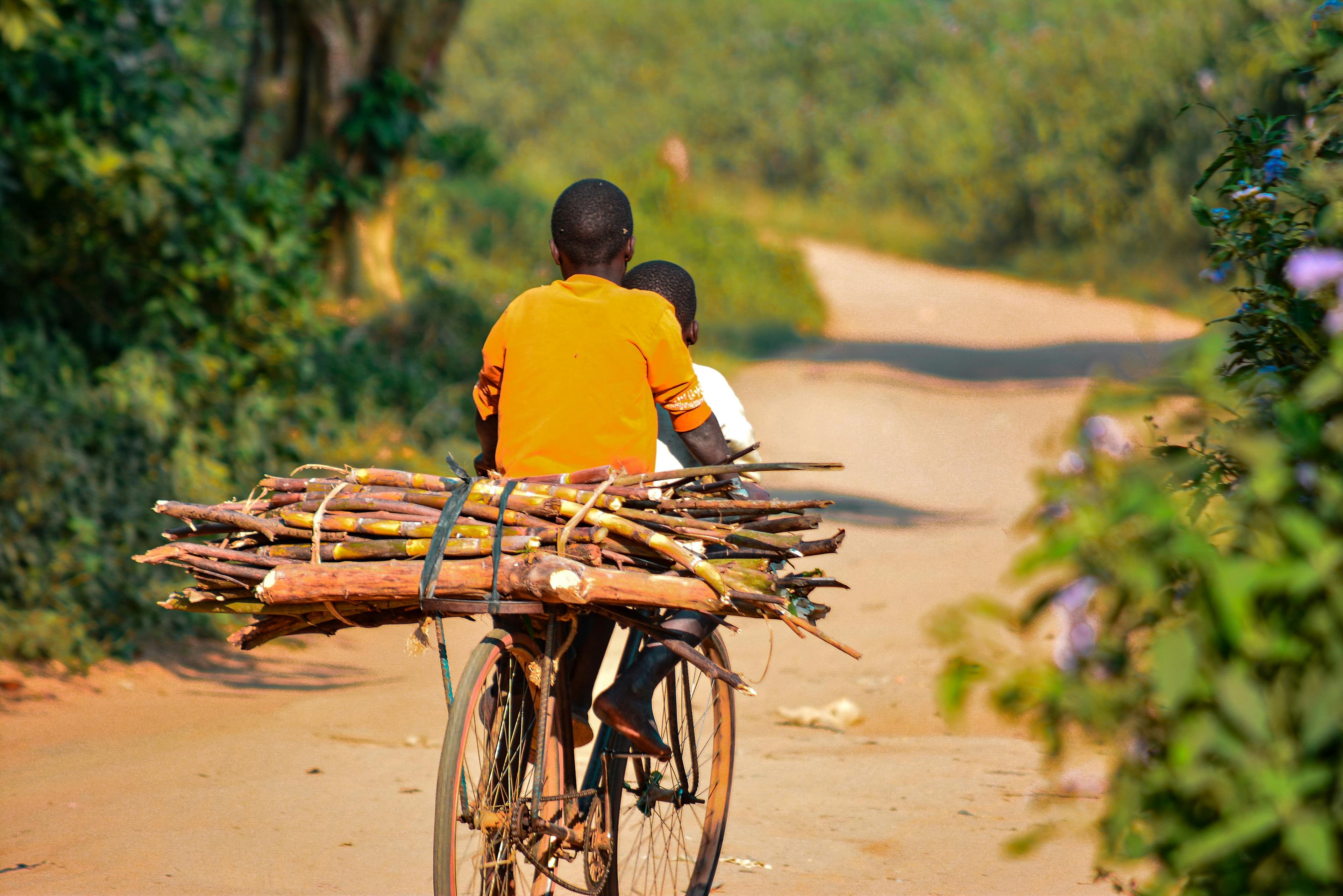
Uganda isn’t loud about its beauty — and that’s exactly why it surprises so many travelers. Wild, affordable, and still largely uncrowded, this East African country offers some of the most rewarding travel experiences on the continent without the mass tourism found elsewhere.
If you’re searching for the best places to visit in Uganda, you’ll find a rare combination: mountain gorilla trekking in dense rainforest, classic safaris with lions and elephants, powerful waterfalls on the Nile, and quiet lakeside escapes — all within one compact route. Uganda is also considered one of the safer countries to travel in Africa, with stable governance and well-managed national parks that cater to international visitors.
In this guide, we’ll explore the best places to visit in Uganda, why each one stands out, and how to plan a trip that feels authentic, unhurried, and deeply memorable.
Planning a multi-country trip? You might also be interested in our Best eSIMs for Africa to stay connected on the road.
I. Why Uganda Is One of Africa’s Most Underrated Destinations
Uganda often flies under the radar when travelers plan an African trip, and that’s part of its appeal. While neighboring countries like Kenya and Tanzania are well-established on the safari circuit, Uganda remains quieter, less commercialized, and more flexible for independent travelers.
One of the biggest reasons is value. Uganda offers experiences that are globally rare — such as mountain gorilla and chimpanzee trekking — at a significantly lower cost than alternatives in Rwanda. This makes once-in-a-lifetime wildlife encounters more accessible without sacrificing quality or conservation standards.
Uganda also stands out for its diversity within a compact geography. In a single trip, travelers can track gorillas in dense rainforest, spot lions and elephants on classic savannah game drives, cruise the Nile to a thundering waterfall, and unwind by a cool, misty lake. Long internal flights are rarely necessary, which keeps itineraries simpler and more affordable.
Finally, many travelers describe Uganda as feeling more authentic and personal. Lodges are smaller, parks are less crowded, and interactions with guides and local communities often feel less scripted. For people who value depth over polish, Uganda delivers an experience that feels closer to the Africa they imagined.
In the next section, we’ll break down the best places to visit in Uganda, starting with the destinations that consistently leave the strongest impression on first-time visitors.
Don’t forget your Uganda e-Visa and Yellow Fever vaccination before flying in.
II. Best Places to Visit in Uganda
Uganda rewards travelers who choose destinations with intention. Rather than rushing across the country, most visitors focus on a small number of regions that combine wildlife, scenery, and cultural depth. Below are the best places to visit in Uganda, starting with the country’s most iconic experience.
2.1. Bwindi Impenetrable National Park (Mountain Gorilla Trekking)
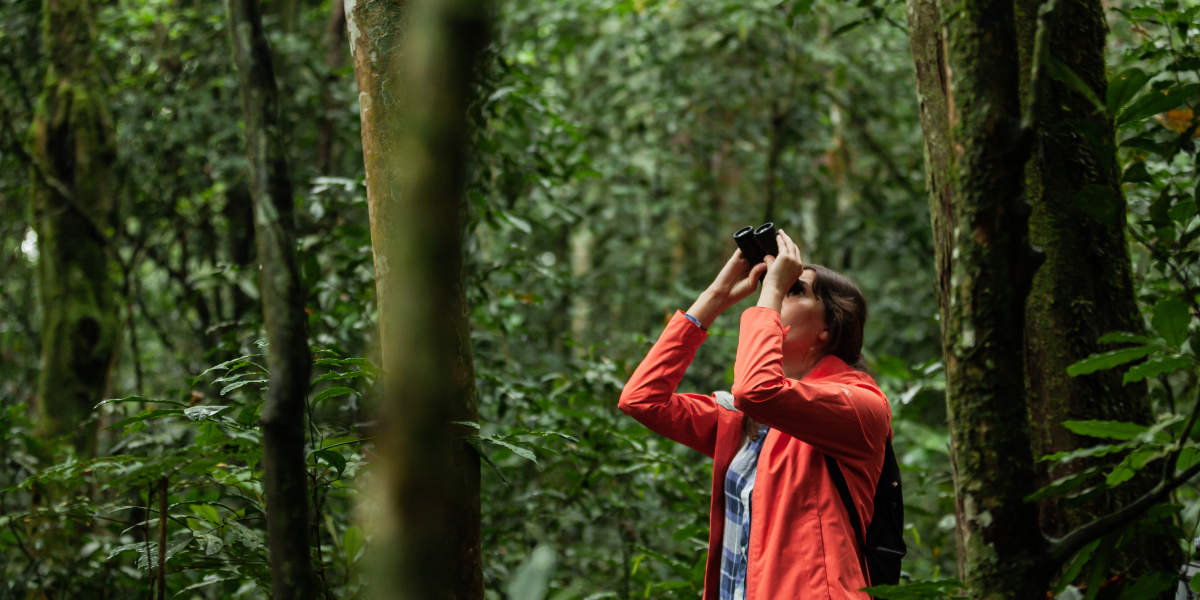
Bwindi Impenetrable National Park is the top reason many travelers choose Uganda. Home to nearly half of the world’s remaining mountain gorillas, Bwindi offers one of the most powerful wildlife experiences on the planet. Gorilla trekking here takes place in dense rainforest, guided by experienced rangers who track families daily. Treks can range from short, manageable hikes to more demanding climbs, depending on where the gorillas are located. While the physical effort can be challenging, the reward — spending time with a wild gorilla family — is unforgettable. Compared to Rwanda, Uganda’s gorilla permits are significantly more affordable, which is why Bwindi is frequently recommended on Reddit and travel forums as the best-value gorilla trekking destination in Africa. Best for: bucket-list travelers, wildlife lovers, first-time Africa visitors Best time to visit: June to September and December to February
Official permits available via Uganda Wildlife Authority
Want to capture the moment? Use this guide to track your eSIM data offline.
2.2. Queen Elizabeth National Park (Safaris and Scenic Diversity)
Queen Elizabeth National Park offers one of the most varied safari experiences in East Africa. The park combines open savannah, crater lakes, wetlands, and forested areas, supporting a wide range of wildlife. One of its highlights is the Kazinga Channel, where boat safaris bring travelers close to hippos, elephants, buffalo, and countless bird species. In the southern Ishasha sector, the park is famous for its tree-climbing lions, a rare behavior that consistently attracts attention on social media and YouTube travel vlogs. Queen Elizabeth is often paired with Bwindi, making it a natural choice for travelers who want to combine gorilla trekking with classic safari experiences in a single trip. Best for: balanced safaris, wildlife variety, first-time safari travelers Best time to visit: June to October
This park’s tree-climbing lions have even gone viral on YouTube! Looking to capture similar content? Here’s how to track and save eSIM data while offline.
2.3. Murchison Falls National Park (Uganda’s Most Dramatic Landscape)
Murchison Falls National Park is Uganda’s largest and most visually dramatic national park. Here, the Nile River is forced through a narrow gorge before plunging into a powerful waterfall — a sight that has become one of Uganda’s most shared visuals on TikTok and Instagram. Wildlife viewing in Murchison is equally rewarding. Game drives north of the Nile often reveal elephants, giraffes, lions, and antelope, while boat cruises along the river offer close encounters with hippos and crocodiles as you approach the base of the falls. Murchison Falls works especially well for first-time visitors because it combines strong wildlife sightings with iconic scenery and a clear sense of scale. Best for: dramatic landscapes, safari + river cruises, first-time visitors Best time to visit: December to February and June to September
Love dramatic landscapes? Pair Murchison with epic destinations in our Best Road Trips in Africa collection.
2.4. Kibale Forest National Park (Chimpanzee Trekking)
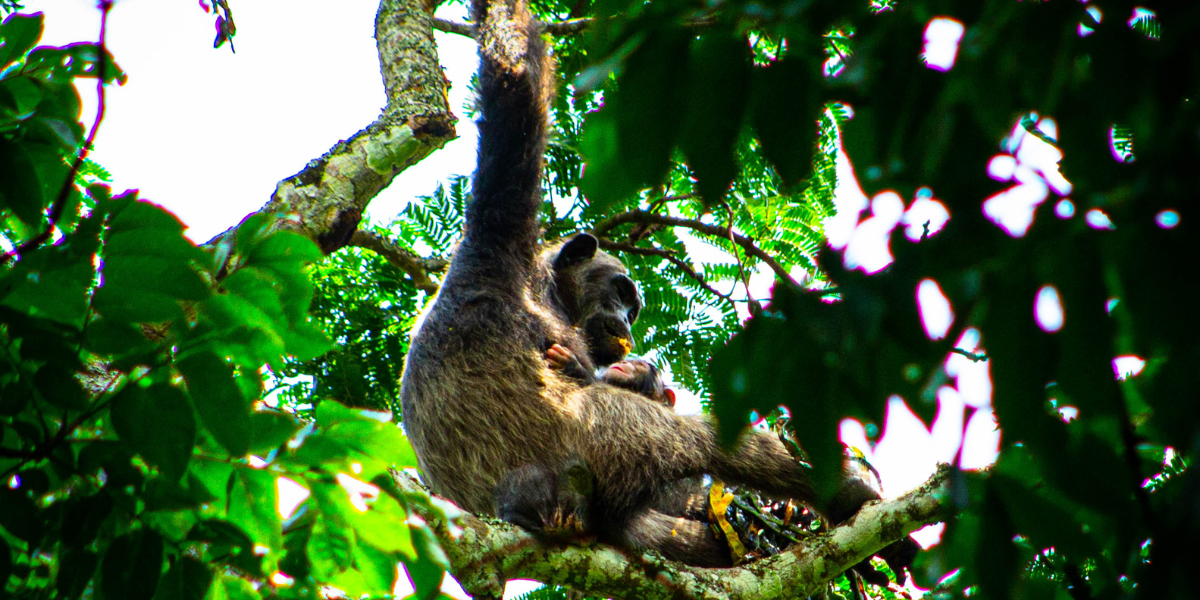
Kibale Forest National Park is widely considered the best place in Africa for chimpanzee trekking. The forest is home to a large, well-habituated chimp population, and sightings are frequent and energetic. Chimp trekking here feels very different from gorilla trekking. Chimps move fast, vocalize loudly, and interact constantly, creating a more dynamic and unpredictable experience. Treks are usually shorter and less physically demanding than those in Bwindi, making Kibale a good option for travelers who want a primate encounter without intense hiking. Kibale is often included in Uganda itineraries alongside Queen Elizabeth National Park, creating a strong combination of primates and savannah wildlife. Best for: primate lovers, photographers, first-time chimp trekking Best time to visit: June to September and December to February
2.5. Lake Bunyonyi (Quiet, Scenic Recovery Stop)
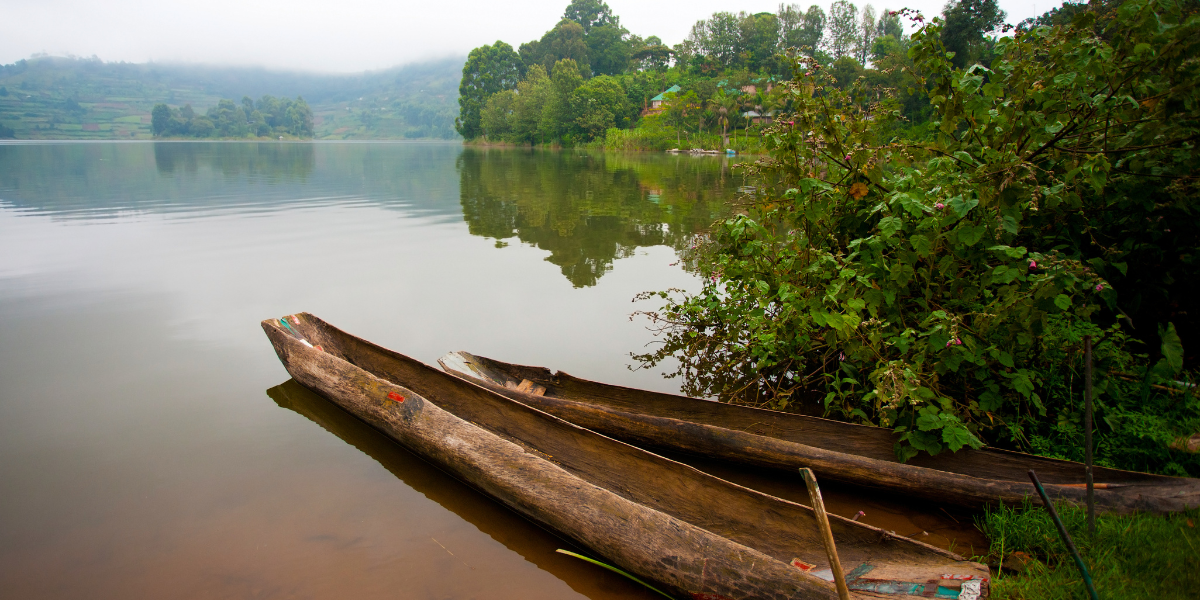
After the intensity of gorilla trekking, many travelers head to Lake Bunyonyi to slow down. Surrounded by rolling hills and dotted with small islands, it’s one of the most peaceful places in Uganda. The lake’s cooler climate and calm atmosphere make it ideal for rest days. Activities are simple and unhurried: canoeing, walking, swimming, and enjoying views over the water. Lake Bunyonyi is also frequently mentioned on Reddit and backpacker forums as one of the safest and most relaxing places to stay in the country. Best for: rest days, couples, slow travel Best time to visit: year-round
For more serene spots like this, see our roundup of the Best Places to Camp in the World.
2.6. Jinja (Adventure Capital of East Africa)
Jinja sits near the source of the Nile and is Uganda’s center for adventure travel. It’s best known for white-water rafting, which is often ranked among the best rafting experiences in the world. Beyond rafting, Jinja offers kayaking, bungee jumping, cycling, and a social atmosphere that attracts backpackers, digital nomads, and long-term travelers. Compared to Kampala, Jinja feels calmer, greener, and easier to navigate. Best for: adventure seekers, budget travelers, social travel Best time to visit: June to September and December to February
Adventure lovers also rated Queenstown, New Zealand and Jinja as must-visit adrenaline hubs. Combine both if you're doing a long-term trip!
2.7. Rwenzori Mountains (Mountains of the Moon)
The Rwenzori Mountains are one of Africa’s most challenging and rewarding trekking destinations. Known as the “Mountains of the Moon,” this range offers alpine scenery, glaciers, and unique vegetation unlike anywhere else on the continent. Trekking here requires good fitness, multiple days, and comfort with cold, wet conditions. Weather can be unpredictable, and routes are physically demanding. For experienced hikers, however, the Rwenzoris offer a rare chance to explore a high-altitude African landscape far from mainstream tourism. Best for: experienced trekkers, off-the-beaten-path travel Best time to visit: January to February and June to August
III. Best Places to Visit in Uganda by Travel Style
Uganda’s strength lies in how flexible it is. Whether you’re visiting Africa for the first time or returning for something deeper and quieter, you can shape an itinerary around your interests without feeling rushed.
3.1. Best Places to Visit in Uganda for First-Time Visitors
If this is your first trip to Uganda — or even your first time in Africa — these destinations offer the best balance of wildlife, infrastructure, and reliability.
Bwindi Impenetrable National Park for gorilla trekking
Queen Elizabeth National Park for classic safaris and boat cruises
Murchison Falls National Park for iconic scenery and wildlife
This combination delivers Uganda’s highlights while keeping travel logistics manageable.
3.2. Best Places to Visit in Uganda for Wildlife and Primate Lovers
Uganda is often called the primate capital of Africa, and these areas are the main reason why.
Bwindi Impenetrable National Park for mountain gorillas
Kibale Forest National Park for chimpanzees
Queen Elizabeth National Park for lions, elephants, and birds
Travelers who prioritize animals over luxury consistently rate this trio as the most rewarding.
3.3. Best Places to Visit in Uganda for Budget and Backpacker Travel
Uganda is one of the most affordable countries in East Africa, especially for travelers who prefer mid-range lodges or guesthouses.
Jinja for adventure activities and social hostels
Lake Bunyonyi for inexpensive, scenic accommodation
Queen Elizabeth National Park for good-value safari lodges
These areas are frequently recommended on Reddit and backpacker forums for stretching a travel budget without sacrificing experience.
3.4. Best Places to Visit in Uganda for Adventure and Off-the-Beaten-Path Travel
For travelers who want something less polished and more physically demanding, Uganda delivers.
Rwenzori Mountains for multi-day trekking
Northern Murchison Falls for quieter safari routes
Self-drive circuits through western Uganda
These experiences require more planning, but they offer a deeper sense of exploration and independence.
IV. How Many Days Do You Need in Uganda?
Uganda rewards travelers who move at a steady pace. While distances may look short on a map, road travel takes time, and many of the best experiences require early starts and full days. Choosing the right trip length helps avoid fatigue and improves wildlife encounters.
5–7 Days in Uganda (Focused Experience)
With one week, it’s best to focus on one core theme rather than trying to see everything. Good options include:
Gorilla trekking in Bwindi Impenetrable National Park with a short extension to Lake Bunyonyi
A safari-focused trip to Murchison Falls National Park
Chimp trekking in Kibale Forest combined with Queen Elizabeth National Park
This timeframe works well for travelers with limited vacation time or those adding Uganda to a longer Africa trip.
8–10 Days in Uganda (Classic Uganda Loop)
This is the most popular trip length and offers the best balance between variety and pace. A typical route includes:
Bwindi Impenetrable National Park (gorillas)
Queen Elizabeth National Park (safari and boat cruise)
Kibale Forest National Park (chimpanzees)
You’ll experience primates, classic safari wildlife, and varied landscapes without feeling rushed.
12–14 Days in Uganda (In-Depth Exploration)
With two weeks, you can explore Uganda more deeply and add diversity. Common additions include:
Murchison Falls National Park
Lake Bunyonyi for rest days
Jinja for adventure activities
This length is ideal for travelers who want a slower pace, more flexibility, and time to adjust between activities.
V. Sample Uganda Itineraries
These sample itineraries reflect how most travelers actually move through Uganda today, based on road conditions, park locations, and real-world travel pace.
7-Day Uganda Itinerary (First-Time Visitors)
This route focuses on Uganda’s most iconic experience without overloading the schedule.
Day 1: Arrive in Entebbe, transfer west
Days 2–3: Bwindi Impenetrable National Park – gorilla trekking
Days 4–5: Lake Bunyonyi – rest, canoeing, scenery
Days 6–7: Return to Entebbe via scenic countryside
Why it works: Perfect for travelers with limited time who want a once-in-a-lifetime wildlife experience and a calm recovery stop.
10-Day Uganda Itinerary (Balanced Safari + Primates)
This is the most popular itinerary for first-time Uganda travelers.
Day 1: Arrive in Entebbe
Days 2–3: Kibale Forest National Park – chimpanzee trekking
Days 4–5: Queen Elizabeth National Park – game drives and Kazinga Channel boat safari
Days 6–7: Bwindi Impenetrable National Park – gorilla trekking
Days 8–9: Lake Bunyonyi – relaxation and scenery
Day 10: Return to Entebbe
Why it works: You experience Uganda’s top strengths: primates, classic safari wildlife, and varied landscapes, all at a manageable pace.
14-Day Uganda Itinerary (In-Depth Exploration)
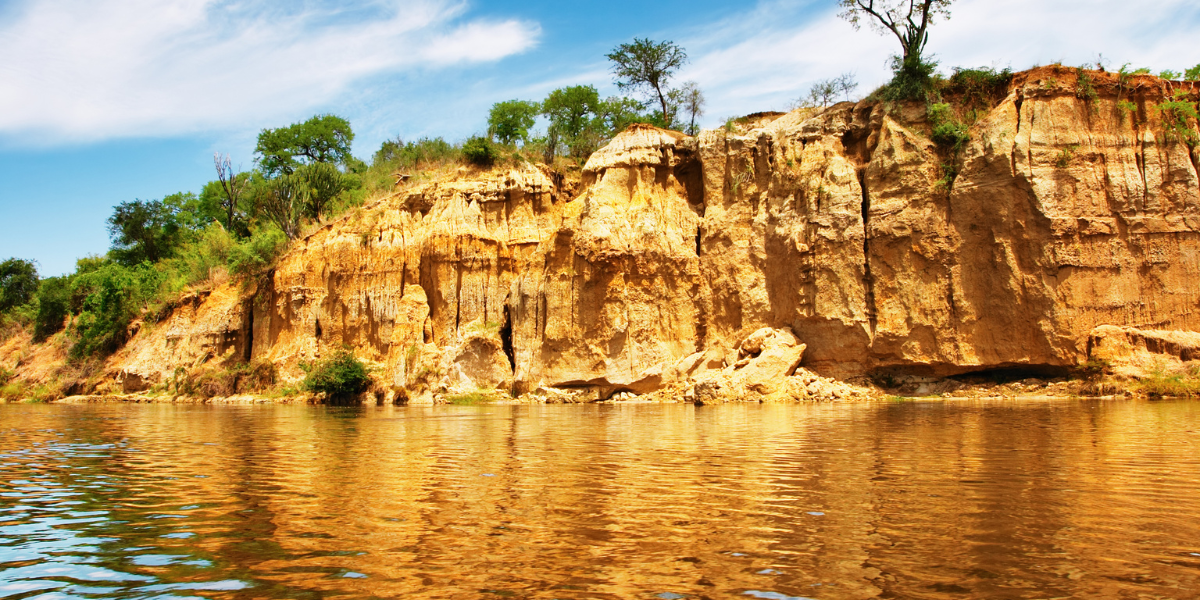
Ideal for travelers who want variety and flexibility without rushing.
Day 1: Arrive in Entebbe
Days 2–4: Murchison Falls National Park – game drives and Nile boat cruise
Days 5–6: Kibale Forest National Park – chimpanzees and forest walks
Days 7–8: Queen Elizabeth National Park – safari and boat cruise
Days 9–10: Bwindi Impenetrable National Park – gorilla trekking
Days 11–12: Lake Bunyonyi – rest days
Days 13–14: Jinja – Nile activities and relaxation
Why it works: This route showcases Uganda’s full range, from powerful waterfalls and savannah wildlife to rainforests, lakes, and adventure travel.
VI. Best Time to Visit Uganda
Uganda is a year-round destination, but the best time to visit depends on what you want to see and do. Because the country sits on the equator, temperatures stay fairly consistent, while rainfall patterns shape wildlife viewing and trekking conditions.
6.1. Dry Seasons (June to September, December to February)
These are generally considered the best times to visit Uganda, especially for first-time travelers. During the dry seasons:
Trails are less muddy, making gorilla and chimp trekking easier
Wildlife gathers closer to water sources, improving safari sightings
Road conditions are more reliable for overland travel
These months are ideal for visiting Bwindi, Queen Elizabeth National Park, Kibale Forest, and Murchison Falls. They are also the busiest periods, so accommodations and gorilla permits should be booked well in advance.
6.2. Green Seasons (March to May, October to November)
The green seasons bring more rain, but they also come with important advantages. During this time:
Landscapes are lush and green
Fewer tourists mean quieter parks and lodges
Prices for accommodation are often lower
Birdwatching is excellent, with migratory species present
While trekking can be more physically demanding due to muddy trails, many travelers report that gorilla and chimp encounters are just as rewarding, with the added benefit of fewer crowds.
6.3. When Should You Go?
Choose the dry season if your priority is comfort, easier trekking, and classic safari conditions
Choose the green season if you prefer fewer people, lower costs, and greener scenery
For many travelers, January–February and June–September offer the best balance between weather, wildlife, and logistics.
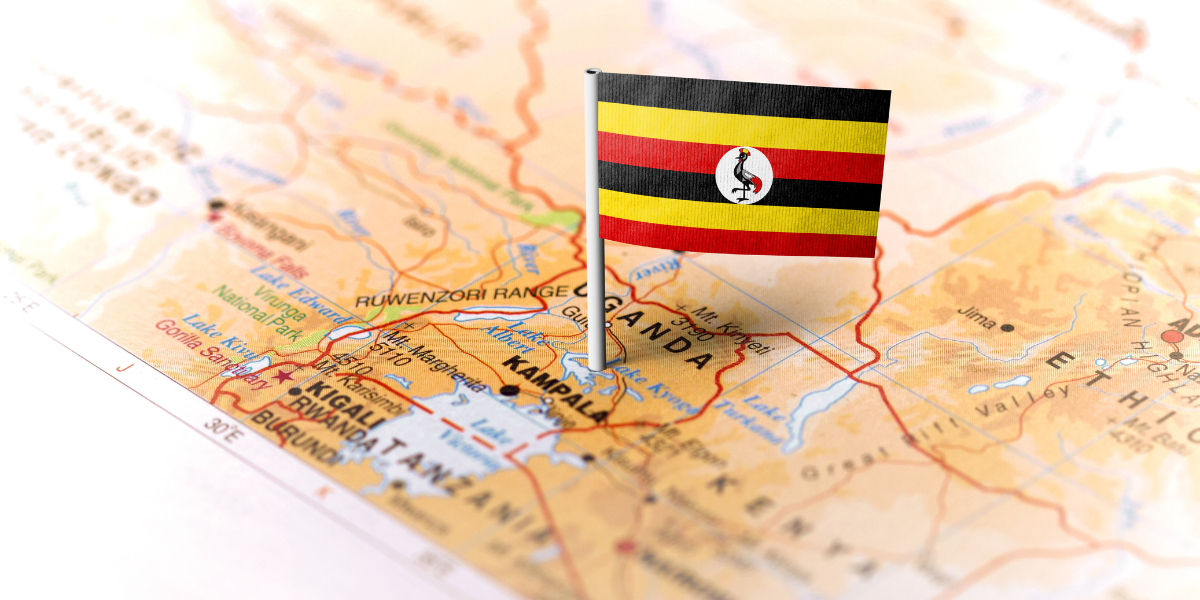
VII. Is Uganda Safe to Visit?
Safety is one of the most common questions travelers ask when planning a trip to Uganda — and for good reason. The short answer is yes, Uganda is generally safe to visit, especially for travelers who focus on national parks and well-established routes. Uganda has a long history of welcoming international visitors, and tourism plays an important role in the country’s economy. National parks such as Bwindi Impenetrable, Queen Elizabeth, Kibale Forest, and Murchison Falls are well managed, with trained rangers, regulated access, and experienced local guides. Incidents involving tourists in these areas are rare.
7.1. Safety in Cities vs National Parks
Most safety concerns travelers read about relate to urban petty crime, not violence against tourists.
In cities like Kampala or Entebbe, common-sense precautions apply: avoid walking alone late at night, keep valuables secure, and use registered taxis or hotel transfers.
In national parks and safari areas, travelers are typically accompanied by guides, and safety standards are high.
7.2. What Travelers Say Online
Across Reddit, Quora, and YouTube travel vlogs, a consistent theme appears:
Uganda feels adventurous, but not dangerous.
Many travelers describe Ugandans as friendly, helpful, and welcoming, especially in rural areas and tourism-focused regions.
7.3. Health and Practical Safety
Malaria exists in Uganda, so preventive medication and mosquito protection are recommended.
Road travel can be slow, and nighttime driving outside cities is best avoided.
Following local advice and guide instructions goes a long way toward staying safe.
Bottom Line
Uganda is best suited for travelers who are aware, prepared, and flexible, not reckless. With basic precautions and proper planning, it is considered one of the safer and more rewarding destinations in East Africa.
VIII. FAQs About Visiting Uganda
Is it safe to travel to Uganda?
Uganda is considered a relatively safe destination for tourists, particularly those visiting national parks and traveling with licensed guides or tour operators. The vast majority of trips are trouble-free. As with many countries, risks are higher in busy urban areas than in safari regions. Travelers should take sensible precautions such as avoiding isolated areas after dark, keeping valuables discreet, and following local advice. Guided safaris and park visits are generally very secure.
Do I need a visa and passport?
Yes. Most travelers must obtain a visa before entering Uganda. Applications are completed online through the official Ugandan e-Visa portal prior to arrival. Your passport must be valid for at least six months beyond your intended entry date and have at least one blank page available for immigration stamps.
What vaccinations are required?
Proof of Yellow Fever vaccination is required to enter Uganda and may be checked on arrival. In addition, travelers are advised by health authorities to be up to date on routine immunizations. Vaccines for Hepatitis A, typhoid, and polio are commonly recommended, and malaria prevention medication is advised due to the presence of malaria throughout much of the country.
When is the best time to visit Uganda?
The most popular times to visit Uganda are during the drier months from December to February and June to August. These periods offer better road conditions, easier trekking, and improved wildlife visibility. Rain can occur at any time, but these seasons generally provide the most comfortable conditions for travel and outdoor activities.
How much does a gorilla trekking permit cost?
Gorilla trekking permits in Uganda are priced at USD 800 per person for foreign non-residents (as of 2025). Permits are strictly limited to protect the gorillas and must be secured well in advance. Demand is highest during peak seasons, so early booking is essential to avoid disappointment.
What should I pack for a safari or trekking trip?
Pack practical, weather-ready gear such as a lightweight waterproof jacket, warm layers for early mornings, quick-drying clothing, and sturdy waterproof hiking shoes. Items like insect repellent, a headlamp or torch, and a small daypack are very useful. Soft-sided bags are preferred for safari vehicles and light aircraft transfers.
What is the currency, and can I use US dollars?
Uganda’s official currency is the Ugandan Shilling (UGX). While US dollars are accepted at many hotels, lodges, and tour operators, notes must be in very good condition and issued after 2000. Carrying some local currency is recommended for small purchases, tips, and places that do not accept foreign cash.
How do I get around the country?
The most common way to travel around Uganda is by private 4x4 vehicle with a driver-guide, which provides flexibility and local knowledge. For longer distances, scheduled or chartered light aircraft flights connect major safari regions and significantly reduce travel time. Self-driving is possible but requires experience and preparation.
Is the tap water safe to drink?
Tap water in Uganda is not considered safe for visitors to drink. Travelers should rely on bottled or properly filtered water, which is widely available throughout the country. It is also advisable to avoid ice in drinks unless you are certain it has been made from purified water.
Is travel insurance necessary?
Travel insurance is strongly recommended for all visitors to Uganda. Coverage should include medical treatment, emergency evacuation, and trip interruption or cancellation. Access to advanced medical facilities is limited outside major cities, and evacuation costs can be substantial without adequate insurance.
IX. Final Thoughts: Is Uganda Worth Visiting?
Uganda is not a destination for travelers who want polished resorts or fast-paced sightseeing. It’s for those who value depth over convenience and experiences that still feel genuine.
From standing face to face with mountain gorillas in Bwindi to cruising the Nile below Murchison Falls, Uganda delivers some of Africa’s most powerful moments without the crowds or high costs found elsewhere. Its mix of primate trekking, classic safaris, dramatic landscapes, and welcoming local culture makes it one of the most well-rounded travel experiences on the continent.
For travelers willing to plan carefully, move at a steady pace, and embrace a bit of unpredictability, Uganda offers something increasingly rare in modern travel: a sense of discovery. Wild, affordable, and still uncrowded, it remains one of Africa’s most rewarding destinations for those ready to go beyond the obvious choices.
Stay Connected While Traveling in Uganda
Exploring Uganda often means moving between remote national parks, long road journeys, and limited Wi-Fi. Having reliable mobile data makes it easier to navigate, stay in touch, and handle travel plans on the go.
If you want a simple way to stay connected from arrival to departure, you can check out Gohub’s Uganda eSIM for instant activation and coverage without the hassle of buying a local SIM.

Hi! Mình là Lala Wren, một content creator yêu xê dịch và đam mê chia sẻ trải nghiệm thực tế cho cộng đồng Gohub. Trong nhiều năm qua, mình đã đặt chân đến Thái Lan, Hàn Quốc, Nhật Bản, Singapore, Malaysia, Bali và nhiều điểm đến thú vị khác trên khắp châu Á. Cùng mình tìm hiểu tất tần tật từ khâu chuẩn bị eSIM, Visa, lịch trình và địa điểm nổi bật cho chuyến đi sắp tới của bạn nhé!
View all articles →Related articles

Free eSIM Trial USA 2026: T-Mobile vs Verizon vs AT&T vs Visible
Compare every free eSIM trial from US carriers in 2026 — T-Mobile 30 days, Verizon 100GB, AT&T 25GB hotspot, Visible 15 days. Plus: what travelers visiting the US should use instead.

Best Free eSIM Trials in 2026: Every Active Offer Compared (No Credit Card)
Looking for a free eSIM trial in 2026? Compare all active offers — Gohub 300MB, Nomad 1GB, GigSky 100MB, Eskimo 250MB, SimLocal 500MB — no credit card needed. Updated March 2026.

Things to Do in Almaty: City Highlights, Mountain Escapes & Best Day Trips (1–3 Days)
Things to do in Almaty: top city highlights, mountain escapes, best day trips, food spots, and winter ideas—plus 1–3 day itineraries for first-timers.
Things to Do in Kyrgyzstan: Horse Trekking, Horseback Tours, Skiing, Yurts, & Epic Nature Spots
Things to do in Kyrgyzstan: Song-Köl horse treks, yurt stays, Karakol skiing, Ala Archa day hikes, plus seasons, safety, and booking tips.

Serbia Travel Guide for First-Time Visitors (2026 Update)
A practical Serbia travel guide covering safety, transport, regions, and real connectivity tips for first-time visitors in 2026.

Serbia Itinerary for 7 Days: How to Plan Cities and Nature Without Rushing
Plan a realistic Serbia itinerary for 7 days, covering Belgrade, Novi Sad, Tara National Park, and the Danube Gorge with practical travel advice.