

Best Places to Visit in Madagascar for 2026

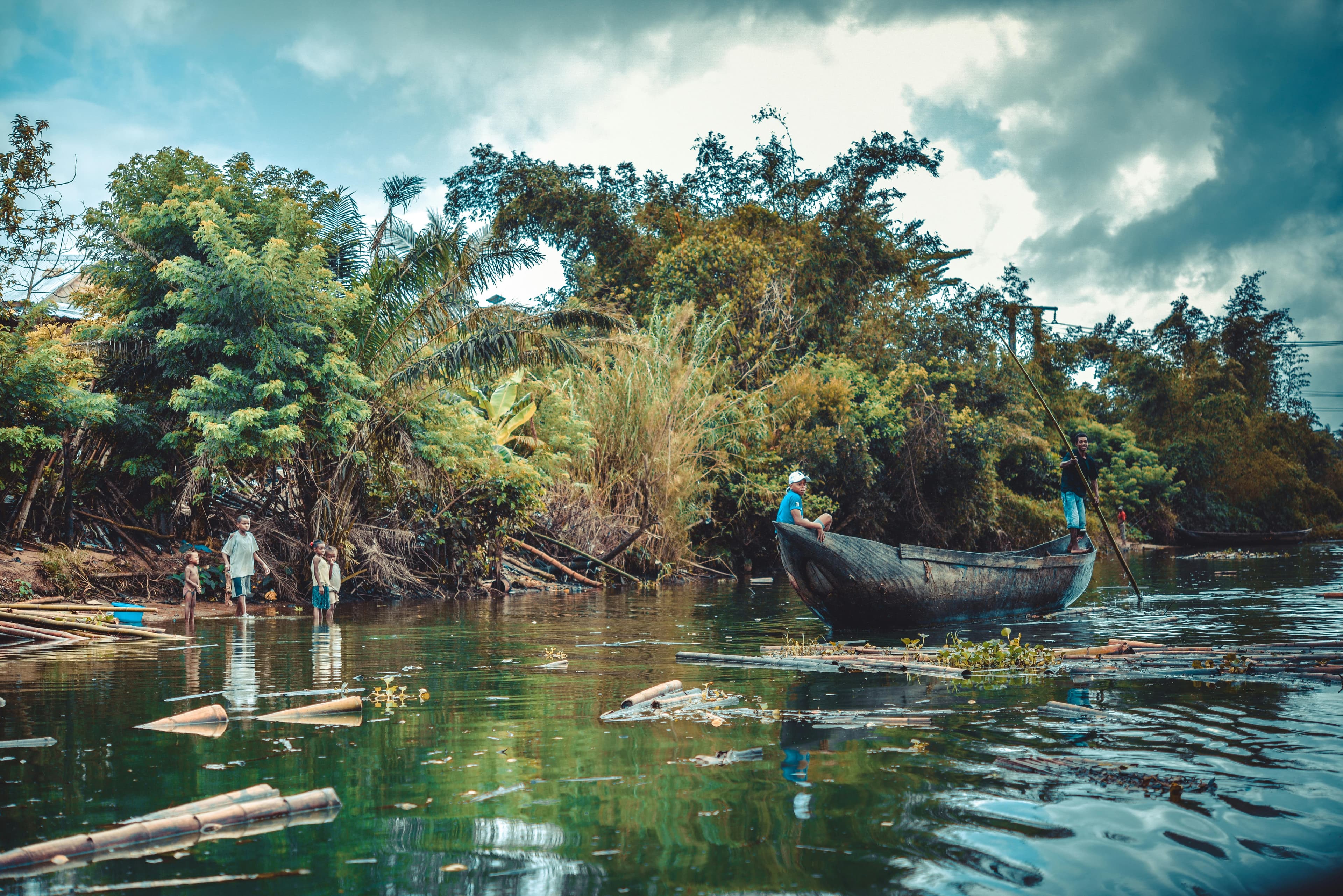
Madagascar is not a destination you visit casually. It is a place travelers choose deliberately, drawn by wildlife found nowhere else on Earth, dramatic landscapes, and the promise of an adventure that still feels raw and untamed.
If you’re searching for the best places to visit in Madagascar, chances are you’re trying to answer a bigger question. Is Madagascar worth the effort? The short answer is yes, but only if you know where to go and how to plan it properly.
From rainforest national parks where lemurs leap through the canopy, to surreal limestone formations, baobab-lined dirt roads, and quiet tropical islands, Madagascar offers experiences you simply can’t replicate elsewhere in Africa or the world. At the same time, travel here comes with real challenges. Long distances, slow transport, and limited infrastructure make choosing the right destinations even more important.
This guide breaks down the best places to visit in Madagascar in 2026, focusing on destinations that deliver the most reward for your time. You’ll also find practical tips on the best time to visit, visa requirements, and how to get around, so you can plan with confidence and avoid common first-time mistakes.
Whether you’re coming for wildlife, landscapes, or a once-in-a-lifetime journey, these are the places that define Madagascar and make the trip truly unforgettable.
Before you go, don’t forget to stay connected — check out our Best eSIM for International Travel so you’re online from the moment you land.
I. Why Madagascar Is a Unique Travel Destination
Madagascar is unlike any other place on Earth — so much so that it’s recognized by organizations such as the UNESCO World Heritage Site program for its unique ecosystems and biodiversity.
This is why travelers come here for experiences they cannot replicate. Lemurs replace big cats. Baobab trees dominate the skyline instead of savannah grasslands. Rainforests, deserts, canyons, and coral islands exist within one country, often just days apart by road or flight.
What also sets Madagascar apart is how untouched much of it still feels. National parks are vast and rarely crowded. Many rural areas continue to follow traditional ways of life. Markets, villages, and coastal towns feel local rather than built for tourism.
At the same time, Madagascar is not an easy destination. Travel is slow. Infrastructure is limited outside major cities. Planning matters more here than in most popular safari or beach destinations. Choosing the right places can mean the difference between an unforgettable journey and a frustrating one.
That is why this guide focuses on destinations that offer the best balance of wildlife, scenery, and accessibility. These are the places that truly define Madagascar and make the effort of getting here worthwhile.
II. Best Places to Visit in Madagascar
Madagascar’s size and slow travel conditions mean you cannot see everything in one trip. The key is choosing destinations that offer the strongest experiences with the least logistical friction, especially if this is your first visit.
These places stand out for their wildlife, landscapes, and overall travel value.
2.1. Andasibe-Mantadia National Park
Best for lemurs, rainforest wildlife, and first-time visitors
Andasibe-Mantadia National Park is the most accessible wildlife destination in Madagascar, and for many travelers, it becomes the highlight of the trip.
Located about four hours east of Antananarivo, Andasibe sits within lush rainforest and is famous for the indri, the largest living lemur species. Their haunting calls echo through the forest each morning, creating one of Madagascar’s most memorable natural experiences.
Beyond indri lemurs, the park is home to several other lemur species, chameleons, frogs, orchids, and rare birds. Guided walks are mandatory and highly worthwhile, as trained local guides dramatically increase your chances of spotting wildlife hidden in the canopy.
Andasibe is also one of the best places in Madagascar for night walks. After dark, visitors can see mouse lemurs, tree frogs, and other nocturnal species that are rarely visible during the day.
Because of its proximity to the capital and well-established lodges, Andasibe is ideal for first-time travelers, photographers, and anyone with limited time. It delivers a true Madagascar wildlife experience without the extreme logistics required for more remote parks.
How long to stay: 1 to 2 nights
Best time to visit: April to October for easier trails and clearer weather
Good to know: Even during the dry season, rain is common. Waterproof shoes are essential.
Love wildlife? Pair this with safari planning tips from our Best Places to Visit in Botswana article to compare unique experiences across Africa.
2.2. Tsingy de Bemaraha National Park
Best for dramatic landscapes and adventure travelers
Tsingy de Bemaraha National Park is one of the most extraordinary landscapes in Madagascar and one of the most challenging to reach. For travelers who make the effort, the reward is unforgettable.
The park is famous for its sharp limestone formations, known as “tsingy,” which rise like stone needles from the forest floor. Narrow gorges, caves, and suspended bridges cut through the terrain, creating a landscape that feels almost unreal. This unique ecosystem supports lemurs, birds, and reptiles that have adapted to survive among the rock formations.
Exploring Tsingy de Bemaraha involves guided hikes using ladders, harnesses, and fixed cables. While it is not technical climbing, it does require a reasonable level of fitness and comfort with heights. The routes are carefully managed, and guides ensure safety throughout the visit.
Reaching the park usually involves a long journey from Antananarivo to Morondava by flight or road, followed by multiple river crossings and rough tracks. Because of this, Tsingy is best suited for travelers with flexible schedules and a strong interest in adventure rather than convenience.
Despite the effort, many travelers consider Tsingy de Bemaraha the most impressive place they visit in Madagascar. It is a true once-in-a-lifetime destination.
How long to stay: 2 to 3 nights
Best time to visit: June to October, when access roads are most reliable
Good to know: The park is typically closed during the rainy season due to flooding and unsafe access
2.3. Avenue of the Baobabs and Morondava
Best for iconic scenery and sunset photography
The Avenue of the Baobabs is Madagascar’s most famous landmark and one of the most photographed natural scenes in Africa. Located just outside the coastal town of Morondava, this dirt road is lined with towering baobab trees that are hundreds of years old.
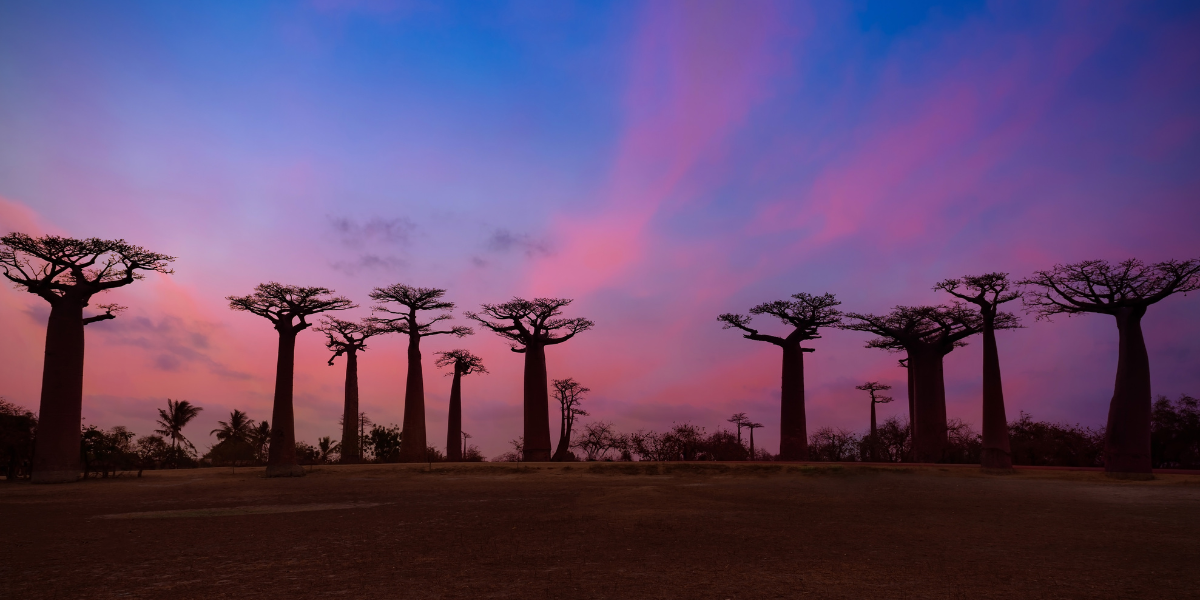
At sunset, the trees glow in warm shades of gold and red, creating a striking contrast against the flat landscape. This short but powerful experience often becomes a highlight, even for travelers who spend weeks in Madagascar.
Morondava itself is a relaxed coastal town that serves as a base for visiting the baobabs and nearby nature reserves. While it is not a major beach destination, it offers a glimpse into everyday life along Madagascar’s west coast, with fishing villages, simple markets, and quiet seaside views.
Many travelers combine the Avenue of the Baobabs with visits to nearby wildlife areas such as Kirindy Forest, making Morondava an important stop on western Madagascar itineraries.
How long to stay: 1 to 2 nights
Best time to visit: May to October for dry roads and clear sunsets
Good to know: Sunrise and sunset are the best times to visit. Midday offers little shade and harsh light
2.4. Kirindy Forest Reserve
Best for rare wildlife and night walks
Kirindy Forest is one of the best places in Madagascar to see wildlife that is difficult to spot elsewhere, including the fossa, the island’s largest predator. This dry deciduous forest lies a short drive from Morondava and pairs well with a visit to the Avenue of the Baobabs.
The reserve is especially known for its guided night walks. After dark, the forest comes alive with mouse lemurs, chameleons, geckos, and other nocturnal species. Even daytime walks often reveal sifaka lemurs, birds, and unique plant life adapted to dry conditions.
Accommodation near Kirindy is basic but comfortable, and staying overnight increases your chances of wildlife sightings. While it lacks the lush greenery of rainforest parks, Kirindy offers a completely different ecosystem and a more intimate wildlife experience.
How long to stay: 1 night
Best time to visit: April to November
Good to know: Facilities are simple. Bring essentials and be prepared for limited electricity and mobile signal
2.5. Ranomafana National Park
Best for rainforest biodiversity and serious nature lovers
Ranomafana National Park is one of Madagascar’s richest rainforest reserves and a favorite among wildlife enthusiasts. Located in the central highlands, it protects dense forest, rivers, and steep terrain filled with endemic species.
The park is home to multiple lemur species, including rare golden bamboo lemurs, as well as chameleons, frogs, and birds found nowhere else. Trails range from short walks to longer hikes, making it suitable for both casual visitors and dedicated hikers.
Ranomafana’s cooler climate and misty forests create a very different atmosphere from Madagascar’s western and southern regions. It also fits naturally into longer itineraries that travel through the highlands toward Isalo National Park.
How long to stay: 2 nights
Best time to visit: May to October for better trail conditions
Good to know: Rain is common year-round. Good hiking shoes and rain protection are essential
2.6. Isalo National Park
Best for hiking, canyons, and natural pools
Isalo National Park offers a completely different side of Madagascar. Instead of rainforest, you’ll find wide open landscapes, sandstone cliffs, deep canyons, and natural swimming pools carved into the rock.
The park is best explored on foot. Guided hikes take visitors through narrow gorges, past palm-lined streams, and up to panoramic viewpoints overlooking the surrounding plains. One of the most popular stops is the Natural Pool, where clear water provides a refreshing break after a long walk in the heat.

Isalo is also culturally significant. The region is home to the Bara people, and parts of the park contain sacred burial sites hidden within the rock formations. Guides explain these traditions during hikes, adding depth to the experience.
Because of its location along Madagascar’s main southbound route, Isalo fits easily into itineraries that include Ranomafana and the southern town of Tulear. It offers strong scenery with relatively straightforward access compared to more remote parks.
How long to stay: 1 to 2 nights
Best time to visit: April to October
Good to know: Temperatures can be very hot during the day. Start hikes early and carry plenty of water
2.7. Nosy Be
Best for beaches, snorkeling, and relaxed island time
Nosy Be is Madagascar’s most popular beach destination and one of the easiest places to unwind after a wildlife-focused journey. Located off the northwest coast, the island offers warm waters, coral reefs, and a slower pace of travel.
Many visitors use Nosy Be as a base to explore nearby smaller islands, where snorkeling and diving conditions are often better than around the main island. Marine life includes tropical fish, turtles, and seasonal whale sharks.
While Nosy Be is more developed than other parts of Madagascar, it still retains a laid-back atmosphere. Resorts range from simple guesthouses to higher-end lodges, making it suitable for a wide range of budgets.
How long to stay: 3 to 4 nights
Best time to visit: April to November
Good to know: Nosy Be has an international airport, making it a convenient entry or exit point
Heading to islands? Check our how to plan your first solo trip adventures for inspiration on island‑hopping itineraries.
2.8. Île Sainte-Marie (Nosy Boraha)
Best for whale watching and quiet island life
Île Sainte-Marie lies off Madagascar’s east coast and is known for its calm beaches, pirate history, and seasonal whale migrations. Between June and September, humpback whales pass close to the island, making it one of the best whale-watching destinations in the region.
Outside whale season, the island appeals to travelers seeking a quieter alternative to Nosy Be. The atmosphere is peaceful, with small villages, palm-lined beaches, and simple accommodations rather than large resorts.
Sainte-Marie works best as a slow-paced add-on at the end of a longer trip. It rewards travelers who want to rest, explore by bicycle, and enjoy the ocean without crowds.
How long to stay: 2 to 3 nights
Best time to visit: July to September for whale watching
Good to know: Ferry schedules can change due to weather. Flights are more reliable during peak season
III. Best Time to Visit Madagascar
Choosing the right time to visit Madagascar has a big impact on your experience. Weather, road conditions, wildlife activity, and even access to certain parks all depend on the season.
3.1. Dry Season (May to October)
Best overall time to visit
The dry season is the most popular and reliable time to travel in Madagascar. Days are cooler, humidity is lower, and road conditions are generally better, especially in remote areas.
This period is ideal for:
Wildlife viewing in national parks
Hiking in places like Isalo and Andasibe
Visiting remote destinations such as Tsingy de Bemaraha
Beach trips to Nosy Be and Sainte-Marie
July and August are peak months, with higher prices and more visitors, especially in popular parks and islands.
3.2. Shoulder Months (April and November)
Best balance of weather and fewer crowds
April and November can be good alternatives if you want fewer tourists and slightly lower prices. Rainfall is lighter than during peak wet season, but some roads may still be affected, especially in rural areas.
These months work best for flexible travelers who are not on tight schedules.
3.3. Rainy Season (December to March)
Best avoided for most first-time visitors
The rainy season brings heavy rainfall, high humidity, and the risk of cyclones, particularly from January to March. Flooding can make roads impassable, and some national parks may close temporarily.
While landscapes are lush and green during this time, travel delays are common, and reaching remote areas becomes difficult.
3.4. Whale Watching Season
If seeing humpback whales is a priority, plan your trip between June and September, with July and August offering the highest chances around Île Sainte-Marie.
Summary:
For most travelers, May to October is the best time to visit Madagascar, especially if this is your first trip and you want smoother logistics and wider access to the country’s highlights.
IV. Visa Requirements for Madagascar (2026 Update)
Most travelers need a visa to enter Madagascar, but the process is straightforward and designed for tourism.

4.1. Visa on Arrival
Tourists from most countries can obtain a visa on arrival at international airports, including Ivato International Airport in Antananarivo and Nosy Be Airport.
Stays up to 15 days: No full visa fee is required. Travelers pay a small administration fee of around €10.
Stays up to 30 or 60 days: A standard visa fee applies and is paid on arrival.
Maximum stay: Visas can usually be issued or extended for stays of up to 90 days in total.
Visa fees are typically paid in cash. Euros and US dollars are widely accepted.
4.2. Passport Requirements
Your passport must be valid for at least six months beyond your arrival date.
You must have at least one blank page for entry stamps.
4.3. E-Visa Option
Madagascar also offers an e-visa system, allowing travelers to apply online before departure. This can help reduce waiting time at the airport, although visas are still finalized on arrival.
4.4. Important Notes
Visa rules can change without notice. Always check official government or embassy sources before traveling, especially if you plan a longer stay or multiple entries.
For most travelers, the visa process is simple and not a reason to delay or avoid visiting Madagascar.
V. How to Get Around Madagascar
Getting around Madagascar takes time. Distances may look short on a map, but road conditions and terrain mean travel is often slow. Understanding this before you arrive helps set realistic expectations and avoid rushed itineraries.
5.1. Road Travel and 4×4 Vehicles
For most travelers, the most reliable way to explore Madagascar is by hiring a 4×4 vehicle with a local driver-guide. Roads outside major cities are often rough, unpaved, or affected by weather, especially in rural areas.
Hiring a driver-guide improves safety, saves time, and makes navigation far easier. Daily rates typically range from $50 to $100 per day, depending on the route, season, and vehicle type.
Self-driving is possible but not recommended for first-time visitors due to poor signage, changing road conditions, and long travel days.
5.2. Domestic Flights
Domestic flights connect major hubs such as Antananarivo, Nosy Be, Morondava, Tulear, and Sainte-Marie. Flights can significantly reduce travel time on long routes.
However, delays, schedule changes, and cancellations are common. If you plan to use domestic flights, build extra buffer days into your itinerary and avoid tight connections with international departures.
5.3. Public Transport
Local transport options such as taxi-brousse are available but slow and uncomfortable for long distances. These are better suited for experienced travelers with flexible schedules.
Travel Tips
Avoid night travel by road whenever possible
Always carry water, snacks, and basic supplies
Plan fewer destinations and spend more time in each place
Madagascar rewards travelers who slow down and plan carefully. Trying to see too much in a short time often leads to frustration rather than enjoyment.
VI. Sample Madagascar Itineraries
Because travel in Madagascar is slow, a well-planned itinerary matters more than the number of places you visit. These sample routes focus on realistic travel times and highlight the country’s most rewarding destinations.
7 to 9 Days: First-Time Highlights
Best for: Limited time, first-time visitors
Antananarivo arrival
Andasibe-Mantadia National Park for lemurs and rainforest
Morondava and the Avenue of the Baobabs
Return to Antananarivo or fly onward to Nosy Be
This itinerary delivers a strong introduction to Madagascar’s wildlife and landscapes without extreme logistics.
10 to 14 Days: Classic Madagascar Route
Best for: Balanced wildlife, scenery, and variety
Antananarivo
Andasibe-Mantadia National Park
Ranomafana National Park
Isalo National Park
Nosy Be or Île Sainte-Marie for beaches
This route covers rainforests, highlands, canyons, and coastal relaxation. It is one of the most popular options for first-time travelers.
14 to 18 Days: Adventure and Remote Landscapes
Best for: Travelers with flexibility and an interest in remote areas
Antananarivo
Andasibe-Mantadia National Park
Morondava and Kirindy Forest
Tsingy de Bemaraha National Park
Isalo National Park
Beach extension in Nosy Be or Sainte-Marie
This itinerary includes longer travel days but rewards visitors with Madagascar’s most dramatic scenery.
Planning Tip:
Always include buffer days for road travel and flights. In Madagascar, flexibility is the key to a smooth trip.
VII. Is Madagascar Safe for Tourists?
Madagascar is generally safe for tourists who plan carefully and follow basic travel precautions. Most visits are trouble-free, especially for travelers who stick to established routes, use local guides, and avoid unnecessary risks.
Petty crime such as pickpocketing can occur in larger cities, including Antananarivo, particularly after dark. Traveling with a guide or driver, avoiding night walks, and keeping valuables out of sight greatly reduce these risks.
In rural areas and national parks, safety concerns are minimal. Parks are well-managed, guides are required, and tourism is an important source of income for local communities. Political demonstrations can happen occasionally in major cities, so it is best to stay informed and avoid large gatherings.
Road safety is a bigger concern than personal security. Poor road conditions, livestock, and limited lighting make night driving risky. Planning daytime travel and allowing extra time between destinations is essential. For travel insurance and health coverage abroad, refer to recommendations from the CDC Travel Health site.
For first-time visitors, Madagascar feels safest when approached with patience, local support, and realistic expectations rather than rushing from place to place.
Sure. Here is the “Travel Tips for First-Time Visitors to Madagascar” rewritten as a clear, scannable table, easy to read and SEO-friendly.
VIII. Travel Tips for First-Time Visitors to Madagascar
A few practical tips can make a big difference when traveling in Madagascar.
Topic | What You Need to Know |
|---|---|
Cash & Payments | Cash is essential in Madagascar. Credit cards are rarely accepted outside major hotels. ATMs are limited, so carry small bills and withdraw money when possible. |
Internet & Connectivity | Internet can be unreliable outside large cities. Mobile coverage varies by region. Set up mobile data before arrival for maps, bookings, and emergency contact. |
Transport Planning | Travel is slow due to road conditions. Plan fewer destinations and allow buffer days between major stops. Avoid night driving whenever possible. |
Clothing & Gear | Pack light layers for changing climates. Rain protection, sun protection, sturdy walking shoes, and a hat are essential for most regions. |
Health & Safety | Keep routine vaccinations up to date. Insect repellent is important in many areas. Carry water at all times, especially during road travel and hikes. |
Guided Travel | Local guides are required in national parks and highly recommended elsewhere. They improve safety, navigation, and wildlife spotting. |
Time Management | Do not rush. Madagascar rewards slow travel. Spending more time in fewer places leads to a better experience. |
Cultural Awareness | Dress modestly in villages. Ask before taking photos of people. Respect local customs and traditions. |
Power & Charging | Electricity can be limited in rural areas. Bring a power bank for phones and cameras, especially during long travel days. |
Language | Malagasy and French are the main languages. English is limited outside tourist areas. Learning a few basic phrases is helpful. |
IX. FAQs About Visiting Madagascar
Do I need a visa to visit Madagascar?
Yes. Most travelers can get a Madagascar visa on arrival at international airports. For stays under 15 days, you typically pay a small administration fee (around €10). For longer stays such as 30 or 60 days, a standard visa fee applies.
What is the best way to get around Madagascar?
The most reliable option is hiring a 4x4 with a local driver-guide, especially for national parks and remote regions where roads are slow and rough. Domestic flights can save time on long routes, but delays and schedule changes are common.
What is the best time to visit Madagascar?
The best time to visit Madagascar is usually during the dry season from May to October. Weather is cooler, roads are easier to navigate, and hiking and wildlife viewing conditions are generally better.
Is Madagascar safe for tourists?
Madagascar is generally safe for tourists who plan carefully. Petty theft can happen in larger cities, so take normal precautions and avoid night travel. In national parks, guided visits are well-managed and typically very safe.
How many days should I plan for a first trip to Madagascar?
Plan at least 10 to 14 days for a first trip. Madagascar travel is slow, so this gives you enough time to see key highlights such as Andasibe, one major landscape park, and a beach destination without rushing.
Can I use credit cards and ATMs easily in Madagascar?
Cash is widely used across Madagascar, and credit cards are mainly accepted at larger hotels and some restaurants in major cities. ATMs exist but can be limited outside Antananarivo and major towns, so withdraw cash when you have access.
Is the rainy season a bad time to visit Madagascar?
For most first-time travelers, the rainy season from December to March is not ideal because heavy rain can affect roads, park access, and domestic flights. Some areas can also be impacted by cyclones, so flexibility is important if you travel in this period.
Where is the best place in Madagascar to see whales?
Île Sainte-Marie (Nosy Boraha) is one of the best places for whale watching in Madagascar. Humpback whale season typically runs from June to September, with peak sightings often in July and August.
X. Final Thoughts
Madagascar is not a destination you rush through. It rewards travelers who plan carefully, move slowly, and focus on experiences rather than checklists. From rainforest national parks and dramatic rock formations to quiet islands and wildlife found nowhere else on Earth, the country offers a journey that feels truly different from more conventional destinations.
At the same time, Madagascar comes with real challenges. Travel is slow, infrastructure is limited, and reliable internet is not always available once you leave major cities. Preparing for these realities before you arrive makes a noticeable difference in how smooth and enjoyable your trip feels.
One simple step that helps many travelers is setting up mobile data in advance. Having reliable internet access makes it easier to navigate, confirm bookings, stay in touch with drivers and guides, and handle unexpected changes along the way.
If you want to stay connected from the moment you land, you can use a Madagascar eSIM from Gohub and avoid the hassle of finding a local SIM card after arrival. Learn more at https://gohub.com/esim/madagascar.

With the right planning, Madagascar becomes less about overcoming obstacles and more about enjoying one of the most unique travel experiences in the world.

Hi! Mình là Lala Wren, một content creator yêu xê dịch và đam mê chia sẻ trải nghiệm thực tế cho cộng đồng Gohub. Trong nhiều năm qua, mình đã đặt chân đến Thái Lan, Hàn Quốc, Nhật Bản, Singapore, Malaysia, Bali và nhiều điểm đến thú vị khác trên khắp châu Á. Cùng mình tìm hiểu tất tần tật từ khâu chuẩn bị eSIM, Visa, lịch trình và địa điểm nổi bật cho chuyến đi sắp tới của bạn nhé!
View all articles →Related articles

Free eSIM Trial USA 2026: T-Mobile vs Verizon vs AT&T vs Visible
Compare every free eSIM trial from US carriers in 2026 — T-Mobile 30 days, Verizon 100GB, AT&T 25GB hotspot, Visible 15 days. Plus: what travelers visiting the US should use instead.

Best Free eSIM Trials in 2026: Every Active Offer Compared (No Credit Card)
Looking for a free eSIM trial in 2026? Compare all active offers — Gohub 300MB, Nomad 1GB, GigSky 100MB, Eskimo 250MB, SimLocal 500MB — no credit card needed. Updated March 2026.
Things to Do in Almaty: City Highlights, Mountain Escapes & Best Day Trips (1–3 Days)
Things to do in Almaty: top city highlights, mountain escapes, best day trips, food spots, and winter ideas—plus 1–3 day itineraries for first-timers.
Things to Do in Kyrgyzstan: Horse Trekking, Horseback Tours, Skiing, Yurts, & Epic Nature Spots
Things to do in Kyrgyzstan: Song-Köl horse treks, yurt stays, Karakol skiing, Ala Archa day hikes, plus seasons, safety, and booking tips.
Serbia Travel Guide for First-Time Visitors (2026 Update)
A practical Serbia travel guide covering safety, transport, regions, and real connectivity tips for first-time visitors in 2026.
Serbia Itinerary for 7 Days: How to Plan Cities and Nature Without Rushing
Plan a realistic Serbia itinerary for 7 days, covering Belgrade, Novi Sad, Tara National Park, and the Danube Gorge with practical travel advice.