

Best Places to Visit in Hawaii If You Want More Than Beaches

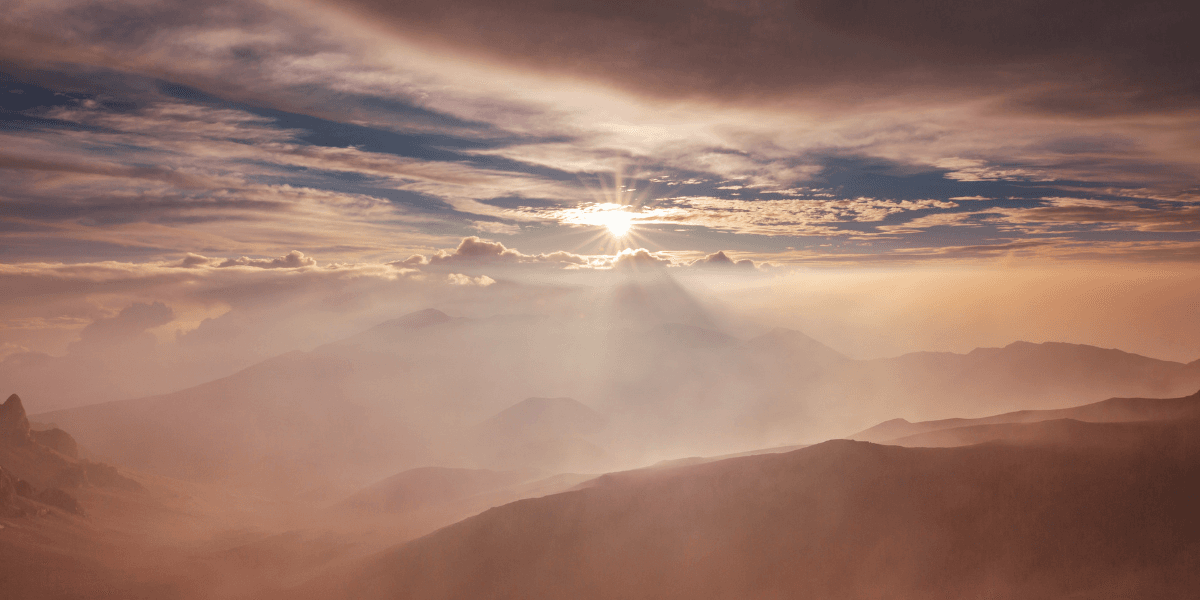
When people think of Hawaii, they usually picture palm-lined beaches, turquoise water, and endless sunshine. While those images are iconic for a reason, they only tell part of the story. Hawaii is far more than a beach destination, and travelers who look beyond the shoreline often discover the islands’ most rewarding experiences.
If you’re searching for the best places to visit in Hawaii, not just to relax but to explore, learn, and connect, you’re in the right place. Across the islands, volcanoes reshape the landscape, rainforests hide waterfalls and ancient trails, and cultural sites preserve stories that stretch back centuries. From national parks and historic towns to dramatic canyons and sacred mountains, Hawaii offers depth that many visitors never take the time to experience.
In recent years, travelers have been shifting toward more meaningful, experience-driven trips, and Hawaii fits that mindset perfectly. Whether you’re hiking across lava fields, standing above the clouds at sunrise, or exploring the cultural heart of Honolulu, these moments add context and richness to your journey.
This guide highlights the best places to visit in Hawaii if you want more than beaches. Each destination offers a different perspective on the islands, helping you experience Hawaii not just as a vacation spot, but as a living, cultural landscape worth understanding.
Before you travel, make sure you’re connected with the right travel plan — check out our Best eSIM for USA travel for flexibility and instant data on the islands.
I. Why Hawaii Is More Than Just Beaches
Hawaii’s beaches may be what first draw people in, but they are only the surface of a much deeper story. Beneath the postcard views lies a landscape shaped by volcanoes, a culture rooted in tradition, and ecosystems found nowhere else on Earth. Exploring Hawaii beyond its beaches reveals why the islands hold such lasting significance for both visitors and locals.
Each island tells a different story. On the Big Island, lava flows and volcanic craters show Hawaii in constant motion, still being formed today. Kauaʻi’s deep valleys and dramatic cliffs speak to millions of years of erosion and rainfall, while Maui’s high-altitude summit at Haleakalā offers a perspective that feels closer to the sky than the sea. These places aren’t side attractions. They are central to understanding Hawaii itself.
Culture is equally important. Sacred sites, royal palaces, and historic neighborhoods preserve Hawaiian history and identity. Food, music, and language continue to shape daily life, especially in areas away from resort zones. Many travelers now seek these cultural connections, wanting to learn as much as they relax.
Choosing to explore Hawaii beyond the beaches also means traveling more mindfully. It encourages slower pacing, respect for land and tradition, and deeper engagement with the islands. For travelers willing to look past the shoreline, Hawaii offers experiences that feel more meaningful, memorable, and true to the spirit of the islands.
II. How We Chose the Best Experience-Focused Places in Hawaii
Hawaii offers hundreds of places worth visiting, but not all of them deliver the kind of depth travelers are increasingly looking for. To narrow this guide down, we focused on destinations that go beyond scenery and offer a stronger sense of place, history, and connection.
First, we prioritized landscapes that tell a story, not just look beautiful. Volcanoes, canyons, rainforests, and high-altitude parks reveal how the islands were formed and how nature continues to shape them today. These environments create experiences you can’t replicate at a beach resort.
Second, we looked at cultural and historical significance. Places tied to Hawaiian history, royal heritage, or living traditions add meaning to a trip and help visitors understand the islands as more than a vacation backdrop.
Third, we considered current travel trends. In recent years, travelers have shown growing interest in national parks, slow travel, sustainability, and culturally respectful experiences. The places selected here consistently appear in recent guides and itineraries for travelers seeking substance over surface-level sightseeing.
Finally, we chose destinations that are accessible to both first-time and repeat visitors. These places don’t require extreme planning or specialized skills, but they do reward curiosity and time.
With these criteria in mind, the following destinations represent the best places to visit in Hawaii if you want experiences that stay with you long after the trip ends.
Need help planning your overall trip? Check out our first‑time travel guides and itineraries for inspiration on structuring your days.
III. Hawaiʻi Volcanoes National Park (Big Island)
Hawaiʻi Volcanoes National Park is one of the most powerful places to visit in the state, and it immediately shifts how you see Hawaii. This is not a background landscape. It’s a place where the islands’ origins are visible, raw, and still evolving.
Located on the Big Island, the park protects two of the world’s most famous volcanoes, Kīlauea and Mauna Loa. Walking through lava fields, steam vents, and volcanic craters gives you a sense of how the Hawaiian Islands were formed and why they continue to change. It’s one of the few places on Earth where you can safely observe an active volcanic environment up close.
There’s a wide range of experiences here, even for casual visitors. You can drive the Crater Rim Drive for sweeping views, explore lava tubes formed by ancient flows, or hike short trails that pass through dramatically different landscapes. At night, the park becomes one of the best places in Hawaii for stargazing, thanks to its elevation and low light pollution.
Travelers are increasingly drawn to this park because it offers something beaches can’t: perspective. It’s quiet, humbling, and deeply connected to Hawaiian culture, where volcanoes are considered sacred and powerful forces.
Visiting Hawaiʻi Volcanoes National Park adds context to everything else you see in Hawaii. It reminds you that the islands are not just beautiful, but alive.
For more epic nature destinations around the world, take a look at our best places to camp in the world — many have similar dramatic landscapes.
[caption id="attachment_15511" align="alignnone" width="2560"]

IV. Waimea Canyon and the Nā Pali Coast (Kauaʻi)
Kauaʻi is often called the “Garden Isle,” and nowhere is that more evident than at Waimea Canyon and the Nā Pali Coast. These landscapes feel less like a tropical island and more like something carved by time, weather, and scale. Visiting them makes it clear why Kauaʻi consistently ranks among Hawaii’s most visually striking islands.
Waimea Canyon, often referred to as the “Grand Canyon of the Pacific,” cuts deep into the island with layers of red and green cliffs. Scenic overlooks make it easy to appreciate the scale, while hiking trails allow you to explore the canyon at a slower, more immersive pace. The experience is dramatic, quiet, and completely removed from beach culture.
Just beyond the canyon lies the legendary Nā Pali Coast, a stretch of towering sea cliffs, narrow valleys, and waterfalls that plunge straight into the ocean. This area is inaccessible by road, which has helped preserve its wild character. Travelers can experience it by boat, helicopter, or on foot via the Kalalau Trail, one of Hawaii’s most iconic hikes.
What makes these places special is their sense of isolation. There are no resorts, no crowds spilling out onto viewpoints, and no curated attractions. Instead, you’re surrounded by raw nature that demands attention and respect.
For travelers who want Hawaii to feel epic rather than relaxing, Waimea Canyon and the Nā Pali Coast deliver unforgettable depth.
If dramatic coastal scenery is your vibe, also check our guide to best places to visit in Italy for history lovers — while very different, they offer equally unforgettable backdrops.
[caption id="attachment_15513" align="alignnone" width="2560"]

V. Haleakalā National Park (Maui)
Haleakalā National Park offers one of the most surreal landscapes in Hawaii, and it couldn’t feel further from a beach destination. Rising over 10,000 feet above sea level, the summit of Haleakalā, a massive dormant volcano, places you above the clouds in an environment that feels almost otherworldly.
Many travelers visit for the famous sunrise at the summit, where the sky slowly changes color as the sun rises over a sea of clouds. It’s a quiet, almost spiritual experience, and one that has become increasingly popular with travelers seeking moments of reflection rather than entertainment. Because access is regulated, planning ahead is essential, which also helps preserve the park’s fragile environment.
Beyond the summit, the park offers a network of hiking trails that descend into the volcanic crater, revealing shifting colors, cinder cones, and rare native plants found nowhere else on Earth. At night, Haleakalā becomes one of Hawaii’s best locations for stargazing, thanks to its elevation and minimal light pollution.
Haleakalā represents a different side of Maui, one defined by altitude, silence, and scale rather than coastal energy. Visiting the park adds balance to a Maui itinerary and shows how the island’s identity extends far beyond its shoreline.
Planning more mountainous adventures? Explore our 4–5 day New Zealand road trip itineraries for inspiration on high‑altitude explorat
VI. Honolulu and Historic Oʻahu (Beyond Waikīkī)
For many visitors, Oʻahu begins and ends in Waikīkī. But step beyond the beach and you’ll find that Honolulu is the cultural, historical, and political heart of Hawaii. Exploring historic Oʻahu adds context to the islands that no beach experience can provide.
One of the most significant sites is Pearl Harbor National Memorial, where visitors can learn about the events of December 7, 1941, and their impact on Hawaii and the United States. Nearby, ʻIolani Palace offers a rare glimpse into Hawaii’s royal past. As the only royal palace on U.S. soil, it tells the story of Hawaiian sovereignty, monarchy, and identity.
Honolulu’s neighborhoods also reveal the city’s everyday character. Chinatown has become a vibrant food and arts district, blending traditional markets with modern restaurants and galleries. Walking through these areas gives travelers a sense of how history and modern life intersect in Hawaii.
Oʻahu’s appeal lies in its balance. You can explore cultural landmarks in the morning, hike scenic trails like Diamond Head or Manoa Falls in the afternoon, and experience local dining in the evening. For travelers who want to understand Hawaii beyond its landscapes, Honolulu provides essential perspective.
VII. Road to Hana and East Maui Rainforests
The Road to Hana is often described as a drive, but in reality, it’s an experience that unfolds slowly through some of Hawaii’s most lush and dramatic landscapes. This winding coastal road on East Maui moves you away from dry resort areas and into a world of rainforests, waterfalls, and quiet communities where nature sets the pace.
Along the route, dense jungle surrounds the road, with frequent pull-offs leading to short hikes, hidden waterfalls, and scenic viewpoints. Places like bamboo forests, black lava rock formations, and freshwater pools highlight a side of Hawaii shaped by rain and time rather than waves and sand. The journey itself becomes the destination.
What makes the Road to Hana meaningful is not how many stops you check off, but how you approach it. Recent travel trends emphasize slower, more respectful exploration, encouraging visitors to avoid overcrowded areas, follow local guidance, and support small roadside vendors rather than rushing through. This mindset helps preserve the region and improves the experience for everyone.
East Maui also offers a strong connection to Hawaiian culture. Many of the lands you pass through are considered sacred, and respecting posted signs and private property is essential. Traveling thoughtfully here deepens your understanding of Hawaii as a living place, not a theme park.
For travelers who want immersion rather than entertainment, the Road to Hana delivers one of the most rewarding non-beach experiences in the islands.
VIII. Hilo and the East Side of the Big Island
Hilo offers a version of Hawaii that feels grounded, local, and refreshingly unpolished. Located on the east side of the Big Island, this region is defined by frequent rain, lush vegetation, and a pace of life that moves far slower than the resort-heavy west coast. For travelers seeking authenticity, Hilo is one of the most rewarding places to visit in Hawaii. The town itself has a strong sense of community. Hilo Farmers Market is a highlight, showcasing local produce, tropical fruit, and handmade goods while offering a glimpse into everyday island life. Rather than luxury shopping or nightlife, Hilo’s appeal comes from its simplicity and connection to the surrounding landscape. Nature is always close. The east side is home to some of Hawaii’s most impressive waterfalls, including Rainbow Falls and Akaka Falls, both set within dense rainforest. Black sand beaches like Punaluʻu are nearby, not for lounging but for observing sea turtles and experiencing Hawaii’s volcanic shoreline in its raw form. Hilo is also a natural base for exploring Hawaiʻi Volcanoes National Park, making it ideal for travelers who want to focus on geology, culture, and nature rather than beach resorts. With its cooler climate and strong local character, Hilo feels like a place people live, not just visit.
IX. Molokaʻi: Cultural Depth and Quiet Landscapes
Molokaʻi is often described as the most traditional of the Hawaiian Islands, and visiting it feels like stepping into a slower, more intentional way of life. This is not a destination built for sightseeing lists or resort stays. Molokaʻi exists on its own terms, shaped by strong cultural values and a deep respect for land and community.
Tourism here is intentionally limited. There are no large resorts, and many experiences are guided by locals who share their knowledge carefully and respectfully. This makes Molokaʻi especially meaningful for travelers who value cultural understanding over convenience.
One of the island’s most significant sites is Kalaupapa National Historical Park, which tells the powerful story of those affected by Hansen’s disease and the resilience of the community that lived there. Visiting Kalaupapa adds historical depth that few other places in Hawaii can offer. Access is regulated, reinforcing the importance of preservation and respect.
Beyond its history, Molokaʻi’s landscapes are strikingly untouched. Sea cliffs, open valleys, and quiet shorelines dominate the scenery. Hiking, scenic drives, and guided cultural tours offer insight into Hawaiian traditions that continue today.
Molokaʻi isn’t for every traveler. It requires patience, humility, and an openness to learning. But for those willing to approach Hawaii thoughtfully, it provides one of the most authentic experiences available
[caption id="attachment_15515" align="alignnone" width="2560"]

X. Lānaʻi: Quiet Exploration and Unique Landscapes
Lānaʻi offers a different kind of Hawaiian experience, one defined by space, silence, and striking terrain rather than busy attractions. As one of the smallest inhabited islands in Hawaii, it feels intentionally uncrowded, making it ideal for travelers who want to slow down and explore without distractions.
One of Lānaʻi’s most distinctive sights is the Garden of the Gods (Keahiakawelo), a surreal landscape of red rock formations shaped by wind and time. The area feels almost otherworldly, especially at sunrise or sunset, and showcases a side of Hawaii that contrasts sharply with lush rainforests and coastal scenery.
The island also has a quiet cultural center in Lānaʻi City, where small cafés, local shops, and community spaces reflect everyday island life. Rather than ticking off attractions, visitors often find themselves wandering, observing, and enjoying the calm rhythm of the place.
Outdoor activities on Lānaʻi focus on exploration rather than entertainment. Scenic drives, short hikes, and snorkeling in less crowded areas allow for personal, unhurried experiences. Many travelers visit Lānaʻi as a day trip from Maui, but staying overnight reveals the island’s true character once day visitors leave.
For those seeking Hawaii beyond beaches and crowds, Lānaʻi offers solitude, distinctive landscapes, and a reminder that sometimes the most memorable experiences come from simply being present.
XI. Which Hawaiian Island Is Right for You?
Choosing where to go in Hawaii depends less on beaches and more on what kind of experience you want. Each island offers something distinct, and understanding these differences helps you plan a trip that feels intentional rather than rushed.
If you’re drawn to raw nature and dramatic landscapes, the Big Island stands out. Hawaiʻi Volcanoes National Park, lava fields, waterfalls, and changing climates make it the most diverse island geographically. It’s ideal for travelers who enjoy national parks, hiking, and learning how the islands were formed.
If scenic beauty and outdoor adventure matter most, Kauaʻi is hard to beat. Waimea Canyon and the Nā Pali Coast offer some of the most striking views in Hawaii. This island suits hikers, photographers, and travelers who want nature to be the main event.
If you want perspective and reflection, Maui’s Haleakalā provides experiences that feel quiet and powerful, especially at sunrise or under the stars. Maui works well for travelers who want a balance of comfort and deeper exploration.
If culture and history are your priority, Oʻahu beyond Waikīkī is essential. Honolulu’s museums, historic sites, and neighborhoods help you understand Hawaii’s past and present in a way no other island can.
If authenticity and cultural preservation matter most, Molokaʻi offers a rare opportunity to engage with Hawaiian traditions in a respectful, low-impact way. It’s best suited for travelers who are comfortable with minimal infrastructure and a slower pace.
If you value solitude and space, Lānaʻi delivers quiet landscapes and unique geology without crowds, making it ideal for reflection and simple exploration.
There’s no single “best” island, only the one that aligns with your travel style. Hawaii rewards travelers who choose thoughtfully, allowing each place to reveal itself in its own time.
XII. Best Time to Visit Hawaii for Experiences (Not Just Beaches)
If your goal is to experience Hawaii beyond beaches, timing matters as much as location. While Hawaii is a year-round destination, certain months are better suited for hiking, cultural exploration, national parks, and quieter travel. The best overall time for experience-driven travel is during the shoulder seasons:
April to early June
September to early December (excluding holidays)
During these periods, the weather remains pleasant, but crowds are thinner and prices are more reasonable. Trails, parks, and cultural sites feel less rushed, making it easier to explore at a slower pace. For national parks and hiking, late spring and early fall offer cooler temperatures, especially at higher elevations like Haleakalā or Mauna Kea. Visibility is often better for scenic views, and you’re less likely to encounter tour congestion. If culture and local events interest you, summer months bring festivals and traditional celebrations, but they also come with higher visitor numbers. Winter, particularly from December to March, is popular for whale watching, yet it’s also the busiest season overall. Travelers focused on depth rather than crowds often find that avoiding peak holiday periods leads to more meaningful experiences. Visiting Hawaii when the islands are quieter allows for greater connection with landscapes, communities, and the rhythm of everyday life. Finally, let’s wrap everything together with a closing perspective on why Hawaii rewards travelers who look beyond the shoreline.
XIII. Conclusion: Hawaii Rewards Travelers Who Look Beyond the Shoreline
Hawaii’s beaches may be what first capture attention, but they are only one chapter of a much larger story. When you explore beyond the sand, the islands reveal volcanoes still shaping the land, rainforests filled with life, historic towns that carry centuries of history, and communities working to preserve their culture and environment.
From the raw power of Hawaiʻi Volcanoes National Park and the dramatic cliffs of Kauaʻi, to sunrise above the clouds at Haleakalā, the cultural depth of Honolulu, and the quiet authenticity of Molokaʻi and Lānaʻi, each destination offers a different perspective on what Hawaii truly is. These experiences invite reflection, curiosity, and respect, rather than simple relaxation.
Traveling Hawaii this way encourages slower pacing and more mindful choices. It allows you to engage with the islands as living places, shaped by nature and tradition, not just as vacation backdrops. For travelers who want their journey to feel meaningful, these are the places that stay with you long after the trip ends.
If you’re willing to look past the shoreline, Hawaii offers far more than beaches. It offers understanding, connection, and moments that redefine what travel can be.
Hawaii Travel FAQs
Do I need a passport or a visa to visit Hawaii?
U.S. citizens do not need a passport to travel to Hawaii from the mainland, only a government-issued photo ID. International visitors must present a valid passport to enter the United States (including Hawaii) and may also require a visa (such as a B-2 tourist visa) or an approved ESTA if eligible under the Visa Waiver Program.
When is the best time to visit Hawaii?
Hawaii is warm year-round (about 23–27°C or 75–85°F), but specific experiences are seasonal. Winter (November–April) has a higher chance of rain, while summer (May–October) is generally warmer and drier. Humpback whales are typically visible from December to April, and big wave surfing is in season from November to February.
Should I stay on one island or should I island hop?
For shorter trips (such as one week), it’s often better to stay on one island to avoid rushing. If you do island hop, many travelers recommend spending at least 4–5 days per island to experience each one properly.
How do I travel between the islands?
The primary way to travel between the major islands is by plane using local inter-island airlines. There are no bridges and generally no regular ferry services between the main islands.
Do I need to rent a car to get around?
Renting a car is highly recommended to explore beyond the main tourist zones, since public transportation is limited outside of Oʻahu’s bus system. A car makes it much easier to reach scenic drives, trailheads, and quieter areas.
Are there any COVID-19 travel restrictions or requirements?
As of 2025, all COVID-19-related travel restrictions for both domestic and international travelers have been lifted. There are no vaccination, testing, or quarantine requirements for Hawaii travel. Travelers arriving from abroad still need to meet general U.S. international entry requirements.
Is Hawaii expensive and how can I make it more affordable?
Hawaii can be expensive. To save money, consider staying somewhere with kitchen access to cook some meals, booking flights and activities early, and watching for hotel and airfare deals. Travel insurance is also strongly recommended due to the high cost of U.S. healthcare.
What local laws or cultural practices should I be aware of?
Hawaii requires reef-safe sunscreen to help protect coral reefs (sunscreens containing oxybenzone and octinoxate are banned). It’s also important to respect nature and local culture by following the spirit of aloha. Taking lava rocks or sand home is highly discouraged due to local beliefs and environmental harm.
What should I pack for my trip?
Pack light, casual clothing for warm weather, plus swimwear. Bring a light jacket for cooler evenings or higher elevations (like Haleakalā), sturdy shoes for hiking, and rain gear—microclimates can change quickly.
Is it safe to swim and snorkel in the ocean?
Yes, it can be safe in the right conditions, but ocean safety varies by island, season, and beach. Always check surf and warning signs, avoid swimming alone, and use lifeguarded beaches when possible. Winter surf can be powerful on certain shores, and currents can be strong year-round.
Related Guides:
Best Places to Visit in the USA for First‑Time Travelers
How to Plan Your First Solo Trip to Southeast Asia
Best Local Foods to Try in Vietnam
List of eSIM Compatible Phones

Hi! Mình là Lala Wren, một content creator yêu xê dịch và đam mê chia sẻ trải nghiệm thực tế cho cộng đồng Gohub. Trong nhiều năm qua, mình đã đặt chân đến Thái Lan, Hàn Quốc, Nhật Bản, Singapore, Malaysia, Bali và nhiều điểm đến thú vị khác trên khắp châu Á. Cùng mình tìm hiểu tất tần tật từ khâu chuẩn bị eSIM, Visa, lịch trình và địa điểm nổi bật cho chuyến đi sắp tới của bạn nhé!
View all articles →Related articles

Free eSIM Trial USA 2026: T-Mobile vs Verizon vs AT&T vs Visible
Compare every free eSIM trial from US carriers in 2026 — T-Mobile 30 days, Verizon 100GB, AT&T 25GB hotspot, Visible 15 days. Plus: what travelers visiting the US should use instead.

Best Free eSIM Trials in 2026: Every Active Offer Compared (No Credit Card)
Looking for a free eSIM trial in 2026? Compare all active offers — Gohub 300MB, Nomad 1GB, GigSky 100MB, Eskimo 250MB, SimLocal 500MB — no credit card needed. Updated March 2026.

Things to Do in Almaty: City Highlights, Mountain Escapes & Best Day Trips (1–3 Days)
Things to do in Almaty: top city highlights, mountain escapes, best day trips, food spots, and winter ideas—plus 1–3 day itineraries for first-timers.

Things to Do in Kyrgyzstan: Horse Trekking, Horseback Tours, Skiing, Yurts, & Epic Nature Spots
Things to do in Kyrgyzstan: Song-Köl horse treks, yurt stays, Karakol skiing, Ala Archa day hikes, plus seasons, safety, and booking tips.

Serbia Travel Guide for First-Time Visitors (2026 Update)
A practical Serbia travel guide covering safety, transport, regions, and real connectivity tips for first-time visitors in 2026.

Serbia Itinerary for 7 Days: How to Plan Cities and Nature Without Rushing
Plan a realistic Serbia itinerary for 7 days, covering Belgrade, Novi Sad, Tara National Park, and the Danube Gorge with practical travel advice.