

Best Croatian Islands and Beaches to Visit from Split and Dubrovnik

Croatia’s Adriatic coastline is filled with clear water, stone towns, and island silhouettes stretching across the horizon. For many first-time visitors, the big question is not whether to see the coast. It is how to choose between split croatia beaches, dubrovnik beaches, and the best croatian islands that sit just offshore.
Split and Dubrovnik are the two most common gateways. From both cities, ferries and small boats connect travelers to at least one island in Croatia worth exploring. But island hopping in Croatia is not only about swimming spots and postcard harbors. It also involves ferry schedules, seasonal changes, and small logistical decisions that can shape the entire day.
This guide focuses on experience first. Which beaches are realistic. Which islands are worth the time. And where practical planning makes a difference.
TL;DR
Split and Dubrovnik both offer easy access to beaches and islands, but the experience differs.
Split Croatia beaches are convenient and work well with day trips to Hvar, Brač, or Vis.
Dubrovnik beaches, including Banje Beach Dubrovnik Croatia, are scenic but often involve stairs and limited space.
The best Croatian islands from Split include Hvar, Brač, and Vis.
From Dubrovnik, Lokrum, Korčula, and Mljet are the most practical island choices.
Ferry schedules are seasonal, and checking updates is essential during island hopping.
1. Why Planning Beach and Island Days in Croatia Can Feel Overwhelming
Before choosing specific beaches or islands, it helps to understand why so many travelers feel unsure.
Croatia has more than a thousand islands. Not all are inhabited. Not all are connected daily. Many require seasonal ferries or catamarans. At the same time, beaches near city centers can be crowded during summer months.
A typical visitor spends 5–8 days on the coast. That timeframe forces decisions:
Stay in Split and explore nearby islands?
Focus on Dubrovnik beaches and add one island?
Combine both cities and split time carefully?
Understanding what each location offers makes the itinerary clearer.
2. Split Croatia Beaches Worth Visiting Before You Island Hop
Split is often described as a city with beaches built into its daily life. Unlike Dubrovnik, the beaches feel integrated rather than separate from the urban environment.
Before heading to an island in Croatia, many travelers spend at least one afternoon at a beach in Split.
Bačvice Beach
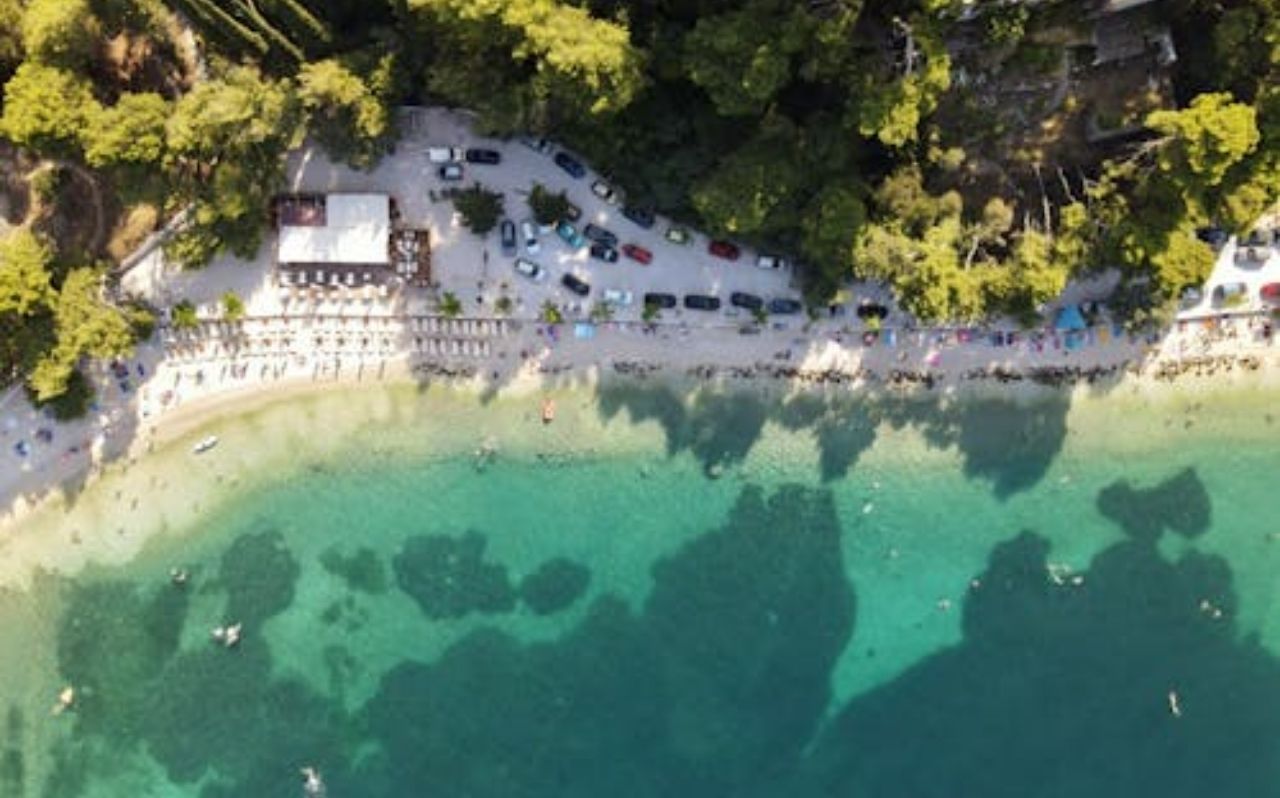
Bačvice is one of the most famous split croatia beaches.
Sandy entry, which is rare in Croatia.
Shallow water, suitable for families.
Walking distance from central Split.
The convenience is a major advantage. You can explore Diocletian’s Palace in the morning and swim by afternoon.
However, Bačvice becomes crowded in peak season. Shade is limited unless you arrive early.
Kašjuni Beach
For a more scenic atmosphere, Kašjuni Beach offers clearer water and a quieter setting compared to Bačvice.
Pebble beach.
Located outside the city center.
Surrounded by pine trees.
Reaching Kašjuni usually involves a bus or taxi ride. Late afternoon returns can require checking transport schedules carefully, especially if buses run less frequently.
Žnjan Beach
Žnjan Beach sits further from the historic center and has a more local feel.
Wider open space.
Fewer tourists than central beaches.
Ongoing redevelopment in certain areas.
For travelers staying several nights in Split, combining one city beach day with one island day creates balance.
3. Dubrovnik Beaches Including Banje Beach Dubrovnik Croatia
Dubrovnik beaches are more dramatic in setting. Many are framed by cliffs and medieval walls.
Unlike Split, beaches in Dubrovnik often require walking down stairs or navigating narrow paths.
Banje Beach Dubrovnik Croatia
Banje Beach Dubrovnik Croatia is the most recognizable beach near the Old Town.
Located just outside the historic walls.
Clear water with views of fortifications.
Mix of public and private sections.
Its proximity makes it popular. Arriving early helps secure space on the public side.
While Banje Beach Dubrovnik Croatia is iconic, it is not the only option.
Sveti Jakov Beach
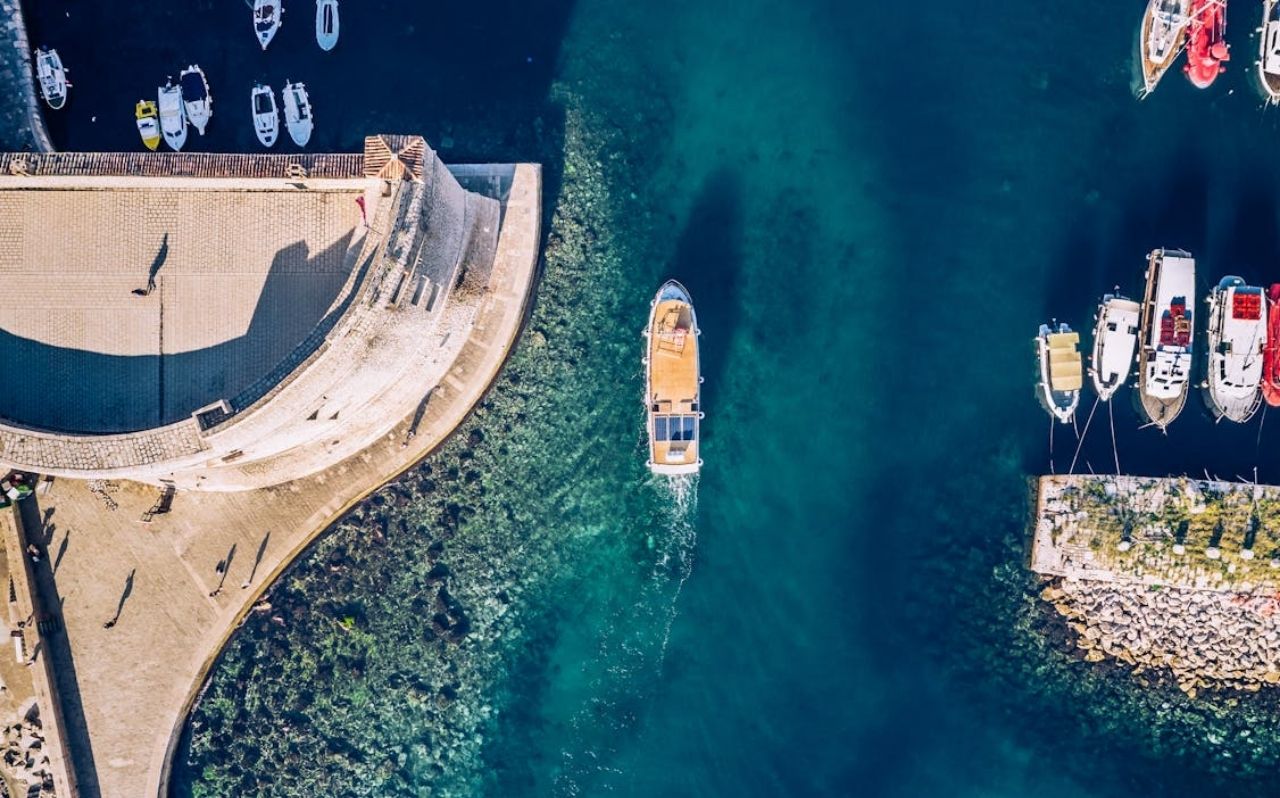
Sveti Jakov is less crowded than Banje.
Requires descending a long staircase.
Quieter atmosphere.
Strong visual appeal for photography.
The return climb can be demanding in hot weather.
Lapad Beach
Lapad Beach offers a more relaxed environment.
Located in a residential area.
Nearby restaurants and cafes.
Easier access compared to cliffside beaches.
For travelers staying in Lapad, this beach can replace the need to visit more crowded central spots.
4. Best Croatian Islands from Split
Split functions as a primary ferry hub. Several of the best Croatian islands are accessible within one to two hours.
Before choosing, consider pace and expectations.
Hvar Island Croatia
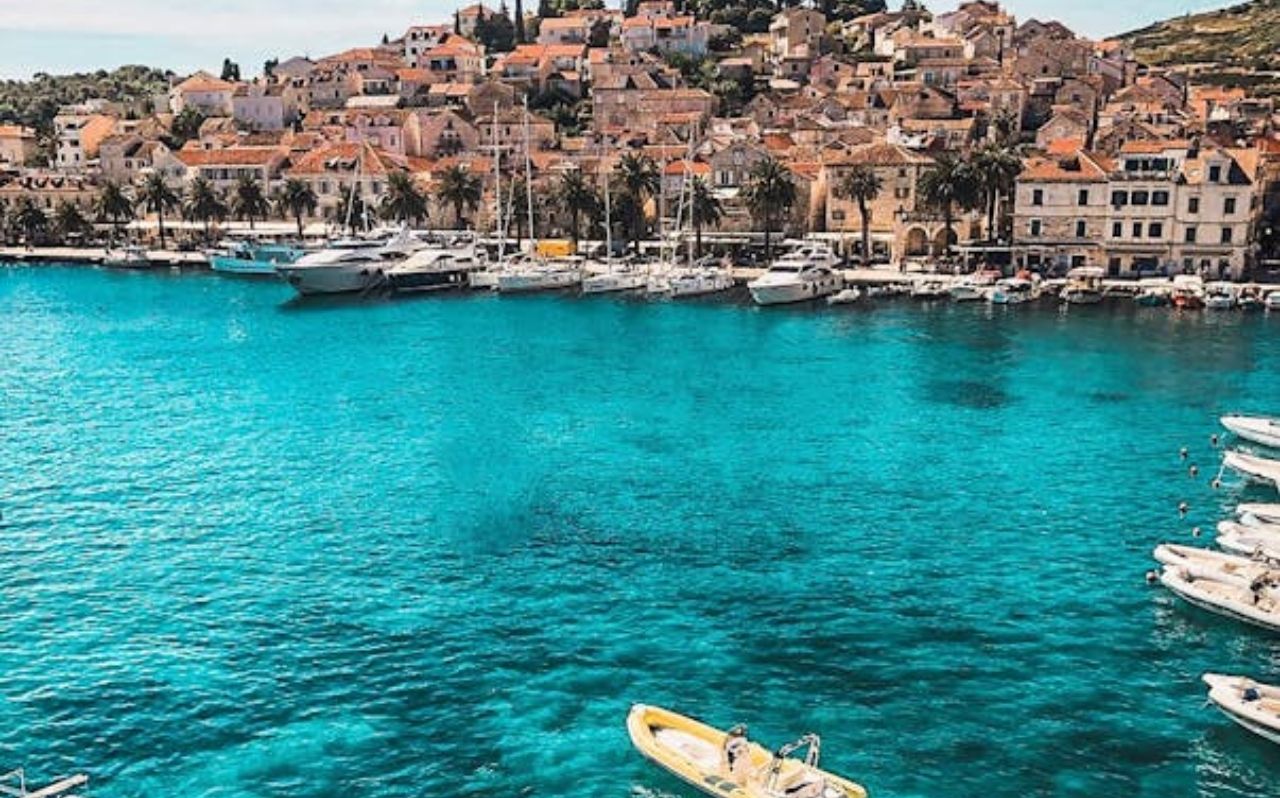
Hvar Island Croatia is one of the most visited islands near Split.
Lively harbor.
Nightlife in summer.
Lavender fields inland.
Fast catamarans connect Split and Hvar frequently during peak months. Tickets can sell out in July and August.
Hvar suits travelers seeking social energy combined with scenic coastline.
Brač Island Croatia
Brač Island Croatia is known for Zlatni Rat beach.
Distinctive triangular sandbar shape.
Popular for wind activities.
More relaxed than Hvar in many areas.
Brač works well for day trips or overnight stays. Ferries operate from Split regularly in high season.
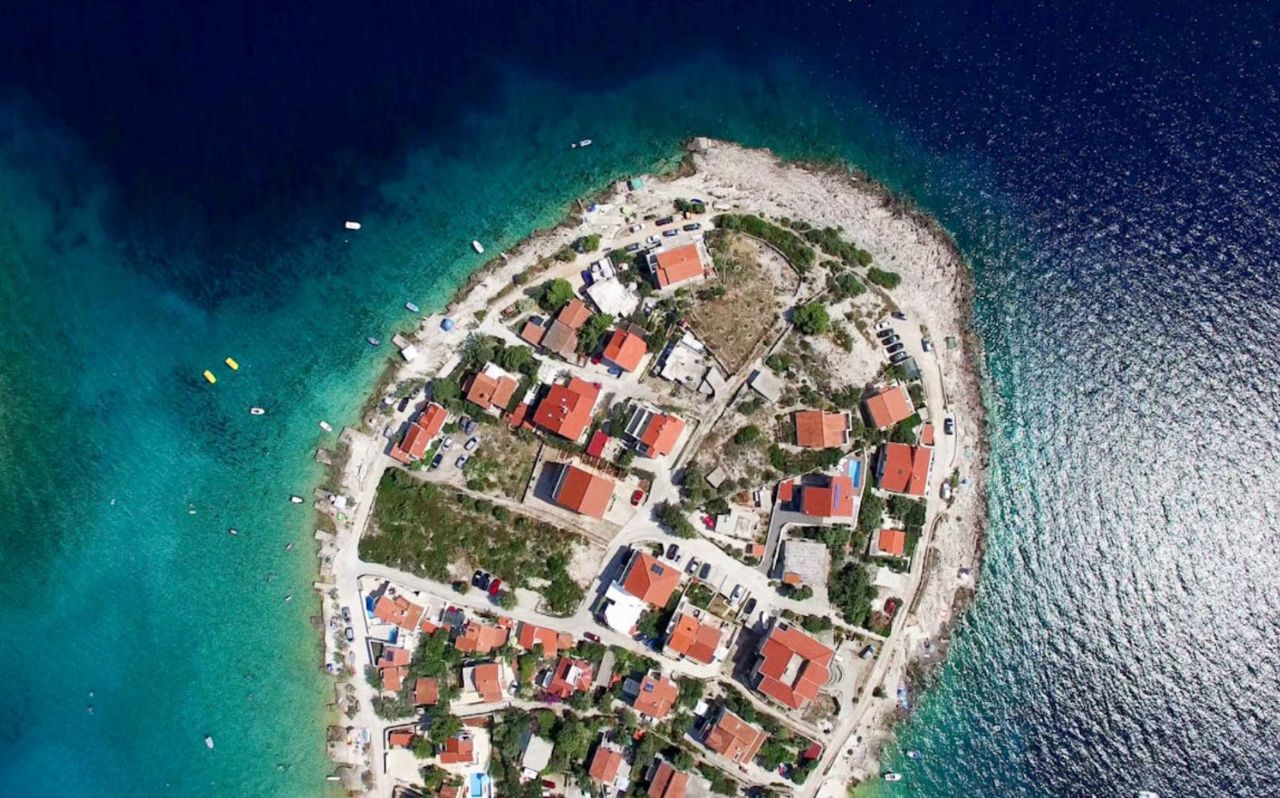
Vis Island
Vis Island feels more remote.
Less commercial.
Smaller villages.
Access to the Blue Cave area.
Vis appeals to travelers seeking quieter coves. Services can be limited outside main settlements, especially in shoulder season.
5. Best Croatian Islands from Dubrovnik
Dubrovnik has fewer large island clusters nearby, but several rewarding options exist.
Lokrum Island Dubrovnik
Lokrum Island Dubrovnik sits only about 15 minutes by boat from the Old Town port.
Nature reserve.
No overnight stays allowed.
Clear swimming spots.
Lokrum is an easy half-day escape from Dubrovnik beaches.
Korčula Island Croatia
Korčula Island Croatia offers a medieval town atmosphere similar to Dubrovnik but on a smaller scale.
Stone streets.
Historic towers.
Relaxed harbor setting.
Ferries from Dubrovnik operate seasonally. Travel time can be around two hours or more, depending on the route.
Mljet Island Croatia
Mljet Island Croatia is home to a national park.
Lakes surrounded by forest.
Cycling routes.
Quiet environment.
Mljet suits travelers who prefer nature over nightlife. Services outside the main harbor areas may be limited.
The Croatia National Tourist Board provides updated regional information:
https://croatia.hr/en-gb
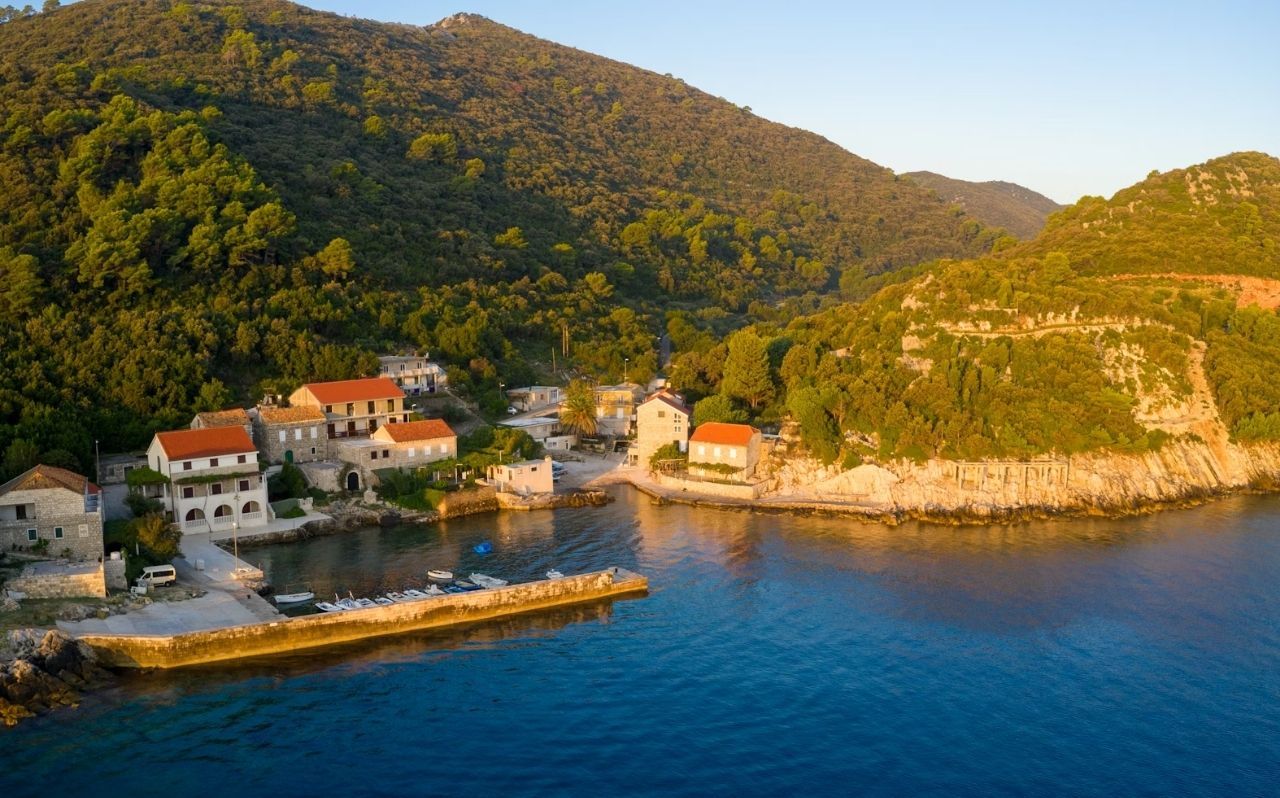
6. Island in Croatia Logistics: Ferries, Schedules, and Seasonality
Once beach and island choices are clear, logistics become central.
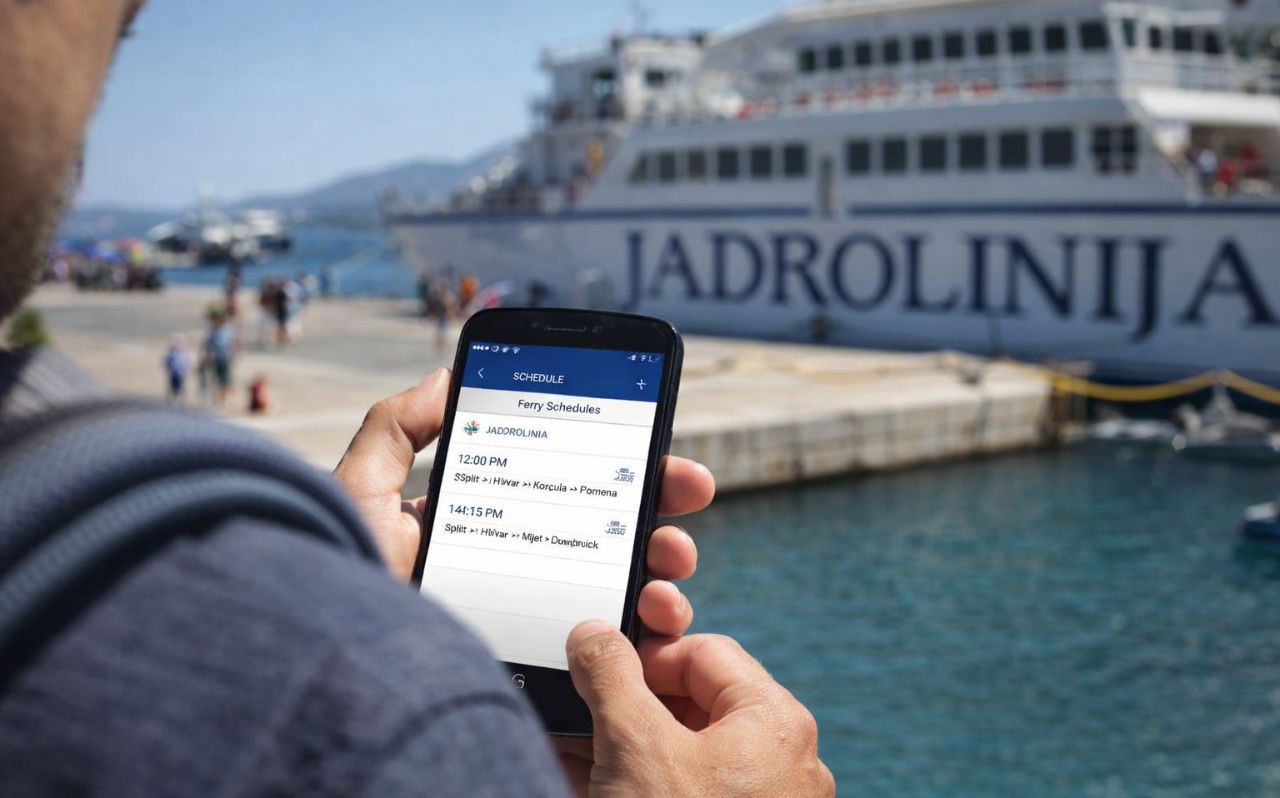
Island hopping in Croatia depends on ferry operators such as Jadrolinija and seasonal catamaran routes. Schedules vary significantly between:
High season (June–September).
Shoulder season (May and October).
Low season (winter months).
During summer, departures are frequent but crowded. In shoulder season, routes may run once per day.
Weather can also influence crossings. Strong winds occasionally delay departures.
Official ferry schedules can be checked here:
https://www.jadrolinija.hr/en
Common practical challenges include:
Determining which dock the ferry departs from.
Confirming return times.
Securing tickets during peak periods.
Coordinating accommodation check-in times with ferry arrivals.
Island planning works best when built around confirmed departure and return times.
7. Practical Connectivity Reality During Island Hopping
Island hopping introduces a subtle layer of complexity.
While Croatia has good overall mobile coverage, signal strength may vary in:
Remote coves.
National park areas.
Smaller inland villages.
Several realistic scenarios highlight why connectivity matters:
Checking updated ferry times if departure changes due to weather.
Locating accommodation within narrow stone streets on Hvar or Korčula.
Confirming bus transfers from island ports.
Accessing digital ferry tickets or QR codes.
Navigating to less marked beaches.
Public WiFi exists in cafes and accommodations, but it is not always available at ports or during transit.
Connectivity becomes part of travel infrastructure rather than an optional extra.
8. When to Consider a More Reliable Setup
Travel between Split and Dubrovnik often includes:
One or two ferry journeys.
Transfers from port to accommodation.
Beach navigation outside city centers.
Island hopping increases the number of moving parts.
In situations like this, having a reliable travel eSIM for Croatia can help maintain access to maps, ferry schedules, and booking confirmations throughout the trip.
9. What to Prioritize If You Have Limited Time
For shorter trips, focus reduces stress.
If staying primarily in Split:
Choose one beach day.
Choose one island day.
Avoid trying to visit multiple islands in one afternoon.
If staying primarily in Dubrovnik:
Visit one central beach such as Banje Beach Dubrovnik Croatia.
Add Lokrum Island for a half-day.
Consider Korčula or Mljet only if time allows.
The best Croatian islands are rewarding, but each requires transport time and planning.
10. Frequently Asked Questions
What are the best Croatian islands for first-time visitors?
Hvar Island Croatia and Brač Island Croatia are popular from Split. From Dubrovnik, Lokrum Island Dubrovnik and Korčula Island Croatia are practical choices.
Which split croatia beaches are easiest to access?
Bačvice Beach is the most central and accessible. Žnjan offers more space, while Kašjuni requires short transport outside the center.
Is Banje Beach Dubrovnik Croatia worth visiting?
Yes, especially for its location and views of the Old Town walls. Arriving early helps avoid crowding.
How do I travel between islands in Croatia?
Most island connections rely on seasonal ferries and catamarans. Checking official schedules before departure is recommended.
Do Croatian islands have good mobile signal?
Coverage is generally good in towns and ports. More remote beaches and park areas may have weaker signal.
11. Final Thoughts
Split and Dubrovnik both open the door to some of the best Croatian islands and beaches.
Split Croatia beaches provide convenient swimming without leaving the city. Dubrovnik beaches deliver dramatic scenery close to medieval architecture. Islands such as Hvar, Brač, Korčula, and Mljet add variety and perspective.
Island hopping in Croatia is rewarding, but it benefits from realistic planning. Confirm ferry times. Allocate travel buffers. Choose fewer islands rather than too many.
With thoughtful pacing and reliable connectivity, the Adriatic coastline becomes easier to explore without unnecessary stress.

Hi! Mình là Lala Wren, một content creator yêu xê dịch và đam mê chia sẻ trải nghiệm thực tế cho cộng đồng Gohub. Trong nhiều năm qua, mình đã đặt chân đến Thái Lan, Hàn Quốc, Nhật Bản, Singapore, Malaysia, Bali và nhiều điểm đến thú vị khác trên khắp châu Á. Cùng mình tìm hiểu tất tần tật từ khâu chuẩn bị eSIM, Visa, lịch trình và địa điểm nổi bật cho chuyến đi sắp tới của bạn nhé!
View all articles →Related articles

Free eSIM Trial USA 2026: T-Mobile vs Verizon vs AT&T vs Visible
Compare every free eSIM trial from US carriers in 2026 — T-Mobile 30 days, Verizon 100GB, AT&T 25GB hotspot, Visible 15 days. Plus: what travelers visiting the US should use instead.

Best Free eSIM Trials in 2026: Every Active Offer Compared (No Credit Card)
Looking for a free eSIM trial in 2026? Compare all active offers — Gohub 300MB, Nomad 1GB, GigSky 100MB, Eskimo 250MB, SimLocal 500MB — no credit card needed. Updated March 2026.

Things to Do in Almaty: City Highlights, Mountain Escapes & Best Day Trips (1–3 Days)
Things to do in Almaty: top city highlights, mountain escapes, best day trips, food spots, and winter ideas—plus 1–3 day itineraries for first-timers.

Things to Do in Kyrgyzstan: Horse Trekking, Horseback Tours, Skiing, Yurts, & Epic Nature Spots
Things to do in Kyrgyzstan: Song-Köl horse treks, yurt stays, Karakol skiing, Ala Archa day hikes, plus seasons, safety, and booking tips.
Serbia Travel Guide for First-Time Visitors (2026 Update)
A practical Serbia travel guide covering safety, transport, regions, and real connectivity tips for first-time visitors in 2026.
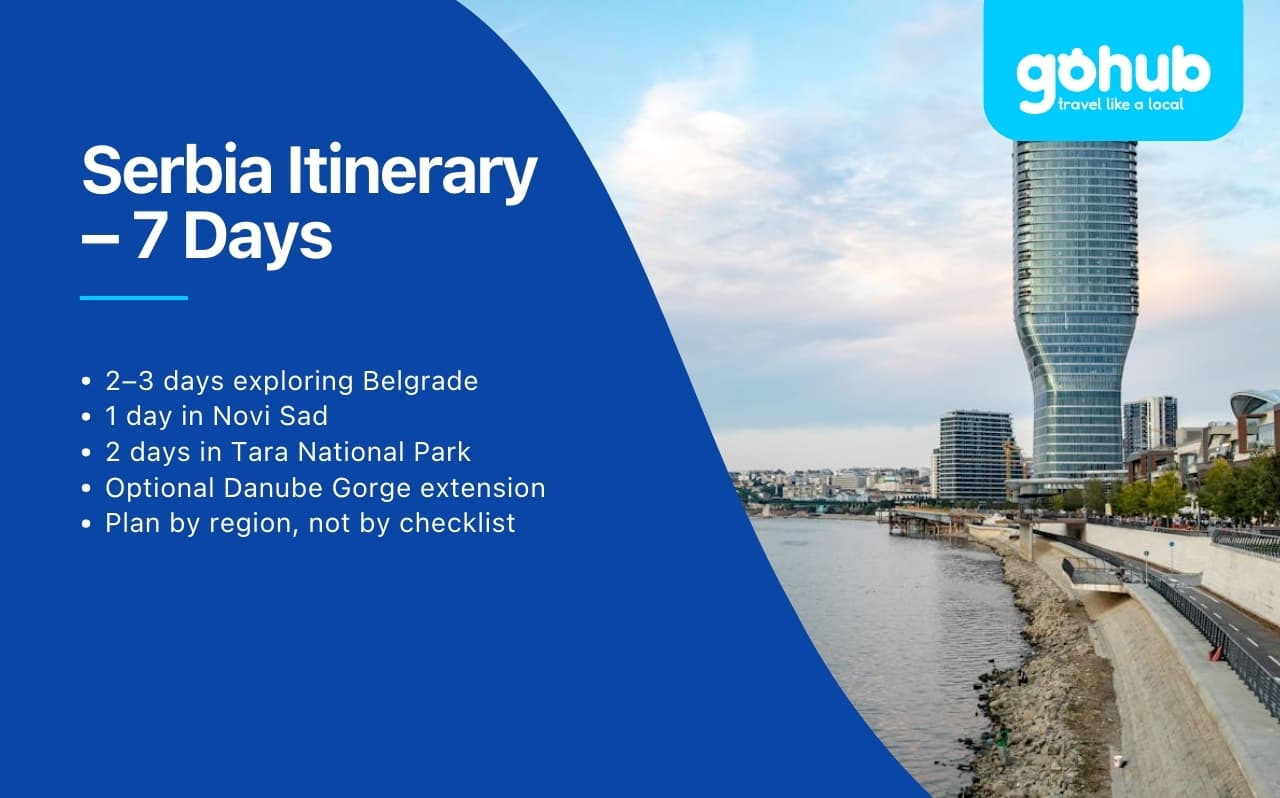
Serbia Itinerary for 7 Days: How to Plan Cities and Nature Without Rushing
Plan a realistic Serbia itinerary for 7 days, covering Belgrade, Novi Sad, Tara National Park, and the Danube Gorge with practical travel advice.