

Đang tải trang, vui lòng chờ...
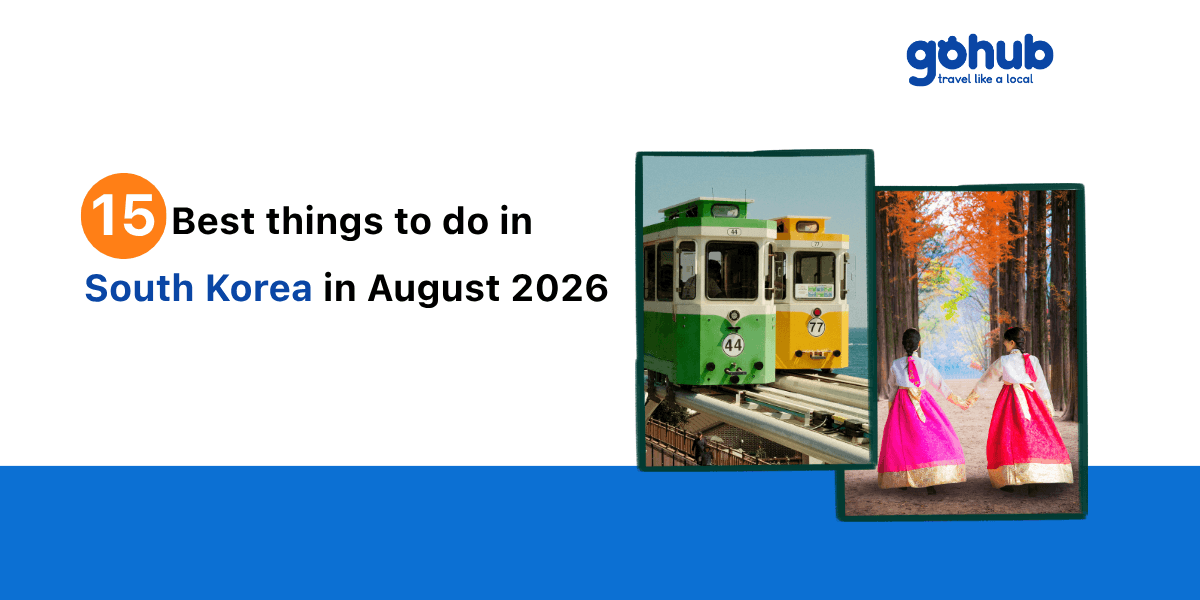
August in South Korea is hot, humid and full of energy. Beaches reach peak season, major cities shift their social life into the evening, and festivals take over riverside parks, coastal towns and outdoor music venues.
It is not the easiest month for walking from morning to night. However, travelers who plan around the weather can experience a side of Korea that spring and autumn visitors often miss: swimming at Busan’s beaches, joining the Boryeong Mud Festival, eating icy summer dishes and watching the country come alive after sunset.
This guide covers the best things to do in South Korea in August, including confirmed 2026 festival dates, coastal escapes, indoor activities and practical ways to handle the summer heat.
Question | Quick answer |
|---|---|
What is the weather like? | Hot and humid, with possible heatwaves, sudden rain and tropical weather systems |
Is August beach season? | Yes. August is within the official swimming season at many Korean beaches |
Best destinations | Seoul, Busan, Jeju Island, Gangneung, Boryeong and Tongyeong |
Best for festivals | Early to mid-August |
Best time for sightseeing | Early morning and after sunset |
What should you pack? | Light clothing, sunscreen, a hat, water bottle, compact umbrella and waterproof footwear |
Main travel challenge | Balancing outdoor sightseeing with heat and possible rain |
August is a good month for travelers who enjoy beaches, festivals, nightlife and a lively summer atmosphere. It is less suitable for visitors who want cool weather or long days of uninterrupted outdoor sightseeing.
Korean summers are hot and humid, with Seoul’s average mean temperature reaching its annual peak of about 25.7°C in August. Daytime conditions can feel considerably hotter because of humidity. Korea Tourism Organization also advises summer travelers to watch for heat, heavy rainfall and possible typhoon advisories.
The most practical strategy is to divide each day into three parts:
Visit palaces, markets and outdoor attractions early in the morning.
Use the hottest afternoon hours for museums, malls, cafés or a jjimjilbang.
Return outdoors for river parks, beaches, food streets and city views after sunset.
August also overlaps with Korea’s domestic summer holiday period. Coastal accommodation and transport can become busy, especially around weekends and public holidays, so advance booking is recommended.
Festival dates change each year. The following dates have been published by Korea Tourism Organization for 2026, but travelers should still check the official program before visiting.
Festival | Location | 2026 dates | Best for |
Boryeong Mud Festival | Daecheon Beach, Boryeong | July 24 to August 9 | Mud games and beach concerts |
Jeongnamjin Jangheung Water Festival | Jangheung | July 25 to August 2 | Water fights and family activities |
Incheon Pentaport Rock Festival | Incheon | July 31 to August 2 | Live rock music |
Hangang River Festival | Seoul | August 1 to 16 | River activities and evening events |
Andong National Heritage Night | Andong | July 31 to August 9 | Heritage and nighttime culture |
Busan Sea Festival | Dadaepo Beach, Busan | August 7 to 13 | Beach events, food and fireworks |
Tongyeong Hansan Battle Festival | Tongyeong | August 12 to 16 | History, parades and reenactments |
Gangneung National Heritage Night | Gangneung | August 14 to 16 | Culture and evening sightseeing |
The 2026 calendar gives travelers several strong options in the first half of August. Pentaport and the Jangheung Water Festival finish early in the month, while Boryeong, Busan, Tongyeong and the Hangang River Festival continue later.
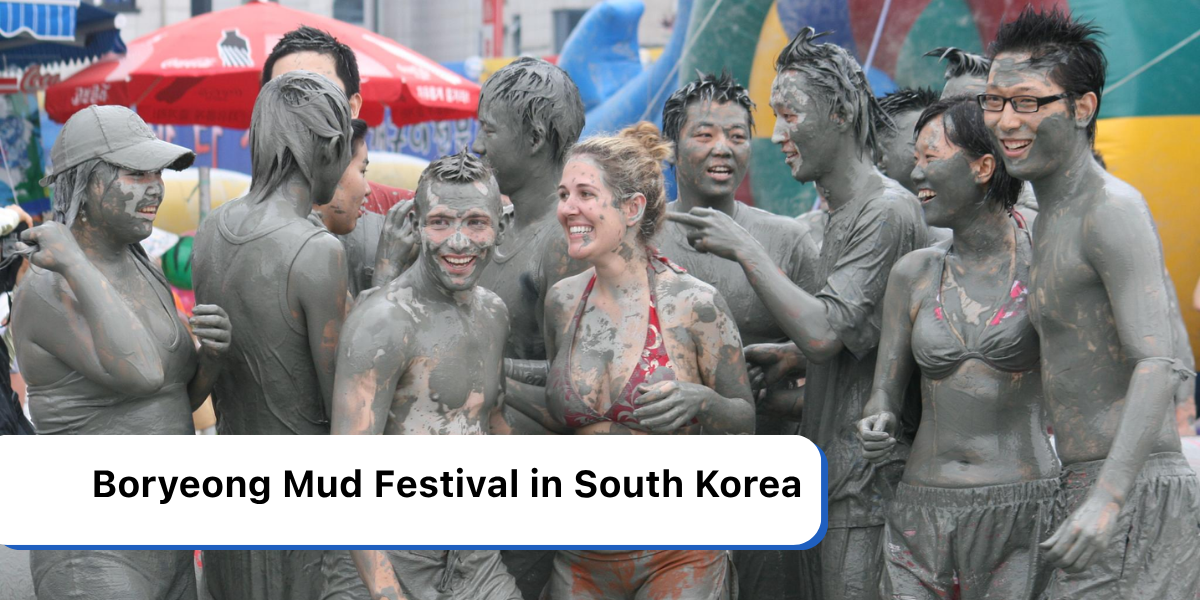
The Boryeong Mud Festival is one of the most distinctive summer experiences in South Korea.
Held at Daecheon Beach, the event turns the coastal area into a large mud-themed playground. Programs typically include mud pools, slides, obstacle courses, games and beachside performances. Visitors should expect to get completely dirty, so this is not an event for clothes or shoes that need to remain clean.
The 2026 festival runs from July 24 to August 9, making it one of the best things to do in South Korea during the first week of August.
Bring:
Swimwear or quick-drying clothes
A waterproof phone pouch
A towel and change of clothes
Shoes that can be washed
Sunscreen that can handle water and sweat
Boryeong can be visited from Seoul, but staying near Daecheon Beach makes the day less rushed, particularly when concerts or evening programs are scheduled.
The Han River becomes one of Seoul’s most active recreational areas during summer.
The 2026 Hangang River Festival runs from August 1 to 16 across major riverside parks. Its program includes a mixture of water activities, concerts, outdoor screenings and recreational events. Programs are distributed across different parks, so visitors should confirm which location is hosting the activity they want to attend.
Even without a ticketed event, an evening picnic beside the river is an easy way to experience local summer life. Yeouido, Banpo and Ttukseom are popular options, although the atmosphere and facilities differ at each park.
Arrive near sunset, buy food nearby and leave enough time to find the correct park entrance. Hangang parks are large, and choosing the wrong subway exit can add a considerable walk in humid weather.
Haeundae is Korea’s most recognizable urban beach and one of Busan’s busiest summer destinations.
The beach is surrounded by hotels, restaurants and cafés, making it easy to combine swimming with a full day in the Haeundae area. Nearby attractions include Dongbaekseom Island, traditional markets and the coastal districts around Cheongsapo and Songjeong.
For 2026, the published swimming season at Haeundae runs from June 26 to September 15, covering the entire month of August.
Haeundae is lively rather than secluded. Travelers looking for a social beach atmosphere will enjoy it, while those wanting more space may prefer an early morning visit or a smaller beach elsewhere on the east coast.
Follow lifeguard instructions and local swimming-zone rules. Beach access may be restricted temporarily when waves, currents or severe weather make swimming unsafe.
Gwangalli Beach is best known for its view of Gwangandaegyo Bridge, particularly after dark.
The beachfront is lined with restaurants, cafés and places to sit facing the water. Visitors can spend the afternoon trying marine activities, then remain in the area for dinner and night views. Korea Tourism Organization lists surfing, paddleboarding and yachting among the activities available around Gwangalli.
The official 2026 swimming period is July 1 to August 31. Gwangalli also hosts the Gwangalli Marvelous Drone Light Show, but visitors should check the official monthly schedule because showtimes can change and performances may be canceled due to weather.
Gwangalli is often a better choice than Haeundae for travelers who prioritize evening atmosphere, cafés and bridge views over a traditional beach day.
Travelers visiting Busan from August 7 to 13, 2026 can add the Busan Sea Festival to their itinerary.
The event takes place at Dadaepo Beach, on the western side of Busan. Its announced program includes beachside activities, fireworks and the Dadae Pocha food-stall area. Dadaepo is also known for its wide shoreline and sunset views.
Because Dadaepo is far from Haeundae and Gwangalli, it should be planned as a separate outing rather than added casually to an already full east Busan itinerary.
Travelers staying around Nampo or Seomyeon may find it easier to reach than visitors based in Haeundae.
Hyeopjae Beach is one of the most attractive summer stops on Jeju Island.
Located on Jeju’s western coast, it is known for pale sand, shallow water and views toward Biyangdo Island. The gentle slope makes it popular with swimmers, although summer crowds can be significant.
Combine Hyeopjae with:
Geumneung Beach
Hallim Park
Aewol and Handam Coastal Trail
Sunset cafés along the western coast
Geumneung is directly connected to Hyeopjae and generally has a quieter atmosphere. Travelers can walk between the two beaches and choose the section that feels less crowded.
Start early, especially when driving. Parking areas near popular Jeju beaches can become congested during peak summer weekends.
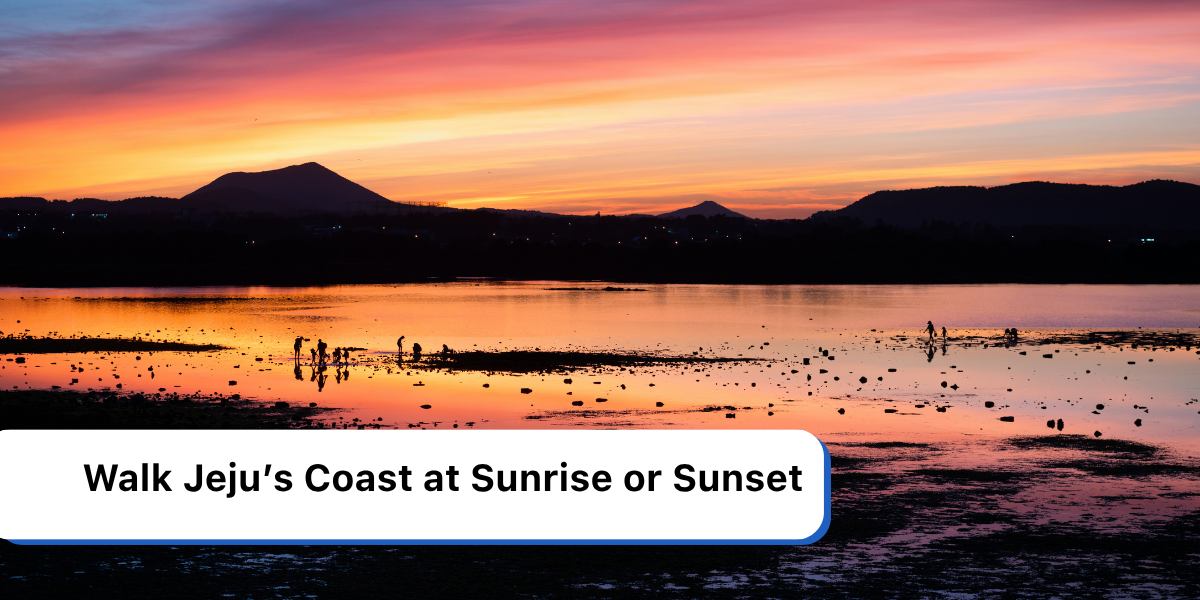
Jeju’s coastal trails remain beautiful in August, but midday is not the most comfortable time for a long exposed walk.
A better approach is to choose a short coastal section and walk either early in the morning or close to sunset. The northwestern route connecting Handam, Hallim and Hyeopjae offers sea views and several places to stop for food or drinks.
Carry water and check the weather before beginning. Coastal paths can become uncomfortable or unsafe during strong wind, heavy rain or intense heat.
August is also not the ideal month for attempting a demanding hike simply because it appears on a standard Jeju itinerary. Adjust the route to the actual temperature and your experience level.
Gangneung is a practical coastal escape for travelers who do not have enough time to fly to Jeju.
Gyeongpo Beach combines a long shoreline with access to Gyeongpo Lake, cafés, Chodang Dubu Village and Gangneung Jungang Market. The 2026 swimming season at Gyeongpo and nearby Gangmun Beach runs from July 10 to August 23.
Another option is Jeongdongjin Beach, located directly beside Jeongdongjin Station. It is especially popular for sunrise views and can be combined with the Jeongdongjin Railbike or Jeongdongsimgok Badabuchae Trail.
Jeongdongjin’s official 2026 swimming season also runs from July 10 to August 23.
Gangneung works well as an overnight trip. A day trip is possible, but staying overnight provides time to enjoy the beach after the daytime crowds begin to leave.
A Korean summer trip is not only about swimming. Coastal cities are also strong destinations for seafood.
In Gangneung, Sokcho, Busan, Jeju and Tongyeong, look for dishes such as:
Mulhoe: Raw fish and vegetables served in a chilled, spicy broth
Hoe: Korean-style sliced raw fish
Grilled shellfish: Often served at coastal restaurants
Jeonbokjuk: Abalone porridge, particularly associated with Jeju
Haemul pajeon: Seafood and green-onion pancake
Mulhoe is especially suited to hot weather because it is served cold. When ordering raw seafood, choose a busy and well-maintained restaurant and follow any local health advisories.
Travelers with allergies should use a translation app or allergy card. Seafood stocks, sauces and side dishes may contain ingredients that are not immediately visible.
Pentaport is one of South Korea’s major outdoor music events and a strong option for travelers interested in live performances rather than traditional sightseeing.
The 2026 festival takes place at Songdo Moonlight Festival Park from July 31 to August 2. Korea Tourism Organization recommends booking early because tickets can sell quickly.
Prepare for a long outdoor day:
Check the festival’s bag and entry rules
Bring approved sun protection
Wear comfortable shoes
Drink water regularly
Save the route back to your accommodation
Confirm the final public-transport schedule
Songdo is in Incheon, not central Seoul. Do not estimate your return journey based only on the distance shown on a map.
Andong offers a more cultural alternative to Korea’s beach and music festivals.
The Andong National Heritage Night “Wolyeong Night Stroll” runs from July 31 to August 9, 2026 around Wolyeonggyo Bridge. Its programs focus on heritage views, stories, art and food after sunset.
The evening schedule is particularly suitable for August because it avoids the most intense daytime heat. Visitors can combine the festival with Andong’s traditional food and cultural attractions.
Andong is better treated as an overnight destination than a quick add-on from Seoul or Busan.
Travelers visiting Korea from August 14 to 16, 2026 can attend Gangneung National Heritage Night.
The festival takes place around Gangneung-daedohobu Government Office, Seobu Market and Myeongju-dong. Announced activities include performances, cultural experiences and art programs staged among the city’s heritage sites.
This event pairs naturally with an east coast itinerary. Spend the morning near the water, rest during the hottest afternoon hours and visit the festival area in the evening.
The Tongyeong Hansan Battle Festival provides a different type of coastal experience.
Held from August 12 to 16, 2026, the festival commemorates Admiral Yi Sun-sin’s victory at the Battle of Hansan. The program includes a naval battle reenactment, parades, performances and nighttime events.
Tongyeong is also known for island views, seafood and its working-port atmosphere. It is a good alternative for travelers who have already visited Seoul and Busan or who prefer smaller coastal cities.
Allow at least one night. Reaching Tongyeong, attending evening events and leaving again on the same day can make the experience unnecessarily rushed.
Seoul does not need to be removed from an August itinerary. It simply needs to be paced differently.
Start outdoor sightseeing early with places such as:
Gyeongbokgung Palace
Bukchon and the Jongno area
Cheonggyecheon Stream
Namsan
Traditional markets
Neighborhood walks in Ikseon-dong or Seochon
During the afternoon, move indoors. Suitable options include national museums, art museums, COEX Mall, Starfield Library, aquariums, department stores and large cafés.
Return outside after sunset for Hongdae, the Han River, Namsan views, Euljiro or Dongdaemun. Nighttime temperatures can still be warm, but walking is generally more manageable without direct sunlight.
Do not schedule a palace, mountain hike, outdoor market and riverside picnic back to back in the middle of an August day.
Korean cuisine has several dishes designed for hot weather.
Bingsu is finely shaved ice served with toppings such as red bean, fruit, condensed milk, rice cake or ice cream. Portions are often large enough to share.
Naengmyeon consists of cold noodles served either in chilled broth or with a spicy sauce. The noodles can be chewy, so they are often cut with scissors before eating.
Kongguksu is a seasonal noodle dish served in a cold soybean broth. Its mild flavor makes it a refreshing contrast to heavier Korean meals.
Samgyetang may appear surprising because it is a hot chicken soup. Koreans traditionally eat it during the hottest days of summer as part of the idea of fighting heat with heat.
Summer dishes are not merely refreshments between attractions. Building a meal stop into the hottest part of the day is one of the easiest ways to make an August itinerary more comfortable.
This route combines Seoul and Busan without adding too many long-distance transfers.
Visit Gyeongbokgung Palace early, followed by Seochon or Insadong. Spend the afternoon in a museum and return outdoors around Ikseon-dong in the evening.
Explore COEX or another indoor Gangnam attraction during the afternoon. Visit a Hangang park around sunset and attend a festival program when available.
Choose the Boryeong Mud Festival, Pentaport Rock Festival or an additional Seoul day depending on your dates. Avoid forcing a festival into the itinerary when it requires an unrealistic transfer.
Take the train to Busan, check in and spend the evening at Gwangalli Beach.
Visit Haeundae early, then explore Cheongsapo, Songjeong or another east Busan coastal area. Rest during the hottest afternoon period.
Explore Jagalchi, Nampo and nearby neighborhoods, or attend the Busan Sea Festival at Dadaepo when your dates align.
Have a relaxed breakfast, visit a market or café and leave enough time for your train or flight.
Jeju should ideally be added only when the trip lasts at least nine or ten days. Trying to combine Seoul, Busan and Jeju within one week creates too many airport and hotel transfers.
Pack for both heat and sudden rain:
Lightweight, breathable clothing
Comfortable walking shoes
Sandals or waterproof footwear
High-SPF sunscreen
Hat and sunglasses
Refillable water bottle
Compact umbrella
Light rain jacket
Waterproof phone pouch
Small towel or handkerchief
Portable charger
Medication and basic heat-relief supplies
Indoor air conditioning can feel cold after spending time outside, so a thin overshirt can still be useful.
August conditions can change quickly. Use the Korea Meteorological Administration forecast and pay attention to heatwave, heavy-rain and typhoon alerts. KMA issues heatwave watches when the maximum feels-like temperature is expected to reach at least 33°C for two consecutive days.
Schedule long walks before late morning or after the sun begins to fall. Rest indoors during the hottest period.
Busan, Jeju, Gangneung and other beach destinations are busy during Korea’s summer holiday season. Weekend availability can disappear before weekday rooms.
Do not prepay for every outdoor activity. Keep at least one indoor alternative for each day in case of intense heat or rain.
Naver Map and KakaoMap are useful for public transport, walking directions and finding local businesses. Save important addresses in Korean when possible.
A multi-city summer trip in South Korea often involves checking KTX schedules, local bus routes, weather alerts, festival updates and last-minute changes while moving between Seoul, Busan, Jeju and other destinations. Reliable mobile data is especially useful in August, when heavy rain or extreme heat may affect transport and outdoor plans.
A Gohub eSIM for South Korea lets you access mobile data without removing your physical SIM. Depending on the selected plan, your eSIM can connect to major local networks such as SK Telecom or LG U+, providing coverage across popular cities and travel destinations.
One of Gohub’s main advantages is its truly unlimited South Korea eSIM option. Unlike many plans advertised as “unlimited” that only include 500 MB or 1 GB of high-speed data per day before reducing your connection speed, Gohub’s true unlimited plan maintains high-speed data throughout the validity period.
This can be particularly useful for travelers who rely heavily on their phones for:
Real-time navigation and public transport updates
Video calls and remote work
Uploading photos and videos
Streaming music or entertainment
Using translation apps throughout the day
Sharing data through a mobile hotspot, where supported
With no daily high-speed data allowance to monitor, you can travel between cities without worrying that your connection will slow down after reaching a small daily threshold.
Install the eSIM while connected to stable Wi-Fi before departure. Before purchasing, check the plan duration, supported networks, hotspot availability and activation policy to make sure the plan matches your travel dates and device.
August is hot and humid, but it is still manageable with a weather-conscious itinerary. Plan outdoor attractions for the morning and evening, and use air-conditioned attractions during the afternoon.
Rainfall varies by year and region. Short heavy downpours and severe-weather systems are possible, so carry an umbrella and check official alerts each day. Coastal and island schedules can be affected by typhoons or strong wind.
Yes. August falls within the official swimming season at many beaches, including Haeundae, Gwangalli, Gyeongpo and Jeongdongjin. Swimming may still be suspended temporarily because of waves, currents or weather warnings.
Busan and Jeju are strong choices for beaches. Seoul offers festivals, nightlife and indoor attractions. Gangneung is useful for a shorter east coast escape, while Boryeong, Andong and Tongyeong are worth visiting when their festival dates match your trip.
The Boryeong Mud Festival is the best-known option for international visitors. Music fans may prefer Pentaport, while travelers interested in Korean history and culture may enjoy Andong National Heritage Night or the Tongyeong Hansan Battle Festival.
Choose Jeju for natural scenery, beaches and a road-trip atmosphere. Choose Busan for easier public transportation, urban nightlife, seafood markets and beaches that can be combined with city attractions.
Wear light, breathable clothing and comfortable shoes. Bring sun protection and rain gear. Some indoor venues have strong air conditioning, so carry a thin extra layer.
The best things to do in South Korea in August are not limited to one city or one type of traveler.
Festival lovers can build a trip around Boryeong, Pentaport or the Han River. Beach travelers can choose Busan, Jeju or Gangneung. Visitors who prefer culture can explore Andong and Tongyeong after dark, while first-time travelers can still enjoy Seoul by moving their schedule away from the hottest afternoon hours.
The key is not trying to follow a spring or autumn itinerary in summer conditions. Start early, slow down during the afternoon, stay flexible when rain arrives and save some of Korea’s most memorable experiences for after sunset.
Before you leave, set up a South Korea travel eSIM from Gohub so you can access navigation, transport information and weather updates as soon as you arrive.
Korea Tourism Organization: Climate in South Korea
Korea Tourism Organization: Korea’s Top 10 Summer Festivals for 2026
Korea Tourism Organization: East Coast Beaches Accessible by KTX-Eum
Korea Tourism Organization: Hyeopjae Beach
Official Seoul Tourism Guide: Seasons and Weather
Korea Meteorological Administration: Weather Warnings
Gohub: South Korea Travel eSIM