

Đang tải trang, vui lòng chờ...
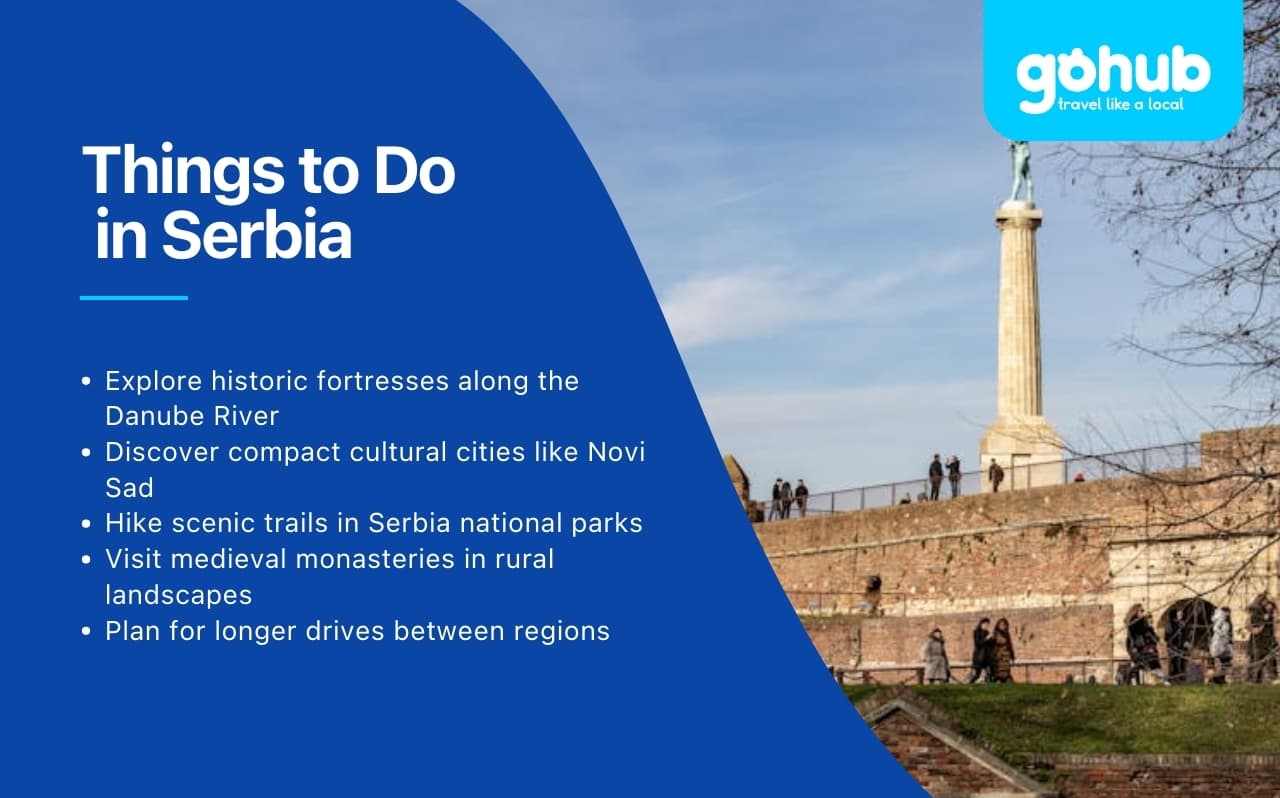
Many travelers searching for things to do in Serbia quickly realize that the country does not fit into one simple category. It is not only a nightlife destination. It is not only a Balkan stopover. Serbia combines historic cities, river landscapes, mountain regions, and medieval heritage in ways that feel layered rather than obvious.
For first-time visitors, this can feel confusing. Lists of what to do in Serbia often mix fortresses, festivals, monasteries, and national parks without explaining how they connect. Planning becomes easier once destinations are grouped by experience instead of geography.
Popular activitives to do in Serbia include exploring historic fortresses along the Danube River, hiking in Serbia national parks such as Tara National Park, and visiting medieval monasteries scattered across the countryside. These experiences vary widely in pace, setting, and infrastructure.
This guide begins with cities. It then expands outward toward nature and regional highlights. The goal is to help travelers understand not just what exists, but what each experience actually feels like in practice.
TL;DR: Quick Overview of Things to Do in Serbia
Belgrade offers historic landmarks like Belgrade Fortress and lively riverfront areas along the Danube River.
Novi Sad and Subotica expand the range of cultural and architectural highlights.
Serbia national parks such as Tara National Park and Đerdap National Park provide forest hikes and dramatic river scenery.
Medieval monasteries and rural villages reveal deeper historical layers.
Many scenic things to do in Serbia require longer drives and advance planning.
Serbia combines compact cities with remote landscapes. The experience shifts quickly once travelers leave major urban centers.
Belgrade is often the first stop for international visitors. The city sits at the meeting point of the Sava and Danube rivers. This location shaped its military and cultural history. It also makes it one of the most scenic urban centers in the region.
When considering things to do in Serbia, Belgrade offers the most accessible introduction.
The most recognizable landmark is the Belgrade Fortress, located within Kalemegdan Park. Entry is free. The site overlooks the confluence of the Sava and Danube rivers.
Walking through the fortress grounds provides:
Panoramic river views
Layers of Ottoman and Austro-Hungarian history
Open green space used daily by locals
In practice, this is not a crowded museum experience. Families walk here in the afternoon. Couples gather at sunset. It feels integrated into daily life rather than isolated from it.
For many visitors, this is the first of several meaningful things to do in Serbia that combine scenery with historical context.
Skadarlija is often described as Belgrade’s bohemian quarter. Cobblestone streets and traditional restaurants define the area. Live folk music is common in the evenings.
Typical experiences here include:
Trying Serbian dishes such as ćevapi or sarma
Listening to small acoustic bands
Exploring side streets near Republic Square
This district feels compact and walkable. It works well for travelers who prefer slow evenings rather than structured tours.
Beyond historic landmarks, Belgrade has a strong contemporary side. Floating river clubs, cafés along the Danube River, and pedestrian zones give the city a lively rhythm.
Many first-time visitors expect only nightlife. Instead, they find a mix of:
Riverside walking paths
Museum spaces
Markets and neighborhood cafés
Belgrade alone does not represent all the things to do in Serbia, but it provides a practical starting point. From here, regional contrasts become clearer.
Belgrade may be the entry point, but it does not define the full range of things to do in Serbia. Once travelers move beyond the capital, the country feels more varied and less urban.
Novi Sad sits about an hour north of Belgrade. It feels smaller, calmer, and easier to navigate.
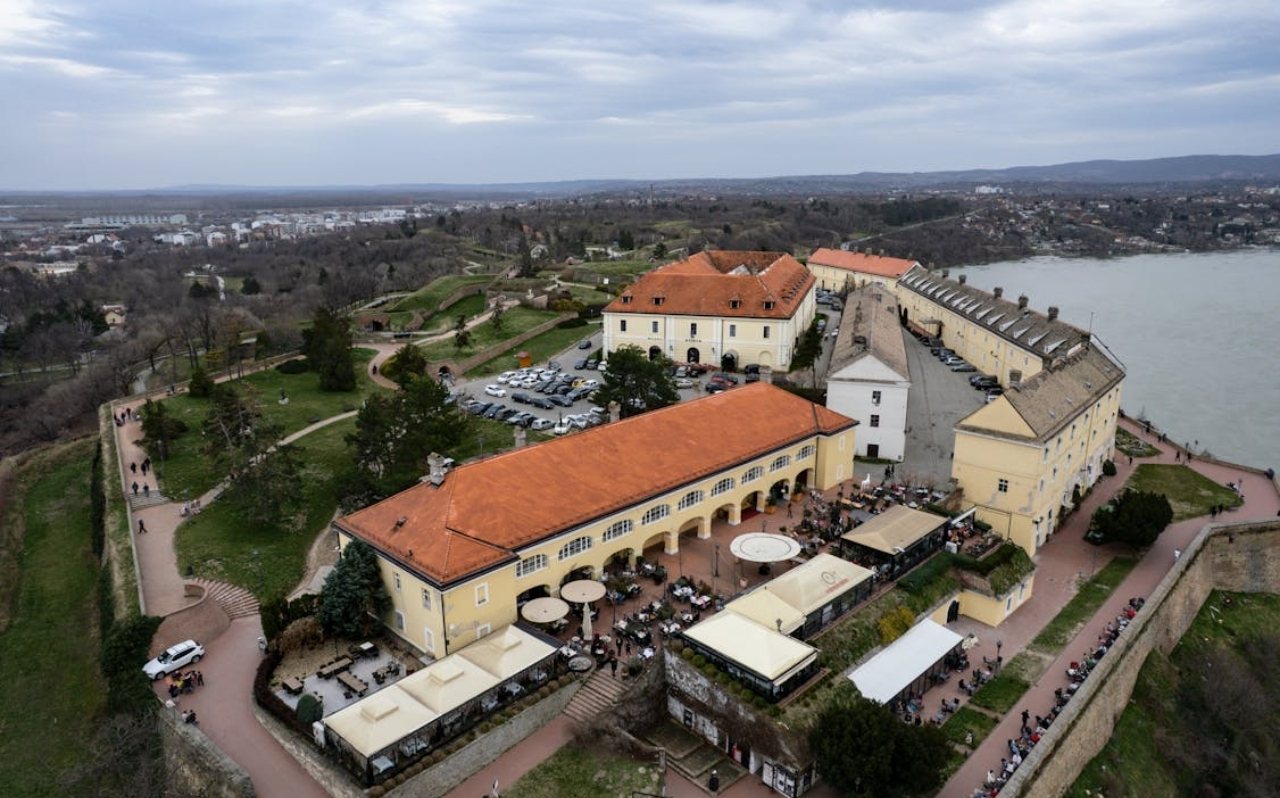
The highlight is Petrovaradin Fortress. The fortress overlooks the Danube River and is known for its clock tower, sometimes called the “Drunken Clock” because the large hand shows hours instead of minutes.
Visitors typically:
Walk along fortress walls
Enjoy panoramic views over the Danube
Explore the pedestrian center of Novi Sad
Each summer, the fortress hosts the EXIT Festival, which draws international crowds. Outside festival season, the atmosphere is quiet and relaxed.
For travelers building a short itinerary, Novi Sad expands the list of things to do in Serbia without requiring long transfers.
Subotica lies near the Hungarian border. Its architecture stands out from other Serbian cities.
Key landmarks include:
Subotica City Hall
Subotica Synagogue
The style reflects strong Central European influence. The atmosphere feels orderly and café-oriented. Many travelers visit Subotica as a day trip rather than an overnight stay.
Niš is one of the oldest cities in Europe and the birthplace of Constantine the Great.
Important sites include:
Niš Fortress
Skull Tower
The Skull Tower is a somber monument built from the skulls of Serbian rebels during the Ottoman period. It reflects a more serious side of the country’s history.
These cities demonstrate that things to do in Serbia are not limited to nightlife or capital-city sightseeing. Regional differences become clearer with each stop.
Urban exploration is only part of the experience. Some of the most memorable things to do in Serbia involve forests, rivers, and mountain terrain.
Tara National Park is known for dense forests and wildlife.
Highlights include:
Banjska Stena viewpoint
The Drina River House
Well-marked hiking trails
Tara feels remote compared to Belgrade. Roads can be narrow, and facilities are limited in smaller villages.
Among Serbia national parks, Tara is often considered one of the most scenic.
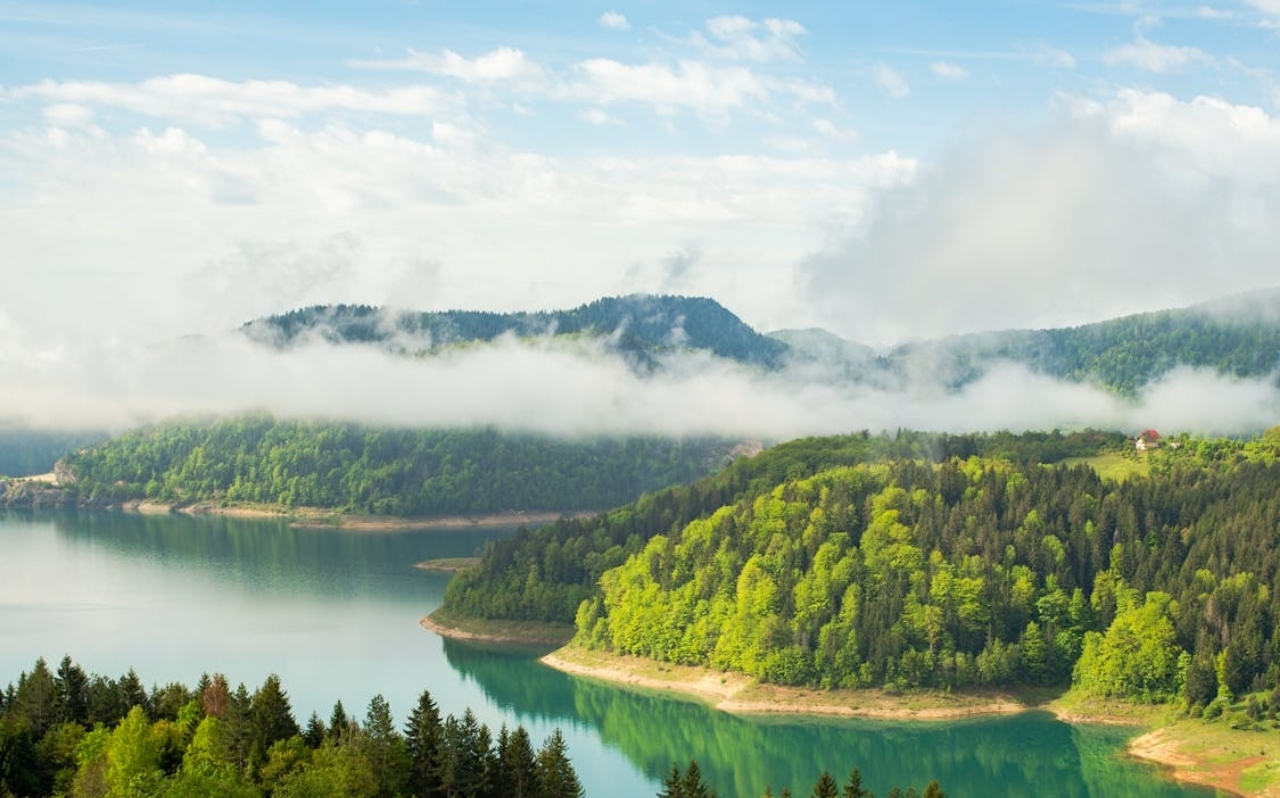
Uvac Special Nature Reserve is famous for its dramatic river meanders.
Visitors typically:
Take boat tours
Hike to Molitva viewpoint
Observe griffon vultures
Access can involve gravel roads. Planning arrival times is helpful.
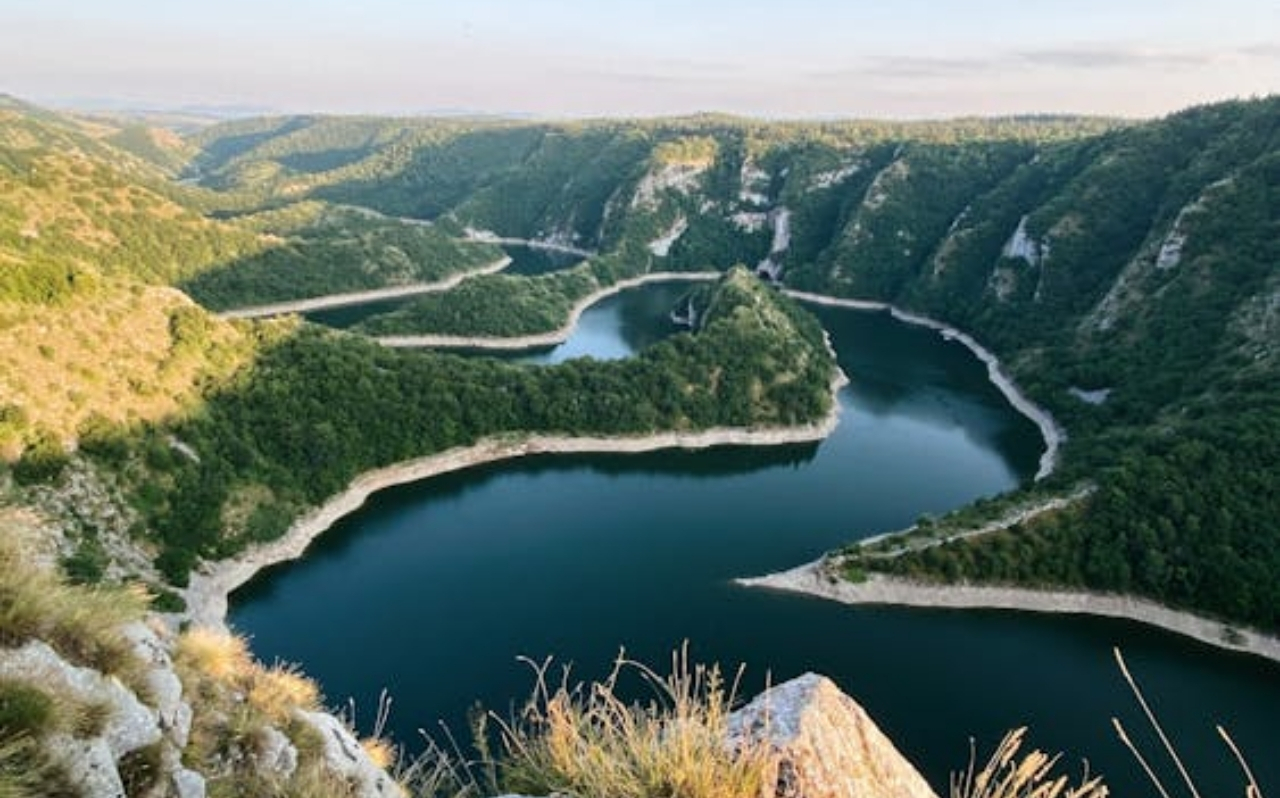
Đerdap National Park stretches along the Danube River.
The park includes:
The Iron Gates gorge
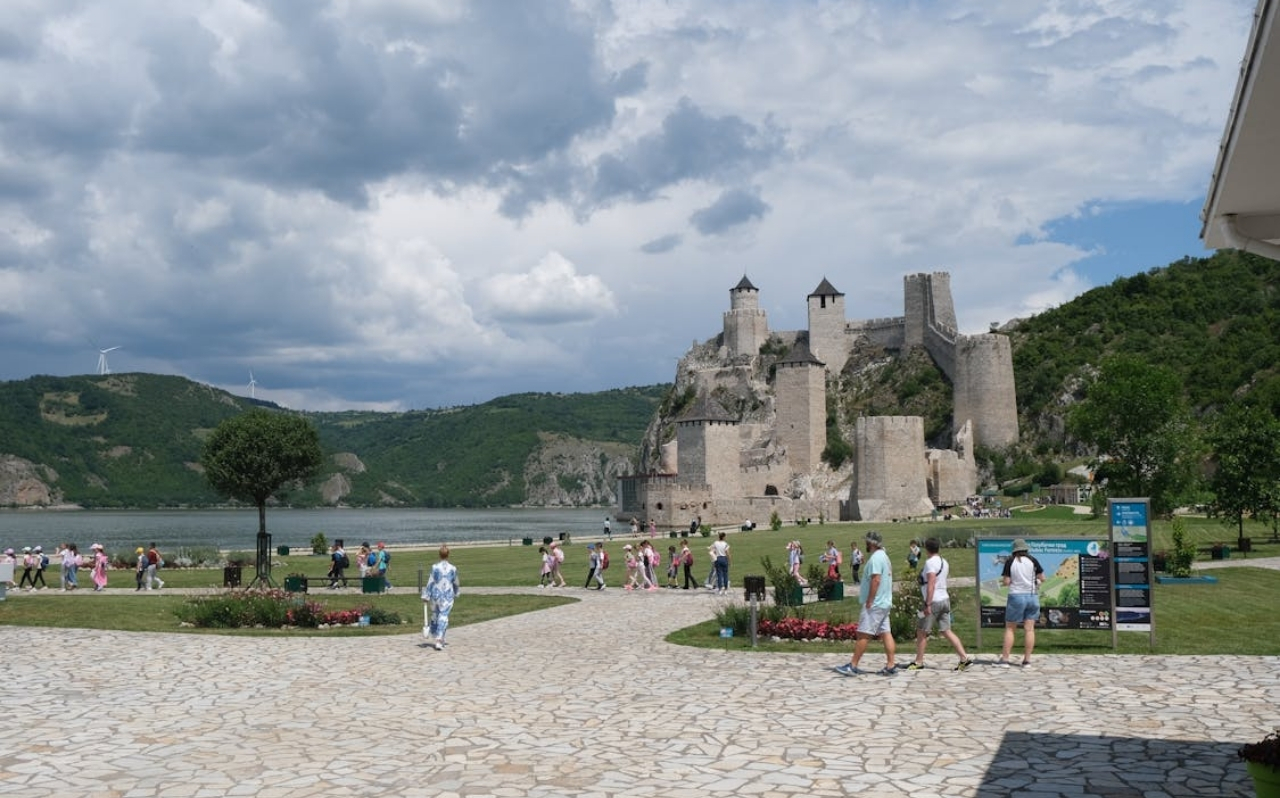
Golubac Fortress
This region shows how river geography shapes both scenery and history. Among Serbia national parks, Đerdap is often linked to long scenic drives.
Nature-focused things to do in Serbia often require more time and flexibility than city visits.
Serbia’s cultural heritage extends beyond urban landmarks.
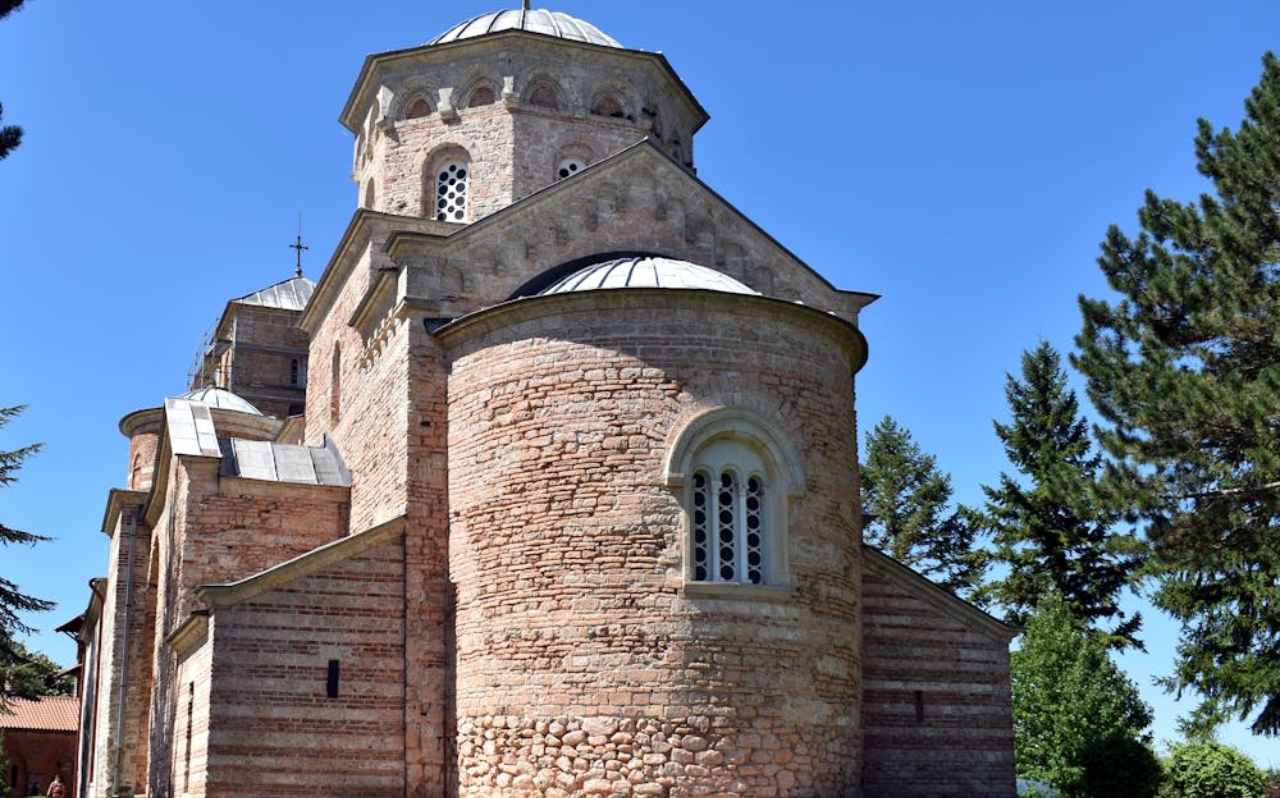
Studenica Monastery is a UNESCO-listed site representing medieval Serbian architecture.
The monastery features Byzantine frescoes dating back to the 13th century. The surrounding landscape is quiet and rural.
Many medieval monasteries in Serbia are located away from major highways. Visiting them often involves slower travel and early departures.
In western Serbia, villages such as Sirogojno preserve wooden houses and traditional crafts.
These cultural things to do in Serbia often feel less commercialized. They provide insight into rural life rather than curated tourist displays.
The experience of things to do in Serbia changes with the seasons.
Winter:
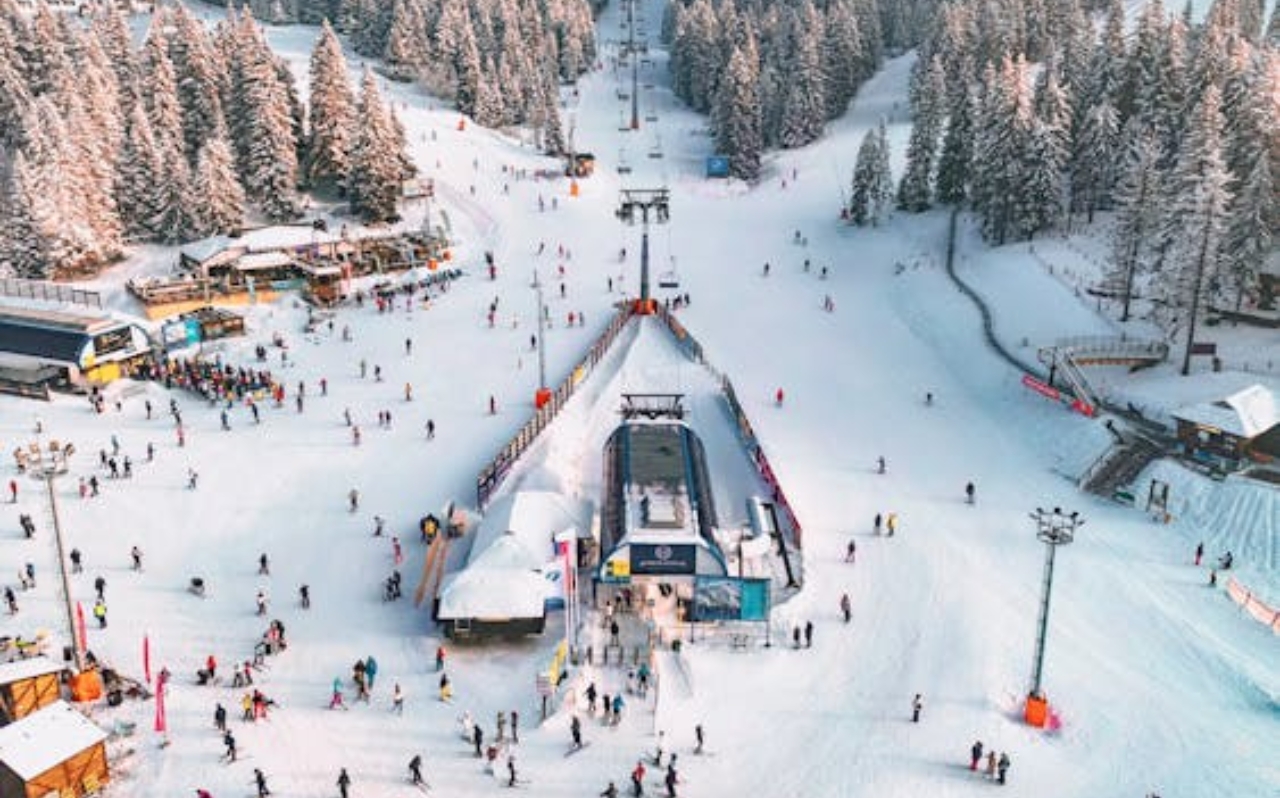
Skiing in Kopaonik National Park
Snow-covered mountain landscapes
Spring:
Blossoming countryside
Mild hiking weather
Summer:
River festivals
Mountain trails
Autumn:
Foliage in Serbia national parks
Fewer crowds
Seasonal planning shapes what feels accessible and comfortable.
Understanding infrastructure is part of planning realistic things to do in Serbia.
Intercity buses are more common than trains. Travel times can be longer than expected, especially in mountain areas.
Routes between Belgrade and Novi Sad are straightforward. Travel to Tara or Uvac requires more coordination.
Official transportation updates can be found via the Serbian railway site: https://www.srbvoz.rs
Airport information is available from Belgrade Nikola Tesla Airport: https://beg.aero
In Serbia national parks and smaller villages:
Public WiFi is limited
Opening hours may be shorter
Signage can be basic
Travelers often rely on maps and schedule checks throughout the day.
Mobile data is commonly used for:
Navigation between national parks
Checking bus timetables
Translating menus
Confirming accommodation details
Coverage is generally strong in cities, but mountain areas may vary. Planning ahead reduces uncertainty.
Long drives between regions, rural monasteries, and national park viewpoints can create moments where access to information becomes practical rather than optional.
In situations like this, having a a reliable travel eSIM for Serbia can reduce stress and help travelers stay connected throughout their trip.
Before finalizing your schedule, consider reading a structured Serbia travel planning guide to better understand geography, distances, and transport options.
Serbia is known for its historic fortresses, medieval monasteries, and dramatic Danube River landscapes. It is also recognized for cultural festivals such as EXIT in Novi Sad.
Five to seven days allow travelers to explore Belgrade, visit Novi Sad, and experience at least one national park. Shorter stays focus mainly on cities.
Serbia is generally considered safe for visitors. Standard travel precautions apply, especially in busy urban areas at night.
Yes. Serbia national parks such as Tara and Đerdap offer hiking, viewpoints, and river scenery. Rural areas provide quieter experiences away from major cities.
The range of things to do in Serbia spans far beyond a single capital city. Travelers can explore riverside fortresses, walk through compact cultural centers, hike forested mountain trails, and visit medieval monasteries set deep in the countryside.
Cities provide energy and accessibility. National parks offer space and contrast. Cultural landmarks reveal historical depth.
Understanding how these experiences connect makes planning smoother. Serbia rewards travelers who balance urban exploration with regional discovery.
Một chiếc eSIM, dùng data ở hơn 200 điểm đến. Kích hoạt trong vài phút.
Mã áp dụng cho đơn hàng đầu tiên.