

What to Do in Medellín: A Practical Guide for First-Time Travelers

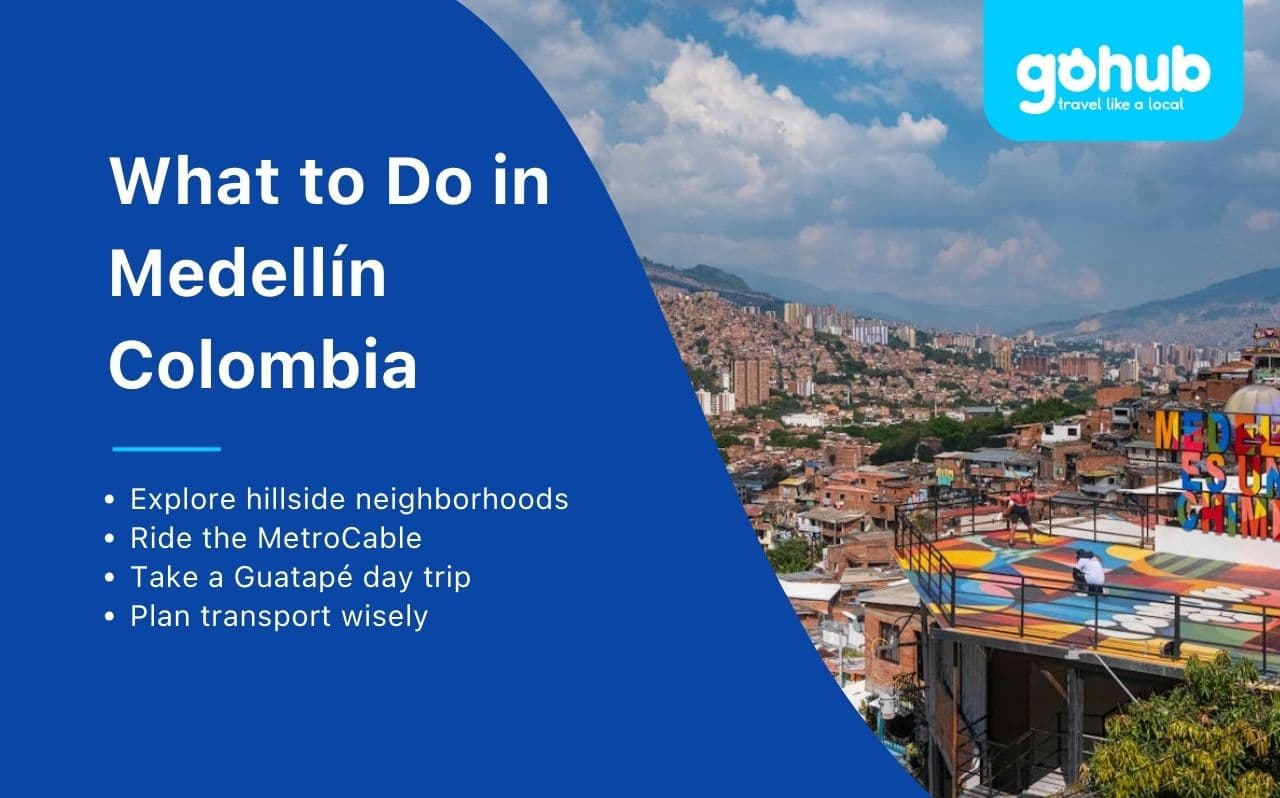
Medellín often surprises first-time travelers.
It sits in a wide valley surrounded by green mountains. The weather feels mild year-round. The city has modern metro lines, street art districts, and easy access to countryside day trips. At the same time, many visitors arrive with questions. Is it safe? Which neighborhood should you stay in? How do you move around a city built on hills?
For first-time travelers, planning what to do in Medellín can feel exciting and slightly overwhelming. There are more options than expected. The layout is different from many European or North American cities. And daily logistics, such as transport and connectivity, matter more than people realize.
This guide walks through the core experiences, common planning mistakes, and the practical realities of getting around.
TL;DR
Medellín is a hillside city with modern transport and diverse neighborhoods.
First-time travelers often feel overwhelmed by layout, safety questions, and day trip options.
Core highlights include Plaza Botero, Comuna 13, the MetroCable, and a Guatapé day trip.
Three full days is a comfortable amount of time for most visitors.
Mobile data is commonly needed for airport transfers, metro navigation, ride-hailing, and countryside excursions.
1. Why Planning Medellín Can Be Confusing for First-Time Visitors
Medellín is not a flat, compact city.
It stretches along a valley, with neighborhoods climbing up the hillsides. The central areas are connected by the Medellín Metro and Metrocable system. Some districts feel modern and polished. Others feel more local and residential.
Common points of confusion include:
Choosing between El Poblado and Laureles
Deciding whether to visit Comuna 13 independently or with a guide
Figuring out how much time to spend in the city versus day trips
Understanding how far the airport is from the center
Many travelers also carry outdated impressions. Medellín was once known internationally for crime. Today, it is very different. According to Colombia’s official tourism board, visitor numbers have grown steadily over the past decade as the city has repositioned itself as a cultural and innovation hub.
Still, understanding how the city works in practice helps reduce stress.
2. What to Do in Medellín: Core Experiences You Shouldn’t Miss
There are many things to do in Medellín. For first-time visitors, focusing on a few key areas makes the experience more manageable.
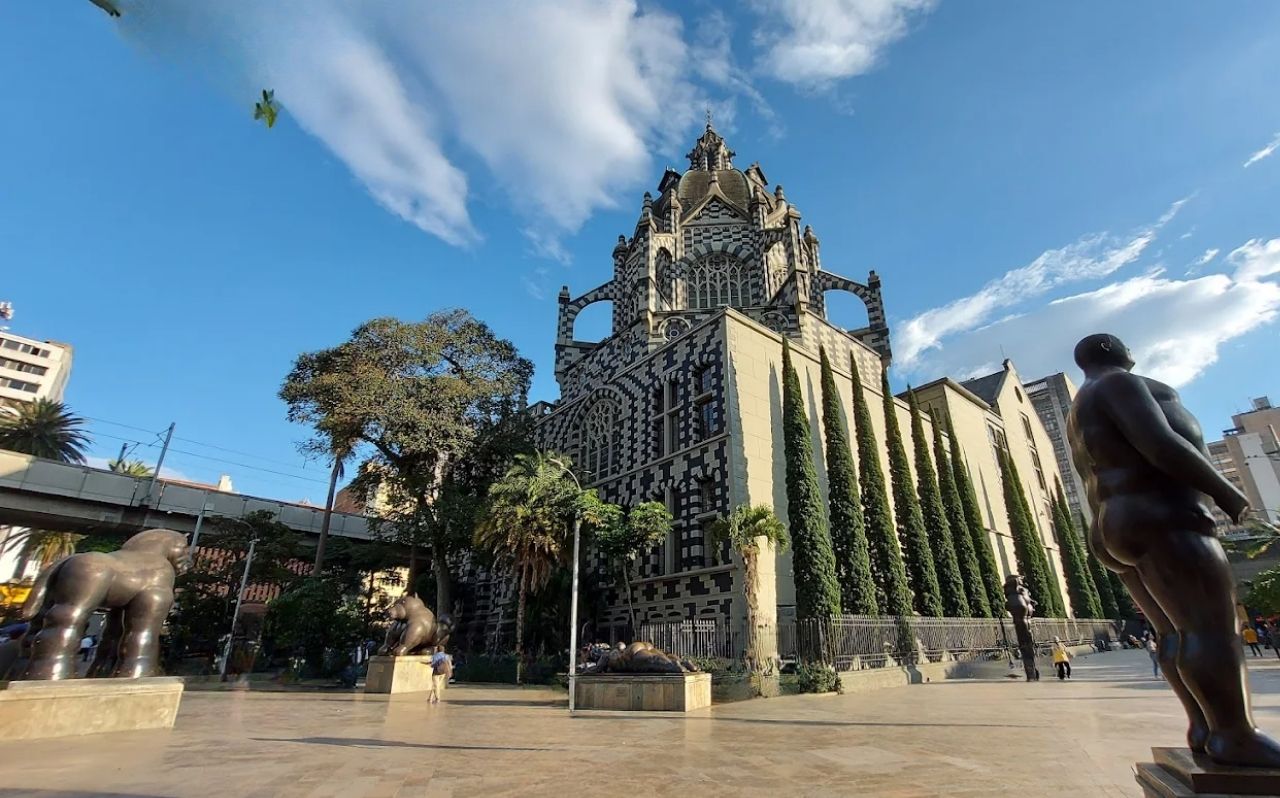
Explore Plaza Botero and Museo de Antioquia
Start in the city center.
Plaza Botero is known for its large bronze sculptures by Colombian artist Fernando Botero. The nearby Museo de Antioquia offers context about regional art and history. This area provides insight into the cultural transformation of the city.
It is best visited during daylight hours. Like in many large cities, staying aware of your surroundings is practical advice.
For updated opening times, the official Medellín tourism website provides reliable information.
Ride the Medellín Metro and Metrocable
The Medellín Metro is one of the cleanest and most organized public transport systems in Latin America. It connects key neighborhoods along the valley floor.
The Metrocable lines extend into hillside communities. Riding the cable cars offers both practical transport and wide views of the city.
The official Metro de Medellín website explains routes and operating hours. Reviewing the map before boarding helps avoid confusion during peak hours.
For first-time travelers, riding the metro and cable car is not just transport. It is part of understanding how the city connects different communities.

Visit Comuna 13
Comuna 13 has become one of Medellín’s most visited neighborhoods.
Once associated with violence, it is now known for street art, outdoor escalators, and community-led tours. Many travelers choose to join a guided walking tour. Local guides provide context about the neighborhood’s history and transformation.
It is possible to visit independently. However, guided visits often add depth and support the local economy.
Go during daylight. Wear comfortable shoes. Expect stairs and uphill walking.
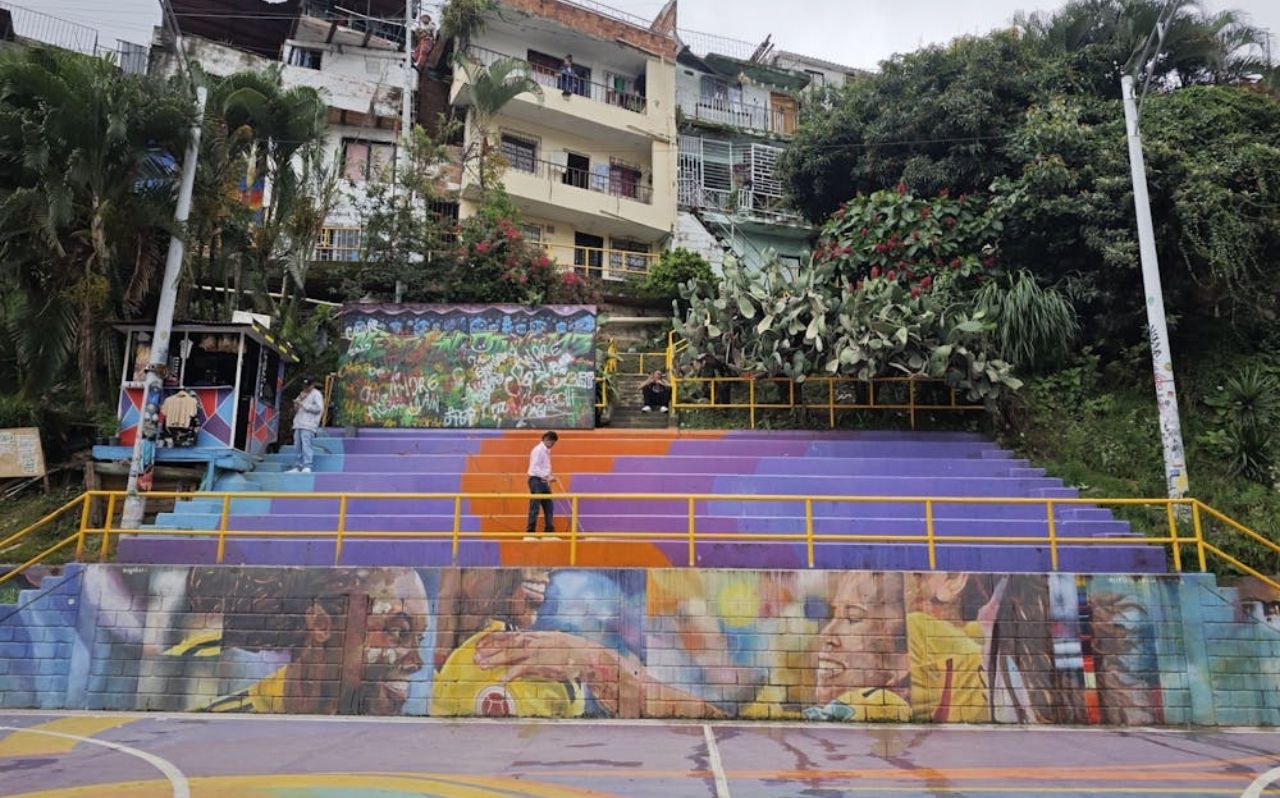
Walk Around El Poblado and Laureles
El Poblado is the most popular area for international visitors. It has restaurants, cafes, and many short-term rentals. It is convenient for first-time travelers who want familiarity and nightlife options.
Laureles feels more residential. It has tree-lined streets, local bakeries, and a calmer atmosphere. Some travelers prefer it for a more local experience.
Both neighborhoods are well connected to the metro system. Choosing between them depends on your travel style rather than a right or wrong answer.
Take a Guatapé Day Trip
One of the most common day trips from Medellín is to Guatapé.
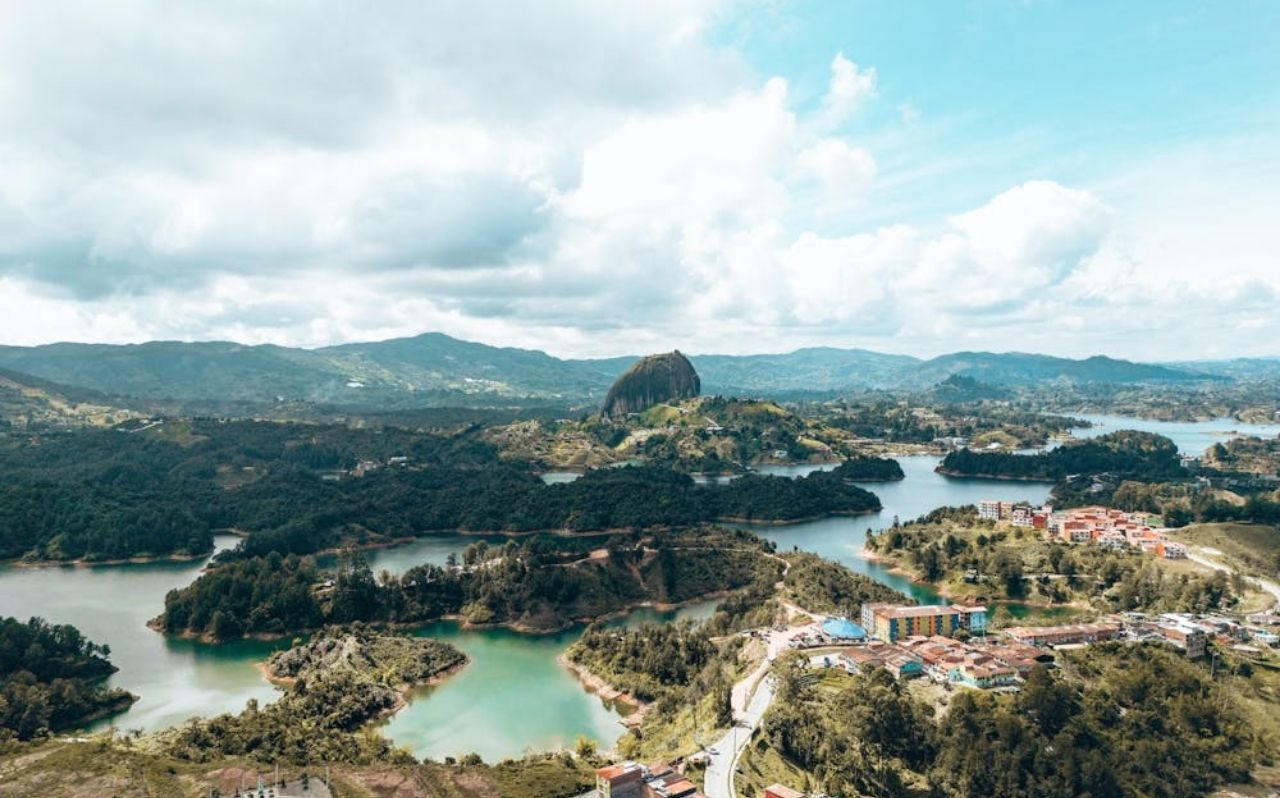
The town is about two hours away by bus. It is known for colorful building facades and Piedra del Peñol, a large rock with panoramic views at the top.
Climbing the rock involves more than 700 steps. The reward is wide views over lakes and green hills.
Many travelers join organized tours. Others take a public bus from Terminal del Norte. Checking schedules in advance avoids long waits.
Consider a Coffee Farm Visit
Antioquia is part of Colombia’s coffee region.
Several coffee farms near Medellín offer tours explaining cultivation and roasting processes. Visiting a farm provides context about Colombia’s agricultural heritage.
Some tours require advance booking. Travel times vary depending on location. Planning transport ahead of time helps avoid rushed schedules.
3. How Many Days Do You Really Need in Medellín?
The ideal length of stay depends on pace and interests.
2 days
Explore Plaza Botero
Ride metro and cable car
Visit Comuna 13
Walk around El Poblado or Laureles
3 days
Add a Guatapé day trip
Visit a museum or coffee farm
4 days or more
Include additional neighborhoods
Explore nearby towns
Travel at a slower pace
Many first-time travelers find three full days comfortable. It allows time to see the main highlights without feeling rushed.
4. Practical Connectivity Reality in Medellín
Connectivity is rarely the first thing travelers think about. In practice, it affects daily logistics.
Airport Arrival
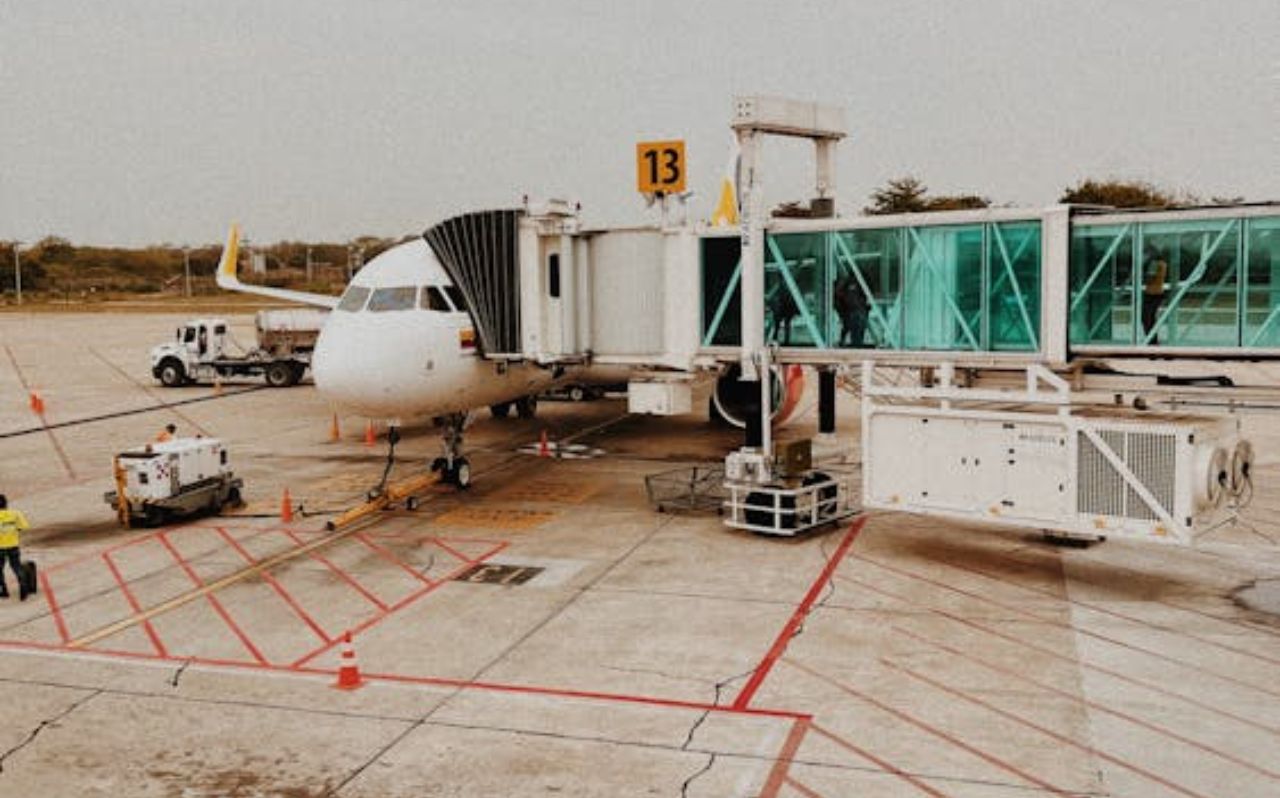
José María Córdova International Airport is about 45 minutes from central Medellín, depending on traffic.
After a long flight, travelers often need to:
Order a taxi or ride-hailing service
Check hotel directions
Translate Spanish instructions
Airport WiFi exists. However, it can be slow during busy arrival periods. Having mobile data available immediately after landing often simplifies the transition into the city.
The official airport website provides transport details and updates.
Using Maps and Public Transport
The metro system is straightforward. Still, most travelers rely on mobile maps to:
Confirm routes
Identify station exits
Estimate travel time
Signal coverage in central areas is generally stable. However, in hillside neighborhoods or inside cable cars, connection strength can vary.
Downloading offline maps before travel is a practical backup.
Day Trips and Mountain Areas
On the road to Guatapé or rural coffee farms, mobile signal can weaken.
Travelers often check bus times, message hosts, or look up directions while on the move. In practice, intermittent connectivity can slow planning.
Planning key information in advance helps. Screenshots of booking confirmations are useful in areas with weaker signal.
Safety and Phone Usage
Medellín is significantly safer than in the past. Still, common-sense precautions apply.
Avoid using phones openly late at night in quiet streets. Use ride-hailing apps efficiently rather than standing outside for long periods checking directions.
Public WiFi in cafes is common. However, for sensitive tasks such as banking or personal logins, using secure mobile data is generally safer than open networks.
5. When to Consider a More Reliable Setup
Short trips with simple itineraries may rely mostly on hotel WiFi and occasional public networks.
However, first-time travelers often move frequently between neighborhoods, airports, bus terminals, and day trips. They use maps, ride-hailing apps, and translation tools daily.
In situations like this, having a reliable travel eSIM for Colombia can reduce stress and help travelers stay connected throughout airport transfers, metro rides, and countryside excursions.
6. Frequently Asked Questions About Medellín
Is Medellín safe for first-time visitors?
Medellín is much safer today than its past reputation suggests. Like any major city, some neighborhoods are better visited during daylight. Staying aware of surroundings and using trusted transport options are practical precautions.
How far is Medellín from Bogotá?
Medellín is about 415 kilometers from Bogotá by road. Flights between the cities typically take about one hour. Bus journeys can take nine to ten hours depending on traffic.
Can you use Uber in Medellín?
Ride-hailing services operate in Medellín. Many travelers use them for airport transfers and late-night returns. Checking pickup points in advance reduces confusion.
Is English widely spoken?
English is spoken in tourist-facing businesses and some restaurants. Outside those areas, Spanish is more common. Translation apps are helpful for daily interactions.
What should you wear in Medellín?
Medellín is known as the “City of Eternal Spring.” Temperatures are mild year-round. Light layers are practical. Evenings can feel cooler, especially in elevated neighborhoods.
7. Final Thoughts
Medellín rewards travelers who plan with flexibility.
It offers art, history, hillside views, and easy access to countryside landscapes. The city has transformed significantly in recent decades. Understanding its layout and transport systems makes the experience smoother.
For first-time visitors, the key is pacing. Focus on a few neighborhoods. Allow time for a day trip. Prepare for practical details such as airport transfers and daily navigation.
With thoughtful planning, Medellín becomes less overwhelming and more approachable.
Related Reading
If you are planning a broader Colombia itinerary, these guides may help you prepare more confidently:
Traveling Through Colombia: What First-Time Visitors Should Know
A practical overview of routes, transport options, and realistic travel times between major cities.Is Cartagena Safe for First-Time Travelers? A Practical Guide
What to understand about neighborhoods, common concerns, and how to move around comfortably.

Hi! Mình là Lala Wren, một content creator yêu xê dịch và đam mê chia sẻ trải nghiệm thực tế cho cộng đồng Gohub. Trong nhiều năm qua, mình đã đặt chân đến Thái Lan, Hàn Quốc, Nhật Bản, Singapore, Malaysia, Bali và nhiều điểm đến thú vị khác trên khắp châu Á. Cùng mình tìm hiểu tất tần tật từ khâu chuẩn bị eSIM, Visa, lịch trình và địa điểm nổi bật cho chuyến đi sắp tới của bạn nhé!
View all articles →Related articles

Free eSIM Trial USA 2026: T-Mobile vs Verizon vs AT&T vs Visible
Compare every free eSIM trial from US carriers in 2026 — T-Mobile 30 days, Verizon 100GB, AT&T 25GB hotspot, Visible 15 days. Plus: what travelers visiting the US should use instead.

Best Free eSIM Trials in 2026: Every Active Offer Compared (No Credit Card)
Looking for a free eSIM trial in 2026? Compare all active offers — Gohub 300MB, Nomad 1GB, GigSky 100MB, Eskimo 250MB, SimLocal 500MB — no credit card needed. Updated March 2026.

Things to Do in Almaty: City Highlights, Mountain Escapes & Best Day Trips (1–3 Days)
Things to do in Almaty: top city highlights, mountain escapes, best day trips, food spots, and winter ideas—plus 1–3 day itineraries for first-timers.

Things to Do in Kyrgyzstan: Horse Trekking, Horseback Tours, Skiing, Yurts, & Epic Nature Spots
Things to do in Kyrgyzstan: Song-Köl horse treks, yurt stays, Karakol skiing, Ala Archa day hikes, plus seasons, safety, and booking tips.
Serbia Travel Guide for First-Time Visitors (2026 Update)
A practical Serbia travel guide covering safety, transport, regions, and real connectivity tips for first-time visitors in 2026.
Serbia Itinerary for 7 Days: How to Plan Cities and Nature Without Rushing
Plan a realistic Serbia itinerary for 7 days, covering Belgrade, Novi Sad, Tara National Park, and the Danube Gorge with practical travel advice.