

Is Cartagena Safe for First-Time Travelers? What to Know Before You Go

1. Introduction: Why So Many First-Time Travelers Ask “Is Cartagena Safe?”
Many first-time visitors to Colombia start with the same question: Is Cartagena safe?
Cartagena appears constantly on social media. Colorful colonial streets. Caribbean sunsets. Rooftop bars above historic plazas. At the same time, Colombia’s past reputation still lingers in news headlines and travel forums. That contrast can feel confusing.
Some travelers are not even fully sure where Cartagena is located. Others wonder whether it is safer than other cities in the country. Many simply want to know what daily life feels like on the ground.
Cartagena sits on Colombia’s Caribbean coast in northern South America. It is one of the country’s most visited cities and a major cruise and tourism hub. The reality is more nuanced than a simple yes or no. Safety depends on neighborhood, timing, and common-sense awareness.
This guide explains what first-time travelers typically experience in Cartagena, where confusion usually comes from, and how to approach the city with realistic expectations.
TL;DR
Cartagena is located on Colombia’s Caribbean coast and is one of the country’s most visited cities.
Most first-time travelers stay within the Old Town, Getsemaní, and Bocagrande, where tourism infrastructure is concentrated.
Safety depends more on neighborhood awareness and timing than on the city itself.
Common concerns involve taxis, street vendors, and navigating unfamiliar streets at night.
Mobile data is commonly used for maps, ride-hailing, and coordinating island tours, especially during arrival and evening movement.
2. Where Is Cartagena and Why Location Matters
Understanding geography helps reduce unnecessary anxiety. When travelers ask “where is Cartagena,” they are often trying to understand what kind of environment they are entering.
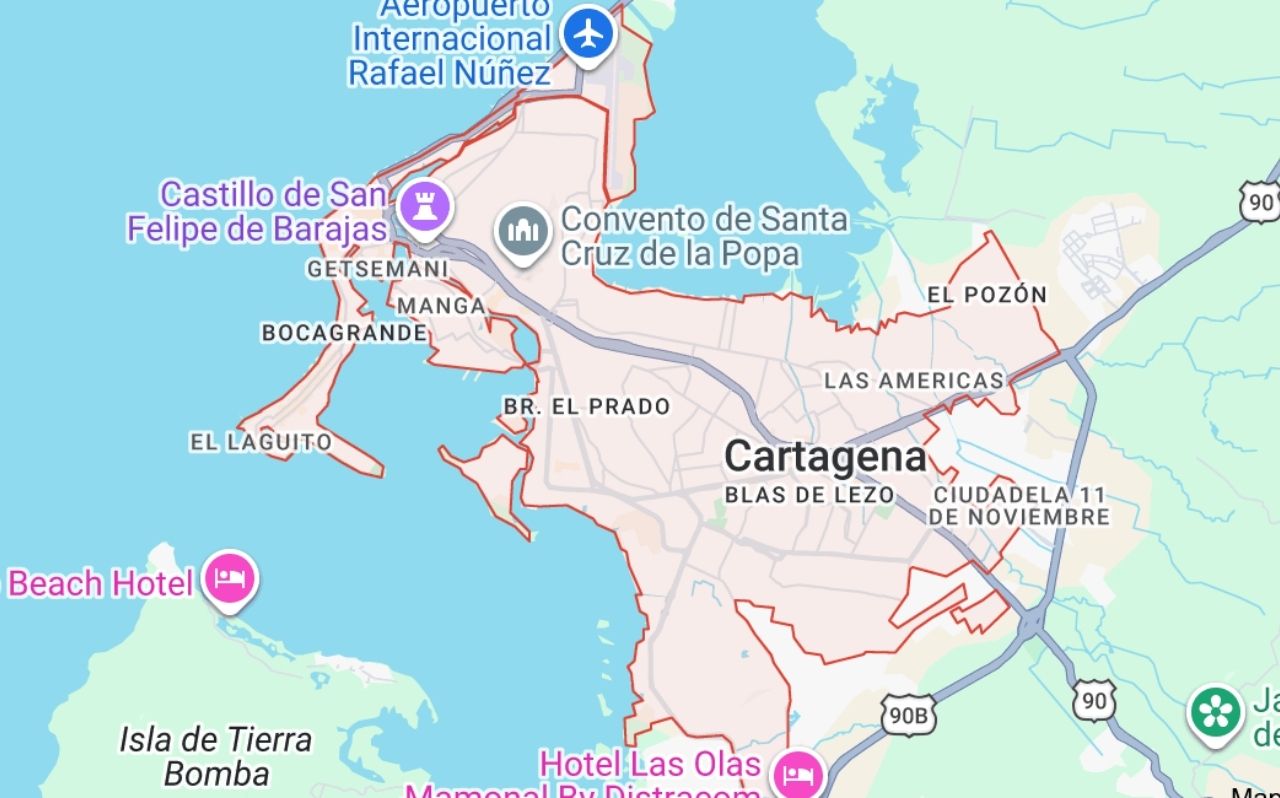
Cartagena’s Position on Colombia’s Caribbean Coast
Cartagena is located in northern Colombia, along the Caribbean Sea. It is a historic port city founded in the 16th century. Today, it is one of Colombia’s most established tourism centers.
The city includes:
Modern beachfront districts
Residential neighborhoods beyond the tourist core
Easy access to offshore islands
Because it is coastal and tourism-driven, Cartagena functions differently from inland cities such as Bogotá or Medellín.
Why Coastal Tourist Cities Function Differently
Coastal tourist cities often have:
Concentrated visitor zones
Visible tourism police in historic areas
Structured walking routes
A service economy built around short-term visitors
This does not eliminate risk. However, it does create an environment where large numbers of international travelers move around daily without incident.
Location shapes behavior. Most safety experiences in Cartagena are closely tied to where visitors spend their time.
3. Is Cartagena Colombia Safe in Practice?
When people ask “is Cartagena Colombia safe,” they are usually asking about everyday scenarios. Walking at night. Taking taxis. Using ATMs. Moving between neighborhoods.
Safety in Cartagena depends heavily on area and awareness.
Old Town (Centro Histórico)
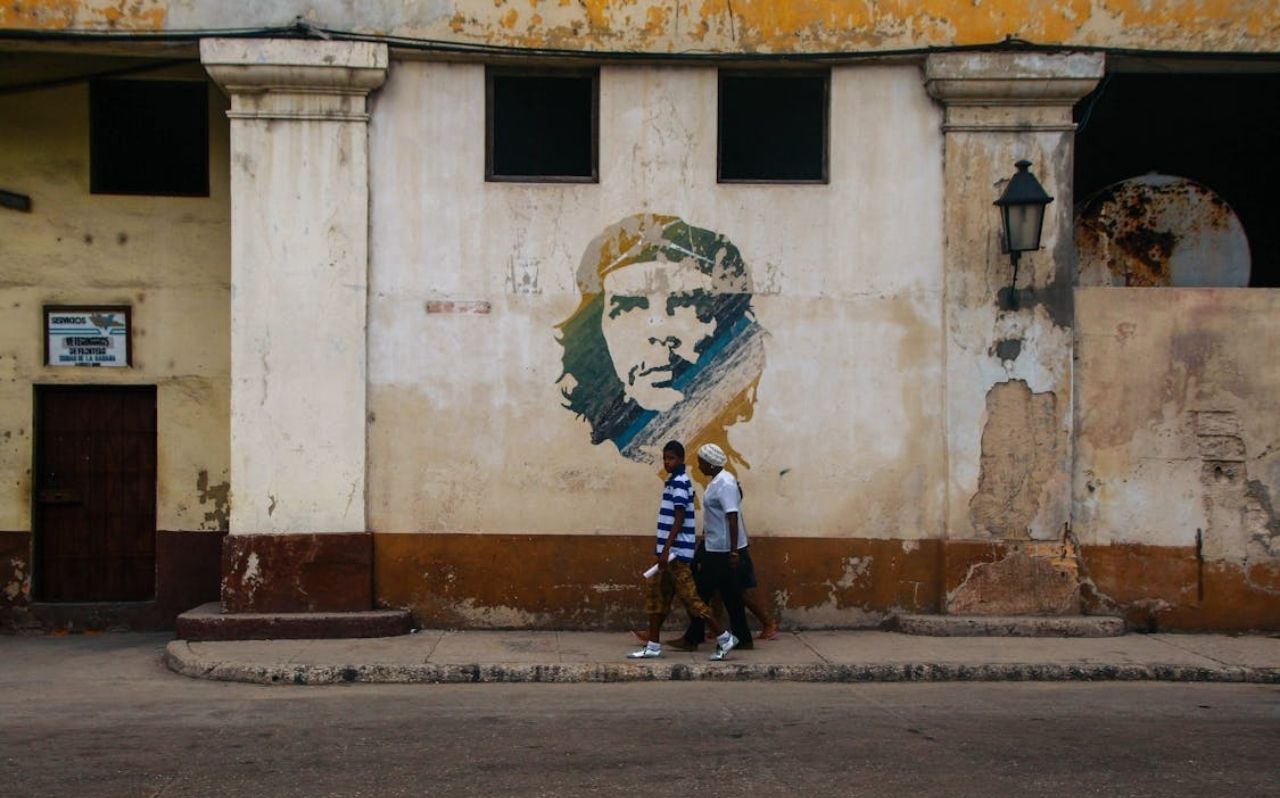
The Walled City, or Centro Histórico, is the most visited part of Cartagena.
It is:
Heavily touristed
Walkable
Policed regularly
Active late into the evening
During the day, the Old Town feels lively and busy. At night, restaurants and bars remain open, and streets are typically well lit. Many first-time visitors spend most of their trip inside this zone.
Petty theft can happen in crowded areas. Keeping valuables secure and avoiding displaying expensive items openly is advisable. However, violent incidents against tourists in this area are uncommon.
Getsemaní
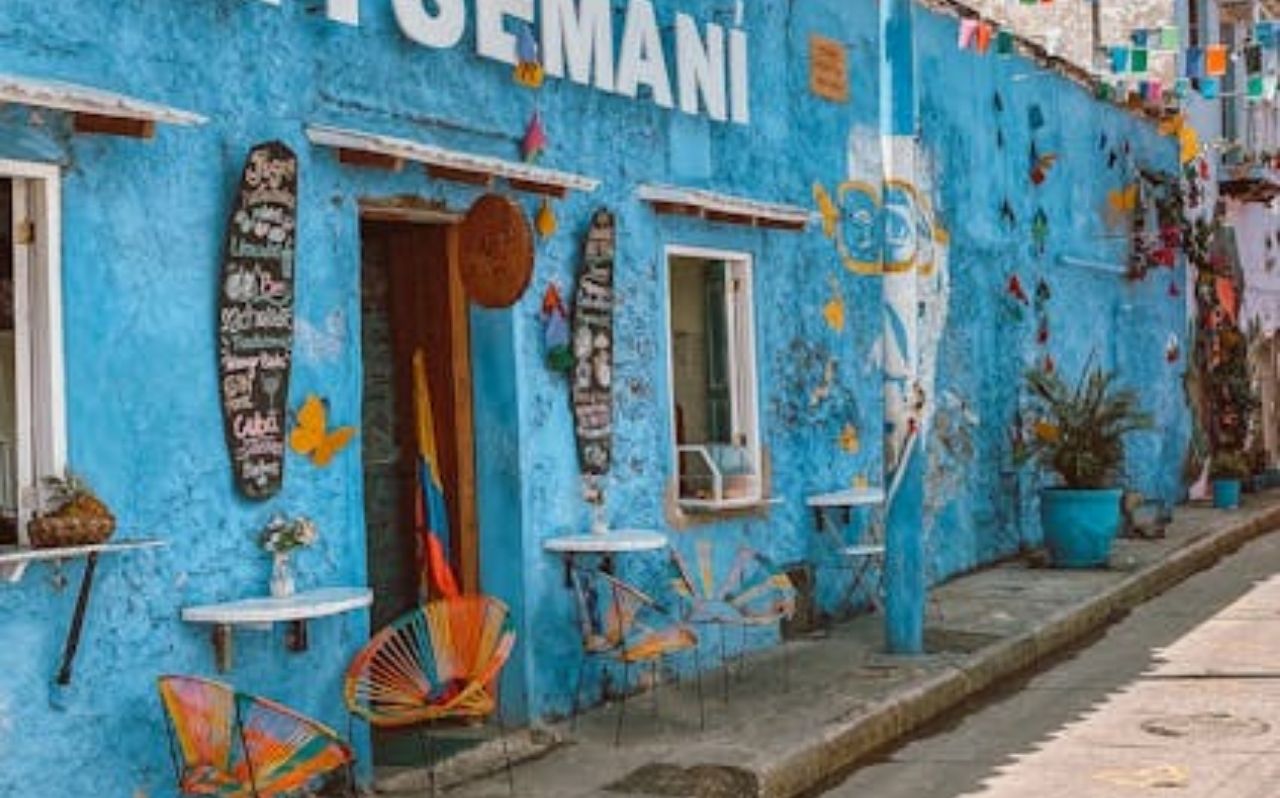
Getsemaní sits just outside the Old Town walls. It has become known for street art, nightlife, and a younger crowd.
During the day, it feels relaxed and creative. At night, certain streets become lively and crowded. Most visitors move between Getsemaní and the Old Town without issue.
Like many nightlife districts worldwide, awareness matters more after dark. Staying on well-lit streets and avoiding isolated areas reduces risk.
Bocagrande
Bocagrande is a modern beachfront district with high-rise hotels and apartments. It resembles a resort-style neighborhood.
This area tends to feel familiar to international travelers. Security presence is common around hotels and commercial zones. Many families choose to stay here for that reason.
Areas Where Tourists Should Be Cautious
Beyond the main tourist districts, some residential neighborhoods are not designed for visitors. These areas are not inherently dangerous, but they are not set up for casual exploration.
Venturing into unfamiliar zones without clear purpose can increase vulnerability. First-time travelers usually benefit from sticking to well-known districts unless accompanied by a trusted local guide.
4. Common Situations That Make Travelers Feel Unsafe
Often, the feeling of being unsafe comes from uncertainty rather than actual danger.
Here are common scenarios that cause stress:
Taxi Confusion
At the airport or on busy streets, multiple taxi drivers may approach visitors. This can feel overwhelming after a long flight.
Using clearly marked official taxis or app-based services reduces confusion.
Overpriced Vendors
In the Old Town, street vendors are persistent. Some may quote higher prices to tourists.
A polite but firm refusal is normal. This behavior is more about negotiation culture than threat.
ATM Use
Using ATMs at night or in isolated areas can feel uncomfortable. Choosing machines inside banks or shopping centers is safer.
Language Barriers
Many service workers speak some English, but not all. Misunderstandings can create unnecessary tension.
Simple translation apps can help clarify directions or prices quickly.
Night Arrival
Arriving late at night often amplifies stress. Streets feel unfamiliar. Hotel entrances may not be obvious.
This is when preparation matters most.
5. What Travelers Typically Do in Cartagena
Understanding how visitors move through the city helps clarify real-world safety.
Walking the Walled City
Most first-time travelers spend significant time walking through:
Plaza Santo Domingo
Cathedral area
Colorful colonial streets
Small cafés and boutiques
The layout is compact. Movement is slow and pedestrian-focused.
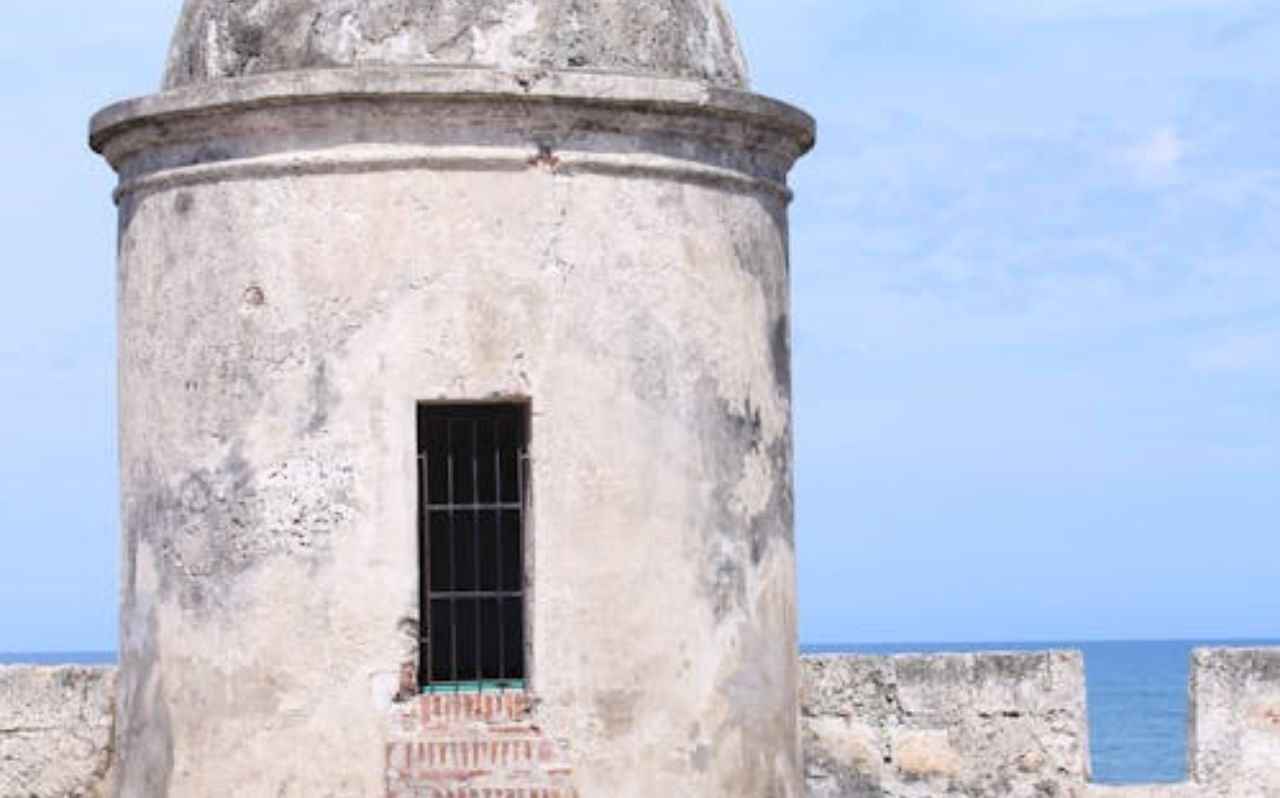
Visiting Castillo San Felipe
Castillo San Felipe is a popular historic fort just outside the Old Town. Visitors typically take a short taxi ride or walk during daylight hours.
It is a structured tourist site with organized entry.
Day Trips to the Rosario Islands
Many travelers book boat trips to the Rosario Islands. These departures usually leave from designated docks in the morning and return before sunset.
Coordinating timing and meeting points is important. Miscommunication here can create confusion more than risk.
Sunset Spots and Nightlife
Rooftop bars and seaside sunset viewpoints are common evening activities. These are concentrated in tourist zones.
Movement at night tends to stay within well-lit, busy streets.
In practice, most visitors move between a predictable set of locations. That predictability reduces exposure to unknown environments.
6. Practical Connectivity Reality in Cartagena
Safety and connectivity are closely linked in real travel situations.
Mobile data is commonly used for:
Maps and navigation
Ride-hailing apps
Translation tools
Messaging hosts
Confirming tour bookings
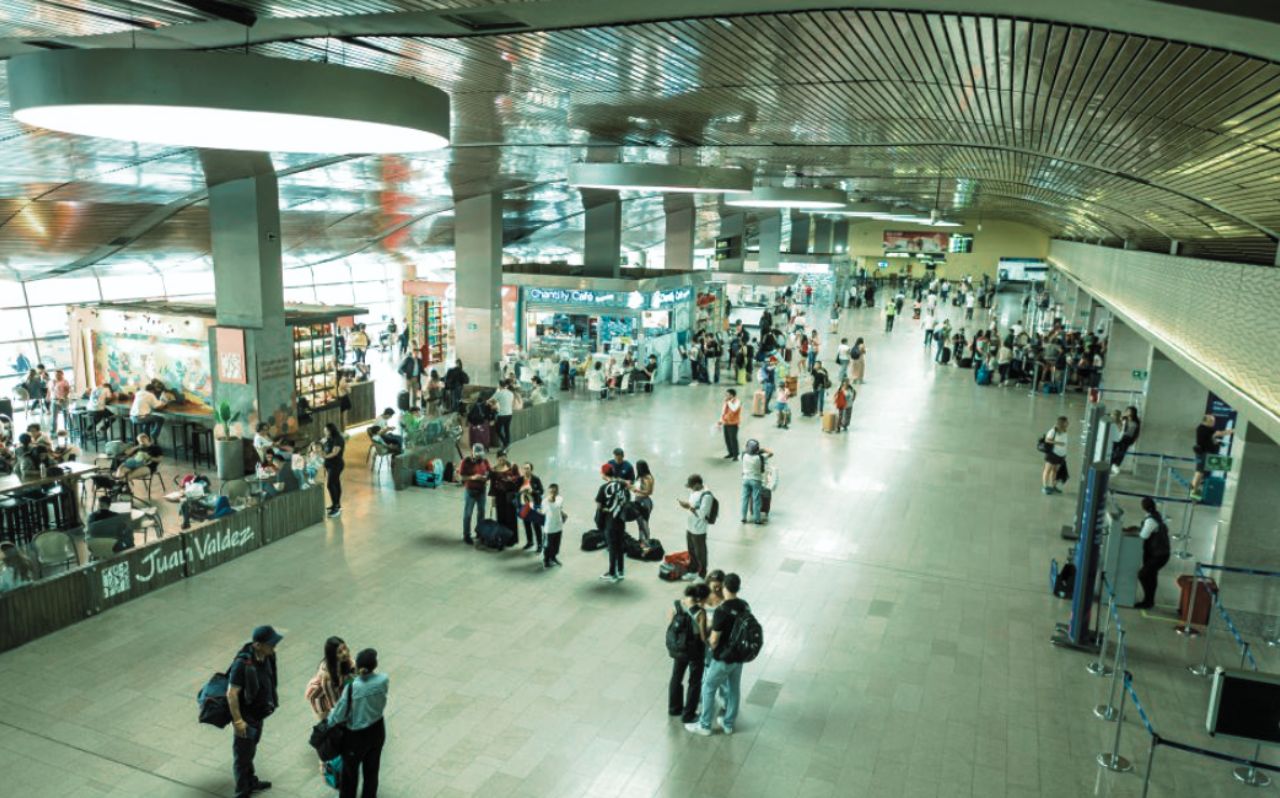
Airport Arrival and Late-Night Transfers
Rafael Núñez International Airport is close to the city center. Flights often arrive in the evening.
After landing, travelers typically:
Check hotel addresses
Contact drivers
Confirm booking details
Without mobile data, this process becomes more complicated. Public WiFi may require login steps or may not be immediately accessible.
Navigating the Old Town’s Narrow Streets
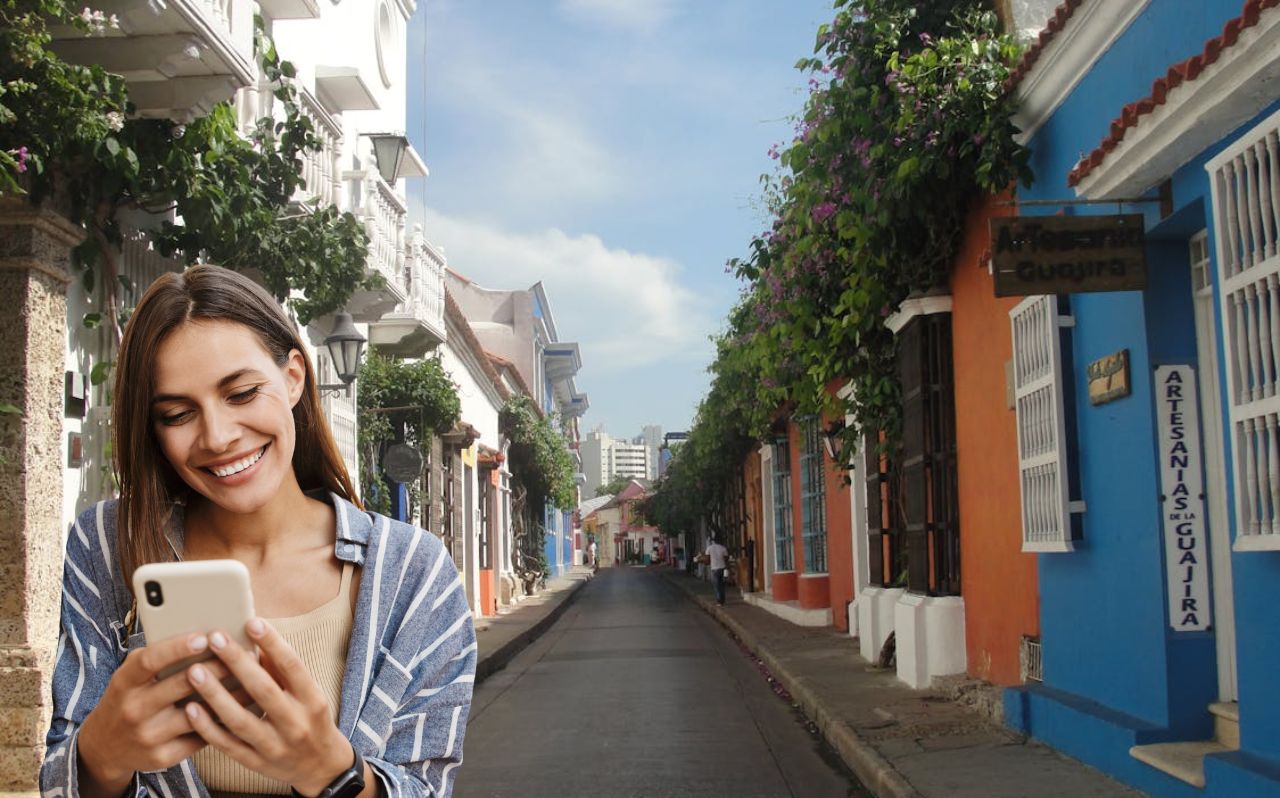
Cartagena’s Old Town is beautiful but maze-like. Street names are not always clearly marked.
GPS navigation helps confirm direction, especially when:
Searching for specific restaurants
Locating boutique hotels
Meeting tour groups
Losing signal temporarily can be frustrating in these moments.
Booking Island Tours and Staying in Touch
Boat tours to the Rosario Islands often involve WhatsApp communication. Captains may send last-minute updates about meeting points or weather.
Checking messages while already at the dock can prevent confusion.
When Public WiFi Is Not Enough
Hotels and cafés usually provide WiFi. However:
Speeds vary
Login portals may time out
Connections can drop in crowded spaces
In practice, travelers often rely on mobile data while walking or moving between locations.
In situations like this, having a reliable travel eSIM for Colombia can reduce stress and help travelers stay connected throughout their trip.
7. When to Consider a More Reliable Setup
Most safety concerns in Cartagena are manageable with awareness and planning.
However, certain scenarios benefit from dependable connectivity:
Late-night arrivals
First-time navigation in unfamiliar neighborhoods
Coordinating island departures
Handling unexpected changes
Reliable mobile access supports calm decision-making. It does not replace common sense. It complements it.
Connectivity should feel like infrastructure, not an afterthought.
If Cartagena is part of a broader trip, you may want to explore how different regions connect together. For a wider overview of routes, timing, and practical travel considerations, see this guide on traveling through Colombia.
8. FAQ
Is Cartagena safer than other cities in Colombia?
Cartagena is one of Colombia’s most visited tourist cities. Its main districts are structured around tourism and tend to feel manageable for first-time visitors. Safety still depends on neighborhood and awareness.
Is Cartagena safe at night?
The Old Town and parts of Getsemaní remain active and well lit in the evening. Staying within busy streets and avoiding isolated areas helps reduce risk. Late-night caution is advisable, as in most cities worldwide.
When is the best time to visit Cartagena?
Cartagena has a tropical climate and is warm year-round. The drier months, typically from December to April, are popular with visitors because there is less rainfall and more consistent sunshine. However, this period can also be busier, so travelers should plan accommodations and tours in advance.
Where is Cartagena located in South America?
Cartagena is located in northern Colombia along the Caribbean coast. It is a historic port city and a major tourism destination within South America.
Do tourists need mobile data in Cartagena?
Many travelers use mobile data for maps, ride-hailing apps, and messaging tour operators. While WiFi exists in hotels and cafés, it may not always be reliable while moving around the city.
What are common scams in Cartagena?
Common issues include inflated vendor pricing, unofficial taxi solicitations, and distractions in crowded areas. These situations are typically manageable with awareness and firm but polite responses.
Final Thoughts
So, is Cartagena safe?
For most first-time travelers who stay within well-known districts and practice normal urban awareness, Cartagena feels manageable and welcoming. The city is built around tourism. Movement patterns are predictable. Main attractions are concentrated.
Anxiety often comes from uncertainty rather than actual danger.
Understanding where Cartagena is, how neighborhoods function, and how travelers typically move through the city helps reduce stress before arrival.
Preparation does not mean fear. It means clarity.
When expectations align with reality, Cartagena becomes less intimidating and more enjoyable.
If Cartagena is just one stop on a longer route, it helps to understand how the country connects as a whole. For a broader overview of routes, transport options, and practical planning tips, explore this guide on traveling through Colombia.

Hi! Mình là Lala Wren, một content creator yêu xê dịch và đam mê chia sẻ trải nghiệm thực tế cho cộng đồng Gohub. Trong nhiều năm qua, mình đã đặt chân đến Thái Lan, Hàn Quốc, Nhật Bản, Singapore, Malaysia, Bali và nhiều điểm đến thú vị khác trên khắp châu Á. Cùng mình tìm hiểu tất tần tật từ khâu chuẩn bị eSIM, Visa, lịch trình và địa điểm nổi bật cho chuyến đi sắp tới của bạn nhé!
View all articles →Related articles

Free eSIM Trial USA 2026: T-Mobile vs Verizon vs AT&T vs Visible
Compare every free eSIM trial from US carriers in 2026 — T-Mobile 30 days, Verizon 100GB, AT&T 25GB hotspot, Visible 15 days. Plus: what travelers visiting the US should use instead.

Best Free eSIM Trials in 2026: Every Active Offer Compared (No Credit Card)
Looking for a free eSIM trial in 2026? Compare all active offers — Gohub 300MB, Nomad 1GB, GigSky 100MB, Eskimo 250MB, SimLocal 500MB — no credit card needed. Updated March 2026.

Things to Do in Almaty: City Highlights, Mountain Escapes & Best Day Trips (1–3 Days)
Things to do in Almaty: top city highlights, mountain escapes, best day trips, food spots, and winter ideas—plus 1–3 day itineraries for first-timers.

Things to Do in Kyrgyzstan: Horse Trekking, Horseback Tours, Skiing, Yurts, & Epic Nature Spots
Things to do in Kyrgyzstan: Song-Köl horse treks, yurt stays, Karakol skiing, Ala Archa day hikes, plus seasons, safety, and booking tips.
Serbia Travel Guide for First-Time Visitors (2026 Update)
A practical Serbia travel guide covering safety, transport, regions, and real connectivity tips for first-time visitors in 2026.
Serbia Itinerary for 7 Days: How to Plan Cities and Nature Without Rushing
Plan a realistic Serbia itinerary for 7 days, covering Belgrade, Novi Sad, Tara National Park, and the Danube Gorge with practical travel advice.