

How to Stay Connected in Thailand: WiFi vs SIM vs eSIM
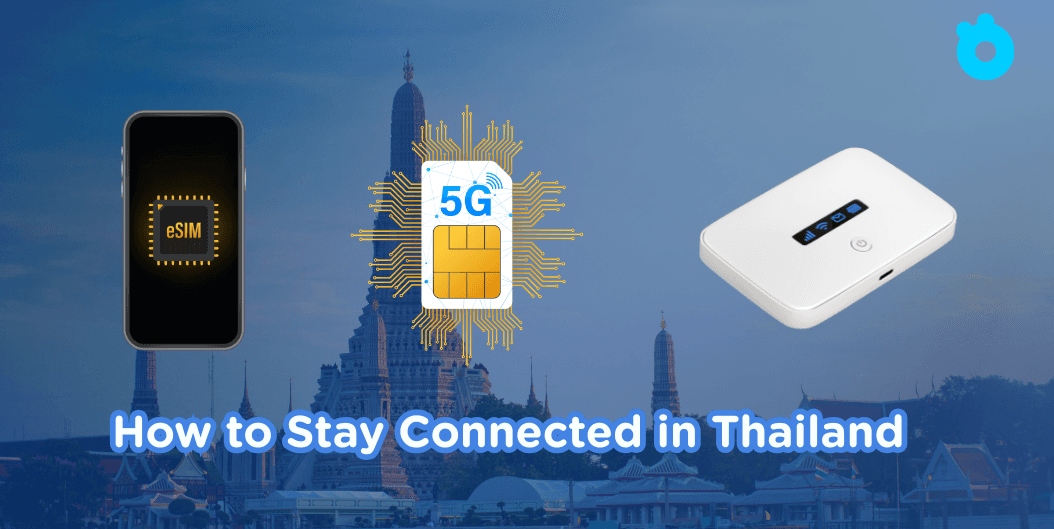
So you’ve booked your trip to Thailand. Maybe you’re dreaming of Pad Thai by the beach, temple hopping in Chiang Mai, or checking out the street markets in Bangkok. You’ve packed your bags, grabbed your sunscreen, and you're ready to go. But wait, how are you going to stay connected once you land?
That’s the one thing most travelers forget until it’s too late.
Picture this. You just touched down at Suvarnabhumi Airport. You’re tired, hungry, and trying to order a Grab or contact your Airbnb host. But guess what? No internet. No SIM card yet. And the airport WiFi? Spotty at best.
Yep, not fun.
Staying online while traveling in Thailand isn’t just about posting coconut shake photos on Instagram. You’ll need a reliable connection to book transport, translate menus, navigate unfamiliar streets, and check in with family or work. That’s why figuring out your best internet option before you go is so important.
In this guide, I’ll walk you through the three most common ways travelers stay connected in Thailand: pocket WiFi, physical SIM cards, and eSIMs. I’ve tried all three on different trips, and honestly, not all options are worth your time.
Let’s break it down so you can choose the one that fits your travel style and avoid landing in Thailand completely offline.
Pocket WiFi in Thailand: Is It Still Worth It?
If you’ve traveled in the past, especially around Asia, you’ve probably come across pocket WiFi devices. They used to be the go-to solution for travelers needing internet on the go. But are they still worth it in 2026? Honestly, not really.
What is Pocket WiFi?
A pocket WiFi device is a small portable router that connects to local mobile networks and broadcasts a private WiFi signal. You can carry it in your bag or pocket and connect multiple devices to it, like your phone, laptop, or tablet.
Sounds convenient, right? Well, kind of. Until it starts acting up.
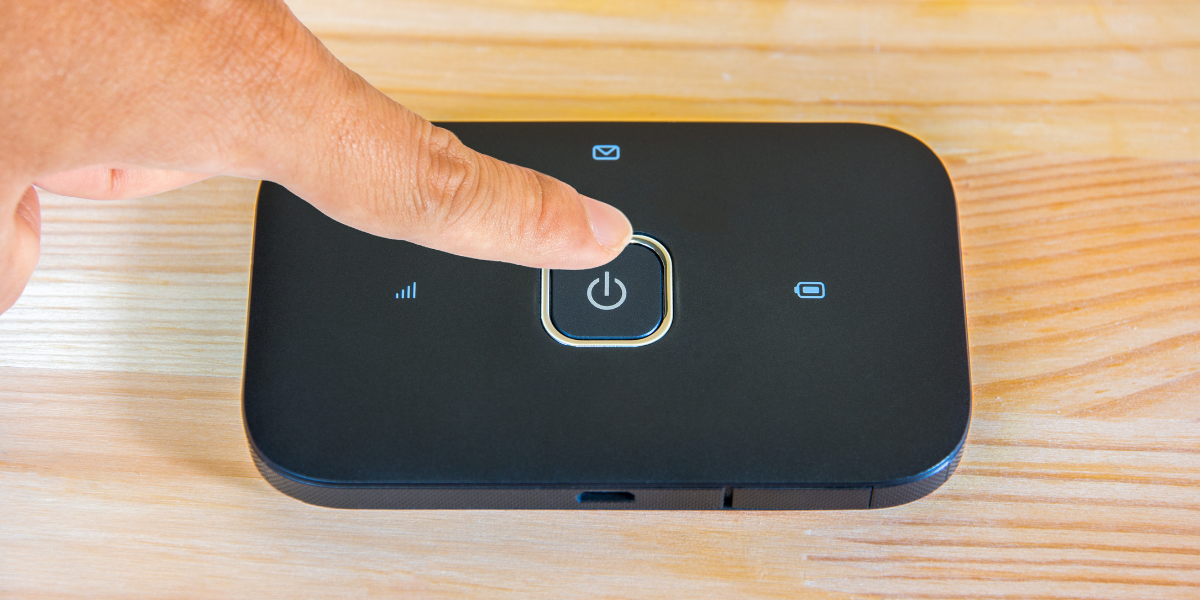
The Reality of Using Pocket WiFi in Thailand
Here’s what most travel blogs won’t tell you.
You have to pick it up and return it. That often means queueing at an airport counter when you’re already jetlagged, or having it shipped to your hotel and coordinating the drop-off. Plus, you’ll need to return it before leaving, which adds one more errand to your trip.
It runs on battery. And guess what? It usually dies just when you need it the most. Think Google Maps on a jungle trail or trying to book a last-minute ferry in Krabi.
It’s one more thing to carry. If you like to travel light, having to charge and keep track of a separate device every day gets old fast.
It’s not cheap. You usually pay per day, and if you're traveling for a week or more, those daily rental fees add up quickly.
Lose it and pay a fine. If it gets lost or damaged, the replacement fee can be steep, sometimes even more than the cost of your entire internet plan.
When Pocket WiFi Might Be Useful
To be fair, pocket WiFi can still make sense for some travelers. If you're in a group and need to share one connection between several people, it could be more cost-effective. Or if your phone doesn’t support eSIM and you’re not comfortable swapping SIM cards, it can be a simple plug-and-play solution.
But for solo travelers, digital nomads, or anyone who just wants a hassle-free experience, pocket WiFi is becoming more of a backup option than a main solution.
Physical SIM Cards: Still a Reliable Option?
If you’ve traveled before smartphones had fancy tech like eSIM, then you’re probably familiar with the old-school solution: buying a physical SIM card when you land. It’s been the default choice for years and in some places, it still works fine. But in Thailand, it’s a bit more complicated than it looks.
What’s Good About a Local SIM Card?
Let’s give credit where it’s due. Buying a local Thai SIM card does have a few perks:
Cheap data packages. Thailand is known for affordable mobile data and local providers like AIS, DTAC, and TrueMove H offer tourist SIMs with generous data plans.
Widely available. You’ll find SIM card kiosks at airports, convenience stores like 7-Eleven, or local mobile shops in any city.
Mostly reliable coverage. Thai mobile networks are fast and solid, even in many rural areas or on the islands.
The Downsides Most Tourists Don’t Expect
As convenient as it might sound, buying a physical SIM can come with a few surprises, especially if you’re landing after a long flight and just want to get online fast.
You’ll need to register with your passport. Thai law requires SIM cards to be registered to your ID. This usually means a bit of paperwork and waiting around at the shop.
Swapping SIMs can be annoying. You have to physically remove your existing SIM card, store it somewhere safe and insert the Thai SIM. It’s not a huge deal, but it’s easy to mess up if you're rushing or tired.
Your phone must be unlocked. If you’re traveling from a country where phones are sold locked to a carrier, you’ll need to make sure yours is unlocked before leaving. Otherwise, your Thai SIM simply won’t work.
Language barriers. At big airports or tourist areas, staff usually speak English. But if you’re buying a SIM in a small town or local shop, you might run into some communication challenges.
One device only. Unlike pocket WiFi, a physical SIM only gives data to the phone it’s installed in. Want to connect your laptop or second phone? You’ll have to set up a hotspot, which drains your battery fast.
So yes, local SIMs can work well, but they come with a few hoops to jump through. If you’re a confident traveler and don’t mind a bit of setup, it’s a decent option. But if you prefer something smoother and faster, there’s a better way.
eSIM: The Easiest Way to Get Online in Thailand
Alright, now we’re talking. If you want fast internet, zero setup drama, and instant access the moment you land, eSIM is hands down the best option for traveling in Thailand.
It honestly feels like magic. You scan a QR code, activate it in your phone settings, and boom, you’re online. No shops, no paperwork, no line at the airport.
What Exactly Is an eSIM?
An eSIM is a digital SIM card that’s already built into your phone. Instead of popping out your regular SIM and inserting a new one, you simply download the eSIM plan and activate it. That’s it.
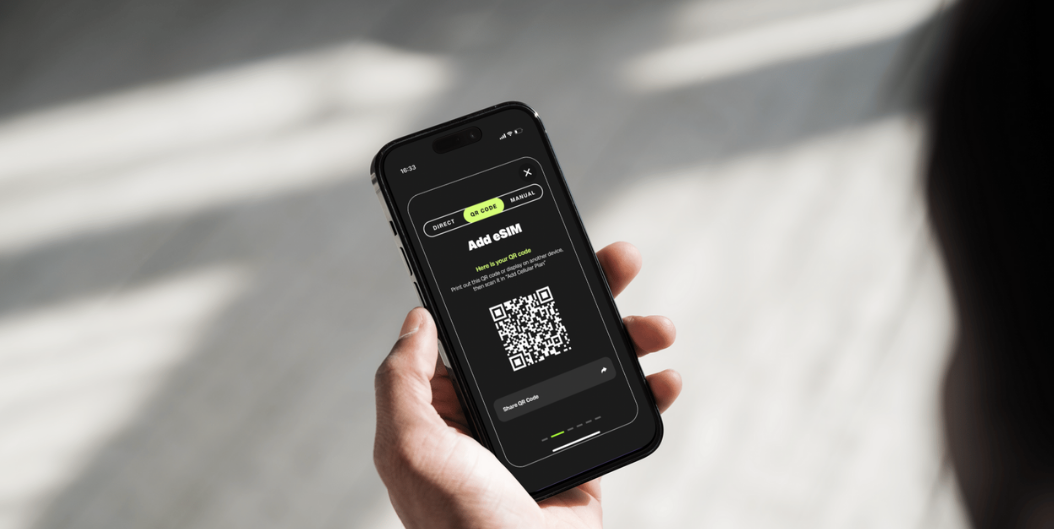
Most newer phones support eSIM now. If you’re unsure, check out our full list of eSIM-compatible phones. If you’re not sure, you can check Apple’s guide or Android’s eSIM page.
Why eSIM is Perfect for Thailand Travelers
Let’s break it down with real-world benefits:
You can install it before you fly. That means you’ll already be connected the second you land in Bangkok, Phuket, Chiang Mai, or wherever your trip begins.
No physical SIM swapping. Your main number stays put, and you just add a second data line for Thailand. This is perfect for keeping WhatsApp active or receiving OTPs from banks and apps back home.
Instant activation. Gohub’ activate within minutes.
It’s affordable. Plans from Gohub are up to 50% cheaper than big-name competitors.
It works across the country. Coverage includes all top Thai networks like AIS, DTAC, and TrueMove H.
You can top up or switch plans easily. Learn how to track, save, and top up your eSIM.
Who Should Use an eSIM?
Honestly? Almost everyone.
Whether you’re a first-time tourist, a digital nomad working from Thai cafés, or a business traveler who needs reliable video calls, eSIM just makes life easier. No stress. No waiting. No risk of losing your original SIM.
And if you’re the type who likes to have everything ready before stepping off the plane, eSIM will feel like your new favorite travel hack.
Quick Comparison: Pocket WiFi vs SIM vs eSIM
Feature | Pocket WiFi | Physical SIM Card | eSIM |
|---|---|---|---|
Setup before arrival | No | Sometimes | Yes |
Instant internet at airport | No | Only if pre-purchased | Yes |
Requires passport registration | No | Yes | No |
Device compatibility | Any device | SIM-free phones only | Most new smartphones |
Multi-device use | Shareable | One device only | One device, hotspot optional |
Risk of loss or damage | High | Lose SIM | None |
Network coverage in Thailand | Good | Good | Excellent |
Price | Expensive | Affordable | Best value (via Gohub) |
Convenience | Extra gear | Manual swap | Easiest by far |
Best Option for Tourists: Why eSIM Is the Clear Winner
Let’s be honest. Most of us want to land in a new country and just go. No lines. No paperwork. No tech stress.
That’s exactly what eSIM gives you.
It’s the easiest, fastest, and most flexible way to get connected in Thailand. You install it before you leave home, and the moment you switch off airplane mode, boom, high-speed internet right in your hand.
No searching for SIM cards. No fiddling with devices. No risky public WiFi. Just reliable internet that lets you focus on the fun stuff like street food, temples, night markets, or catching that ferry before it leaves.
And with Gohub, you get unbeatable value. Our eSIMs use the same networks as Thai locals but at prices made for travelers. That means more budget for mango sticky rice, scuba lessons, or that rooftop bar in Bangkok.
Final Thoughts: Don’t Let Internet Be the First Travel Headache
You’ve got your flights booked, your itinerary saved, and your suitcase mostly packed. The last thing you want is to land in Thailand and feel stuck at the airport with no signal, no SIM, and no clue how to get online.
Whether you’re heading to the mountains of Chiang Mai, the beaches of Phuket, or the buzzing streets of Bangkok, having reliable internet is a game-changer. It helps you stay safe, navigate smoothly, and make the most of every moment.
Out of all the options out there, eSIM stands out as the clear winner for one simple reason: it just works. No waiting, no setup stress, no extra gear to carry. Just open your phone and connect.
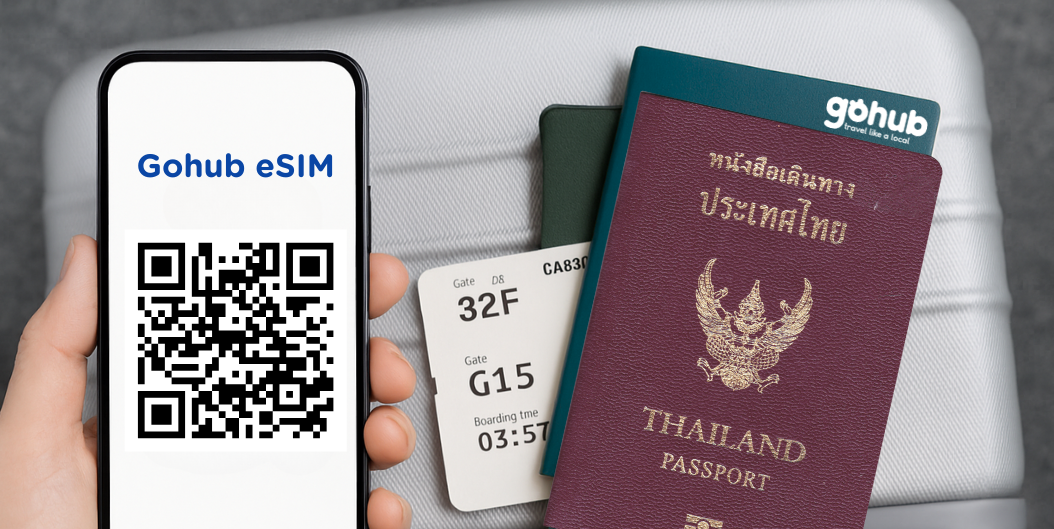
Don’t wait until you’re offline and overwhelmed.
Get your Thailand eSIM from Gohub now so you can arrive ready, stay connected, and travel smart from the very first step off the plane.
👉 Grab your Thailand eSIM today at Gohub and make your trip as smooth as your coconut smoothie.
Frequently Asked Questions
1. Do I need internet in Thailand?
Yes. You’ll need it for navigation, translation, transport, and booking things on the go.
2. Is free WiFi reliable in Thailand?
Not really. It’s often slow, unsecured, and requires login. Okay for emergencies, not for daily use.
3. Can I buy a SIM card at the airport?
Yes, but it’s often more expensive and crowded. eSIM is faster and ready to go on arrival.
4. Which Thai network is best?
AIS, DTAC, and TrueMove H all offer strong nationwide coverage. Gohub eSIM connects to the best one automatically.
5. Does my phone support eSIM?
If you have an iPhone XS or newer, or a recent Android like Pixel or Samsung S20+, then yes.
6. Can I keep my main number with eSIM?
Yes. Your eSIM handles data while your physical SIM keeps your regular number active.