

Best Places to Visit in Botswana: Safari & Travel Guide

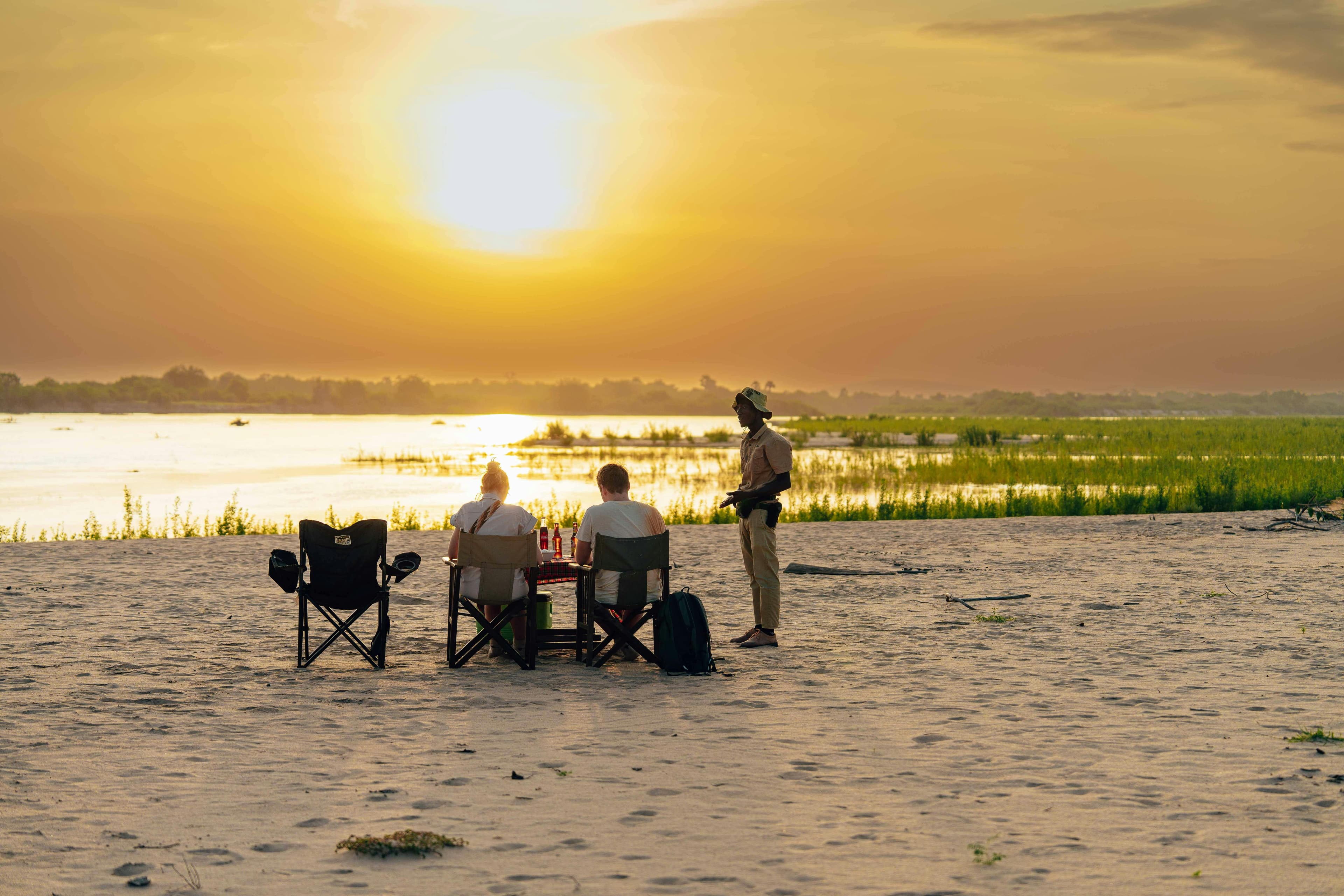
When people think about African safaris, they often imagine breathtaking wildlife — and quiet worries about safety. Botswana is one of the rare destinations where those worries quickly fade.
Widely regarded as one of the safest countries to visit in Africa, Botswana has enjoyed decades of political stability and follows a low‑impact tourism model that prioritizes conservation over crowds. Botswana’s approach to sustainable tourism is supported by the Botswana Tourism Organization, which helps protect key ecosystems while managing visitor impact. If you’re researching the best places to visit in Botswana, it helps to know that most travelers explore remote, well‑managed safari regions like the Okavango Delta and Chobe National Park, where experienced guides, strict park regulations, and controlled visitor numbers are the norm.
Rather than rushing between attractions, Botswana rewards travelers who slow down and choose the right regions. In this guide, you’ll discover the top places to visit in Botswana, why each one stands out, and how to plan a trip that fits your time, travel style, and comfort level.
Before your adventure, make sure you’re connected across safari lodges and remote areas with the right travel plan — check out our Best eSIM for Africa for reliable data and navigation anywhere.
I. Why Botswana Is Different From Other Safari Destinations
Botswana doesn’t approach tourism the same way many other African safari countries do — and that difference shapes the entire travel experience.
Instead of maximizing visitor numbers, Botswana follows a low-volume, high-value tourism model. Large areas of the country are protected, and access to national parks and private concessions is carefully controlled. This means fewer vehicles at wildlife sightings, quieter landscapes, and a much stronger focus on conservation.
Another key difference is how safaris are experienced. In places like the Okavango Delta, game viewing isn’t limited to vehicles. Travelers explore by mokoro canoe, boat, and on foot with trained guides, creating a deeper connection to the environment. A classic mokoro safari experience allows you to glide quietly through the waterways, just as locals have done for centuries — a method that’s both traditional and immersive.
Safety and organization also set Botswana apart. Safari operations are highly regulated, guides are professionally trained, and infrastructure is designed for remote travel. For visitors, this translates into a destination that feels both wild and well-managed — a rare balance.
Because of this approach, Botswana tends to attract travelers who value quality over quantity. It’s not the cheapest safari destination, but it consistently delivers one of the most immersive, safe, and rewarding wildlife experiences in Africa.
Perfect. Here’s the next section — the core list — written for SEO, scanability, and authority, with a smooth transition from the previous section.
II. Best Places to Visit in Botswana
Botswana is not a country you “see everything” in one trip. Distances are large, travel takes time, and each region offers a very different experience. The key is choosing the places that match how you want to experience the country — water-based safaris, classic game drives, remote wilderness, or dramatic landscapes. Below are the best places to visit in Botswana, starting with the most iconic and most searched destinations.
2.1. Okavango Delta (Botswana’s Most Iconic Destination)
The Okavango Delta is the reason many travelers choose Botswana over any other safari destination in Africa. Unlike traditional savannah parks, the Okavango is a vast inland delta where seasonal floodwaters spread across grasslands, channels, and lagoons, creating one of the richest ecosystems on the continent — recognized as a UNESCO World Heritage Site for its ecological and cultural significance.
What makes the Okavango special is how you explore it: mokoro (traditional canoe), boat safaris, and guided walking safaris on islands formed by seasonal floods. Wildlife sightings often include elephants, hippos, leopards, lions, and an extraordinary variety of birds.
Safaris here are ideal for photographers and slow travelers alike — think similar diversity of landscape interest as our Best National Parks to Visit list.
Best for: first-time safari travelers, photographers, couples, luxury and slow travel
Best time to visit: May to October for peak wildlife viewing
2.2. Moremi Game Reserve (Best All-Round Safari Area)
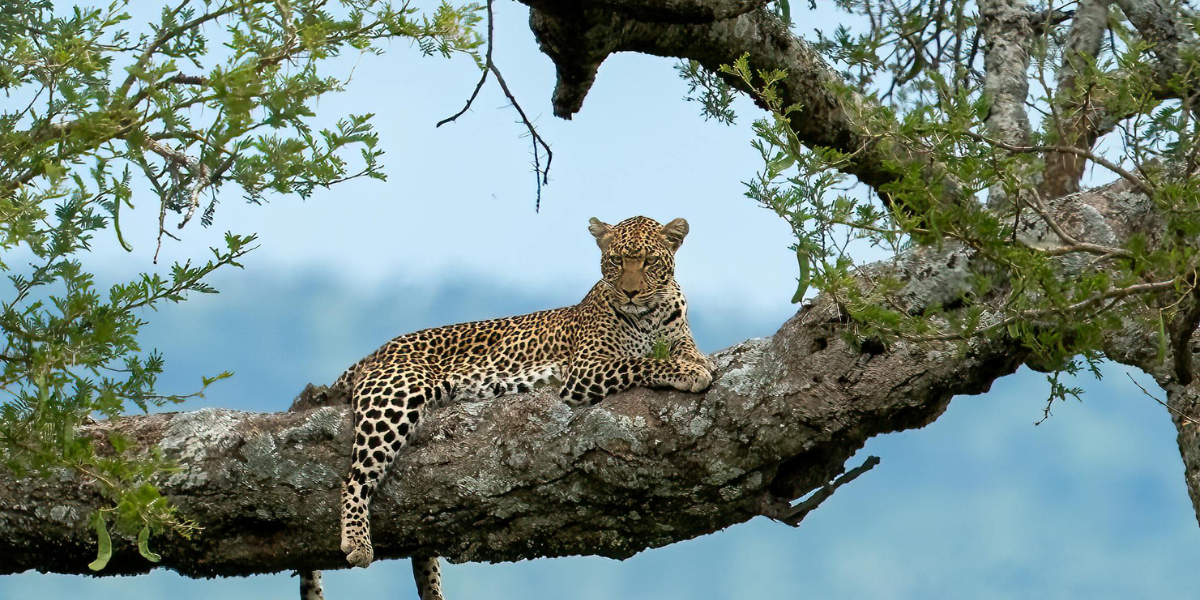
Located within the eastern Okavango Delta, Moremi Game Reserve offers some of the most consistent wildlife viewing in Botswana. It combines floodplains, lagoons, forests, and open grasslands, making it one of the most diverse safari areas in the country.
Moremi is especially popular with travelers who want classic game drives and predator sightings — lions, leopards, cheetahs, and African wild dogs. Compared to private concessions, it can feel slightly busier, but sightings are still far less crowded than in mass‑tourism safari destinations.
Looking to combine safari with broad storytelling? This pairs beautifully with travel themes like our solo travel inspiration series (e.g., First Solo Trip to Southeast Asia) — immersive experiences work best with deeper pacing.
Best for: wildlife-focused travelers, first-time safari visitors
Best time to visit: June to October
2.3. Chobe National Park (Elephants and River Safaris)
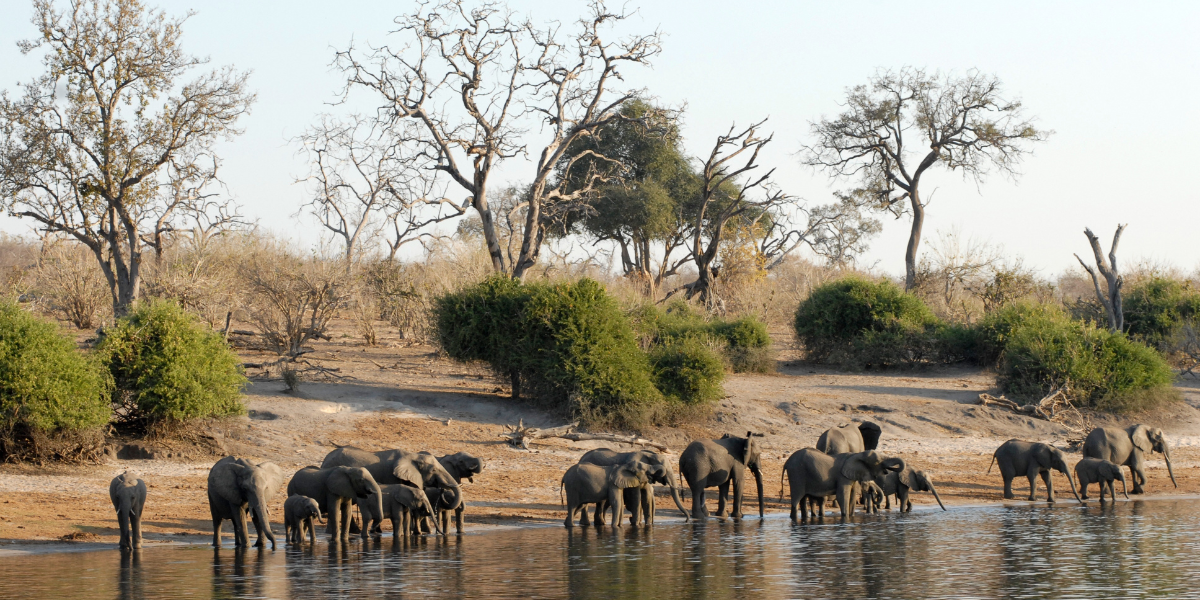
Chobe National Park is one of the most reliable places in Africa to see large elephant herds in the wild. The park is especially known for the Chobe Riverfront, where elephants, buffalo, hippos, and crocodiles gather along the water’s edge, particularly during the dry season.
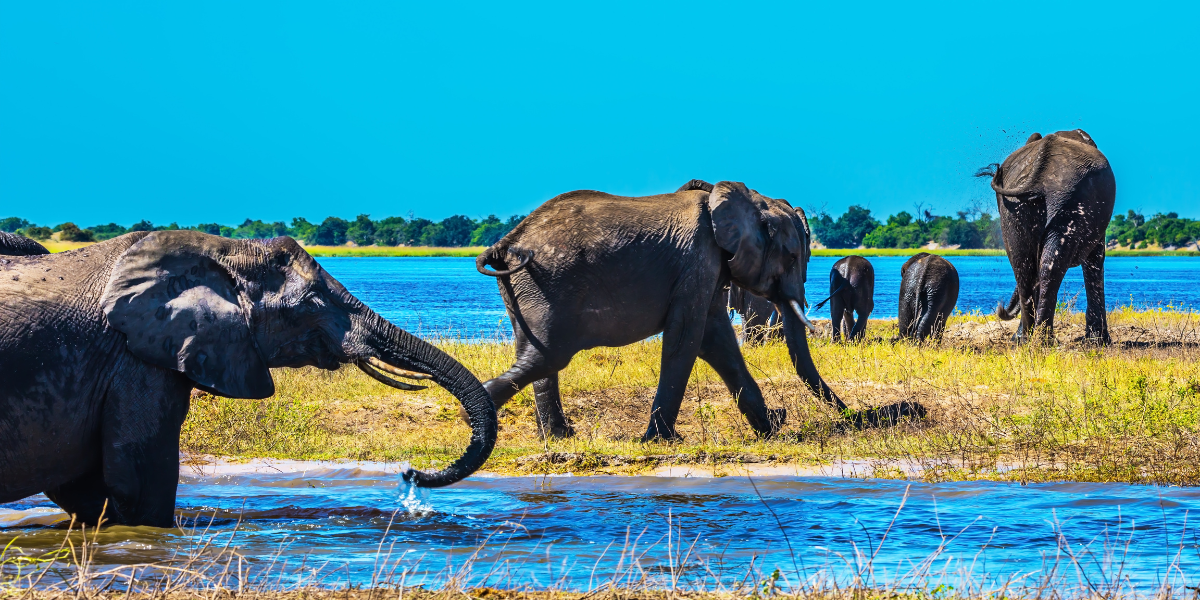
One of Chobe’s standout experiences is the river safari. Instead of viewing wildlife only from a vehicle, visitors can take boat cruises along the river, offering close but safe encounters with animals as they drink, bathe, or cross the water. These cruises are also popular for photography, especially in the late afternoon when the light is softer.
Chobe is more accessible than many other safari areas in Botswana, with Kasane town nearby and easy connections to Victoria Falls. While some areas can feel busier than remote camps in the Okavango Delta, wildlife sightings remain excellent, and the variety of experiences makes Chobe a strong choice for both first-time and repeat visitors.
Learn more about Chobe River boat safaris and what to expect on water‑based wildlife tours.
Best for: elephant viewing, river safaris, shorter trips
Best time to visit: May to October
2.4. Savuti (Remote Wilderness and Predator Sightings)
Located in the western section of Chobe National Park, Savuti is one of Botswana’s most dramatic and untamed safari regions. It is known for its open plains, rugged landscapes, and intense predator activity, especially involving lions, hyenas, and wild dogs.
Savuti’s reputation comes from its unpredictability. Wildlife movements here are closely tied to seasonal water sources, particularly the Savuti Channel, which has flowed and dried up multiple times over the decades. When conditions are right, the area attracts large numbers of herbivores, followed closely by predators, creating powerful wildlife encounters.
This region feels noticeably more remote than the Chobe Riverfront. Roads are rougher, distances are longer, and camps are fewer. As a result, Savuti appeals most to travelers who want a raw, less-polished safari experience rather than convenience.
Best for: experienced safari travelers, predator sightings, remote landscapes
Best time to visit: June to October
2.5. Makgadikgadi Salt Pans (Botswana’s Most Unique Landscape)
The Makgadikgadi Salt Pans offer a completely different side of Botswana. Instead of rivers and dense wildlife, you’ll find vast, flat salt plains stretching to the horizon, creating one of the most surreal landscapes in southern Africa.
During the dry season, the pans feel almost otherworldly, with endless white surfaces and enormous skies. In the green season, parts of the area transform as seasonal rains attract flamingos, zebra migrations, and other wildlife. This contrast makes Makgadikgadi one of the most visually striking places to visit in Botswana.
Experiences here focus less on traditional game drives and more on sense of place — walking on the pans, watching dramatic sunsets, and experiencing extreme quiet and space. For many travelers, Makgadikgadi is a powerful contrast to the water-heavy Okavango Delta.
Best for: photographers, couples, unique landscapes, slow travel
Best time to visit: April to October (dry season), December to March for seasonal wildlife
2.6. Nxai Pan National Park (Baobabs and Seasonal Wildlife)
Nxai Pan National Park is often visited together with the Makgadikgadi Salt Pans, but it offers a noticeably different experience. While Makgadikgadi is defined by open salt flats, Nxai Pan features grassy plains, fossil riverbeds, and clusters of iconic baobab trees that give the landscape a softer, more varied feel.
Nxai Pan is especially appealing during the green season, when seasonal rains transform the area and attract migrating zebras, antelope, and predators that follow them. Wildlife viewing is more seasonal than in the Okavango Delta or Chobe, but when conditions are right, sightings can be excellent.
The park remains quiet and lightly visited, making it a good option for travelers who want space and scenery without crowds. Nxai Pan works best as a contrast destination rather than a standalone safari area.
Best for: scenic landscapes, green-season travel, photography
Best time to visit: December to April for seasonal wildlife; dry season for landscapes
2.7. Central Kalahari Game Reserve (Remote and Untouched)
The Central Kalahari Game Reserve is one of the largest protected wilderness areas in Africa and one of the least visited. Covering vast stretches of semi-desert, grasslands, and ancient river systems, it offers a safari experience focused on isolation, scale, and silence rather than constant wildlife sightings.
Animals here are adapted to harsh conditions, and sightings can require patience. That said, the Kalahari is known for its black-maned lions, oryx, and springbok, particularly in the green season when food is more abundant.
This region is not ideal for first-time safari travelers. Distances are long, facilities are minimal, and self-drive or guided expeditions require preparation and experience. For those who are ready, however, the Central Kalahari delivers a powerful sense of wilderness that few places in Africa can match.
Best for: experienced travelers, remote wilderness lovers, repeat safari visitors
Best time to visit: December to April for wildlife activity; year-round for solitude
2.8. Khwai Community Area (High Wildlife, Community-Based Tourism)
The Khwai Community Area sits between the eastern Okavango Delta and Moremi Game Reserve, and it has become one of the most rewarding safari areas in Botswana. Managed by the local community, Khwai combines strong wildlife sightings with responsible, community-based tourism.
Wildlife density in Khwai is high, especially for elephants, lions, leopards, and wild dogs. Because the area is not a formal national park, safari rules are more flexible, allowing for activities such as off-road driving and night safaris in certain zones. This often leads to longer, more relaxed wildlife encounters compared to strictly regulated parks.
Khwai works exceptionally well as a bridge destination, linking water-based safaris in the Okavango Delta with game-drive-focused areas like Moremi. For many travelers, it delivers excellent value without sacrificing quality.
Best for: wildlife-rich safaris, night drives, community tourism
Best time to visit: June to October
III. Best Places to Visit in Botswana by Travel Style
Choosing the right destinations in Botswana depends heavily on how you want to experience the country. Below are recommendations based on common travel styles.
3.1. Best Places to Visit in Botswana for First-Time Visitors
Okavango Delta
Moremi Game Reserve
Chobe National Park
These areas offer reliable wildlife viewing, professional safari operations, and a good balance between comfort and adventure.
3.2. Best Places to Visit in Botswana for Wildlife Photography
Okavango Delta
Savuti
Chobe Riverfront
These regions provide strong predator sightings, varied landscapes, and excellent light conditions, especially during the dry season.
3.3. Best Places to Visit in Botswana for Couples and Honeymooners
Okavango Delta private concessions
Makgadikgadi Salt Pans
Privacy, scenery, and slower-paced experiences make these areas especially appealing for couples.
For global travel planning, you might also explore articles like Best Places to Visit in Spain for Food Lovers or Best Places to Visit in Italy for History Lovers to spark multi‑destination ideas.
IV. Best Places to Visit in Botswana for Adventure and Off-the-Beaten-Path Travelers
If you’re drawn to remote landscapes and fewer people, Botswana offers several regions that reward patience and preparation. These places are less about ticking off wildlife sightings and more about experiencing true wilderness.
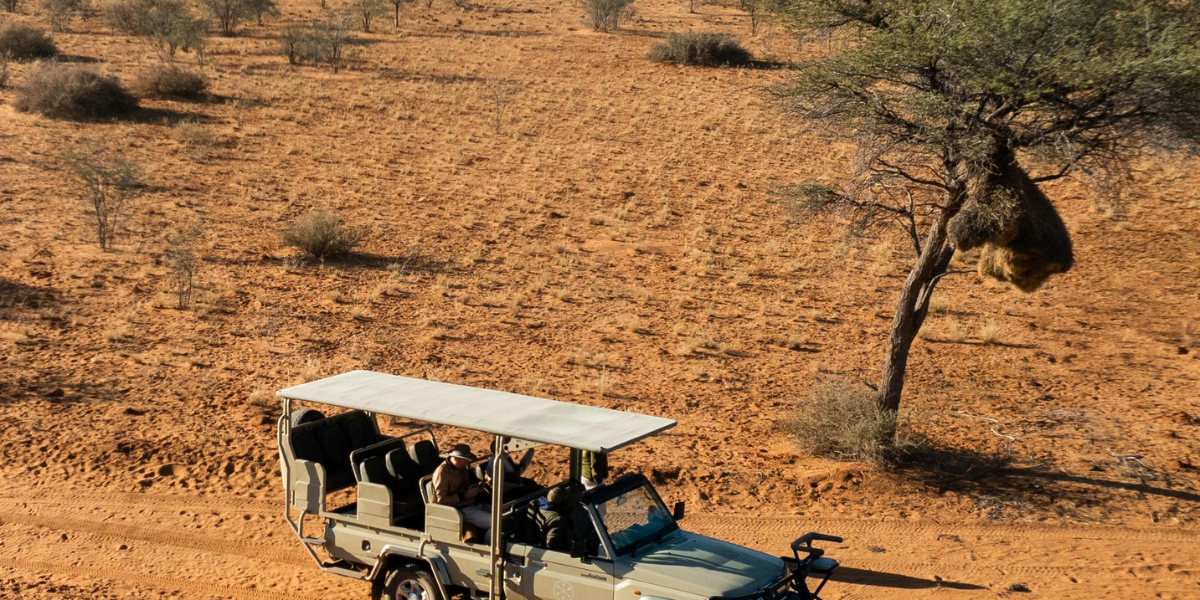
Central Kalahari Game Reserve for vast open spaces, silence, and a strong sense of isolation
Nxai Pan National Park during the green season for dramatic skies and seasonal migrations
Savuti for rugged terrain and unpredictable predator activity
These destinations are best suited to travelers with flexible schedules and a willingness to trade comfort for authenticity.
V. How Many Days Do You Need in Botswana?
Botswana is not a destination that works well with rushed itineraries. Travel between regions often involves small aircraft or long drives, so fewer locations with more time in each usually leads to a better experience.
5 to 7 days: Focus on one main area, such as the Okavango Delta or Chobe National Park
8 to 10 days: Combine two regions, commonly Okavango Delta + Moremi or Chobe
12 to 14 days: Classic Botswana circuit including Okavango Delta, Moremi, Savuti, and Chobe
Spending at least three nights in each location allows time for varied activities and increases the chance of meaningful wildlife encounters.
VI. Sample Botswana Itineraries
These sample routes help you choose the best places to visit in Botswana based on how many days you have. I keep each itinerary realistic, with enough time in each region to actually enjoy the safari.
7-Day Botswana Itinerary (First-Time Visitors)
Best for: first-timers who want the Okavango + Moremi combo without rushing.
Days 1–4: Okavango Delta — water safaris, game drives, and mokoro experiences (seasonal)
Days 5–7: Moremi Game Reserve — classic game drives and high wildlife density
Why it works: You get Botswana’s most iconic ecosystem (Okavango) plus a top game-viewing area (Moremi) with minimal transit stress.
10-Day Botswana Itinerary (Balanced Safari Experience)
Best for: travelers who want water + land safaris, plus elephants and a river cruise in Chobe.
Days 1–4: Okavango Delta — water activities + game drives
Days 5–7: Moremi or Khwai — predator-focused game drives, flexible safari zones
Days 8–10: Chobe National Park — Chobe Riverfront + boat safari
Why it works: This is the classic “variety” route: Delta waterways, big wildlife zones, and Chobe’s elephant-rich river scenes.
14-Day Botswana Itinerary (In-Depth Classic Circuit)
Best for: travelers who want the full Botswana safari story: Delta, Moremi, Savuti, and Chobe.
Days 1–4: Okavango Delta — water-based safari experiences
Days 5–7: Moremi Game Reserve — strong all-round wildlife viewing
Days 8–10: Savuti — remote landscapes and predator action
Days 11–14: Chobe National Park — river safari, elephants, easy logistics out of Kasane
Why it works: You’ll see Botswana’s top regions without sprinting, and each stop feels meaningfully different from the last.
VII. Best Time to Visit Botswana
Botswana is a year-round destination, but the best time to visit depends on what you want from your trip. Wildlife viewing, scenery, and even safari activities change noticeably with the seasons.
Dry Season (May to October)
The dry season is the most popular time to visit Botswana and offers the most reliable wildlife viewing. As water sources shrink, animals gather along rivers and remaining waterholes, making sightings more frequent.
Excellent wildlife visibility and predator sightings
Peak season for the Okavango Delta floods
Cooler mornings and evenings, warmer afternoons
This period is ideal for first-time visitors and photographers, but it also comes with higher prices and more demand for lodges.
Green Season (November to April)
Often overlooked, the green season brings dramatic skies, lush landscapes, and fewer visitors. Short rains transform areas like Nxai Pan and the Central Kalahari, attracting migratory wildlife and newborn animals.
Lower prices and fewer tourists
Great conditions for landscape and bird photography
Seasonal wildlife migrations in parts of the country
While some roads can be harder to navigate and wildlife is more spread out, this season rewards travelers who value scenery and solitude.
When Should You Go?
If your priority is classic safari game viewing, plan your visit between June and September. If you prefer quieter travel, greener landscapes, and better value, consider visiting between January and March.
VIII. Travel Tips for Visiting Botswana
Botswana is straightforward to travel in once you understand the distances, safari logistics, and a few practical details. These tips will help you plan a smoother trip and avoid the most common first-time mistakes.
Plan Around Distances (Botswana Is Bigger Than It Looks)
Many of Botswana’s top safari areas are far apart and roads can be slow. Instead of trying to “see everything,” choose 2 to 3 regions and stay at least 3 nights in each. You’ll get better wildlife experiences and less travel fatigue.
Decide Early: Fly-In Safari or Self-Drive
Fly-in safaris save time and are common for the Okavango Delta. They are often the easiest option for first-time visitors.
Self-drive trips can be rewarding, but require a 4WD, confidence on sand tracks, and careful fuel and supply planning.
Pack Smart for Safari Conditions
Bring neutral-colored clothing and dress in layers (cool mornings, warmer afternoons).
Pack a warm jacket for winter nights, even if daytime temperatures feel hot.
Essentials: sunscreen, insect repellent, a hat, sunglasses, and comfortable closed-toe shoes.
Binoculars and a small camera bag make a big difference on game drives.
Follow Guide Safety Rules (Especially in Unfenced Camps)
Many safari camps in Botswana are unfenced, which means wildlife can pass through. This is normal, but it requires discipline. Always follow staff instructions, avoid walking alone at night, and never leave your room or tent without checking with camp staff if advised.
Expect Limited Wi-Fi in Wilderness Areas
Internet can be slow or unavailable in remote camps. If you need to stay connected, plan for “digital downtime,” and confirm connectivity expectations with your lodge in advance.
Book Early for Peak Season
Botswana’s camps are often small and fill up quickly, especially from June to September. If you have fixed travel dates, booking 6 to 12 months ahead improves your options and pricing.
Ready to connect your trip? Don’t forget to explore the Best eSIM for Africa so you stay online from safari to airport.
IX. FAQs About Visiting Botswana
When is the best time to visit Botswana?
The best time for game viewing is during the dry season (May to October), when animals congregate around dwindling water sources. The wet or “Green Season” (November to April) offers lush landscapes, lower prices, fewer crowds, and excellent bird-watching opportunities.
Is Botswana safe for travel?
Yes, Botswana is generally considered one of the safer countries in Africa, known for its political stability and low crime rates, especially in safari areas. Standard precautions are still advised, such as not walking alone at night in urban centers and securing valuables.
What travel documents and vaccinations are required?
A passport valid for at least six months beyond your departure date and with several blank pages is required. Visas are not typically required for tourists from the US, UK, EU, and most Commonwealth countries for stays up to 90 days. A Yellow Fever vaccination certificate is mandatory if you are traveling from or transiting through an infected country. Anti-malarial medication is recommended for travel in northern Botswana, so consult a doctor before your trip.
What is the local currency, and are US dollars accepted?
The local currency is the Botswana Pula (BWP). US dollars, Pound Sterling, and Euros are widely accepted at most lodges and hotels, particularly for tips or curios. Credit cards are also widely accepted in urban areas and lodges.
What should I pack, and what are the luggage restrictions?
Pack light, neutral-colored clothing in layers (days are warm, nights can be very cold in winter). A wide-brimmed hat, sunscreen, insect repellent, and good walking shoes are essential. For inter-camp flights on light aircraft, which are common, luggage is strictly limited to a maximum of 15-20 kg (around 33-44 lbs) per person in a soft-sided bag.
What are the accommodations like?
Accommodation ranges from traditional, rustic tented camps with basic facilities to luxurious five-star lodges with all modern amenities. Many camps are unfenced, meaning wildlife may pass through, so you must always follow safety instructions from guides.
How do I get around in Botswana?
Internal travel is often by light aircraft charter flights between camps or by open-air 4x4 safari vehicles for game drives. If you plan a self-drive trip, a 4WD is essential for national parks, and off-road driving experience is recommended.
Is the tap water safe to drink?
Tap water is generally safe to drink in most parts of Southern Africa, including many lodges, but it’s always best to confirm with staff. Bottled and filtered water is widely available and provided during safaris.
Will I have cell phone coverage and internet access?
Cell phone coverage is generally good in cities and towns but is limited or non-existent in many remote wilderness areas and camps. Most lodges offer limited Wi-Fi connectivity.
How far in advance should I book my trip?
Due to Botswana’s “low volume, high cost” tourism policy and small, intimate camps, booking 6 to 12 months in advance is highly recommended to secure availability, especially for the peak dry season.
X. Final Thoughts: Where Should You Go in Botswana?
Botswana is not about seeing the most places in the shortest time. It’s about choosing the right regions and giving each one enough space to reveal itself. That’s what makes the country so memorable.
If this is your first visit, focus on proven classics like the Okavango Delta, Moremi Game Reserve, and Chobe National Park. These areas consistently deliver outstanding wildlife viewing, strong infrastructure, and a high level of safety and professionalism.
If you’re returning to Africa or looking for something quieter and more atmospheric, destinations like Savuti, the Makgadikgadi Salt Pans, or the Central Kalahari offer a deeper sense of wilderness and scale. No matter which route you choose, Botswana rewards travelers who slow down, travel intentionally, and prioritize experience over checklists. With the right planning, it remains one of the most immersive and rewarding safari destinations in the world.
Stay Connected in Botswana with Gohub eSIM
Whether you’re cruising the Chobe River, exploring the Okavango Delta by mokoro, or going completely off-grid in the Kalahari — having reliable mobile data makes a big difference. With Gohub’s eSIM for Africa, you can:
Stay connected in major safari regions across Botswana, South Africa, Kenya, and beyond
Avoid hunting for local SIMs in remote towns or border crossings
Manage everything digitally — no physical SIM card, no delivery wait
Plan ahead, travel light, and roam smart.

Hi! Mình là Lala Wren, một content creator yêu xê dịch và đam mê chia sẻ trải nghiệm thực tế cho cộng đồng Gohub. Trong nhiều năm qua, mình đã đặt chân đến Thái Lan, Hàn Quốc, Nhật Bản, Singapore, Malaysia, Bali và nhiều điểm đến thú vị khác trên khắp châu Á. Cùng mình tìm hiểu tất tần tật từ khâu chuẩn bị eSIM, Visa, lịch trình và địa điểm nổi bật cho chuyến đi sắp tới của bạn nhé!
View all articles →Related articles

Free eSIM Trial USA 2026: T-Mobile vs Verizon vs AT&T vs Visible
Compare every free eSIM trial from US carriers in 2026 — T-Mobile 30 days, Verizon 100GB, AT&T 25GB hotspot, Visible 15 days. Plus: what travelers visiting the US should use instead.

Best Free eSIM Trials in 2026: Every Active Offer Compared (No Credit Card)
Looking for a free eSIM trial in 2026? Compare all active offers — Gohub 300MB, Nomad 1GB, GigSky 100MB, Eskimo 250MB, SimLocal 500MB — no credit card needed. Updated March 2026.
Things to Do in Almaty: City Highlights, Mountain Escapes & Best Day Trips (1–3 Days)
Things to do in Almaty: top city highlights, mountain escapes, best day trips, food spots, and winter ideas—plus 1–3 day itineraries for first-timers.
Things to Do in Kyrgyzstan: Horse Trekking, Horseback Tours, Skiing, Yurts, & Epic Nature Spots
Things to do in Kyrgyzstan: Song-Köl horse treks, yurt stays, Karakol skiing, Ala Archa day hikes, plus seasons, safety, and booking tips.
Serbia Travel Guide for First-Time Visitors (2026 Update)
A practical Serbia travel guide covering safety, transport, regions, and real connectivity tips for first-time visitors in 2026.
Serbia Itinerary for 7 Days: How to Plan Cities and Nature Without Rushing
Plan a realistic Serbia itinerary for 7 days, covering Belgrade, Novi Sad, Tara National Park, and the Danube Gorge with practical travel advice.