

Things to Do in Dominican Republic for First-Time Visitors: Regions, Weather, and Travel Logistics


1. Introduction: Planning a First Trip to the Dominican Republic
Many first-time visitors search for things to do in Dominican Republic and quickly feel overwhelmed.
The country is known for beaches and all-inclusive resorts. But it also offers colonial cities, mountain landscapes, waterfalls, and remote peninsulas. The challenge is not finding activities. The challenge is understanding how everything fits together.
Dominican Republic tourist attractions are spread across different regions. Travel times can be longer than expected. Weather patterns shift depending on the month. And practical details such as airport transfers, road conditions, and internet access can shape the experience more than travelers anticipate.
This guide is written for first-time visitors who want clarity. It explains regions, weather patterns, and travel logistics so planning feels manageable rather than confusing.
TL;DR
The Dominican Republic offers beaches, colonial cities, waterfalls, and remote peninsulas across multiple regions.
Major tourist areas like Punta Cana, Santo Domingo, Puerto Plata, and Samaná are several hours apart.
The best time to go to Dominican Republic is typically December to April, while storm season runs from June to November.
Travel logistics, including airport transfers and long road journeys, shape the experience more than many first-time visitors expect.
WiFi is common in resorts, but mobile data becomes important during transfers, excursions, and weather-related disruptions.
2. Why “Things to Do in Dominican Republic” Feels Overwhelming for First-Time Visitors
On the surface, planning seems simple. Book a resort. Relax on the beach.
In practice, it becomes more complex.
Common sources of confusion include:
Choosing between Punta Cana, Santo Domingo, Puerto Plata, or Samaná
Understanding the best time to go to Dominican Republic
Deciding whether to rent a car
Estimating travel time between major attractions
Navigating storm season in Dominican Republic
Many online guides focus only on beaches. Others highlight adventure activities without explaining distances or weather risks. First-time travelers often piece together information from multiple sources, which makes planning feel fragmented.
Understanding the country by region helps reduce that stress.
3. Things to Do in Dominican Republic by Region
The Dominican Republic occupies the eastern two-thirds of the island of Hispaniola. It has multiple tourism hubs that operate almost like separate destinations.
Knowing what each region offers makes itinerary planning much easier.
Punta Cana: Beaches, Resorts, and Easy Day Trips
For many visitors, Punta Cana is the entry point. Punta Cana International Airport is one of the busiest in the Caribbean. Official airport information is available at the Punta Cana International Airport website.
Punta Cana is known for:
All-inclusive resorts
Catamaran cruises
Saona Island day trips
Snorkeling excursions
This region works well for travelers who want a relaxed schedule. Many Dominican Republic travel spots here are organized through resorts. Transportation is usually arranged in advance.
However, independent exploration is more limited. Attractions are spread out. Public transportation is not tourist-focused. Most visitors rely on resort shuttles or private transfers.
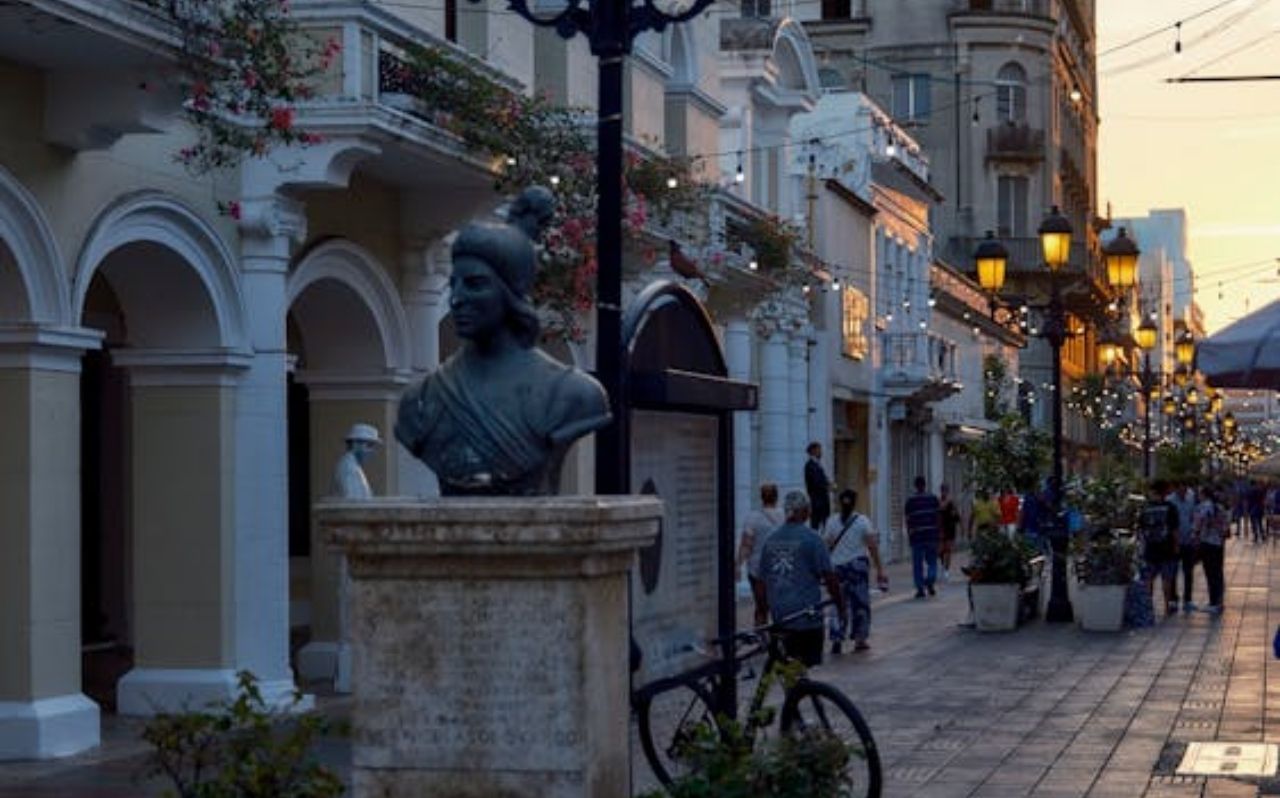
Santo Domingo: History and Urban Culture
Santo Domingo is one of the oldest European-founded cities in the Americas. The Zona Colonial is a UNESCO World Heritage Site. Information about the city and national tourism resources can be found through the official Dominican Republic tourism portal.
Key highlights include:
Catedral Primada de América
Alcázar de Colón
Colonial-era streets
Museums and cultural centers
A growing food scene
Among cities in Dominican Republic, Santo Domingo offers the strongest historical identity.
This region suits travelers who want more than beaches. It is walkable in the colonial district. However, traffic outside that area can be heavy. Travel time across the city is often longer than expected.
Puerto Plata: Adventure and Northern Coast Scenery
Puerto Plata, on the north coast, feels different from Punta Cana.
Attractions include:
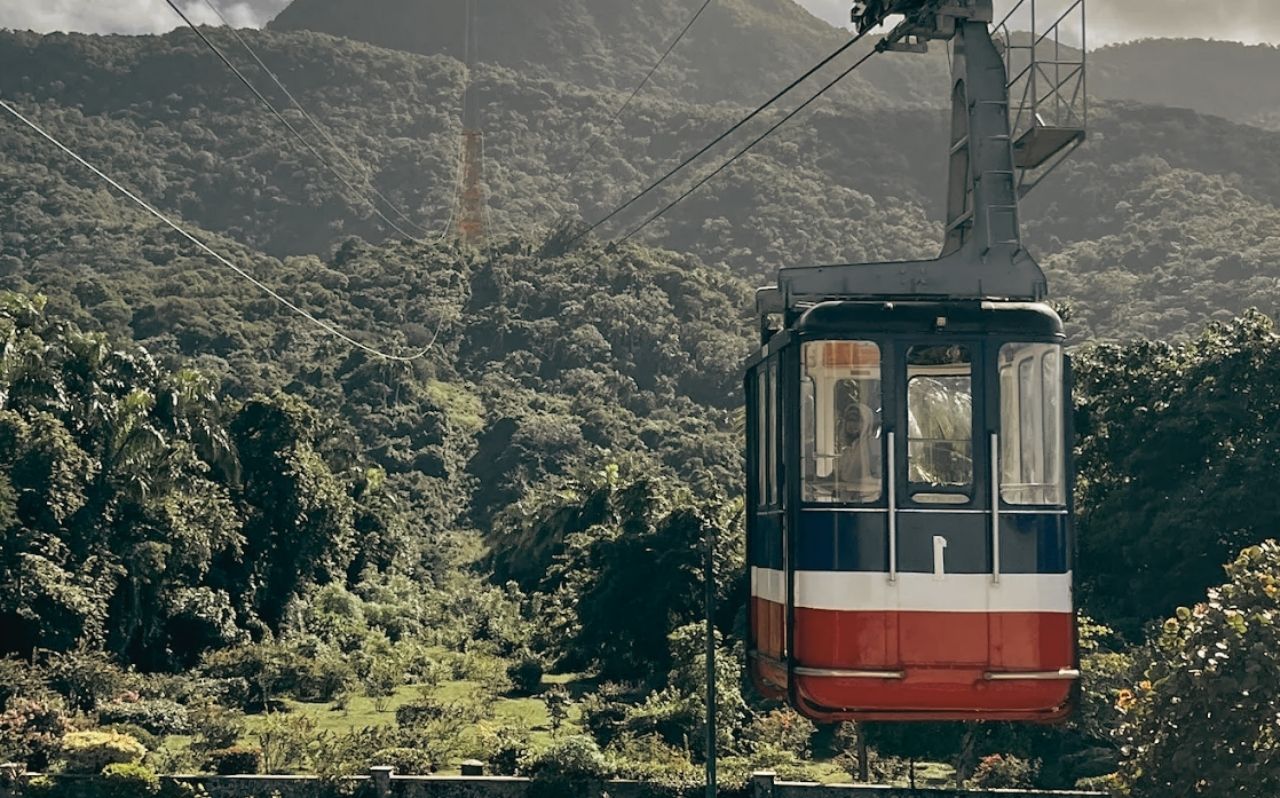
Mount Isabel de Torres cable car
27 Charcos waterfalls
Surf beaches
Amber museums
Dominican Republic attractions in this region are more varied. Travelers often rent cars to explore waterfalls and beaches independently.
Road conditions vary. Some routes are mountainous. Driving times may be underestimated if using simple map distance comparisons.
Samaná Peninsula: Nature and Seasonal Experiences
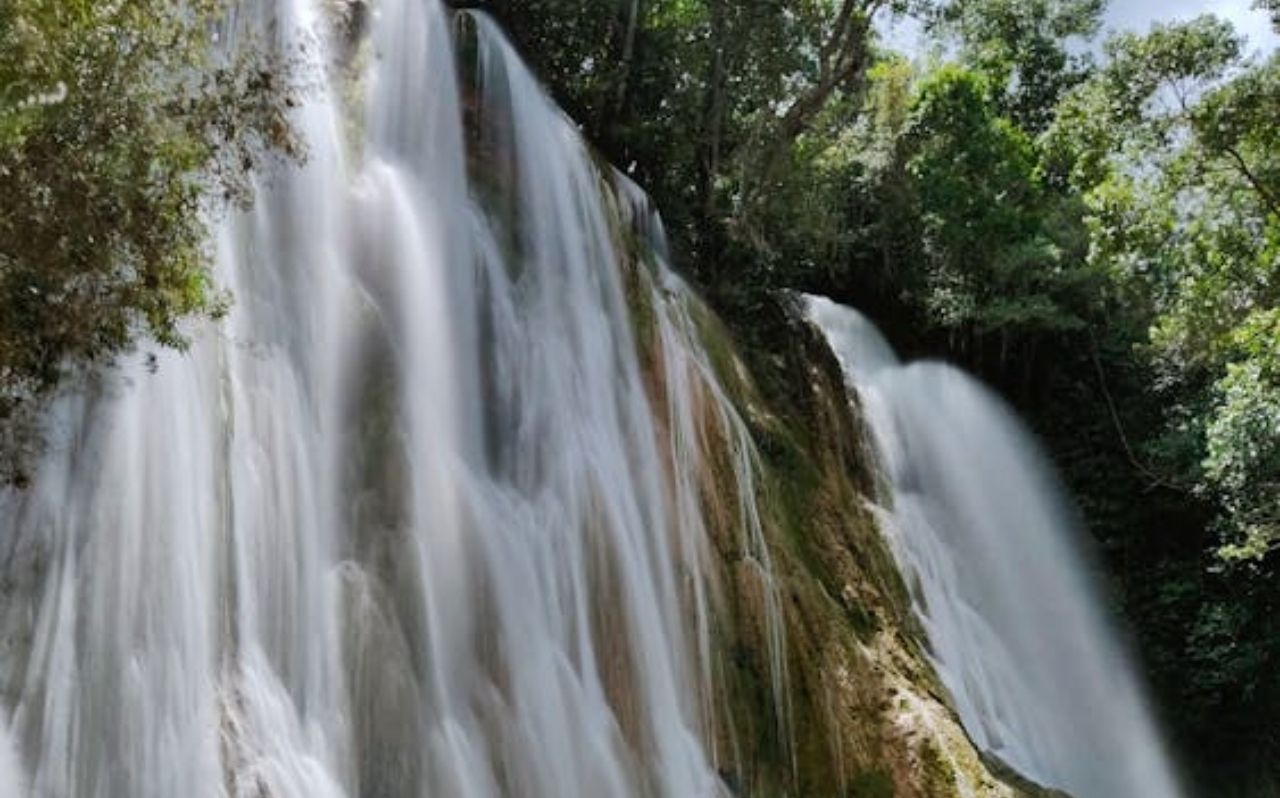
Samaná is known for:
Whale watching from January to March
El Limón waterfall
Secluded beaches
Fewer large resorts
This region feels quieter and more remote.
Travel time from major airports can be significant. Infrastructure is improving, but services are more limited compared to Punta Cana.
For travelers seeking natural beauty and fewer crowds, Samaná can be rewarding. It requires more planning and flexibility.
4. Best Time to Go to Dominican Republic
Understanding weather patterns is essential when planning things to do in Dominican Republic.
The country has two broad seasons.
Dry Season: December to April
This period is considered the most predictable.
Lower rainfall
Pleasant humidity
Comfortable temperatures
Many travelers prefer this window. It aligns with winter travel from North America and Europe.
However, higher visitor numbers mean increased demand for accommodations and tours.
Rainy Season: May to November
Rainfall increases gradually. Showers are often brief but intense.
Temperatures remain warm. Beaches are still accessible. But outdoor plans may require flexibility.
Storm Season in Dominican Republic
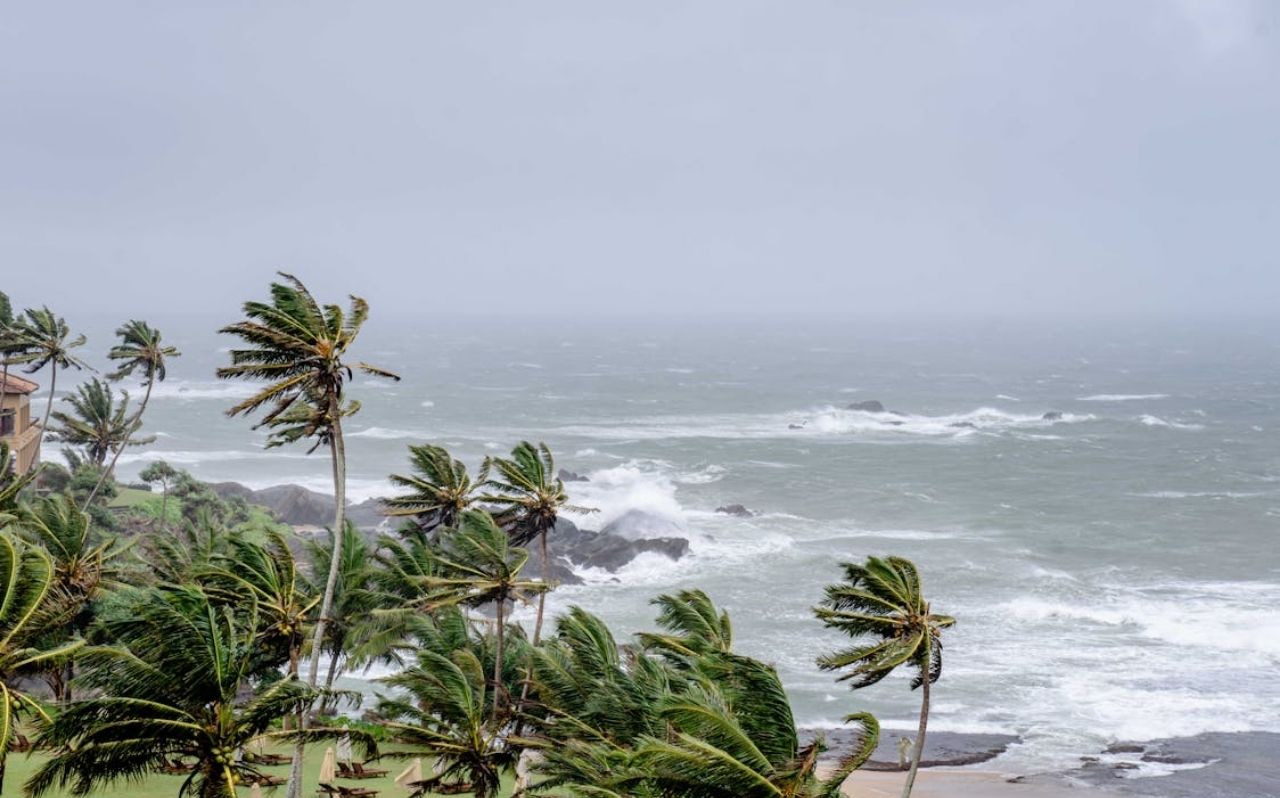
Storm season in Dominican Republic overlaps with the Atlantic hurricane season, which runs from June to November. The U.S. National Hurricane Center provides official updates and forecasts.
Not every storm directly impacts the country. However, tropical systems can cause:
Heavy rain
Flight delays
Temporary power outages
Rough sea conditions
For first-time visitors, it is important to understand that weather patterns affect logistics more than sightseeing itself. Day tours may be canceled at short notice. Ferry schedules can change. Road conditions may deteriorate temporarily after heavy rainfall.
Planning buffer time helps reduce stress.
5. Travel Logistics First-Time Visitors Often Underestimate
Dominican Republic tourist attractions are not concentrated in one area. The country is larger than many travelers assume.
Airport Arrival and Transfers
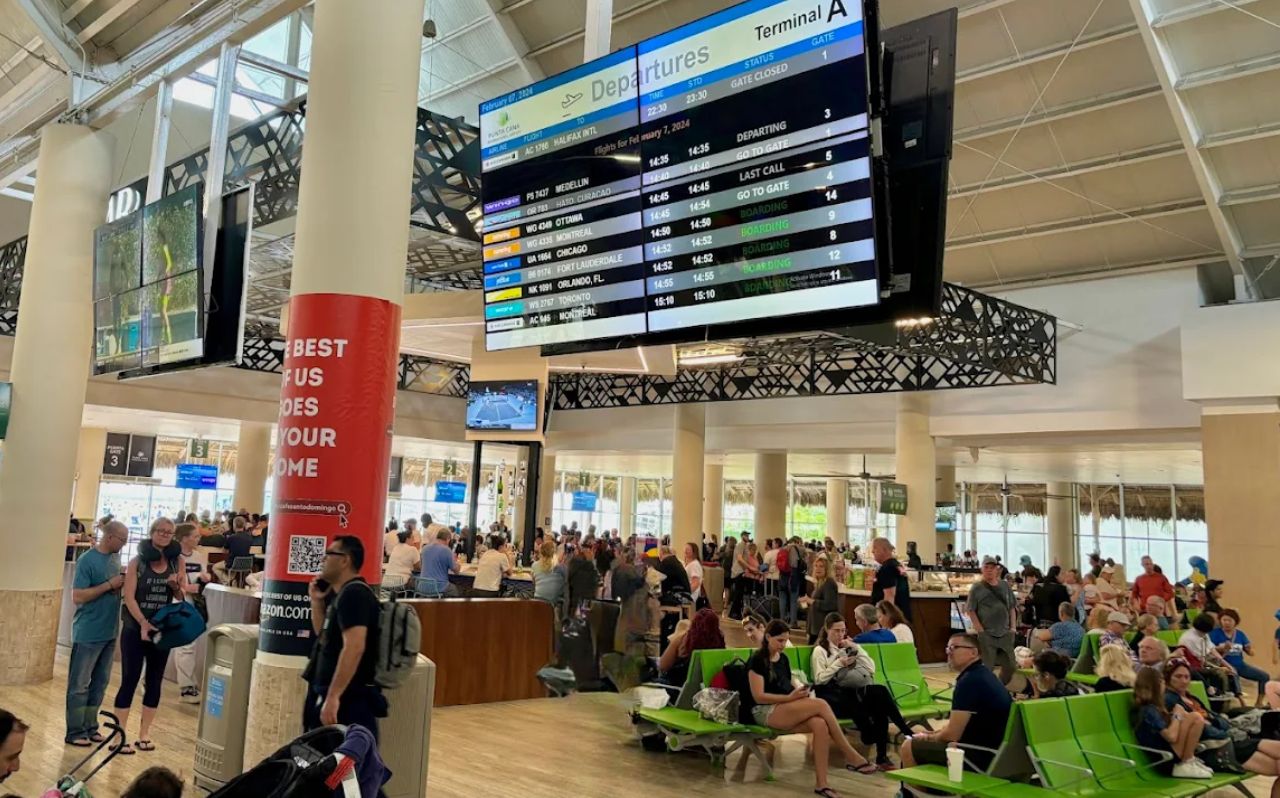
Many visitors land late in the evening. After a long flight, arranging transport can feel disorienting.
Punta Cana and Santo Domingo airports both offer taxis and pre-arranged transfers. Official airport websites provide up-to-date information on services and facilities.
Mobile access becomes relevant here. Travelers often use maps, ride-hailing apps, or hotel contact information immediately upon arrival.
Long Distances Between Major Attractions
Travel times are significant.
For example:
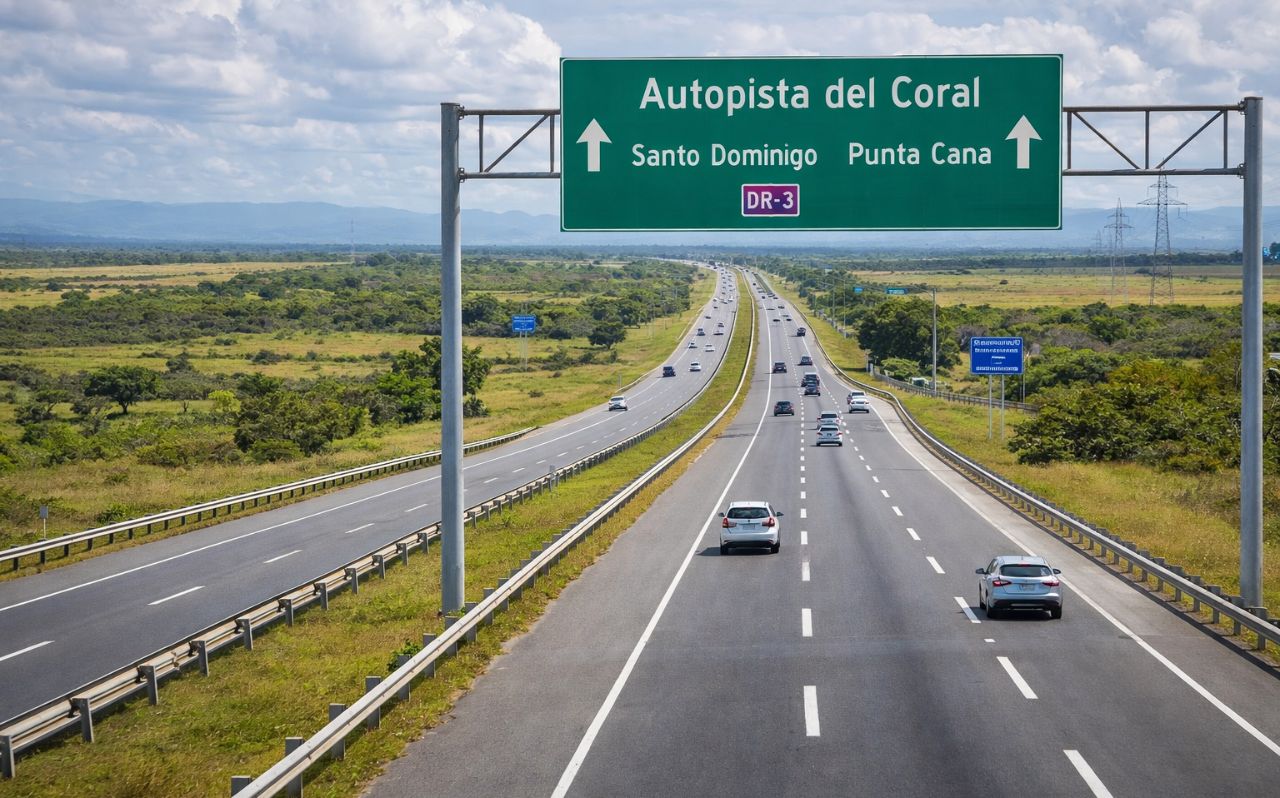
Punta Cana to Santo Domingo: approximately 2.5 to 3 hours by car
Punta Cana to Samaná: over 4 hours
Puerto Plata to Santo Domingo: about 3.5 hours
These distances influence itinerary design. Attempting to visit multiple regions in a short trip can lead to long travel days.
Many first-time visitors underestimate this factor when searching for dominican republic attractions online.
Resort WiFi vs Real-World Mobility
Resort WiFi is commonly available. However, reliability varies.
Common scenarios where connectivity becomes important include:
Navigating outside resort grounds
Confirming tour pickup locations
Translating Spanish menus or instructions
Receiving airline schedule updates
Communicating with drivers
Public WiFi in cafés and public spaces is less common than in some other Caribbean destinations.
Connectivity is rarely the main focus of travel planning. Yet in practice, it supports many daily decisions.
6. Practical Connectivity Reality in Dominican Republic
Mobile data is typically needed at specific moments rather than continuously.
In practice, travelers most often rely on data for:
Airport navigation upon arrival
Ride-hailing or taxi coordination
Checking weather updates during storm season
Mapping remote waterfalls or beaches
Contacting accommodations during delays
Where WiFi may be limited:
Rural road trips
Smaller beach towns
Waterfall excursions
During temporary power interruptions
Storm season can occasionally disrupt electricity. When that happens, WiFi networks may go offline. Mobile networks are often restored faster, but coverage strength varies by region.
Families traveling with children often find that digital maps reduce stress. Solo travelers frequently rely on translation apps when exploring outside tourist-heavy zones.
Connectivity supports movement and coordination. It becomes practical infrastructure rather than a luxury feature.
7. When to Consider a More Reliable Setup
For short resort-based stays, hotel WiFi may be sufficient.
For multi-region trips, road travel, or weather-sensitive periods, planning connectivity in advance can reduce uncertainty.
In situations like this, having a reliable travel eSIM for Dominican Republic can help travelers stay connected without depending entirely on public WiFi.
This is particularly relevant for airport arrivals, long transfers, and travel during storm season.
8. Frequently Asked Questions
What are the top things to do in Dominican Republic for first-time visitors?
First-time visitors commonly explore Punta Cana beaches, Santo Domingo’s Zona Colonial, Saona Island, and Puerto Plata’s waterfalls. Each region offers a different experience. Choosing one or two regions helps keep travel days manageable.
When is the best time to go to Dominican Republic?
December to April typically offers drier weather and more predictable conditions. May to November is warmer and wetter. Travel during storm season in Dominican Republic requires flexibility but is still possible.
Is storm season in Dominican Republic dangerous for tourists?
Storm season runs from June to November. Not every storm impacts the country directly. However, heavy rain can affect flights and tours, so monitoring official weather updates is important.
How far apart are major tourist attractions?
Distances between regions are significant. Punta Cana, Santo Domingo, Puerto Plata, and Samaná are several hours apart by car. Travel time should be factored into itinerary planning.
Is WiFi reliable in resorts?
Most large resorts provide WiFi. Reliability varies depending on location and network load. Connectivity outside resort areas may be more limited, especially in rural zones.
9. Final Thoughts
The Dominican Republic offers far more than beaches.
Understanding regions, weather patterns, and travel logistics transforms planning from overwhelming to manageable. When visitors approach the country with realistic expectations about distances and seasonal conditions, the experience becomes smoother.
Connectivity is part of that preparation. Not as a headline feature. But as practical support for navigation, communication, and adapting to weather changes.
With thoughtful planning, first-time visitors can explore Dominican Republic attractions confidently and enjoy a trip that balances relaxation, culture, and adventure.
Related Articles
Planning to explore one region in more depth?
For a detailed breakdown of beaches, excursions, and practical tips in the east, read our guide to Punta Cana travel activities and day trips.
If you are more interested in history, architecture, and local culture, explore our guide to Santo Domingo historic attractions and city highlights.

Hi! Mình là Lala Wren, một content creator yêu xê dịch và đam mê chia sẻ trải nghiệm thực tế cho cộng đồng Gohub. Trong nhiều năm qua, mình đã đặt chân đến Thái Lan, Hàn Quốc, Nhật Bản, Singapore, Malaysia, Bali và nhiều điểm đến thú vị khác trên khắp châu Á. Cùng mình tìm hiểu tất tần tật từ khâu chuẩn bị eSIM, Visa, lịch trình và địa điểm nổi bật cho chuyến đi sắp tới của bạn nhé!
Lihat semua artikel →