Descargar en App StoreDownload Gohub App on the App Store
AsiaJapan eSIM

How to Visit Obon Festival Japan in 2027: Dates, Access and Where to Stay

  • Aug 13 – 16, 2027 (Kyoto fires Aug 16)
  • Japan (Kyoto, Tokushima, Gujo)
  • Last updated: 9 oct 2026

Obon Festival Japan 2027

Overview

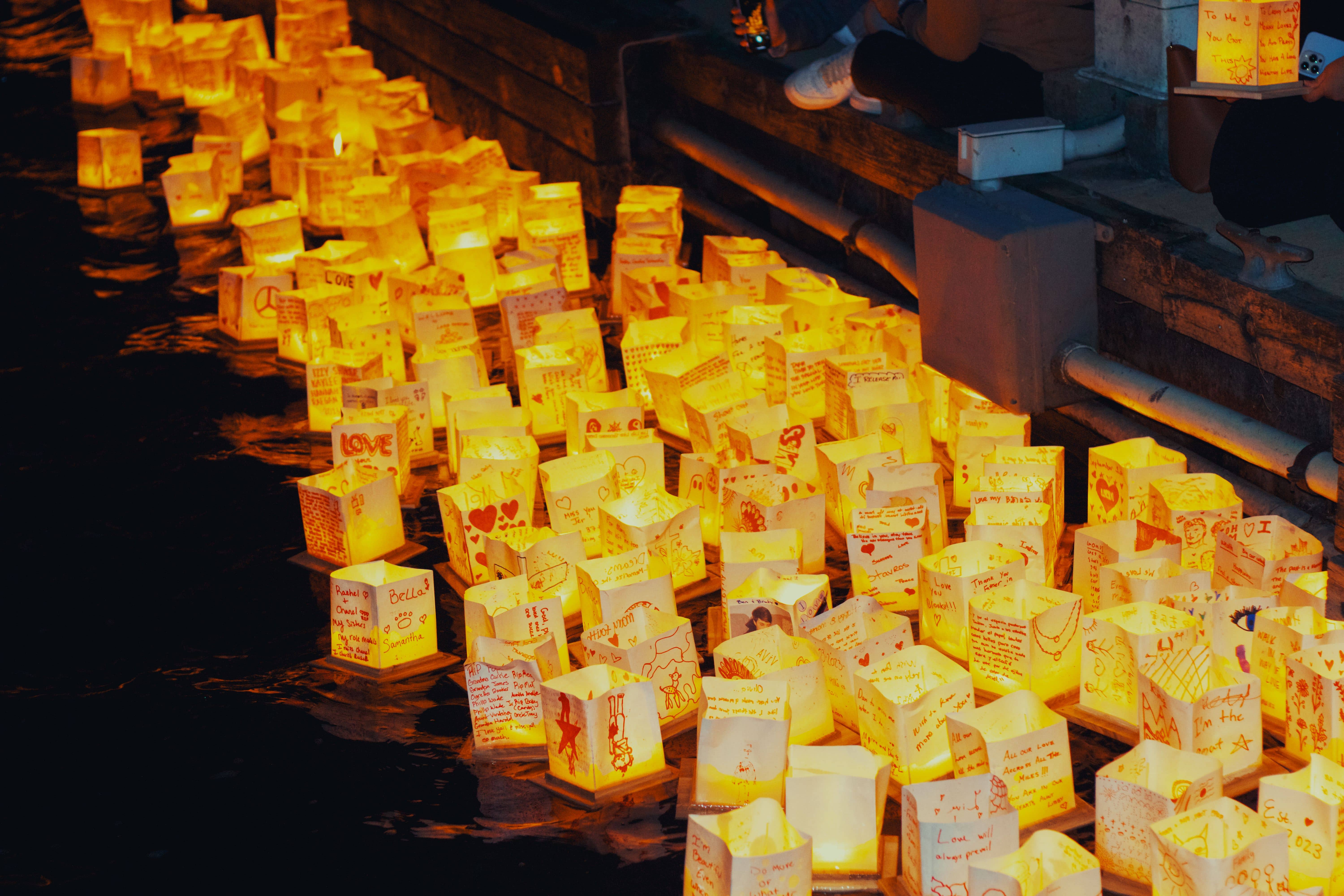
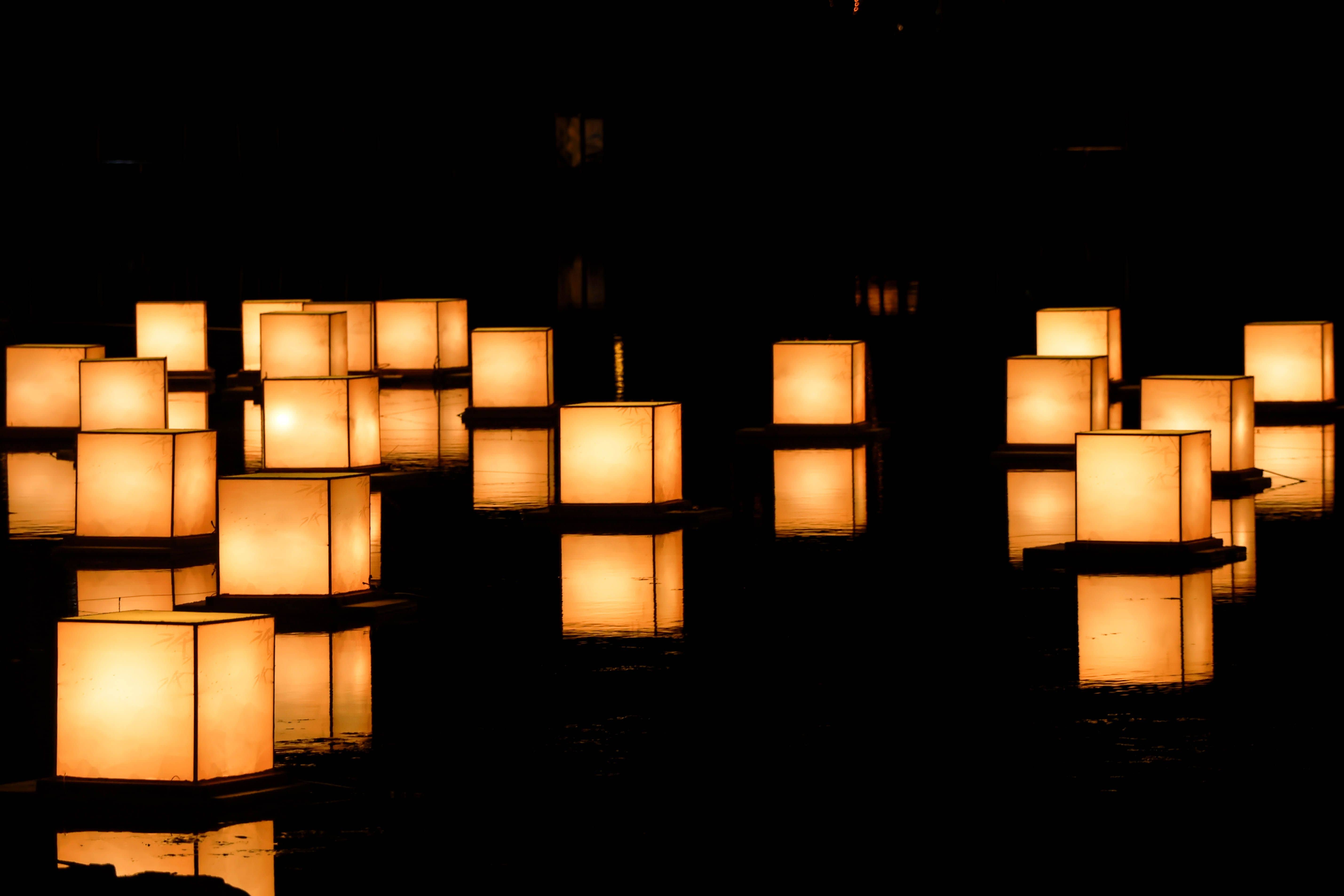
Obon is the Buddhist festival in which Japanese families welcome the spirits of their ancestors home, held from 13 to 16 August 2027 across most of the country. Families clean graves, light welcoming and sending-off fires, dance Bon Odori and float lanterns. For visitors the set-pieces are Kyoto's Gozan no Okuribi mountain bonfires on 16 August, Tokushima's Awa Odori from 11 to 15 August and Gujo's all-night dances. All free, all crowded, all hot.

Highlights

  • Fixed dates: 13 to 16 August 2027 in most of Japan; Tokyo observes 13 to 16 July
  • Kyoto Gozan no Okuribi: five mountain bonfires lit from 20:00 on 16 August
  • Tokushima Awa Odori, 11 to 15 August, Japan's largest dance festival
  • Gujo Odori all-night dancing, 13 to 16 August, from 20:00 to dawn
  • Free to watch; reserved Awa Odori seats about 2,000 to 15,000 JPY in 2026
  • Peak domestic travel: Shinkansen reserved-only, hotels at yearly highs

Good to know

Dates
13 to 16 Aug 2027 (most regions); Tokyo and Yokohama 13 to 16 Jul; Okinawa lunar Obon calculated to 14 to 16 Aug 2027 which almost overlaps the mainland calendar in 2027
Opening hours
Gozan no Okuribi fires from 20:00 on 16 Aug, each burning about 30 min; Awa Odori street dances 18:00 to about 22:00; Gujo all-night dance 20:00 to 5:00
Venue
Nationwide; Kyoto's five hillsides around the city, Tokushima City centre, Gujo Hachiman in Gifu
Entry
Free everywhere; Awa Odori reserved seats about 2,000 to 15,000 JPY, premium seats up to 200,000 JPY in past editions
Getting there
Kyoto by Shinkansen; Tokushima by bus from Osaka or Kobe or by air; Gujo Hachiman by bus from Nagoya or Gifu
Recommended eSIM
Japan eSIM

The week Japan goes home, and you go with it

Obon is the Buddhist festival of the dead, and the gentlest week in the Japanese calendar: families travel back to their home towns, clean the family grave, light a small fire at the gate on 13 August to guide the ancestors home, feed them for three days, and send them off again on the 16th with another fire, lanterns floated on a river, or, in Kyoto, with five giant bonfires on the mountains around the city. In between, everyone dances. Bon Odori, the circle dances around a drum tower, happen in every town; in Tokushima the Awa Odori turns the whole city into a dancing parade for four nights, and in Gujo Hachiman people dance in the street until dawn.

For a visitor it is also the hardest week of the year to move around. Every Shinkansen is reserved-seat only from about 7 to 16 August and sells out a month ahead, hotels hit their yearly peak, and the famous viewpoints for the Kyoto fires are known only in Japanese. Hotel Wi-Fi stays at the hotel, and free station Wi-Fi collapses under the travel rush. A Japan eSIM installed before you fly keeps the rail app, the maps, the group chat and the translation app working through a week when every Japanese family is on the move too.

Reserved-seat trains and the one-month booking window

Shinkansen seats for the Obon dates open exactly one month before departure and the peak days go within hours. The rail app on your phone is how you grab a seat the morning they open, check for cancellations, and reroute when a typhoon stops the trains, all of which happen in mid-August.

Finding the fire you can actually see

Kyoto's five bonfires are on five different hillsides, each visible from particular bridges, riverbanks and streets, and the city closes some of the best spots when they fill. A live map plus the city's Japanese notices, read through a translation app, puts you on the right bank of the Kamo River at 19:30 instead of on the wrong side of a building at 20:00.

Regrouping in the dance crowd

Awa Odori's main street stages hold hundreds of thousands of people a night, and Gujo's all-night dance is a slow spiral through dark streets. Live location sharing in a group chat is how a family that stops for a drink finds each other again, and it needs every phone to have its own data.

Reading grave-visit etiquette, menus and notices

Temple notices about where visitors may walk during grave visits, Bon Odori rules, reserved-seat maps and the stall menus are in Japanese. Camera translation reads them with a connection; the sign that says this cemetery is for families only is the one to understand.

Paying and getting back after midnight

Festival stalls, lantern sales and taxi apps run on cards and mobile payment. After the Kyoto fires end around 20:30, the Awa Odori stages close around 22:00 or the Gujo dancing ends at dawn, the walk, the last train or the ride-hail all depend on a working phone.

Install your eSIM before you fly and be online when you land — see matching plans

The complete guide

When Is Obon Festival Japan in 2027?

Obon Festival Japan 2027 runs from Friday 13 to Monday 16 August 2027 across most of the country. The dates do not move: Obon Festival Japan 2026 fell on the same 13 to 16 August, and so will every year, because most of Japan observes the "month-delayed" Obon fixed to mid-August on the Gregorian calendar. The core observance is 13 to 15 August, with the sending-off rituals and the biggest public events on the 16th.

Three regional calendars exist, which is where visitors get confused:

  • Most of Japan, including Kyoto, Osaka, Nara, Tokushima and Gifu: 13 to 16 August

  • Tokyo, Yokohama and parts of northern Japan: 13 to 16 July, the old lunar date transposed to the new calendar; Tokyo's cemeteries list both periods

  • Okinawa and the Amami Islands: the fifteenth day of the seventh lunar month, so the date changes yearly. In 2026 it fell on 25 to 27 August; for 2027 it is calculated to 14 to 16 August, almost overlapping the mainland for 2027 it is calculated to 14 to 16 August, almost overlapping the mainland.

The week in order, mainland dates:

  • 11 to 15 August: Tokushima Awa Odori, with an indoor opening on the 11th and street dancing on the 12th to 15th, framed by the organiser as "the five days from 11 to 15 August every year"

  • 13 August, mukaebi: welcoming fires lit at family gates and graves cleaned; the first night of Gujo Odori's all-night dancing

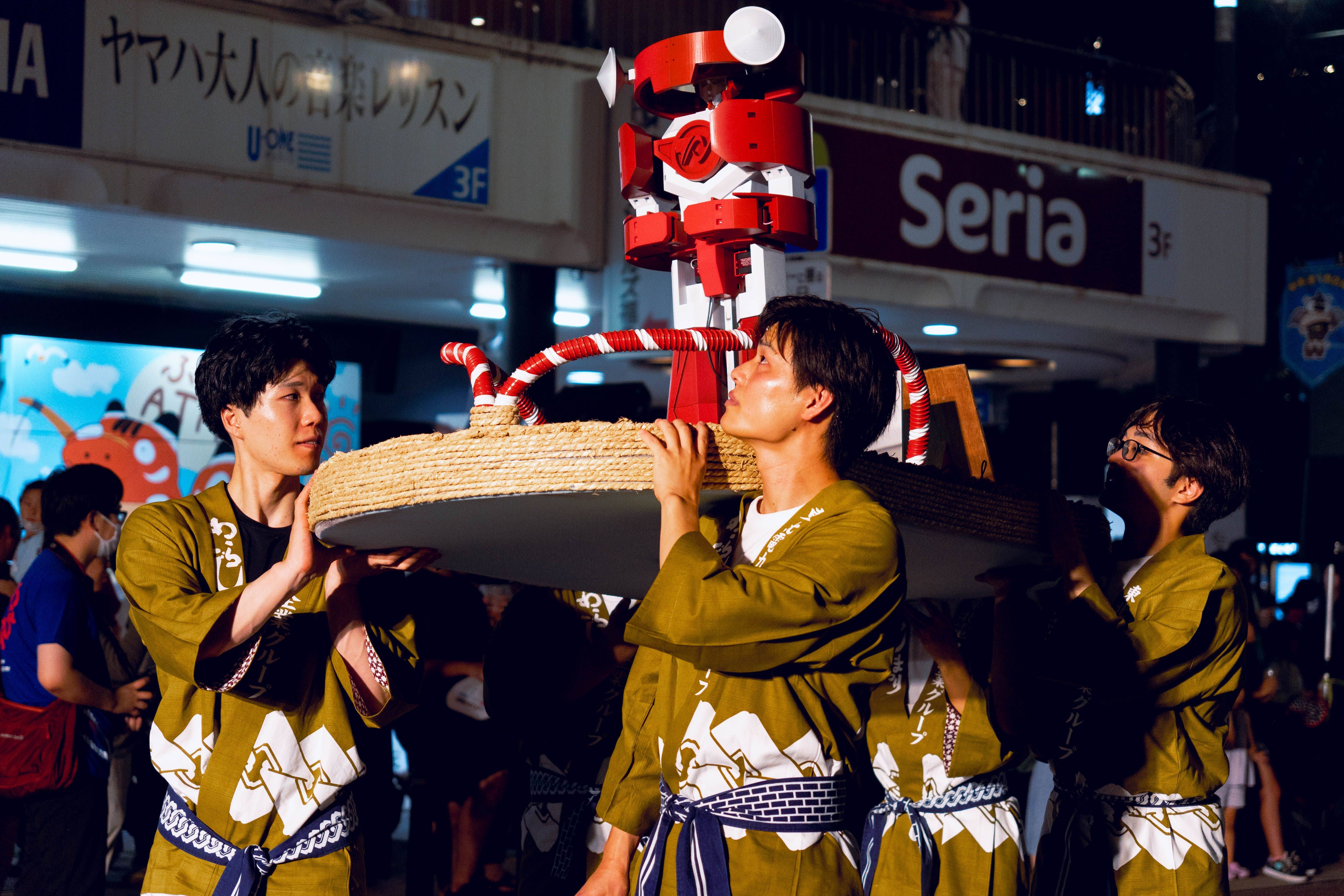
  • 14 and 15 August: family days, Bon Odori in every town, lantern-lit cemeteries, the Nagasaki spirit-boat parade on the 15th

  • 16 August, okuribi: sending-off fires; Kyoto's Gozan no Okuribi from 20:00 and the Arashiyama lantern floating the same evening; the last night of Gujo's all-night dance

Obon is not a public holiday, but most companies close and the whole country travels. In 2026 the peak travel period ran from about 8 to 16 August, with outbound crushes on 8 and 11 to 13 August and the return on 15 and 16; expect the same shape in 2027, with 13 August a Friday.

Tip: Plan the trip around 16 August in Kyoto and work backwards: arrive by the 12th, fit Awa Odori or Gujo in the middle, and travel on the quieter mid-week days rather than the 13th or 16th.
The giant burning "dai" character of the Daimonji bonfire glowing on the hillside above Kyoto at night during Gozan no Okuribi

Do You Need a Ticket, and What Does It Cost?

No ticket is needed for Obon. The grave visits, the welcoming and sending-off fires, the Kyoto mountain bonfires, lantern floating and nearly every Bon Odori in the country are free and public; there is no central organiser and nothing to buy. Obon Festival Japan tickets exist only for reserved seating at the big dance festivals, and for a few boat and rooftop packages.

Where money comes in, at the latest published prices:

  • Tokushima Awa Odori: street viewing is free, and reserved seats at the outdoor street stages (Aibahama, Minami-Uchimachi, Ryogokuhonmachi and others) ran roughly 2,000 to 15,000 JPY in 2026 depending on stage and seat type, sold in two evening blocks (for example 18:00 to 19:40 and a later session) and bookable with seat choice only during the official sales window up to 200,000 JPY per person. Premium donation-tied seats have been sold at far higher prices, up to 200,000 JPY per person in 2023

  • Awa Odori Kaikan in Tokushima: year-round daytime and evening performances with admission, the fallback if your dates miss the festival

  • Kyoto Gozan no Okuribi: free from the streets, riverbanks and bridges; a few hotels and restaurants sell rooftop dinner packages (ranging from several thousand yen to over 30,000 JPY per person), and tour operators sell bus tours to several viewpoints.

  • Gujo Odori: free; dancers and spectators mix in the street, with no seating at all

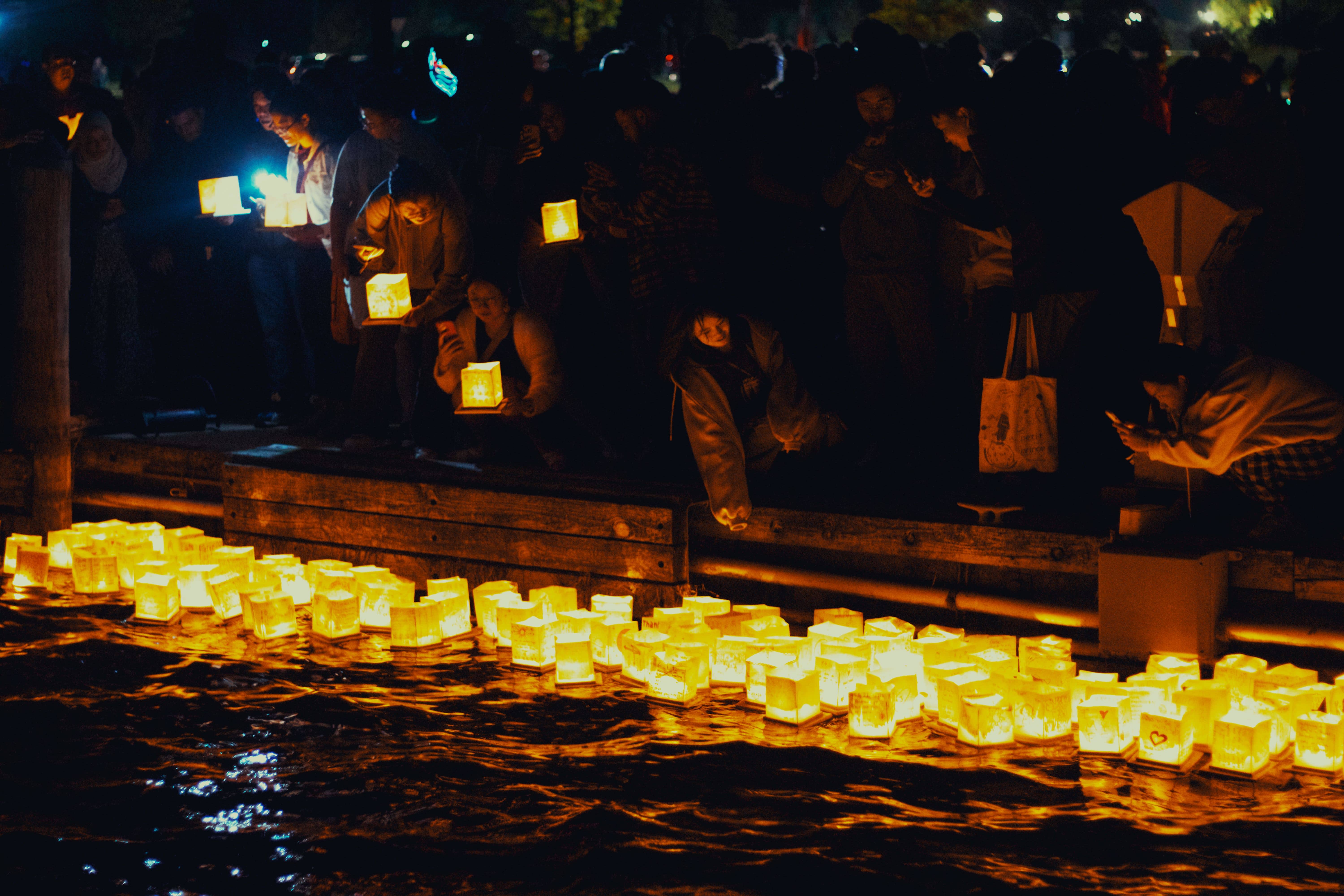
  • Arashiyama lantern floating in Kyoto: watching is free; buying a lantern to float costs a small fee of about 1,500 to 1,700 JPY per unit at the stand.

  • Toro nagashi lantern ceremonies elsewhere: typically a small fee per lantern, free to watch

Where to buy the Awa Odori seats: through the festival's official ticketing in Japan, with English routes via the main Japanese ticket platforms, and through travel marketplaces that bundle a seat with a bento. The best seats for the 13th and 14th sell out first.

Note: No one sells "Obon tickets". Any site offering admission to the Kyoto fires or a town's Bon Odori is selling nothing; only a specific seat at Awa Odori, a Kaikan show or a named hotel's rooftop package is a real purchase.

The real costs of Obon are the ones nobody tickets: Shinkansen seats, airfares and hotels at their yearly peak.

Need a steady connection for transit and maps?See eSIM plans

Where It Happens and How to Get There

Obon happens everywhere in Japan, but three places give visitors something to travel for, and they can be chained in a week. How to get to Obon Festival Japan, then, is really three journeys.

Kyoto, for Gozan no Okuribi on 16 August:

  • The five fires burn on hillsides around the city: the great "dai" on Mount Daimonji in the east, the "myo" and "ho" characters to the north-east, the "funagata" boat shape to the north, the second "dai" at Hidari Daimonji to the north-west and the "torii" gate at Toriimoto in the west; the main Daimonji fire is at about 35.02 N, 135.80 E

  • Reach Kyoto by Tokaido Shinkansen from Tokyo in about 2 hours 15 hours, or by the Haruka express from Kansai International Airport in about 75 to 80 minutes

  • Best free viewpoints: the Kamo River banks between Marutamachi and Demachiyanagi bridges for the main "dai" (Keihan Line to Demachiyanagi or Jingu-Marutamachi), the Kitayama-dori area for the "funagata", and the Katsura River at Arashiyama for the "torii" with the lantern floating; the city closes some streets and bridges when they fill

Tokushima, for Awa Odori on 11 to 15 August:

  • Tokushima City on Shikoku: about 2.5 to 3 hours by highway bus from Osaka or Kobe across the Akashi Kaikyo Bridge, or a short flight to Tokushima Airport from Tokyo 1 hour 15 minutes the street stages are 10 to 15 minutes on foot from JR Tokushima Station

  • Buses sell out for the festival dates; book both directions

Gujo Hachiman, for the all-night dances on 13 to 16 August:

  • A small castle town in Gifu Prefecture: Nagoya to Gujo Hachiman by highway bus in about 1.5 to 2 hours, or by train and bus via Gifu and the Nagaragawa Railway

  • The dancing moves between streets each night; follow the town's posted schedule

Tip: Chain them east to west: Tokyo or Kyoto first, Tokushima for the 12th to 14th, Kyoto for the 16th, with Gujo as an alternative to Tokushima if you prefer joining the dance to watching it.

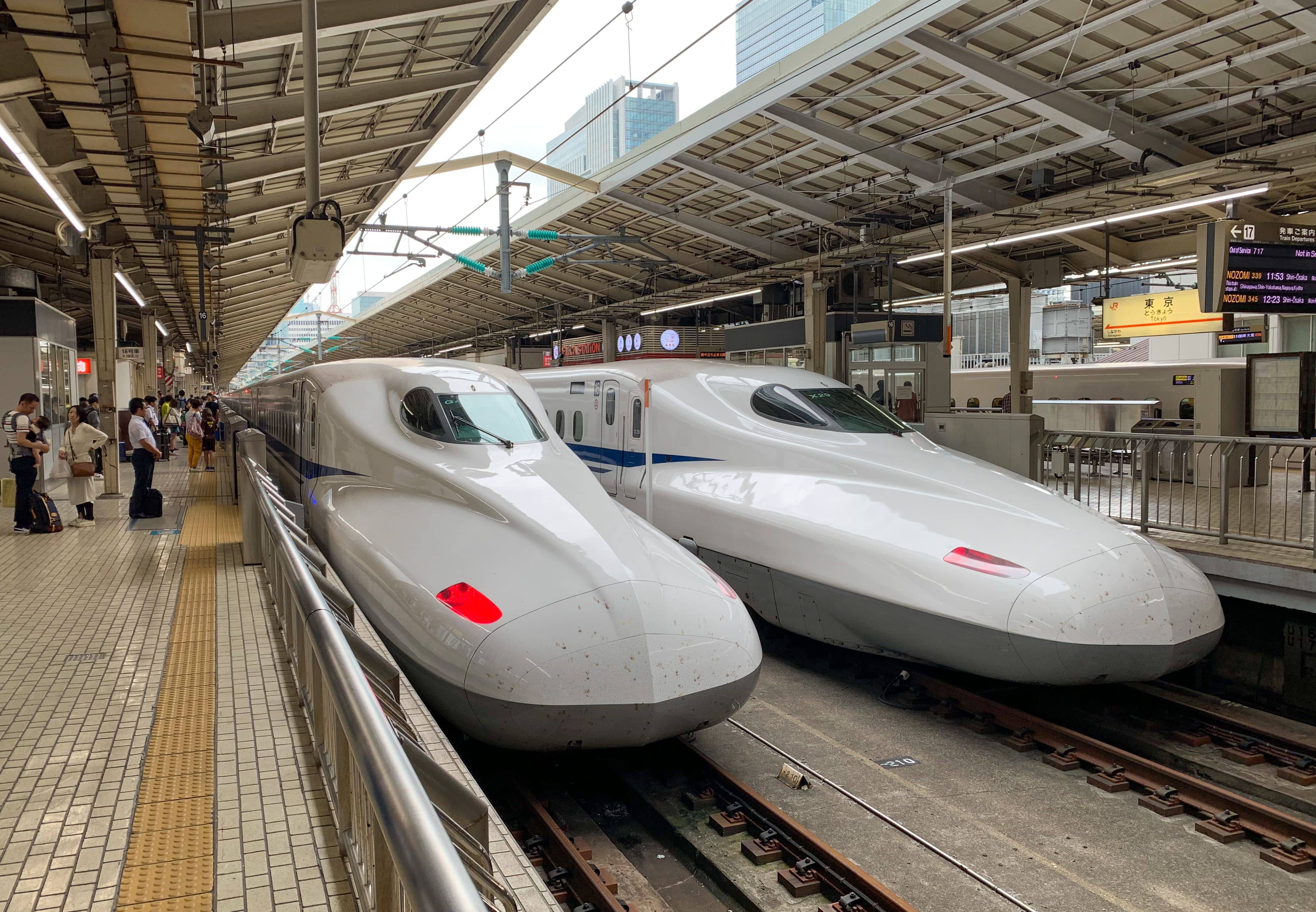
Getting around during Obon: every Nozomi Shinkansen runs reserved-seat only from about 7 to 16 August, seats open a month ahead and the peak days sell out within hours; expressways jam; and domestic flights fill. Book transport before hotels.

Crowds gathered on the banks of the Kamo River in Kyoto at dusk on 16 August waiting for the Gozan no Okuribi bonfires

What Actually Happens, Hour by Hour

Obon's rituals are quiet and domestic until the evening, when the dances and fires take over the streets. The pattern below follows the officially confirmed festival timetables for the 2027 edition.

  • Morning of the 13th: families clean the grave, offer flowers, incense and food, and set up a spirit altar at home with a cucumber "horse" and an aubergine "cow" for the ancestors' journey

  • Evening of the 13th, mukaebi: a small fire of hemp stalks is lit at the gate to guide the spirits home

  • 14 and 15: offerings, temple visits, Bon Odori in the town square after dark

  • Evening of the 16th, okuribi: the sending-off fire, lanterns floated on rivers, or the mountain bonfires in Kyoto

Tokushima Awa Odori, 12 to 15 August:

  • Afternoon: free performances on indoor and outdoor stages around the city, and the Awa Odori Kaikan's shows

  • From 18:00: the main street dances begin on the enbujo stages, in two evening blocks (for example 18:00 to 19:40, then a second block) until about 22:00 or 22:30

  • Through the evening: ren dance groups, hundreds of them, parade down the lit streets to shamisen, flutes and drums; the "niwaka-ren" open groups let spectators join at set points

  • The best viewing is from a reserved seat at Aibahama or Minami-Uchimachi; the best free spots are the side streets where groups wait their turn

Gujo Odori, 13 to 16 August:

  • From 20:00 to 5:00: the Tetsuya Odori, the all-night dance, with the whole town and thousands of visitors dancing ten set dances in a circle through the streets until dawn; anyone may join, and locals teach the steps on the spot

Kyoto Gozan no Okuribi, 16 August:

  • From about 18:30: the Kamo River banks and the bridges fill; the city posts closures as they fill

  • 20:00: the great "dai" on Mount Daimonji is lit first, with the other four fires following at short intervals over the next 20 minutes or so, each burning for about 30 minutes

  • Around 20:30 onwards: the fires fade and the crowd disperses; the Arashiyama lantern floating runs the same evening by the Togetsukyo Bridge

Tip: For the Kyoto fires, pick one character and a spot with a clear sightline by 19:00; nobody sees all five from one place, and the "dai" from the Kamo River at Marutamachi is the classic.

Best Time to Arrive and What the Weather Is Like

The best time to visit Obon Festival Japan is to arrive by 11 or 12 August 2027 and leave on 17 or 18 August, travelling on the quieter mid-week days and avoiding the outbound crush of the 13th and the return crush of the 15th and 16th. That window takes in Awa Odori, the family days and the Kyoto fires, with a buffer for a typhoon.

Crowd levels on a scale of 1 to 5:

  • 7 to 10 August: level 3 on transport as the exodus begins; cities calm

  • 11 to 13 August: level 5 on Shinkansen and expressways; Tokushima level 4 to 5 from the 12th

  • 13 to 15 August: level 2 in big-city business districts (offices shut), level 4 in resort towns, home towns and at any famous festival

  • 16 August: level 5 in Kyoto from the late afternoon, and on every return train

  • 17 and 18 August: level 3, easing

The weather is peak summer. Tokyo in August averages highs around 30°C and lows around 25°C, and Kyoto, in its basin, runs a degree or two hotter with humidity near 80 percent; feels-like temperatures above 35°C are normal, afternoon thunderstorms are common, and mid-August is inside typhoon season, when a storm can cancel trains, ferries and outdoor events for a day or two. Heatstroke is the main medical issue of the week.

How to handle it:

  • Reverse the day: temples and graves in the early morning, indoors from midday to 16:00, festivals after dark

  • Carry water, a hat and a folding fan; yukata are cooler than they look

  • Watch the typhoon forecast from a week out and keep bookings cancellable

  • Pack a light rain layer rather than an umbrella for the crowds

Note: Daylight is roughly 5:10 to 18:45 in mid-August, so the Kyoto fires at 20:00 are in full dark and the Awa Odori street dances start as the heat finally eases.

Festival-goers in yukata fanning themselves in a hot, humid Kyoto street at dusk during Obon with paper lanterns overhead

Where to Stay and When to Book

Stay in Kyoto for the night of 16 August and in or near Tokushima for the Awa Odori nights, and book both earlier than for any other trip to Japan; Obon week is one of the three peak domestic travel seasons, and hotel prices hit their yearly high.

Kyoto for Gozan no Okuribi:

  • Along the Kamo River between Sanjo and Demachiyanagi, on either bank: the main "dai" is visible from the riverbank outside your door, with Keihan and Karasuma Line stations close by

  • Northern Kyoto around Kitayama and Shimogamo: the "funagata" and northern fires, quieter streets, a short bus or bike ride to the river

  • Arashiyama: the "torii" fire and the lantern floating, with a resort feel and its own crowds on the night

  • Around Kyoto Station: the easiest Shinkansen logistics and the widest choice, 15 minutes by train to the river

Tokushima for Awa Odori:

  • Around JR Tokushima Station and the Shinmachi river: within 15 minutes' walk of all the street stages; a small stock of business hotels that sells out months ahead

  • Naruto, 30 to 40 minutes away, or across the bridge in Awaji and Kobe, as fallbacks with a late bus back [TO VERIFY last buses]

Gujo Hachiman for the all-night dance:

  • The old town's handful of ryokan and minshuku, which book out a year ahead for the Tetsuya Odori nights; Gifu city or Nagoya with the last bus or an overnight dance and a dawn departure as the alternative

When to book: Kyoto rooms for 16 August and Tokushima rooms for 12 to 15 August begin filling the previous autumn and are largely gone by spring; book by December 2026 for choice and by March 2027 for anything central. Reference rates for the peak nights: a business hotel near Kyoto Station about 15,000 to 25,000 JPY, a Kamo River ryokan from 40,000 to 80,000 JPY, a Tokushima business hotel about 15,000 to 30,000 JPY, with accommodation taxes added per night and minimum stays common.

Tip: Book transport before hotels. A Kyoto room on the 16th is useless without a Shinkansen seat to reach it, and the seats open only one month ahead; hold a cancellable room, then confirm it the day your train booking succeeds.

Staying Connected During the Festival

Public Wi-Fi in Japan is everywhere and fails exactly when Obon needs it: on the platforms at Kyoto Station on 13 August, on the Kamo River banks at 19:45 on the 16th, and in the Tokushima crowd at 20:00. The station and city networks need registration and time out, and the festival sites have no network for their crowds. Hotel Wi-Fi stays at the hotel. Your phone needs its own data, and a Japan eSIM installed before you fly is the simplest way to get it.

What you use data for during Obon:

  • The rail app for Shinkansen seats the morning they open, cancellations, and typhoon rerouting
  • Live maps and the cities' Japanese notices, read through a translation app, for fire viewpoints and street closures
  • A group chat with live location for regrouping at Awa Odori and Gujo
  • Awa Odori reserved-seat e-tickets and the stage map
  • Camera translation of temple and cemetery notices, dance rules and stall menus
  • Weather radar and typhoon warnings, which can change the whole week
  • Mobile payment at stalls, lantern stands and for taxis
  • Photos, video and calls home from under the fires, which is the call everyone makes

Set-up: check that your phone is unlocked and eSIM-capable (most phones from the last five years are), buy the plan, scan the QR code while you still have a reliable connection at home, and switch the line on when you land at Kansai, Haneda or Narita. Japanese networks are excellent in every city on this route and on the Shinkansen; the only slowdowns are the riverbank in Kyoto at 20:00 and the Tokushima stages at peak, when uploads crawl for an hour.

How much data: 1 to 2 GB a day covers rail apps, maps, messaging, translation and payments. Video is the variable; an evening of filming dancers or bonfires and sending clips home can double it. For a week-long Obon trip across three cities, 20 GB is comfortable; 10 GB suits a shorter Kyoto-only stay or light use. GoHub's Japan plans are listed on the eSIM for Japan page.

Tip: Set a calendar alert for one month before each Shinkansen journey, at 10:00 JST, with the rail app logged in on your eSIM data. That alert is the single most useful thing on this page for an Obon trip.

Keep your home SIM active for SMS so bank verification codes arrive, set the eSIM as your data line, and turn off data roaming on the home SIM.

A traveller checking a smartphone rail app on a crowded Shinkansen platform in Japan during the Obon holiday rush

Suggested itinerary

Day 1 · 12 August, Tokushima

  1. Morning
    Osaka or Kobe to Tokushima by highway busCross the Akashi Kaikyo Bridge; buses are pre-booked for festival dates
  2. Early afternoon
    Awa Odori KaikanLearn the steps at the daytime show before you see the real thing
  3. Late afternoon
    Mount Bizan ropewayThe view over the city and a cooler hour before the dancing
  4. 18:00
    Aibahama or Minami-Uchimachi street stageReserved seat for the first block, or a free spot on a side street
  5. Late evening
    Join a niwaka-renThe open dance groups let spectators fall in; the chant says only fools do not

Day 2 · 13 August, Tokushima to Kyoto

  1. Morning
    Tokushima Castle ruins and the riversideA quiet walk before the heat; the town sleeps after the dancing
  2. Around 12:00
    Bus back to Osaka, train to KyotoTravel midday to miss the 13 August outbound peak as far as possible
  3. Late afternoon
    Check in near the Kamo RiverAsk the hotel which fire is visible from the roof or the bank outside
  4. Evening
    Mukaebi in a Kyoto neighbourhoodWatch families light welcoming fires at their gates; a quiet, local sight

Day 3 · 14 August, Kyoto family days

  1. Early morning
    Higashiyama temples at openingOtani and the hillside cemeteries are full of families; walk respectfully at the edges
  2. Late morning
    Nishiki MarketSummer sweets and a cool lunch indoors
  3. Afternoon
    Hotel restThe hottest hours are for air conditioning
  4. Evening
    A neighbourhood Bon OdoriThe city's temple and shrine squares hold circle dances after dark; anyone may join
  5. Late evening
    Kamo River bank at SanjoCool air, locals on the steps and a drink from a convenience store

Day 4 · 16 August, Gozan no Okuribi

  1. Morning
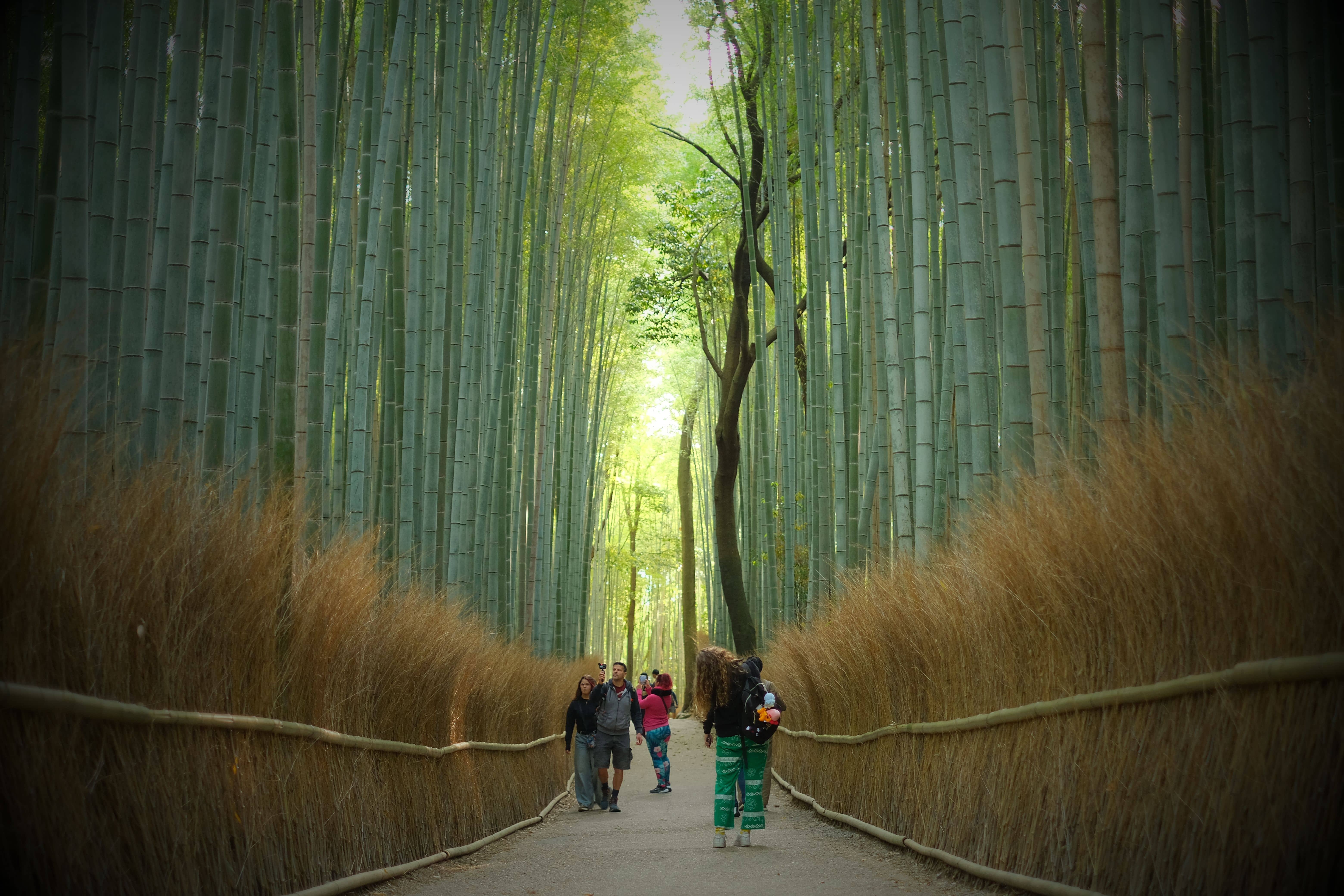
    Arashiyama bamboo grove at dawnBefore the heat and the evening crowds return for the lantern floating
  2. Midday
    Kyoto Station areaLunch indoors and a last check of the city's closure notices
  3. Around 18:30
    Kamo River bank near MarutamachiClaim a clear sightline to Mount Daimonji; bridges close when full
  4. 20:00
    The "dai" is litThe other four fires follow over about 20 minutes; each burns around half an hour
  5. Around 21:00
    Walk back via side streetsAvoid the Keihan stations for the first half hour after the fires fade
Tip: Book Shinkansen seats one month ahead at 10:00 JST, arrive before the 13 August crush, and be on the Kamo River by 19:00 on the 16th.

Recommended eSIM plans

Pick by trip length. Visiting several countries? Choose a regional plan.

Selected: eSIM Japan 10GB 10 Day(s)

Set up your eSIM in 3 steps

  1. Order and get your QR codeThe QR code arrives by email right after payment.
  2. Scan before you flySettings → Cellular → Add eSIM, while you still have Wi-Fi.
  3. Turn on data when you landSet the eSIM as your data line and enable data roaming.

Frequently asked questions

Good for festivals, bad for logistics. Awa Odori, Gujo's all-night dances and Kyoto's mountain bonfires are among Japan's best events, but 13 to 16 August is also the peak domestic travel week: Shinkansen seats sell out a month ahead, hotels cost the most all year, and the heat is at its worst. Go if the festivals are the point.

No. Shops, restaurants, trains, attractions and hotels all operate, and tourist areas are busier than usual. What closes are many small family businesses, some offices and clinics, and a few restaurants in home towns from 13 to 16 August. Banks and public offices stay open because Obon is not a public holiday, though Mountain Day on 11 August is.

Yes, almost everywhere. Neighbourhood Bon Odori welcome anyone who steps into the circle, and locals will show you the steps; Gujo's all-night dance is built on the idea that spectators dance. At Tokushima Awa Odori, join one of the open niwaka-ren groups at the marked points rather than the organised ren. Yukata are welcome but not required.

It depends on your passport. Many nationalities enter Japan visa-free for short tourist stays, while others must apply in advance; the list and any online pre-registration requirements change, so check the Japanese embassy or consulate site for your country before travel [TO VERIFY current rules]. Carry your passport; hotels must see it at check-in.

Plan on 1 to 2 GB a day for rail bookings, maps, translation, group chat and payments, and more if you upload a lot of video from the dances and bonfires. A 20 GB eSIM covers a week across Tokushima, Gujo and Kyoto; 10 GB suits a short Kyoto stay. Install it before you fly.

Be on a free spot with a clear sightline by 19:00 on 16 August. The great "dai" on Mount Daimonji is lit at 20:00, best seen from the Kamo River banks between Marutamachi and Demachiyanagi; the other four fires follow over about 20 minutes from different parts of the city. Each burns about 30 minutes; bridges close when full.