

تنزيل من App StoreDownload Gohub App on the App Store
AsiaChina eSIM

Harbin Ice and Snow Festival 2027 Travel Guide: When to Go and What to Expect

  • Late Dec 2026 – late Feb 2027 (official opening Jan 5)
  • China (Harbin, Heilongjiang)
  • Last updated: 7 أكتوبر 2026

Harbin Ice and Snow Festival 2027

Overview

The Harbin International Ice and Snow Festival is a two-month winter season in Harbin, north-east China, built around four places: Ice and Snow World (carved, lit ice architecture), Sun Island (monumental snow sculpture), Zhaolin Park (ice lanterns) and the frozen Songhua River. The 2027 season officially opens on 5 January 2027; Ice and Snow World is expected to open in late December 2026 and run to late February. Plan for -20°C and three full days.

Highlights

  • Four venues, each with its own ticket and its own best time of day
  • Official opening ceremony 5 January 2027; venues expected open from late December
  • Ice and Snow World: a lit ice city, 10:00 to 22:00, best from dusk
  • Sun Island: snow sculptures the size of houses, seen in daylight
  • Zhaolin Park and the frozen river: the cheap, walkable, old-Harbin side
  • January averages around -18°C with dry, bright, windless days

Good to know

Dates
Official opening 5 Jan 2027; Ice and Snow World expected late Dec 2026 to late Feb 2027 (2026 season ran 17 Dec to 21 Feb); closing date depends on the thaw
Opening hours
Ice and Snow World 10:00 to 22:00, last entry 21:30 (2026 season); Sun Island daytime only; Zhaolin Park evenings
Venue
Songbei District, north bank of the Songhua River (Ice and Snow World, Sun Island); Zhaolin Park and Central Street in the old city
Entry
Ice and Snow World 328 RMB standard, 298 RMB opening week (2026 season); Sun Island about 198 RMB; Zhaolin Park cheaper or free
Getting there
Harbin Taiping Airport, taxi about 45 min to the centre; Metro Line 2 to Harbin Ice and Snow World station
Recommended eSIM
China eSIM

A festival spread across a frozen city

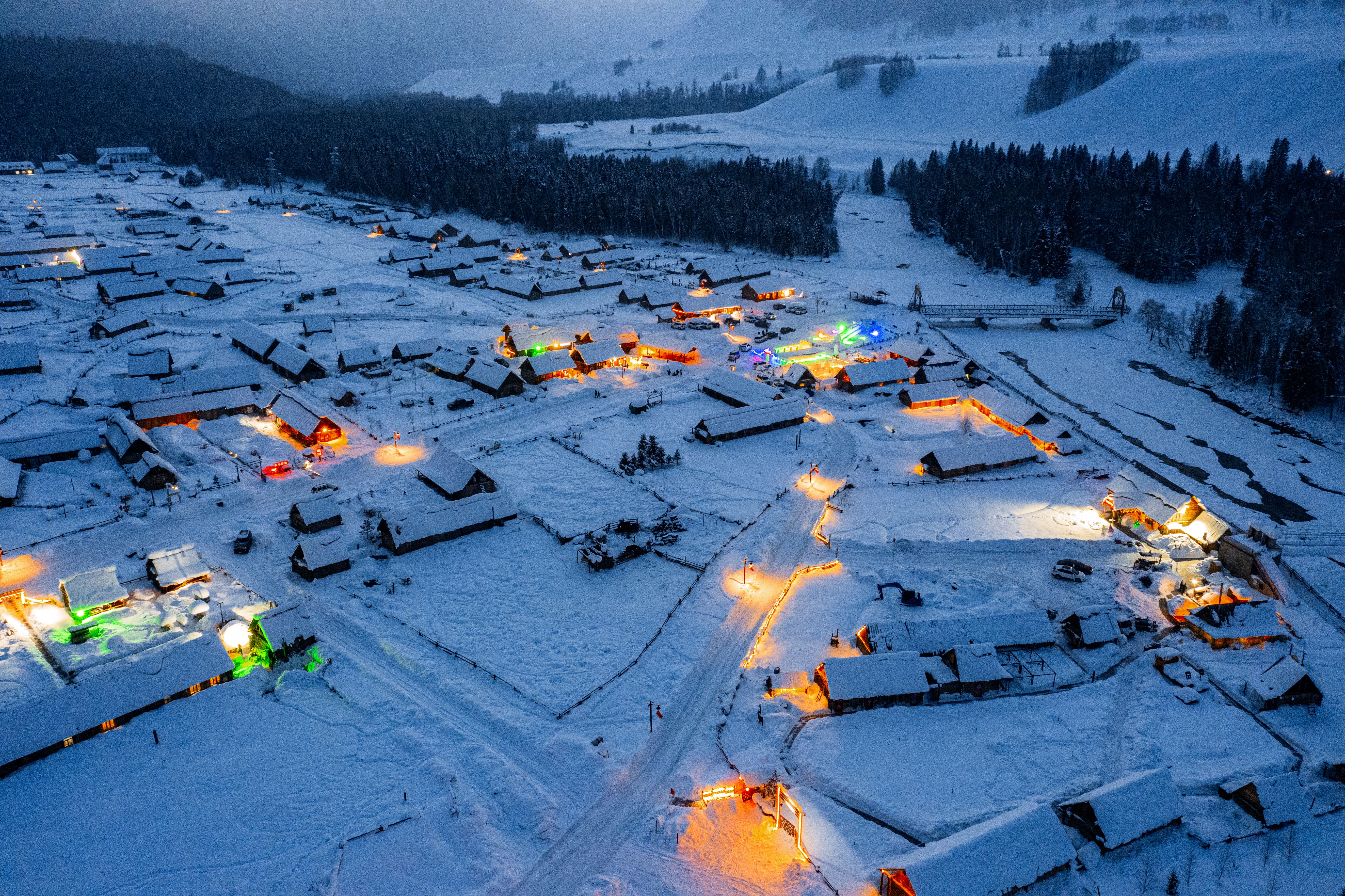
The Harbin International Ice and Snow Festival is not one place. It is a season, from late December to late February, played out across a city that sits at -20°C for most of it. The main event is Ice and Snow World, a city of carved ice on the north bank of the Songhua River, lit from inside in colour after dark. Across the island, Sun Island shows snow sculptures the size of apartment blocks in daylight. Back in the old city, Zhaolin Park hangs its ice lanterns, Central Street lines its Russian façades with carved ice, and the frozen river itself becomes a playground of sleds, ice bikes and winter swimmers. The festival has run since 1985 and officially opens on 5 January every year, with fireworks over the ice.

Moving between those four places, in that cold, is where your phone matters. Every venue sells dated, timed e-tickets through Chinese apps. The metro line to the ice park is new and the stop names are in Chinese. Ride-hailing after closing is the only way home when the taxi rank is 200 people deep. Payments, menus, weather warnings and the group chat that keeps your family together in a dark park all run on data, and hotel Wi-Fi does not come with you. On top of that, China's filters block Google Maps, WhatsApp and Instagram on local networks. A China eSIM installed before you fly is the one piece of kit that makes the rest of the trip simple.

Four venues, four QR codes

Ice and Snow World, Sun Island, the evening show inside the park and the fast passes for the super ice slide are all separate e-tickets, each a QR code tied to a date and a time slot. The combined ice-and-snow ticket must be used at the ice park first. You need data to buy them, to pull them up at the gate with gloves on, and to sort out the one that shows as expired because you used it in the wrong order.

Finding the right metro exit in the dark

Metro Line 2 drops you at Harbin Ice and Snow World station, but the walk to the gate, the shuttle to Sun Island and the way back at 22:00 are all in Chinese signage on unlit, icy streets. A live map and the metro app turn that into a ten-minute walk instead of a cold wander, and the ride-hailing app is the only reliable exit when the park closes.

Keeping the group together at -25°C

The ice park is vast, dark between the lit structures and packed in front of the main castle during fireworks. A grandparent who stops to warm up in a hall or a child who runs ahead to the slide is lost within a minute. Live location sharing in a group chat is the fix, and it needs every phone to have data and to stay warm enough to work.

Reading what the cold is telling you

Frostbite warnings on the big screens, slide-closure notices, the menu at the ice bar and the metro ticket machine are all in Chinese. Camera translation reads them in seconds with a connection. On a night when the park shortens its hours because the temperature has dropped past -30°C, that notice is the one you most need to understand.

Install your eSIM before you fly and be online when you land — see matching plans

The complete guide

When Is Harbin Ice and Snow Festival in 2027?

The Harbin International Ice and Snow Sculpture Festival 2027 officially opens on Tuesday 5 January 2027 and runs until late February, with the main venues expected to open earlier, in late December 2026. The 5 January opening is a fixed tradition kept every year; the 2026 edition, the 42nd, opened on 5 January 2026 and its main venue closed on 21 February 2026. The 2027 edition is the 43rd festival and the 28th Harbin Ice and Snow World.

The festival is not tied to the lunar calendar, which is why the opening date never moves. What moves is everything around it, because it depends on the cold:

  • Ice and Snow World opens when the Songhua River ice is thick enough to harvest and the builders have finished. In the 2026 season it opened on 17 December 2025. For the 2027 season, travel sources expect an opening between 20 and 24 December 2026, but the organiser had not confirmed a date at the time of writing [TO VERIFY]

  • Sun Island Snow Sculpture Expo and the Zhaolin Park ice lanterns open around the same time, in late December [TO VERIFY]

  • The closing date is never promised. Late February is typical; a warm spell can shut the ice park days early, and the last fortnight of the season has visibly softened sculptures

How the organiser announces it: a first announcement in mid-October gives the scale of the park and the ticket price but not the opening date. The 2026 season's announcement came on 13 October 2025 and confirmed the fare was unchanged. The opening date follows separately, nearer the season, usually in early December. Check the Harbin Ice and Snow World official account and the Harbin tourism bureau from mid-October 2026.

Dates inside the season that change your experience:

  • 1 to 3 January 2027: China's New Year holiday, very crowded, premium hotel rates

  • 5 January: opening ceremony and fireworks, a great night and a crowded one

  • 6 to 25 January: the quiet, cold, reliable heart of the season

  • 5 to 11 February 2027: Chinese New Year week (New Year's Day is 6 February), the busiest week for every train, hotel and venue in Harbin

  • After 12 February: thinner crowds, uncertain closing

Tip: Book for the second or third week of January if you want to be sure every venue is open, the ice is at its clearest and the crowds are ordinary. December and late February are gambles, one on the opening date and one on the thaw.


Do You Need a Ticket, and What Does It Cost?

Yes, and each venue sells its own, which is the first thing that surprises visitors who expect one festival ticket. The Harbin Ice and Snow Festival is an umbrella; the places inside it charge separately.

Prices from the 2026 season, the latest published at the time of writing:

  • Harbin Ice and Snow World: 328 RMB standard adult for most of the run, 298 RMB in the opening week. The organiser confirmed in October that the price was unchanged from the previous season, so expect a similar figure in 2027 [TO VERIFY in the October 2026 announcement]
  • Ice and Snow World VIP packages: up to about 988 RMB, bundling fast passes for the super ice slide and the Snowflake Ferris Wheel, reserved seats for the King's Chariot show and the indoor ice exhibition
  • Sun Island International Snow Sculpture Art Expo: about 198 RMB, with some sources listing up to 240 RMB [TO VERIFY]
  • Zhaolin Park Ice Lantern Fair: cheaper, sometimes free, in the city centre
  • Combined Ice and Snow World plus Sun Island ticket: a small saving, with a directional rule. It is dated to the ice park and must be used there first; the Sun Island half can be used the next day. Reverse the order and the system shows the ticket as expired

Inside Ice and Snow World, the standard ticket covers the structures, the viewing towers, most slides and the outdoor shows. Extras are the fast passes, a few rides and the indoor exhibition. Expect the super ice slide queue to reach 30 to 60 minutes on busy evenings without a fast pass.

How to buy: the venues sell dated, timed e-tickets through their official WeChat accounts and apps and through the Harbin tourism bureau's platform. Overseas bank cards have been accepted for ticket purchases since the 2026 season, and multilingual guides are available at the park. The big Chinese travel apps and reputable tour operators resell the same tickets at a small markup, useful if you cannot register on the Chinese platforms. The opening fortnight and the Chinese New Year week sell out in advance; mid-January is usually available a few days ahead.

Note: Choose an afternoon entry slot around 15:00. One ticket then gives you the ice in daylight, at dusk and fully lit, which is the whole experience in one visit; a 19:00 slot gives you only the dark.

The free side of the festival: Central Street's lit façades and street-side ice sculptures, the Flood Control Monument square, the frozen river with its sleds and swimmers (pay the operators directly), and St Sophia Cathedral's square. It is possible to have a spectacular Harbin evening without a ticket, but not the main event.

Need a steady connection for transit and maps?See eSIM plans

Where It Happens and How to Get There

The festival happens on both banks of the Songhua River in Harbin, the capital of Heilongjiang province in China's far north-east. The two big ticketed venues are on the north bank in Songbei District: Harbin Ice and Snow World, at about 45.78 N, 126.60 E [TO VERIFY], and the Sun Island Snow Expo a short ride away on the same island. Zhaolin Park, Central Street and the riverfront are on the south bank in the old city, within walking distance of each other.

Getting to Harbin:

  • By air: Harbin Taiping International Airport (HRB) has direct flights from Beijing (about 2 hours), Shanghai (about 2.5 hours) and most Chinese cities, plus some international routes. A taxi to the centre takes about 45 minutes and costs around 100 to 150 RMB; airport shuttle buses cost about 20 RMB; a rail link to the city also runs [TO VERIFY route and timing]
  • By rail: high-speed trains from Beijing take 5 to 6 hours to Harbin West or Harbin North; Harbin Station is the one with the best city-centre access. Book both directions together on the official 12306 platform, because return trains fill fast in late January and around Chinese New Year

Getting between the venues:

  • Metro Line 2 runs from Harbin Railway Station and Central Street directly to Harbin Ice and Snow World station, and also serves Sun Island; from the centre allow about [TO VERIFY] minutes
  • Taxi or ride-hailing from Central Street to the ice park takes 20 to 30 minutes outside peak times; fares about [TO VERIFY] RMB; after closing, waits are long
  • A cable car crosses the river from Stalin Park to Sun Island when it operates [TO VERIFY winter hours], a scenic way to reach the snow expo
  • Hotels and tour operators run afternoon shuttles to the park with returns after the fireworks

Getting back late: closing is 22:00, and the last Line 2 trains leave soon after [TO VERIFY last train]. Walk to the metro; the taxi queue at the gate can mean 40 minutes standing at -25°C, which is a safety issue, not an inconvenience. If you have older relatives or small children, pre-book a return transfer.

Tip: Load the Harbin transit code into Alipay or WeChat Pay, or buy a metro card on day one. Ticket machines, gloves and a frozen touchscreen are a bad combination at 22:00.

Within the old city, everything is walkable in daylight: Central Street to St Sophia is ten minutes, to Zhaolin Park ten more, with the heated Central Street underground mall as an escape route.

What Actually Happens, Hour by Hour

A festival day has a daylight half and a dark half, and the venues are built for one or the other. Snow is seen by day, ice by night, the river in between. Show times for 2027 will be posted by each venue [TO VERIFY].

Morning, roughly 9:00 to 13:00: Sun Island Snow Sculpture Expo. The snow carvings are unlit and best in low morning sun, when the shadows pick out the detail and the glare is bearable. Expect a main themed sculpture hundreds of metres long, a competition area where international teams carve during the first weeks of January, snow slides and tubing lanes, and heated halls with food. Two to three hours is enough; the cold accumulates faster when you stand still looking at art.

Midday: back across the river, or lunch on the island. The frozen Songhua by the Flood Control Monument is a good hour: sleds, ice bikes, dog-drawn carts, kite flyers and the winter swimmers who break the ice at the same spot every day.

Around 15:00: enter Ice and Snow World. In daylight the ice is clear and faintly green, and you can see the river blocks stacked into walls, bridges and a cathedral-sized hall. This is the hour for the super ice slide, the ice bikes and the go-karts, before the queues build.

Around 16:00: dusk, and the park changes completely. Lights inside the blocks come on, the towers turn blue, red and gold, and the twenty minutes around sunset are the best photographs you will take in Harbin. Stand on the main plaza in front of the central castle or climb a tower stair for the overview.

Evening: the park's programme in rotation:

  • Projection-mapped animations on the largest ice surfaces

  • Live shows and the King's Chariot parade on the central avenue [TO VERIFY 2027 programme]

  • Fireworks on peak nights and on the official opening night, 5 January 2027

  • The Snowflake Ferris Wheel for the overhead view, from a heated cabin

  • Ice bars and the indoor ice exhibition for warming breaks

Around 20:30 to 21:00: leave, or retreat to the heated halls. Four hours is the sensible maximum outdoors. Last entry is 21:30 and the gates close at 22:00.

Tip: On your first night in Harbin, do Zhaolin Park's ice lanterns, a one- to two-hour stroll in the city centre. It teaches you how the cold feels and how your camera behaves before the main event.

Best Time to Arrive and What the Weather Is Like

Arrive between 6 and 20 January 2027, and give Harbin three nights. That window sits after the opening-week crowds and the official ceremony on 5 January, in the deepest and most reliable cold, and well clear of the Chinese New Year rush that starts in early February.

Crowd levels on a scale of 1 to 5:

  • 20 to 31 December 2026: level 3. Opening-week prices, some venues possibly not yet open, sculptures still being finished
  • 1 to 3 January: level 5. New Year holiday
  • 4 and 5 January: level 4 to 5. Opening ceremony and fireworks
  • 6 to 20 January: level 3. The sweet spot
  • 21 January to 4 February: level 3 rising to 4 as the holiday approaches
  • 5 to 11 February: level 5. Chinese New Year week; trains, hotels and tickets sold out weeks ahead
  • 12 to 28 February: level 2 to 3, with a closing date nobody will confirm

Weather: January in Harbin averages around -18°C, with daytime highs near -13°C and nights of -25°C or colder; cold snaps pass -30°C. It is dry and bright, with little snowfall in January, so the snow you see was made and shaped by machines and the ice was cut from the river. Wind is the multiplier: on the river and at the ice park it makes -20°C feel like -30°C, while the old city streets are more sheltered. Sunrise is around 7:00 and sunset around 16:00, so the lit venues are at full effect by late afternoon.

What to expect of your own body: fingers and cheeks go numb in ten to fifteen minutes of standing still at night, camera batteries die, phones shut down with charge left, and breath freezes on scarves and eyelashes. None of this is dangerous if you plan around it:

  • Two to four hours outdoors per session, with heated stops every 45 minutes
  • Snow venues by day, ice venues from mid-afternoon, nothing outdoors after 21:00
  • Hand and foot warmers from the first morning, not after the first scare
  • A hotel with a humidifier or a wet towel on the radiator; the indoor air is desert-dry

Note: Harbin Taiping Airport closes for hours or a day in a snowstorm. Leave a buffer night at the end of the trip rather than booking the first flight out the morning after your last venue.

If Harbin is part of a longer China trip, do it first; Beijing at 0°C feels mild afterwards.

Where to Stay and When to Book

Stay in the old city around Central Street, in Daoli District, and base yourself where the free half of the festival is on your doorstep: the lit street, the frozen river, St Sophia Cathedral and Zhaolin Park, plus Metro Line 2 across to the ice park. It is cheaper than the north bank, warmer in atmosphere and the right place to be between venues.

Options by area:

  • Central Street and the riverfront: the widest choice from budget to high-end, English menus nearby, 20 to 30 minutes to the ice park by taxi or one metro ride. The default choice
  • Around Harbin Railway Station and Nangang District: big business hotels, easy for train arrivals, a short metro ride to Central Street
  • Songbei District beside Ice and Snow World: a handful of resort-style hotels with views over the lit park, convenient for the evening and isolated for everything else; pricier
  • Near Harbin West Station: only for a late arrival or an early departure by high-speed rail

Booking windows: Harbin's mid-January rooms begin selling in October, and the opening week and the Chinese New Year week are gone by late November. Book by early November 2026 for choice; from mid-December you take what is left at premium rates. Reference prices for mid-January: a budget hotel near Central Street about [TO VERIFY] RMB, a mid-range hotel about [TO VERIFY] RMB, an international chain or a Songbei resort hotel from [TO VERIFY] RMB, with surcharges on 1 to 5 January and 5 to 11 February.

Things to check before you book:

  • The hotel is registered to host foreign guests; many Harbin budget hotels are domestic-only and the police registration rule is enforced
  • A luggage room and an early breakfast for the Sun Island morning
  • A humidifier in the room or one available on request
  • Cancellation terms that cover a weather-delayed flight

Tip: Ask for a river-facing high floor on Central Street; on a clear night you can see the glow of Ice and Snow World across the water from your window.

Snow Town and Yabuli, the common add-ons, need their own overnight bookings and sell out on the same timetable.

Staying Connected During the Festival

Wi-Fi is not a strategy in Harbin. The ice park has no usable public network for its crowd, the cafés on Central Street want a Chinese mobile number to log in, and hotel Wi-Fi runs through China's filters, which stop Google Maps, Gmail, WhatsApp, Instagram and most Western sites from loading. A VPN over hotel Wi-Fi is slow and often fails, and it is no use on an icy street at 22:00.

What data does for you across the four venues:

  • Buying and showing timed e-tickets at Ice and Snow World and Sun Island, and the fast passes inside the park
  • Metro Line 2 directions, the transit code in Alipay or WeChat Pay, and ride-hailing after closing
  • Camera translation of slide notices, frostbite warnings, menus and ticket machines
  • A group chat with live location for regrouping in the dark park
  • Alipay and WeChat Pay for every stall, sled, taxi and hot drink; each payment needs a live connection
  • The venues' official accounts for weather closures, show times and the closing-date announcement
  • Video calls home from inside an ice castle, which is the call everyone makes

The fix is a China travel eSIM that routes data so your usual apps work, installed at home before you fly. Check your phone is unlocked and supports eSIM, buy the plan, scan the QR code on a reliable connection, and switch the line on when you land. 4G and 5G coverage at all four venues and along Line 2 is strong; it slows briefly during fireworks when the whole park uploads at once.

How much data: 1 to 2 GB a day covers tickets, maps, translation, payments and messaging. Video is the variable; an evening of filming lit ice and sending clips home can double it. For a four-day Harbin trip, 10 GB is comfortable, and 20 GB suits heavy social media use or a longer China itinerary with Snow Town or Beijing added. GoHub's China plans are listed on the eSIM for China page.

Tip: Cold is the enemy of connectivity here. A phone at -25°C can shut down with 40 percent battery left. Keep it inside your coat, carry a power bank in an inside pocket, and screenshot your tickets and your hotel's address in Chinese before you go out.

Keep your home SIM active for SMS so bank verification codes arrive, set the eSIM as your data line, and turn off data roaming on the home SIM.

What to Expect at Each Venue

Four venues, four moods, and most first-time visitors only know about one. Here is what each is actually like, so you can decide where to spend your limited hours of warmth.

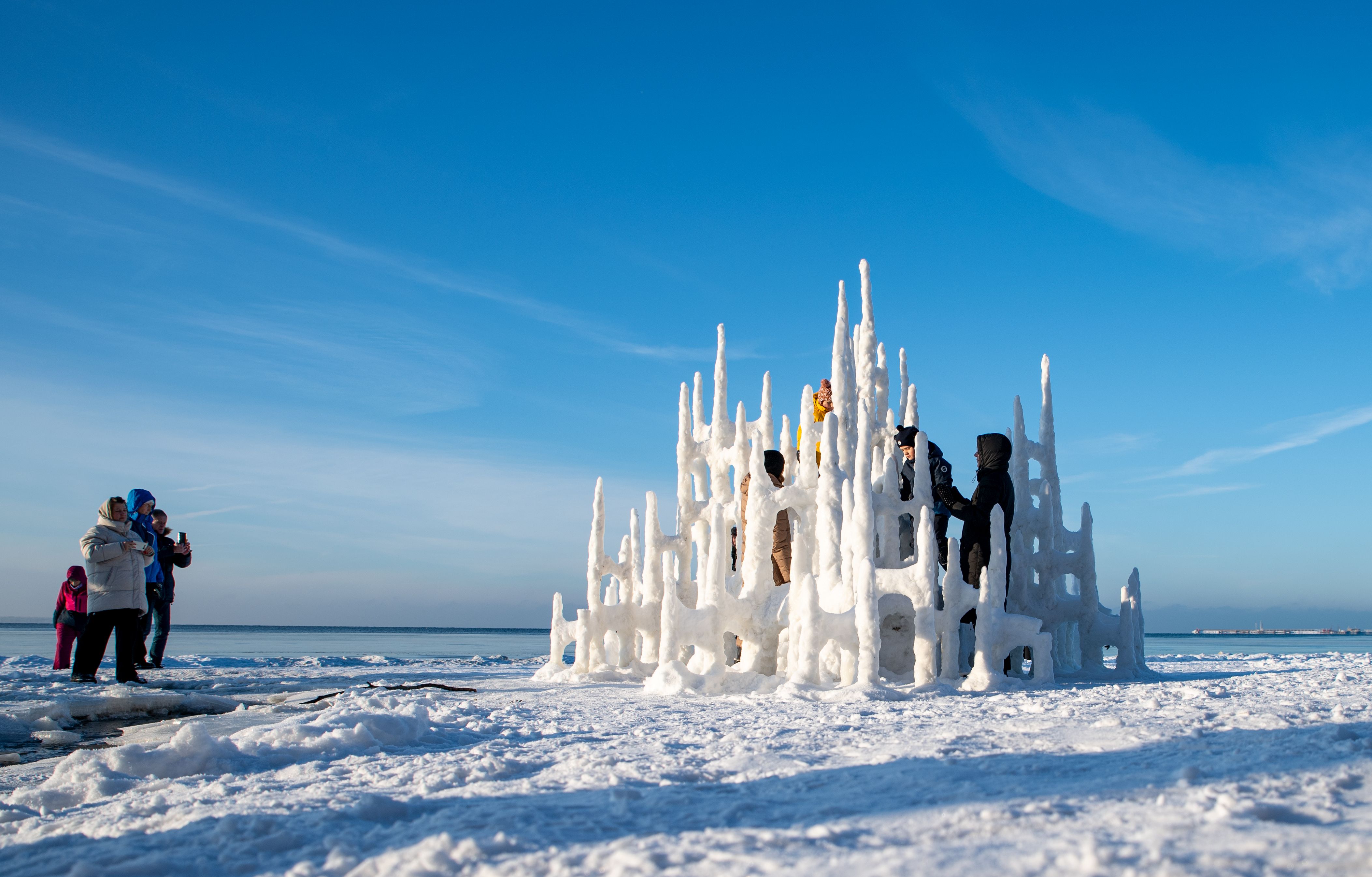
Harbin Ice and Snow World: a theme park built from river ice, rebuilt from nothing every December, with buildings up to 50 metres tall. In the 2026 season it featured more than 310 ice displays, from traditional ice lanterns to projection-mapped animations on ice walls. Expect a main castle on a central plaza, a cathedral-sized hall, towers with stairs you can climb, a long super ice slide, ice bikes, go-karts, tubing lanes, an ice bar, a Ferris wheel, food halls and the King's Chariot show. It is enormous, dark between the lit structures and very cold after sunset. Allow three to four hours from an afternoon entry.

Sun Island International Snow Sculpture Art Expo: the quiet, artistic counterpart across the island. Packed snow carved into scenes hundreds of metres long and sculptures several storeys high, an international carving competition in early January, snow slides and tubing for children, and heated halls. Unlit, so a daylight venue only. If your trip is short, this is the venue to drop, not because it is weak but because it competes for daylight with everything else and has no evening.

Zhaolin Park Ice Lantern Fair: the oldest part of the festival, in the city centre, a one- to two-hour walk-through of smaller ice sculptures and lanterns lit after dark. Cheap or free, close to Central Street, and the right first evening.

The frozen Songhua River and Central Street: not ticketed, and for many visitors the most memorable. Sleds, ice bikes and dog carts on the river by the Flood Control Monument, winter swimmers at their daily hole in the ice, the lit Russian façades and street-side ice sculptures on Central Street, and St Sophia Cathedral floodlit on its square.

What people get wrong:

  • Walking into the free part of Sun Island in winter looking for the snow expo, which is a separate ticketed area

  • Using the combined ticket at Sun Island first, which expires it

  • Entering Ice and Snow World at opening time and leaving before dusk, missing the lights

  • Doing both ticketed venues on the same day with children or grandparents

Tip: The ideal order over three days is Zhaolin Park on the first evening, Sun Island the next morning and Ice and Snow World from 15:00 the same day, then the river and Central Street on day three.

Food, Money and What to Pack

Harbin's food is built for the climate: heavy, hot, Russian-influenced and best shared. Eat a proper lunch before the ice park and treat the park's stalls as hot drinks and snacks.

Dishes to look for:

  • Guobaorou, crispy sweet-and-sour pork, the city's signature

  • Harbin red sausage (hongchang) and dalieba, the big round Russian bread, from the old Central Street bakeries

  • Dongbei stews: pork with sauerkraut, chicken with mushrooms, lamb hotpot

  • Frozen pears, frozen persimmons and frozen tanghulu from street carts, eaten half-thawed

  • The Central Street ice cream brick eaten outdoors at -20°C, a local rite

  • Russian borscht, stroganoff and blini in the restaurants of the old quarter

Central Street and the lanes off it have the widest choice and picture menus; Daoli's backstreets have the Dongbei family restaurants; Sun Island has a few heated restaurants near the expo. Most places take Alipay and WeChat Pay; carry cash for street carts and the sled operators on the river. Do not drink alcohol before or inside the ice park; it feels warming and accelerates cold injury.

Money: both Alipay and WeChat Pay accept foreign Visa, Mastercard and other international cards; set one up and test it before you leave. The ice park accepts overseas bank cards for tickets. Budget per day excluding flights: a tight day with a hostel, street food and the metro about [TO VERIFY] RMB; a comfortable day with a mid-range hotel, two restaurant meals, both main venues and a taxi about [TO VERIFY] RMB. Add roughly 550 RMB for the two main venue tickets at 2026 prices and the holiday surcharges on hotels. Tipping is not customary.

Packing, the short version for -25°C with wind:

  • Long down parka, fleece and merino base layer; insulated waterproof boots with grip; thermal leggings under lined trousers

  • Hat covering the ears, balaclava or face mask, scarf; ski gloves over touchscreen liners; wool socks and foot warmers

  • Hand warmers for every pocket; two power banks kept inside the coat; a phone lanyard

  • Sunglasses or goggles for Sun Island glare; moisturiser, lip balm and nasal spray for the dry heating

  • Passport carried daily, eSIM installed, tickets screenshotted, hotel address in Chinese on paper

Note: Fur and down clothing is sold at the winter markets around Central Street for far less than at home; if your coat is not up to it, buy one on day one rather than suffer on day two.

Etiquette, Safety, Family and Side Trips

Etiquette at the festival is mostly about ice and queues. Do not climb on or carve into the sculptures; the ice is thinner than it looks and fines are enforced. Queue properly for the slides and the Ferris wheel. Never touch metal railings with bare or wet skin. Ask before photographing the winter swimmers and the sled drivers, and stay on the marked areas of the river.

Safety and health: frostbite and falls are the two real risks. Check each other's faces for white patches every half hour, go indoors at the first numbness, walk with short steps and use handrails. The park has first-aid stations and heated halls. Emergency numbers are 110 for police, 120 for ambulance and 119 for fire. Anyone with heart, circulation or breathing problems should talk to a doctor before the trip; -25°C with wind is a real physiological stress, and children and older relatives feel it first.

Going with children: brilliant if you keep sessions short. Snowsuits, mittens on strings, balaclavas and foot warmers; Sun Island for one to two hours in the morning; Ice and Snow World from 15:00 to about 19:30 with a heated break every 45 minutes; the river's sleds and dog carts as the second afternoon. Polarland and the indoor ice exhibition are warm fallbacks on a -30°C day.

Going with older relatives: the ice park means long walks on ice in the dark and stairs on the towers. Arrange a car to the gate, enter mid-afternoon for the lights at dusk, use the Ferris wheel for the overview from a heated cabin, and leave by 19:00. Skip Sun Island if stamina is short and spend the morning on Central Street and at St Sophia instead.

Tip: One ticketed venue per day with family, never two. The cold accumulates, and the second venue is always the one nobody enjoys.

Side trips worth adding:

  • China Snow Town (Xuexiang), about [TO VERIFY] hours by road, for deep-snow village scenery; go on an organised tour with an overnight stay

  • Yabuli ski resort, about [TO VERIFY] hours away, for skiing and snow play

  • Volga Manor, a Russian-style estate outside the city with its own small ice and snow park, half a day

  • Siberian Tiger Park on the north bank, a morning with children

  • Onwards to Beijing or Shanghai by high-speed train or a two-hour flight; Harbin Taiping Airport is an eligible entry point for China's transit visa exemption, which suits a Harbin-first itinerary [TO VERIFY current rules]

Suggested itinerary

Day 1 · Arrival, Central Street and Zhaolin Park

  1. Around midday
    Harbin Taiping Airport to Central StreetTaxi takes about 45 minutes; buy hand warmers and a face mask at the first shop
  2. Afternoon
    Central StreetRussian façades, street-side ice sculptures, red sausage and the ice cream brick
  3. Late afternoon
    St Sophia CathedralFloodlit from dusk; the square is the classic photo
  4. Around 17:30
    Zhaolin Park ice lanternsSmall, walkable and the right first taste of carved ice
  5. Evening
    Dongbei dinner off Central StreetGuobaorou and a sauerkraut stew; early night before the big day

Day 2 · Sun Island and Ice and Snow World

  1. Around 9:30
    Sun Island Snow Sculpture ExpoMetro Line 2; morning sun for the carvings, two to three hours maximum
  2. Around 12:30
    Lunch on Sun Island or back in the cityWarm up fully; eat properly before the ice park
  3. Around 15:00
    Enter Ice and Snow WorldAfternoon slot; ice in daylight, super ice slide before the queue builds
  4. Around 16:00
    Main plaza at duskThe lights come on inside the ice; stay in one wide spot for the sunset twenty minutes
  5. Evening
    Shows, projection mapping, Ferris wheelHeated halls every 45 minutes; fireworks on peak nights
  6. Around 20:30
    Metro Line 2 back to Central StreetBeat the 22:00 exodus and the taxi scrum

Day 3 · The frozen river and the old city

  1. Morning
    Flood Control Monument and the Songhua RiverSleds, ice bikes, dog carts and the winter swimmers; cash for the operators
  2. Late morning
    Stalin Park riverfrontCable car across to Sun Island if it is running
  3. Around 13:00
    Russian lunch in the old quarterBorscht, blini and a warm hour indoors
  4. Afternoon
    Daoli backstreets and the old Jewish quarterShort outdoor stretches between warm museums and cafés
  5. Evening
    Central Street at nightLast look at the lit street; bread and sausage for the journey

Day 4 · Snow Town or Yabuli day trip

  1. Early morning
    Tour pickup for China Snow TownSeveral hours by road; book an organised tour with a return or an overnight
  2. Midday
    Snow village streetsDeep snow on every roof, the Ten-Mile Ice and Snow Gallery walk
  3. Afternoon
    Observation deck and sled runsThe classic rooftop-snow panorama; dress as for the ice park
  4. Evening
    Return to Harbin or overnight in the villageIf overnighting, keep the Harbin hotel booking for the buffer night
Tip: Go in mid-January, do one ticketed venue per day, keep every outdoor session under four hours and leave a buffer night for the flight home.

Recommended eSIM plans

Pick by trip length. Visiting several countries? Choose a regional plan.

Selected: eSIM China 20GB 30 Day(s)

Set up your eSIM in 3 steps

  1. Order and get your QR codeThe QR code arrives by email right after payment.
  2. Scan before you flySettings → Cellular → Add eSIM, while you still have Wi-Fi.
  3. Turn on data when you landSet the eSIM as your data line and enable data roaming.

Frequently asked questions

The festival is the whole two-month winter season in Harbin, officially opened on 5 January each year. Ice and Snow World is its main venue, a ticketed theme park of carved, lit ice on the north bank of the Songhua River. The festival also includes the Sun Island Snow Sculpture Expo, the Zhaolin Park ice lanterns, Central Street's ice sculptures and events on the frozen river. When people say "Harbin Ice Festival", they usually mean Ice and Snow World.

Roughly two months. The official opening is 5 January 2027 and the season runs to late February, but the main venues open earlier, usually in late December, as soon as the ice is thick enough; Ice and Snow World opened on 17 December in the 2026 season. The closing date depends on the thaw and is never guaranteed; the ice park closed on 21 February 2026. Mid-January is the safest time to be sure everything is open.

January averages around -18°C, with daytime highs near -13°C and nights of -25°C or colder; cold snaps pass -30°C. It is dry with little snowfall, and wind on the river and at the ice park makes it feel colder. Dress in a long down parka, thermal layers, insulated boots, a balaclava and ski gloves, keep outdoor sessions to two to four hours with heated breaks, and watch for frostbite on cheeks and fingers.

Yes, with short sessions. Children love the super ice slide, ice bikes and tubing at Ice and Snow World, the snow slides at Sun Island and the sleds and dog carts on the frozen river. Dress them in snowsuits, balaclavas, mittens on strings and foot warmers, limit each venue to two to three hours with a heated break every 45 minutes, and do one ticketed venue per day. Polarland and the indoor ice exhibition are warm fallbacks on the coldest days.

Plan on 1 to 2 GB a day for e-tickets, Metro Line 2 directions, translation, mobile payments and messaging, and more if you film and upload a lot of video from the lit ice castles. A 10 GB eSIM comfortably covers a four-day Harbin trip; 20 GB suits heavy social media use or a longer China itinerary. Install the eSIM before you fly so your usual apps work on landing, and keep the phone warm, because the battery will fail before the data does.

It depends on your passport. China has expanded visa-free entry for many nationalities and offers a transit visa exemption for which Harbin Taiping Airport is an eligible entry point, but the rules and durations change often [TO VERIFY current rules for your nationality]. Check with the Chinese embassy or consulate in your country at least two months ahead. Carry your passport daily in Harbin; hotels need it at check-in and it is required for train tickets.

