在 App Store 下載應用程式Download Gohub App on the App Store
AsiaJapan eSIM

Sumidagawa Fireworks Festival 2027: Dates, Tickets and How to Get There

  • Jul 31, 2027 (expected), 19:00 – 20:30
  • Japan (Tokyo, Asakusa)
  • Last updated: 2026年10月8日

Sumidagawa Fireworks Festival 2027

Overview

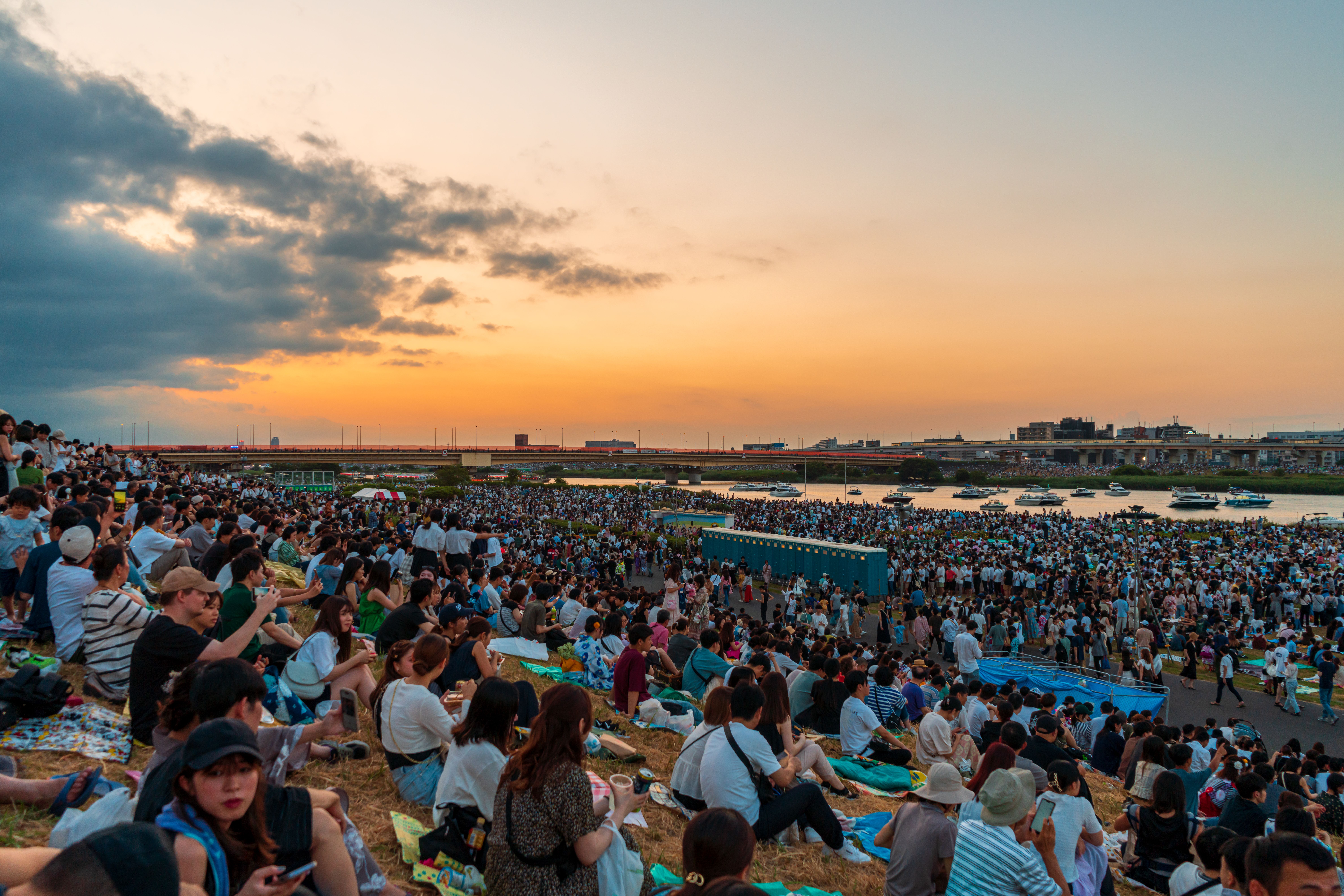
The Sumidagawa Fireworks Festival is Tokyo's oldest and largest fireworks display, launched from two sites on the Sumida River beside Asakusa and Tokyo Skytree on the last Saturday of July. The 2027 edition is expected on Saturday 31 July 2027 from 19:00 to 20:30, with about 20,000 shells and close to a million spectators. It is free from the riverbanks and cancelled rather than postponed if the weather turns.

Highlights

  • Expected Saturday 31 July 2027, 19:00 to 20:30; the 50th modern edition
  • About 20,000 shells from two launch sites in 90 minutes
  • Free from the riverbanks and bridges; sponsor spaces 8,000 to 25,000 JPY in 2026
  • Around 930,000 spectators in 2025; arrive by mid-afternoon for a spot
  • Asakusa Station 15 minutes' walk to venue one, Kuramae 5 minutes to venue two
  • Hot and humid: about 29°C by day, 23°C at night, in Tokyo's wettest month

Good to know

Dates
and in the event of severe weather conditions such as typhoons or heavy storms, the festival will be completely cancelled with no postponement or alternative rain date scheduled for the following day.
Opening hours
Venue one 19:00 to 20:30, venue two 19:30 to 20:30; bridge and road restrictions from 18:00 to about 21:30
Venue
Sumida River, Asakusa to Kuramae; launch sites near Sakurabashi (venue one) and between Komagata and Umaya bridges (venue two)
Entry
Free from public banks and bridges; citizen-sponsor spaces 8,000 to 25,000 JPY in 2026; Skytree viewing limited to 634 people
Getting there
Asakusa Station (Ginza, Toei Asakusa, Tobu lines) 15 min on foot to venue one; Kuramae (Toei Asakusa, Oedo) 5 min to venue two
Recommended eSIM
Japan eSIM

A million people on one riverbank for ninety minutes

The Sumidagawa Fireworks Festival goes back to 1733, when the shogun ordered a river-opening ceremony with fireworks to console the souls of those lost to famine and disease, and the rival pyrotechnic houses of Edo competed over the water. It stopped in 1961, came back in 1978 as the Sumida River Fireworks Festival, and is now Tokyo's signature summer night: about 20,000 shells in 90 minutes from two sites, a competition of new designs at the first venue, Tokyo Skytree glowing behind, and close to a million people in yukata along the banks, the bridges and the side streets of Asakusa and Kuramae.

That scale is the reason your phone matters. There are no gates and no seats for most people, so the best spots are decided by arriving early and knowing which bank, bridge and side street the police have left open. Bridges go one-way from 18:00, stations close exits, and the whole crowd leaves at 20:30. Hotel Wi-Fi stays in the hotel; the free station Wi-Fi collapses under the load. A Japan eSIM installed before you fly keeps the crowd-control map, the transit app and the group chat working while you find a view and, later, a way home.

The go or cancel call on the day

The festival is cancelled, not postponed, if the weather turns, and the decision is posted on the organiser's site and social accounts on the morning and again in the afternoon. With data you know by lunchtime whether to go to the river or to a rooftop bar; without it you walk into a crowd that is walking out.

One-way bridges and closed exits

From 18:00 to about 21:30 the bridges are one-way for pedestrians and the streets around the river are closed to traffic, with station exits shut as they fill. The police publish the restriction map; a live map and the transit app turn it into the one route that gets you to a view and, afterwards, to a train.

Finding each other after the last shell

When the finale ends at 20:30 a million people stand up at once. Anyone who stepped away for a drink is gone. Live location sharing in a group chat is how a family regroups on a side street, and it needs every phone to have its own data.

Reading the restriction signs and the stall menus

Police signs for one-way flows, closed zones and emergency exits are in Japanese, and so are the yatai stall menus. Camera translation reads them instantly with a connection, which matters most when the sign says this bridge is exit-only.

Paying and getting home

Stalls and convenience stores take cards and mobile payment, but the queue for the one open ATM is long. Afterwards, taxis are useless inside the closure zone, so the realistic exit is a walk to a station outside it, guided by the transit app, or a ride-hail booked from the edge of the crowd.

Install your eSIM before you fly and be online when you land — see matching plans

The complete guide

When Is Sumidagawa Fireworks Festival in 2027?

The Sumidagawa Fireworks Festival 2027 is expected on Saturday 31 July 2027, from 19:00 to 20:30. The festival is held on the last Saturday of July every year, which is how the Sumidagawa Fireworks Festival 2026 fell on Saturday 25 July 2026, the 49th modern edition; 2027 will be the 50th. The organising committee of Taito and Sumida wards officially confirms the precise date in early April 2027 and publishes the full schedule, restriction maps, and sponsor-seat application rules in May 2027

The date does not follow a lunar calendar, so it moves only with the weekday: the last Saturday of July can fall anywhere from 25 to 31 July. There is no rain date. If a typhoon, heavy rain or high wind is forecast, the committee cancels the festival outright, sometimes on the morning and sometimes in the afternoon; in past years it has also been shortened mid-show. Check the official site and social accounts on the day.

How the evening is structured:

  • Venue one, around Sakurabashi: fireworks from 19:00 to 20:30, including the competition section, where fireworks makers from across Japan present new designs judged on the night; about 9,350 shells

  • Venue two, between Komagata and Umaya bridges: fireworks from 19:30 to 20:30, closer to the Asakusa crowd; about 10,650 shells

  • Both venues finish together at 20:30, which is why the whole crowd moves at once afterwards

Dates around the festival worth knowing in 2027: the Katsushika Noryo fireworks follow within days, Edogawa and Itabashi on the first Saturday of August, and Jingu Gaien's ticketed stadium show in mid-August, so a late-July Tokyo trip can take in two or three displays [TO VERIFY 2027 dates]. Asakusa's Hozuki-ichi market at Senso-ji falls earlier in July.

Tip: Treat 31 July 2027 as firm enough to book flights and a flexible hotel, but keep the Sunday free; if the Saturday is cancelled there is no replacement night, and you will want to be in Asakusa anyway.
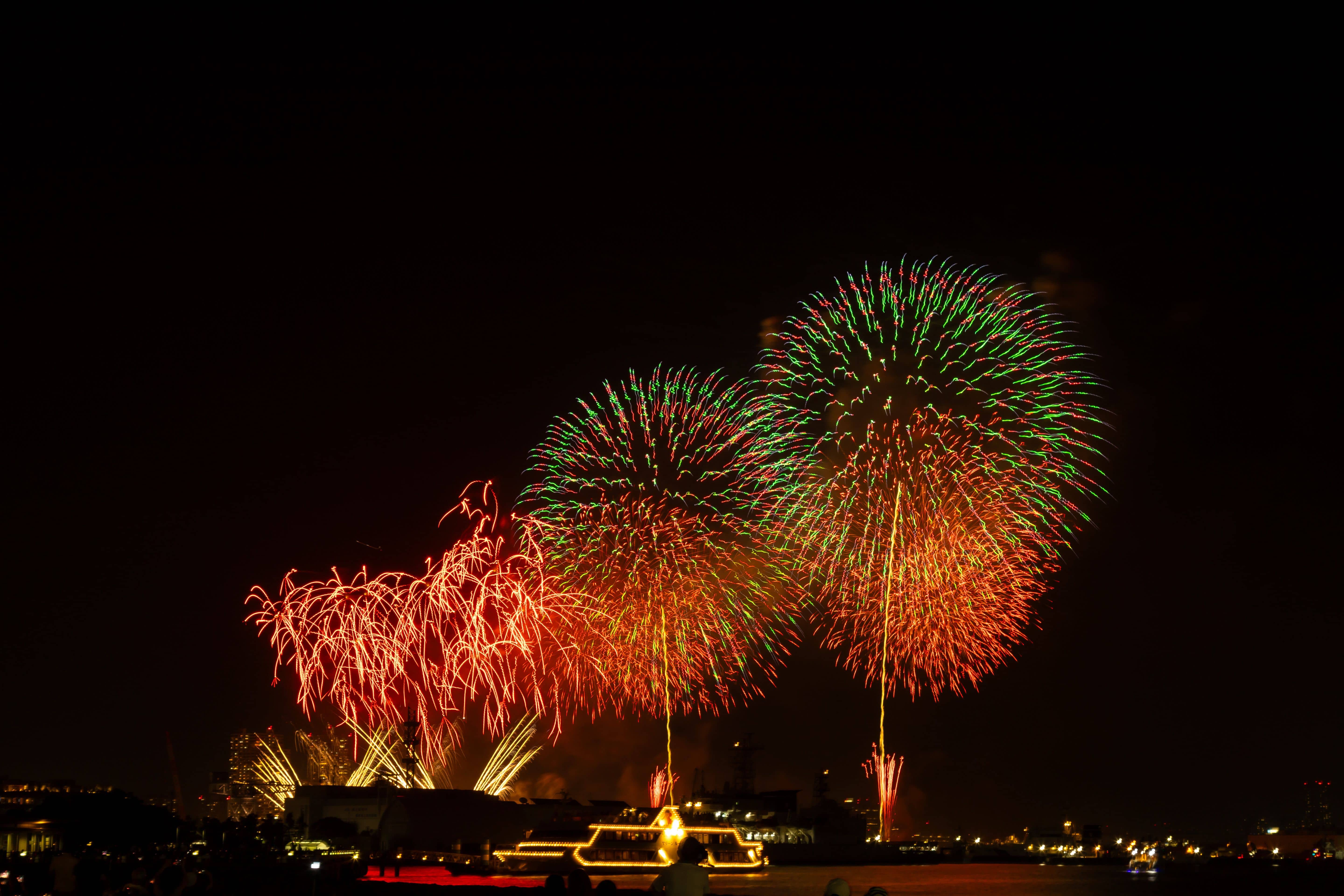
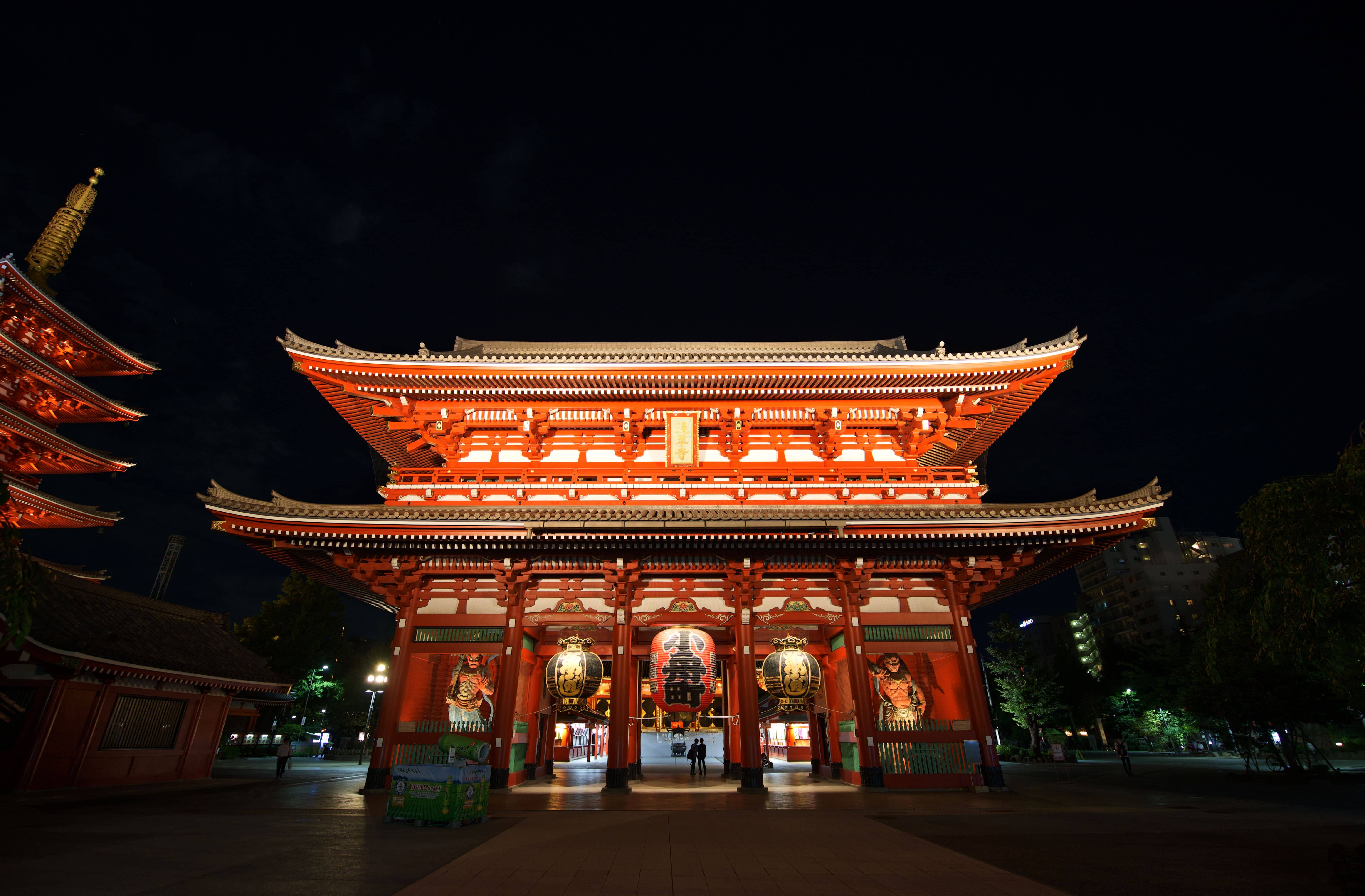
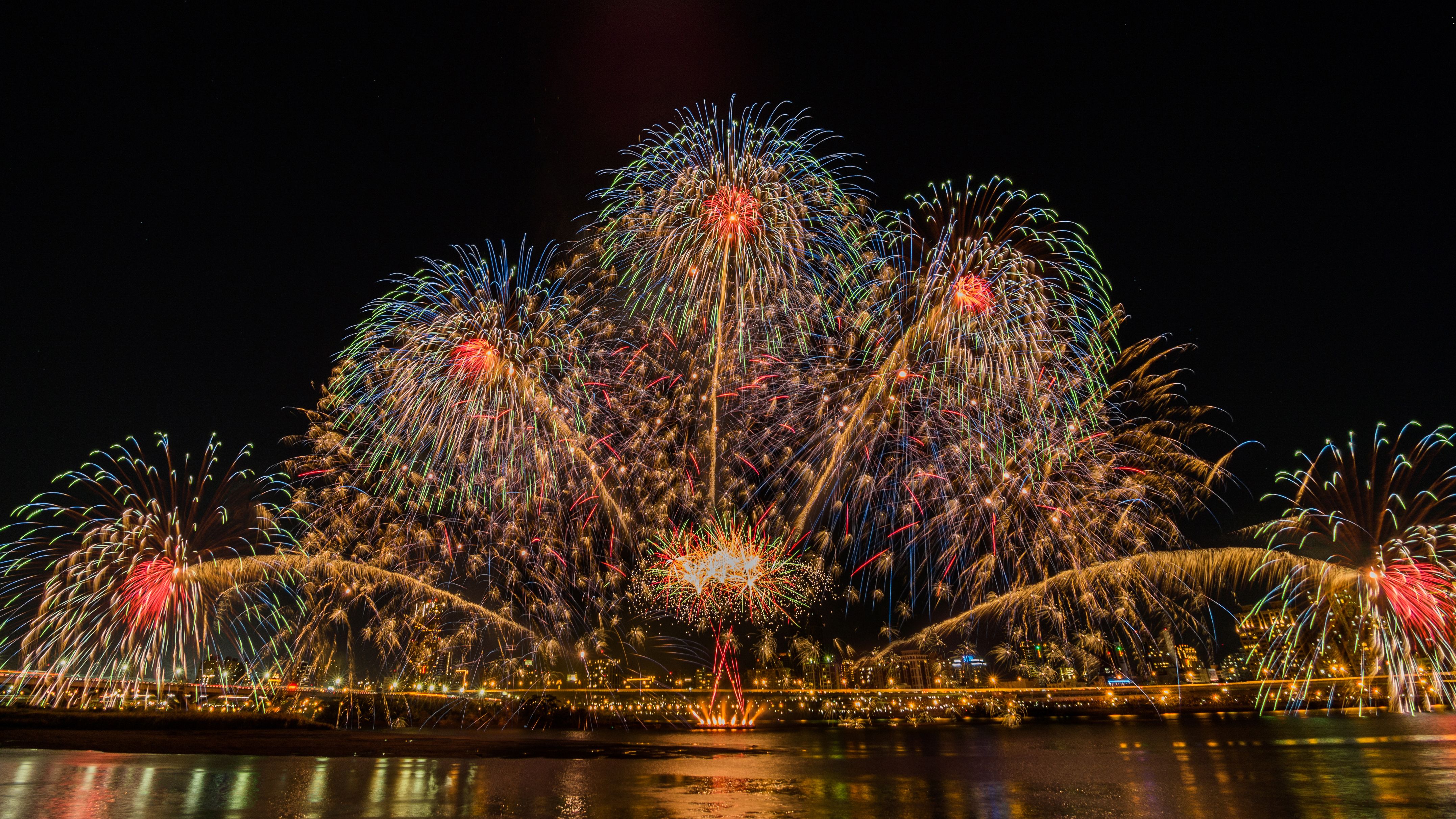
Fireworks bursting over the Sumida River with Tokyo Skytree lit up beside them and the Asahi building in the foreground

Do You Need a Ticket, and What Does It Cost?

No ticket is needed for the Sumidagawa Fireworks Festival; it is free to watch from public riverbanks, bridges, parks and streets on both sides of the river, which is how the vast majority of the near-million spectators see it. The official site lists no general admission, and there are no gates. What exists are a few paid ways to get a guaranteed place with a clear view, and they are limited.

Paid options, at 2026 details:

  • Citizen-sponsor viewing spaces: The committee invites the public to become sponsors by donating between 8,000 and 25,000 JPY per unit. In return, sponsors receive access to a chair or a tarp space in a designated viewing area. For the 2027 edition, applications are expected to open online in mid-May 2027 on a strict first-come, first-served basis and sell out quickly, with the money directly covering the festival's running costs

  • Tokyo Skytree's special viewing: A highly exclusive paid session running from 18:00 to 20:30 on festival night, limited to roughly 634 people watching from the observation decks high above the river. Ticket prices typically start around 13,000 JPY and are allocated via a competitive online lottery or immediate release over the same May stretch.

  • Yakatabune boat dinners and river cruises: Traditional roofed boats and cruise operators sell dinner packages that anchor on the river for the show; prices for these premium fireworks cruises soar 3 to 5 times more expensive than standard cruises, typically ranging from 35,000 to over 50,000 JPY per person, and they sell out months ahead.

  • Rooftop beer gardens, hotel terraces and restaurant windows along the river in Asakusa, Kuramae and on the Sumida side: each venue sells its own packages, typically with a set menu, priced by the venue

  • Hotel rooms with a river view, which some hotels sell as fireworks packages

Everything else is free: the embankments at Sumida Park on both banks, the side streets off Edo-dori and Mitsume-dori, Shiori Park and Kuramae's riverside, and the bridges themselves once the police open them to standing spectators.

Note: No reseller holds "Sumidagawa fireworks tickets". The sponsor spaces are personal and sold only through the committee's official application; a boat or rooftop seat is sold only by that operator or venue.

The real cost of a free spot is time: the good embankment positions are taken by early afternoon, and the police stop entry to the most popular stretches once they fill.

Need a steady connection for transit and maps?See eSIM plans

Where It Happens and How to Get There

The festival happens on the Sumida River in eastern Tokyo, on the stretch between Sakurabashi in the north and Umaya Bridge in the south, with Asakusa on the west bank and the Skytree side on the east. Venue one is the water around Sakurabashi, at about 35.717 N, 139.805 E venue two is the water between Komagata Bridge and Umaya Bridge, nearer Kuramae. Both are visible from the banks and from the side streets a block or two back.

Stations and walking times:

  • Asakusa Station (Tokyo Metro Ginza Line, Toei Asakusa Line, Tobu Skytree Line): about 15 minutes on foot to venue one along the river; the main venue's official access

  • Kuramae Station (Toei Asakusa Line, Toei Oedo Line): about 5 minutes to venue two; the official access for the second venue

  • Honjo-Azumabashi and Oshiage (Skytree) on the east bank, and Ryogoku to the south, for the Sumida-side banks and a less crowded approach

  • Tsukuba Express Asakusa Station on the west side of Asakusa, further from the river and quieter

From the airports: the Toei Asakusa Line runs through-trains from Haneda and from Narita (via the Keisei Line) directly to Asakusa and Kuramae, with no change, in about 35 to 40 and 55 to 65 minutes. From Tokyo Station, the Ginza Line from Ueno or the Toei Asakusa Line from Nihombashi reaches Asakusa in about 15 to 20 minutes.

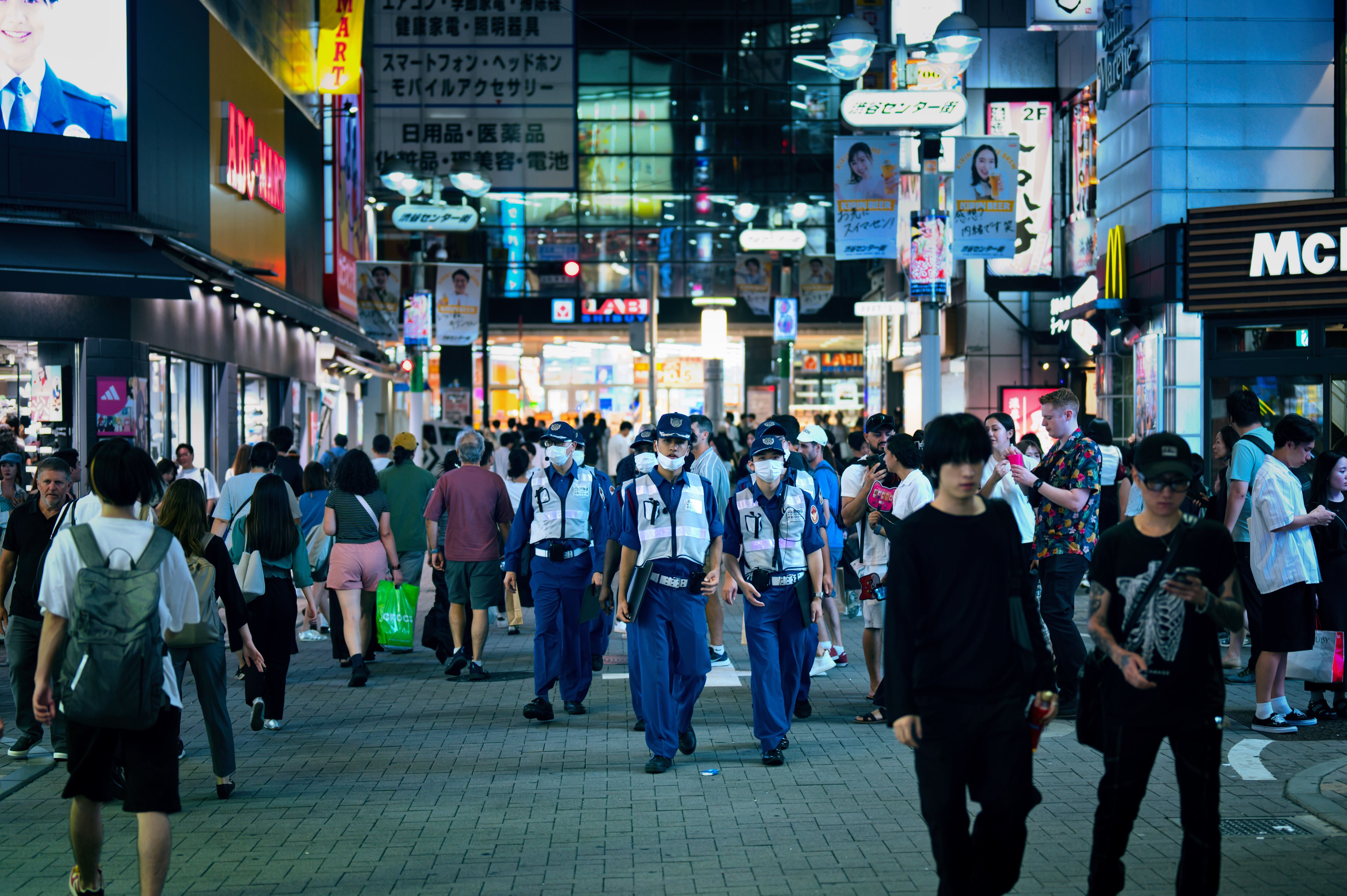
Restrictions on the night: from 18:00 to about 21:30 several bridges, including Komagata Bridge, are limited to pedestrians moving in one direction, vehicle traffic is banned on them, and roads across the whole riverside zone are closed, some until around 22:00. Station exits close as platforms fill; Asakusa and Kuramae stations are most crowded after 17:00.

Tip: Arrive before 18:30 at the latest, and plan a walking route from a station that is not Asakusa or Kuramae: Ueno, Akihabara or Ryogoku on the west, Oshiage or Kinshicho on the east, then walk in. Leaving, do the same in reverse rather than joining the queue at Asakusa.

Getting back late: the fireworks end at 20:30 and the exits take an hour or more to clear. Taxis cannot enter the closure zone and ride-hailing waits are long, so walk 15 to 20 minutes away from the river before booking anything; trains run until around midnight [TO VERIFY last trains], and a late dinner in Kuramae or Asakusa after 21:30 lets the first wave pass.

Kuramae Station entrance on the Toei Asakusa Line with festival crowds in yukata walking towards the Sumida River

What Actually Happens, Hour by Hour

Festival day in Asakusa builds from a normal Saturday morning to a full riverside by mid-afternoon and a ninety-minute show that everyone watches together. The official 2027 timings will follow the standing rule of the last Saturday in July, confirming the festival date for Saturday 31 July 2027, with the absolute timeline finalized by the executive committee in early April 2027.

Morning to early afternoon:

  • Senso-ji and Nakamise are busy but normal; this is the time to see the temple and eat lunch

  • Yukata rental shops around Asakusa open early and are booked out by noon on festival day; reserve ahead

  • From about 13:00, locals spread tarps on the embankments of Sumida Park and the side streets; the police begin marking zones

15:00 to 16:30:

  • The workable window for choosing your spot: walk the river from Sakurabashi to Umaya Bridge, pick a bank or a side street with a line of sight to the sky over the river, and settle

  • Convenience stores along Edo-dori and Kokusai-dori run out of ice and cold drinks by late afternoon; buy early

  • Stalls open in the parks and around the stations

16:30 to 18:00:

  • Crowds and restrictions build; the embankments fill and the police begin closing entrances to full stretches

  • 18:00: bridges go one-way, roads close, and Tokyo Skytree's paid viewing begins

19:00 to 20:30:

  • 19:00: venue one opens the show above Sakurabashi, with the competition section of new designs from fireworks makers across Japan

  • 19:30: venue two starts between Komagata and Umaya bridges, closer to Asakusa, so the sky fills from two directions

  • Through the show: themed sequences and large chrysanthemum shells, with Skytree lit behind

  • 20:30: both venues finish together with the finale

After 20:30:

  • The crowd moves as one; the police hold the flow on the bridges and at the stations for an hour or more

  • Side streets and izakaya in Kuramae and Asakusa fill with people waiting out the exodus

Best viewing spots: the Sumida Park embankment on the Asakusa side between Azumabashi and Sakurabashi for venue one; Kuramae's riverside and the streets east of Edo-dori for venue two; Komagata Bridge if the police open it to standing; and, for a clear sightline to both venues with room to breathe, the east bank north of Sakurabashi towards Mukojima.

Tip: Go only after 19:00 if you accept a moving view and a slow exit; the best plan for a latecomer is a side street in Kuramae with a gap between buildings towards the river, where venue two's shells rise above the rooftops.

Best Time to Arrive and What the Weather Is Like

Arrive in Tokyo by Friday 30 July 2027 and be on the river by 15:00 on the Saturday; that is early enough for a good free spot and late enough to avoid five hours in the sun. Leave Sunday free, because the show has no rain date and because you will want a slow morning after.

Crowd levels on a scale of 1 to 5:

  • Friday and Saturday morning: level 2; Asakusa busy as on any summer weekend

  • Saturday 13:00 to 15:00: level 3; tarps going down on the embankments

  • 15:00 to 16:30: level 4; the last comfortable window to choose a spot

  • 16:30 to 19:00: level 5 on the banks, bridges and at Asakusa and Kuramae stations

  • 19:00 to 20:30: level 5 everywhere within sight of the river; standing room only on the bridges

  • 20:30 to 22:00: level 5 at the stations as close to a million people leave; level 3 in the side-street izakaya

The weather is high summer in Tokyo, and it is the hardest part of the night. July averages a high of about 29°C and a low of 23°C, with humidity over 70 percent and feels-like temperatures well above the thermometer; late July is the start of the hottest stretch of the year, with heatwaves pushing past 35°C. It is also Tokyo's wettest month, with measurable rain on about four days in ten, usually as afternoon thunderstorms, and typhoon season has begun. A thunderstorm at 17:00 does not cancel the show; a typhoon forecast or persistent heavy rain does.

How to handle it:

  • Hydrate from the morning, carry two bottles, and buy ice and cold towels before 15:00 when the convenience stores still have them

  • A hat and a folding fan for the wait, a light rain layer for the evening; umbrellas are useless in the crowd

  • Cotton yukata is the traditional choice and genuinely cooler than jeans

  • Sit on a tarp or a folding mat, not the hot concrete

  • Check the committee's site and social accounts in the morning and at about 15:00 for the go or cancel decision

Note: Heatstroke is the festival's main medical issue every year, and the first-aid tents along the river are busy from the afternoon. If you feel dizzy or stop sweating, get into a convenience store or station and cool down; the fireworks will still be there at 19:00.

Festival-goers in summer yukata with paper fans and bottled water walking along a sunlit Asakusa street on a hot July afternoon

Where to Stay and When to Book

Stay in Asakusa or Kuramae, within walking distance of the river, and the festival's transport problem disappears: you walk to a spot in the afternoon, walk back after the finale, and skip the hour-long station queues. A river-view room, if you can get one, is the best paid seat in Tokyo.

Areas to consider:

  • Asakusa riverside, from Azumabashi to Kaminarimon: hotels with Skytree and river views, the yakatabune piers, five minutes to Sumida Park; the first rooms to sell out, often as fireworks packages

  • Around Senso-ji and the Rokku district: ryokan, hostels and business hotels, ten to fifteen minutes to the river, and the quietest exit on the night via the Tsukuba Express

  • Kuramae: five minutes to venue two, a newer cluster of design hotels and hostels in converted warehouses, cafés for the morning after

  • The Sumida side, Honjo-Azumabashi and Oshiage: Skytree on your doorstep, hotels with views back across the river to Asakusa, and a different set of banks to watch from

  • Ueno and Akihabara: a few stops away with the widest choice of rooms; walk in to the river in 25 to 35 minutes on the night

When to book: hotels within walking distance of the river fill from spring for the last Saturday of July, and river-view rooms sell out as soon as the date is announced; by May most of Asakusa is gone. Book by March 2027 for a room near the river and by May for anything in the district. Reference rates for the festival night: a hostel or business hotel in Asakusa about 15,000 to 28,000 JPY, a riverside hotel from 30,000 to 55,000] JPY, a fireworks package with a river-view room from 70,000 to over 150,000 JPY, with Tokyo's accommodation tax added per night.

Tip: Do not book a non-refundable room for the Saturday alone; if the festival is cancelled you will want the Friday and Sunday in Asakusa anyway, and a two-night cancellable booking is the right shape.

Ask whether the hotel has a rooftop or terrace open to guests on the night; many in Asakusa and Kuramae do, and it beats the embankment.

Staying Connected During the Festival

Public Wi-Fi in Asakusa is widespread and fails on fireworks night. The station and city networks need registration and time out, and when close to a million people stand along two kilometres of river, every public hotspot and even the mobile networks slow at the finale. Hotel Wi-Fi stays in the hotel. Your phone needs its own data, and a Japan eSIM installed before you fly is the simplest way to get it.

What you use data for at the Sumidagawa fireworks:

  • The committee's go or cancel decision and any shortening of the show, posted on its site and social accounts
  • The police restriction map, the one-way bridge directions and which station exits are open
  • The transit app for a route in from a quieter station and the last trains out
  • A group chat with live location for regrouping after the finale
  • Camera translation of restriction signs, stall menus and convenience-store labels
  • Mobile payment at stalls and shops, and finding an ATM when the one you planned on has a queue
  • Weather radar for the afternoon thunderstorm
  • Photos, video and calls home from the riverbank, which is what everyone does at 19:00

Set-up: check that your phone is unlocked and eSIM-capable (most phones from the last five years are), buy the plan, scan the QR code while you still have a reliable connection at home, and switch the line on when you land at Haneda or Narita. Japanese networks are excellent across Tokyo; the only slowdown is the riverbank between 19:00 and 21:00, when uploads crawl.

How much data: 1 to 2 GB a day covers maps, transit, messaging, translation and payments. Video is the variable; ninety minutes of filming fireworks and sending clips home can use a gigabyte on its own. For a five-day Tokyo trip around the festival, 10 GB is comfortable, and 20 GB suits heavy social media use or a longer Japan itinerary. GoHub's Japan plans are listed on the eSIM for Japan page.

Tip: Heat drains batteries almost as fast as cold. Keep the phone out of direct sun during the afternoon wait, carry a power bank, and download an offline map of Asakusa and Kuramae plus a screenshot of the restriction map before you leave the hotel.

Keep your home SIM active for SMS so bank verification codes arrive, set the eSIM as your data line, and turn off data roaming on the home SIM.

A spectator holding up a smartphone to film fireworks over the Sumida River from a crowded riverbank at night

Suggested itinerary

Day 1 · Friday, 30 July, Asakusa and Skytree

  1. Afternoon
    Check in near Asakusa or KuramaeAsk about the hotel's rooftop or terrace for tomorrow night
  2. Late afternoon
    Senso-ji and Nakamise-doriSee the temple before festival-day crowds; book yukata rental for tomorrow
  3. Around 18:00
    Sumida Park embankmentWalk the river from Azumabashi to Sakurabashi and pick your spot for tomorrow
  4. Evening
    Tokyo SkytreeThe view over the river you will be watching from tomorrow; dinner in Solamachi below
  5. Late evening
    Hoppy StreetStewed offal and a cold drink at the open-front bars

Day 2 · Saturday, 31 July, fireworks night

  1. Morning
    Kappabashi kitchen streetA calm morning of knife and crockery shops before the heat builds
  2. Around 12:00
    Yukata rental and lunch in AsakusaDress for the night and eat properly; the stalls later are snacks
  3. Around 14:00
    Convenience store run on Edo-doriIce, drinks, cold towels and a tarp before the shelves empty
  4. Around 15:00
    Your riverside spotSettle in; check the committee's site for the afternoon go or cancel notice
  5. 19:00
    Fireworks, venue one then venue twoVenue two joins at 19:30; both finish together at 20:30
  6. After 20:30
    Kuramae izakayaLet the first wave clear over dinner, then walk to a station outside the closure zone

Day 3 · Sunday, 1 August, the morning after

  1. Morning
    Riverside walk and MukojimaQuiet banks, the Sumida side and a traditional sweet shop
  2. Late morning
    RyogokuSumo museum and the Edo-Tokyo area; chanko lunch
  3. Afternoon
    Sumida River water bus to HamarikyuCool off on the water and see the river from the middle
  4. Evening
    Edogawa or Itabashi fireworksIf their dates land on this weekend, a second show across town
Tip: Stay within walking distance of the river, be on the bank by 15:00 on the Saturday, and keep the Sunday free in case the show is cancelled.

Recommended eSIM plans

Pick by trip length. Visiting several countries? Choose a regional plan.

Selected: eSIM Japan 03GB 03 Day(s)

Set up your eSIM in 3 steps

  1. Order and get your QR codeThe QR code arrives by email right after payment.
  2. Scan before you flySettings → Cellular → Add eSIM, while you still have Wi-Fi.
  3. Turn on data when you landSet the eSIM as your data line and enable data roaming.

Frequently asked questions

Yes. The show is watched for free from public riverbanks, bridges, parks and streets on both sides of the Sumida River, with no gates or admission. Paid options are limited and optional: citizen-sponsor viewing spaces, Tokyo Skytree's special viewing, yakatabune boat dinners and rooftop or restaurant packages, each sold by the operator or the organising committee.

Be on the river by 15:00 for a good free spot, and no later than 18:30 to get in at all. Asakusa and Kuramae stations are most crowded after 17:00, the bridges go one-way at 18:00, and the police close full embankments. Latecomers after 19:00 get a moving view from a side street and a slow exit.

The festival is cancelled rather than postponed. There is no rain date, and the organising committee decides on the morning or afternoon of the day based on rain, wind and typhoon forecasts, posting the decision on its official site and social accounts. Light showers do not stop the show; a typhoon forecast or persistent heavy rain does.

It depends on your passport. Many nationalities enter Japan visa-free for short tourist stays, while others must apply in advance; the list and any online pre-registration requirements change, so check the Japanese embassy or consulate site for your country before travel [TO VERIFY current rules]. Carry your passport in Tokyo; hotels must see it at check-in.

Plan on 1 to 2 GB a day for maps, transit apps, group chat and payments, and more on the night, when ninety minutes of fireworks video can use a gigabyte. A 10 GB eSIM covers a five-day Tokyo trip; take 20 GB for heavy social media use or a longer Japan trip. Install it before you fly.

The Sumida Park embankment on the Asakusa side between Azumabashi and Sakurabashi for venue one, Kuramae's riverside and the streets east of Edo-dori for venue two, and Komagata Bridge when the police open it to standing. For space and a sightline to both venues, try the east bank north of Sakurabashi towards Mukojima.