在 App Store 下載應用程式Download Gohub App on the App Store
AsiaJapan eSIM

How to Visit Sapporo Snow Festival in 2027: Dates, Access and Where to Stay

  • Feb 4 – 11, 2027
  • Japan (Sapporo, Hokkaido)
  • Last updated: 2026年10月6日

Sapporo Snow Festival 2027

Overview

The 77th Sapporo Snow Festival takes place from Thursday 4 to Thursday 11 February 2027 in Sapporo, Hokkaido. Odori Park holds the giant snow sculptures and the international carving contest, Susukino shows about a hundred ice sculptures, and Tsudome runs snow slides and family activities. Entry is free everywhere. Come for the night illuminations, the projection mapping and Hokkaido's winter food.

Highlights

  • Confirmed dates: 4 to 11 February 2027, eight days, three sites
  • Odori Park: 1.5 km of snow sculptures, five giant ones, lit until 22:00
  • Susukino: about 100 ice sculptures and an ice bar, lit until 23:00
  • Tsudome: snow slides, rafting and mazes for families, daytime only
  • Free entry at all three sites; no ticket needed
  • Otaru Snow Light Path overlaps on 6 to 11 February, 30 minutes away by train

Good to know

Dates
Thu 4 to Thu 11 Feb 2027 at all three sites
Opening hours
Odori open all day, lit until 22:00; Susukino lit until 23:00 (22:00 on the last day); Tsudome about 10:00 to 16:00
Venue
Odori Park, central Sapporo (43.060 N, 141.348 E); Susukino one subway stop south; Tsudome in Higashi Ward
Entry
Free at all sites; TV Tower deck and some Tsudome rides are paid
Getting there
New Chitose Airport to Sapporo Station by JR Rapid Airport in about 37 to 40 minutes; subway to Odori or Susukino
Recommended eSIM
Japan eSIM

A week of snow art in a city built for winter

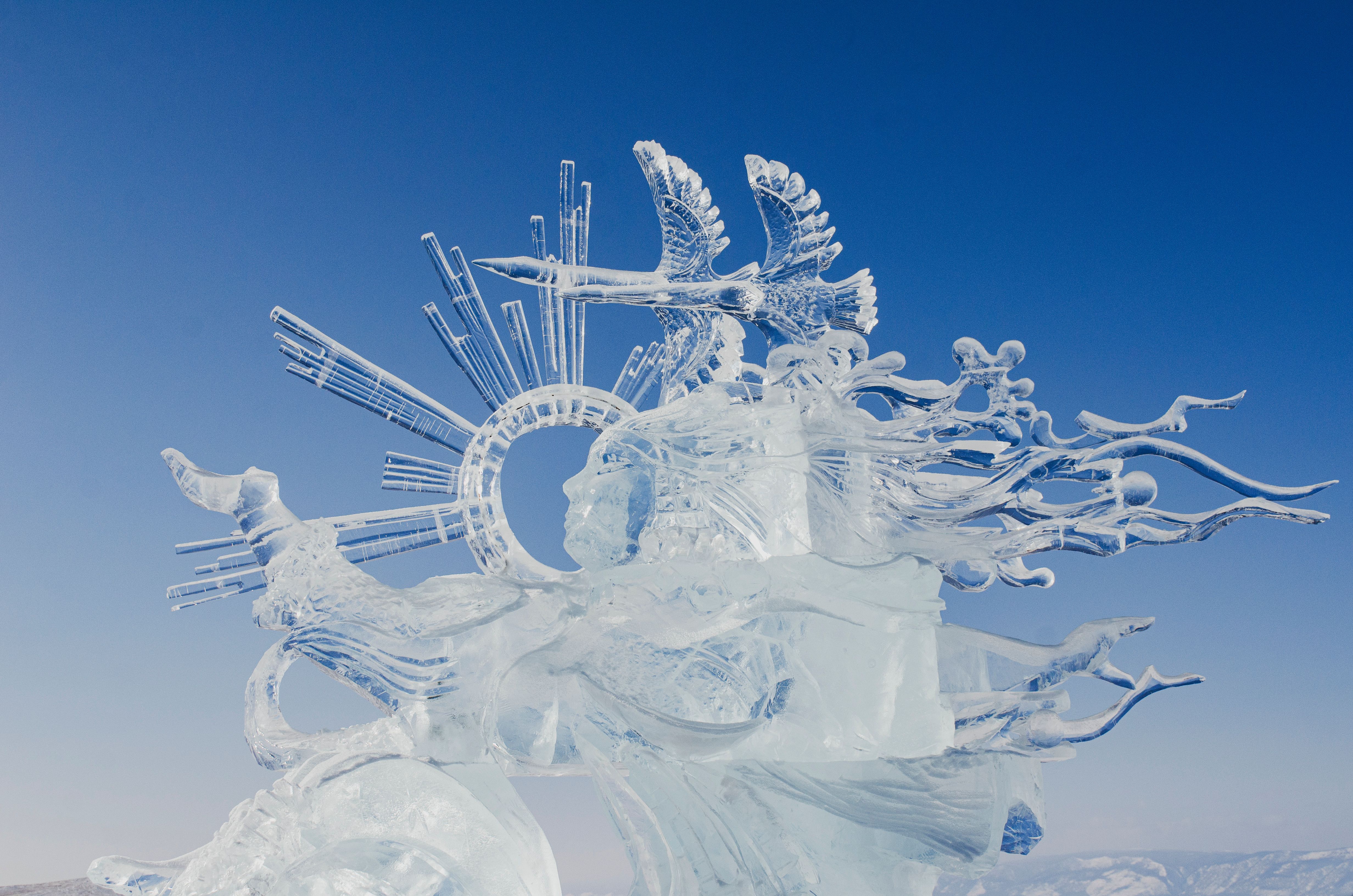
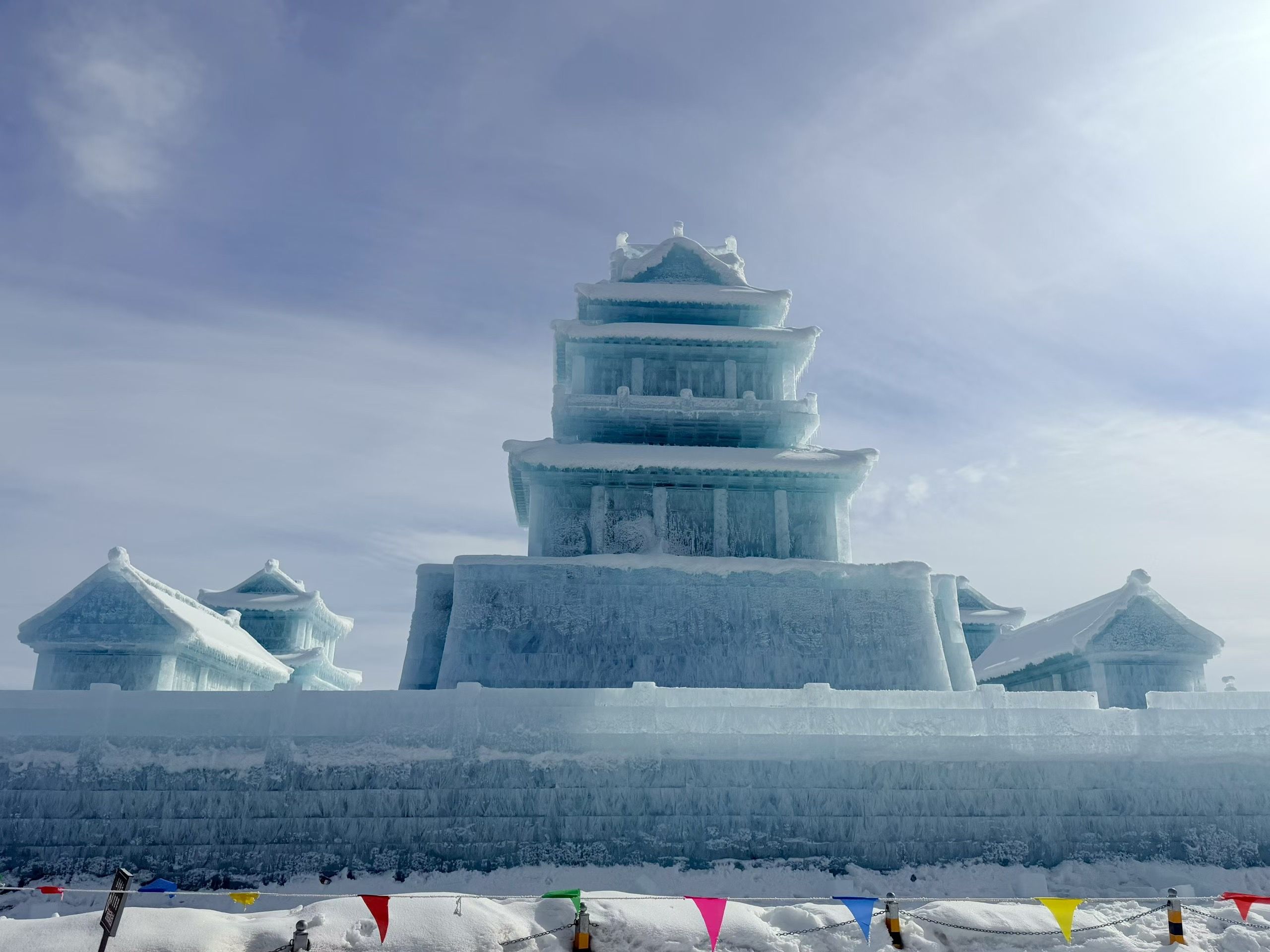
The Sapporo Snow Festival started in 1950 when a few high school students built snow statues in Odori Park, and it has grown into one of the biggest winter events in the world, drawing millions of visitors over eight days. The sculptures are the draw: whole temples and animated characters carved from packed snow, lit at night, some of them the screen for projection mapping shows. Add Susukino's ice sculptures under neon, Tsudome's snow slides for kids, and a city that is wall-to-wall ramen, soup curry and seafood, and you have a trip worth the cold.

What ruins it is being offline at -5°C. Sapporo is a grid city where every block looks the same under snow, the underground walkways confuse first-timers, and the restaurants you want have queues you need to join via an app. Hotel Wi-Fi stays in the hotel. The free city Wi-Fi exists but needs registration and collapses on the busiest evenings at Odori. Your phone is your map, your translator, your train timetable, your restaurant queue ticket and your camera upload, and it needs its own data. A Japan eSIM installed before you leave home means you land connected and stay that way.

Finding your way between the sites

Odori and Susukino are close but linked by underground passages with dozens of exits; Tsudome is a subway ride and a 15-minute walk through residential streets. A live map and the subway app tell you which exit to take, when the next Toho Line train leaves and whether the Tsudome shuttle is running, so you spend your time at the sculptures rather than circling blocks in the snow.

Regrouping in the crowd at Odori

On the weekend evenings of 6 and 7 February the Odori site is shoulder to shoulder for 1.5 km, and one projection mapping show can separate a group in seconds. A group chat with live location sharing is how you find each other again, and it only works if every phone has data, not just the one that paid for hotel Wi-Fi.

Reading menus and queue tickets

Sapporo's best ramen counters, sushi bars and soup curry shops post menus in Japanese only and increasingly use QR codes or ticket machines to manage queues. A camera translation app reads the menu; a browser opens the queue page. Both need a live connection when you are standing outside in the snow with a hungry family.

Trains, taxis and the last ride home

Illuminations run until 22:00 at Odori and 23:00 at Susukino, and the subway lines stop a little after midnight. A transit app tells you the last train; a taxi app gets you home when snow delays everything. If you stay in Otaru or near the airport because Sapporo was full, the JR timetable on your phone is the difference between a warm bed and a night at the station.

Install your eSIM before you fly and be online when you land — see matching plans

The complete guide

When Is Sapporo Snow Festival in 2027?

The 77th Sapporo Snow Festival runs from Thursday 4 February to Thursday 11 February 2027, eight days, across all three sites: Odori Park, Susukino and Tsudome. The Sapporo Snow Festival Executive Committee published the 2027 outline on 13 July 2026, so these dates come from the organiser rather than a guess. The festival has used the same early-February window for years; the 2026 edition also ran from 4 to 11 February.

Unlike lunar festivals, the Snow Festival is set by the organiser each year to fall in the first or second week of February, when Sapporo's snowpack is deep and reliable and the weather is at its coldest. If you remember a late-January start in older editions, that is history; expect early February every year now.

Confirmed for 2027 so far:

  • Odori site: blocks 1 to 11 of Odori Park, five large snow sculptures, smaller works and winter attractions, the International Snow Sculpture Contest at block 11, and a Sapporo International Art Festival 2027 programme at block 2
  • Susukino site: ice sculptures along the main street between Minami 4-jo and Minami 7-jo, lit until 23:00 (22:00 on the final night)
  • Tsudome site: same 4 to 11 February dates, with the activity line-up still to be announced

Dates that matter around the festival:

  • 3 February 2027: sculptures are finished and lit for test runs; a quiet preview evening if you arrive early
  • 4 February: opening day, calm during the week
  • 6 and 7 February (Saturday and Sunday): the busiest two days
  • 6 to 13 February: the Otaru Snow Light Path, 30 to 45 minutes away by train, overlapping the Sapporo festival on 6 to 11 February
  • 11 February: final day and a Japanese public holiday (National Foundation Day); Susukino lights go off at 22:00 and demolition of the Odori sculptures starts the next morning

Tip: Sculpture demolition on 12 February is a spectacle of its own; excavators knock the giants down from early morning and locals turn out to watch. If your flight leaves late that day, go.

The detailed programme (projection mapping times, stage events, Tsudome attractions) is published by the committee in December or January. Treat anything beyond the dates above as provisional until then.
A giant snow sculpture at the Odori site of the Sapporo Snow Festival lit up at night with a projection mapping show and crowds photographing it

Do You Need a Ticket, and What Does It Cost?

No ticket is needed for the Sapporo Snow Festival. All three sites are free to enter, and there is no gate, no wristband and no booking. You walk into Odori Park from any side street, stroll the Susukino main street like any other night, and enter Tsudome through its public entrance. This surprises a lot of first-time visitors who search for "Sapporo Snow Festival tickets" and find nothing to buy.

What does cost money:

  • The Sapporo TV Tower observation deck at the east end of Odori Park, the classic view down the whole lit avenue; about 1,200 JPY for adults

  • Some activities at Tsudome, such as snow rafting and tube slides; most slides are free, a few experiences charge around 200 to 500 JPY

  • Food and drink stalls at Odori and Tsudome, including the Hokkaido food fair blocks

  • Guided night tours and photography tours sold by local operators; useful if you want the stories behind the sculptures, otherwise unnecessary

  • Souvenirs from the official festival shop and the department store stalls around Odori

The International Snow Sculpture Contest at block 11 is free to watch, including the carving in the days before the festival opens and the awards on the final day. Stage shows at Odori are free and standing-room only.

Where to be careful: there are no official tickets, so any website selling "Sapporo Snow Festival admission" is selling nothing. The only reservations worth making are for restaurants and for day tours that combine the festival with Otaru or a snow activity outside the city. Note that the Sapporo TV Tower observation deck does not sell timed slots or accept priority group reservations during the festival; you must line up and purchase tickets directly at the 3rd-floor counter, so be prepared for a 30 to 40-minute wait during peak evening hours

Note: The festival is free, but Sapporo is not. Hotels for the festival week run at two to three times their normal rate, and that is where your budget goes.

If you want a seat, warmth and a view, the cafés and restaurants on the upper floors of buildings facing Odori Park are the paid "grandstand"; arrive before 17:00 to get a window table before the illuminations start.

Visitors walking freely along the snow sculpture avenue in Odori Park in daylight with no gates or ticket barriers
Need a steady connection for transit and maps?See eSIM plans

Where It Happens and How to Get There

The festival happens in central Sapporo, and the Odori site sits directly above Odori subway station, where the Namboku, Tozai and Toho lines meet. The coordinates of the park's central section are about 43.060 N, 141.348 E. Susukino is one stop south on the Namboku Line, or a ten-minute walk through the underground passage. Tsudome is in Higashi Ward, a subway ride north-east.

From New Chitose Airport (CTS), the only practical gateway:

  • JR Rapid Airport train to Sapporo Station in about 37 to 40 minutes; the fare has been listed between 1,150 and 1,430 JPY in recent years; trains run several times an hour

  • Airport limousine buses to central hotels take 70 to 90 minutes depending on snow and traffic, and cost about 1,300 JPY

  • Taxis from the airport cost about14,000 to 18,000 JPY and take longer than the train in snow

From Sapporo Station, Odori Park is a ten-minute walk south through the heated underground walkway (Chi-Ka-Ho) or one stop on the Namboku or Toho Line.

To Tsudome:

  • Toho Line to Sakaemachi station, about 10 minutes and 250 JPY from Sapporo Station or 15 minutes and 290 JPY from Odori, then a 15-minute walk along signed streets

  • A shuttle bus has run from Sakaemachi station to Tsudome for about 200 JPY

  • During the festival, special buses have also run from central Sapporo and Sapporo Station for about 300 JPY for adults and 150 JPY for children

Getting back late: Odori lights go off at 22:00 and Susukino at 23:00; the subway runs until around midnight, and taxis are plentiful in Susukino but queue at the rank rather than hailing in the snow. Buy a day pass or load an IC card (Suica, Pasmo or the local SAPICA) for the subway; contactless credit cards are not accepted at Sapporo subway gates.

Tip: Pavements around Odori are packed snow and ice. The underground walkway between Sapporo Station, Odori and Susukino is heated, dry and lined with cafés; use it to move between sites and come up only where you want to look.

If you arrive by train from elsewhere in Japan, the Hokkaido Shinkansen reaches Shin-Hakodate-Hokuto, then a limited express continues to Sapporo in about 3.5 hours; flying into New Chitose is faster and usually cheaper.

The entrance of Odori subway station in central Sapporo in winter with snow piled on the pavement and the Sapporo TV Tower visible in the background

What Actually Happens, Hour by Hour

A festival day has two halves: daylight for detail and Tsudome, evening for lights. The sculptures stand 24 hours a day at Odori, so the "programme" is mostly about when the lights and shows run; exact 2027 show times and performance schedules have been officially finalized by the committee

A typical day:

  • Early morning: Odori Park almost empty, sculptures in flat winter light; the best time for photos without crowds, and the only quiet time at the weekend

  • Around 10:00: Tsudome opens for snow slides, tubing lanes, snow rafting and mazes, with indoor food and rest areas; the first hour is the calmest

  • Late morning to afternoon: Hokkaido food stalls at Odori and Tsudome are in full swing; the International Snow Sculpture Contest teams are at work at block 11 in the days before opening and on the first days of the festival

  • Around 16:00: Tsudome closes; head back into the city centre

  • Sunset, around 16:30 to 17:00: illuminations switch on at Odori; projection mapping shows run in rotation on the large sculptures through the evening, each lasting a few minutes

  • Evening: stage events at Odori, the Susukino ice sculptures and ice bar from dusk until 23:00

  • 22:00: Odori lights off; crowds drain towards Susukino and the ramen alleys

Set-piece moments to plan around:

  • The projection mapping on the largest sculpture, usually at blocks 4 to 8, is the single most crowded thing at the festival; stand on the north side of the avenue 15 minutes before a show to see the whole façade

  • The contest awards at block 11 on the final day

  • Ice sculpture judging in Susukino early in the week

Best viewing spots: the TV Tower deck for the full avenue, the raised pedestrian crossings at the ends of each block for an elevated view of a single sculpture, and the Susukino crossing for the neon-and-ice photo.

Tip: Walk Odori from west to east in the evening so you finish at the TV Tower, then take the lift up for the view back over the lights you just walked through.

Snow and wind can pause projection mapping and stage shows; the committee posts changes on its site and social accounts, so check before you head out on a stormy night.

Best Time to Arrive and What the Weather Is Like

Arrive on 3 or 4 February 2027 and leave on 9 or 10 if you want the festival at its calmest; arrive on 5 February and stay through the weekend if you want the full crowd and the Otaru overlap. Three nights is the comfortable minimum: one evening for Odori and Susukino, one day for Tsudome and a second pass at Odori, one day for Otaru.

Crowd levels on a scale of 1 to 5:

  • 4 and 5 February (Thursday, Friday): level 3 by day, 4 in the evening
  • 6 and 7 February (Saturday, Sunday): level 5 at Odori from 17:00 to 21:00, 4 at Tsudome all day
  • 8 to 10 February (Monday to Wednesday): level 3, the sweet spot
  • 11 February (Thursday, public holiday and final day): level 4 to 5, with a party atmosphere in Susukino

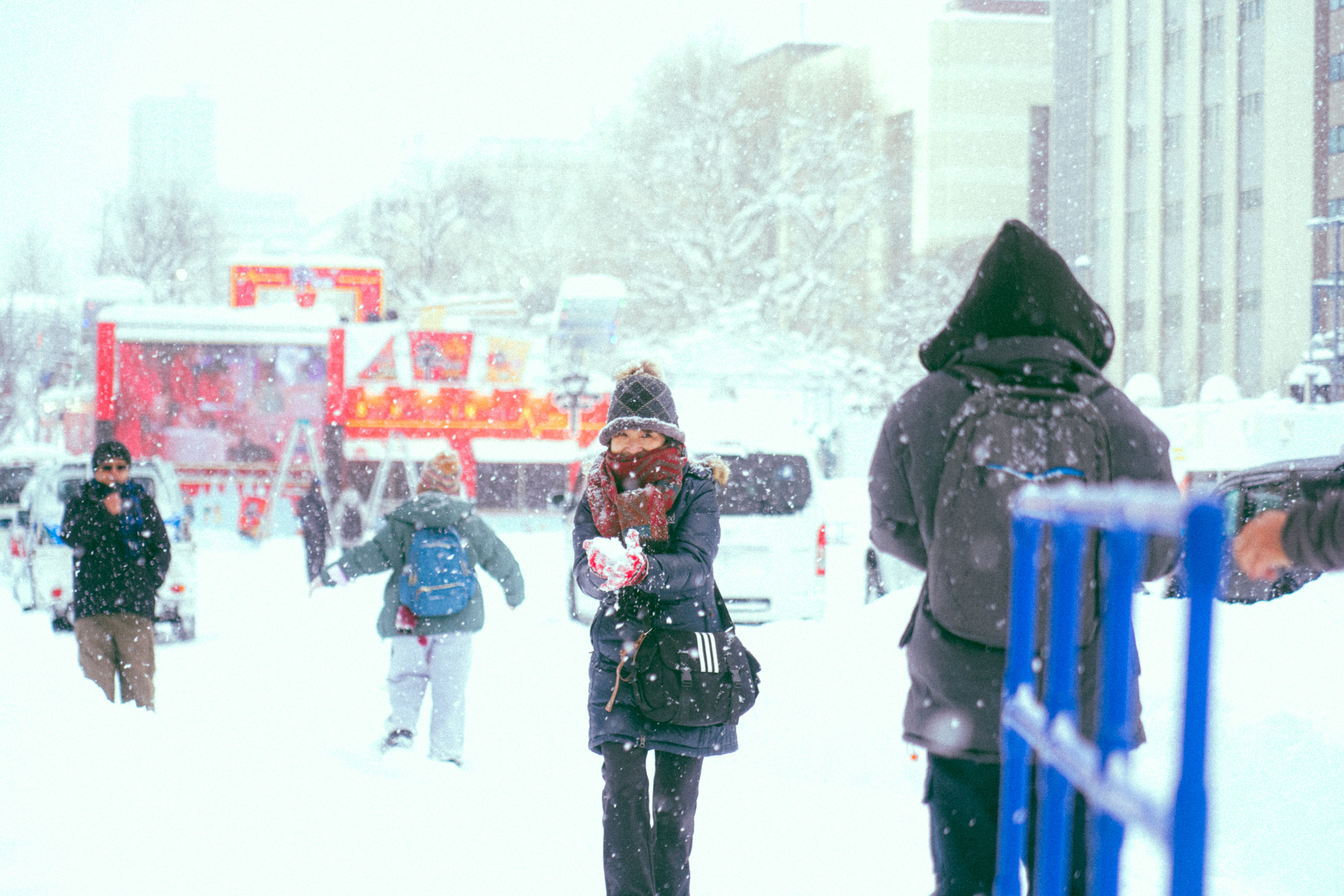
The weather is proper winter. Sapporo in February averages a high of about 0°C and a low of about -7°C, with snow falling on around 16 days of the month and roughly 48 centimetres of fresh snow over the month; the city gets about 470 centimetres a year. Rain is rare; it snows instead. Wind off the Sea of Japan makes evenings feel colder than the thermometer says, and the pavements are packed snow with patches of ice that catch out anyone in smooth-soled shoes.

Daily rhythm that works:

  • Be at Odori by mid-morning when the light is good and the stalls are opening
  • Go indoors between 13:00 and 16:00: the underground walkway, a department store, a museum or a long lunch
  • Come back for the illuminations from about 17:00, in your warmest layers
  • Leave Odori before 22:00 to beat the exodus to the subway

Note: Daylight is short, roughly 06:45 to 17:00. Plan Tsudome and any Otaru day trip for daylight and keep the evenings for Sapporo's lights.

A snowstorm can close the airport for a day; build a buffer night at the end of the trip rather than booking the last flight the morning after the festival.

Where to Stay and When to Book

Stay within walking distance of Odori Park or the underground walkway between Sapporo Station and Susukino, and you can see the whole festival without stepping onto an icy pavement for more than a few minutes. The three zones, from north to south:

  • Around Sapporo Station: the easiest airport and JR connection, big hotels, the department stores, ten minutes to Odori through the heated walkway; the best base if you plan day trips to Otaru or the ski hills

  • Around Odori Park: the festival on your doorstep, smaller business hotels and a few higher-end ones, the TV Tower at the end of the street; the best base for photographers who want early mornings and late nights at the sculptures

  • Susukino: the ice sculptures outside, hundreds of restaurants and bars, slightly cheaper rooms and a lot of nightlife noise; the best base for food and for anyone who wants to stay out past 22:00

Further out but workable: hotels on the Toho or Namboku Line a few stops from Odori, Otaru (30 to 45 minutes by JR and a festival of its own), and Chitose near the airport (about 40 minutes by train), which is the usual fallback when the city centre sells out.

When to book: Sapporo's central hotels for the festival week begin filling in September and October, prices climb through November, and by mid-December the choice is thin. Book by October 2026 for a good central room at a sane rate; after New Year you will be choosing between a long commute and a premium. Reference rates for festival nights: a business hotel near Odori about 15,000 to 25,000 JPY, a mid-range hotel near Sapporo Station about 25,000 to 45,000 JPY, a higher-end hotel from 50,000 JPY. Hokkaido introduced an accommodation tax in April 2026, added per person per night at check-in.

Tip: Book a cancellable rate now and refine later. Many hotels release a second batch of rooms in December once group allocations lapse, so set a reminder to check again.

Ask for a high floor on the Odori side if you are near the park; from above, the lit avenue is a free nightly show. And check the hotel has a luggage room: trains from the airport arrive before check-in and the sculptures do not wait.

Staying Connected During the Festival

Public Wi-Fi in Sapporo is better than in most Japanese cities but still not something to depend on at the festival. The free city and station networks require registration, time out after a set period, and slow to a crawl on the weekend evenings when tens of thousands of people at Odori all try to upload the same projection mapping show. Hotel Wi-Fi is fine in the hotel and useless on the street, where you actually need directions.

What you use data for during the festival:

  • Maps and the subway app, including which underground exit comes up where, and the Tsudome shuttle timetable
  • Camera translation of menus, ticket machines and sculpture descriptions
  • Restaurant queue systems and reservations, which in Sapporo increasingly run through a QR code on the door
  • A group chat with live location for regrouping at Odori on a crowded night
  • JR timetables and delay notices for the airport train and the Otaru line on snowy days
  • Taxi apps after the lights go off
  • Uploading photos and video calls home from the sculptures, which is what everyone ends up doing

The simplest fix is a Japan eSIM installed at home before you fly. Check that your phone is unlocked and eSIM-capable (most phones from the last five years are), buy the plan, scan the QR code while you still have a reliable connection, and switch the line on when you land at New Chitose. Japanese networks are excellent in Sapporo and along the JR line to Otaru, and 4G and 5G coverage holds up inside the underground walkway and the subway.

How much data: 1 to 2 GB a day covers maps, translation, messaging and queue apps. Photo and video uploads from the festival are the variable; a night of filming projection mapping and sending it home can double that. For a four-day festival trip, 10 GB is comfortable, and 20 GB suits heavy social media use or a longer Hokkaido loop. GoHub's Japan plans are listed on the eSIM for Japan page.

Tip: Cold kills phone batteries fast. Keep the phone in an inside pocket between uses, carry a power bank, and download an offline map of Sapporo plus your hotel address in Japanese as a backup for the moment the battery drops to zero at -8°C.

Keep your home SIM active for SMS so bank verification codes arrive, set the eSIM as your data line, and turn data roaming off on the home SIM.

What to Eat and Buy

Eat miso ramen, soup curry, jingisukan grilled lamb and Hokkaido seafood, and you have covered the four pillars of a Sapporo winter. The festival adds a Hokkaido food fair along the Odori blocks and stalls at Tsudome, so you can eat well without ever leaving the sculptures.

What to look for and where:

  • Miso ramen with butter and corn: the Sapporo original, best in the narrow ramen alleys of Susukino and the ramen floor of the station-area department stores
  • Soup curry: a thin, spiced broth with chicken and roasted Hokkaido vegetables, a Sapporo invention and the perfect antidote to -7°C; shops cluster around Odori and Susukino
  • Jingisukan: lamb and vegetables grilled at your table on a domed iron plate, often with a Sapporo beer; the brewery garden and the Susukino lamb houses do it best
  • Seafood: crab, uni and salmon roe over rice at the Nijo Market near Odori for breakfast, or at sushi counters in Susukino at night
  • Festival stalls: grilled scallops, corn, crab soup, hot wine and amazake along Odori; stew and hot drinks at Tsudome
  • Sweets: Hokkaido milk soft-serve (yes, in winter), cheesecake and butter sandwich biscuits from the department store basements

Timing: the popular ramen and soup curry shops have queues from 18:00 to 20:00 during the festival; go at 15:00 for a late lunch or after 21:00 for a late dinner. Many restaurants in Susukino take bookings through their own sites or QR codes on the door; a Japan eSIM makes that painless. Nijo Market is a morning place, done by early afternoon.

Tip: The Hokkaido food fair at Odori is excellent but outdoors and standing only. Eat there at lunch when it is warmest, and save the sit-down ramen for the evening when you need to thaw.

What to buy: official festival goods from the shop at Odori, Hokkaido dairy sweets, snow-crab and salmon products vacuum-packed for the flight, and the ubiquitous non-slip shoe grips (suberidome), sold at the airport and the station for about 1,500 to 3,000 JPY and worth every yen.

Packing, Money, Etiquette and Safety

Pack for standing still in sub-zero wind for an hour at a time, which is what watching illuminations means.

  • A windproof, insulated coat that covers your hips, plus a thermal base layer and a fleece

  • Waterproof boots with grip, and ice cleats bought on arrival if your soles are smooth

  • A warm hat, a neck gaiter or scarf, and gloves thin enough to use a phone

  • Thick socks, two pairs on evening walks

  • Disposable heat packs (kairo) for pockets and shoes, sold in every convenience store

  • Sunglasses for bright snow days and lip balm for the dry air

  • A power bank and a small bag worn in front in crowds

  • Passport (carry it; it is required for hotel check-in and tax-free shopping), your eSIM already installed, and offline copies of bookings

Money: Japan still runs partly on cash, and the festival food stalls and small ramen counters are cash-first. Withdraw yen at convenience store or post office ATMs, which accept foreign cards; carry 10,000 to 20,000 JPY in small notes. Credit cards work at hotels, department stores and larger restaurants, and an IC card loaded with cash pays for the subway, buses and convenience stores. Budget per day excluding flights and hotel: a modest day with ramen, stalls and the subway about 4,000 to 6,000 JPY; a comfortable day with two sit-down meals, the TV Tower and a taxi about 12,000 to 18,000 JPY. Tipping is not done.

Etiquette that helps:

  • Do not touch or climb the sculptures, and keep behind the ropes; they are fragile and the organisers are strict

  • Keep to the walking flow at Odori; stopping dead in the middle of the avenue for a photo blocks hundreds of people

  • Eat at the stalls, not while walking, and carry your rubbish to the stall bins

  • Queue in single file and keep your voice down on the subway

Safety is mostly about ice and cold. Falls are the number one festival injury; cleats and small steps on the crossings solve most of it. Dress children warmly and watch for cold hands. Pickpocketing is very rare in Sapporo, but crowds are dense at Odori on weekend nights. Emergency numbers in Japan are 110 for police and 119 for fire and ambulance; Japanese pharmacies are well stocked and a doctor will see you without an appointment at a hospital outpatient desk.

Note: Sapporo subway and JR trains stop around midnight. If you plan a late night in Susukino, know the last train time or expect a taxi queue in the snow.

Families, Older Relatives and Side Trips

Tsudome is the family site, and it deserves a morning of its own. Inside the Sapporo Community Dome and the snowfield around it you get long tube slides, snow rafting behind a snowmobile, mazes and snow play areas, with a heated hall for food, toilets and warming up. Most slides are free; a few experiences charge a small fee [TO VERIFY 2027 activities]. It opens around 10:00 and closes around 16:00, so go first thing, play for two or three hours, and head back into town for lunch and the evening lights.

With young children:

  • Do Tsudome in the morning, Odori in the late afternoon before the big crowds, and skip Susukino's late evening

  • Use a pushchair with large wheels or a sled, not a small-wheeled buggy; pavements are packed snow

  • Heat packs in mittens, a warm indoor break every 60 to 90 minutes, and hot chocolate from the stalls keep moods up

  • Pin your phone number inside a child's coat for the Odori weekend crowd

With older relatives: the underground walkway and the subway are lift-equipped and heated, so a Sapporo Station hotel plus short surfaces at Odori works well. The TV Tower deck gives the best view of the sculptures without walking the avenue. Skip Tsudome's 15-minute snow walk unless the shuttle is running, and take taxis for evening returns.

Tip: The Sapporo Station to Susukino underground walkway has benches and cafés every hundred metres. Walk the sculptures above ground one block at a time, then drop back underground to warm up.

Side trips worth adding:

  • Otaru Snow Light Path, 6 to 13 February 2027, with candle-lit paths along the canal from about 17:00 to 21:00; 30 to 45 minutes by JR Rapid from Sapporo, about 640 JPY each way in 2026

  • Sapporo Beer Museum and the brewery garden for jingisukan, 20 minutes from the centre

  • Mount Moiwa ropeway for the night view of the lit city, one of Japan's famous night panoramas

  • Jozankei Onsen, an hour by bus, for a hot spring night after the festival

  • Niseko or Rusutsu for powder skiing, two hours away; many visitors do three nights of festival then three nights of ski

  • Asahikawa Winter Festival, which also runs in early February, about 90 minutes by limited express

Suggested itinerary

Day 1 · 5 February, arrival and Odori

  1. Around midday
    New Chitose Airport to Sapporo StationTake the JR Rapid Airport train; buy ice cleats at the station before you step outside
  2. Early afternoon
    Check in near Sapporo Station or OdoriLeave bags at reception if the room is not ready; the sculptures are ten minutes away
  3. Late afternoon
    Odori Park west to east in daylightSee the carving detail and the contest works at block 11 before the lights go on
  4. Around 17:00
    Odori illuminations and projection mappingStand on the north side of the avenue for the show on the largest sculpture
  5. Around 19:30
    Sapporo TV Tower observation deckLook back down the lit avenue you just walked; buy the ticket before 19:00
  6. Evening
    Ramen alley in SusukinoMiso ramen with butter and corn, cash in hand

Day 2 · 6 February, Tsudome and Susukino

  1. Around 10:00
    Tsudome via Toho Line to SakaemachiArrive at opening for empty slides; wear waterproof trousers if you plan to tube
  2. Around 13:00
    Back to the city centreSoup curry lunch near Odori to thaw out
  3. Afternoon
    Underground walkway and department store basementsHokkaido sweets and a warm break while the weekend crowd builds outside
  4. Around 17:30
    Odori food fair blocksGrilled scallops, crab soup and hot wine at the stalls before the evening rush
  5. Evening
    Susukino ice sculptures and the ice barLit until 23:00; the neon crossing is the photo everyone wants
  6. Late evening
    Jingisukan dinner in SusukinoGrilled lamb and a local beer; book through the shop's QR code earlier in the day

Day 3 · 7 February, Otaru

  1. Morning
    Nijo Market near OdoriSeafood rice bowl breakfast; the market winds down by early afternoon
  2. Late morning
    JR Rapid to OtaruSit on the right side for the Sea of Japan coastline; check the timetable for snow delays
  3. Afternoon
    Otaru canal and Sakaimachi streetGlassware, music boxes and the old warehouses under snow
  4. Around 17:00
    Otaru Snow Light PathCandle-lit canal and the old rail line path; the first hour is the most atmospheric
  5. Around 20:00
    Train back to SapporoLast trains are late but fill up; do not leave it past 21:30
  6. Evening
    Final walk through OdoriLast look at the lights before the 22:00 switch-off
Tip: Arrive on a weekday, do Odori by day and night on day one, Tsudome and Susukino on day two, and Otaru on day three while both festivals overlap.

Recommended eSIM plans

Pick by trip length. Visiting several countries? Choose a regional plan.

Selected: eSIM Japan 10GB 10 Day(s)

Set up your eSIM in 3 steps

  1. Order and get your QR codeThe QR code arrives by email right after payment.
  2. Scan before you flySettings → Cellular → Add eSIM, while you still have Wi-Fi.
  3. Turn on data when you landSet the eSIM as your data line and enable data roaming.

Frequently asked questions

Yes. All three sites, Odori Park, Susukino and Tsudome, are free to enter for all eight days, and there are no tickets, gates or wristbands. The only paid parts are optional: the Sapporo TV Tower observation deck, a few activities at Tsudome, food and drink from the stalls, and guided tours. Your real festival cost is the hotel, since central Sapporo rooms rise sharply for the festival week.

Two full days is the realistic minimum and three is comfortable. One day covers Odori Park by daylight and again under the illuminations, plus Susukino after dark. A second day fits Tsudome in the morning and a second, calmer pass at Odori. A third day lets you add the Otaru Snow Light Path, which overlaps the Sapporo festival on 6 to 11 February 2027 and is a short train ride away.

Yes, if you like winter. The sculptures are enormous and well crafted, the night illuminations and projection mapping are the best moment, Tsudome is a genuine treat for children, and Sapporo's food scene is one of the best in Japan in the cold months. The drawbacks are real: hotel prices for the festival week, weekend crowds at Odori and temperatures around -7°C at night. Go on weekdays, dress properly and it is a highlight of any Japan trip.

It depends on your passport. Many nationalities enter Japan visa-free for short tourist stays, while others must apply in advance; the list and the online pre-registration requirements change, so check the Japanese embassy or consulate site for your country at least two months before travel [TO VERIFY current rules]. Carry your passport in Sapporo: hotels must see it at check-in and shops need it for tax-free purchases.

Plan on 1 to 2 GB a day for maps, the subway app, translation, restaurant queue pages and messaging, and more if you upload a lot of photos and video from the illuminations. A 10 GB eSIM plan comfortably covers a four-day festival trip; take 20 GB for heavy social media use or a longer Hokkaido loop with skiing. Buy and install the eSIM before you fly so it works the moment you land at New Chitose Airport.

Dress for standing still outdoors at -5°C to -8°C for an hour at a time. That means a windproof insulated coat, a thermal base layer, a hat, a scarf or neck gaiter, gloves that work with a phone, thick socks and waterproof boots with grip. Buy ice cleats at the airport or Sapporo Station; pavements are packed snow and ice. Pocket heat packs from any convenience store make the evening illuminations far more pleasant.