What Oktoberfest Is and What Actually Happens
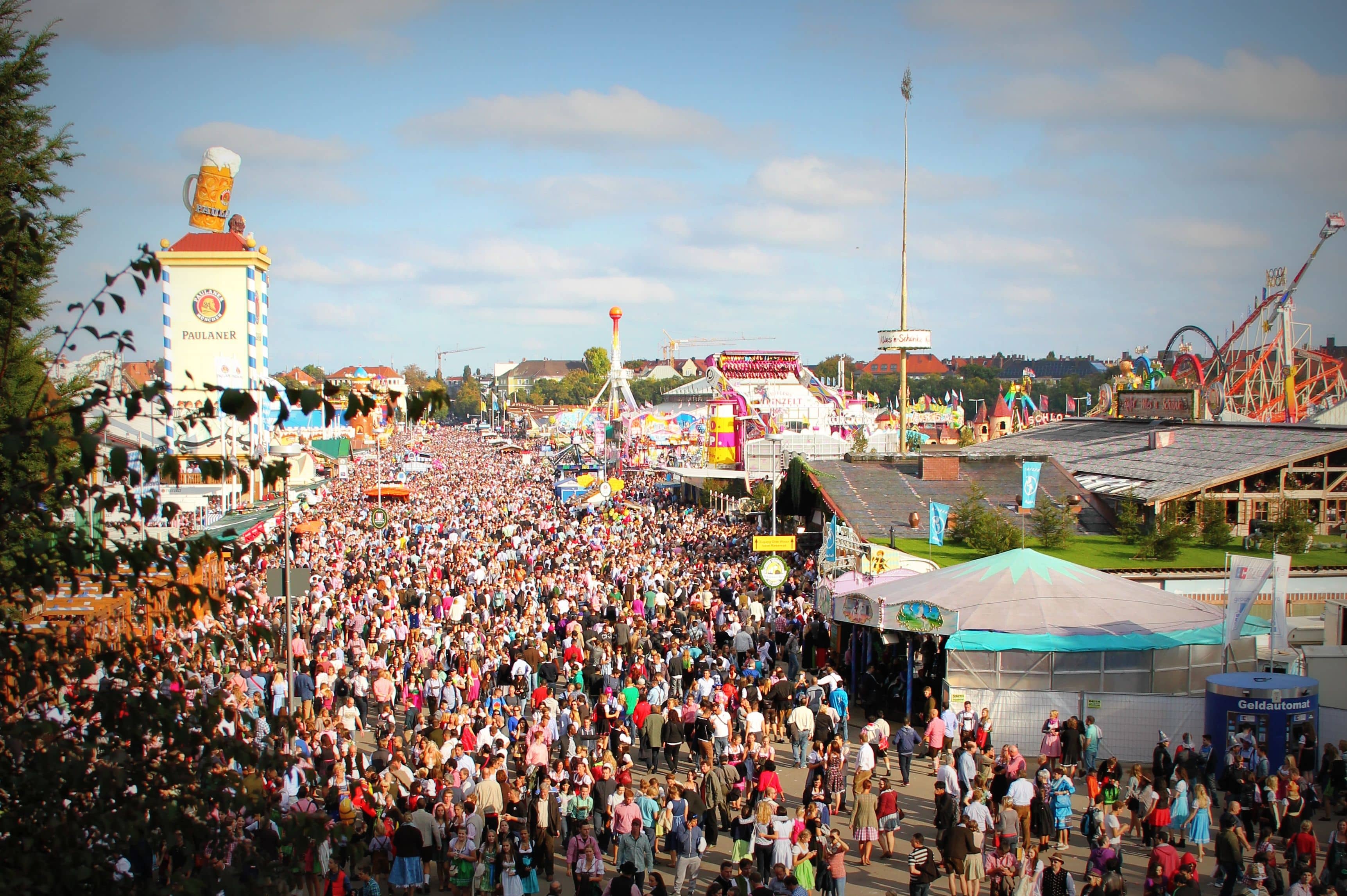
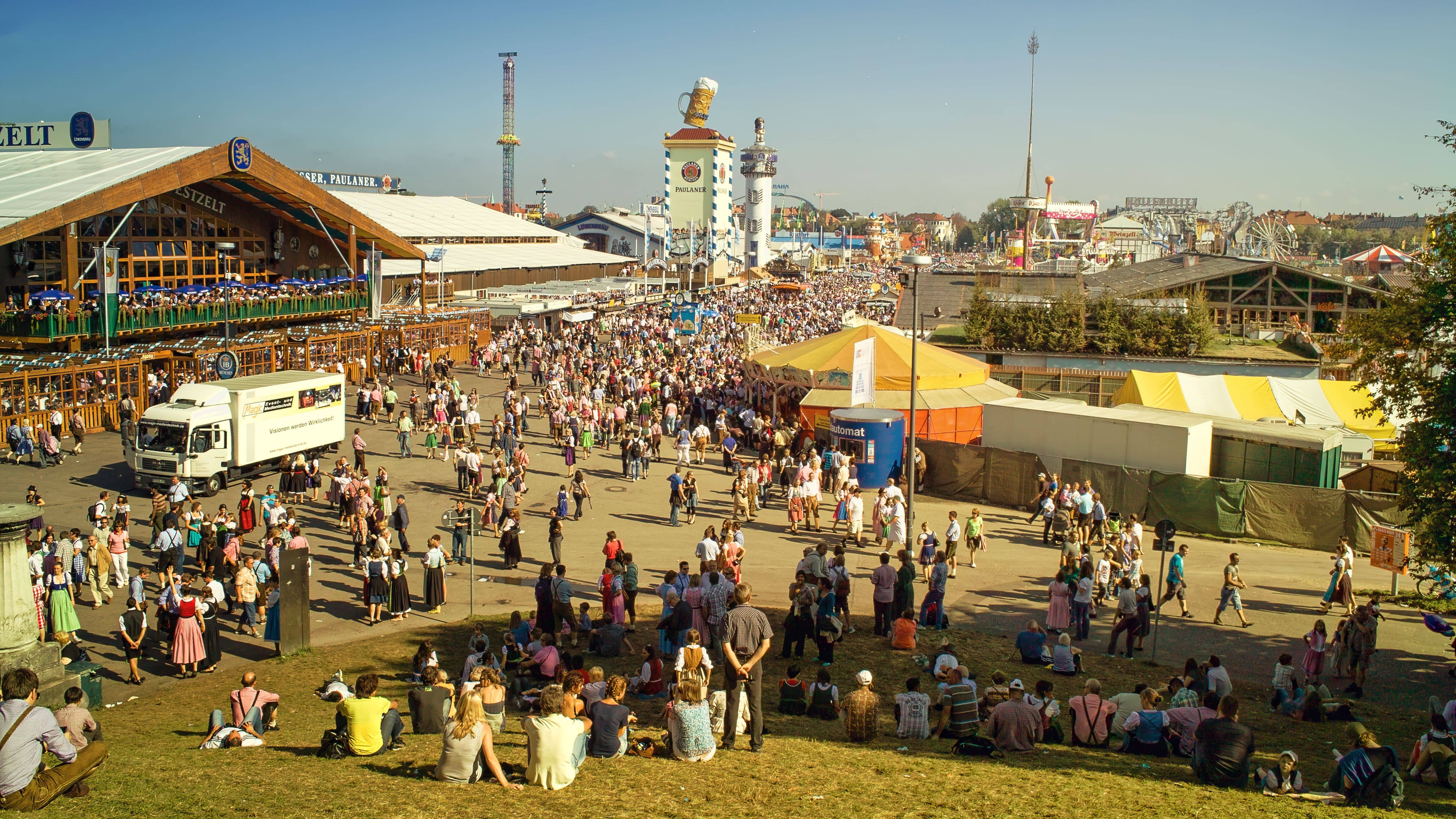
Oktoberfest is a 16-day Bavarian folk festival on Munich's Theresienwiese, free to enter, built around beer tents that are really temporary halls, and the reason nearly six million people come to Munich every autumn. It started on 17 October 1810 with a horse race to celebrate the marriage of Crown Prince Ludwig and Princess Therese, whose name the meadow still carries; the race was repeated, beer stalls followed, the first tents and halls replaced them in 1896, and the dates slid into September for better weather while the name stayed.
What you find on the Wiesn:
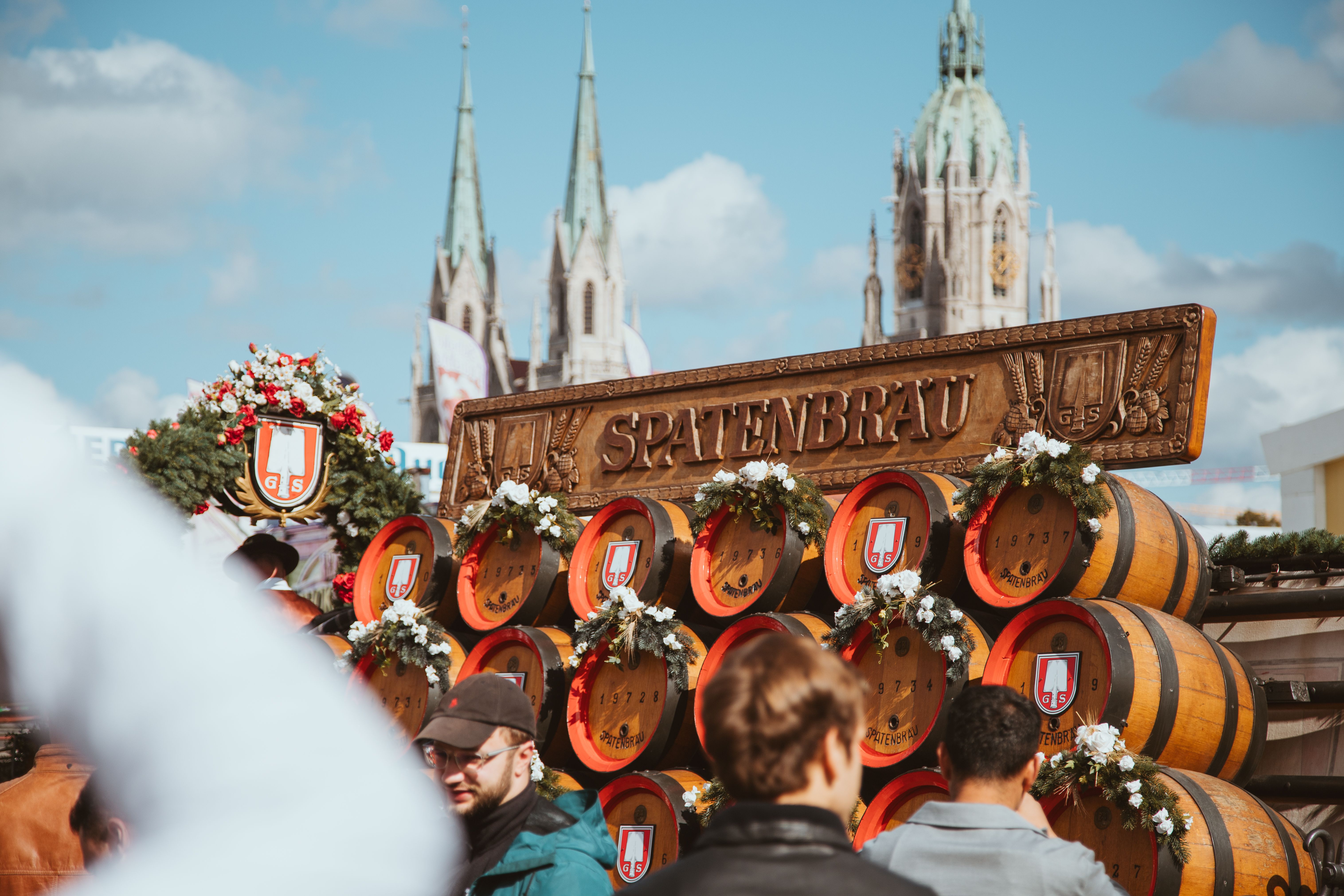
17 large tents, each run by a Munich landlord with one of the six Munich breweries (Augustiner, Hacker-Pschorr, Hofbräu, Löwenbräu, Paulaner, Spaten), seating several thousand, with a brass band on a central bandstand that switches from oompah to pop as the evening goes on
21 small tents, from the wine tent to the duck roasters and the coffee tents, with more food and less noise
The Oide Wiesn at the south end, a historic festival with old rides, traditional music and quieter tents, with a small admission charge
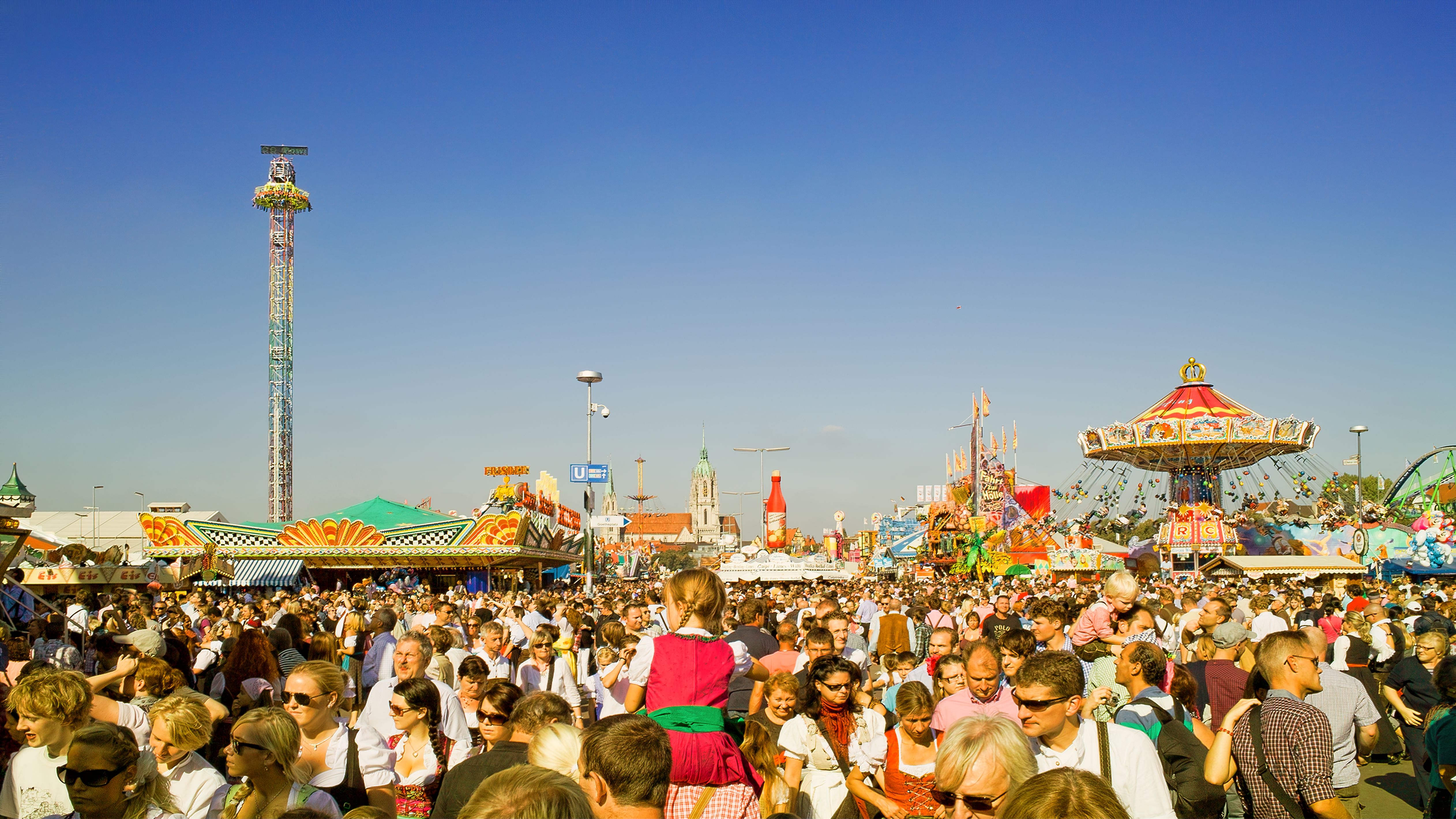
The funfair: the Ferris wheel, the wooden roller coaster, swing rides, shooting galleries and the Teufelsrad
The parades on the opening weekend, the gun salute at the close, and the Bavarian central agricultural show in some years
Beer gardens outside each tent on fine days, the easiest place to find a seat
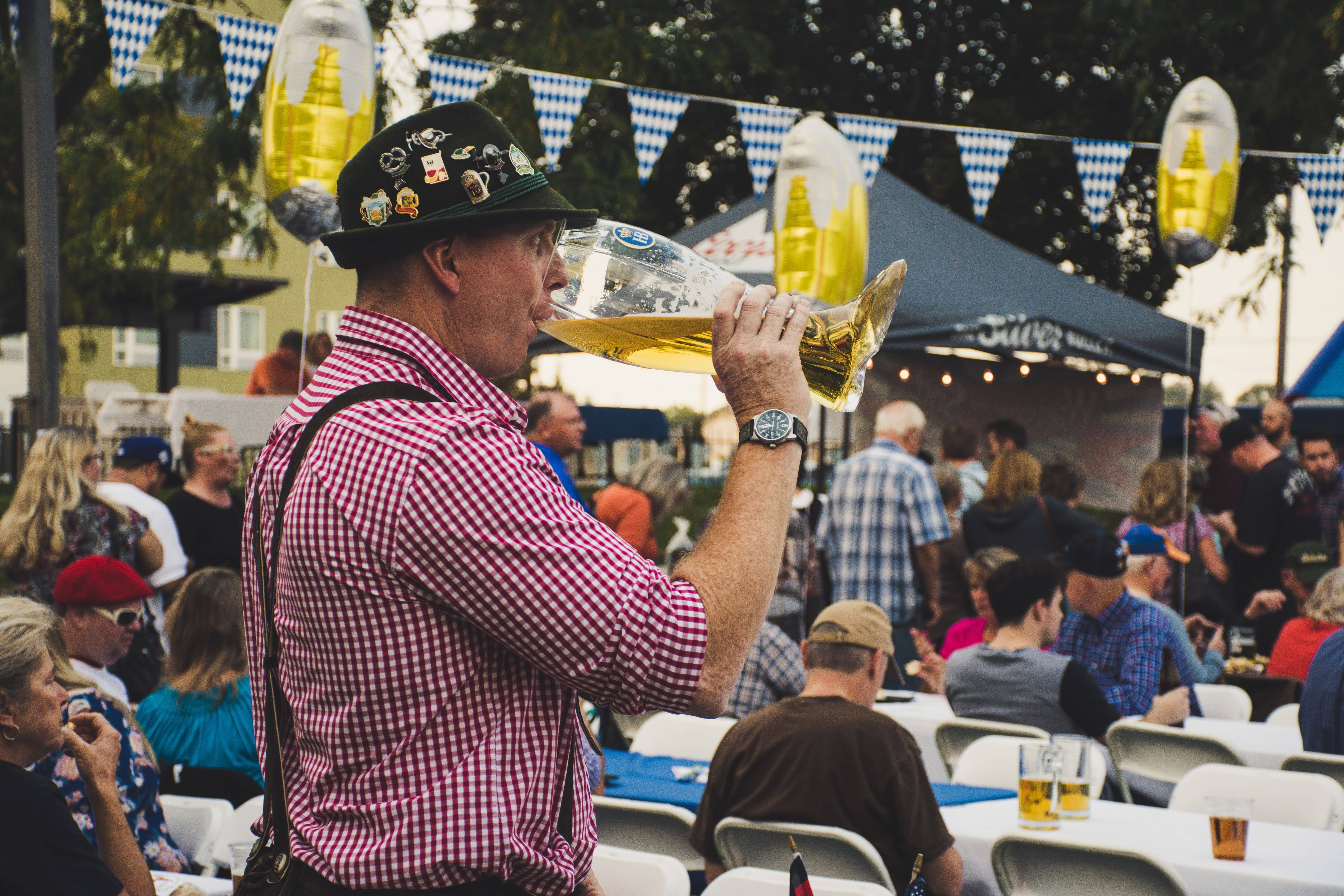
The atmosphere inside a tent after 18:00 is what people come for: everyone on the benches, the band playing "Ein Prosit" every fifteen minutes and the whole hall drinking on cue, strangers linking arms, servers carrying eight litres at once. In the daytime it is a family fair with chicken and pretzels; after dark it is a party.
Tip: First visit, go on a weekday at 11:00, pick a tent by walking the row, and sit in a beer garden if the sun is out; save the evening tent for later in the trip when you know how the system works.