Скачать в App StoreDownload Gohub App on the App Store
Gohub Logo – Travel eSIM Provider
AsiaChina eSIM

Spring Festival China 2027: Dates, Tickets and How to Get There

  • Feb 6 – 20, 2027 (holiday week expected Feb 5 – 11)
  • China (Shanghai, Guangzhou, Xi'an)
  • Last updated: 14 окт. 2026 г.

Spring Festival China 2027

Overview

Spring Festival (Chunjie) is China's lunar new year, the country's biggest holiday and the largest annual migration on earth. In 2027 New Year's Day is Saturday 6 February, the public holiday week is expected to run 5 to 11 February, and the season closes with the Lantern Festival on 20 February. Shanghai gives visitors the easiest version: the Yu Garden lantern festival, red-lit old streets, the Bund and the city at its quietest.

Highlights

  • New Year's Day Saturday 6 February 2027; Lantern Festival 20 February
  • Public holiday week expected 5 to 11 February; confirmation due in late 2026
  • Shanghai's Yu Garden lantern festival: 80 RMB adult in 2026, five free zones to the Bund
  • Yu Garden closes on New Year's Eve; peak days run 14:00 to 22:00
  • Metro Lines 10 and 14 stop at Yu Garden station, Exit 7
  • Shanghai in February: 10°C by day, 3°C at night, rain on 4 days in 10

Good to know

Dates
New Year's Day Sat 6 Feb 2027; holiday week expected 5 to 11 Feb; Lantern Festival Sat 20 Feb; Yu Garden lanterns likely mid Jan to early Mar
Opening hours
Yu Garden lantern zone 16:00 to 22:00 on regular days and 14:00 to 22:00 on peak days (2026); closed on New Year's Eve
Venue
Yu Garden and the Old City, Huangpu District, Shanghai (about 31.227 N, 121.492 E); lantern route to the Bund
Entry
Streets, the Bund and five lantern zones free; Yu Garden folk-art zone 80 RMB adult, 50 RMB child (2026)
Getting there
Pudong Airport about 33 km from the centre; Metro Line 2 then Line 10 or 14 to Yu Garden station
Recommended eSIM
China eSIM

Two weeks when China stops, and your phone does not

Spring Festival is the moment the Chinese year resets. On New Year's Eve, 5 February 2027, families gather for the reunion dinner and watch the televised gala; at midnight firecrackers go off wherever they are still allowed; on New Year's Day the streets are quiet and red; and over the following fortnight the country visits relatives, temples, lantern fairs and flower markets until the Lantern Festival on 20 February. Shanghai dresses for it: Yu Garden and the Old City hang thousands of lanterns in a route that runs to the Bund, the towers light up in red, and the city empties of its migrant workforce, so for once the metro has seats.

Everything a visitor does in that fortnight runs through a phone. Lantern festival tickets are timed e-tickets in a Chinese app, trains to anywhere else sell out on a platform you need data to use, restaurants that stay open take bookings by QR code, and every payment is Alipay or WeChat Pay. Hotel Wi-Fi stays in the hotel and, like every local network, blocks Google Maps, WhatsApp and Instagram. A China eSIM installed before you fly keeps the maps, the tickets and the family video call working from the moment you land.

Timed lantern tickets in a Chinese app

The Yu Garden folk-art lantern zone sells dated, timed tickets through its official WeChat account and the big Chinese travel platforms, and the holiday-week slots sell out. Buying, changing a slot and showing the QR code at the gate all need a live connection.

The one empty week and the two full ones

Shanghai itself is calm over the holiday, but every train and flight out of it is packed from about 1 to 5 February and 11 to 14 February. The rail app, a live map and ride-hailing are how you find seats, open metro exits around the Old City crowd-control zones and a car home after the Bund light show.

Regrouping in the lantern crowd

The lanes around Yu Garden are one-way on peak nights and the Bund promenade is shoulder to shoulder at 20:00. Live location sharing in a group chat is how a family that stopped for a photo finds each other again, and it needs every phone on its own data.

Reading what is open and what it costs

Half the restaurants in the Old City close for the holiday, and the notice on the door is in Chinese. So are the lantern festival rules, the menu at the dumpling stall and the sign about where fireworks are banned. Camera translation reads them in seconds with a connection.

Paying and calling home at midnight

Stalls, taxis and temple donations expect Alipay or WeChat Pay, which link to foreign cards but need data for every payment code. And at midnight on New Year's Eve, with fireworks in the distance, the call home is the one everyone makes.

Install your eSIM before you fly and be online when you land — see matching plans

The complete guide

When Is Spring Festival China in 2027?

Spring Festival China 2027 begins on Saturday 6 February 2027, lunar New Year's Day, the first day of the Year of the Goat. New Year's Eve is Friday 5 February, the public holiday week is expected to run from 5 to 11 February, and the season ends with the Lantern Festival on Saturday 20 February, the fifteenth day of the first lunar month. If you were in China for Spring Festival China 2026, it fell on 17 February, the Year of the Horse; the shift to 6 February in 2027 is simply the lunar calendar moving.

Why the date moves: Spring Festival is set by the Chinese lunisolar calendar. New Year's Day is the first day of the first lunar month, which falls on the second new moon after the winter solstice, so it drifts between 21 January and 20 February from year to year. The zodiac animal changes on that day too, not on 1 January.

The holiday calendar as it stands:

  • The State Council publishes the official holiday and make-up workday schedule in November or December of the previous year (late 2026). The 5 to 12 February window is the widely expected shape for 2027 based on standard practices, but remains provisional until then

  • Hong Kong has already confirmed public holidays on 6, 8 and 9 February 2027

  • Banks, government offices and many businesses close for the holiday week; shops, transport and tourist sites run throughout

Shanghai's lantern season around it: the Yu Garden lantern festival has run for 30 years and in 2026 ran for 36 nights, from 26 January to 3 March, closed on New Year's Eve itself; its six zones linked Yu Garden, the BFC riverside and the Bund. Expect the 2027 edition to open in mid-January and run to just after the Lantern Festival on 20 February, with 2027 dates announced by Yuyuan Garden Malls around the new year.

Tip: The easiest week is 7 to 12 February: New Year's Day is behind you, the lanterns are at their best, the city is calm, and you leave before the return-travel crush of the last holiday weekend.
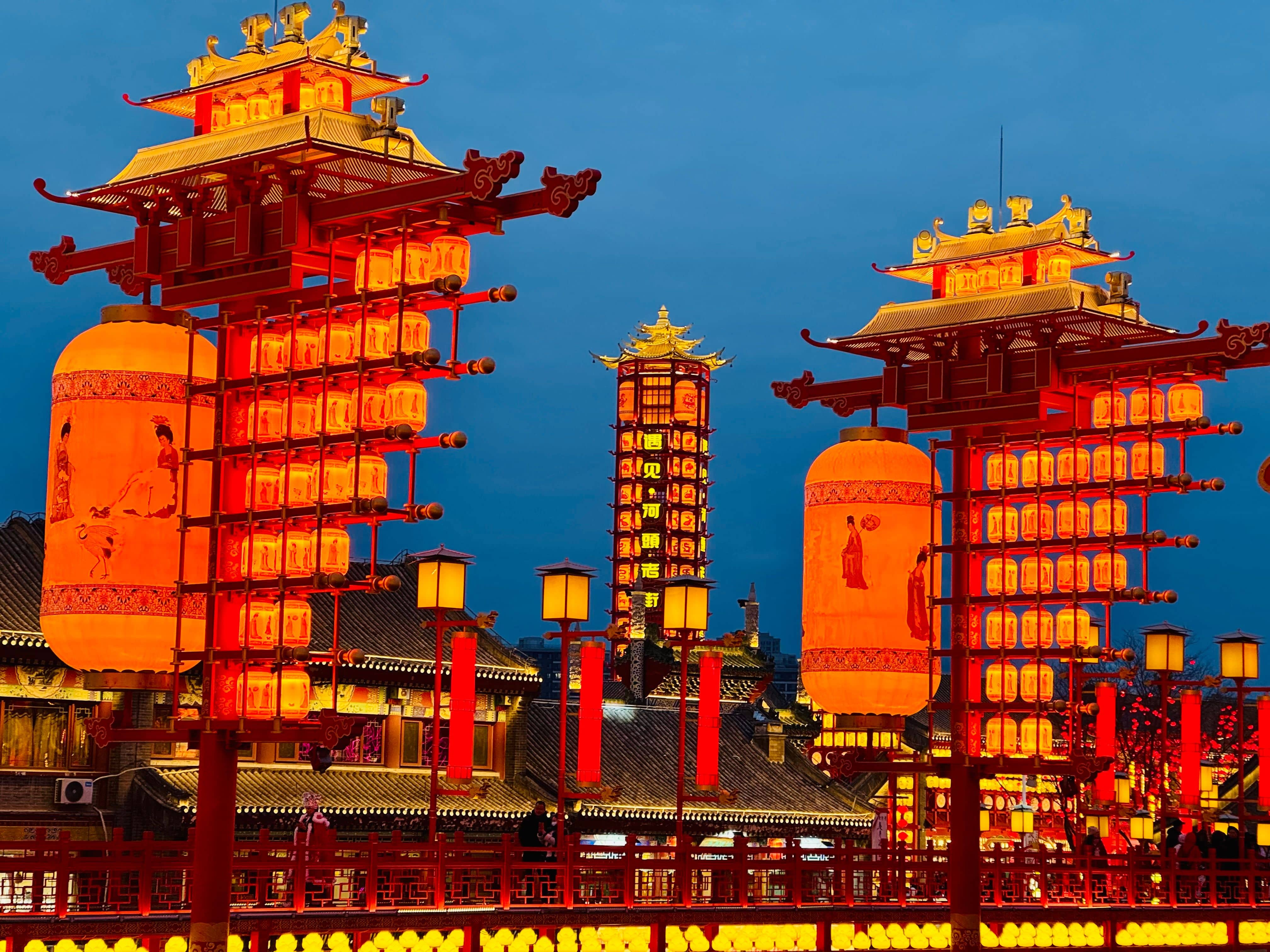
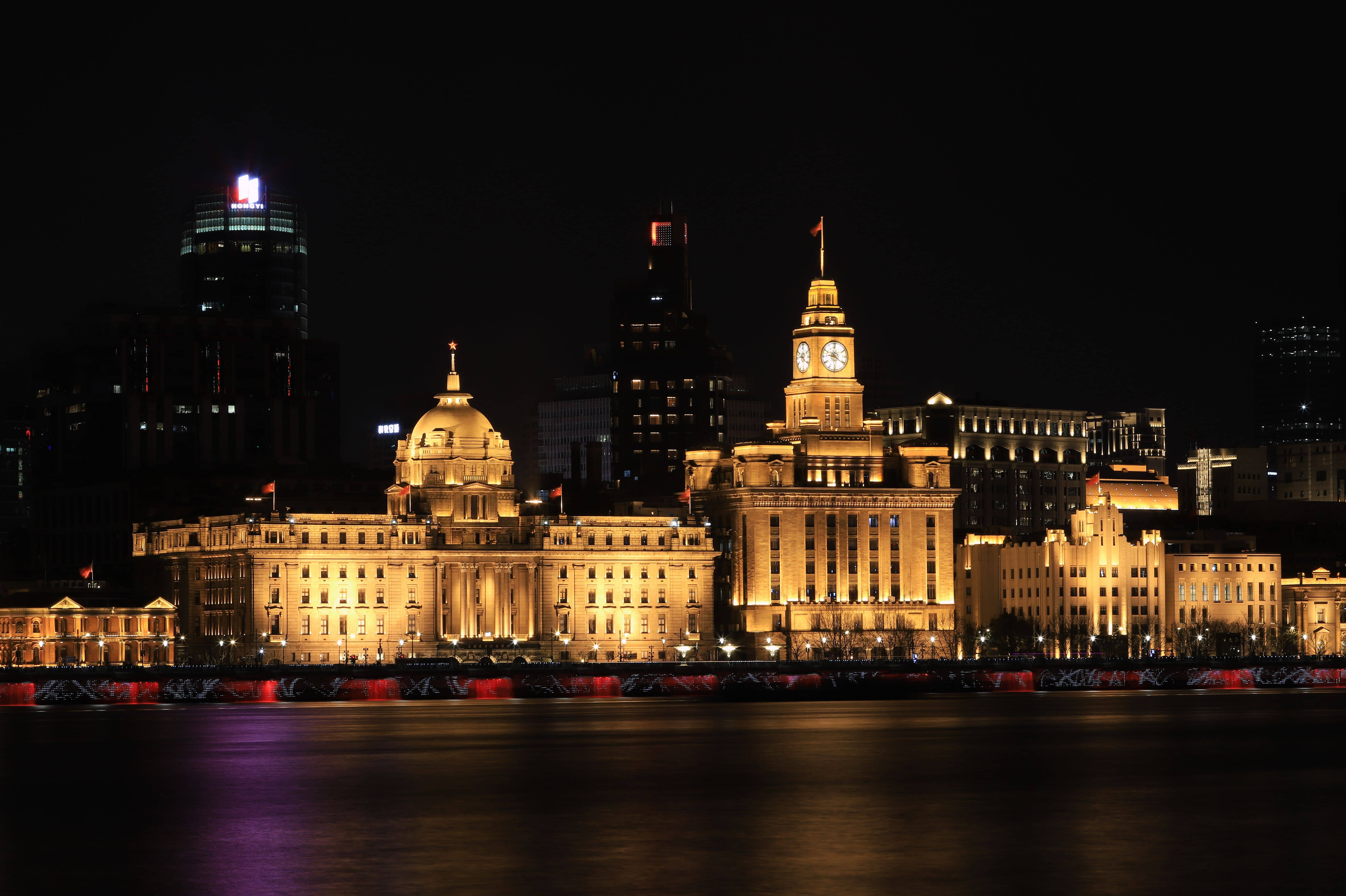
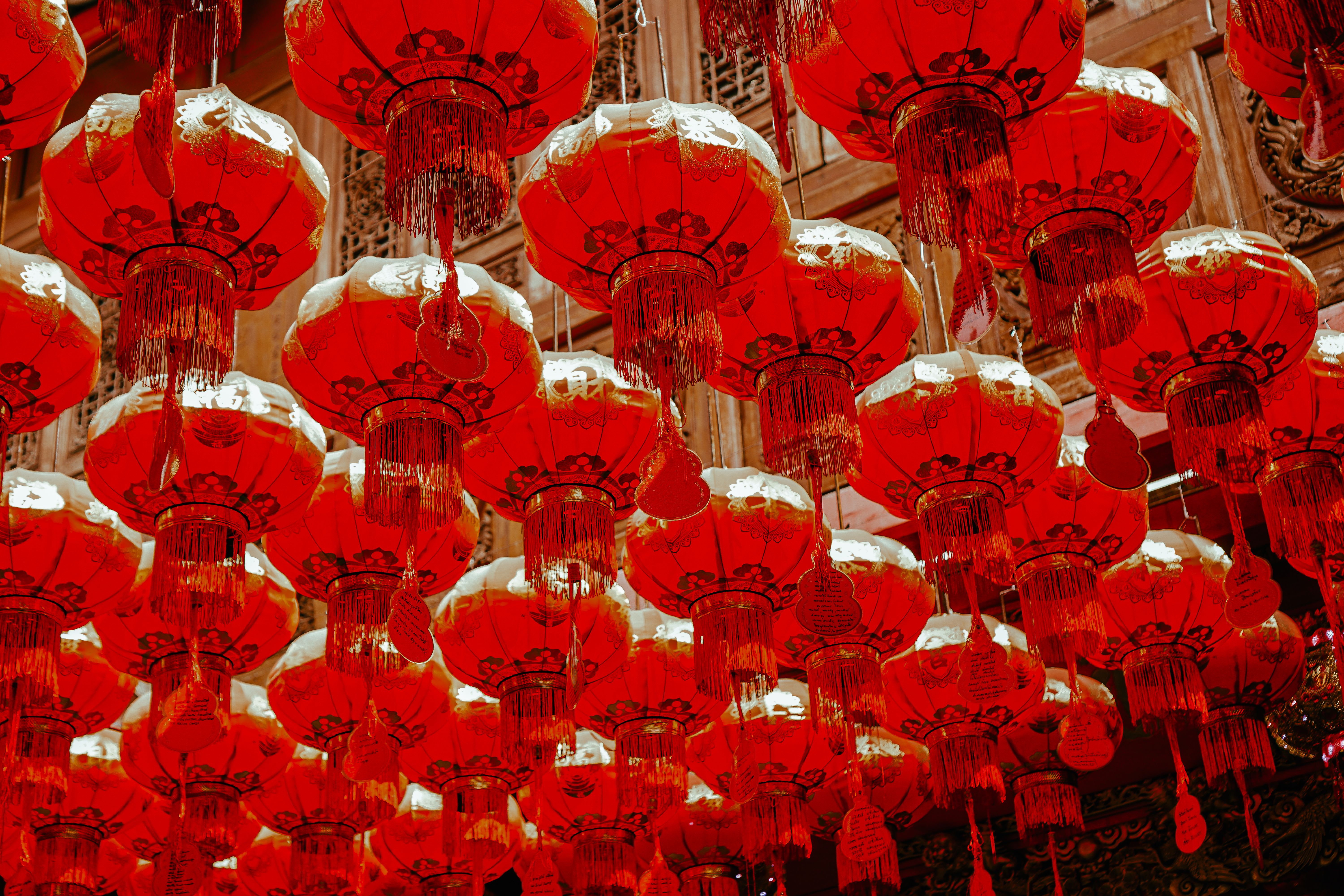
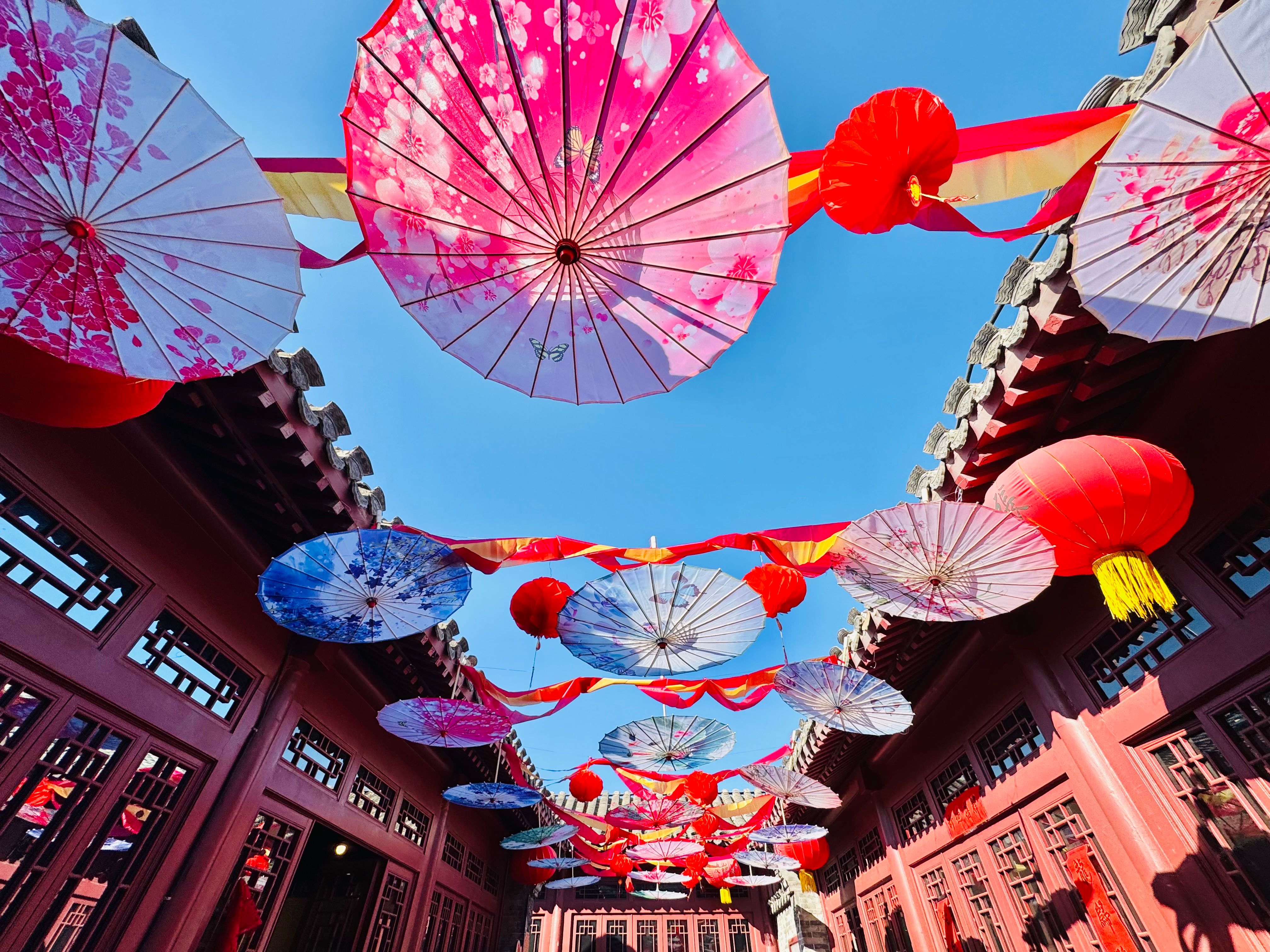
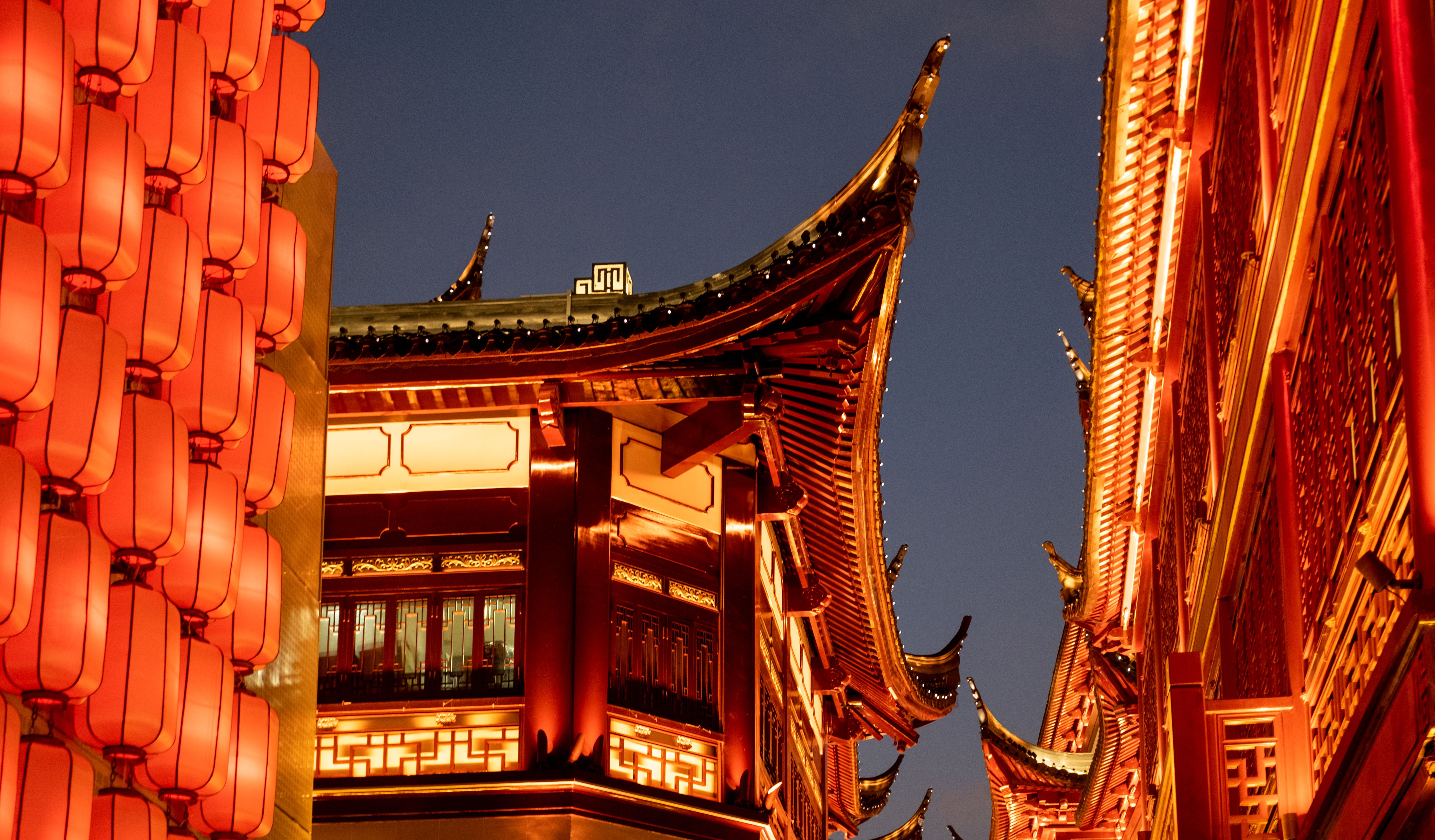
Red lanterns and a giant horse-shaped lantern installation glowing over the crowds at Yu Garden in Shanghai during the New Year lantern festival

Do You Need a Ticket, and What Does It Cost?

Most of Spring Festival in Shanghai is free, and the one thing worth paying for is cheap. The red streets, the Bund light-up, temple visits, the flower and New Year goods markets and five of the six Yu Garden lantern zones cost nothing; the folk-art lantern zone inside the Yu Garden bazaar is the ticketed heart of it.

Yu Garden lantern festival, 2026 prices:

  • Folk-art lantern zone: 80 RMB adult, 50 RMB child and senior, with optional lantern bundles

  • Timed entry: regular days 16:00 to 22:00; peak days (Fridays to Sundays, the first to seventh day of the lunar year, and the Lantern Festival) 14:00 to 22:00

  • Closed on New Year's Eve, with no lights and no ticket sales that day

  • The ticket covers the lantern zone only, not Yu Garden the classical garden (separate admission, about 30 to 40 or the City God Temple

  • Free zones: the BFC riverside lantern zone, Gucheng Park, Middle Fangbang Road, Fuyou Road and the Bund lantern zone, which together make a lit walk from the Old City to the river

Where to buy: the Yuyuan Garden Malls official WeChat service account and the major Chinese ticketing platforms sell dated, timed tickets; foreign cards work on the main travel apps, and hotels and reputable operators can book for guests who cannot register. Holiday-week evening slots sell out days ahead; weekday afternoons are easy.

Elsewhere in China, Spring Festival tickets follow the same pattern: temple fairs in Beijing charge around 30 RMB, Xi'an's city wall lantern festival charges for the wall, Guangzhou's flower markets are free to walk. Nothing in China sells a "Spring Festival ticket" as such.

Note: Resellers appear every January selling Yu Garden "VIP fast passes" at several times the price. The official account and the major platforms are the only legitimate channels, and the fast pass does not exist.

The real costs of the fortnight are hotels and transport, both at holiday rates, and the reunion dinner if you book one at a hotel restaurant on 5 February.

Need a steady connection for transit and maps?See eSIM plans

Where It Happens and How to Get There

Spring Festival happens in every Chinese home, but Shanghai's version for visitors is centred on Yu Garden and the Old City in Huangpu District, at about 31.227 N, 121.492, with the lantern route running east to the Bund and the Huangpu River. Guangzhou's flower markets, Xi'an's city wall lanterns and Beijing's temple fairs are the other classic settings, each a flight or a high-speed train away.

Getting to Shanghai:

  • Pudong International Airport (PVG): about 33 km from the centre; Metro Line 2 into the city, then change to Line 10 or 14 for Yu Garden, in about 75 to 85 minutes; the Maglev to Longyang Road then Line 2 is faster to the east side; a taxi takes about 70 minutes depending on traffic and costs about150 to 190 RMB

  • Hongqiao International Airport (SHA) and Hongqiao Railway Station: about 14 km from the centre, Line 2 or Line 10 direct towards the Old City in about 35 minutes

  • High-speed rail from Beijing in about 4.5 to 6 hours and from Hangzhou in under an hour, but every seat into and out of Shanghai around 3 to 6 February and 11 to 14 February sells out weeks ahead on the official 12306 platform

Getting to Yu Garden and the lanterns: Metro Line 10 or Line 14 to Yu Garden station, Exit 7, puts you at the edge of the bazaar; Line 2 or Line 10 to Nanjing East Road is a 15-minute walk to the Bund end of the lantern route. On peak evenings the police run one-way pedestrian flows through the Old City lanes and close some metro exits as they fill.

Getting around the city: the metro runs normally through the holiday and is quieter than usual; load the Shanghai transit code into Alipay or WeChat Pay or buy a transport card. Taxis are scarce on New Year's Eve and after the Bund light shows; ride-hailing works with a pin set a block away from the crowd.

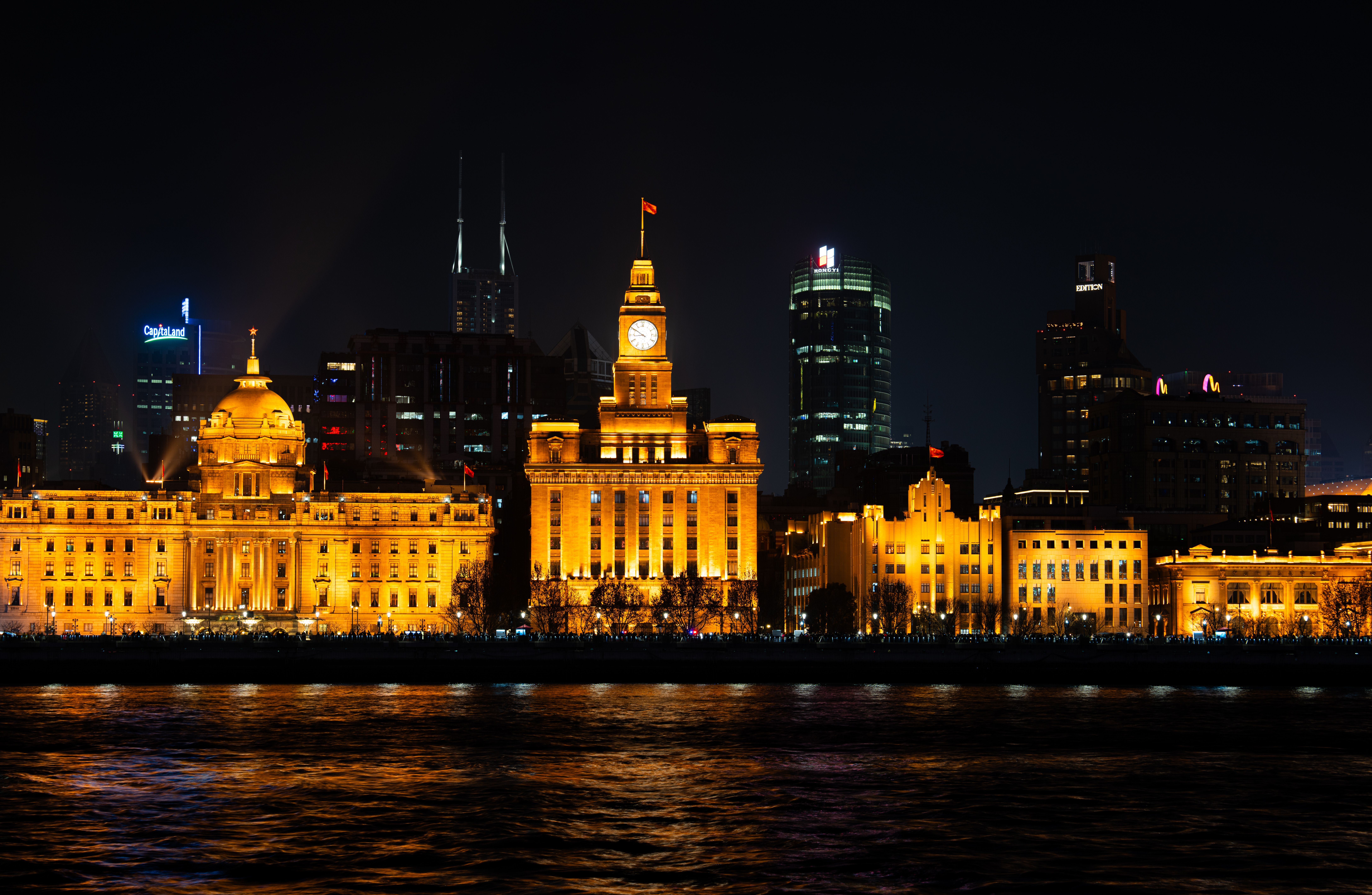
Tip: Walk the lantern route from Yu Garden to the Bund, not the other way, so you finish on the river with the lit towers of Pudong in front of you, then take Line 2 from Nanjing East Road rather than fighting for Yu Garden station.

Getting back late: the lantern zones close at 22:00 and the metro runs until around midnight [TO VERIFY last trains]; on Lantern Festival night, 20 February, the Old City is at its fullest and the walk to Nanjing East Road is the fastest way out.

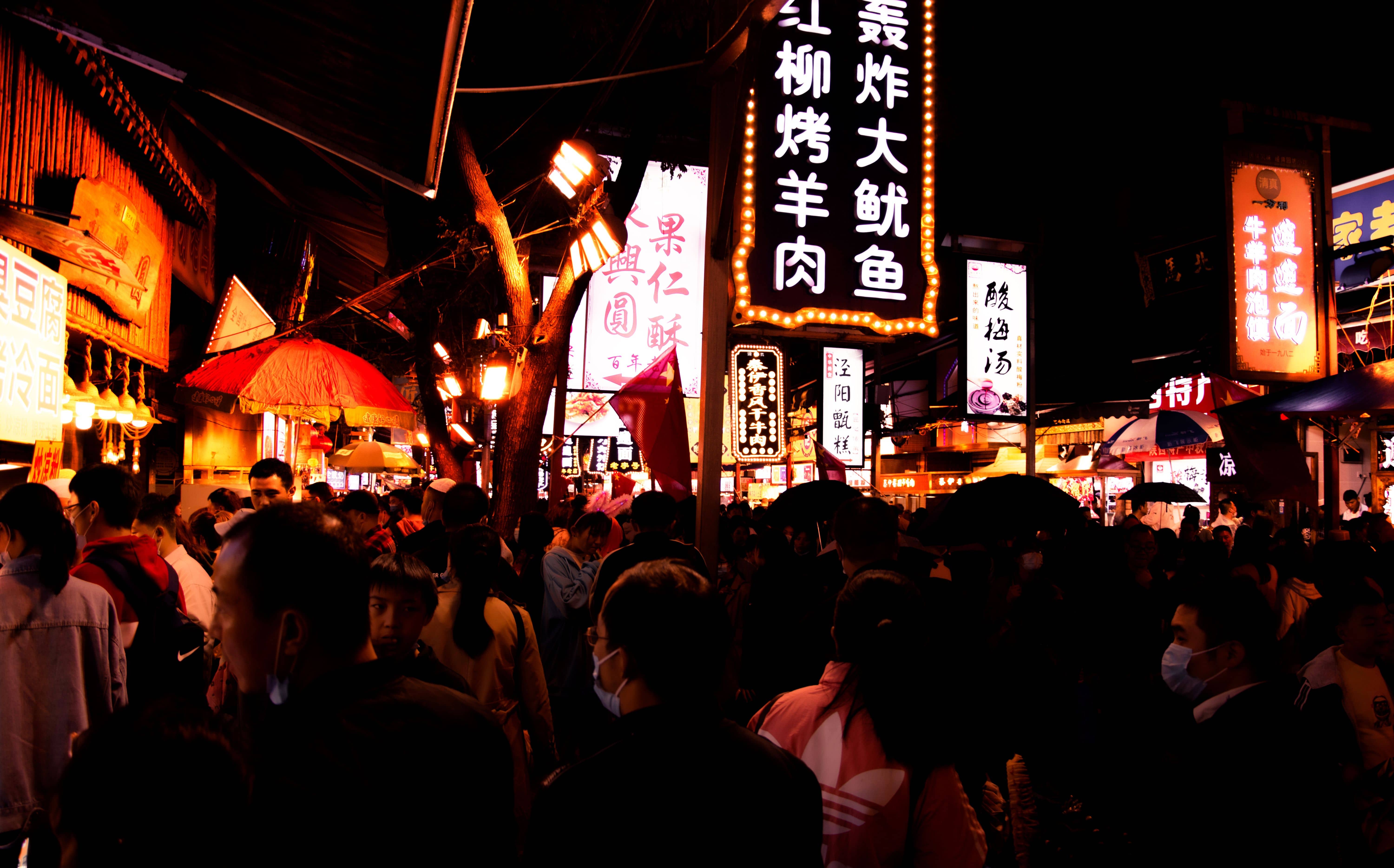
Yu Garden metro station exit on Shanghai Metro Line 10 with festival crowds heading into the lantern-lit Old City streets

What Actually Happens, Hour by Hour

Spring Festival has a shape that repeats in every city, and Shanghai layers lanterns on top of it. The 2027 programme for Yu Garden will be officially published by the organiser (Yuyuan Garden Malls) around late December 2026; the verified pattern below follows recent successful editions:

  • Afternoon: markets are packed with last shopping; the Yu Garden lantern festival is closed for the night

  • From about 17:00: reunion dinners, mostly at home or in hotel restaurants with tables booked weeks ahead; many street restaurants close

  • Evening: the televised New Year gala in every home; the streets go quiet

  • Around midnight: According to the Shanghai Municipal Bureau of Public Security regulations, all fireworks and firecrackers are strictly banned within the city's Outer Ring Road. Restricted zones also apply outside the Outer Ring Road (government compounds, cultural relics, and transport hubs), so expect sound exclusively from permitted outer suburban districts rather than any central display.

New Year's Day, 6 February:

  • Morning: families visit temples; the City God Temple beside Yu Garden and Longhua and Jing'an temples are busy with incense from early

  • Daytime: red envelopes for children, visits to relatives, lion dances outside shopping malls, shops largely shut

  • Evening: the Yu Garden lantern festival reopens on a peak-day schedule, 14:00 to 22:00, with the lights on from around 17:00

The holiday week, 7 to 11 February:

  • Lanterns nightly at Yu Garden and along the free zones to the Bund; peak-day hours through the seventh day of the lunar year

  • Lion and dragon dances at malls and temples; the first working day brings dances in front of banks and offices

  • Day trips to the water towns, which decorate for the season

Lantern Festival, 20 February:

  • The last peak night: the Old City at its fullest, tangyuan sweet rice balls everywhere, riddles hung on lanterns, and the Bund route lit until 22:00

Best viewing: the Nine-Turn Bridge and the central square of the bazaar for the big zodiac installations, the BFC riverside for reflections, and the Bund promenade opposite Lujiazui for the finish.

Tip: Enter the ticketed zone in daylight on a weekday afternoon, see the craft lanterns without the crush, stay for the switch-on around 17:00, then walk the free zones to the river as the evening crowd arrives behind you.

Best Time to Arrive and What the Weather Is Like

Arrive in Shanghai by 4 February 2027 if you want New Year's Eve in the city, or on 6 or 7 February if you are here for the lanterns and the calm; leave by 10 or 11 February to miss the return-travel crush of the last holiday weekend, or stay through 20 February for the Lantern Festival if hotels allow.

Crowd levels on a scale of 1 to 5:

  • 1 to 4 February: level 4 on trains and at airports as the country goes home; level 2 in the city, with shops at their busiest

  • 5 February, New Year's Eve: level 1 in the streets after dark; restaurants either full or shut

  • 6 February, New Year's Day: level 4 at temples in the morning; level 2 elsewhere; level 5 at Yu Garden from 17:00

  • 7 to 11 February: level 4 at Yu Garden and the Bund nightly, level 2 across the rest of Shanghai; the easiest tourist week of the year for museums and the metro

  • 12 to 14 February: level 5 on every train and flight out; level 2 in the city

  • 20 February, Lantern Festival: level 5 in the Old City and on the Bund

Weather: Shanghai in February is cold, damp and grey more often than not. The average high is about 10°C and the low about 3°C; measurable rain falls on about 40 percent of days, snow is rare, and the wind off the river makes the Bund feel colder than the thermometer. Cold snaps can drop to -4°C and a mild spell can bring 15°C, so pack for both.

Planning around it:

  • Layers, a warm coat, a scarf and gloves for the lantern evenings, which are the coldest part of the day

  • A compact umbrella; drizzle does not stop the lanterns

  • Indoor afternoons: the museums, the department stores of Nanjing Road and the covered food halls

  • Check the Yu Garden schedule for peak-day hours, which start at 14:00, to enter before the evening cold and crowd

Note: Daylight runs roughly 6:40 to 17:40 in early February. The lanterns switch on around 17:00, so an afternoon entry gives you both daylight craft and the full lit route in one visit.

Visitors in winter coats and scarves walking under rows of red lanterns on a cold, clear evening in Shanghai's Old City

Where to Stay and When to Book

Stay in Huangpu District, between the Old City and People's Square, and the lanterns, the Bund and Nanjing Road are all on foot; the French Concession is the next-best choice for cafés and restaurants that stay open through the holiday.

Areas to consider:

  • The Old City and Yu Garden: a few boutique hotels in the lanes, the lantern zones outside the door, and the quietest nights once the zones close at 22:00; limited choice, booked early

  • The Bund and Nanjing East Road: historic and international hotels with river views, the lantern route ending at your door, the metro to both airports; the most expensive nights of the year over the holiday

  • People's Square and Nanjing West Road: the widest choice at every price, museums and department stores for cold afternoons, 15 minutes by metro to Yu Garden

  • The former French Concession: plane-tree lanes, cafés and bars that stay open, 20 minutes by metro to the Old City; the best base for a longer stay

  • Lujiazui in Pudong: towers with the Bund view in reverse, quieter at night, one stop across the river

When to book: Shanghai's central hotels for the holiday week fill from December, and the Bund river-view rooms go first; book by early January 2027 for choice. The quieter calendar helps elsewhere: hotels away from the Bund have space later than in Beijing, and rates fall sharply from 12 February 2027

Things to check before booking:

  • Registration to host foreign guests, which the police require and some budget hotels cannot do

  • Whether the hotel restaurant is open on 5 and 6 February, and whether it takes reunion-dinner bookings; it is the easiest New Year's Eve dinner in town

  • A river-facing or high floor for the Bund lighting, which is a free nightly show over the holiday

Tip: Book a cancellable rate now, then watch for the State Council holiday announcement in late 2026; if the official week shifts, you want the freedom to move your dates with it.

Staying Connected During the Festival

Public Wi-Fi is not a plan during Spring Festival. The networks in the Old City and on the Bund want a Chinese mobile number to log in and collapse on the holiday evenings, hotel Wi-Fi stays at the hotel, and every local network runs through China's filters, so Google Maps, Gmail, WhatsApp, Instagram and most Western sites will not load on it. A VPN over hotel Wi-Fi is slow and unreliable, and no help in the street.

What you use data for over the fortnight:

  • Timed Yu Garden e-tickets and the organiser's peak-day schedule

  • Train booking on the official platform for any onward trip, where seats around 3 to 6 and 11 to 14 February sell out in hours

  • Live maps and the open metro exits during the Old City crowd-control evenings

  • A group chat with live location for regrouping in the lantern lanes and on the Bund

  • Camera translation of closure notices on restaurant doors, menus and fireworks rules

  • Alipay and WeChat Pay for stalls, taxis, temple donations and the dumpling counter; every payment needs a live connection

  • Ride-hailing after the lantern zones close

  • Video calls home at midnight on New Year's Eve, which is the call everyone makes

The fix is a China travel eSIM that routes data so your usual apps work, installed at home before you fly. Check that your phone is unlocked and supports eSIM (most phones from the last five years do), buy the plan, scan the QR code while you still have a good connection, and switch the line on when you land. 4G and 5G coverage across Shanghai, on the metro and on the high-speed lines is strong; the only slowdown is the Bund and the Old City between 19:00 and 21:00 on peak nights.

How much data: 1 to 2 GB a day covers maps, tickets, translation, payments and messaging. Video is the variable; a night of filming lanterns and the Bund and sending clips home can double it. For a week in Shanghai, 10 GB is comfortable, and 20 GB suits heavy social media use or a longer China itinerary. GoHub's China plans are listed on the eSIM for China page.

Tip: Keep your home SIM active for SMS so bank verification codes arrive, set the eSIM as your data line, and turn off data roaming on the home SIM. Download an offline map of Shanghai and save your hotel's address in Chinese as a backup.

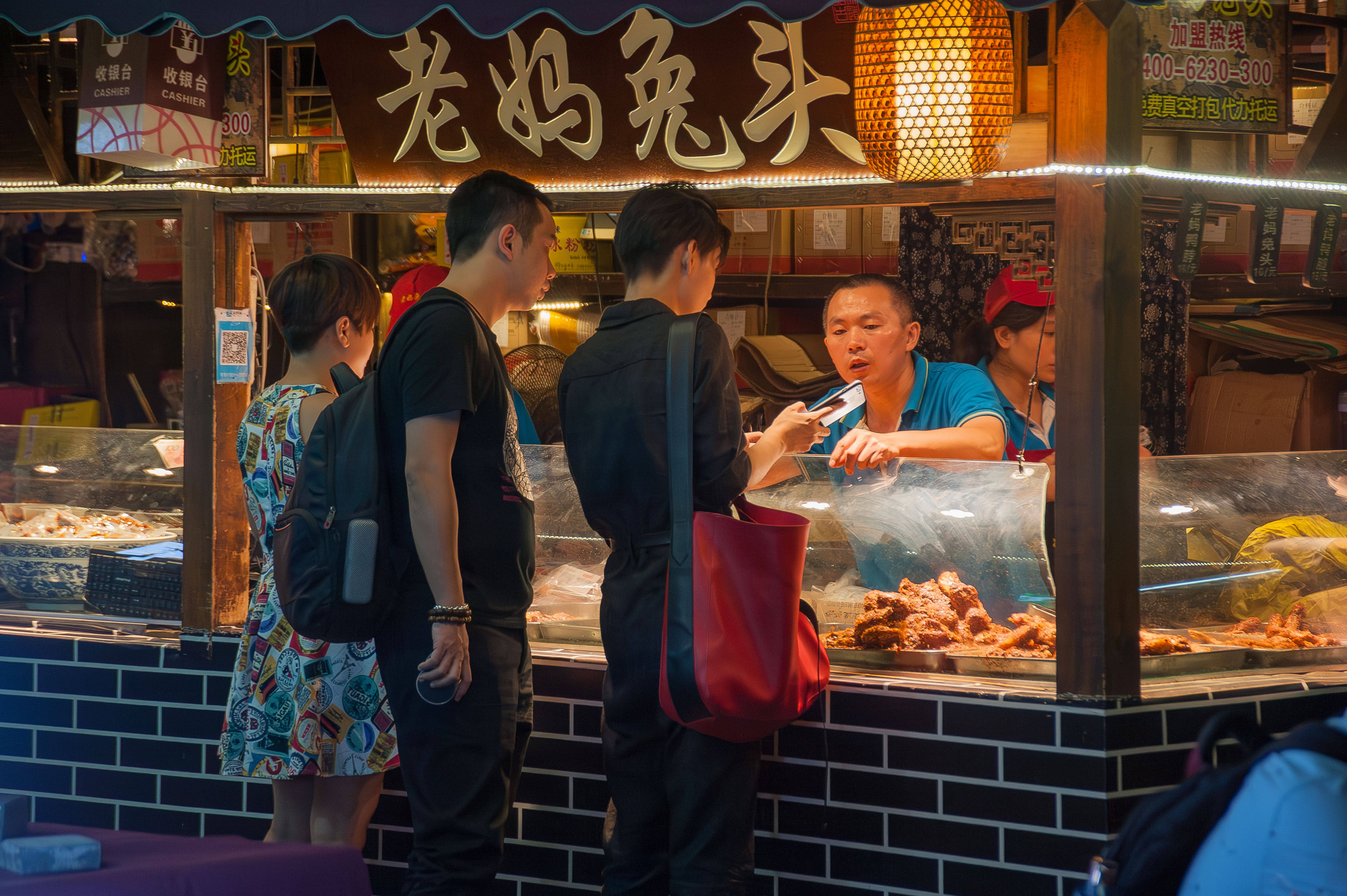
A visitor in a winter coat holding up a smartphone to scan a QR code at a lantern-lit entrance in Shanghai's Old City

Suggested itinerary

Day 1 · 5 February, New Year's Eve

  1. Around midday
    Pudong Airport to the cityLine 2 or a taxi; check in near People's Square or the Bund
  2. Afternoon
    Nanjing Road and the Old City marketsLast-minute New Year shopping; Yu Garden's lanterns are closed tonight
  3. Around 17:30
    Reunion dinnerHotel restaurant or hot-pot chain, booked ahead; most small restaurants close
  4. Evening
    Hotel or a river-view bar on the BundThe gala on every screen; the towers lit in red
  5. Around midnight
    A quiet corner near the riverDistant fireworks; the centre restricts them, so expect sound more than sight

Day 2 · 6 February, New Year's Day

  1. Morning
    City God Temple and Longhua TempleIncense and crowds from early; "Xin nian kuai le" to everyone
  2. Around 12:00
    Dumplings and tangyuan near Yu GardenThe open stalls in the bazaar; cash as a backup
  3. 14:00
    Yu Garden folk-art lantern zonePeak-day hours start at 14:00; see the craft lanterns in daylight
  4. Around 17:00
    Lights onStay for the switch-on, then walk the free zones along Fangbang and Fuyou roads
  5. Evening
    The Bund lantern zoneFinish on the river opposite Lujiazui; Line 2 home from Nanjing East Road

Day 3 · 7 February, the quiet city

  1. Morning
    Shanghai Museum or the Power Station of ArtThe museums are open and uncrowded over the holiday
  2. Around 13:00
    French Concession lunchThe lanes' cafés and restaurants stay open; plane trees and red lanterns
  3. Afternoon
    Tianzifang or XintiandiLion dances outside the malls on the holiday afternoons
  4. Around 18:00
    BFC riversideThe free lantern zone by the water for reflections and the Pudong skyline
  5. Evening
    Hot pot in Jing'anWarm, communal and easy to book by QR code

Day 4 · 8 February, water town and departure

  1. Morning
    Zhujiajiao or Qibao water townDecorated for the season; Line 17 or a short taxi
  2. Around 13:00
    Lunch by the canalsSteamed buns and braised pork knuckle at the canal-side stalls
  3. Afternoon
    Back to the city, Jing'an TempleGold roofs under red lanterns on the last afternoon
  4. Evening
    Flight out or onward trainTravel on 8 to 10 February to miss the 11 to 14 February return crush
Tip: Arrive on New Year's Eve, book the reunion dinner at a hotel restaurant, and do the Yu Garden lanterns on a weekday afternoon slot before the evening crowd.

Recommended eSIM plans

Pick by trip length. Visiting several countries? Choose a regional plan.

Selected: eSIM China 20GB 30 Day(s)

Set up your eSIM in 3 steps

  1. Order and get your QR codeThe QR code arrives by email right after payment.
  2. Scan before you flySettings → Cellular → Add eSIM, while you still have Wi-Fi.
  3. Turn on data when you landSet the eSIM as your data line and enable data roaming.

Frequently asked questions

Yes. Spring Festival (Chunjie) is the official Chinese name for the lunar new year holiday; Chinese New Year is the common English name for the same celebration. Both begin on lunar New Year's Day, 6 February 2027, and run to the Lantern Festival on 20 February. The holiday week, expected 5 to 11 February, is the Spring Festival holiday.

Good in the cities, hard on the roads. Shanghai, Beijing and Guangzhou are at their calmest over the holiday week, with lanterns, temple fairs and flower markets, while trains and flights between cities sell out around 3 to 6 and 11 to 14 February and hotels charge holiday rates. Stay in one city and it is a great visit.

Transport, hotels, malls, chain restaurants, convenience stores, museums and the big attractions stay open, and the Yu Garden lantern festival runs nightly except New Year's Eve. Banks, government offices and many small family restaurants close from New Year's Eve for three to seven days. Hotel restaurants and the French Concession are reliable for dinner on 5 and 6 February.

It depends on your passport. China has expanded visa-free entry and transit exemptions for many nationalities, but the list and permitted stays change often [TO VERIFY current rules]. Check with the Chinese embassy in your country two months ahead, and apply early, since consulates slow down before the holiday. Carry your passport; hotels require it.

Plan on 1 to 2 GB a day for maps, timed lantern tickets, train booking, translation, payments and messaging, and more if you upload a lot of lantern and Bund video. A 10 GB eSIM covers a week in Shanghai; take 20 GB for heavy social media use or a longer China trip. Install it before you fly.

Only in a limited way. Shanghai's central districts restrict private fireworks for safety and air quality, so at midnight you mostly hear firecrackers from the outer districts rather than see a display; permitted zones for 2027. For a guaranteed spectacle, the Bund light-up and the Yu Garden lanterns run nightly.