Скачать в App StoreDownload Gohub App on the App Store
Gohub Logo – Travel eSIM Provider
AsiaIndia eSIM

Diwali Festival of Lights 2026 in India: Dates, Locations, and Travel Tips

  • Nov 6 – 10, 2026
  • India (Jaipur, Ayodhya, Amritsar, Varanasi, Delhi)
  • Last updated: 14 окт. 2026 г.

Diwali Festival of Lights

Overview

Diwali is India's largest festival, lasting about five days to celebrate the victory of light over darkness. In 2026, the main night of Lakshmi Puja falls on Sunday, Nov 8, with the entire festival running from Nov 6 to 10. Homes, markets, and temples are adorned with oil lamps, and cities like Jaipur, Ayodhya, and Amritsar light up their old quarters. It's worth visiting but requires early booking.

Highlights

  • Main night of Lakshmi Puja falls on Sunday, Nov 8, 2026
  • Five-day festival runs from Dhanteras on Nov 6 to Bhai Dooj
  • Johari Bazaar and MI Road in Jaipur are brilliantly lit
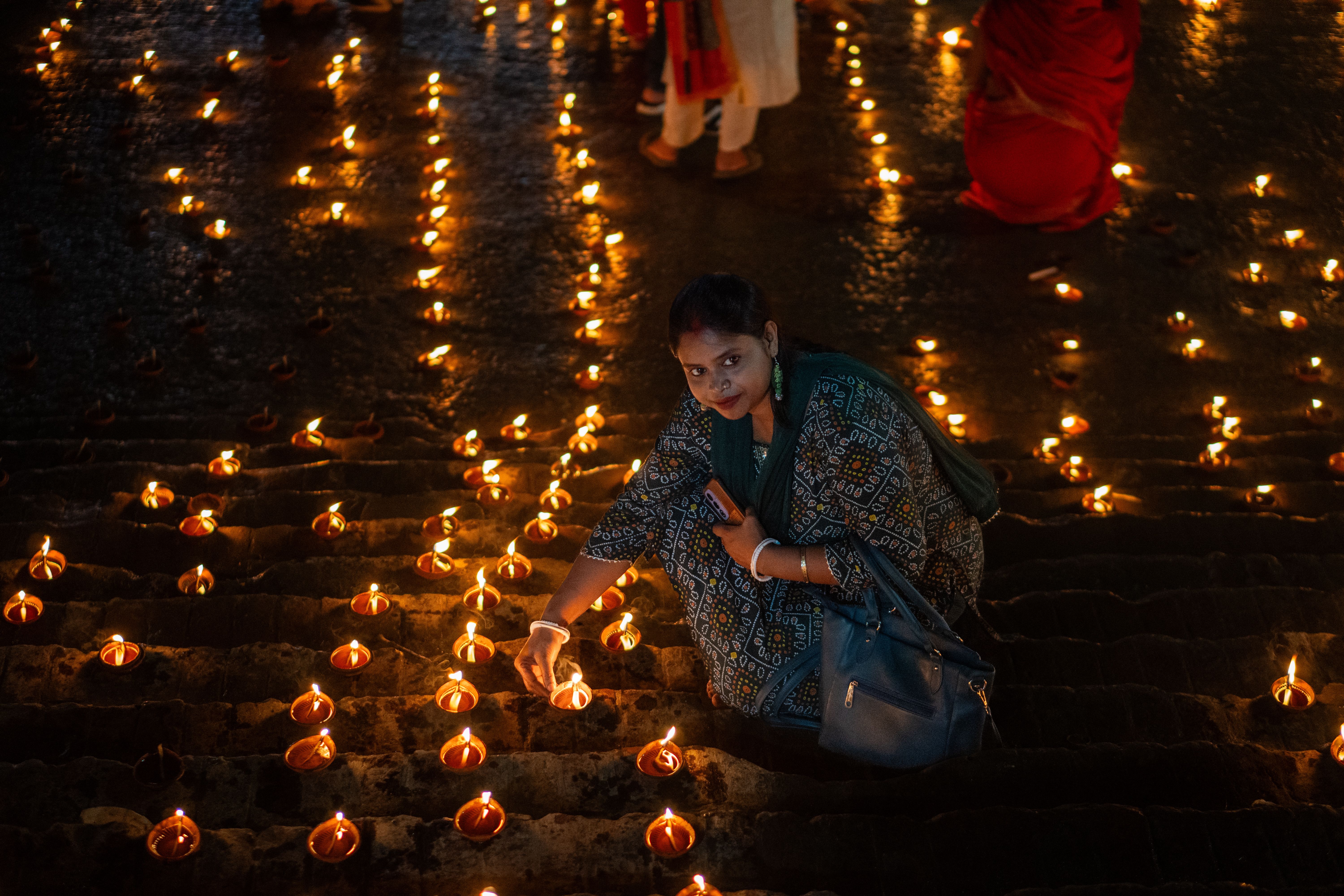
  • Ayodhya lights hundreds of thousands of oil lamps along the Saryu riverbanks
  • Amritsar's Golden Temple glows during Bandi Chhor Divas on the same night
  • Travel across the country is busy, so book trains, flights, and rooms very early

Good to know

Time
Main night Sunday, Nov 8, 2026; festival days from Nov 6 to 10, some calendars extend to Nov 11
Opening Hours
Evening puja times vary by city; one schedule notes approximately 5:30 PM to 8:55 PM
Location
Jaipur, Ayodhya, Amritsar, Varanasi, Delhi, Mumbai, and most Indian cities
Admission Fee
Markets, illuminated streets, and most temples are free; ticketed events cost between 2,500 INR and 7,000 INR per person (or up to 26,500 INR for complete 2-night royal palace gala packages).
Transport
Fly to Delhi or Mumbai then take a train, domestic flight, or hire a driver; book early
Recommended eSIM
India eSIM

Diwali is best when your phone has signal

Diwali is the only week when almost every Indian city moves and lights up together. That's what makes the festival magical, but it also makes improvisation very difficult. Millions of people return home or travel, trains and flights are fully booked, room prices skyrocket, and markets that are usually easy to walk through turn into slow-moving crowds. On the main night, families gather for twilight ceremonies, many shops close early, and the best spots for viewing lights fill up very quickly. Almost every decision you make, from which alley is still passable to which car is nearby, relies on online information. Networks are also prone to congestion: tens of thousands of people filming, texting, and posting photos in a single market can make the signal as slow as a turtle. If you land without data, you'll waste time looking for a SIM card counter; if you lose signal in a crowd, you won't be able to call a car, message your group, or translate signs. Consider data an essential part of your travel gear, like comfortable shoes and a power bank.

Booking trains and late-night rides

Train tickets, availability, and delay times can all be checked on your phone, and after the fireworks display, you'll want to call a car instead of walking a long distance. Ride-hailing apps show real prices and routes when roads are blocked and demand surges. Keep your data on to book, track, and share your ride.

Finding each other in the crowd

Markets like Johari Bazaar, Chandni Chowk, and the old city alleys of Amritsar are packed on festival evenings. Share your live location with the group, agree on a fixed landmark like a market gate, and pin it on the map. A quick video call is still more convenient than shouting over the music and firecrackers.

Translating signs, menus, and mobile payments

Signs and price lists at sweet shops are often written in Hindi or local script. Camera translation apps help you read prices and choose the sweets you want. Many stalls accept payments via UPI QR codes, which is very convenient when you run out of small change in a crowd conditions for use with foreign cards.

Calling home and reporting safe

Relatives in Vietnam will see crowded images and worry about you, especially when hearing news of smog in Delhi. An evening video call or a few photos of lanterns and sweets will reassure everyone, and cheap data makes it easy even from a rooftop or temple courtyard.

Install your eSIM before you fly and be online when you land — see matching plans

The complete guide

What is Diwali and why everyone loves it

Diwali, also known as Deepavali, is the festival of lights for Indians and Indian communities around the world. At the core of the festival is the belief that light triumphs over darkness, and good triumphs over evil. Each tradition tells a different story: many associate the festival with King Rama's return to Ayodhya, others with the goddess Lakshmi, who is believed to visit homes on the main night, and for Sikhs, it is also the festival of Bandi Chhor Divas. The date of the festival changes each year as it is based on the lunar calendar, so it falls in late October or November.

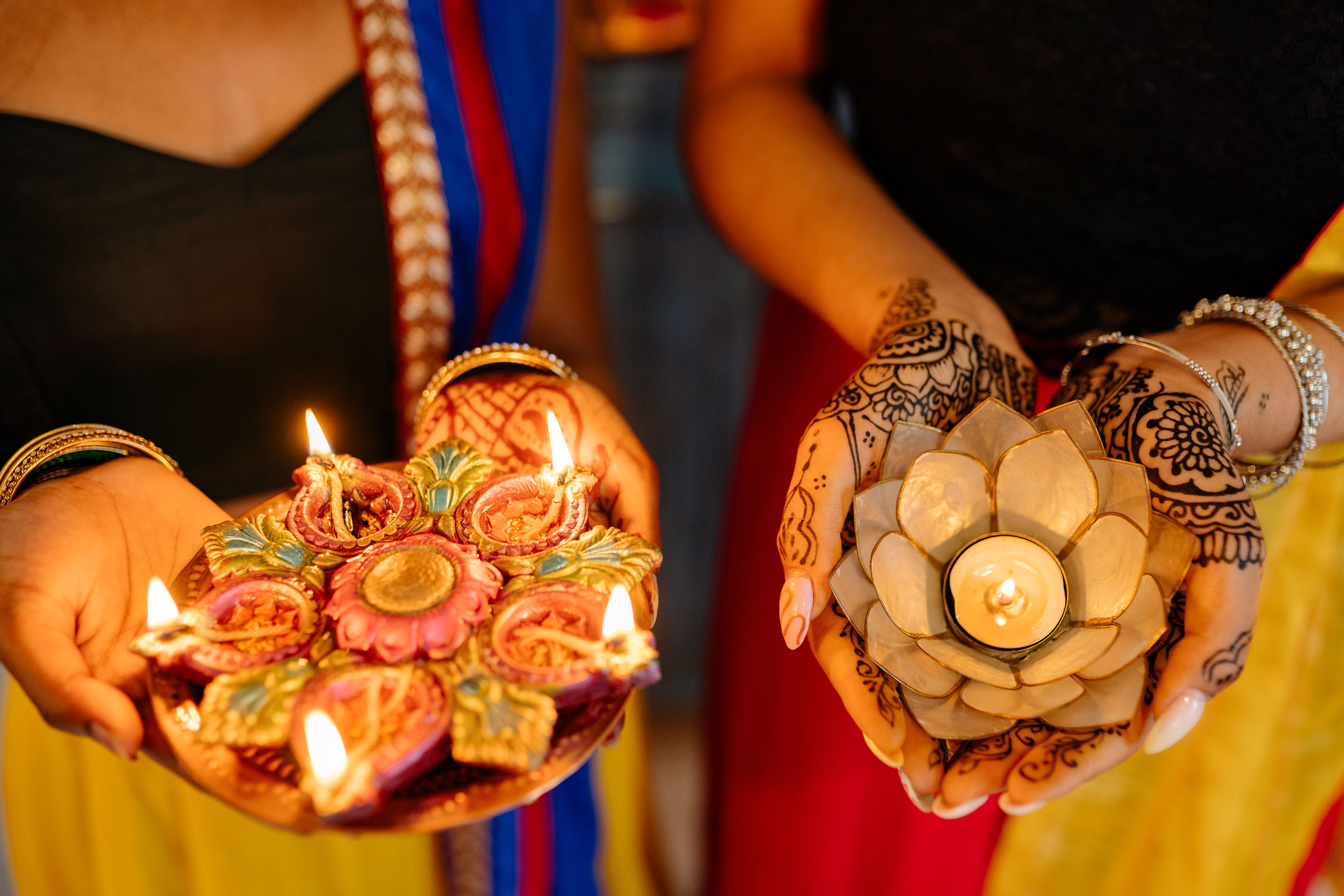
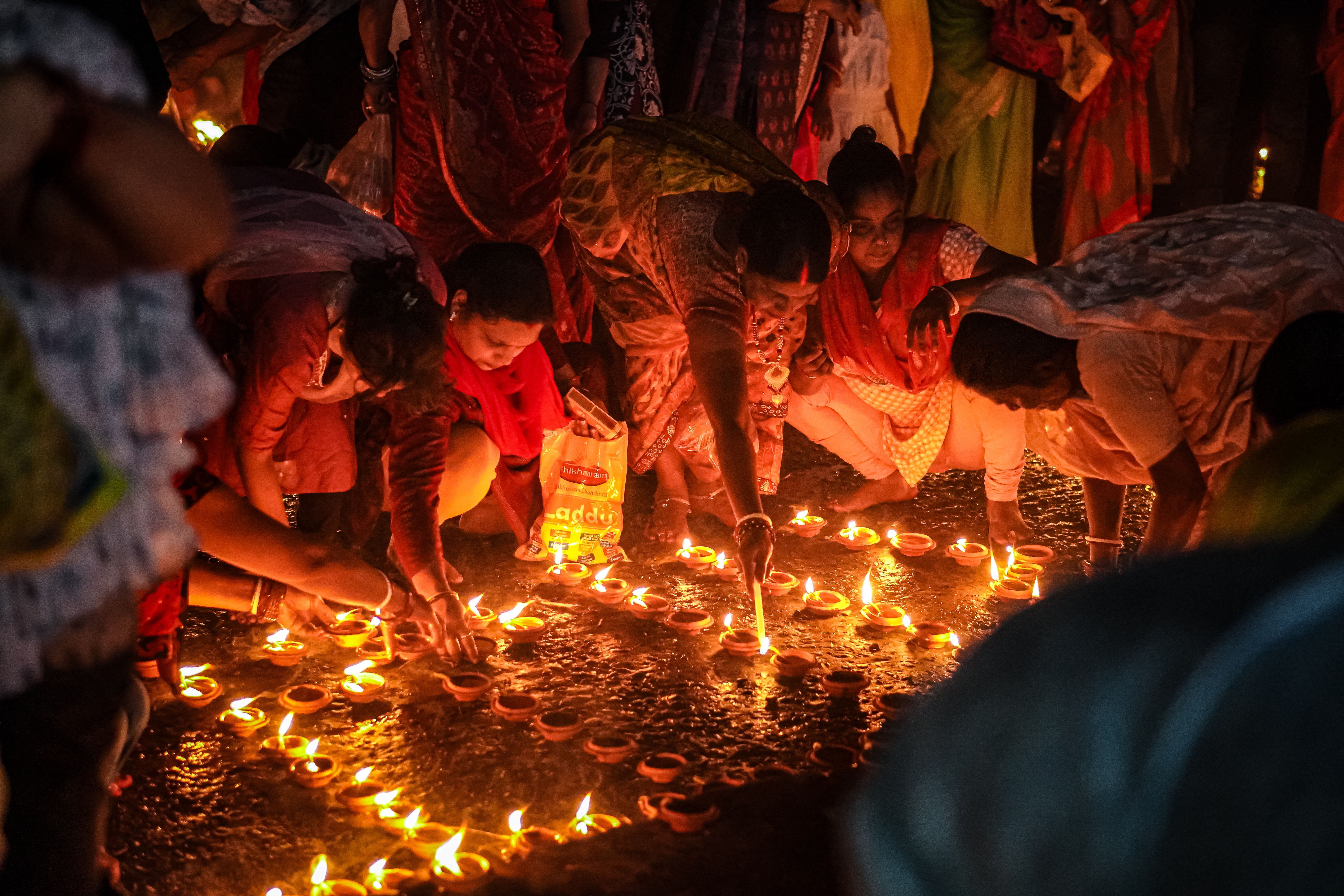
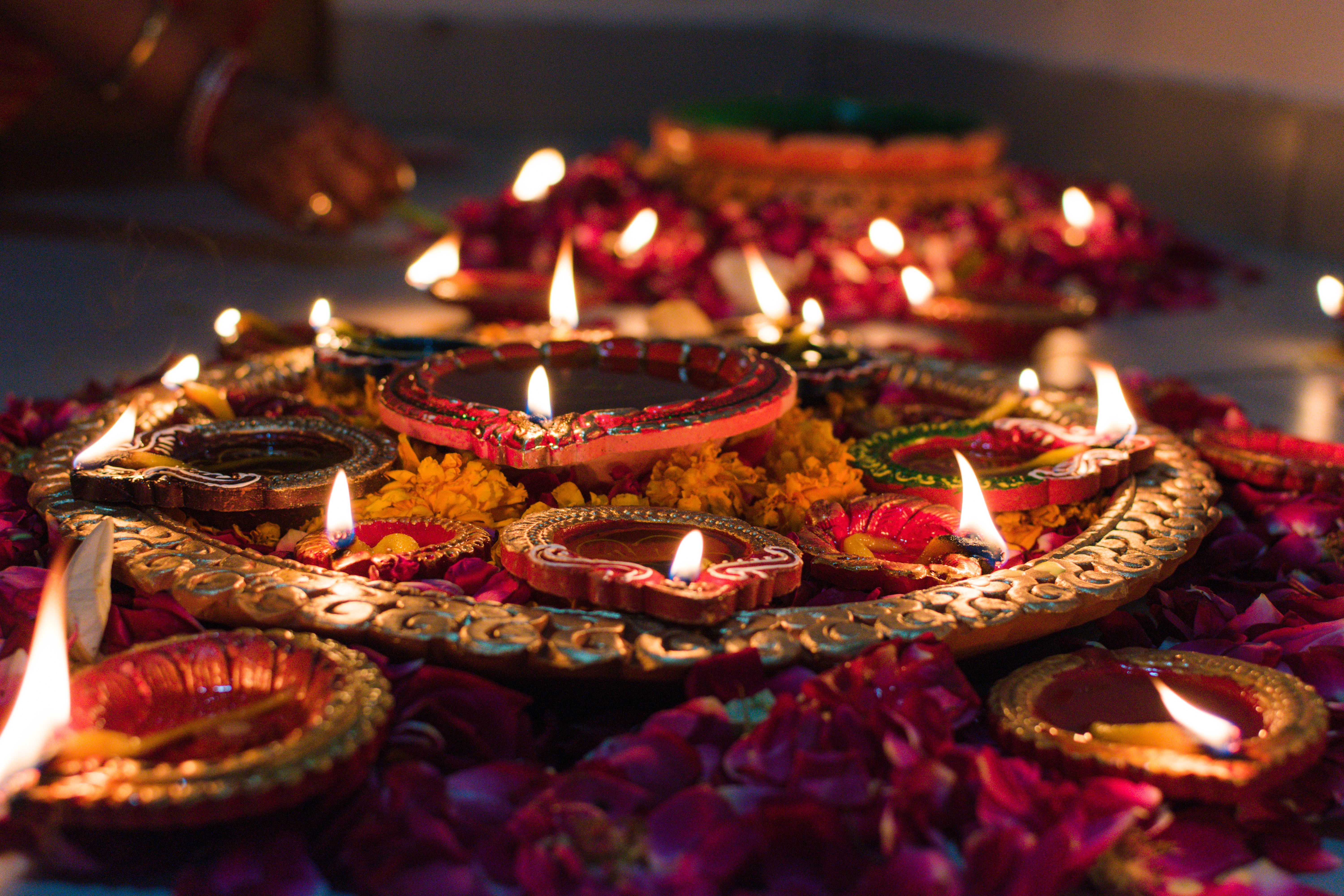
The first thing you'll notice is the atmosphere of preparation. Homes are cleaned and repainted, doorways are decorated with rangoli, patterns on the floor made from colored powder or flower petals, and earthenware oil lamps called diya are lit in rows on windowsills, rooftops, and temple steps. Markets are filled with lights, sweets, flowers, new clothes, and gold and silver. In the evening, the sound of firecrackers, temple bells, and family laughter blend together.

What to see, do, eat, buy:

  • See: markets, temples, forts, and riverbanks lit up after dark.

  • Do: watch or attend a Lakshmi Puja ceremony, light a diya, and try drawing rangoli.

  • Eat: sweets like ghewar, jalebi, gulab jamun, kaju katli, and savory dishes like kachori.

  • Buy: oil lamps, brassware, textiles, sweets as gifts, and if you like, a traditional outfit.

Tip: When offered sweets, accept them. Sharing mithai is part of the festival, and refusing might be seen as unfriendly. Taking a small portion and smiling is enough.
Five days of festivities, day by day

Diwali is not just one night but spans about five days. In 2026, Dhanteras falls on Friday, November 6, Naraka Chaturdashi (also known as Choti Diwali) on Saturday, November 7, the main Lakshmi Puja night on Sunday, November 8, Govardhan Puja on Monday, November 9, and Bhai Dooj on Tuesday, November 10. Some regional calendars push the last two days back by one day, so please confirm the specific dates in your chosen city.

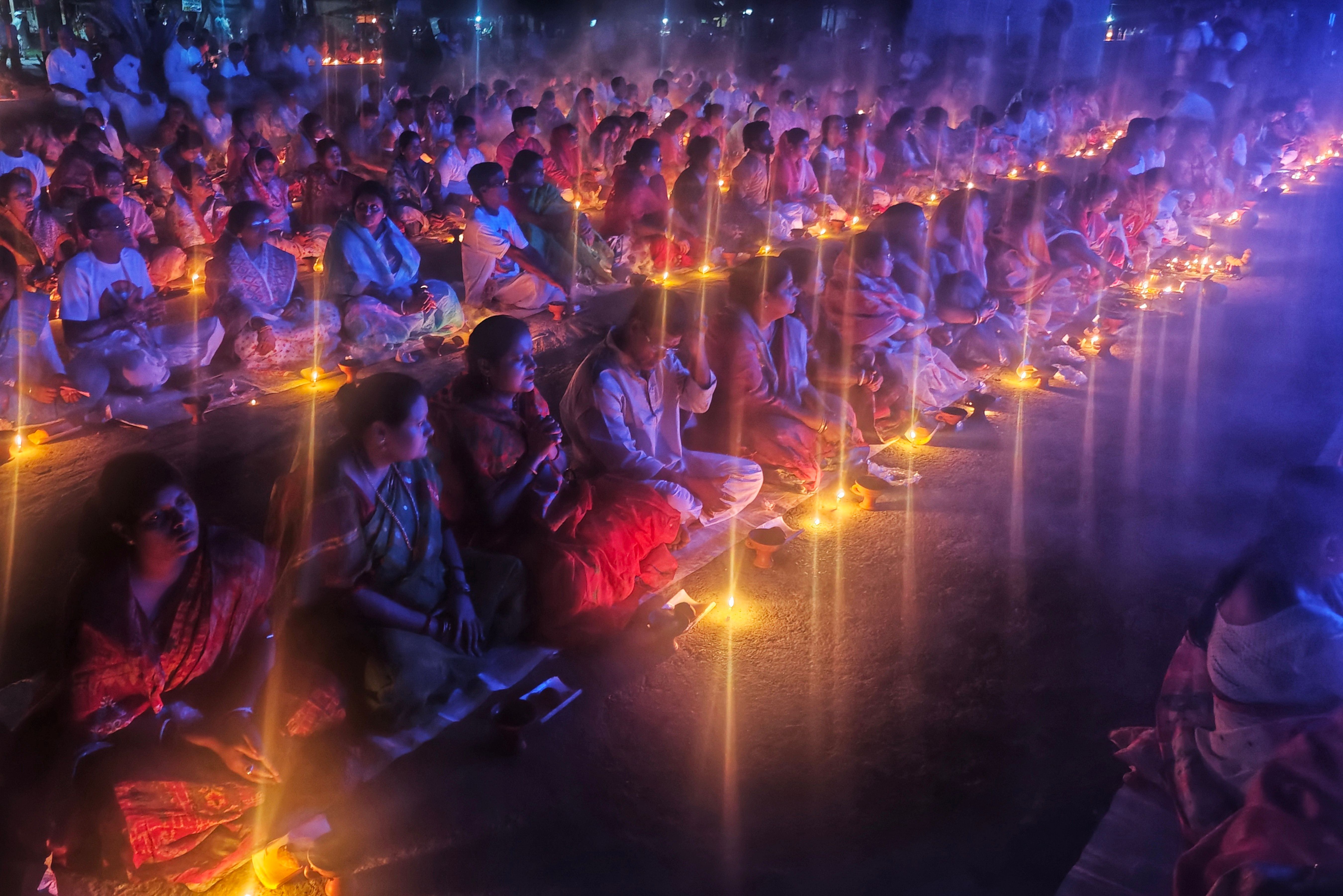
Dhanteras is the day when people buy gold, silver, or new kitchenware for good luck, so jewelry and metal markets are the busiest. Choti Diwali is a day for cleaning, decorating, and lighting the first lamps, and in some regions, people also take an oil bath at dawn. The third day is the main event: families gather at dusk to worship Goddess Lakshmi and Lord Ganesha, homes are lit with diyas, and fireworks explode after the ceremony. Govardhan Puja, also known as Annakut, is marked by large offerings at temples. Bhai Dooj concludes the festival as siblings exchange wishes and gifts.

Where and when to be present:

  • November 6 and 7: shopping markets are the busiest, suitable for photography and gift shopping.

  • November 8, late afternoon: arrive at a viewing spot for lights or a temple early, before roads are blocked.

  • November 8, evening: lights, ceremonies, and fireworks; the most beautiful but also the busiest night.

  • November 9 and 10: quieter, with temple feasts and family visits.

Note: Puja timings vary by city. Please look up the Lakshmi Puja schedule for your destination instead of using a general time.

Buổi cúng Lakshmi Puja ở bàn thờ trong nhà với vòng hoa cúc vạn thọ và đèn đồng
Need a steady connection for transit and maps?See eSIM plans

Which city to visit for the festival, and what's nearby

India celebrates Diwali in many ways, and the right city depends on what you want. Jaipur is easiest for newcomers: main markets like Johari Bazaar and MI Road are adorned with huge strings of lights, and the entire old city glows brightly at night. Ayodhya, traditionally the birthplace of King Rama, hosts Deepotsav with hundreds of thousands of oil lamps lit along the Saryu riverbanks, along with cultural programs and Ram Leela performances. This place is deeply spiritual and very crowded, so early planning is essential.

Amritsar combines Diwali with Bandi Chhor Divas: the Golden Temple is lit up with lights and fireworks over the sacred lake, creating a peaceful and moving scene. Varanasi has the evening Ganga aarti prayer ceremony at Dashashwamedh Ghat, although the city's biggest festival of lights is Dev Deepawali, which falls about 15 days after Diwali on the full moon night. Delhi and Mumbai have the largest markets and most options, but the air quality in Delhi can be very poor around the festival. In the east, Kolkata celebrates the main night with Kali Puja.

Where to choose:

  • Newcomers, wanting beautiful lights and easy dining: Jaipur.

  • Pilgrims, who enjoy grand spectacles: Ayodhya and Varanasi.

  • Quiet, sacred, and picturesque: Amritsar.

  • Shopping, dining, and many options: Delhi or Mumbai.

If you have more days, Jaipur connects very conveniently with Delhi and Agra, a familiar route for tourists, and from Amritsar, you can visit the Wagah border to watch the evening flag-lowering ceremony

Tip: Choose one city and stay for 2 to 3 days. Traveling between cities on festival days is both slow and tiring.

Best time to visit, weather, and air quality

To fully experience the atmosphere, arrive a day or two before November 8th to see the markets gradually light up. The night of November 8th is the peak, but also the most crowded and difficult to navigate. If you prefer a quieter experience, dedicate November 9th and 10th to temples and meals with locals, when the pace of life slows down and offerings are shared.

Early November is after the rainy season, so days are usually dry and pleasant, while evenings in the north are chilly. The specific temperature is Ranging from 27°C to 29°C, so check the forecast a few days before flying. A bigger concern is the air quality. Delhi and most of northern India are already heavily polluted during this season, and Diwali fireworks make it worse; in 2025, many areas in Delhi recorded air quality index above 350 on the day after Diwali, a level considered severe. Firework regulations in Delhi change annually, sometimes banning traditional fireworks, sometimes only allowing less polluting green fireworks.

  • Wear a fine particulate filter mask and use it in crowded, smoky areas.

  • Check the air quality index before planning to stay outdoors for long.

  • Choose a city with better air quality if you have asthma or cardiovascular conditions.

  • Close windows in the evening, consider a room with an air purifier.

Tip: If you have a choice, Jaipur or Amritsar are often more pleasant than Delhi for those sensitive to smoke.

Admission fees, bookings, and visas

Most Diwali activities are public and free: you can stroll through illuminated markets, watch evening prayers, and admire decorated temples without needing a ticket. Some performances, river events, rooftop dinners, or festive parties at ancient palaces may require tickets or reservations, with Prices range from 2,500 to 7,000 Rupees (INR) per person.. Large temples and shrines do not charge admission but may have hours-long queues on the main day, so arrive early or choose a less crowded day.

Things that must be booked early are trains, flights, hotels, and cars with drivers. As the entire country travels, popular routes sell out weeks in advance, and prices surge closer to the date.

Regarding visas, Vietnamese citizens typically apply for an e-Tourist Visa through the official Indian government portal; please confirm the conditions applicable to Vietnamese passports. Aggregate sites mention three types: 30 days, 1 year, and 5 years, with fees around 25 USD for 30 days during the season from July to March, 40 USD for 1 year, and 80 USD for 5 years, plus a 2.5% bank fee, so it needs to be cross-referenced. Passports must be valid for at least 6 months and have two blank pages. Submit your application at least 4 days before your arrival date; the earlier, the safer.

Pre-trip checklist:

  • Check the appropriate visa type for your nationality, only on the official portal.

  • Submit your application early, ideally a few weeks before the festival.

  • Print or save your e-visa approval letter and hotel information.

  • Book tickets and accommodation as soon as your dates are confirmed.

  • Purchase travel insurance that includes medical expenses.

Note: There are many fraudulent websites that charge extra fees. Only use the official government portal.

Sảnh đến của sân bay quốc tế Indira Gandhi ở Delhi

Getting around during Diwali

Fly to Delhi or Mumbai, then choose how to proceed. Between cities, trains and domestic flights are the main options, while hiring a car with a driver suits small groups needing flexibility, especially around Rajasthan. Book everything early. Within cities, the metro (where available, like Delhi) is fast and avoids traffic jams, while auto-rickshaws and ride-hailing apps are convenient for short distances. In old quarters like Jaipur's Pink City or the narrow alleys of Varanasi, you'll have to walk the final stretch as vehicles cannot enter.

On Diwali night, roads around major markets and temples are blocked or extremely slow. Be at your viewing spot before the crowds gather, then walk back or wait for the crowds to thin out. Late at night, demand for ride-hailing is very high and prices increase, so book a ride as the evening winds down instead of waiting until the last minute.

Travel tips:

  • Choose accommodation near a metro station or main road to easily leave when alleys are blocked.

  • Hire a car with a driver for multi-stop days in Rajasthan.

  • Allow extra time for all journeys on November 7 and 8.

  • Save your hotel address in the local script to show drivers.

  • Avoid riding on the back of a motorbike at night when fireworks are being set off.

Tip: If the street is safe and crowded, walk back through the brightly lit alleys. It's often faster, and it's also a beautiful part of the evening.

Accommodation: which area to choose and when to book

Where you stay determines your Diwali experience. Staying in or near the old quarter, like the Pink City in Jaipur, allows you to walk to markets and illuminated streets, but this area is noisy and vehicle access is restricted on festive evenings. Staying a bit further out offers quieter nights and easier access to main roads, but in return, you'll need to travel back and forth. In Amritsar, it's advisable to choose accommodation within walking distance of the Golden Temple; in Ayodhya and Varanasi, opt for places within walking distance of the river ghats.

Prices increase sharply and well-located rooms sell out quickly, so book as soon as your dates are confirmed, preferably with free cancellation. Heritage guesthouses and homestays often host festive dinners and offer a closer look at local customs. Ask your accommodation if they have quiet hours or rooftop access restrictions.

Look for accommodation with:

  • Free cancellation policy, in case of changes to transport or plans.

  • Walking distance to a main market or temple.

  • Sealed windows or air purifiers if you are concerned about smog.

  • A host who knows the Lakshmi Puja timings and places that are closed.

  • Early check-in or luggage storage on arrival day.

Tip: Book one accommodation for your entire trip. Changing hotels on November 7th or 8th can be very tiring when roads are blocked.

Food, money, and costs

Food is half the joy of Diwali. Sweet shops are filled with boxes of mithai: kaju katli, jalebi, gulab jamun, laddoo, and in Jaipur, also ghewar. Savory dishes like pyaaz kachori and samosa are sold everywhere, and families offer guests sweets as good wishes. In Amritsar, try the local kulcha and lassi. Eat where it's crowded, choose freshly fried items, and drink bottled or filtered water.

Prices vary greatly by city and the quality of the establishment. The cost for one day of food, city transport, and entrance fees is approximately 1,500 to 5,000 Rupees (INR) per person (approximately 450,000 – 1,500,000 VND)., but accommodation is a major variable and increases sharply around Diwali. Cash is still useful for small vendors, tips, and temple offerings, while many stalls and shops accept UPI QR codes, which can be used if your payment app supports foreign cards or accounts. The total trip cost is estimated at approximately 600 to 1,800 USD per person (equivalent to about 50,000 to 150,000 rupees / approximately 15,000,000 – 45,000,000 VND).

Money tips:

  • Carry small change for vendors, drivers, and offerings.

  • Withdraw cash from ATMs inside bank branches when possible.

  • Exchange money at banks or licensed counters.

  • Budget for gifts, as sweets and decorations can add up.

  • Carry cards as a backup for hotels and larger stores.

Tip: Buy sweets as gifts one or two days before the main night, when shops still have plenty of stock and queues are shorter.

What to wear, what to bring, and etiquette to remember

Dress comfortably and respectfully. Many visitors wear brightly colored kurtas, salwars, or saris, and you'll blend in more. When entering temples, cover your shoulders and knees, and remove your shoes before stepping inside. Bring light clothing for the daytime and a warm layer for evenings in the north. Comfortable, closed-toe shoes are best for crowded alleys.

Packing list:

  • Light cotton clothing and one festive outfit.

  • A shawl or scarf for temples and cold nights.

  • Easy-to-remove shoes for convenient temple entry.

  • Fine dust filter mask for smoky evenings.

  • Power bank, small bag, and cross-body wallet.

  • Hand sanitizer, tissues, and any personal medication you need.

  • Earplugs for firecracker noise.

Etiquette is very important. Greet everyone with a smile or a namaste, accept sweets with your right hand, and ask before photographing people who are praying. Don't touch people's heads and don't step on rangoli. Don't point your feet towards the altar. Some temples and families abstain from alcohol and meat during the festival, so be mindful. Firecrackers are a part of the festive night, but keep your distance from families lighting them, and never pick up or relight an unexploded firecracker. If invited to a puja, follow your host's lead on when to stand, sit, or offer flowers, and leave a small donation when visiting a temple.

Tip: If a family invites you to observe their puja, accept the invitation. It's one of the warmest ways to experience Diwali.

Safety, eSIM connectivity, and traveling with children or seniors

Crowds, fireworks, and traffic are the main risks. Keep your phone, wallet, and a copy of your passport in a front-worn zippered bag, avoid crowded spots at market entrances, and stay away from fireworks lit directly on the street. Pickpockets operate in crowded markets, so keep valuables close to your body. The national emergency number is 112 (Emergency Response Support System – ERSS); save this number and your hotel's number before heading out. If you have an underlying medical condition, bring your prescriptions and regular medications.

Connectivity makes these things easier. An eSIM allows you to have data as soon as you land, so you can book rides, share your location, and translate signs without having to find a store. Around 1 to 2 GB per day is enough for maps, messaging, and a few photo uploads, more if you watch videos or tether Wi-Fi for the whole group. Install it at home via Wi-Fi, activate it upon arrival, and keep your main SIM for receiving verification codes.

When traveling with young children and the elderly:

  • Choose morning or early evening for ceremonies, and quieter temples.

  • Protect ears from firework noise, especially for babies and the elderly.

  • Avoid crowded markets during peak hours and agree on a meeting point.

  • Bring water and snacks.

  • Allow time for rest and return to the hotel before the late-night fireworks display.

Note: Smoke and noise can exacerbate asthma, cardiovascular conditions, and sleep issues. Consult your doctor before your trip if you fall into this group.

Suggested itinerary

Day 1 · Nov 7 (Choti Diwali)

  1. Morning
    Amer FortGo early, before the crowds and the sun get too strong.
  2. Noon
    Lunch near the old cityTry kachori and a glass of lassi to energize for the day.
  3. Afternoon
    Johari BazaarAdmire oil lamps, jewelry, and sweets before the evening crowds.
  4. Around 6:00 PM
    MI Road lights upThe street is adorned with festive lights, perfect for photos.
  5. Evening
    Dinner in the Pink CityReservations are recommended as tables fill up quickly on festival evenings.

Day 2 · Nov 8 (Lakshmi Puja)

  1. Morning
    Hawa Mahal and City PalaceLess crowded than other days, shops start closing early in the afternoon.
  2. Afternoon
    Buy sweets and giftsPurchase ghewar and mithai boxes before shops close for family offerings From 7:30 AM until 11:00 PM or 11:30 PM throughout the festival week.
  3. Late afternoon
    Choose a spot to watch the lightsArrive early as streets and good viewing spots fill up very quickly before dusk.
  4. Around 7:00 PM
    Watch lights and puja ceremonyAttend a puja if invited; the old city glows brightly.
  5. Night
    Fireworks and strollHead back before the smoke gets too thick and pre-book your ride.

Day 3 · Nov 9 (Govardhan Puja)

  1. Morning
    Leisurely breakfastRest after a late night and avoid the crowds.
  2. Noon
    Visit a templeSee Annakut offerings in a calmer atmosphere.
  3. Afternoon
    Local craft marketLook for brassware, textiles, and blue pottery.
  4. Around 5:30 PM
    Sunset at Nahargarh FortEnjoy panoramic views of the illuminated city, a classic viewpoint.
  5. Evening
    Farewell dinnerTry a local thali and sweet desserts.
Tip: Stay near the old city, pre-book your ride home, and finish dinner before the late-night fireworks begin.

Recommended eSIM plans

Pick by trip length. Visiting several countries? Choose a regional plan.

Selected: eSIM India 5GB 7 Days

Set up your eSIM in 3 steps

  1. Order and get your QR codeThe QR code arrives by email right after payment.
  2. Scan before you flySettings → Cellular → Add eSIM, while you still have Wi-Fi.
  3. Turn on data when you landSet the eSIM as your data line and enable data roaming.

Frequently asked questions

The main Lakshmi Puja night of Diwali 2026 falls on Sunday, Nov 8. The festival lasts about five days, starting with Dhanteras on Nov 6, then Choti Diwali on Nov 7, Govardhan Puja on Nov 9, and Bhai Dooj on Nov 10. Some regional calendars push the last days back by one day, so check specific dates for your chosen city.

Most Diwali sights are free, including illuminated markets, temple grounds, riverbanks, and street festivities. You only need tickets or reservations for performances, river cruises, or festive dinners at palace-style accommodations, costing ranges from 3,000 to 12,500 INR per person (approximately 900,000 – 3,700,000 VND), depending on the type of boat.. Temples do not charge admission but can have very long queues on the main day, so arrive early.

Yes, you need a visa before arrival. Vietnamese citizens typically apply for an e-Tourist Visa online through the official Indian government portal; please confirm the conditions applicable to Vietnamese passports. Passports must be valid for at least 6 months and have two blank pages. It's advisable to apply at least 4 days before your arrival date, preferably several weeks before the festival.

It depends on what you're looking for. Jaipur is easiest for first-timers, with illuminated markets and forts. Ayodhya hosts a large-scale Deepotsav lamp-lighting ceremony along the Saryu River, while Amritsar's Golden Temple is serene and lit during Bandi Chhor Divas. Varanasi suits those seeking spirituality; Delhi and Mumbai offer many options, but Delhi's air quality is often poor.

Daily costs for food, local transport, and admission fees are around 1,500 to 5,000 Rupees (INR) (equivalent to approximately 450,000 – 1,500,000 VND) person, but hotels are a major variable and increase sharply around Diwali. Flights and train tickets also get more expensive closer to the date. Carry cash for small vendors and offerings, use cards for hotels and larger stores. Book early to manage costs.

About 1 to 2 GB per day is usually sufficient for maps, ride-hailing, messaging, and a few photo uploads; choose a larger plan if you watch videos or tether for a group. Purchase and install your eSIM at home via Wi-Fi a few days before flying, check your phone supports eSIM and is unlocked. Activate upon landing for the days to count from arrival, and keep your main SIM for verification codes.

Generally safe if you exercise usual caution. The main risks are crowds, fireworks, traffic, and pickpocketing in markets. Air quality is the biggest issue: in 2025, many areas in Delhi recorded an Air Quality Index above 350 the day after Diwali. Bring a fine-particle mask, and if sensitive to smoke, prioritize Jaipur or Amritsar.