在 App Store 下载应用Download Gohub App on the App Store
AsiaChina eSIM

Dragon Boat Festival 2027 Travel Guide: When to Go and What to Expect

  • Jun 9, 2027 (races through mid-June)
  • China (Guangzhou, Foshan, Hong Kong)
  • Last updated: 2026年10月7日

Dragon Boat Festival 2027

Overview

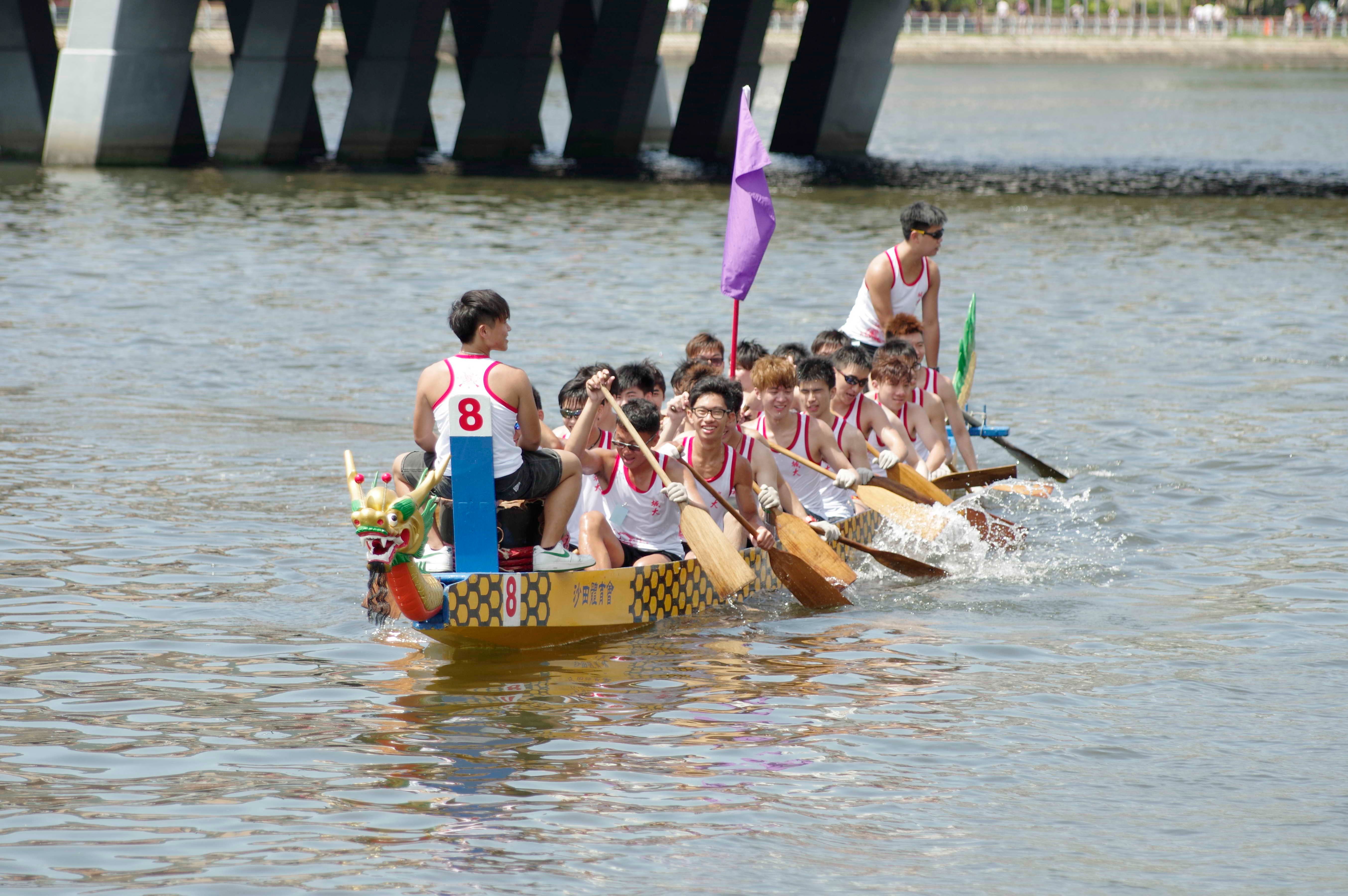
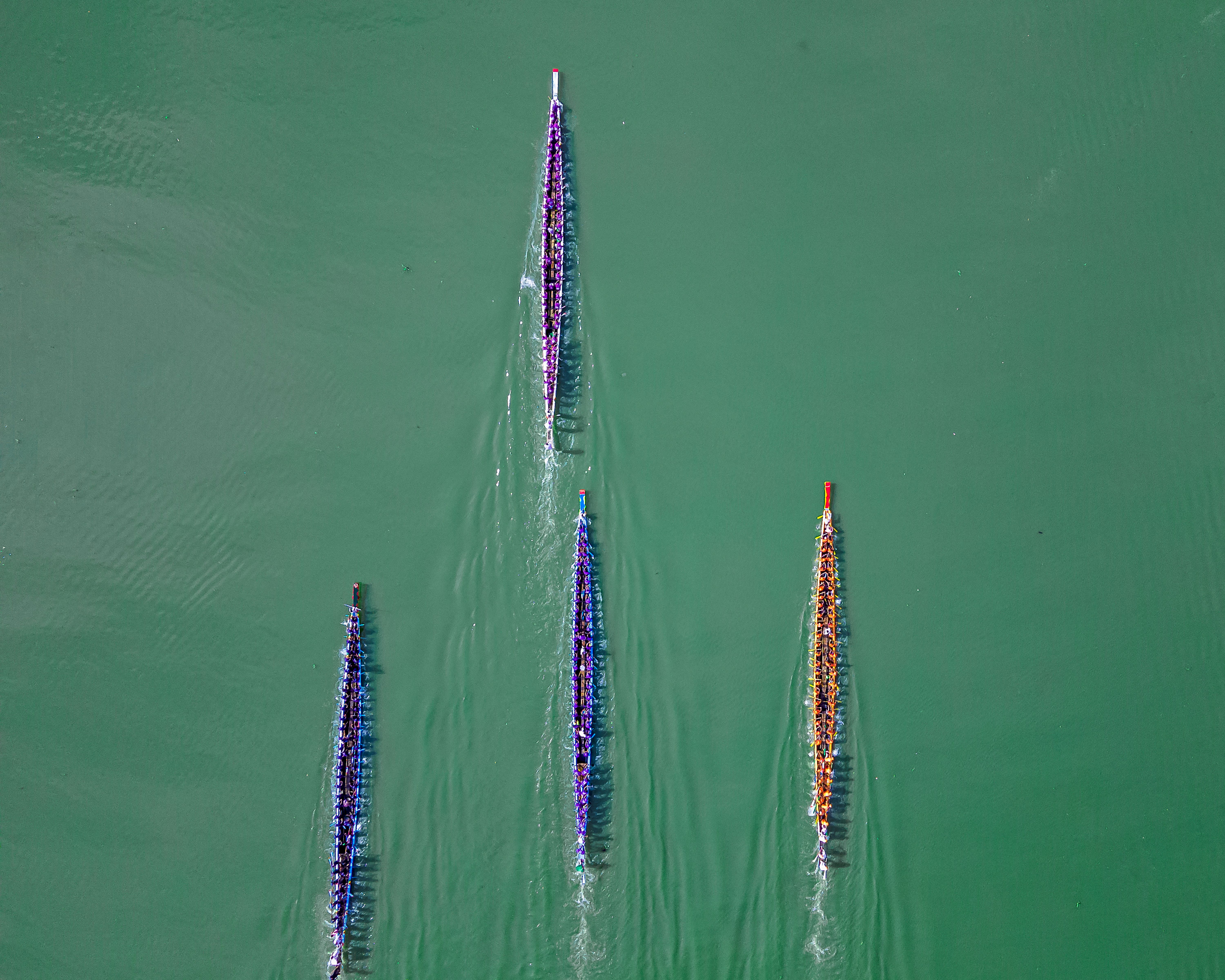
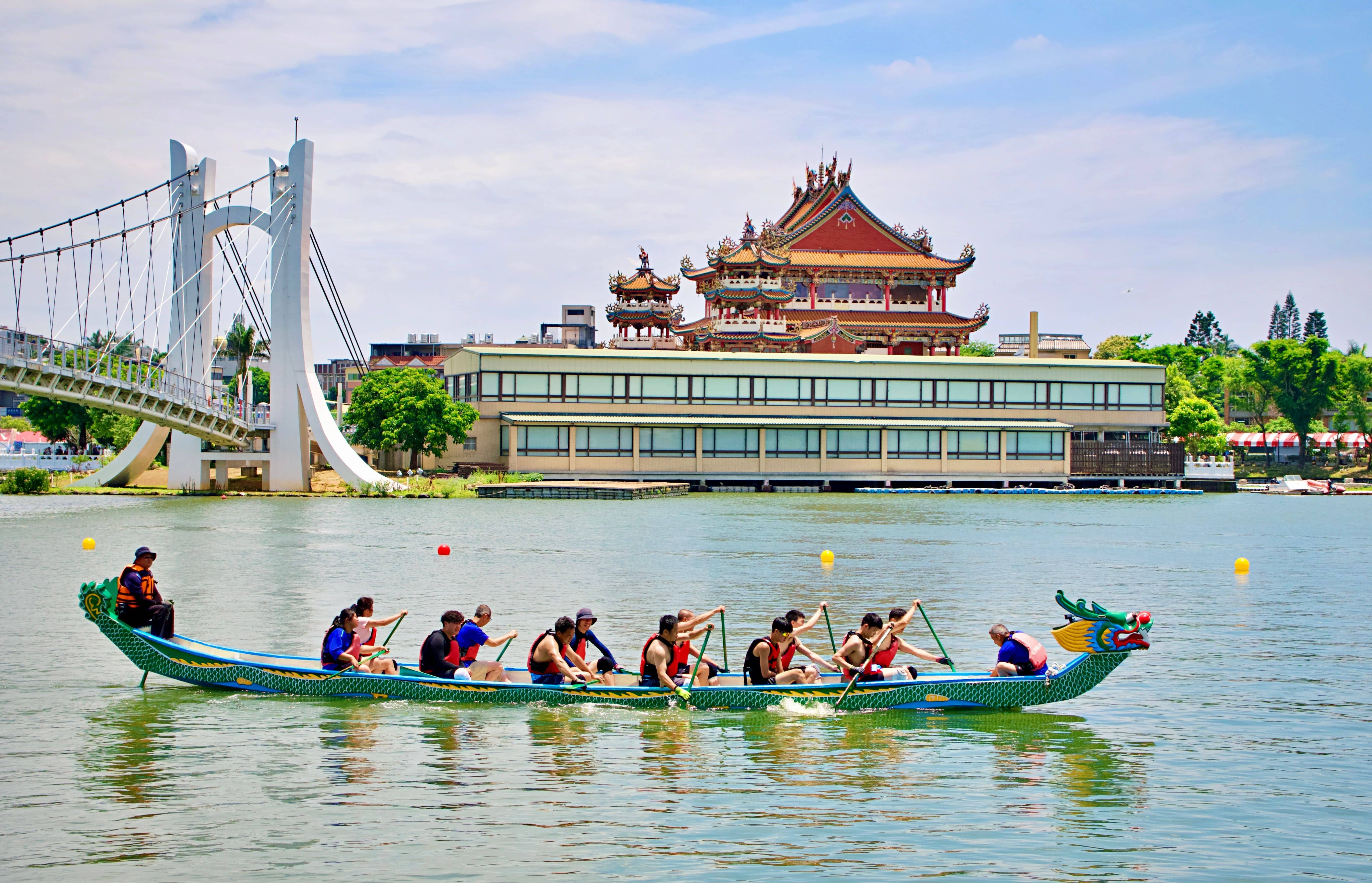
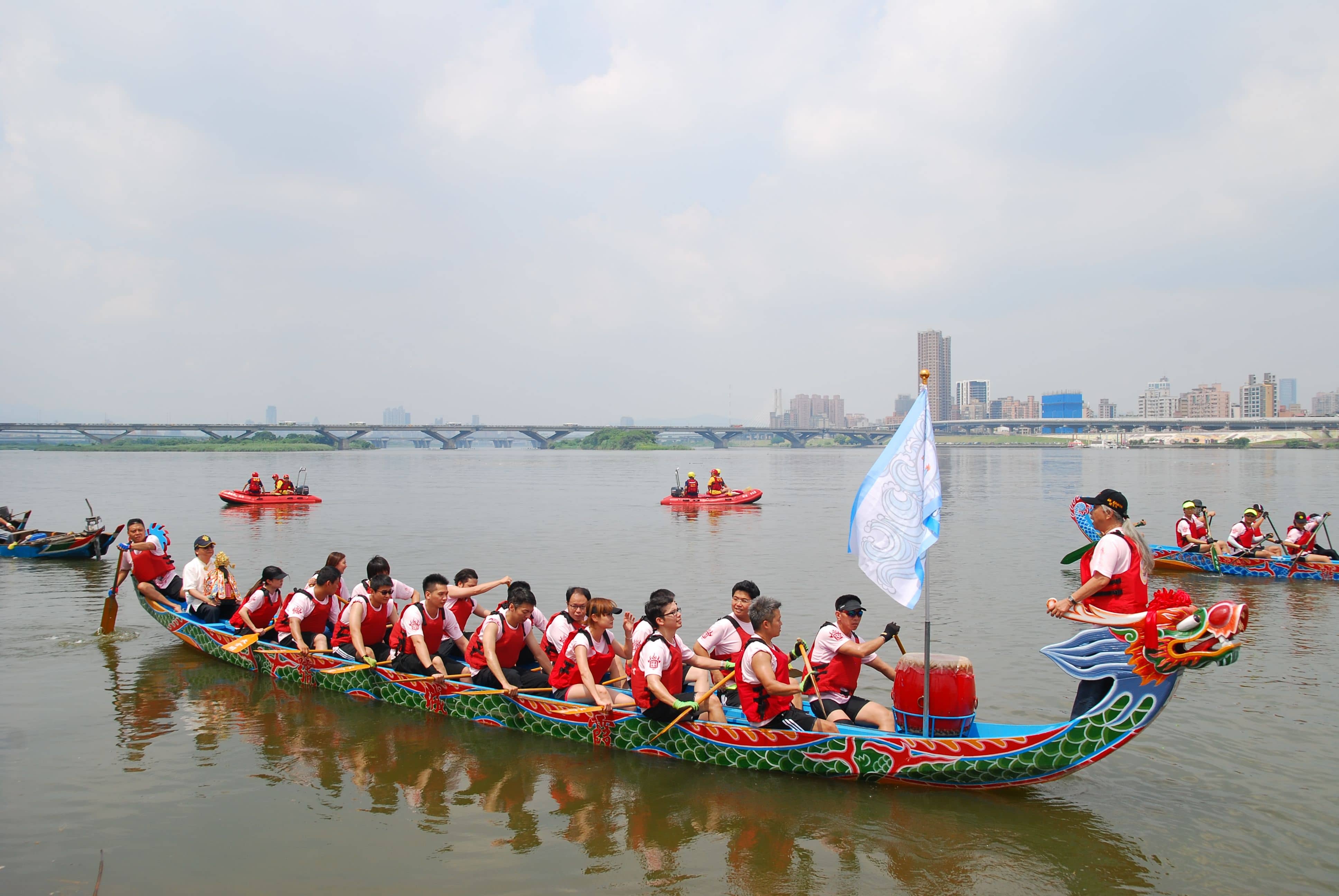
Dragon Boat Festival 2027 (Duanwu) falls on Wednesday 9 June 2027, the fifth day of the fifth lunar month. Villages and cities across southern China race long dragon boats to drums, eat zongzi rice dumplings and hang calamus at their doors. The Pearl River Delta is the heart of it: Guangzhou's river races, Foshan's wild "drifting" race on narrow canals and Hong Kong's beach races at Stanley.

Highlights

  • Festival day is Wednesday 9 June 2027, a public holiday in China and Hong Kong
  • Watching the races from the riverbank is free almost everywhere
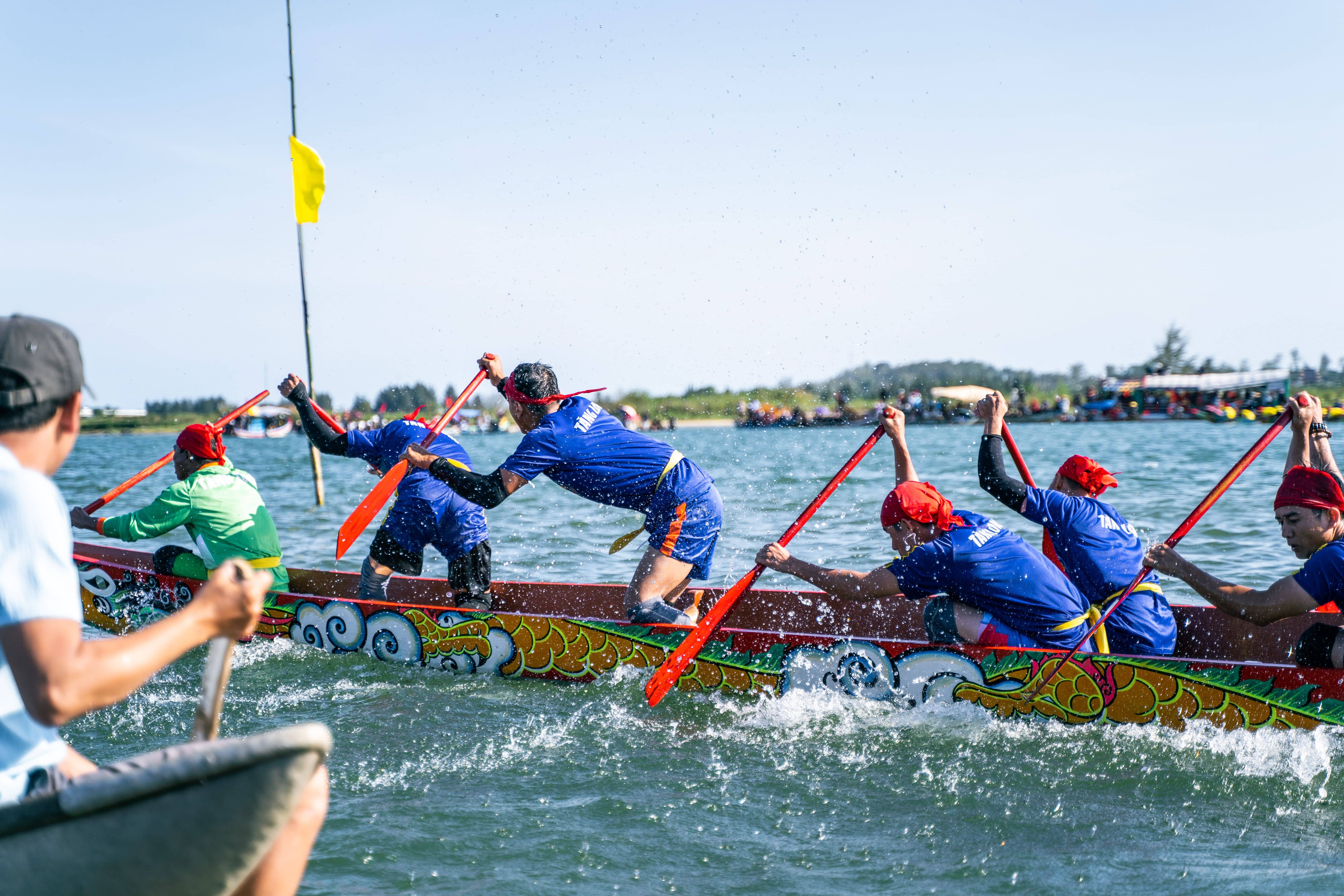
  • Foshan's Diejiao drifting race: 25-metre boats cornering at full speed on narrow canals
  • Guangzhou's international race drew 105 teams and 3,800 paddlers in 2026
  • Hong Kong races Stanley on festival day, Victoria Harbour the weekend after
  • Hot and wet: Guangzhou in June averages 31°C with rain on most days

Good to know

Dates
9 Jun 2027 (festival day); public holiday expected 7 to 9 Jun; city races spread across early to mid June
Opening hours
Races run from early morning to mid afternoon; heats start from about 8:00, and the thrilling final rounds peak around 12:00 to 14:00.
Venue
Guangzhou Pearl River and village canals, Foshan Diejiao, Hong Kong Stanley Main Beach and Aberdeen
Entry
Free from public viewing areas; premium grandstand, private platform, and sponsor seats are sold separately through official channels.
Getting there
Guangzhou Baiyun airport, then metro; Foshan by Guangfo metro line; Hong Kong by high-speed rail or air
Recommended eSIM
China eSIM

A festival that happens on riverbanks, not in stadiums

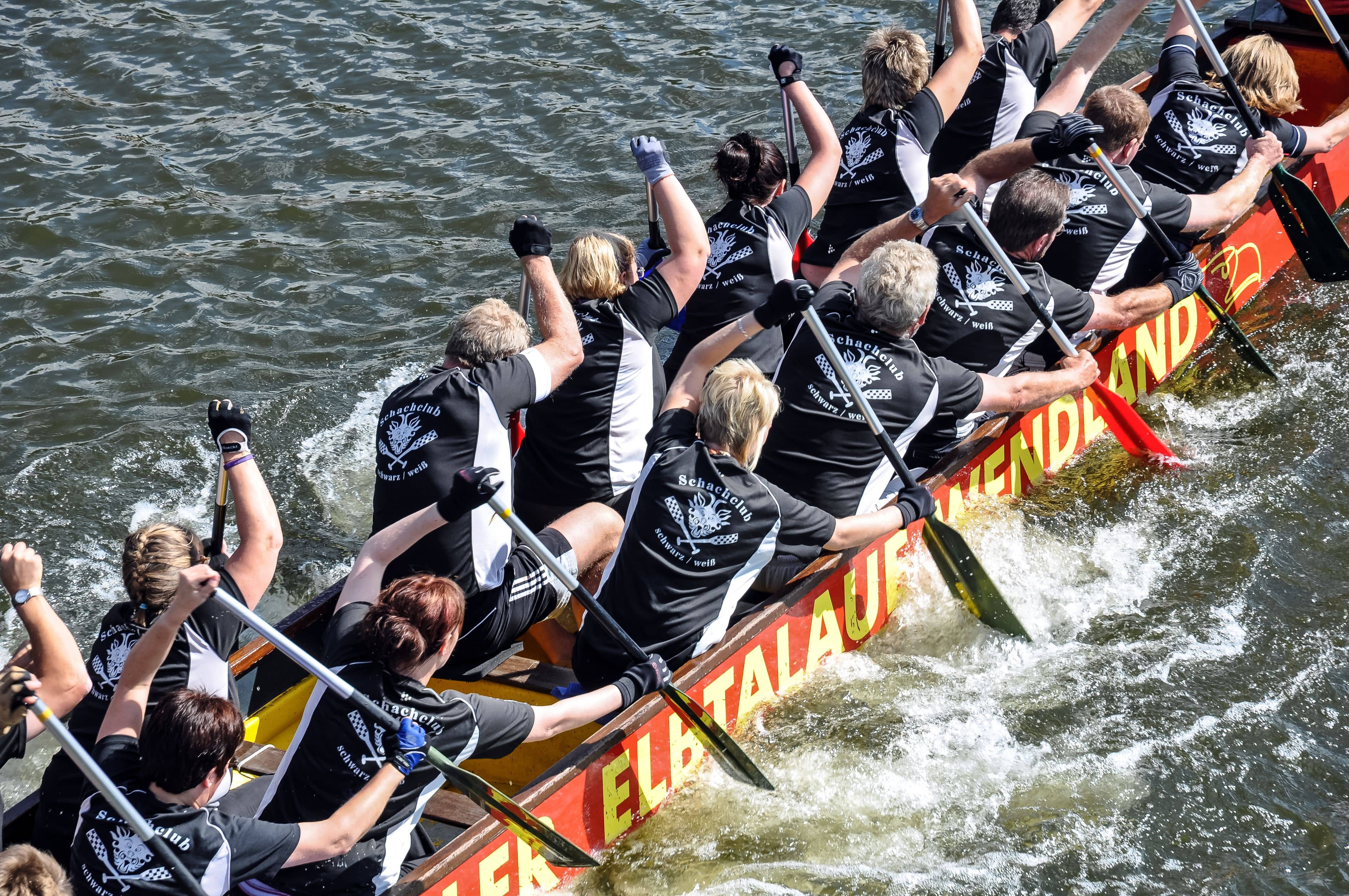
Dragon Boat Festival is the most physical of China's big holidays. On the morning of 9 June 2027 and the days around it, villages along the Pearl River Delta push their long boats into the water, a drummer sets the pace, and crews of 20 to 50 paddlers race past riverbanks packed with families, firecrackers and food stalls. In Foshan, boats take corners so fast they lean like motorbikes. In Hong Kong, the races happen off a beach, and the crowd stands in the water to watch.

That is exactly why connectivity matters here. The races are not in a venue with an address and a ticket office; they happen on a specific stretch of river, in a village you have never heard of, on a schedule posted on a Chinese social media account the night before. You need a live map to find the right bank, a translation app to read the race board, a group chat to find your friends after the finals, and mobile payment for the zongzi and the cold drinks. Hotel Wi-Fi does not travel with you, and the free Wi-Fi on a packed riverbank will not load Google Maps even when it connects. A China eSIM installed before you fly removes the whole problem.

Finding the right riverbank

Guangzhou's village races take place on side channels like Chebei and Liede, not on the main river, and the viewing spots are narrow lanes between old houses. Foshan's Diejiao course is a maze of canals with several viewing points. With data you follow the pin to the exact bank, check which metro exit is open and see when the race starts, instead of guessing from the sound of drums.

Staying together in a crowd of thousands

The Diejiao canals and the Stanley beachfront pack tens of thousands of people into a few hundred metres. Once the finals start, nobody moves, and after them everybody moves at once. A group chat with a shared live location is how you find your family again, and it only works if every phone in the group has data of its own.

Reading race boards, menus and warnings

Race schedules, lane assignments, weather delay notices and the stall menus along the bank are all in Chinese, and almost nobody in a village race crowd speaks English. A camera translation app turns a chalk board into a schedule and tells you that the sauce on the dumplings is spicy. It needs a connection every time you point the camera.

Paying for zongzi, drinks and a ride home

Riverbank stalls run on Alipay and WeChat Pay QR codes, both of which need a live connection for each payment, and taxis vanish from race villages in the afternoon. The ride-hailing app that gets you back to the metro, and the payment code that buys the drinks, both run on your data.

Install your eSIM before you fly and be online when you land — see matching plans

The complete guide

When Is Dragon Boat Festival in 2027?

Dragon Boat Festival 2027 falls on Wednesday 9 June 2027. It is a statutory public holiday in mainland China, Hong Kong and Macau on that day, and the mainland holiday block is expected to run from Monday 7 to Wednesday 9 June 2027. Treat the three-day block as provisional: the State Council publishes the official holiday and make-up workday schedule for the following year in November or December, so confirm it before you book.

If you were in China for Dragon Boat Festival 2026, you will remember it fell on Friday 19 June and made a long weekend. The jump to 9 June in 2027 is normal. The festival is fixed to the fifth day of the fifth month of the Chinese lunisolar calendar, which is why it is also called the Double Fifth. That lunar date drifts between late May and late June on the Western calendar from one year to the next: 31 May in 2025, 19 June in 2026, 9 June in 2027, 28 May in 2028.

What the date means in practice for a visitor:

  • The ritual side of the festival (temple offerings, hanging calamus and mugwort, eating zongzi, the Tai O water parade in Hong Kong) happens on 9 June itself

  • The big city races do not all happen on 9 June. Hong Kong's Stanley championships are traditionally held on the festival day; Guangzhou's international invitational and Foshan's Diejiao drifting series have been scheduled on the holiday and the weekend around it. In 2026, Diejiao opened on the festival day and Guangzhou's invitational ran the day after

  • Guangdong province as a whole staged more than 500 races across 21 cities in June and July 2026, so if you miss one race you will find another within a short train ride

For 2027, expect the main Guangzhou and Foshan events on or just after 9 June, probably stretching into the weekend of 12 and 13 June. Hong Kong's International Dragon Boat Races on Victoria Harbour are scheduled for June 19 and 20, 2027, about a week after the festival, while the city will also host the prestigious 18th IDBF World Dragon Boat Racing Championships later in the autumn, from October 17 to 24, 2027, at the Kwun Tong Promenade. Organisers announce exact 2027 dates in spring..

Tip: Plan your arrival for 7 or 8 June, keep 9 June for the festival itself, and leave two or three flexible days afterwards for races whose dates get confirmed late.
A traditional calendar page or almanac showing the fifth day of the fifth lunar month marked as Duanwu Festival, beside a bunch of calamus and mugwort tied at a doorway

Do You Need a Ticket, and What Does It Cost?

You do not need a ticket to watch the Dragon Boat Festival. The races are community events held on public rivers and beaches, and the vast majority of viewing spots are free: the banks of the Pearl River in Guangzhou, the lanes beside the Diejiao canals in Foshan, the sand at Stanley Main Beach and the promenade at Aberdeen in Hong Kong. You turn up, find a gap at the railing and stay as long as you like.

Where money does come in:

  • Grandstand and hospitality seating at the headline city races. Guangzhou's international invitational and Hong Kong's Victoria Harbour races offer designated seated viewing zones, with public grandstand tickets typically ranging from 60 to 150 RMB/HKD, while premium sponsor hospitality packages can exceed 800 HKD. These are sold exclusively through the organisers' official accounts and platforms.

  • Private junk or boat charters in Hong Kong, where groups rent a traditional boat to watch the Stanley or Aberdeen races from the water; prices range from about 8,000 to 15,000 HKD per boat depending on the vessel size and catering options.

  • Festival-day pop-up events on the beach at Stanley with food and music, which feature free entry to the general beach area but charge between 150 and 300 HKD for specific food and beverage packages.

  • Paddling yourself: visitor-friendly paddling sessions and open days run in Guangzhou's Haizhu district and in Hong Kong, which are bookable in advance for a small fee of around 50 to 100 RMB/HKD.

Everything else you pay for is food and drink from stalls, and the metro.

Ticket scams are rare because almost nothing needs a ticket, but every year someone online sells "official grandstand passes" for a race that has no grandstand. If a seat is sold, it is sold by the organiser, the city tourism board or a named sponsor, and the link will come from their official WeChat account or website. Anyone selling tickets on the bank or through a reseller is selling nothing.

Note: The best free spots at Diejiao and Stanley fill two to three hours before the first final. If you want to stand at the railing on the tightest bend or at the finish line, arrive before 8:00 with water and a hat.

If you prefer comfort over proximity, restaurants and cafés with river-facing terraces along the Pearl River sell a seat with a view for the price of a meal; book a table a few days ahead.

Spectators lining a concrete riverbank railing in Guangzhou watching dragon boats pass, with no ticket barriers in sight
Need a steady connection for transit and maps?See eSIM plans

Where It Happens and How to Get There

The Pearl River Delta in Guangdong is where to go. Guangzhou has the biggest city race and the oldest village traditions, Foshan next door has the most spectacular race in China, and Hong Kong, two hours away by train, has the most visitor-friendly beach races. Pick one city as a base and day-trip to the others.

The main race locations and how to reach them:

  • Guangzhou, Pearl River: the international invitational uses the central stretch of the river around Liede, Ersha Island, the Sun Yat-sen University north gate and the Guangzhou Bridge. Coordinates about 23.106 N, 113.300 E. Metro Line 3 or Line 5 to Zhujiang New Town, Line 8 to Zhongda (Sun Yat-sen University) for the south bank, or APM to Canton Tower

  • Guangzhou, village races: Chebei village on the Chebei channel in Tianhe District (metro Line 4 or Line 5 to Chebei, then walk), and Liede village beside Zhujiang New Town. The village "dragon boat visiting" days happen in the days before the festival

  • Foshan, Diejiao: the drifting race runs on the canals of Diejiao in Guicheng, Nanhai District. Coordinates 23.048 N, 113.149 E. Take the Guangfo metro line from central Guangzhou towards Foshan and get off at Guicheng or Leigang station, then transfer to Foshan Metro Line 3 to get off directly at Diejiao station, then follow the crowds; the journey from Guangzhou's centre takes about 45 – 60 minutes

  • Hong Kong, Stanley Main Beach: bus 6 or 260 from Exchange Square in Central, or bus 40 or 40X from Causeway Bay; roads around Stanley close on race day and extra buses run. Aberdeen's race is on the harbour promenade, reached by bus from Central or metro to Wong Chuk Hang

  • Hong Kong, Victoria Harbour: the international races start from the Tsim Sha Tsui promenade, a short walk from Tsim Sha Tsui or East Tsim Sha Tsui MTR

From the airport: Guangzhou Baiyun International Airport (CAN) connects to the city by metro Line 3 (north extension) in roughly 45 minutes, with a change at Jiahewanggang; taxis take about 40 – 60 minutes outside rush hour. Hong Kong International Airport (HKG) has the Airport Express to Hong Kong station in Central in about 40 – 60 minutes.

Between cities, high-speed rail is the way to move. Guangzhou South to Hong Kong West Kowloon takes about 47 – 60 minutes; Guangzhou to Foshan is a metro ride, not a train. Book rail on the official 12306 platform a few days ahead for the holiday dates.

Tip: Village race days in Guangzhou are easiest from a hotel in Tianhe or Zhujiang New Town. Do not try to taxi into Chebei or Diejiao on race morning; the lanes are closed and the walk from the metro is faster.

What Actually Happens, Hour by Hour

Race day starts early and the drama is in the finals around midday. Here is how a typical day plays out at a Guangdong race, using the Diejiao drifting race and the Guangzhou invitational as the model; exact 2027 show times will be posted on-site by each venue and updated on their official cultural and sports bureau accounts

Festival morning, 9 June 2027:

  • Before 7:00: villagers "wake" the dragon boats with incense and firecrackers; in Hong Kong's Tai O the deities are carried through the water lanes on boats

  • 7:00 to 8:00: crews warm up, boats are blessed, the best spectator spots fill

  • Around 8:00: first heats. At Diejiao, the course is a winding canal with S, C and L shaped bends, and each run is about a boat length from disaster; boats are roughly 25 metres long with around 30 people aboard, and the local motto is "rather crash the boat than paddle slow"

  • Late morning: quarter and semi-finals; this is when crowds peak along the tightest bends

  • Around midday: finals, the loudest moment of the day with drums, gongs, cheering from the rooftops and the occasional boat clipping a bank

  • Early afternoon: prize ceremony and the "dragon boat feast", where villages host long communal lunches; a visitor who is polite and interested often gets waved to a seat

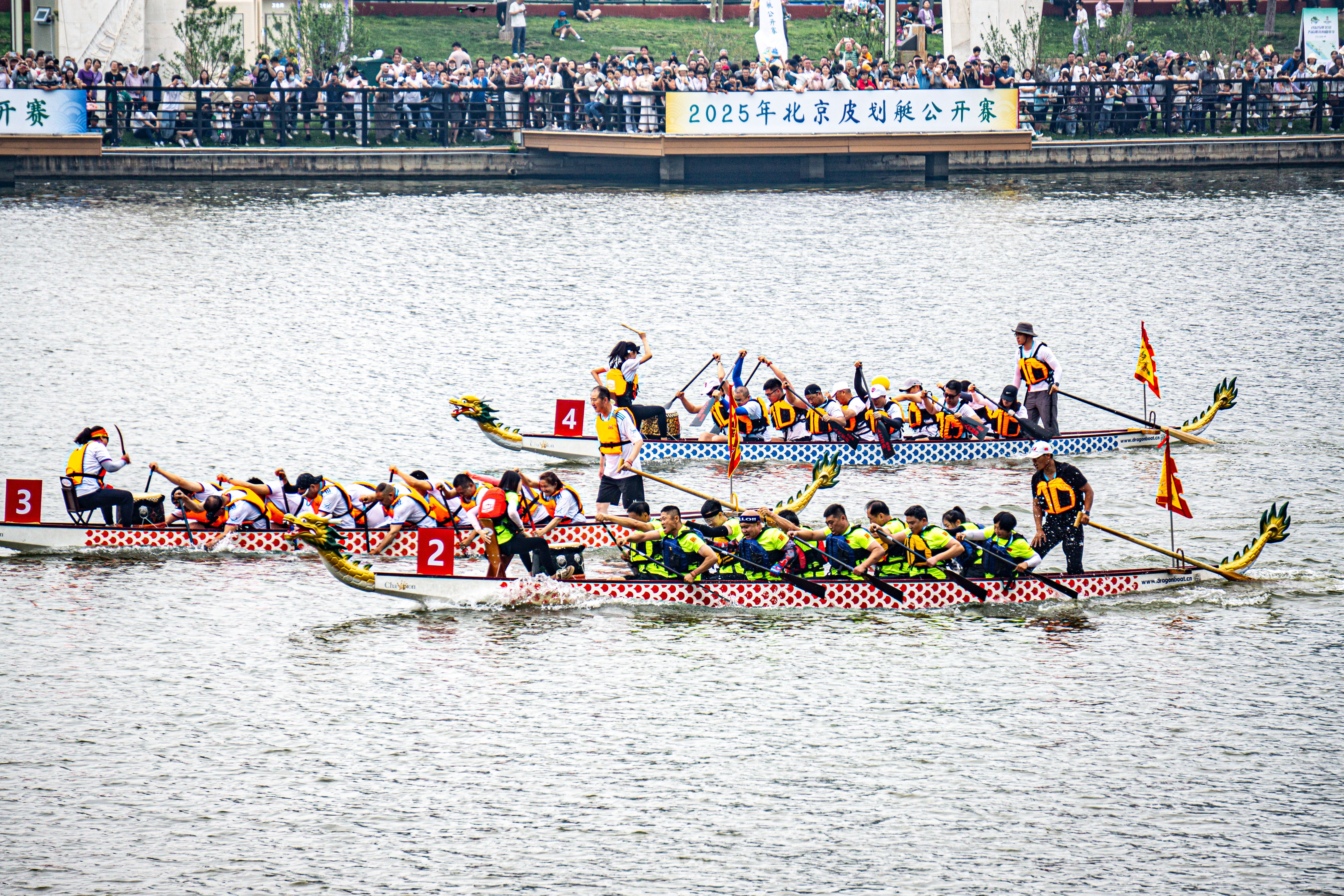
Guangzhou's international invitational (held the day after the festival in 2026) is a cleaner, stadium-style event: 22-paddler boats sprint 600 metres on a straight stretch of the Pearl River with heats through the morning and finals in the early afternoon, plus a parade of traditional decorated boats and a cultural market on the bank.

Hong Kong on festival day runs several district races at once, Stanley being the biggest and most international; Aberdeen keeps the oldest fishing-village rituals. The Victoria Harbour international races, a week or so later, run heats on day one and finals on day two over a long weekend.

Tip: The best view at Diejiao is on the outside of a bend, on a bridge or a raised doorstep, where you can see the boat enter and exit the corner. At a straight race, stand at the 100 metres before the finish line, not at the line itself, to see the last sprint.

Bring ear protection for children; firecrackers go off continuously at village races.

A long dragon boat with around 30 paddlers leaning hard into a tight bend during the Diejiao dragon boat drifting race in Foshan, water spraying up at the corner

Best Time to Arrive and What the Weather Is Like

Arrive by 8 June 2027 so you are in place for festival morning on the 9th, and stay through the following weekend to catch the races that get scheduled around the holiday. Three to five days in the Pearl River Delta covers the festival day, one city race and a day trip to Foshan or Hong Kong.

Crowd levels on a scale of 1 to 5:

  • 7 and 8 June: level 3. Holiday travel is underway, village boat-visiting days draw local crowds, hotels in Guangzhou fill with domestic visitors

  • 9 June, festival day: level 5 at Diejiao, Stanley and the village canals; level 2 in the city centre, where many small businesses close for the day

  • 10 to 11 June: level 4 at any city race scheduled on these days, level 3 elsewhere

  • 12 and 13 June (weekend): level 4 at the remaining big races

  • 19 and 20 June (Hong Kong International Dragon Boat Races weekend: level 4 on the Tsim Sha Tsui promenade

The weather is the thing to prepare for. June is the wettest month in Guangzhou: the long-term average high is about 31°C, the low about 25°C, humidity sits around 84 percent, and it rains on roughly 20 days of the month, often as short, violent afternoon thunderstorms. Locals call the downpours around the festival "dragon boat rain". Hong Kong is similar, slightly cooler at the beach but just as humid. Heat index values above 37°C are normal at midday.

How to handle it:

  • Be at the river for the morning heats and the midday finals, then retreat indoors between 14:00 and 17:00 when thunderstorms and the worst heat arrive

  • Rain rarely cancels a race; lightning does, and organisers pause until it passes, so build in waiting time

  • Drink more than you think you need; stalls sell water, but queues are long at the finals

  • Sun and rain both call for a hat and a compact umbrella, which doubles as a sunshade

Note: Typhoon season has started by June. If a signal is raised in Hong Kong or a red rainstorm warning is issued in Guangzhou, races are postponed, usually to the next day or the following weekend. Check the organiser's account the evening before.

Where to Stay and When to Book

Stay in Guangzhou's Tianhe District, around Zhujiang New Town, and you are a short metro ride or a walk from the Pearl River race stretch, the Liede and Chebei villages and the Guangfo line to Foshan. It is also the part of the city with the most international hotels, English menus and late-opening restaurants.

Areas to consider:

  • Zhujiang New Town and Tianhe: modern, central, river views from the higher floors, the best base for race days; mid-range to high-end hotels

  • Haizhu, south bank of the Pearl River: quieter, close to the Sun Yat-sen University stretch and the Canton Tower, good for watching the city race from the bank; mid-range hotels and serviced apartments

  • Yuexiu and Liwan (old Canton): heritage streets, Cantonese tea houses and the Liwan canal races, 20 to 30 minutes by metro to Tianhe; cheaper, more atmospheric, fewer English speakers

  • Foshan, Nanhai District: only worth it if Diejiao is your main event and you want to be in position before dawn; otherwise day-trip from Guangzhou

  • Hong Kong: Central, Wan Chai or Causeway Bay for easy buses to Stanley and Aberdeen, or Tsim Sha Tsui for the harbour races

Booking windows: the Dragon Boat holiday is a domestic travel peak in Guangdong, and Guangzhou hotels for 7 to 10 June 2027 start filling from April, with the river-view rooms going first. Book by early May for choice. Hong Kong fills more gently for the festival itself, but the international race weekend coincides with summer school holidays and conference season, so book that by mid-May.Reference rates for the holiday nights: a decent mid-range room in Tianhe about 300 – 550 RMB, an international chain from 800 – 1,600 RMB, a heritage guesthouse in Liwan about 200 – 400 RMB.

Tip: Ask for a high floor on the river side in Zhujiang New Town or Haizhu; on race day you get a free preview of the course from your window, and in a thunderstorm you get to watch it from somewhere dry.

Check that the hotel is registered to host foreign guests; every stay must be reported to the police, and a few budget hotels in the old districts still cannot do this.

Staying Connected During the Festival

Public Wi-Fi fails at exactly the moment you need it at a dragon boat race. The riverbanks at Diejiao, Chebei and Stanley have no usable free network, and the café hotspots nearby demand a Chinese mobile number to log in. Even hotel Wi-Fi goes through China's filters, so Google Maps, Gmail, WhatsApp, Instagram and most Western apps will not load without a workaround. In Hong Kong the filters do not apply, but the crowded beach at Stanley still overloads every public network.

What you actually use data for during the festival:

  • Live maps to find the right stretch of river and the open metro exit, in villages where streets have no English names
  • Camera translation of race boards, delay notices and stall menus
  • A group chat with live location sharing, so your group can split up along the bank and regroup after the finals
  • Alipay or WeChat Pay for food, drinks and the metro; each payment needs a connection
  • Ride-hailing to get back from a village when taxis have left
  • Weather warnings, since a thunderstorm or typhoon signal changes the whole day
  • Video calls home from the riverbank, which is the moment people want to share

The simplest solution is a China eSIM that keeps your usual apps working, installed at home before you fly. Check that your phone is unlocked and supports eSIM (most phones from the last five years do), buy the plan, scan the QR code while you still have a good connection, and switch the line on when you land. If your trip includes Hong Kong, choose a plan that covers both mainland China and Hong Kong so you do not change anything on the train.

How much data: 1 to 2 GB a day covers maps, translation, messaging and payments. Video is the variable; filming and uploading race clips at full resolution can double that. For a five-day trip, 10 GB is comfortable, and 20 GB suits heavy social media use. GoHub's China plans are listed on the eSIM for China page.

Tip: Keep your home SIM active for SMS so bank verification codes arrive, set the eSIM as your data line, and turn off data roaming on the home SIM. Download an offline map of Guangzhou and save your hotel address in Chinese characters as a backup.

Signal on the banks is good on 4G and 5G in both Guangzhou and Hong Kong; the network slows during the finals when everyone uploads at once, so send your messages before the last race.

What to Eat and Buy

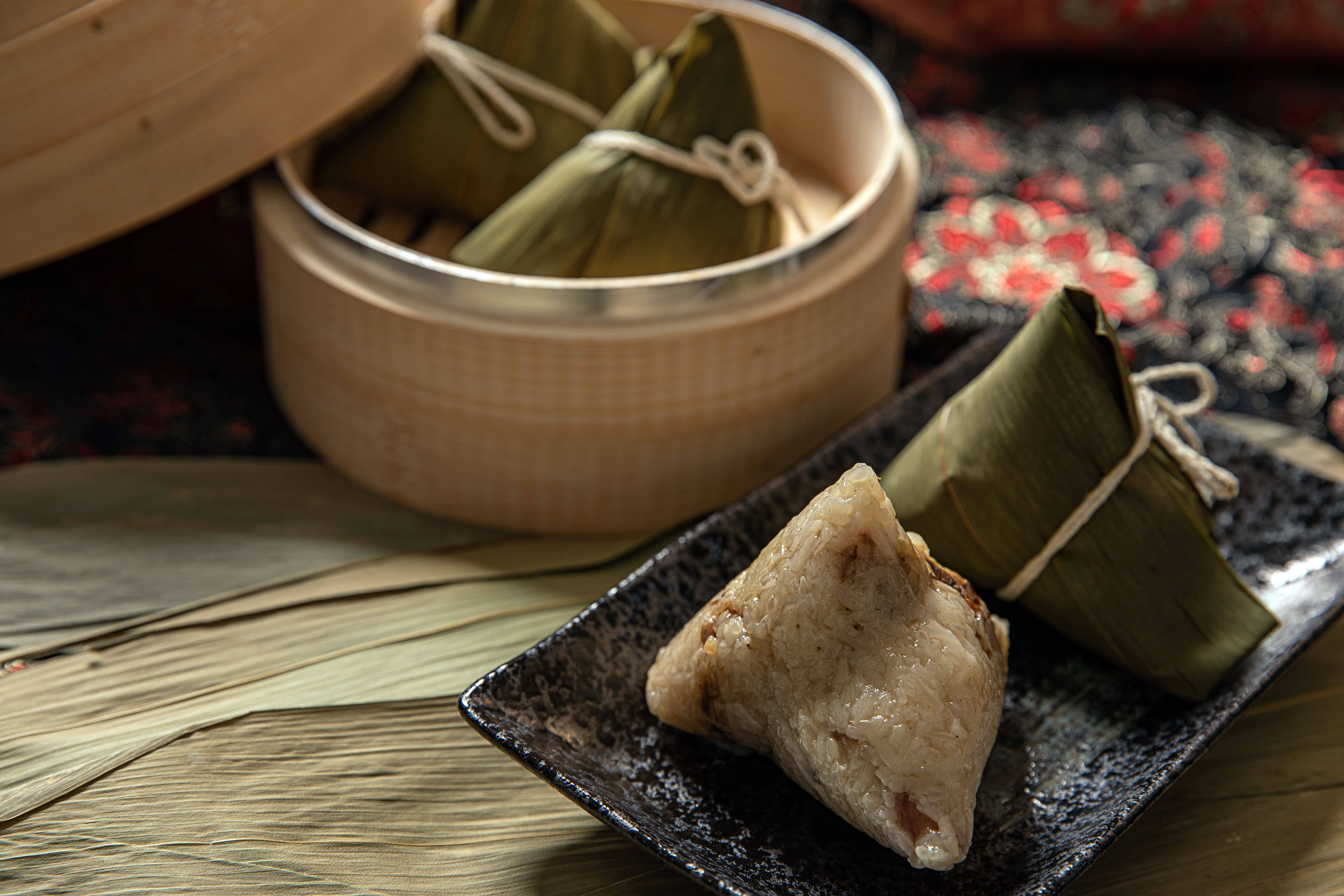
Eat zongzi, and eat them the Cantonese way. These pyramid-shaped parcels of glutinous rice steamed in bamboo leaves are the dish of the festival, and the south does them savoury: pork belly, salted egg yolk, mung beans and sometimes chestnuts or dried scallop. Northern zongzi are sweet with red bean or dates, and both styles appear on Guangzhou stalls in June. Buy them hot from a steamer basket on the riverbank, or from the heritage pastry shops in the old districts, where families queue for boxes in the week before the festival.

Other festival foods and drinks:

  • Alkaline zongzi, a small yellow version with no filling, eaten with sugar or syrup
  • Realgar wine, the traditional festival drink, now mostly ceremonial; try a sip if offered, do not go looking for it
  • Cantonese dragon boat feasts in the villages: roast goose, braised pork, steamed fish and long tables of shared dishes after the race
  • Cold drinks and sugar cane juice from carts along the bank, essential in the heat
  • Dim sum breakfast in a Guangzhou tea house before the morning heats

Where to eat: along the Pearl River in Tianhe and Haizhu you will find river-facing restaurants that fill on race days, so book a table or arrive before 11:30. In Liwan and Yuexiu, the old tea houses serve dim sum from early morning and are the best way to start a race day. In Foshan, the lanes around Diejiao fill with temporary food stalls during the race series; prices are low and cash or mobile payment both work. In Hong Kong, Stanley's waterfront restaurants are busy and expensive on race day, while Aberdeen's seafood stalls are cheaper and more local.

Tip: Zongzi are heavy. One for breakfast is enough; eat the second in the afternoon when the races are over, and keep the bamboo leaf to show stallholders what you want when the menu is in Chinese.

What to buy: scented sachets (xiangbao) filled with herbs, worn for luck and against mosquitoes; bundles of calamus and mugwort to hang at a door; small dragon boat models and paddles; and five-colour thread bracelets tied on children's wrists. Craft stalls at the city races sell them; village races mostly do not, so buy in the old districts of Guangzhou the day before.

Close-up of freshly unwrapped zongzi, pyramid-shaped sticky rice dumplings in bamboo leaves, on a plate at a Cantonese table

Money, Etiquette and Safety

Mobile payment runs everything in Guangzhou and Foshan, and both Alipay and WeChat Pay accept foreign Visa, Mastercard and other international cards. Set one up before you leave, link your card and make a test payment, because the stalls along the riverbank will show you a QR code and expect you to scan it. Carry some cash as a backup: small notes for village stalls and in case your phone battery dies in the heat. ATMs of the big banks accept foreign cards; small shops do not. In Hong Kong, an Octopus card for transport and an international card for most shops cover you.

Budget per day in Guangzhou, excluding flights: a tight budget of about 200 – 300 RMB covers a hostel, street food and the metro; a comfortable day with a mid-range hotel, two sit-down meals and a taxi or two is about 400 – 600 RMB. Hong Kong days cost noticeably more, about 600 – 1,200 HKD at mid-range. For a five-day trip plan on 2,000 – 3,000] RMB plus accommodation. Tipping is not customary in mainland China; in Hong Kong, restaurants add a service charge.

Etiquette that helps on race day:

  • Do not step onto the boats or touch the dragon head unless invited; it is blessed and belongs to the village

  • Stand behind the ropes and railings; crews need the bank clear to launch

  • Cheering is welcome, and so is accepting an invitation to the village feast; bring a small gift of fruit if you join

  • Say "Duanwu ankang" (peaceful Duanwu) rather than "happy festival"; the day commemorates a death

  • Ask before photographing people in the village lanes, especially elders at the temple ceremonies

Safety: the main risks are heat, water and crowds. Drink constantly, wear a hat, and move into shade between races. Keep children away from the water's edge at village canals, which have no barriers. Pickpocketing is rare but possible in a packed bank; keep your phone in a front pocket and your bag in front of you. Emergency numbers in mainland China are 110 for police, 120 for ambulance and 119 for fire; in Hong Kong dial 999 for all services. Carry your passport; it is required for hotel check-in and train tickets.

Note: Firecrackers are part of every village race. They are loud and go off at ground level; stand well back and keep children's ears covered.

Banks and government offices close on 9 June; metro, airports, malls and chain restaurants stay open.

Packing, Family and Side Trips

Pack for heat, humidity and sudden rain, with long hours standing outdoors.

  • Light, quick-drying clothes and a change of shirt for the afternoon
  • A wide-brimmed hat, sunglasses and high-factor sunscreen; the glare off the water is strong even under cloud
  • A compact umbrella or a light rain jacket that packs small
  • Shoes that can get wet and dry fast; sandals with a strap are better than flip-flops in a crowd
  • A refillable water bottle and electrolyte sachets
  • A power bank; heat and video drain batteries, and your phone is your map and wallet
  • Insect repellent for the canals in the evening
  • Ear protection for children, a small first aid kit, and passport plus offline copies of bookings
  • Your China eSIM already installed, and your hotel address saved in Chinese characters

Going with young children: the races are exciting for kids, but the midday finals combine heat, noise and tight crowds. Go early for the heats, choose a spot with an escape route and shade, leave before the finals if the little ones are flagging, and keep hold of hands near the water. Stanley in Hong Kong is the easiest family option: a sandy beach, shallow water to paddle in and plenty of food nearby. In Guangzhou, the city race on the Pearl River has more space along the bank than the village canals.

Going with older relatives: avoid Diejiao, where the viewing is on narrow lanes and bridges with no seating. The Guangzhou city race and the Aberdeen or Tsim Sha Tsui races in Hong Kong have promenade space, benches and nearby cafés. Bring a folding stool, plan the morning only, and take a taxi or ride-hail back before the post-race crowd.

Tip: One race, done well, beats three races done exhausted. Pick the one that suits your group and spend the afternoon somewhere air-conditioned.

Side trips on the same visit: Foshan's Zumiao ancestral temple and the Lingnan Tiandi old quarter pair well with the Diejiao race; Kaiping's diaolou watchtowers are a day trip from Guangzhou; Hong Kong's Tai O stilt village on Lantau hosts the dragon boat water parade on 9 June and is worth a day on its own; and Macau, an hour by ferry or bridge, runs its own international dragon boat races around the festival [TO VERIFY 2027 dates]. If you have a week, add Yueyang on the Miluo River in Hunan, where the poet Qu Yuan drowned and the festival began.

Suggested itinerary

Day 1 · 8 June, the day before

  1. Morning
    Dim sum in a Liwan tea houseFuel up the local way and buy a box of zongzi from a heritage pastry shop for tomorrow
  2. Late morning
    Liwan canals and old Canton streetsWatch villages "visiting" each other by boat in the days before the festival if the schedule allows
  3. Afternoon
    Chen Clan Ancestral HallAir-conditioned break and the best Lingnan carving in the city
  4. Around 18:00
    Pearl River promenade at HaizhuWalk the race stretch, pick your viewing spot for the city race and watch the Canton Tower light up
  5. Evening
    Zhujiang New TownDinner near the hotel and an early night; race mornings start before 7:00

Day 2 · 9 June, Dragon Boat Festival

  1. Before 8:00
    Chebei village, Tianhe DistrictMetro to Chebei and walk in; catch the boat blessings and firecrackers before the first heats
  2. Mid-morning
    Chebei channel bankStand on the outside of a bend for the heats; firecrackers are constant, so cover children's ears
  3. Around midday
    Village feast lanesLunch from the stalls, or accept an invitation to a long-table feast if one comes your way
  4. Afternoon
    Hotel or a mall in TianheEscape the heat and the daily thunderstorm; check the organiser's account for tomorrow's race times
  5. Evening
    Riverside restaurant on the Pearl RiverBook ahead; the river-view tables fill on festival night

Day 3 · Foshan race day

  1. Early morning
    Guangfo metro line to FoshanLeave before 7:00; the lanes around Diejiao close to vehicles on race day
  2. Around 8:00
    Diejiao canalsClaim a spot on a bridge over a tight bend before the heats start
  3. Late morning
    Diejiao finalsThe drifting runs are the reason you came; keep your phone ready and your feet behind the rope
  4. Early afternoon
    Zumiao Temple and Lingnan TiandiShade, lion dance heritage and a late lunch in the old quarter
  5. Evening
    Back to GuangzhouDinner in Haizhu; if the Guangzhou city race is tomorrow, confirm the time tonight

Day 4 · Hong Kong day trip

  1. Morning
    High-speed rail to West KowloonBook the train the day before; have your eSIM set to cover Hong Kong
  2. Late morning
    Tsim Sha Tsui promenadeWalk the harbour where the international races run; if it is race weekend, this is where you stay all day
  3. Afternoon
    Stanley or AberdeenBus from Central to the beach for the race atmosphere, or the fishing harbour for a quieter local scene
  4. Evening
    Victoria Harbour waterfrontDinner with a harbour view before the train back, or stay the night if the international races are on
Tip: Base yourself in Guangzhou's Tianhe District, do the village races on festival day, Foshan's drifting race on its scheduled day, and finish with a day in Hong Kong.

Recommended eSIM plans

Pick by trip length. Visiting several countries? Choose a regional plan.

Selected: eSIM China 03GB 05 Day(s)

Set up your eSIM in 3 steps

  1. Order and get your QR codeThe QR code arrives by email right after payment.
  2. Scan before you flySettings → Cellular → Add eSIM, while you still have Wi-Fi.
  3. Turn on data when you landSet the eSIM as your data line and enable data roaming.

Frequently asked questions

Yes, if you like loud, local, outdoor events rather than polished shows. The races are competitive and the atmosphere in the villages is unlike anything staged for tourists. It is also a good-value time to visit: June is low season for international travel to Guangzhou, prices outside the holiday nights are moderate, and the crowds are domestic. The trade-off is the weather, which is hot and wet, so plan your days around the morning races.

Guangzhou and Foshan in Guangdong have the most competitive and traditional racing on the mainland, and Foshan's Diejiao drifting race is the most spectacular single event. Hong Kong is the easiest for a visitor: English signage, beach viewing at Stanley and a big international race on Victoria Harbour about a week after the festival. Yueyang in Hunan, on the Miluo River, has the historical claim as the birthplace of the festival, and Hangzhou's West Lake races are easy to reach from Shanghai.

It depends on your passport. China has expanded visa-free entry and transit exemptions for many nationalities, but the list and permitted stay lengths change often [TO VERIFY current rules]. Check with the Chinese embassy or consulate in your country two months ahead. Hong Kong has its own, separate entry rules and most Western passports enter visa-free for short stays. If you plan to visit both, make sure your China permission allows re-entry after a day in Hong Kong.

Sometimes. Open days and visitor paddling sessions have been run in Guangzhou's Haizhu district and by clubs in Hong Kong, where you sit in a real boat, learn the stroke and sometimes join a short fun race; booking and a small fee are usually required [TO VERIFY 2027 details]. Competitive races are for registered teams, and many village crews are drawn from local families only. Ask the city tourism board or a local paddling club a month ahead.

Plan on 1 to 2 GB per day, more if you film and upload a lot of race video. Maps, translation, group chat and mobile payments use modest data, but a day on the riverbank with live location sharing and video calls adds up. A 10 GB eSIM plan comfortably covers five days; take 20 GB for heavy social media use. Buy and install the eSIM before you fly, and pick a plan that covers both mainland China and Hong Kong if you are visiting both.

Say "Duanwu ankang", which wishes someone a peaceful and healthy Duanwu, rather than a cheerful "happy festival". The day remembers the poet Qu Yuan, who drowned himself in the Miluo River, so the traditional greeting is about health and wellbeing, not celebration. In Cantonese-speaking Guangdong and Hong Kong you will also hear people simply wishing each other good health. Offering a zongzi to a neighbour or host is a well-received gesture.