

Best Area to Stay in Istanbul for First-Time Visitors: A Practical Guide by Neighborhood


1. Introduction – Why Choosing the Right Area in Istanbul Matters
First-time travelers often underestimate how large Istanbul really is.
The city stretches across two continents. It blends historic districts, modern neighborhoods, ferry routes, hills, and busy traffic corridors. On a map, everything can look close. In practice, daily movement takes planning.
Many visitors assume that as long as there is metro or tram access, any neighborhood will work. But staying in the wrong area can mean long transfers every morning, crowded commutes, and wasted time.
Choosing the right area is not just about hotel quality. It shapes how each day feels. It affects how early you need to leave. It determines whether you walk to major sights or rely on transport.
This guide helps first-time visitors understand which neighborhoods make sense for different travel styles. It focuses on practical experience, not trends.
TL;DR – Where Should First-Time Visitors Stay in Istanbul?
For short trips focused on landmarks, stay on the European side, especially near Sultanahmet or Galata.
The Asian side offers a local atmosphere but requires daily ferry crossings for major sights.
Taksim is convenient for nightlife but involves commuting to historic areas.
Sultanahmet reduces transport stress if your itinerary centers on iconic monuments.
Daily movement in Istanbul often relies on navigation apps, metro updates, and ferry schedules.
2. Why This Feels Overwhelming for First-Time Visitors
Istanbul Is Bigger Than Most People Expect
Istanbul is not compact. It spreads along the Bosphorus and across the Golden Horn. The European side alone includes multiple zones with very different atmospheres.
Moving between the European and Asian sides requires a ferry, metro connection, or bridge crossing. These are scenic. But they take time.
First-time visitors often plan full days without accounting for travel between neighborhoods.
Photos Online Do Not Show Transport Reality
Travel blogs and social media focus on landmarks.
Hagia Sophia looks close to Galata Tower in photos. On foot, that walk includes hills and tram lines. With luggage, it feels very different.
Map apps show distance. They do not show crowd density, transfer wait times, or traffic delays.
Daily Commute Adds Up
If you stay far from Sultanahmet but visit historic sites every day, you repeat the same route multiple times.
Each transfer may seem small. Over three or four days, it becomes noticeable.
This is why location matters more than many travelers expect.
3. European Side vs Asian Side: What Is the Real Difference?
European Side
Most major historic attractions are on the European side.
This includes Hagia Sophia, the Blue Mosque, Topkapi Palace, the Grand Bazaar, and the Galata area. Official tourism resources from the Istanbul Provincial Directorate of Culture and Tourism confirm these central districts as primary visitor zones: https://goturkiye.com/destinations/istanbul
For a short visit of three to four days, the European side is usually more practical. You reduce cross-city transfers.
However, it is busier. Streets can be crowded, especially in peak season.
Asian Side
The Asian side feels more residential.
Neighborhoods like Kadıköy offer local markets, waterfront walks, and a relaxed pace. It feels less touristic.
But fewer iconic landmarks are located there. Most classic sightseeing still requires crossing to the European side.
Who Should Stay Where?
Three to four days focused on landmarks: European side makes daily planning easier.
Five to seven days with slower pacing: Asian side can be considered.
Travelers who prefer nightlife and urban energy: central European districts are more convenient.
There is no single correct answer. The decision depends on your itinerary.
If you are mapping out landmarks and trying to fit everything into three to five days, this practical guide can help you structure your time more realistically: how to plan your Istanbul itinerary without feeling overwhelmed
4. Sultanahmet & Eminönü – For History and Walking Access
Why It Works for First-Time Visitors
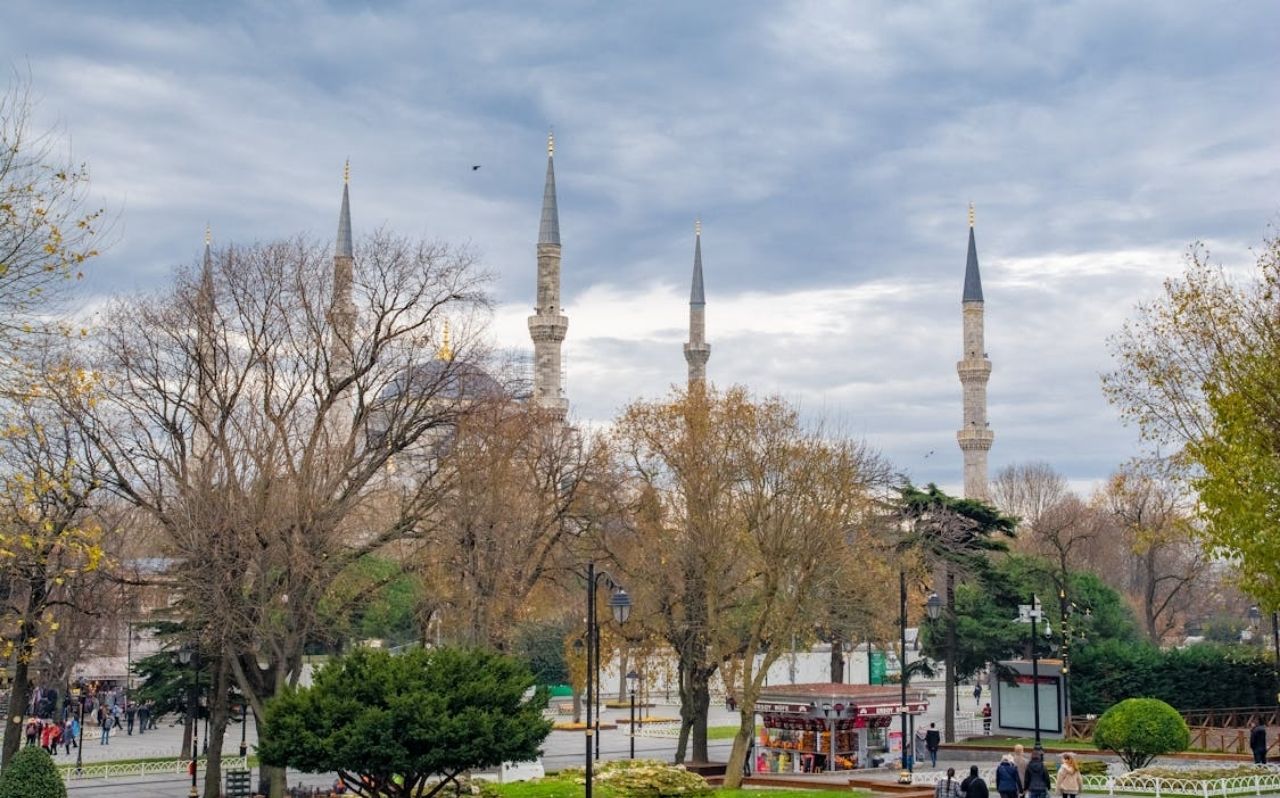
Sultanahmet places you within walking distance of Istanbul’s most famous monuments.
You can step outside and see major landmarks within minutes. This reduces the need for daily transport planning.
For first-time travelers, this often lowers stress. You do not need to navigate complex routes on your first morning.
Trade-Offs
The area is busy. Streets can feel crowded.
Restaurants often cater to tourists. Nightlife is limited compared to other districts.
Accommodation prices may reflect the central location.
A Typical Day Here
Morning: walk to Hagia Sophia.
Afternoon: visit Topkapi Palace.
Evening: stroll near the waterfront.
Transport is minimal. But if you plan to explore neighborhoods like Taksim or Kadıköy, you will rely on tram or ferry connections.
5. Karaköy & Galata – For Central Access and Urban Energy
Why It Feels Balanced
Karaköy and Galata sit between the historic peninsula and modern districts.
You can walk uphill to Galata Tower. You can take a short tram ride to Sultanahmet. Ferry docks are nearby.
The area feels lively without being entirely tourist-focused.
Transport Advantage
Tram lines and ferry terminals are accessible. This makes it easier to explore both sides of the city.
Public transport details are available via Metro Istanbul’s official site: https://www.metro.istanbul
Understanding these routes helps plan realistic daily schedules.
Who Should Stay Here?
Couples and solo travelers who want balance often choose this zone.
It provides access without placing you in the most crowded historic streets.

6. Taksim & Beyoğlu – For Nightlife and Transport Connections
Why It Is Popular
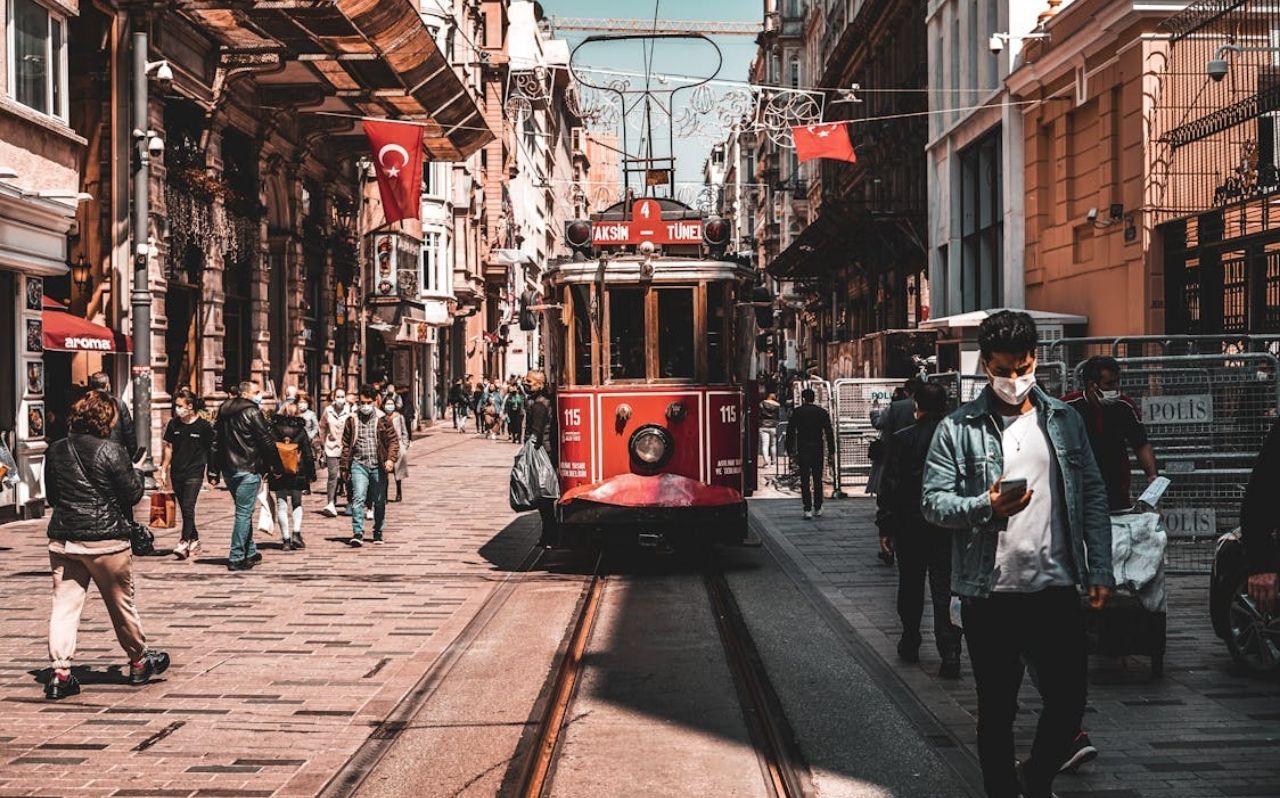
Taksim Square is a major transport hub.
The metro connects to other districts. Istiklal Street offers shops, restaurants, and evening activity.
Hotels are plentiful. Many travelers choose this area for convenience and nightlife.
What First-Timers Often Miss
Taksim is not next to major historic monuments.
Daily visits to Sultanahmet require tram or metro transfers. Travel time adds up.
If your itinerary focuses on mosques and palaces, you may commute frequently.
When It Makes Sense
If you prefer urban energy and late evenings, Taksim can be practical.
If you value walking to historic landmarks each morning, other areas may feel easier.
7. Kadıköy – A Local Feel on the Asian Side
The Appeal
Kadıköy offers local markets and seaside promenades.
It feels less crowded with tour groups. Cafés and restaurants cater more to residents.
For travelers staying longer, this neighborhood offers a slower rhythm.
The Daily Reality
To visit Sultanahmet or Galata, you will cross the Bosphorus.
Ferries are reliable and scenic. But they run on schedules. Official ferry information can be found via the City Lines website: https://www.sehirhatlari.istanbul
This commute becomes part of your daily plan.
Who It Is Best For
Travelers staying five or more days.
Visitors who want a residential atmosphere.
Remote workers with flexible schedules.
For short trips focused on iconic sites, it may require more coordination.

8. Practical Connectivity Reality in Istanbul
Connectivity is not the main focus of most travel planning. But in practice, it plays a role throughout the day.
Airport Arrival at Istanbul Airport (IST)
Many international flights land late at night.
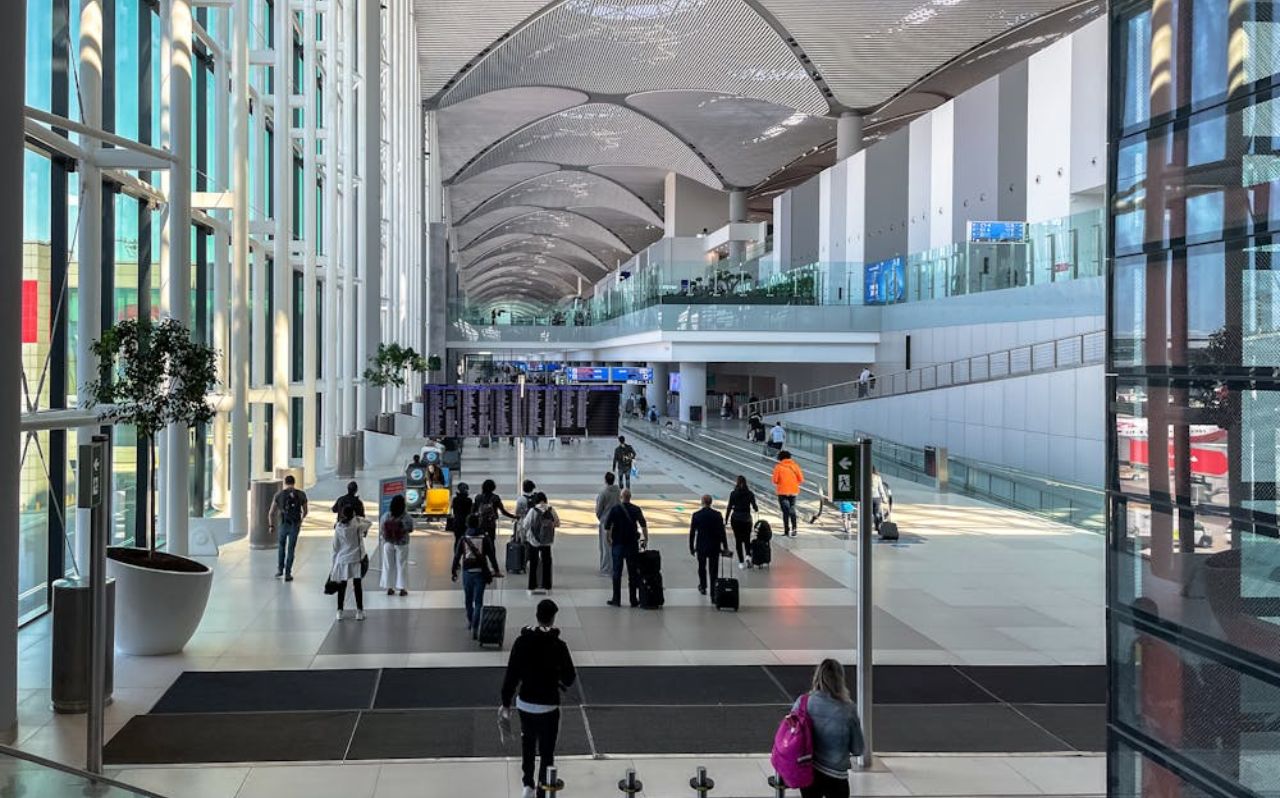
Istanbul Airport is large. Signage is clear, but distances inside the terminal are long. Official airport details are available here: https://www.istairport.com
After landing, travelers often need:
Maps to locate pickup points.
Ride-hailing apps.
Transfer booking confirmations.
Airport WiFi exists but may require SMS verification. This is not always convenient for international visitors.
Using Metro, Tram, and Ferry
Istanbul’s public transport network is extensive.
To use it effectively, travelers often check:
Live departure times.
Transfer routes.
Station names in Turkish.
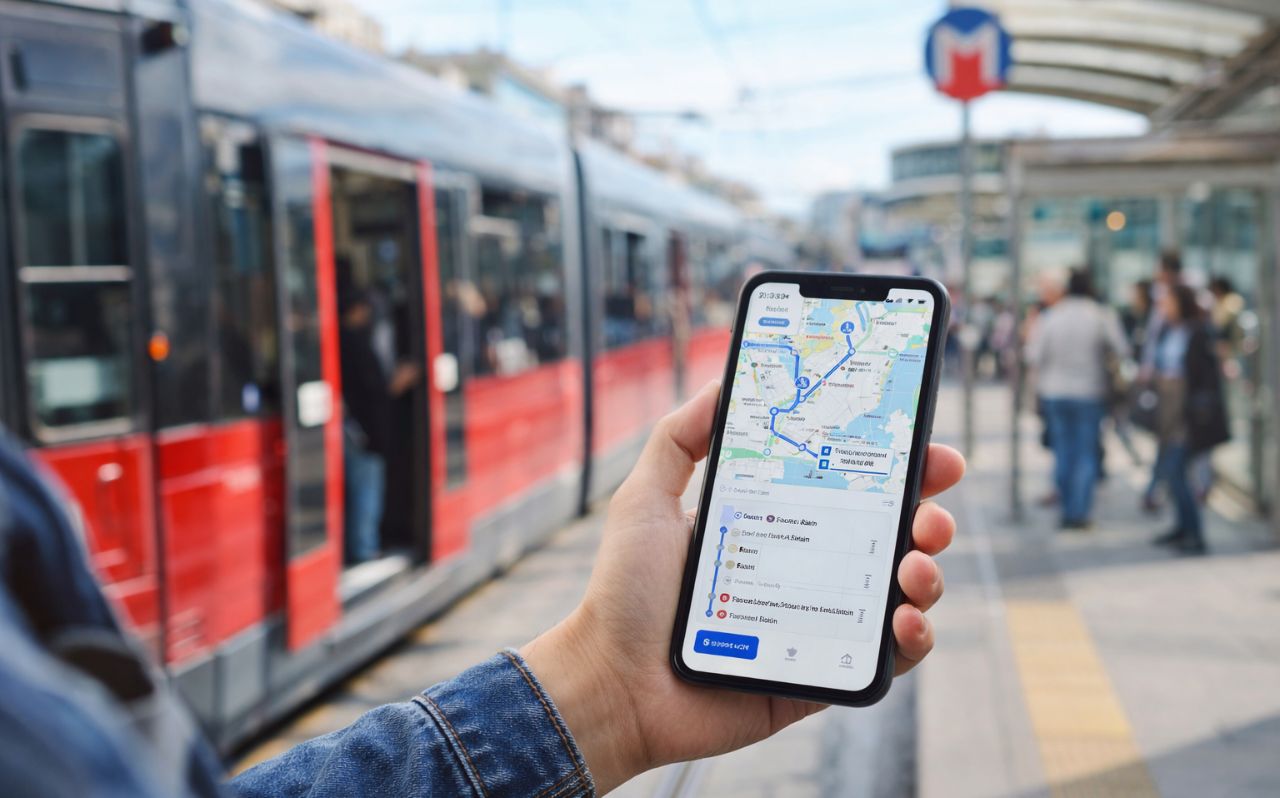
Offline maps help. But live data improves accuracy when lines are delayed or crowded.
Ride-Hailing and Taxi Navigation
Traffic in Istanbul can be heavy.
During peak hours, ride-hailing apps show fluctuating wait times. Monitoring routes helps avoid confusion, especially in unfamiliar districts.
Without mobile data, checking directions while moving becomes difficult.
Public WiFi Limitations
Cafés often provide WiFi. However:
Registration may require a local phone number.
Speeds vary during busy hours.
Connectivity disappears once you leave the venue.
While walking between tram stops or ferry docks, public WiFi is not available.
In practice, travelers commonly use mobile data for:
Navigation.
Translation apps.
Ticket confirmations.
Real-time transport checks.
9. When to Consider a More Reliable Setup
For short, well-planned itineraries centered in one neighborhood, minimal connectivity may be manageable.
However, situations change.
Arriving late at night.
Staying outside the historic center.
Crossing between continents daily.
Navigating unfamiliar transport lines.
In situations like this, having a reliable travel eSIM for Turkey can help reduce stress and make it easier to navigate between neighborhoods throughout the trip.
The goal is not constant usage. It is confidence when moving between districts.
10. FAQ
Which side of Istanbul is better for first-time visitors?
For short trips focused on major landmarks, the European side is often more practical. It reduces daily travel time. The Asian side suits longer stays or slower travel styles.
Is it worth staying on the Asian side?
Yes, especially for travelers who enjoy a local atmosphere. However, most iconic sites remain on the European side. Daily ferry crossings should be considered when planning.
How many days should I stay in Istanbul?
Three to four days allow coverage of major landmarks. Five or more days enable exploration of neighborhoods on both continents at a relaxed pace.
Is public transport easy to use in Istanbul?
It is generally efficient. Metro, tram, and ferry systems are well developed. Understanding routes in advance makes navigation smoother.
Do I need mobile data to get around Istanbul?
Many travelers find mobile data helpful for navigation, transport updates, and ride-hailing. Public WiFi exists but is not consistently available while moving between locations.
Choosing the right area in Istanbul shapes the rhythm of your trip.
A central location reduces daily transfers. A residential district offers a slower pace. The key is aligning your accommodation with your itinerary.
When that alignment is clear, the city feels easier to navigate.
11. Conclusion – Location Shapes the Rhythm of Your Trip
Choosing where to stay in Istanbul is less about finding the trendiest neighborhood and more about reducing daily friction.
A central location near major landmarks can simplify short itineraries. A residential district can offer a slower pace for longer stays. Each option changes how much time you spend walking, commuting, or crossing the Bosphorus.
For first-time visitors, the most practical choice is usually the one that aligns with your sightseeing plan. If your days revolve around historic monuments, staying nearby makes mornings easier. If you prefer markets, cafés, and waterfront walks, a different district may feel more comfortable.
Istanbul rewards thoughtful planning.
When your accommodation matches your itinerary, transport feels manageable, navigation becomes smoother, and the city starts to feel less overwhelming.
That balance often defines whether a first trip feels rushed or relaxed.

Hi! Mình là Lala Wren, một content creator yêu xê dịch và đam mê chia sẻ trải nghiệm thực tế cho cộng đồng Gohub. Trong nhiều năm qua, mình đã đặt chân đến Thái Lan, Hàn Quốc, Nhật Bản, Singapore, Malaysia, Bali và nhiều điểm đến thú vị khác trên khắp châu Á. Cùng mình tìm hiểu tất tần tật từ khâu chuẩn bị eSIM, Visa, lịch trình và địa điểm nổi bật cho chuyến đi sắp tới của bạn nhé!
Ver todos os artigos →