
App Store에서 앱 다운로드Download Gohub App on the App Store

How to Visit Kamakura Festival in 2027: Dates, Access and Where to Stay

  • Apr 11–18, 2027 (expected)
  • Kamakura, Kanagawa Prefecture, Japan
  • Last updated: 2026년 11월 9일
The Shizuka no Mai performed on the Maidono stage at Tsurugaoka Hachimangu with spectators on the Oishidan steps, wide landscape shot
Yabusame archer galloping along the archery track at Tsurugaoka Hachimangu during the Kamakura Matsuri
Mikoshi carried up Wakamiya-oji avenue toward Tsurugaoka Hachimangu in the Kamakura Matsuri procession
Samurai armour group marching on Wakamiya-oji during the Kamakura Matsuri
Nodate outdoor tea ceremony with red parasols in the grounds of the Kamakura Great Buddha at Kotokuin

Overview

The Kamakura Festival (Kamakura Matsuri) is expected from Sunday 11 April to Sunday 18 April 2027 at Tsurugaoka Hachimangu in Kamakura, Kanagawa 1. Held since 1959, it opens with a procession up Wakamiya-oji and the Shizuka no Mai dance on the Maidono stage, and closes with outdoor tea and mounted archery 1. Watching is free, and the shrine is a 10-minute walk from Kamakura Station 9.

Highlights

  • Shizuka no Mai on the Maidono, where Shizuka Gozen danced for Yoritomo 7
  • Opening procession of mikoshi, festival music and armour up Wakamiya-oji 1
  • Takeda-school yabusame on the 250 m shrine archery track 8
  • Free outdoor tea behind the Great Buddha at Kotokuin 4
  • Raw shirasu season on Sagami Bay, peaking April to May 18
  • Kamakura Station to the shrine on foot in 10 minutes 9

Good to know

Dates
11–18 Apr 2027 (expected), second to third Sunday 1
Opening hours
Shrine gates 6:00 to 20:00 year-round 7
Venue
Tsurugaoka Hachimangu, 2-1-31 Yukinoshita, Kamakura 9
Entry
Free; nodate tea free, temple admission extra 4
Getting there
Tokyo to Kamakura by JR Yokosuka Line, about 60 min 11

Why Does Opening Sunday Punish a Dead Phone?

Opening Sunday of the Kamakura Matsuri packs two headline events into one afternoon: the procession leaves the Geba crossing at 10:00 and the Shizuka no Mai starts on the Maidono stage at 15:00, with a commentary from 14:30, going by the 2026 timetable 1. Between the two, Wakamiya-oji is closed from Geba to the third torii from 10:00 to about 12:00, and crossing the avenue during the procession is forbidden by staff 3. Rurubu's listing for the 2026 edition puts the previous year's crowds at about 15,000 for the procession and about 10,000 for the dance 10.

That is a lot of people on one avenue and one flight of stone steps. Your phone carries the day: the organiser's notices on the official festival page, the walking route around the closed road, the message to friends who went for lunch on Komachi-dori, and the train home from Kamakura Station. When the screen dies at 14:00, just as the Oishidan steps turn one-way, you lose the meeting point, the map and the timetable at the same moment 2.

Checking the Kamakura Crowd Map Before Leaving the Station

Kamakura City runs an online crowd map that shows whether Komachi Street, Wakamiya Oji, the Kamakura Station exits, Hase and Kenchoji are quiet, normal or crowded 20. On festival Sundays it tells you whether to walk up Wakamiya-oji or take the back lanes, but only if your phone can load it on the platform.

Finding Friends After the Oishidan Exit

After the Shizuka no Mai, people on the Oishidan stone steps are released in stages by staff, because everyone moving at once is dangerous 2. Groups split between the steps and the courtyard below. A pinned map location and a message saying which side of the Maidono you are on saves twenty minutes of shouting.

Catching the Enoden to Hase After the Archery

Many visitors finish the closing Sunday at the Great Buddha, which is three Enoden stops from Kamakura, about 7 minutes, plus a 7-minute walk 17. The grounds close at 17:30 from April to September 17. Checking the next tram and the day-pass rules from the shrine saves a wasted trip.

Install your eSIM before you fly and be online when you land — see matching plansSee eSIM plans

The complete guide

Kamakura Festival 2027: What are the key dates?

The Kamakura Festival is expected to run from Sunday 11 April to Sunday 18 April 2027, centred on Tsurugaoka Hachimangu in Kamakura 1. The Kamakura City Tourist Association, which organises it, holds the festival every year from the second Sunday of April to the third Sunday, so the dates move with the calendar rather than with a lunar cycle 1. The 2027 dates follow that rule, but the 2027 programme had not been published by October 2026, so treat them as expected.

For the Kamakura Festival 2026 keyword, the 68th edition ran from 12 to 19 April 2026 1. Its schedule shows the shape to expect:

  • Procession on Wakamiya-oji, 12 April 2026 from 10:00 1

  • Shizuka no Mai on the Maidono, 12 April 2026 from 15:00, commentary from 14:30 1

  • Nodate tea at Tsurugaoka Hachimangu and Kenchoji, 18 April 2026, 10:00 to 15:00 4

  • Nodate tea at Kotokuin, 19 April 2026, 10:00 to 15:00 4

  • Yabusame at the shrine archery track, 19 April 2026 from 13:00 1

The week in between is quiet: smaller supporting events such as a kyudo archery tournament and a memorial rite at Minamoto no Yoritomo's grave filled some weekdays in 2026 1. Most travellers need only the two Sundays and the Saturday before the second one.

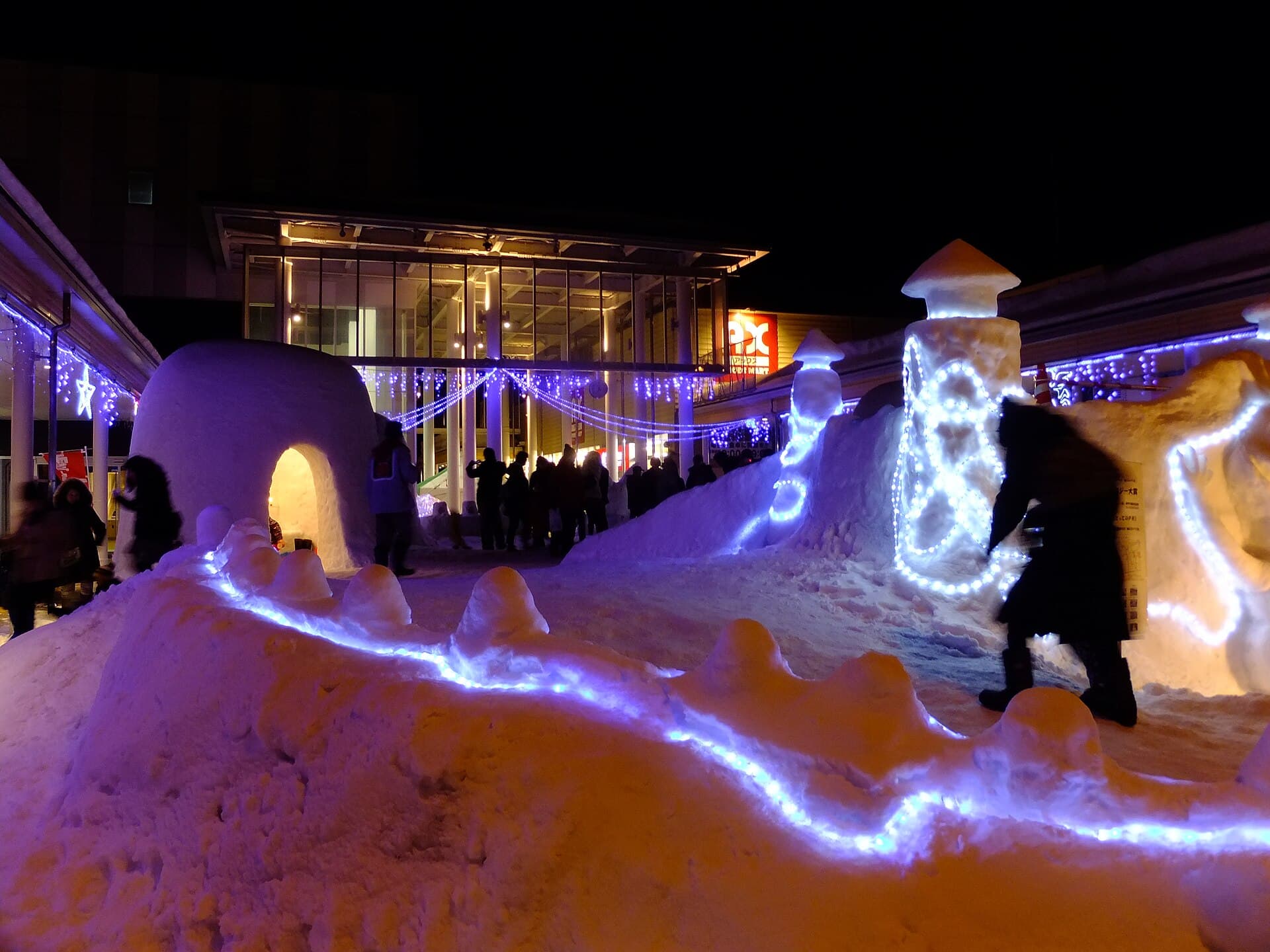
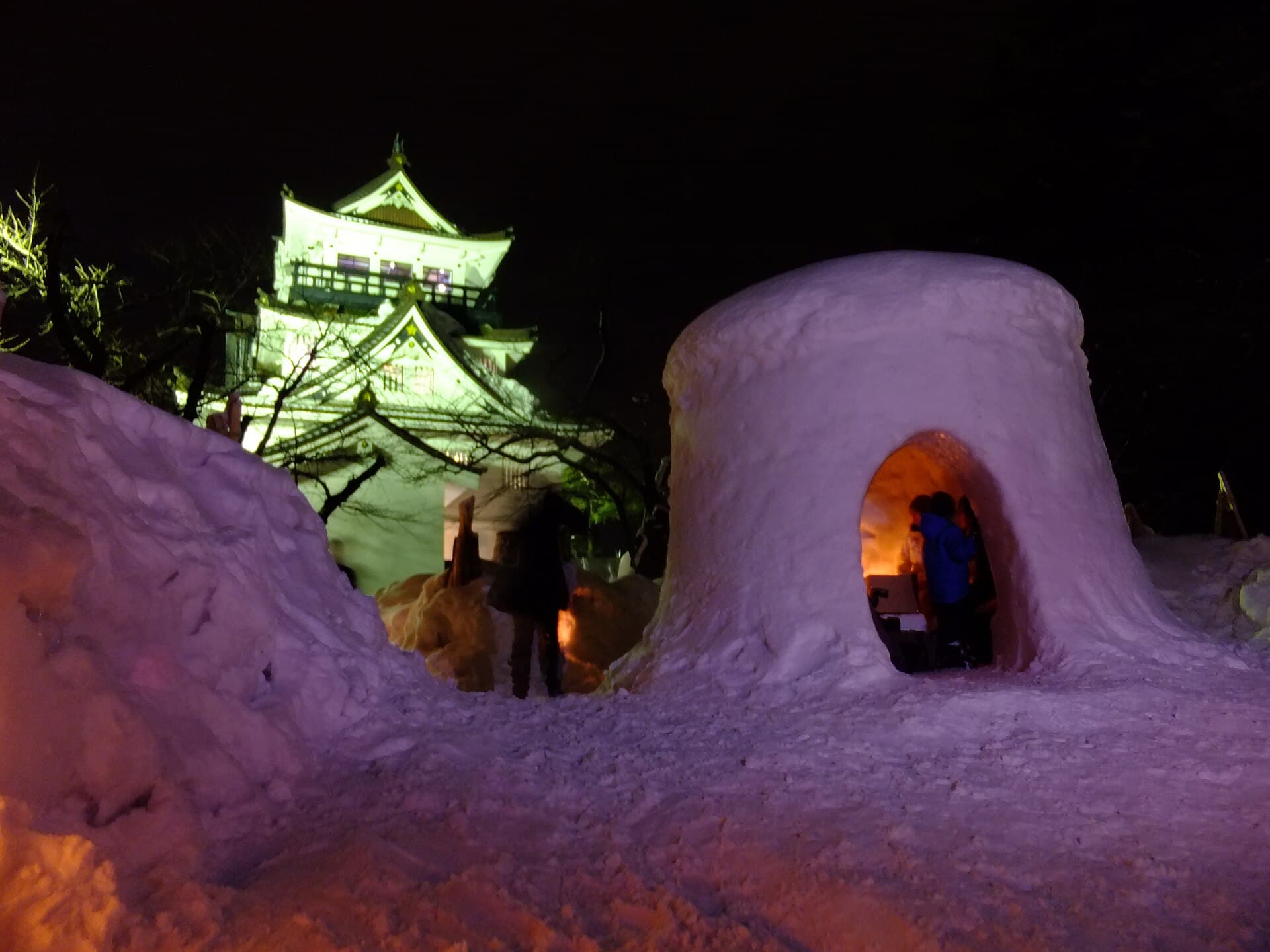
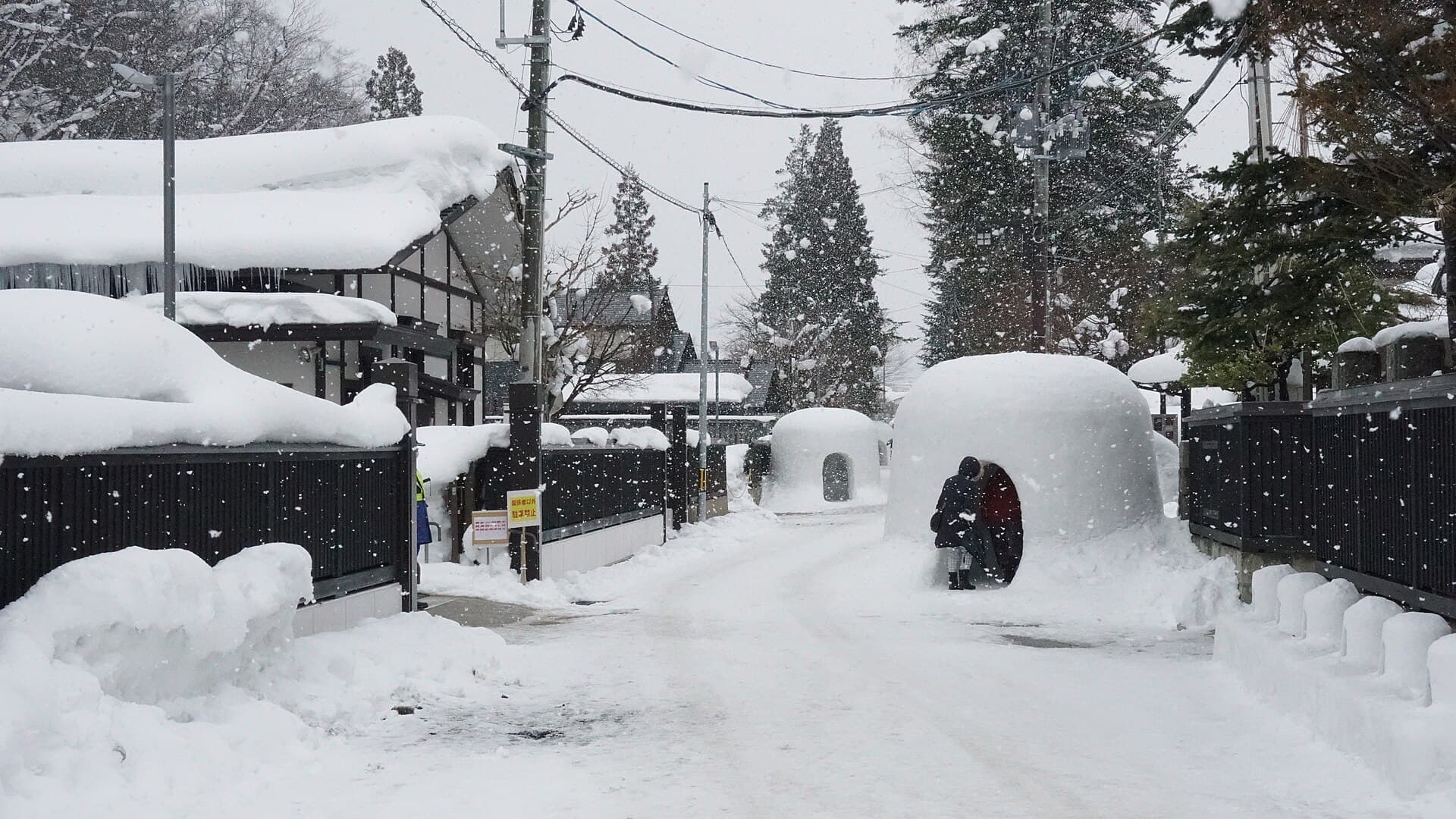
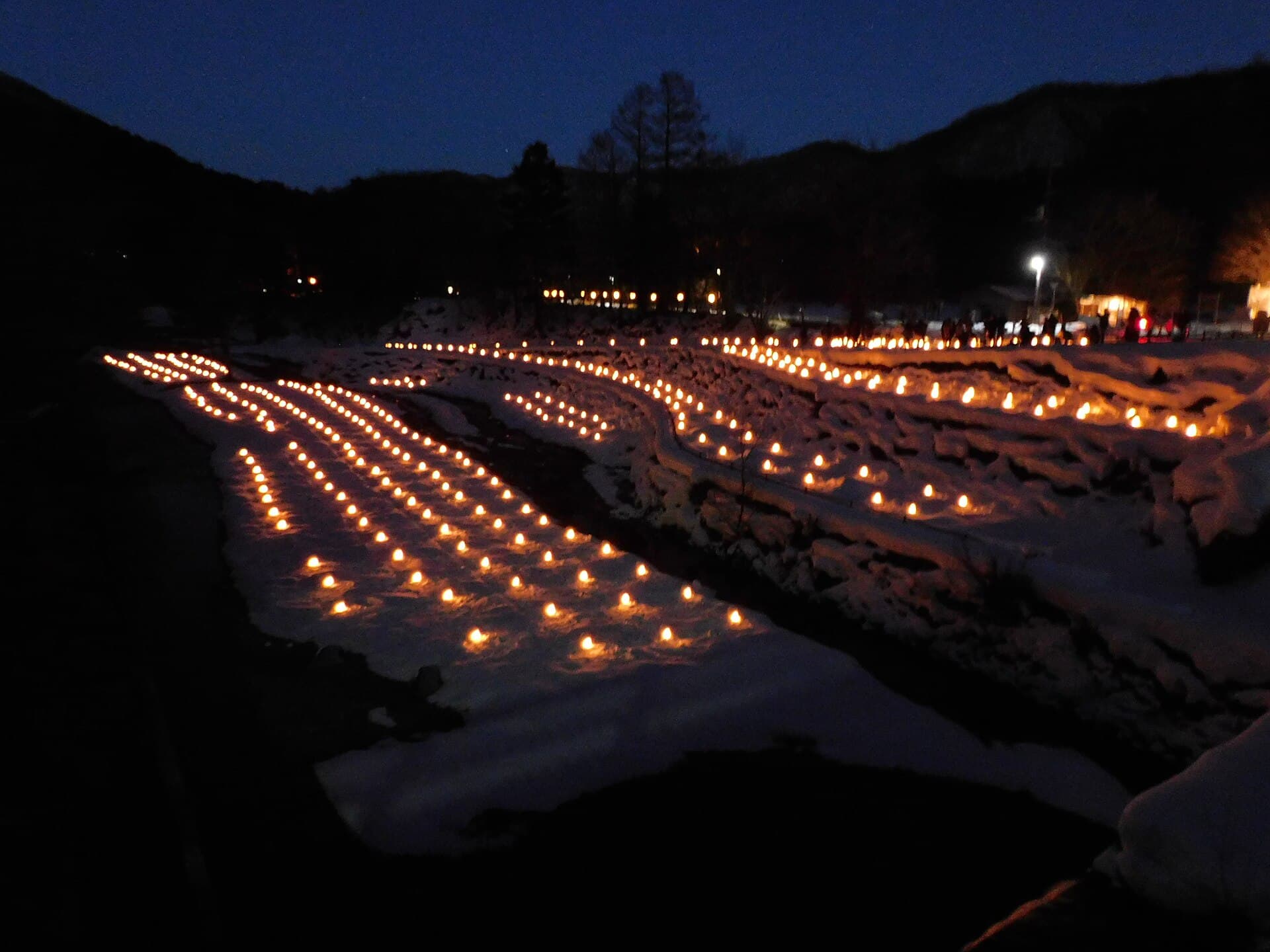
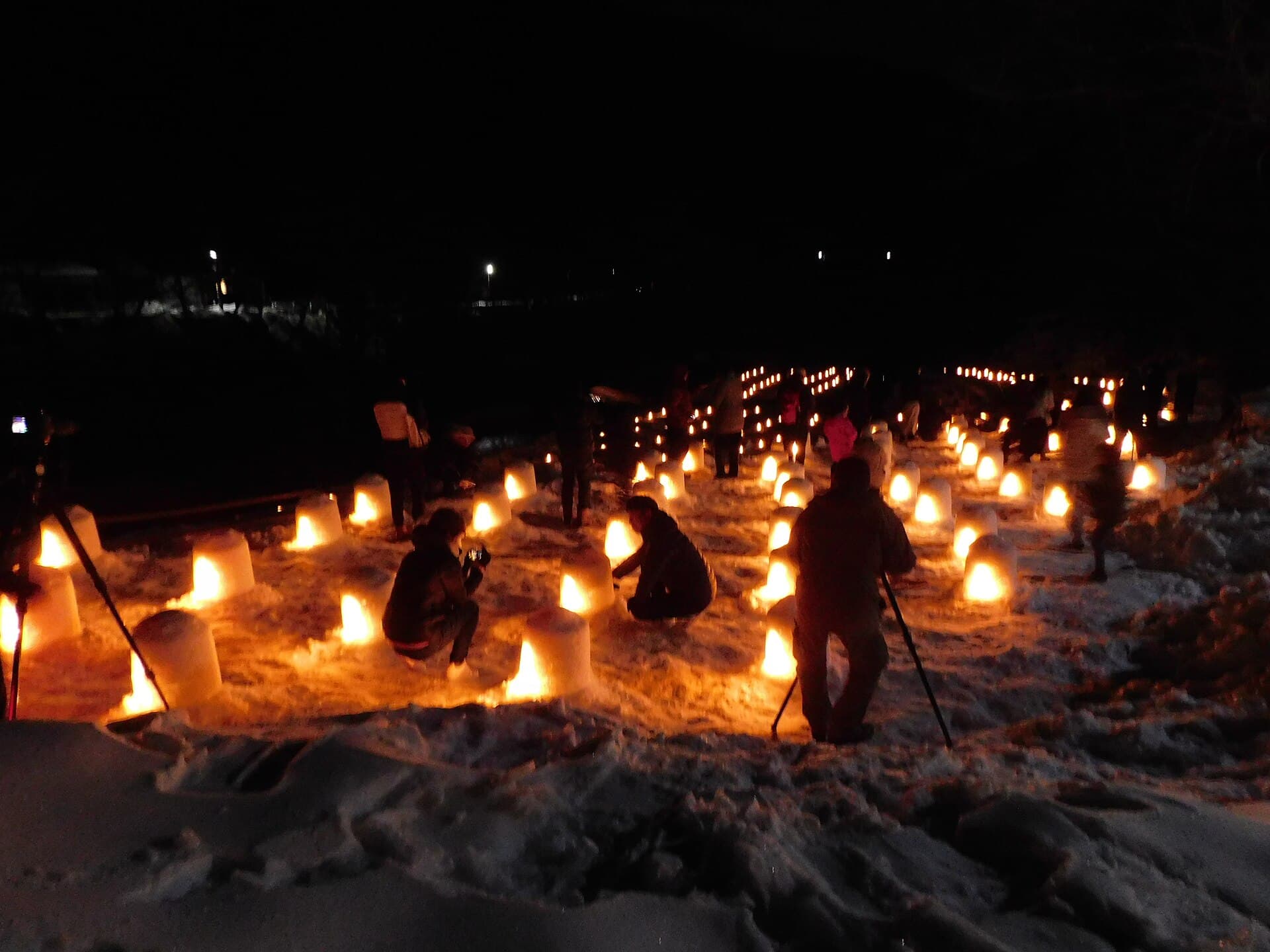
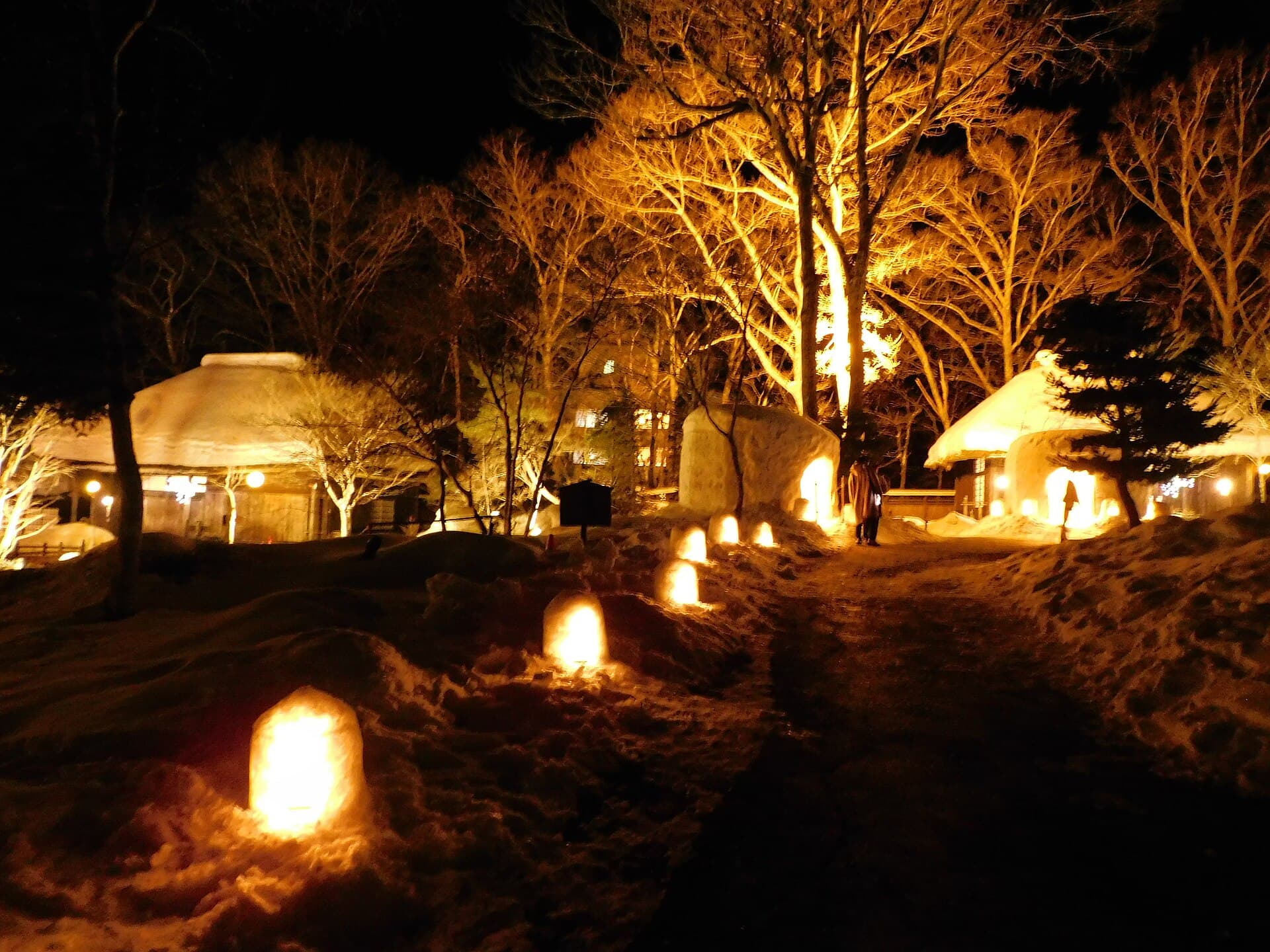
Do not confuse this festival with the Kamakura snow-hut event in Yokote, Akita, which shares the name in Japanese searches but is a winter festival in a different prefecture. Search results also mix the April yabusame with the shrine's own September rite, which is a separate festival with a different archery school 8.

Tip: If you can manage only one day, choose opening Sunday, 11 April 2027, which puts the procession and the Shizuka no Mai on the same date if the usual pattern holds 1.
The Maidono dance stage at Tsurugaoka Hachimangu with the Oishidan stone steps and main shrine behind it
Photo: NALA Wiki ( talk ) · CC BY-SA 3.0 · Wikimedia Commons

Kamakura Matsuri Admission

None of the main Kamakura Matsuri events sells tickets: the procession, the Shizuka no Mai and the yabusame are watched free from the street and the shrine grounds, and the tourism listing for the 2026 edition gives the festival as free 10. There is no seat booking, no wristband and no timed entry for the public.

The outdoor tea ceremony, or nodate, is also free to join, but two of its three venues sit inside temples that charge their usual admission 4. In 2026 the three tea seats were run by three different schools of tea:

  • Omotesenke school, Tsurugaoka Hachimangu grounds behind the purification fountain, 18 April 2026 4

  • Mushanokoji Senke school, Kenchoji, indoors in the Okudo hall, 18 April 2026 4

  • Urasenke Tankokai Kamakura branch, Kotokuin behind the Great Buddha, 19 April 2026 4

At Kotokuin, adult admission is 300 yen, children aged 6 to 12 pay 150 yen, and stepping inside the bronze statue costs an extra 50 yen 17. Seats at each tea venue are limited, staff tell you where to wait, and nobody can join a group once the tea preparation has started 4. You are also asked not to leave halfway through 4.

The one ticketed seating area that exists belongs to the shrine, not the festival: Tsurugaoka Hachimangu sets up an international exchange seating area at its late-April yabusame for embassies and foreign residents in Japan 6. Ordinary visitors stand along the track.

Tip: Carry coins for Kotokuin and Kenchoji on the tea day. The tea itself is free, but the temple gate is not 4.

Tea masters serving matcha at an outdoor nodate tea seat under red parasols in the grounds of Tsurugaoka Hachimangu
Photo: Miyuki Meinaka · CC BY-SA 4.0 · Wikimedia Commons
Need a steady connection for transit and maps?See eSIM plans

Geba Crossing (East Exit)

Use the east exit of Kamakura Station: Tsurugaoka Hachimangu is a 10-minute walk from there, and the same station serves both JR and Enoden trains 9. Wakamiya-oji, the wide avenue a block east, runs straight from the Geba crossing to the shrine, and the procession covers about 1 km along it 1.

Train times to Kamakura Station, from the Kamakura City Tourist Association 11:

  • Tokyo Station, JR Yokosuka Line direct, about 60 minutes 11

  • Shinagawa, JR Yokosuka Line direct, about 50 minutes 11

  • Yokohama, JR Yokosuka Line direct, about 25 minutes 11

  • Narita Airport, Narita Express to Ofuna (110 minutes), then JR Yokosuka Line (10 minutes) 11

  • Haneda Airport, Keikyu Line to Yokohama (30 minutes), then JR Yokosuka Line (25 minutes) 11

The Yokosuka Line fare from Tokyo is 1,040 yen one way 12. From Shinjuku, only Zushi-bound Shonan-Shinjuku Line trains run through to Kamakura; the rest need a change at Ofuna 12.

Once in town, the Enoden runs from Kamakura Station along the coast to Hase, Enoshima and Fujisawa 12. For the Kenchoji tea seat, use Kita-Kamakura Station on the JR line instead, which is the stop for Kenchoji and Engakuji 12.

Driving is a poor idea on festival Sundays. On procession morning in 2026, the shrine-bound lanes of Wakamiya-oji were closed between Geba and the third torii from 10:00 to 12:00, except for large buses, and the seaward lanes ran alternating traffic 3. Both the shrine page and the festival notices ask visitors to come by public transport 2 3.

Tip: Leave big suitcases at the Kamakura City Tourist Association office on the fourth floor of the Enoden building, outside the west exit. It charges 300 yen per bag up to 40 cm on every side and 700 yen for larger bags, from 9:00 to 17:00 14.

The east exit plaza of JR Kamakura Station with the start of Komachi-dori street
Photo: Miyuki Meinaka · CC BY-SA 4.0 · Wikimedia Commons

Wakamiya-oji's Opening Morning Procession

The opening procession is a parade of local groups walking about 1 km up Wakamiya-oji from the Geba crossing into the Tsurugaoka Hachimangu grounds, starting at 10:00 on opening Sunday in the 2026 programme 1. It is the festival's opening act and the busiest street event of the week.

Expect a long column of community groups rather than a single float. The 2026 line-up listed 1:

  • Ohayashi groups playing festival flutes and drums 1

  • Mikoshi portable shrines carried by neighbourhood teams 1

  • A procession in samurai armour 1

  • Yosakoi dance teams 1

Kanagawa's tourism listing put the total at around 1,000 participants in 2026 9.

The avenue has a raised central walkway, the Dankazura, lined with plantings. It looks like the perfect grandstand, but the rules forbid it: no stepping into the planted strips, and no sitting on the Dankazura, because the mikoshi can swing close enough to hit spectators 3. Stand on the pavements on either side and keep within them 3. Spreading leisure sheets is not allowed, and crossing the avenue mid-procession is dangerous, so follow the staff 3.

Smoking is restricted along the route from Kamakura Station to Tsurugaoka Hachimangu, and the city asks visitors to take their rubbish home 15. Good places to watch are near the Geba crossing, where the column forms, and near the second torii, where there is more pavement. The final stretch into the shrine grounds is the most crowded.

Tip: Watch the start near Geba, then walk up the side streets parallel to Wakamiya-oji to reach the shrine before the column arrives. You get two views of the same procession and a head start on the afternoon dance.

Portable mikoshi shrine carried along Wakamiya-oji avenue in Kamakura during the Kamakura Matsuri procession
Photo: Miyuki Meinaka · CC BY-SA 4.0 · Wikimedia Commons

Where Can You Stand to Watch the Shizuka no Mai?

The Shizuka no Mai is watched standing around the Maidono, the open dance hall at the foot of the Oishidan steps, or from the steps themselves once staff allow it from 14:00 2. The Maidono stands on the site of the Wakamiya corridor where Shizuka Gozen danced with longing for Yoshitsune 7.

The story comes from the Azuma Kagami chronicle. Shizuka, the most famous shirabyoshi dancer in Kyoto, was captured after fleeing with Minamoto no Yoshitsune, brought to Kamakura and ordered by his brother Yoritomo to dance at the shrine 5. She sang two poems of longing for Yoshitsune, one beginning "Yoshino-yama mine no shirayuki", which enraged Yoritomo; his wife Masako calmed him 5. The festival recreates that dance, performed in 2026 by a dancer of the Nishikawa school 1.

The viewing rules from the 2026 notice 2:

  • No claiming a place on the Oishidan before 14:00 2

  • From 14:00 until the end, the Oishidan runs one way, uphill, for people going to worship at the main shrine 2

  • No stopping halfway up the steps 2

  • No leisure sheets, no stepping into planted areas, no leaning on the bamboo fences 2

  • The path in front of the shrine office may close during the performance 2

The Oishidan is also the best view of Kamakura in the grounds: on a clear day you can see out to the Pacific and Izu Oshima 7. After the dance, people on the steps leave in stages under staff direction 2.

Tip: Arrive by 14:00, listen to the commentary at 14:30 from the courtyard and take your place on the steps early. Bring a fully charged phone: the dance lasts a short time and video eats battery 1.

A dancer in white shirabyoshi costume performing the Shizuka no Mai on the Maidono stage at Tsurugaoka Hachimangu
Photo: Miyuki Meinaka · CC BY-SA 4.0 · Wikimedia Commons

When Do the Takeda-School Archers Ride the Yabusame Track?

The spring yabusame runs on the closing Sunday of the Kamakura Matsuri, from 13:00 on 19 April in 2026, so 18 April 2027 is the expected date if the pattern holds 1. The archers ride along the yabusame track, the east-west lane that cuts across the middle of the Tsurugaoka Hachimangu grounds 7.

The track is 250 m long 8. Riders in hunting dress gallop from one end to the other and shoot at three targets set along its south side, an offering to Hachiman, the guardian deity of warriors 8. Yoritomo ordered the shrine's first yabusame in 1187 8.

The April yabusame differs from the September one:

  • April: performed by the Takeda school during the Kamakura Matsuri 8

  • 16 September: the formal rite of the shrine's Grand Festival, performed by the Ogasawara school 8

The shrine itself calls the spring event the Sukeisha Taisai, a festival for its supporters held in late April, with the yabusame performed in the manner of the September rite 6. The tourism association lists it on its programme and sends questions to the shrine 1.

Because the track runs between the shrine gates and the main hall, ropes and staff close it off during the ride. Spectators stand along both sides, and the best views are close to a target, where the arrow strikes and the wood splinters. Spots fill well before 13:00 in a normal year.

Tip: On the closing Sunday, do the Kotokuin tea seat in the morning, return on the Enoden and reach the archery track by noon 4 17.

Yabusame archer in hunting costume galloping along the archery track at Tsurugaoka Hachimangu and aiming at a wooden target
Photo: Yoshi Canopus · CC0 · Wikimedia Commons

How is Kamakura's Mid-April Weather?

Mid-April in Kamakura is mild: the Japan Meteorological Agency's 1991–2020 April normals for nearby Yokohama give an average high of 18.9 C, a low of 10.7 C and a mean of 14.5 C 16. The same normals show 143.1 mm of rain across April and about 181 hours of sunshine 16. Expect a few wet days in the week.

That rain matters for the tea. The nodate seats can be moved or cancelled in rain or storms 4. The Kenchoji seat was indoors in 2026, which makes it the safest tea option on a wet Saturday 4.

Crowd level by day, on a scale of 1 to 5:

  • Opening Sunday, procession and Shizuka no Mai: 5

  • Weekdays in between: 2

  • Saturday nodate: 3

  • Closing Sunday, yabusame and Kotokuin tea: 4

These levels are an estimate based on the number of headline events each day, not a measured figure. The previous year's attendance cited in Rurubu's 2026 listing was about 15,000 for the procession and about 10,000 for the dance 10.

What to pack for the week:

  • A light jacket for the morning procession and the shade of the shrine grounds

  • A compact umbrella, since leisure sheets are banned for viewing anyway 3

  • Walking shoes with grip for the Oishidan steps 2

  • A small bag for your rubbish, as visitors are asked to take it home 2

Tip: Raw shirasu comes back into season after the March fishing ban; spring is its peak, from April to May 18. A whitebait rice bowl near Kamakura Station or Koshigoe is the dish of the week.

The Dankazura raised walkway on Wakamiya-oji in Kamakura lined with fresh spring leaves
Photo: Yoshi Canopus · CC0 · Wikimedia Commons

Kamakura Matsuri: Where to Be on Two Sundays

Sleep near Kamakura Station if you can: it puts you a 10-minute walk from Tsurugaoka Hachimangu and on both the JR and Enoden lines 9. Kamakura is mainly a day-trip town, so rooms close to the shrine are limited compared with Yokohama or Tokyo.

Areas to consider:

  • Kamakura Station area: shortest walk to the procession and the Maidono

  • Yuigahama, Hase and Gokurakuji: near the Great Buddha and the beach, on the Enoden

  • Ofuna: a JR junction 10 minutes from Kamakura, the transfer point for the Narita Express 11

  • Enoshima and Fujisawa: more choice, reached by Enoden; Fujisawa is about 40 minutes from Hase 17

  • Yokohama: big-city range of hotels, 25 minutes by JR Yokosuka Line 11

Because the two headline days are a week apart, many visitors stay in Tokyo or Yokohama and come in twice. That works: the first procession begins at 10:00, so a 9:00 train from Tokyo is enough on opening Sunday, based on the 2026 pattern 1 11.

Book as soon as the dates are confirmed. Mid-April weekends also bring ordinary day-trippers on top of the festival crowd. Pick a cancellable rate in case the association's final dates differ from the expected 11 and 18 April 2027.

Tip: Check the Kamakura crowd map the evening before. If Komachi Street and Wakamiya Oji show crowded already, plan to walk in early the next morning 20.

The Enoden tram passing along the coast near Kamakura with Sagami Bay in the background
Photo: KQuhen · CC BY-SA 4.0 · Wikimedia Commons

Oishidan Steps: Connecting Routes

Plan for slow data on the Oishidan and along Wakamiya-oji on opening Sunday, when thousands of people stand in the same small area and share the same cells 10. This is practical guidance rather than a measured speed, but the crowd figures from previous editions make it a safe assumption.

Phones do real work at the Kamakura Matsuri:

  • Loading Kamakura City's live crowd map for Komachi Street, Wakamiya Oji and Hase 20

  • Reading the festival notices and the shrine's late changes on the official pages 1

  • Checking the procession road closure, since the avenue cannot be crossed mid-procession 3

  • Messaging friends after staff release the Oishidan crowd in stages 2

  • Topping up a transport card or checking the Enoden day pass rules 13

Public Wi-Fi in a shrine courtyard with ten thousand people around the Maidono will not carry video calls, so set up a data plan before you land. A Japan eSIM installed at home starts working at Narita or Haneda, and you can follow the train map from the arrivals hall to Kamakura without hunting for a router. Check that your phone supports eSIM first.

Battery is the other limit. A day of maps, photos and videos of the dance and the archery drains a phone. Bring a power bank, keep screen brightness low between events and agree a fixed meeting point, such as the Maidono's east side near the pond, before the crowd builds.

Tip: Save the shrine address, 2-1-31 Yukinoshita, and the Japan Visitor Hotline, 050-3816-2787, in your notes. The hotline answers in English 24 hours a day; for police call 110 and for fire or ambulance 119 9 19.

Suggested itinerary

Day 1 · Sunday 11 April 2027 (expected): procession and Shizuka no Mai

  1. Before 10:00
    Geba crossing, Wakamiya-ojiFind a place on the pavement, not the Dankazura, before the 10:00 start 3
  2. Late morning
    Second toriiWalk the side streets to see the procession again closer to the shrine
  3. Around noon
    Komachi-doriLunch near Kamakura Station; try a shirasu rice bowl in season 18
  4. Around 14:00
    Oishidan stepsPlaces on the steps open at 14:00; commentary follows at 14:30 2
  5. Around 15:00
    MaidonoThe Shizuka no Mai, then leave the steps when staff call you 2

Day 2 · Saturday 17 April 2027 (expected): tea and temples

  1. Morning
    Kita-Kamakura StationThe JR stop for Kenchoji and Engakuji 12
  2. Late morning
    Kenchoji nodateIndoor tea seat in 2026; temple admission is separate 4
  3. Afternoon
    Tsurugaoka Hachimangu nodateTea behind the purification fountain until 15:00 4
  4. Late afternoon
    Yabusame trackWalk the empty track to plan where to stand tomorrow 7

Day 3 · Sunday 18 April 2027 (expected): Great Buddha and yabusame

  1. Morning
    Enoden to HaseThree stops, about 7 minutes, then a 7-minute walk 17
  2. Around 10:00
    Kotokuin nodateTea behind the Great Buddha; admission 300 yen 17
  3. Around noon
    Yabusame trackBack on the Enoden and along the ropes before the 13:00 start 1
  4. Around 13:00
    Takeda-school yabusameStand near one of the three targets 8
  5. Evening
    Kamakura StationJR Yokosuka Line to Tokyo, about 60 minutes 11

Tip: The headline days are a week apart in April 2027, so a Tokyo or Yokohama base with return trips works well.

Recommended eSIM plans

Pick by trip length. Visiting several countries? Choose a regional plan.

Selected: eSIM Japan Unlimited 10Mbps 15 Day(s)

Set up your eSIM in 3 steps

  1. Order and get your QR codeThe QR code arrives by email right after payment.
  2. Scan before you flySettings → Cellular → Add eSIM, while you still have Wi-Fi.
  3. Turn on data when you landSet the eSIM as your data line and enable data roaming.

Frequently asked questions

The 68th Kamakura Festival ran from Sunday 12 April to Sunday 19 April 2026 1. The procession and the Shizuka no Mai were on 12 April, the nodate tea seats on 18 and 19 April, and the yabusame on 19 April from 13:00 1 4. The festival keeps the second-to-third-Sunday pattern, which points to 11 to 18 April in 2027.

No, they are unrelated events that share a name in Japanese. The Kamakura Matsuri is a spring festival in Kamakura city, Kanagawa, about 60 minutes from Tokyo by JR Yokosuka Line 11. The snow festival of the same name is a winter event in Yokote, Akita, built around snow huts. Check the prefecture before booking.

Yes. The tea seat at Kotokuin was free to join in 2026, but you pay the temple's 300 yen admission to enter the grounds 4 17. Seats are limited, so wait where staff direct you. Latecomers cannot join a group once the tea preparation has started, and rain can move or cancel it 4.

The April yabusame belongs to the Kamakura Matsuri and is ridden by the Takeda school; the September one on 16 September is the formal rite of the shrine's Grand Festival, performed by the Ogasawara school 8. Both use the same 250 m track across the shrine grounds with three targets 8.

No. The organiser asks spectators not to sit on the Dankazura raised walkway, because the mikoshi pass close enough to hit them, and the planted strips are off limits 3. Watch from the pavements on either side of Wakamiya-oji, without spreading leisure sheets, and follow staff instructions when crossing 3.

Install it at home before you fly, then switch it on when you land at Narita or Haneda. That way the route to Ofuna or Yokohama and on to Kamakura Station works from the arrivals hall 11. You will use data for the city's crowd map and festival notices on opening Sunday 20 1.

Sources

Figures on this page come from the sources below — the small number next to each figure points to its source.

  1. 1Kamakura City Tourist Association, 68th Kamakura Festival (April 2026) (accessed 2026-10-18)
  2. 2Kamakura City Tourist Association, Shizuka no Mai viewing notes (accessed 2026-10-18)
  3. 3Kamakura City Tourist Association, Procession traffic restrictions and notes (accessed 2026-10-18)
  4. 4Kamakura City Tourist Association, Nodate participation and notes (accessed 2026-10-18)
  5. 5Kamakura City Tourist Association, The story of Shizuka no Mai (accessed 2026-10-18)
  6. 6Tsurugaoka Hachimangu, Annual festivals (accessed 2026-10-18)
  7. 7Tsurugaoka Hachimangu, Tour of the shrine grounds (accessed 2026-10-18)
  8. 8Japan Tourism Agency multilingual database, Yabusame Archery Track (accessed 2026-10-18)
  9. 9Kanagawa Prefecture Tourism Association, 68th Kamakura Festival (accessed 2026-10-18)
  10. 10Rurubu, 68th Kamakura Festival listing (accessed 2026-10-18)
  11. 11Kamakura City Tourist Association (English), Access (accessed 2026-10-18)
  12. 12Japan Guide, How to get to and around Kamakura (accessed 2026-10-18)
  13. 13Kamakura City Tourist Association (English), Unlimited ride transit passes (accessed 2026-10-18)
  14. 14Kamakura City Tourist Association (English), Luggage storage service (accessed 2026-10-18)
  15. 15Kamakura City Tourist Association (English), Respect Kamakura guidelines (accessed 2026-10-18)
  16. 16Japan Meteorological Agency, Yokohama climate normals 1991–2020 (accessed 2026-10-18)
  17. 17Kotokuin (Great Buddha of Kamakura), Visitor information (accessed 2026-10-18)
  18. 18Shun Gate, Shonan shirasu from Sagami Bay (accessed 2026-10-18)
  19. 19Japan National Tourism Organization, Japan Visitor Hotline (accessed 2026-10-18)
  20. 20Kamakura City, Kamakura tourism crowd map (accessed 2026-10-18)