

Serbia Itinerary for 7 Days: How to Plan Cities and Nature Without Rushing

Many travelers building a Serbia itinerary are surprised by how varied the country feels once they begin mapping out distances. On a map, Serbia looks compact. In practice, mountain roads, regional borders, and slower rural routes affect pacing more than expected.
A realistic Serbia itinerary does not attempt to cover every national park and historic town in a single week. Instead, it balances Belgrade’s urban energy with one or two regional highlights such as Novi Sad, Tara National Park, or the Danube Gorge.
A typical plan for 7 days in Serbia includes:
2–3 days in Belgrade
1 day in Novi Sad
2 days in one national park region
1 flexible travel or buffer day
Trying to combine western and eastern Serbia within the same short trip often leads to long driving hours rather than meaningful exploration.
Before finalizing a Serbia itinerary, it helps to understand how the country is structured geographically.
1. Understanding Serbia’s Geography Before Planning
A successful Serbia itinerary depends more on regional grouping than on the number of attractions listed. Serbia can be divided into four practical travel zones. Each zone feels different in terrain, infrastructure, and travel time.
Northern Serbia (Vojvodina)
Northern Serbia is flat and easy to navigate. The main city is Novi Sad, located about one hour from Belgrade by train or bus.
This region works well for:
Road conditions are straightforward, and distances are manageable. Including this region in a Serbia itinerary does not significantly increase travel stress.
Central Serbia
Central Serbia revolves around Belgrade. Most international visitors arrive via Belgrade Nikola Tesla Airport. The city acts as the main transport hub.
From Belgrade, travelers can:
Take trains or buses north to Novi Sad
Drive west toward Tara National Park
Drive east toward Đerdap National Park
Nearly every Serbia travel route begins here. Planning arrival and departure days around Belgrade reduces logistical complications.
Western Serbia
Western Serbia includes Tara National Park, Zlatibor, and Uvac. This region is mountainous and scenic. It is also slower to navigate.
Travel time from Belgrade to Tara National Park typically ranges between three and four hours by car. Public transport can take longer and may require transfers.
This area suits:
Nature-focused travelers
A Serbia road trip
Visitors willing to rent a car in Serbia
Including western Serbia in a 7-day Serbia itinerary requires dedicating at least two full days to the region.
Eastern Serbia
Eastern Serbia is home to Đerdap National Park and Golubac Fortress along the Danube River. The landscape features dramatic river gorges and winding roads.
Travel from Belgrade to the Danube Gorge takes approximately two to three hours by car. While closer than western Serbia, it still requires focused time.
A common planning mistake is combining western and eastern Serbia within the same short itinerary. In practice, choosing one direction keeps a Serbia itinerary balanced and manageable.
Understanding geography early prevents rushed scheduling. A well-structured Serbia itinerary moves in one general direction rather than zigzagging across the country.
2. A Balanced 7-Day Serbia Itinerary
A well-paced Serbia 7 day itinerary focuses on depth rather than distance. The goal is not to cover every region, but to combine cities with one strong nature experience.
Below is a realistic structure for 7 days in Serbia that avoids excessive backtracking.
Day 1–2: Belgrade
Most trips begin in Belgrade. Spending at least two nights helps adjust to arrival schedules and provides time to explore without rushing.
Key experiences:
Walking through Belgrade Fortress and Kalemegdan Park
Exploring Skadarlija’s traditional restaurants
Visiting museums or strolling along the Danube River
Discovering neighborhood cafés beyond the main squares
Belgrade also serves as the central hub for transportation in Serbia. From here, travelers can plan day trips or longer drives without changing accommodation immediately.
Two days create flexibility. If arrival is late or flights are delayed, the overall travel route remains stable.
Day 3: Novi Sad (Day Trip or Overnight)
A Belgrade to Novi Sad day trip is one of the easiest additions to a Serbia travel route.
Travel time is about one hour by train or bus. The compact layout makes it suitable for a relaxed visit.
Highlights:
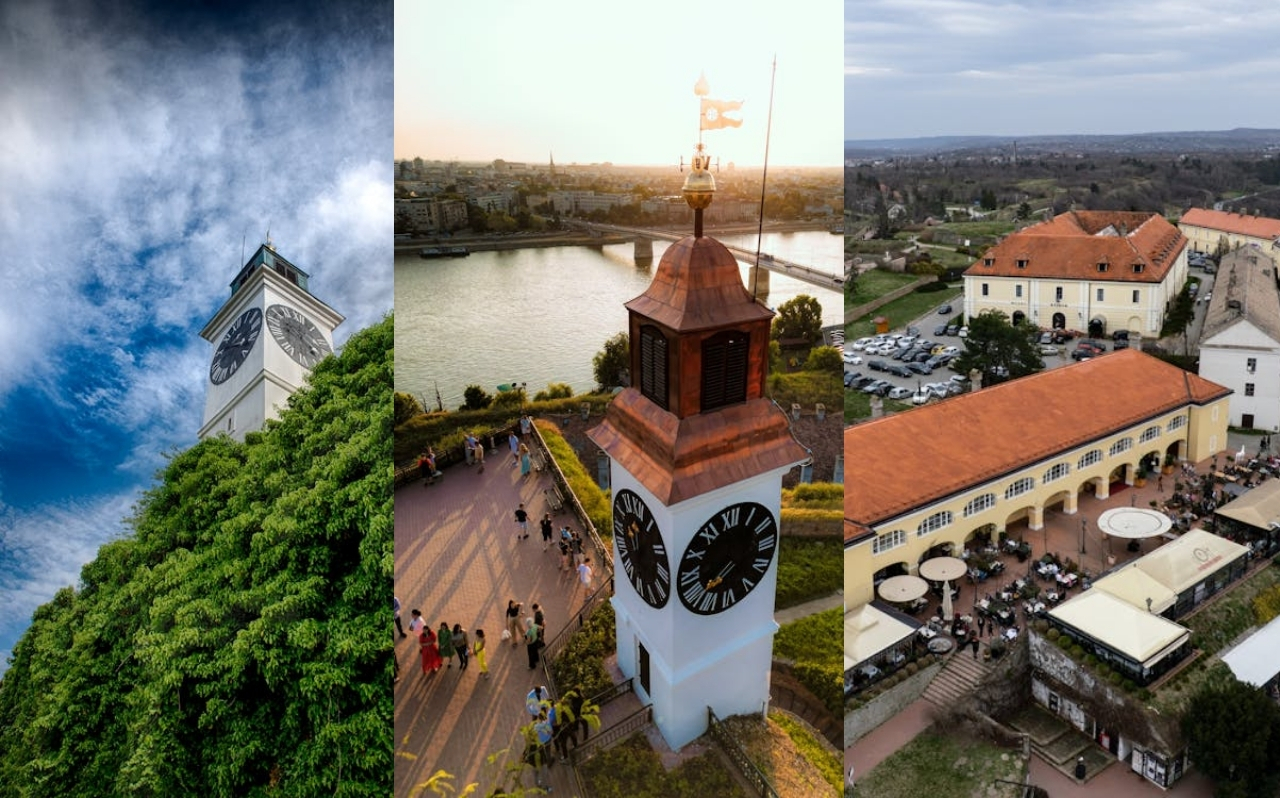
Petrovaradin Fortress
Old Town pedestrian streets
Riverside cafés
Some travelers return to Belgrade in the evening. Others stay overnight to slow the pace. Including Novi Sad early in the week keeps logistics simple.
A Novi Sad itinerary does not require more than one day unless traveling during festival season.
Day 4–5: Western Serbia – Tara National Park Region
Western Serbia introduces mountain landscapes and slower roads. A Tara National Park itinerary works best with at least two days in the area.
Travel time from Belgrade is approximately three to four hours by car. Public transport options exist but are limited.
In Tara National Park, typical activities include:
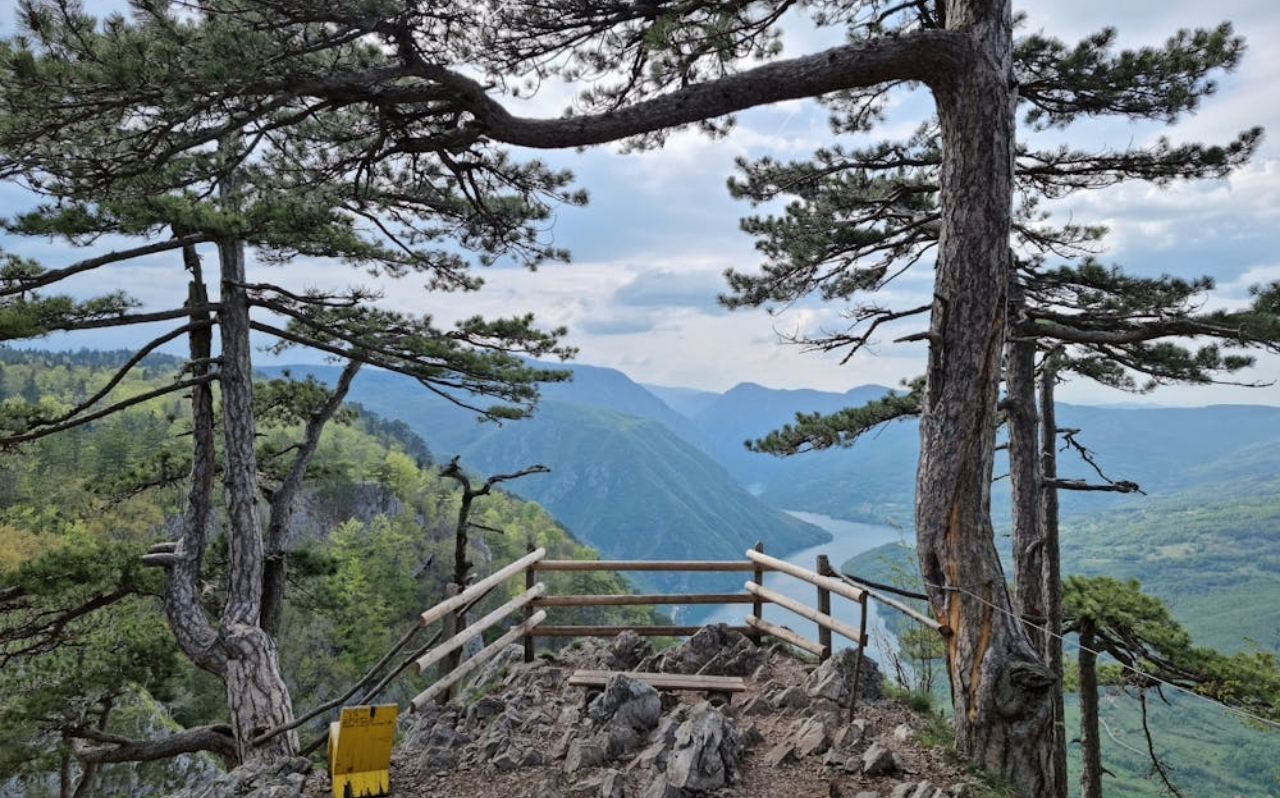
Hiking to Banjska Stena viewpoint
Visiting the Drina River House
Short forest trails suitable for beginners
This portion of the trip often turns the week into a light Serbia road trip. Renting a car in Serbia provides flexibility, especially when accessing rural guesthouses or viewpoints not connected by bus routes.
Attempting to combine Tara with eastern Serbia in the same short window usually leads to unnecessary driving.
Day 6: Rural Stops and Scenic Drives
Day six can act as a buffer when returning toward Belgrade.
Possible stops:
Zlatibor for easier infrastructure
Sirogojno village for traditional wooden architecture
Scenic mountain viewpoints
Including rural areas adds variety to the overall Serbia national parks itinerary. It also reduces pressure to drive long distances in one stretch.
Mountain roads may take longer than expected. Factoring this into the schedule keeps the week manageable.
Day 7: Flexible Option or Danube Region
The final day depends on energy levels and departure timing.
Option A:
Remain in western Serbia and enjoy a slower morning before returning to Belgrade.
Option B:
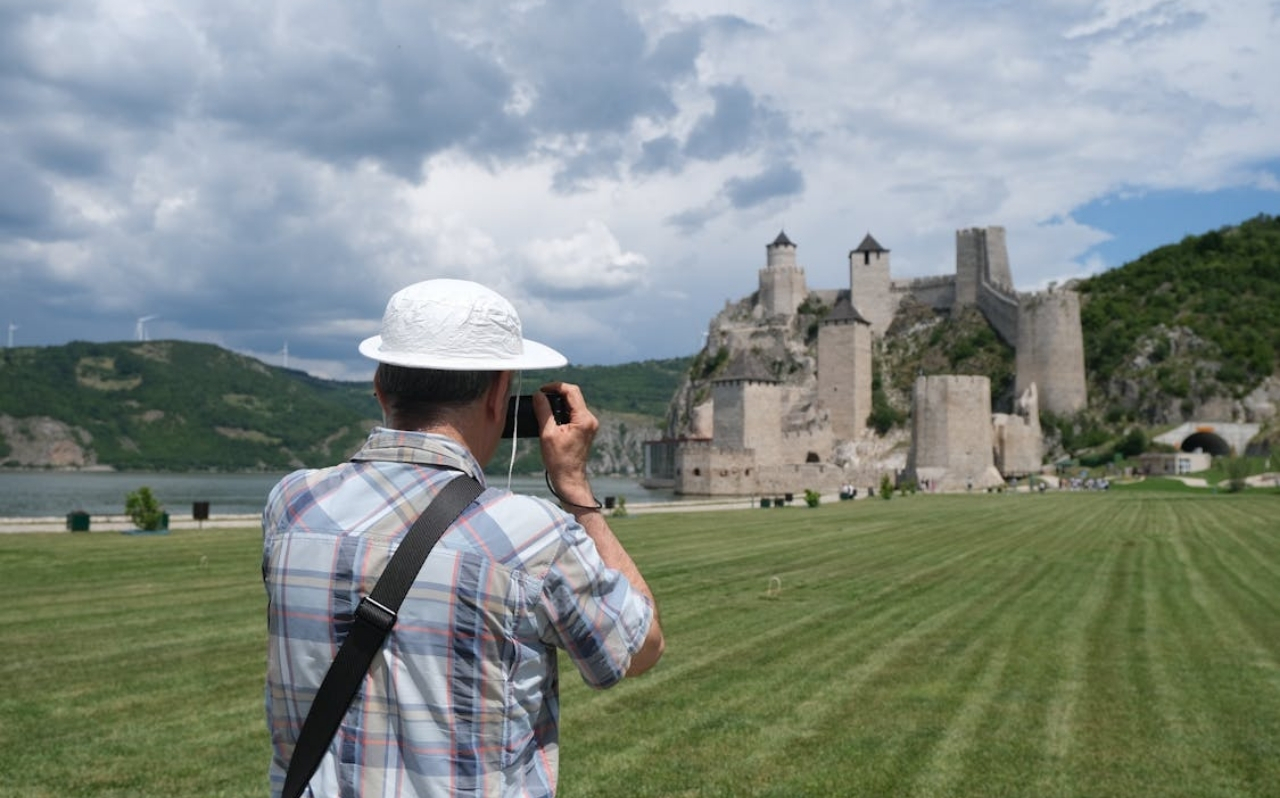
Head east toward Đerdap National Park if time allows. The Danube Gorge and Golubac Fortress provide dramatic scenery along the river.
Driving from Belgrade to Đerdap takes roughly two to three hours. Including this region works best when it replaces western Serbia rather than adding to it.
A practical Serbia travel route chooses one direction. East and west together in a single week often reduce time spent exploring.
3. Alternative 5-Day Serbia Plan
Travelers with limited time often ask how many days in Serbia are enough.
A 5-day version might look like:
3 days in Belgrade
1 day in Novi Sad
1 overnight in Tara National Park
This shorter structure maintains balance. Trying to include both Tara and Đerdap in five days usually results in rushed transitions.
When time is tight, depth in one region creates a better experience than covering long distances.
4. Road Trip vs Public Transport
Planning a Serbia road trip changes the overall rhythm of the week.
Renting a Car in Serbia
Advantages:
Flexible timing in national parks
Access to remote viewpoints
Easier accommodation options in western Serbia
Mountain regions are more practical with a vehicle. This is especially true when following a Tara National Park itinerary.
Public Transport
Between major cities, public transport is reliable.
Belgrade to Novi Sad trains run frequently
Intercity buses connect Belgrade with other regions
However, transportation in Serbia becomes less predictable in rural zones. Schedules may vary seasonally.
Official railway information is available at: https://www.srbvoz.rs
Airport details can be found at: https://beg.aero
Travelers relying entirely on buses should simplify their route and limit remote stops.
Before adjusting your route, it may help to review a broader Serbia travel planning guide that breaks down geography, distances, and timing considerations.
5. Practical Travel Realities in Serbia
Building a balanced week involves more than listing attractions.
Arrival at Belgrade Airport
Most international visitors arrive at Belgrade Nikola Tesla Airport. Transportation into the city is straightforward, but late-night arrivals may require checking taxi or bus options in advance.
Navigating National Parks
In western Serbia and parts of the Danube region:
Signage can be limited
Viewpoints are not always clearly marked
Rural roads may lack lighting at night
This affects how a Serbia national parks itinerary unfolds in practice.
Checking Schedules and Accommodation
In smaller towns:
Bus timetables can change
Restaurants may close earlier than expected
English is less common in rural villages
Mobile data becomes useful for:
Confirming directions in mountainous areas
Monitoring weather before hikes
Checking return bus times
Communicating with guesthouse hosts
Coverage is generally stable in cities but may vary in remote valleys.
6. When to Consider a More Reliable Setup
Long drives between Belgrade and Tara, remote viewpoints in Đerdap National Park, and rural stops outside major cities can create moments when access to updated information becomes practical rather than optional.
In situations like this, having a reliable travel eSIM for Serbia can reduce stress and help travelers stay connected throughout their trip.
7. Frequently Asked Questions About Planning a Serbia Itinerary
Is 7 days enough for Serbia?
Yes. Seven days allow travelers to explore Belgrade, take a Novi Sad day trip, and dedicate two days to one national park region. Adding both western and eastern Serbia within the same week can feel rushed.
How many days in Serbia are ideal?
Five to seven days provide a balanced overview. Ten days allow a more complete Serbia travel route covering both Tara National Park and Đerdap National Park.
Is Serbia easy to travel without a car?
It depends on the region. Cities such as Belgrade and Novi Sad are accessible by public transport. Western Serbia and some parts of the Danube Gorge are easier with a car.
Is Serbia safe for road trips?
Road conditions are generally good, especially on major highways. Mountain roads require slower driving, particularly at night. Standard safety precautions apply.
What is the best base city in Serbia?
Belgrade is the most practical base. It connects easily to Novi Sad, western Serbia, and eastern regions, making it central to most Serbia travel routes.
8. Conclusion
A thoughtful Serbia itinerary respects geography and travel time. Cities such as Belgrade and Novi Sad provide structure. Regions like Tara National Park or the Danube Gorge add contrast.
Instead of attempting to see everything, choosing one primary direction keeps the week balanced. Western mountains or eastern river landscapes each offer distinct experiences.
Seven days are enough to experience Serbia without rushing, as long as the route moves logically and allows time for slower roads and rural exploration.
If you want a broader overview beyond your route planning, explore our full guide to what to do in Serbia as a first-time visitor before finalizing your schedule.

Hi! Mình là Lala Wren, một content creator yêu xê dịch và đam mê chia sẻ trải nghiệm thực tế cho cộng đồng Gohub. Trong nhiều năm qua, mình đã đặt chân đến Thái Lan, Hàn Quốc, Nhật Bản, Singapore, Malaysia, Bali và nhiều điểm đến thú vị khác trên khắp châu Á. Cùng mình tìm hiểu tất tần tật từ khâu chuẩn bị eSIM, Visa, lịch trình và địa điểm nổi bật cho chuyến đi sắp tới của bạn nhé!
모든 글 보기 →