

Best US Nature & National Parks Destinations in 2026: Where to Go, When to Visit & Travel Tips

There’s something wildly cinematic about exploring nature in the United States.
One minute, you’re standing under a granite wall in Yosemite, feeling tiny in the best possible way. The next, you’re watching steam rise from Yellowstone’s geysers like the Earth is casually making coffee. Then suddenly, you’re in Utah, staring into a red-rock canyon so dramatic it looks like a movie set forgot to pack up and leave.
For travelers planning a big nature trip in 2026, the U.S. is still one of the world’s most rewarding outdoor destinations. Its national parks are massive, varied, surprisingly accessible, and full of “wait, is this real?” moments. Think alpine lakes, desert arches, misty rainforests, giant trees, wild coastlines, canyons, waterfalls, wildlife, stargazing, and road trips that make your playlist feel like part of the itinerary.
But 2026 also comes with a few important travel updates, especially for international visitors. Some popular national parks now charge additional nonresident fees, certain parks may require timed entry or activity permits, and mobile signal can get patchy once you leave major towns. Translation: a little planning goes a long way.
So, whether you’re a first-time visitor, road trip dreamer, hiking addict, digital nomad, photographer, or someone who simply wants to breathe mountain air and feel dramatically alive, here are the best U.S. nature and national park destinations to visit in 2026.
Best US Nature & National Parks in 2026: Quick Picks
Destination | Best For | Best Time to Visit | Ideal Trip Length |
|---|---|---|---|
Yellowstone | Wildlife, geysers, road trips | May–September | 3–5 days |
Yosemite | Waterfalls, granite cliffs, hiking | May–October | 2–4 days |
Grand Canyon | Iconic views, photography | March–May, September–November | 2–3 days |
Zion | Canyon hikes, adventure trails | March–May, October–November | 2–3 days |
Glacier | Alpine lakes, scenic drives | July–September | 3–5 days |
Rocky Mountain | Mountain hiking, wildlife | June–October | 2–4 days |
Acadia | Coastal views, sunrise, fall colors | June–October | 2–3 days |
Olympic | Rainforest, coast, mountains | June–September | 3–5 days |
Death Valley | Desert landscapes, stargazing | November–March | 2–3 days |
Great Smoky Mountains | Forests, waterfalls, fall foliage | April–May, October | 2–4 days |
The National Park Service reported 323 million recreation visits in 2025, showing that interest in U.S. parks remains huge going into 2026. That also means popular parks can get crowded, especially in summer and around major holidays, so early planning is your best travel superpower.
What to Know Before Visiting US National Parks in 2026
Before we jump into the dream destinations, let’s talk logistics. Not the most glamorous part of travel, I know. But trust me, nothing kills a “main character in nature” moment faster than realizing you needed a reservation, forgot your offline map, or underestimated a desert temperature that feels like a hair dryer with ambition.
1. Some parks charge extra nonresident fees in 2026
Beginning in 2026, non-U.S. residents aged 16 and older pay the standard entrance fee plus an additional $100 per person at 11 designated national parks unless they have an eligible annual pass. Before building your itinerary, check the official National Park Service page on additional nonresident fees, especially if you plan to visit parks like Yellowstone, Yosemite, Grand Canyon, Zion, Glacier, Grand Teton, Rocky Mountain, Acadia, Bryce Canyon, Everglades, or Sequoia & Kings Canyon.
2. Reservations and permits can change by park
Some parks use timed entry, road reservations, shuttle systems, or hiking permits to manage visitor flow during peak seasons. Before arrival, check the official NPS entrance pass page and the specific park’s reservation guidance, then confirm bookable permits or timed entry slots on Recreation.gov where required.
3. Cell signal is not guaranteed
Even with a good U.S. travel eSIM, national parks can have dead zones. Mountains, canyons, forests, and desert backroads are not exactly built for five-bar perfection. Download offline maps, save screenshots of reservations, and keep your park info accessible before you enter remote areas.
This is where having a GoHub USA eSIM or North America eSIM helps a lot. You’ll need reliable data for airport transfers, road trip navigation, hotel check-ins, weather alerts, translation, food stops, and travel updates. Just remember: in the backcountry, offline prep is still king.
15 Best US Nature & National Parks Destinations to Visit in 2026
1. Yellowstone National Park, Wyoming, Montana & Idaho
Yellowstone is the kind of place that makes you feel like the planet is very much alive and occasionally showing off.
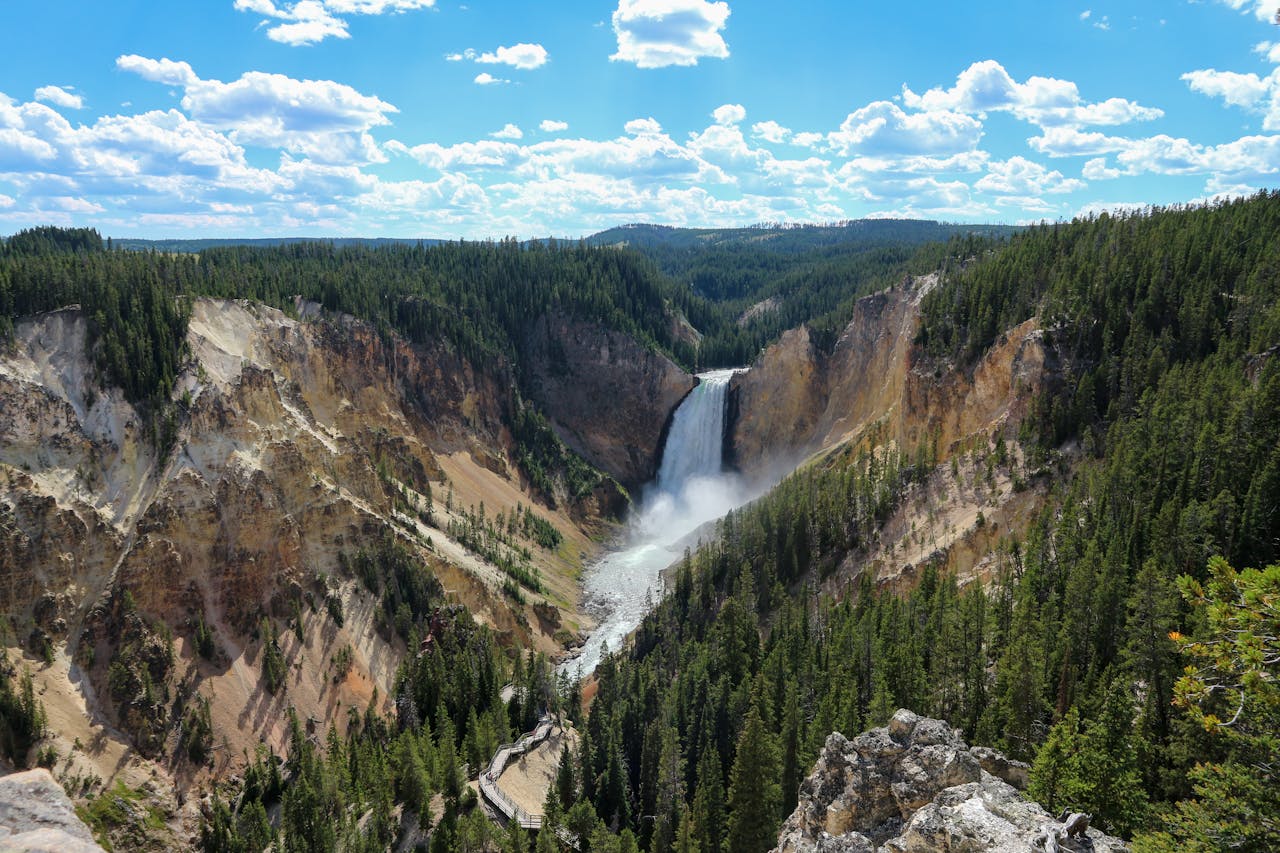
It was the first national park in the U.S., and it still feels like one of the most extraordinary natural destinations in the world. Here, you can see geysers erupt, hot springs glow in impossible colors, bison wander across roads like they own the place, and valleys stretch so wide they make your daily problems feel wonderfully tiny.
The must-see icons include Old Faithful, Grand Prismatic Spring, Yellowstone Lake, Mammoth Hot Springs, and Lamar Valley. If wildlife is high on your travel wish list, Lamar Valley is one of the best areas for spotting bison, elk, wolves, and bears from a safe distance.
Yellowstone is ideal for road trippers because the park is huge. Don’t try to “do it all” in one day unless your idea of fun is sitting in a car while stress-eating trail mix. Give yourself at least three days, ideally five, especially if you’re combining it with Grand Teton. For a deeper route plan, use GoHub’s Yellowstone and Grand Teton itinerary for 3, 5, and 7 days to map your stops without rushing.
Best for: wildlife, geothermal landscapes, first-time national park travelers
Best time to visit: May to September
2026 tip: Non-U.S. residents aged 16+ should budget for the additional nonresident fee unless covered by an applicable pass.
2. Yosemite National Park, California
Yosemite has a way of making even the most talkative traveler go silent.
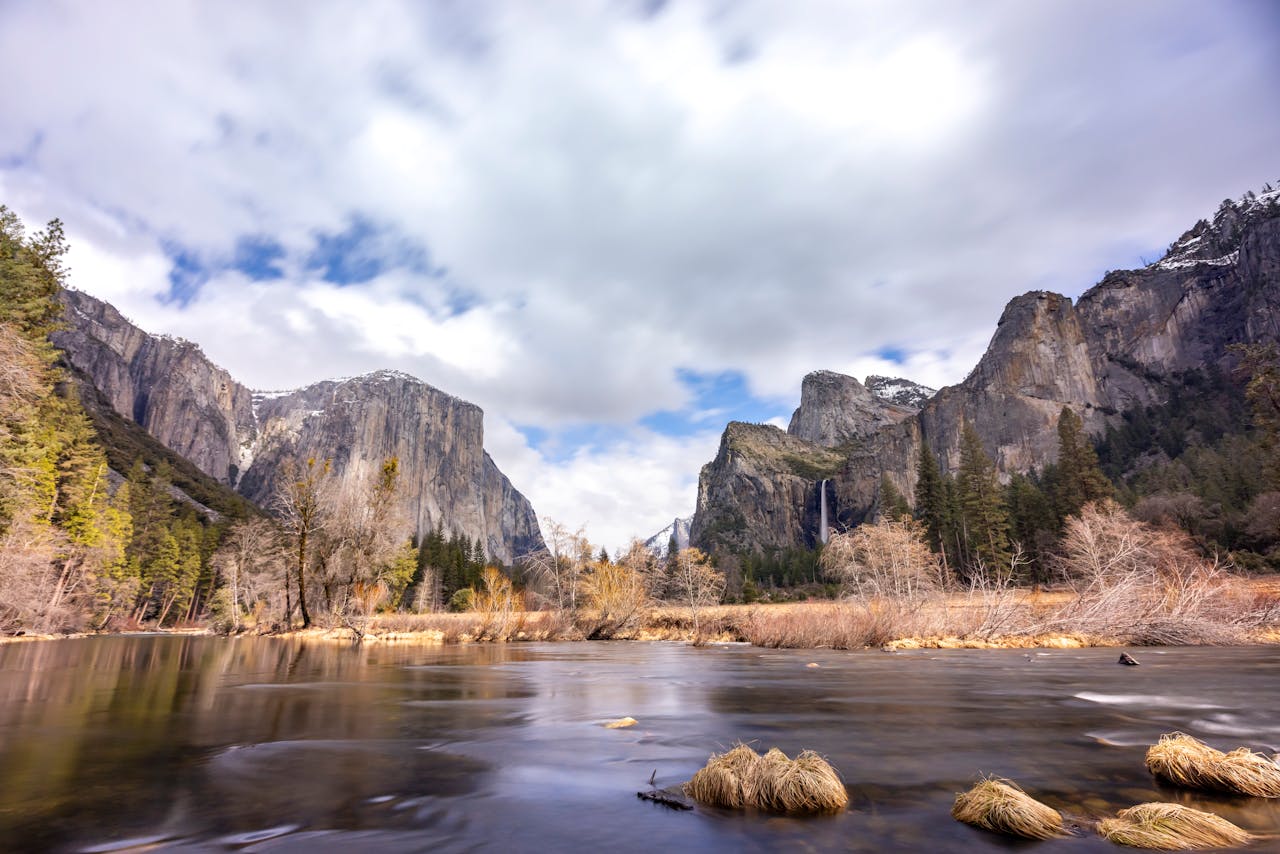
You arrive in Yosemite Valley, look up at El Capitan and Half Dome, and suddenly all your clever travel captions disappear. It’s just you, granite cliffs, waterfalls, pine forests, and that slightly emotional feeling of being somewhere truly legendary.
Spring and early summer are especially magical because Yosemite’s waterfalls are usually at their strongest. Yosemite Falls, Bridalveil Fall, and Vernal Fall are classic highlights, while Glacier Point offers one of the most jaw-dropping viewpoints in the park.
Hikers can choose from easy valley walks to serious trails like Mist Trail, Four Mile Trail, and Half Dome. If Half Dome is on your bucket list, don’t treat it as a casual add-on: you’ll need a Half Dome permit when the cables are up, and permits are limited to reduce crowding and protect the wilderness experience.
Best for: waterfalls, iconic scenery, hiking, photography
Best time to visit: May to October
2026 tip: Yosemite is one of the parks included in the 2026 nonresident fee program, so international travelers should check entrance and pass options before visiting.
3. Grand Canyon National Park, Arizona
Some places are famous for a reason. The Grand Canyon is absolutely one of them.
No photo fully prepares you for the scale of it. You walk up to the rim, and the Earth just opens. Layers of red, gold, and shadow stretch for miles. It feels ancient, dramatic, and slightly impossible, like nature decided to write its autobiography in stone.
Most first-time visitors go to the South Rim, which is open year-round and easier to access than the North Rim. Sunrise and sunset are the magic hours here, especially at viewpoints like Mather Point, Yavapai Point, Hopi Point, and Desert View.
If you want to hike, Bright Angel Trail and South Kaibab Trail are two famous options. But remember: hiking into the canyon is much easier than hiking back out. The canyon has humbled many overly optimistic knees. Bring water, sun protection, and realistic plans.
Best for: iconic views, photography, first-time U.S. travelers
Best time to visit: March to May and September to November
2026 tip: The Grand Canyon is included in the 2026 nonresident fee list, so international visitors should factor this into their budget.
4. Zion National Park, Utah
Zion is where adventure travelers go to feel brave, small, and slightly obsessed with red rocks.
The park’s sandstone cliffs rise in warm shades of orange, pink, and cream, creating one of the most dramatic canyon landscapes in the U.S. Even if you’re not a hardcore hiker, Zion is easy to love because its main canyon is compact, scenic, and full of accessible viewpoints.
The two bucket-list experiences are Angels Landing and The Narrows. Angels Landing is famous for its exposed ridge and sweeping views, but everyone hiking it needs an Angels Landing permit, so apply early and check the latest lottery dates before planning your Zion itinerary.
For a gentler experience, try Riverside Walk, Emerald Pools, Canyon Overlook Trail, or simply ride the shuttle through Zion Canyon.
Best for: canyon hikes, dramatic landscapes, adventure travel
Best time to visit: March to May and October to November
2026 tip: Zion is included in the 2026 nonresident fee program, and popular hikes may require permits, so plan early.
5. Glacier National Park, Montana
Glacier National Park is pure alpine drama.
Think turquoise lakes, jagged peaks, wildflower meadows, mountain goats, waterfalls, and roads so scenic you’ll keep saying, “Okay, one more photo,” until your camera roll becomes emotionally overwhelming.
The star of the park is Going-to-the-Sun Road, one of the most beautiful scenic drives in the United States. It usually opens fully in summer, depending on snow conditions. Along the way, you’ll get access to Logan Pass, Hidden Lake Overlook, and some of the park’s most spectacular mountain views.
Glacier is best for travelers who want big scenery and don’t mind a bit of planning. Summer is short, popular, and weather-dependent, so book accommodation early and keep your itinerary flexible.
Best for: alpine lakes, scenic drives, mountain photography
Best time to visit: July to September
2026 tip: Glacier is one of the 11 parks with additional nonresident fees in 2026.
6. Rocky Mountain National Park, Colorado
Rocky Mountain National Park is a dream for anyone who wants high-altitude beauty without venturing too far from a major travel hub.
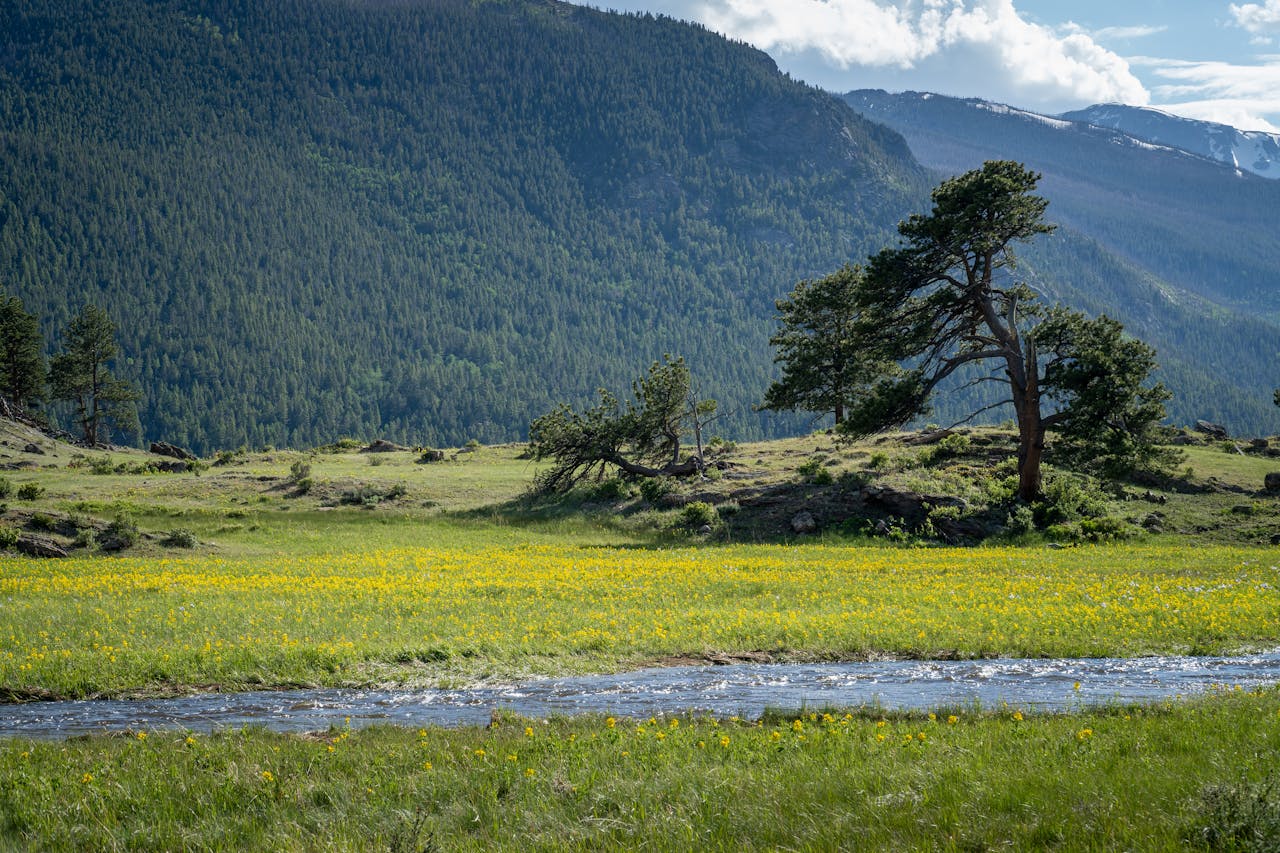
Located near Denver, the park is famous for alpine lakes, mountain trails, wildlife, and Trail Ridge Road, one of the highest continuous paved roads in North America. You can wake up in a cozy town like Estes Park, hike past glassy lakes by morning, spot elk in the afternoon, and be eating a very deserved dinner by evening. That’s my kind of efficiency.
Bear Lake, Emerald Lake, Dream Lake, Alberta Falls, and Trail Ridge Road are classic highlights. The park is also great for travelers who want a flexible mix of easy walks and challenging hikes.
Best for: mountain scenery, hiking, wildlife, road trips from Denver
Best time to visit: June to October
2026 tip: Rocky Mountain is included in the nonresident fee program, and the park may use timed entry systems during peak season, so check official reservation details before visiting.
7. Acadia National Park, Maine
Acadia feels different from the big western parks, and that’s exactly why it deserves a spot on your 2026 list.
Instead of desert canyons or giant mountains, Acadia gives you rugged Atlantic coastline, forest trails, granite peaks, quiet lakes, and charming New England towns nearby. It’s also one of the best national parks for travelers who want nature without feeling too remote.
Cadillac Mountain is the big sunrise attraction. Depending on the season, it’s one of the first places in the U.S. to see the sunrise. Other highlights include Jordan Pond, Ocean Path, Beehive Trail, Sand Beach, and Park Loop Road.
After hiking, you can wander around Bar Harbor, eat seafood, and pretend you’re in a cozy coastal movie where everyone owns a fleece jacket.
Best for: coastal scenery, sunrise, fall foliage, relaxed nature trips
Best time to visit: June to October
2026 tip: Acadia is included in the additional nonresident fee program. Cadillac Mountain vehicle reservations may also be required in peak periods, so check before you go.
8. Olympic National Park, Washington
Olympic National Park is like three nature trips packed into one.
You get mossy temperate rainforest, wild Pacific beaches, alpine ridges, lakes, waterfalls, and moody coastal scenery. It’s one of the best U.S. nature destinations for travelers who love variety and don’t mind weather that occasionally says, “Surprise!”
The Hoh Rain Forest is a must-see, with moss-draped trees that feel straight out of a fantasy novel. Hurricane Ridge offers mountain views, while Rialto Beach, Ruby Beach, and Second Beach deliver dramatic sea stacks and crashing waves.
Olympic is perfect for slower travelers because the park is large and spread out. Instead of rushing, divide your time between the coast, rainforest, and mountains.
Best for: rainforest, coastlines, moody landscapes, slow road trips
Best time to visit: June to September
2026 tip: Bring layers and rain gear even in summer. Olympic weather loves plot twists.
9. Death Valley National Park, California & Nevada
Death Valley sounds intimidating, and honestly, it can be. But visit in the right season, and it becomes one of the most surreal landscapes in America.
This is a land of salt flats, golden dunes, badlands, volcanic craters, colorful hills, and night skies so clear you’ll suddenly understand why people get emotional about stars. Badwater Basin, Zabriskie Point, Mesquite Flat Sand Dunes, Artist’s Palette, and Dante’s View are the big highlights.
The most important rule: do not treat Death Valley like a casual summer park. Summer heat can be dangerous. Winter and early spring are far better for exploring.
Best for: desert scenery, stargazing, photography, winter trips
Best time to visit: November to March
2026 tip: Download maps and carry extra water. Mobile service can be limited, and distances are long.
10. Great Smoky Mountains National Park, Tennessee & North Carolina
Great Smoky Mountains National Park is one of the most accessible and beloved nature destinations in the U.S.
It’s famous for misty mountain views, forest trails, waterfalls, historic cabins, wildlife, and fall colors that make you want to wear flannel and dramatically sip coffee. Unlike many famous western parks, the Smokies are close to several towns and can work well for families, road trippers, and first-time visitors.
Top experiences include Cades Cove, Clingmans Dome, Roaring Fork Motor Nature Trail, Laurel Falls, Alum Cave Trail, and Newfound Gap Road. Fall is especially beautiful, but spring is also lovely thanks to wildflowers and waterfalls.
Best for: forests, waterfalls, scenic drives, fall foliage
Best time to visit: April to May and October
2026 tip: Great Smoky Mountains does not charge a standard entrance fee, but parking tags are required, so check current park rules before arrival.
11. Grand Teton National Park, Wyoming
Grand Teton is the kind of park that makes photographers lose all chill.
The mountains rise sharply from the valley floor, reflecting in lakes like Jenny Lake, Jackson Lake, and String Lake. It’s elegant, dramatic, and incredibly photogenic. If Yellowstone feels wild and geothermal, Grand Teton feels crisp, alpine, and cinematic.
Many travelers combine Grand Teton with Yellowstone, which makes perfect sense because the parks are close. Spend a few days hiking, kayaking, wildlife watching, or simply driving scenic roads with your jaw somewhere near the floor. For a realistic combined route, GoHub’s Yellowstone and Grand Teton itinerary breaks the trip into 3-day, 5-day, and 7-day options.
Best for: mountain photography, lakes, wildlife, Yellowstone road trips
Best time to visit: June to September
2026 tip: Grand Teton is included in the 2026 nonresident fee program, so plan your park budget accordingly.
12. Bryce Canyon National Park, Utah
Bryce Canyon looks like another planet had a pottery phase.
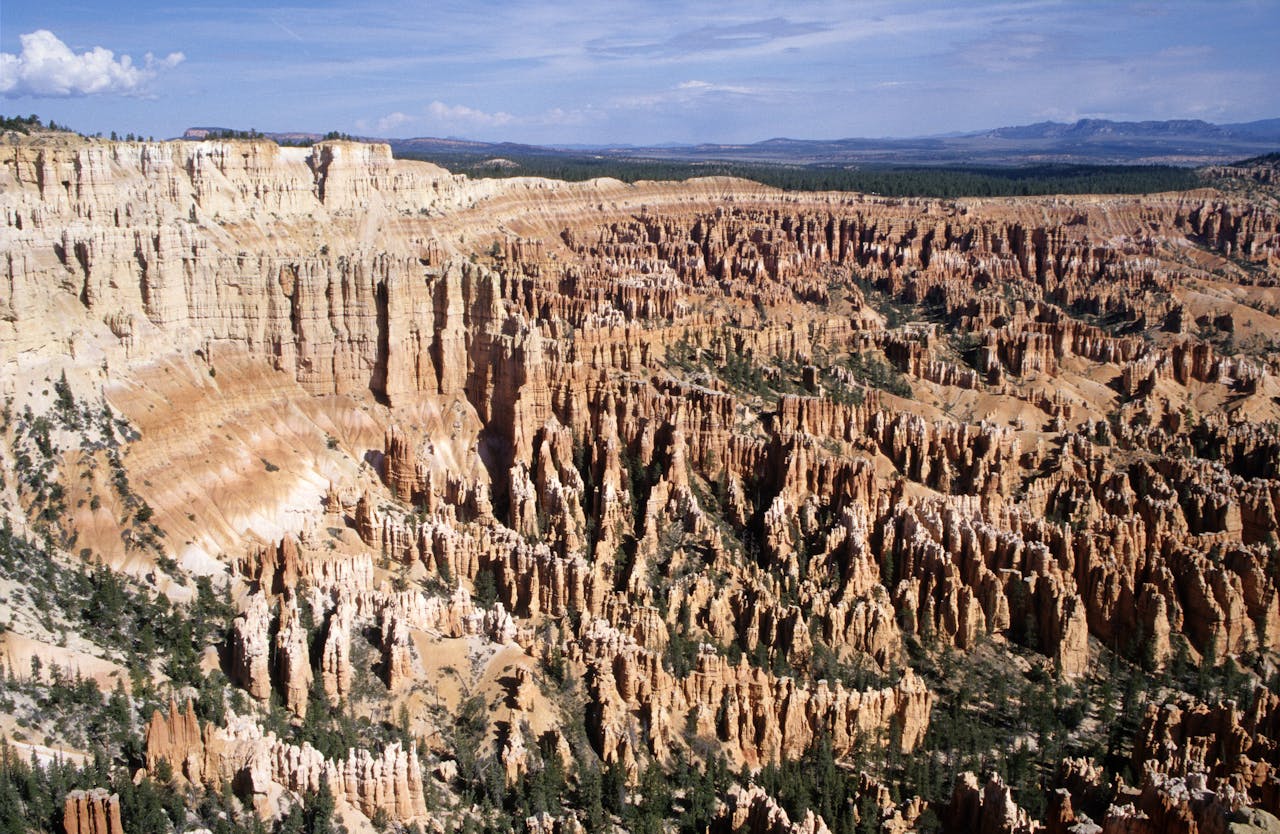
The park is famous for hoodoos: tall, thin rock spires in shades of orange, pink, and white. At sunrise, the amphitheater glows like it’s been plugged into the sun. It’s magical, strange, and surprisingly easy to explore.
Bryce is smaller than many national parks, making it great for a one- or two-day stop on a Utah road trip. The best viewpoints include Sunrise Point, Sunset Point, Inspiration Point, and Bryce Point. For hiking, Navajo Loop and Queen’s Garden are classics.
Because Bryce sits at a higher elevation, it can be cooler than nearby desert parks. That’s great in summer, but chilly in winter.
Best for: unique landscapes, sunrise, easy scenic stops
Best time to visit: April to October
2026 tip: Bryce Canyon is one of the parks with additional nonresident fees in 2026.
13. Arches & Canyonlands National Parks, Utah
If your dream U.S. nature trip includes red rocks, desert roads, dramatic overlooks, and sunsets that look aggressively edited, go to Moab.
Moab is the gateway to both Arches and Canyonlands National Parks. Arches is famous for natural stone arches, including Delicate Arch, Landscape Arch, and Double Arch. Canyonlands is bigger, wilder, and known for sweeping canyon views, especially at Island in the Sky and Mesa Arch.
Together, they make one of the best desert road trip combinations in the U.S. You can hike in the morning, watch sunset over red rocks, and spend the evening in Moab eating tacos like you earned them.
Best for: desert road trips, red rocks, photography, short hikes
Best time to visit: March to May and September to November
2026 tip: Arches has used timed entry in recent years, so check the current reservation status before visiting.
14. Sequoia & Kings Canyon National Parks, California
Want to feel tiny in a peaceful, awe-filled way? Go stand under a giant sequoia.
Sequoia and Kings Canyon protect some of the largest trees on Earth, including the famous General Sherman Tree. Walking among these ancient giants is humbling. They don’t need dramatic cliffs or neon colors. They just stand there, massive and quiet, casually reminding everyone that patience is a personality trait.
Beyond the trees, the parks also offer mountain scenery, caves, meadows, canyons, and scenic drives. Many travelers pair them with Yosemite or a broader California road trip.
Highlights include Giant Forest, General Sherman Tree, Moro Rock, Crescent Meadow, Kings Canyon Scenic Byway, and Zumwalt Meadow.
Best for: giant trees, family trips, California road trips
Best time to visit: May to October
2026 tip: Sequoia & Kings Canyon are included in the additional nonresident fee program.
15. Everglades National Park, Florida
The Everglades are unlike any other park on this list.
Instead of mountains or canyons, you get wetlands, mangroves, sawgrass marshes, alligators, birds, and a slow, mysterious landscape that feels completely alive. It’s one of the best U.S. nature destinations for wildlife lovers, especially if you’re visiting during the dry season.
Popular areas include Shark Valley, Anhinga Trail, Flamingo, and Everglades City. You can explore by walking trails, tram tours, kayak, canoe, or guided boat trips.
The Everglades pair well with Miami, the Florida Keys, or a warm winter escape. Just bring insect repellent. The mosquitoes here are not shy. They have confidence. Too much confidence.
Best for: wildlife, wetlands, winter sun, Florida itineraries
Best time to visit: December to April
2026 tip: Everglades is one of the 11 parks with additional nonresident fees in 2026.
Best US Nature Destinations by Traveler Type
Best for First-Time Visitors
Choose Grand Canyon, Yosemite, Yellowstone, or Zion. These parks deliver iconic scenery, strong travel infrastructure, and that “I can’t believe I’m actually here” feeling.
Best for Hikers
Go for Zion, Rocky Mountain, Glacier, Yosemite, or Grand Teton. These parks offer everything from short scenic walks to serious day hikes.
Best for Road Trippers
Plan routes around Yellowstone + Grand Teton, Utah’s national parks, California’s Yosemite + Sequoia, or Colorado’s Rocky Mountains.
Best for Photographers
Prioritize Grand Teton, Bryce Canyon, Death Valley, Yosemite, and Glacier. Sunrise and sunset are your best friends here.
Best for Families
Try Great Smoky Mountains, Acadia, Sequoia & Kings Canyon, Grand Canyon South Rim, or Olympic. These destinations offer scenic drives, shorter trails, and varied activities.
Best for Digital Nomads
Choose parks with gateway towns and better infrastructure, such as Acadia, Rocky Mountain, Yosemite, Olympic, or Great Smoky Mountains. You can work from nearby towns, then disappear into nature on weekends. The dream, basically.
Best Time to Visit US National Parks in 2026
There’s no single “perfect” month for every park because the U.S. is huge. Desert parks shine in winter and spring. Mountain parks peak in summer. Forest parks glow in fall.
Here’s a simple month-by-month guide:
Month | Best Nature Destinations |
|---|---|
January | Death Valley, Everglades |
February | Death Valley, Everglades, Grand Canyon South Rim |
March | Zion, Grand Canyon, Arches, Canyonlands |
April | Great Smoky Mountains, Zion, Bryce Canyon |
May | Yosemite, Grand Canyon, Rocky Mountain lower trails |
June | Acadia, Olympic, Yosemite, Grand Teton |
July | Glacier, Rocky Mountain, Yellowstone |
August | Glacier, Yellowstone, Grand Teton |
September | Yellowstone, Grand Teton, Glacier, Yosemite |
October | Acadia, Great Smoky Mountains, Zion |
November | Death Valley, Zion, Grand Canyon |
December | Everglades, Death Valley, Grand Canyon South Rim |
As a general rule, May, June, September, and October are some of the best overall months for U.S. national park travel because weather is often pleasant and crowds may be more manageable than peak summer.
USA National Park Road Trip Ideas for 2026
1. Yellowstone + Grand Teton Road Trip
Best for: wildlife, mountains, iconic national parks
Suggested length: 6–8 days
Route idea: Jackson → Grand Teton → Yellowstone → Bozeman
This is one of the best first-time national park road trips in the U.S. You get alpine lakes, wildlife, geysers, hot springs, and mountain towns in one unforgettable route.
2. Utah Mighty Five Road Trip
Best for: red rocks, hiking, desert photography
Suggested length: 7–10 days
Route idea: Zion → Bryce Canyon → Capitol Reef → Arches → Canyonlands
This is the dream road trip for canyon lovers. It’s also very exposed and dry, so pack more water than your optimistic self thinks you need.
3. California Nature Road Trip
Best for: waterfalls, giant trees, coast, granite cliffs
Suggested length: 7–12 days
Route idea: San Francisco → Yosemite → Sequoia & Kings Canyon → Big Sur or Lake Tahoe
California is perfect if you want variety: forests, cliffs, coastlines, mountains, and excellent food stops between them.
4. Pacific Northwest Nature Road Trip
Best for: rainforests, coastlines, volcano views
Suggested length: 7–10 days
Route idea: Seattle → Olympic National Park → Mount Rainier → Oregon Coast
Moody, green, dramatic, and perfect for travelers who love wild coastlines and atmospheric landscapes.
5. Hawaii Nature Extension
Best for: volcanoes, coastal drives, tropical landscapes
Suggested length: 5–8 days
Route idea: Oahu → Maui or Big Island
If your U.S. nature trip extends beyond the mainland, Hawaii deserves its own planning time. For a more cultural and nature-focused route, read GoHub’s guide to the best places to visit in Hawaii beyond beaches.
Connectivity Tips for US National Parks
Here’s the honest truth: your phone signal will not always behave in national parks.
You might have great connection in gateway towns, visitor centers, or major roads, then suddenly lose signal in a canyon, forest, mountain pass, or desert stretch. This is normal. Annoying, yes. But normal.
Before entering a park, download offline Google Maps and save the park content in the NPS App for offline park maps. The official NPS App includes interactive maps, accessibility information, tours, and planning tools for more than 400 national park sites—very useful when mobile signal starts playing hide-and-seek in canyons, forests, deserts, and mountain roads.
Before entering a park:
Download offline Google Maps or Maps.me.
Screenshot entrance passes and reservations.
Save hotel addresses and emergency contacts.
Download the official NPS app content for offline use.
Bring a power bank.
Tell someone your plan if hiking in remote areas.
Use a travel eSIM for city-to-park navigation and road trip logistics.
A GoHub USA eSIM is especially useful for international travelers who want instant data after landing, no roaming surprises, and flexible plans for road trips. If your itinerary includes Canada or Mexico too, a GoHub North America eSIM may be a better fit.
Think of your eSIM as your travel co-pilot: great for airport arrivals, rideshares, map navigation, weather updates, restaurant searches, bookings, and staying connected with family. Just don’t rely on live signal deep inside every park. Nature likes boundaries.
If you’re comparing options before departure, GoHub’s Free eSIM Trial USA 2026 guide explains why carrier trials are different from travel eSIMs and what short-term visitors should consider. And because travel tech scams do exist, it’s also worth reading GoHub’s guide to free eSIM scams and how to protect yourself before scanning random QR codes online.
Do You Need a USA eSIM for National Parks?
A USA eSIM is useful for national park trips because most travelers still need mobile data before and after entering the park, even when trail areas have limited signal. You can use it for airport arrival, rideshares, hotel check-ins, GPS navigation, restaurant searches, weather alerts, park updates, and staying in touch with family.
For a single-country trip, choose a GoHub USA eSIM. For a wider itinerary that includes Canada or Mexico, choose a GoHub North America eSIM. Before entering remote park areas, download offline maps and save your reservation screenshots because mobile coverage can drop in mountains, canyons, forests, and desert zones.
If you are new to eSIMs, start with GoHub’s simple explainer on whether a free eSIM trial is really free. It breaks down when a free eSIM is useful, when it is not enough, and why many travelers move to a paid travel eSIM for full-trip coverage.
How to Plan a US National Park Trip in 2026
Step 1: Choose your region
The U.S. is enormous. Don’t try to combine Yosemite, Yellowstone, Grand Canyon, and Acadia in one short trip unless you secretly enjoy airport stress.
Pick a region first:
West Coast: Yosemite, Sequoia, Death Valley
Southwest: Grand Canyon, Zion, Bryce, Arches, Canyonlands
Rocky Mountains: Yellowstone, Grand Teton, Glacier, Rocky Mountain
East Coast: Acadia, Great Smoky Mountains
Pacific Northwest: Olympic, Mount Rainier, North Cascades
Florida: Everglades
Step 2: Check 2026 fees and reservations
For international visitors, this matters more than ever in 2026. Nonresident fees apply at 11 popular parks, and certain parks or activities may require reservations.
Step 3: Book accommodation early
Popular national park lodges and nearby hotels can sell out months in advance, especially for summer in Yellowstone, Glacier, Yosemite, and Grand Teton.
Step 4: Build a realistic itinerary
A good national park trip includes breathing room. Don’t schedule six major hikes in three days unless your legs have signed a waiver.
Step 5: Prepare for weather changes
Mountain parks can be cold even in summer. Desert parks can be dangerously hot. Coastal parks can be wet. Pack layers, sun protection, and proper shoes.
Step 6: Set up mobile data before arrival
Install your travel eSIM before departure or once you have stable airport Wi-Fi. With GoHub, you can activate your eSIM quickly and avoid the airport SIM-card treasure hunt, which is rarely as fun as it sounds.
FAQs About Visiting US National Parks in 2026
What is the best national park to visit in the USA in 2026?
For first-time visitors, the best U.S. national parks to visit in 2026 are Yellowstone, Yosemite, Grand Canyon, Zion, and Glacier. They offer iconic scenery, strong travel infrastructure, and unforgettable outdoor experiences.
What is the best time to visit U.S. national parks?
The best overall months are usually May, June, September, and October. Summer is best for high-altitude parks like Glacier and Rocky Mountain, while winter and spring are better for desert parks like Death Valley, Zion, and the Grand Canyon.
Do I need reservations for U.S. national parks in 2026?
Some parks, roads, hikes, or viewpoints may require timed entry, vehicle reservations, shuttle reservations, or hiking permits. Always check the official NPS website and Recreation.gov before visiting.
Are U.S. national parks expensive for international travelers in 2026?
They can be, depending on your itinerary. In 2026, non-U.S. residents aged 16 and older pay an additional $100 per person at 11 popular national parks unless covered by an eligible annual or lifetime pass.
Which U.S. national park is best for a road trip?
Yellowstone + Grand Teton, Utah’s Mighty Five, Yosemite + Sequoia, and the Colorado Rockies are among the best U.S. national park road trips.
Do I need an eSIM for visiting U.S. national parks?
Yes, a travel eSIM is very useful for U.S. national park trips, especially for international travelers. You’ll need mobile data for maps, hotel check-ins, rideshares, weather updates, bookings, and communication. However, signal may be limited inside remote park areas, so download offline maps before you go.
Final Thoughts: Where Should You Go First?
If this is your first U.S. nature trip, start with one of the classics: Grand Canyon, Yosemite, Yellowstone, Zion, or Grand Teton. They’re famous for a reason, and they deliver the kind of landscapes that stay in your memory long after your hiking shoes have recovered.
If you want something coastal and charming, choose Acadia. If you want alpine drama, choose Glacier. If you want red-rock adventure, choose Zion, Bryce, Arches, and Canyonlands. If you want surreal desert beauty, choose Death Valley. And if you want ancient trees that make you feel like a tiny, emotional mushroom, go to Sequoia & Kings Canyon.
Wherever you go, plan early, check 2026 park rules, download offline maps, and make sure your phone is ready before you hit the road.
Because the best U.S. nature trips are not just about seeing beautiful places. They’re about feeling connected—to the landscape, to the journey, to the people you travel with, and to those unforgettable little moments in between.
And for everything between the airport, the trailhead, the roadside diner, and your next “OMG look at this view” message home, a GoHub USA eSIM or North America eSIM keeps your trip smoother, simpler, and roaming-fee free.
America’s wild places are calling. Pack your layers, charge your power bank, download those maps, and go see what 2026 has waiting for you.
Related Articles:

Hi! Mình là Lala Wren, một content creator yêu xê dịch và đam mê chia sẻ trải nghiệm thực tế cho cộng đồng Gohub. Trong nhiều năm qua, mình đã đặt chân đến Thái Lan, Hàn Quốc, Nhật Bản, Singapore, Malaysia, Bali và nhiều điểm đến thú vị khác trên khắp châu Á. Cùng mình tìm hiểu tất tần tật từ khâu chuẩn bị eSIM, Visa, lịch trình và địa điểm nổi bật cho chuyến đi sắp tới của bạn nhé!
모든 글 보기 →