

Best Places to Visit in Suriname

Suriname is one of those rare places that most travelers have never heard of — and those who visit often wonder why. Tucked away on South America’s northern coast, this small country offers something increasingly hard to find: quiet cities, deep rainforest, and travel without crowds.
If you’re searching for the best places to visit in Suriname, expect a journey shaped more by culture and nature than by tourist attractions. From the UNESCO-listed wooden streets of Paramaribo to vast stretches of untouched Amazon rainforest, Suriname rewards travelers who move slowly and stay curious. It’s also considered one of the safer and more stable destinations in South America, especially compared to its larger neighbors.
In this guide, we’ll explore the best places to visit in Suriname, what makes each one special, and how to plan a trip that feels authentic, unrushed, and genuinely different from anywhere else on the continent.
Get USA Travel eSIM for Suriname
I. Why Suriname Is One of South America’s Most Underrated Destinations
Suriname rarely appears on typical South America itineraries, and that’s precisely what sets it apart. While neighboring countries attract millions of visitors each year, Suriname remains quiet, uncrowded, and largely unchanged by mass tourism.
One reason is its low tourism footprint. Large parts of the country are covered by protected rainforest, and access to the interior is intentionally limited. This has helped preserve ecosystems and traditional ways of life, but it also means Suriname doesn’t cater to fast, checklist-style travel. Visitors come here for immersion, not highlights.
Another defining feature is Suriname’s cultural diversity. Few places in the world blend African, Indigenous, Indian, Javanese, Chinese, and Dutch influences so seamlessly. In Paramaribo, it’s common to see a mosque, synagogue, and church within the same neighborhood — a quiet reflection of the country’s history and tolerance.
Suriname is also appealing for travelers who value safety and stability. Compared to much of South America, it has relatively low violent crime rates, a calm political environment, and a relaxed pace of life. Most travel risks are logistical rather than security-related, especially outside the capital.
For travelers seeking a destination that feels genuine rather than curated, Suriname offers a rare opportunity: to experience South America without noise, pressure, or crowds.

II. Best Places to Visit in Suriname
Suriname is not about ticking off famous landmarks. Travel here is shaped by place, pace, and context. Most visitors base themselves in the capital and venture outward into rainforest, rivers, and historic districts. Below are the best places to visit in Suriname, starting with where nearly every journey begins.
2.1. Paramaribo (UNESCO World Heritage Capital)
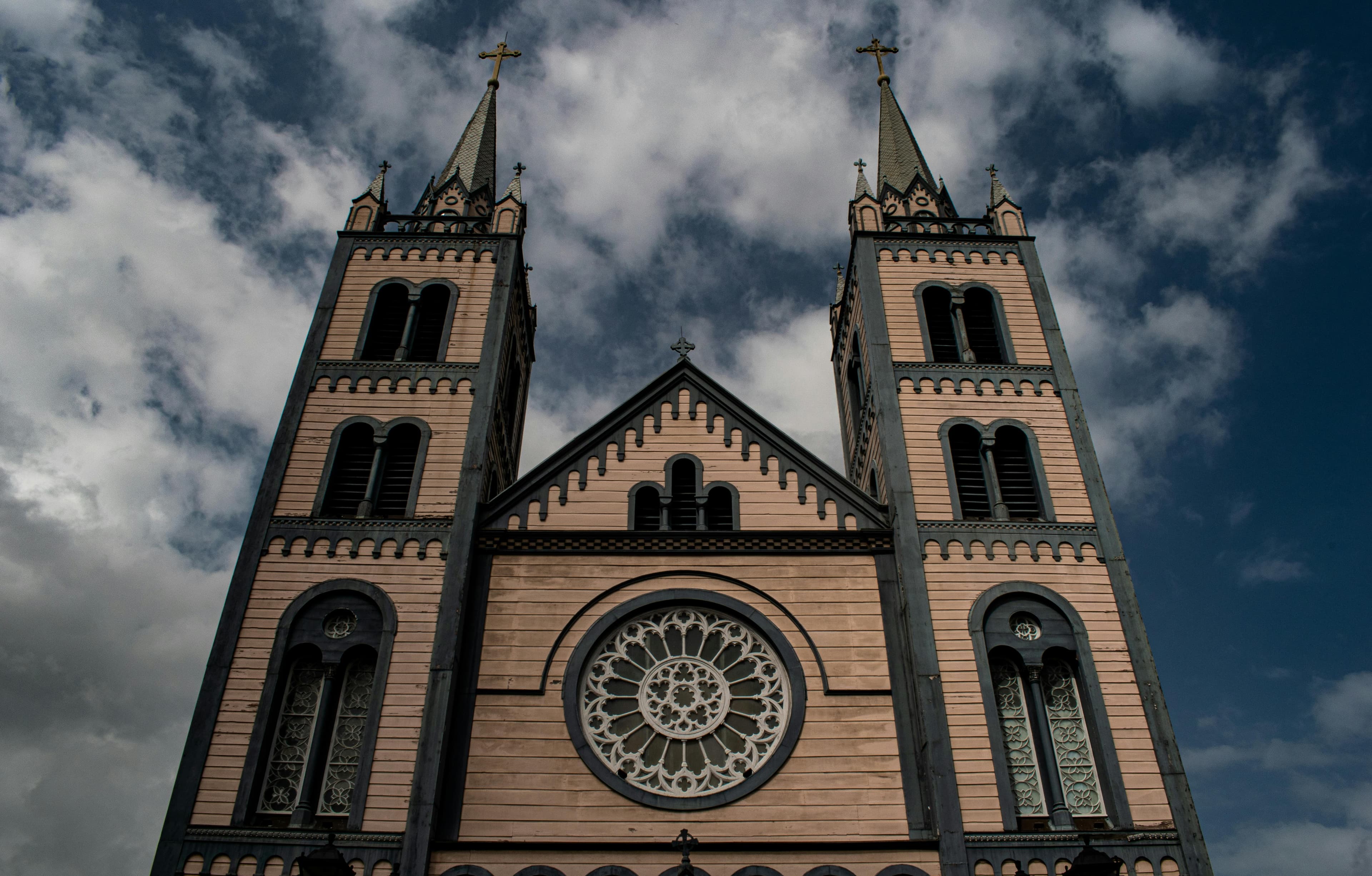
Paramaribo is one of the most distinctive capitals in South America. Its historic center, recognized as a UNESCO World Heritage Site, is known for well-preserved wooden colonial buildings, wide streets, and a calm, almost small-town rhythm. What truly defines Paramaribo is its cultural mix. African, Indian, Javanese, Indigenous, Chinese, and Dutch influences coexist openly, shaping the city’s food, architecture, and daily life. One of the most referenced sights by travelers is the mosque and synagogue standing side by side, often mentioned as a quiet symbol of tolerance. The city is compact and relatively easy to explore, making it a comfortable base for first-time visitors. Restaurants, markets, riverfront walks, and historic neighborhoods provide insight into Suriname’s identity before heading into the interior. Best for: culture, food, history, first-time visitors Time needed: 2–3 days
2.2. Central Suriname Nature Reserve (Untouched Amazon Rainforest)
The Central Suriname Nature Reserve is the heart of the country’s wilderness. Covering a vast stretch of untouched Amazon rainforest, it is one of the largest protected tropical reserves in the world and a major reason nature-focused travelers choose Suriname. Access is limited and usually requires guided tours, which keeps visitor numbers low. Those who make the journey are rewarded with dense rainforest, waterfalls, wildlife, and an overwhelming sense of scale and silence. Unlike more developed Amazon regions, this area feels raw and largely undisturbed. Trips here are not about comfort or speed. They are about immersion, patience, and respect for nature. Best for: eco-travelers, rainforest lovers, serious nature trips Time needed: multi-day excursion
2.3. Brownsberg Nature Park (Accessible Jungle Experience)
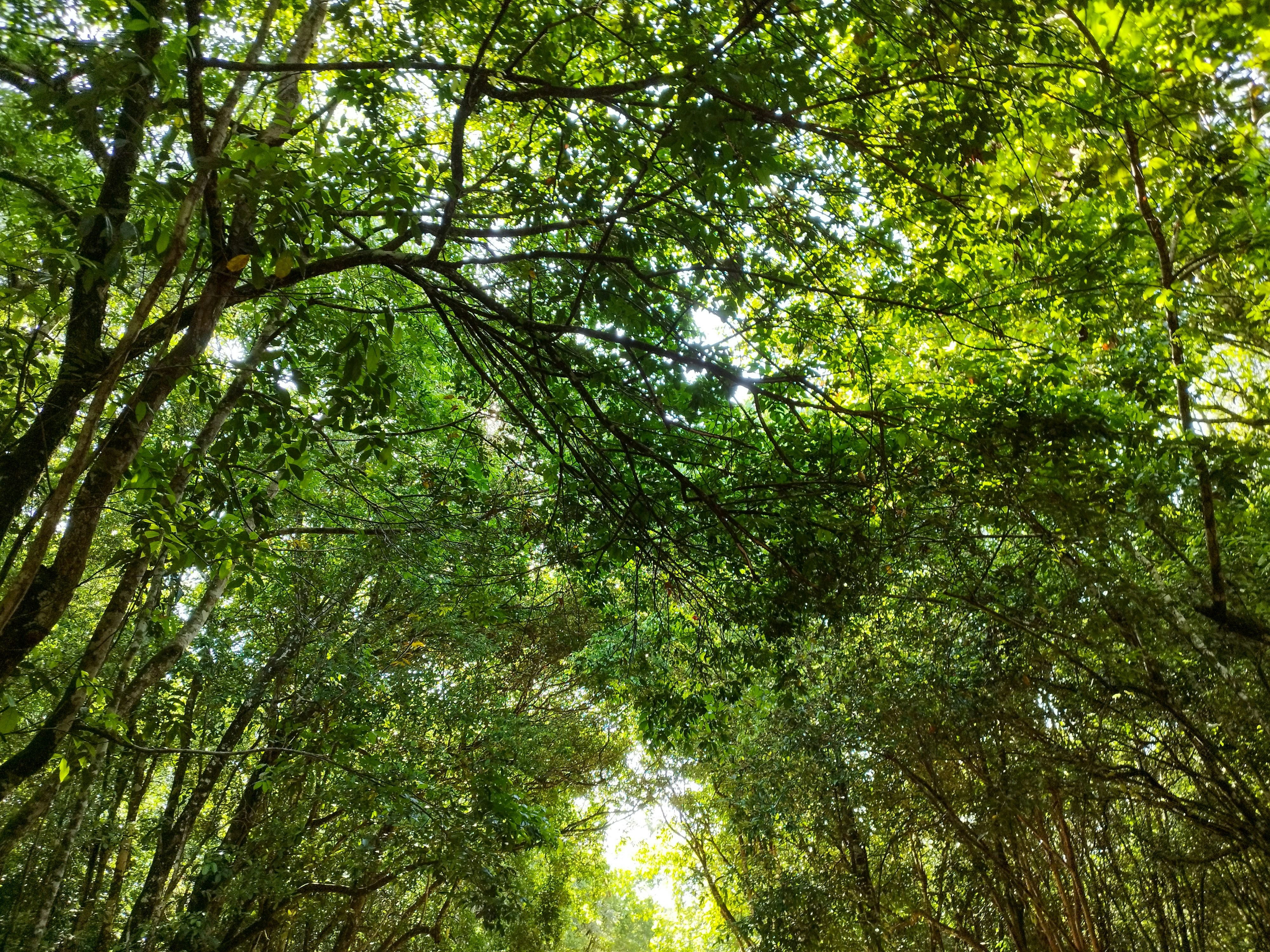
For travelers who want a rainforest experience without deep logistics, Brownsberg Nature Park is the most accessible option. Located a few hours from Paramaribo, it offers dense jungle, hiking trails, waterfalls, and viewpoints over the Brokopondo Reservoir. Brownsberg is frequently recommended by travelers as a day trip or overnight escape. Wildlife sightings are possible, and the park provides a good introduction to Suriname’s rainforest environment without the commitment of a longer expedition. Best for: short trips, first-time jungle visitors Time needed: 1 day or overnight
2.4. Galibi Nature Reserve (Sea Turtles & Indigenous Culture)
Galibi Nature Reserve is one of Suriname’s most meaningful wildlife experiences. Located along the northeastern coast near the border with French Guiana, the reserve is best known for sea turtle nesting, which takes place seasonally on its remote beaches. During nesting season, visitors may witness giant leatherback, green, or olive ridley turtles coming ashore at night — an experience frequently described by travelers as emotional and unforgettable. Access is carefully managed, and visits are guided to protect both the turtles and their habitat. Nearby Indigenous villages add cultural depth to the journey. Visits here are not about sightseeing, but about learning and respect, making Galibi a powerful example of responsible tourism in Suriname. Best for: wildlife lovers, meaningful travel, eco-tourism Time needed: 2–3 days (seasonal)
2.5. Brokopondo Reservoir (Surreal, Quiet Landscapes)
The Brokopondo Reservoir offers one of Suriname’s most unexpected landscapes. Created by a hydroelectric dam, the vast lake is dotted with thousands of tree trunks rising from the water, creating an eerie yet striking scene. Many travelers combine Brokopondo with a visit to Brownsberg Nature Park, as the two are closely connected geographically. The reservoir itself is calm and atmospheric, ideal for slow exploration, photography, and reflection rather than structured activities. Best for: photography, slow travel, unique scenery Time needed: half day to 1 day
2.6. Commewijne River & Plantation District (History Along the Water)
The Commewijne River area lies just east of Paramaribo and provides insight into Suriname’s colonial past. Boat trips along the river pass former sugar and coffee plantations, some restored and others left as quiet ruins. This region is often recommended as an easy day trip. Visitors can explore plantation houses, enjoy riverside meals, and learn about the country’s history of trade, slavery, and resistance. River dolphins are sometimes spotted during boat journeys, adding a natural highlight to the experience.
Best for: history, relaxed exploration, day trips
Time needed: half day or full day
2.7. Interior Villages (Maroons & Indigenous Communities)
Suriname’s interior is home to Maroon and Indigenous communities whose cultures have remained largely intact for generations. Visits to these villages are not tourist attractions in the conventional sense and should always be arranged with experienced guides. Travelers who choose to visit the interior often describe it as one of the most humbling parts of their trip. Infrastructure is limited, schedules are flexible, and daily life follows rhythms very different from the coast. Respect, patience, and openness are essential.
Best for: experienced travelers, cultural immersion
Time needed: multi-day visit
III. Best Places to Visit in Suriname by Travel Style
Suriname appeals to a very specific type of traveler. Choosing destinations based on how you like to travel makes a big difference to the overall experience.
3.1. Best Places to Visit in Suriname for First-Time Visitors
If this is your first visit to Suriname, it’s best to start slow and stay close to the capital before heading deeper inland.
Paramaribo for culture, food, and history
Brownsberg Nature Park for an easy introduction to the rainforest
Commewijne River for colonial history and relaxed boat trips
This combination offers a strong sense of place without complicated logistics.
3.2. Best Places to Visit in Suriname for Nature & Eco-Travel
Suriname is one of South America’s strongest destinations for travelers who prioritize nature over cities.
Central Suriname Nature Reserve for untouched Amazon rainforest
Galibi Nature Reserve for sea turtles and protected beaches
Brownsberg Nature Park for waterfalls and jungle hikes
These destinations emphasize conservation, guided access, and low visitor impact.
3.3. Best Places to Visit in Suriname for Culture & History
Suriname’s cultural depth is one of its biggest surprises.
Paramaribo historic center for UNESCO-listed architecture
Commewijne plantation district for colonial and river history
Maroon and Indigenous villages (with guides) for living traditions
Travelers interested in history often find Suriname richer than expected.
3.4. Best Places to Visit in Suriname for Slow & Off-the-Beaten-Path Travel
If you enjoy quiet places and minimal tourism infrastructure, Suriname delivers.
Brokopondo Reservoir for stillness and unique scenery
Interior rainforest regions for deep immersion
Multi-day river journeys into the interior
These experiences are best suited to patient travelers who are comfortable with unpredictability.
IV. How Many Days Do You Need in Suriname?
Suriname is not a destination for rushing. Travel distances, river transport, and guided jungle trips all take time, so planning the right trip length helps you enjoy the country rather than fight its logistics.
5–7 Days in Suriname (Culture + Light Nature)
With one week, focus on the coast and nearby rainforest. A realistic plan includes:
Paramaribo for culture, food, and history
Commewijne River for a relaxed day trip
Brownsberg Nature Park for a first rainforest experience
This option works well for curious travelers or those combining Suriname with another country.
8–10 Days in Suriname (Balanced Experience)
This is the most common and rewarding trip length. A typical route:
Paramaribo as a base
Brownsberg Nature Park or Brokopondo Reservoir
Galibi Nature Reserve (seasonal) or a short interior rainforest tour
You’ll experience Suriname’s cultural diversity and natural depth without feeling overwhelmed.
12–14 Days in Suriname (Deep Exploration)
Two weeks allows you to go beyond the easy-to-reach areas. Common additions:
Central Suriname Nature Reserve
Multi-day river journeys into the interior
Maroon or Indigenous community visits (with guides)
This length suits experienced travelers who want immersion rather than highlights.
V. Sample Suriname Itineraries
These sample itineraries reflect how travelers realistically move through Suriname, taking into account travel times, guided excursions, and the country’s slower pace.
7-Day Suriname Itinerary (First-Time Visitors)
This itinerary focuses on culture and accessible nature without complex logistics.
Day 1: Arrive in Paramaribo, evening walk along the riverfront
Day 2: Explore Paramaribo’s historic center, markets, and food scene
Day 3: Commewijne River day trip and plantation visits
Day 4: Travel to Brownsberg Nature Park
Day 5: Hiking and waterfalls in Brownsberg
Day 6: Return to Paramaribo, free afternoon
Day 7: Departure
Why it works: Ideal for first-time visitors who want a strong cultural foundation and a taste of rainforest without long travel days.
10-Day Suriname Itinerary (Culture + Nature)
This is the most balanced option for travelers with more flexibility.
Days 1–2: Paramaribo city exploration
Day 3: Commewijne River excursion
Days 4–5: Brownsberg Nature Park and Brokopondo Reservoir
Days 6–8: Galibi Nature Reserve (seasonal turtle nesting) or interior rainforest tour
Day 9: Return to Paramaribo
Day 10: Departure
Why it works: Combines Suriname’s cultural diversity with wildlife and quiet nature experiences.
14-Day Suriname Itinerary (Deep Rainforest & Culture)
Best for travelers seeking immersion rather than highlights.
Days 1–3: Paramaribo and surrounding areas
Days 4–5: Brownsberg and Brokopondo
Days 6–10: Central Suriname Nature Reserve or extended interior journey
Days 11–12: Maroon or Indigenous village visit (guided)
Days 13–14: Return to Paramaribo and departure
Why it works: Allows time for remote travel, flexibility, and a deeper understanding of Suriname’s landscapes and cultures.
VI. Best Time to Visit Suriname
Suriname can be visited year-round, but weather plays a big role in how easy travel feels, especially when exploring rainforests and river regions. Understanding the seasons helps set realistic expectations rather than chasing a “perfect” month.
Drier Periods (February–April, August–November)
These months are generally considered the best time to visit Suriname, particularly for first-time visitors. During the drier periods:
Roads and jungle trails are easier to navigate
River levels are more stable for boat travel
Rainfall is lighter and more predictable
This is the most comfortable time for visiting Brownsberg Nature Park, Commewijne River, and interior rainforest areas.
Rainy Periods (May–July, December–January)
Suriname’s rainy seasons bring heavier and more frequent rainfall, but they also have advantages. During these months:
Rainforests are lush and vibrant
Wildlife activity can increase
Tourist numbers are lower
However, travel into the interior may be slower, and some trails can become muddy or inaccessible. Trips during this period work best for flexible travelers who don’t mind changing plans.
Best Time for Sea Turtle Nesting
If Galibi Nature Reserve is a priority, timing matters.
Turtle nesting season usually runs from February to August, with peak sightings between March and July
Visits during this period must be guided and booked in advance
This is one of Suriname’s most memorable wildlife experiences, but it is strictly seasonal.
When Should You Go?
Choose the drier periods for easier logistics and comfortable travel
Choose the rainy periods for greener landscapes and fewer visitors
For most travelers, March–April and September–October offer the best balance between weather, access, and quiet travel conditions.
VII. Is Suriname Safe to Visit?
Safety is a common concern for travelers considering Suriname, especially since it’s less familiar than other South American destinations. Overall, Suriname is considered one of the safer countries in South America, particularly for visitors who travel thoughtfully and stick to established routes.
General Safety Overview
Suriname experiences lower levels of violent crime compared to many countries in the region. Most visits are trouble-free, especially in tourist-oriented areas such as Paramaribo, Commewijne, and organized trips into the rainforest. The country has a calm political environment and a relaxed pace of life that many travelers find reassuring.
Safety in Paramaribo
In the capital, safety concerns are similar to those in any mid-sized city:
Petty crime such as pickpocketing can occur
Avoid walking alone late at night in quiet areas
Keep valuables discreet and use registered taxis or hotel transfers
These precautions are standard and usually sufficient.
Safety Outside the City
In rural and interior regions, crime is rare. Travel here is typically done with guides or as part of organized excursions, which adds an extra layer of safety. The main challenges are logistical rather than security-related, such as transport delays, weather conditions, and limited infrastructure.
What Travelers Say Online
Across Reddit, Quora, and long-form YouTube travel vlogs, a consistent pattern emerges:
Suriname feels calm and welcoming
Locals are generally helpful and respectful
The country feels less chaotic than many South American destinations
Many travelers describe feeling more at ease here than expected.
Bottom Line
Suriname is best suited for travelers who are observant, patient, and prepared — not reckless. With common-sense precautions and realistic planning, it is a safe and rewarding destination for those seeking quiet, culture, and nature over nightlife and speed.
VIII. Travel Tips for Visiting Suriname
Suriname is easy to enjoy if you arrive with the right expectations. It’s a country that moves at a slower pace, and a little preparation goes a long way toward a smooth trip.
Getting Around Takes Time
Suriname’s infrastructure is limited outside Paramaribo, and travel often involves boats, rough roads, or small aircraft.
Plan fewer destinations rather than trying to cover everything
Allow buffer time for weather or transport delays
Avoid traveling at night outside urban areas
Patience is part of the experience.
Language Is Easier Than You Expect
Dutch is the official language, but communication is rarely a problem.
Sranan Tongo is widely spoken
English is understood in hotels, tours, and restaurants
Guides often speak multiple languages
Learning a few basic phrases is appreciated but not essential.
Cash Is Important
Credit cards are accepted in some hotels and restaurants, but cash is still widely used.
ATMs are available in Paramaribo
Carry small bills for taxis, markets, and tips
Exchange money in the city for better rates
Do not rely entirely on cards, especially outside the capital.
Pack for Heat, Humidity, and Rain
Suriname’s climate is tropical year-round. Bring:
Lightweight, breathable clothing
A rain jacket or poncho
Comfortable walking shoes or sandals
Insect repellent and sunscreen
Quick-drying fabrics are especially useful.
Internet and Connectivity Can Be Limited
Mobile coverage is good in Paramaribo but inconsistent elsewhere.
Do not expect reliable internet in the interior
Download maps and information offline
Let family or work know you may be unreachable at times
Many travelers find the digital downtime refreshing.
Respect Local Culture and Pace
Suriname is culturally diverse and socially relaxed.
Dress modestly when visiting villages or religious sites
Always ask before taking photos of people
Be flexible with schedules — delays are normal
Respect and curiosity are rewarded here.
IX. Final Thoughts: Is Suriname Worth Visiting?
Suriname is not a destination that tries to impress quickly. It doesn’t rely on landmarks, nightlife, or constant stimulation. Instead, it rewards travelers who are willing to slow down, listen, and adapt.
For those who value quiet cities, deep rainforest, and genuine cultural diversity, Suriname offers something increasingly rare in modern travel: space. Space to explore without crowds, to learn without spectacle, and to experience South America in a way that feels personal rather than packaged.
It’s not the right choice for everyone. Travelers looking for luxury resorts, fast-moving itineraries, or nonstop entertainment may find it challenging. But for curious, patient explorers, Suriname stands out as one of the continent’s most authentic and underrated destinations.
If you’re drawn to places that still feel unexplored and stories that aren’t shaped by mass tourism, Suriname is absolutely worth the journey.
XII. FAQs About Visiting Suriname
Do I need a visa or an entry fee to visit Suriname in 2025?
Many travelers can enter Suriname for tourism without a traditional visa, but must pay a mandatory Entry Fee online before travel. Some nationalities still need an e-Visa, so check your passport eligibility on the official Suriname e-Visa portal before booking.
What is the safest way for tourists to travel from Paramaribo to the interior rainforest?
The safest option is to travel with a well-established tour company that arranges transport, guides, permits, and lodging. Depending on the area, interior travel may involve river boats and/or small aircraft. Avoid informal, unvetted transport plans for remote regions.
Which vaccinations are mandatory or recommended before arrival?
Suriname is a yellow fever risk destination, so the yellow fever vaccine is commonly recommended. A yellow fever vaccination certificate may be required depending on where you’re arriving from or transiting through. Travelers should also be up to date on routine vaccines. Malaria risk guidance can vary by region and over time, so follow current medical advice and use mosquito-bite precautions.
Is it possible to use credit cards and ATMs, or is Suriname a cash-only economy?
Suriname is not cash-only, but cash is very important, especially outside major hotels. Credit cards may be limited beyond larger properties, and ATMs that accept international cards are mainly found in Paramaribo.
What is the best month to visit for wildlife spotting and dry weather?
For easier logistics (less rain, better road and trail conditions), many travelers aim for the drier stretch from August to November, with September and October often among the driest. Wildlife spotting is good year-round, but dry conditions usually make forest and river excursions simpler.
Is English widely spoken, or do I need to learn Dutch or Sranan Tongo?
Dutch is the official language and Sranan Tongo is widely spoken. In Paramaribo, English is often understood in hotels, tours, and many restaurants, but it’s not universal. Learning a few simple phrases can help, especially outside the capital.
What are the current safety levels for solo travelers in the capital city?
Suriname is generally considered a lower-stress destination for the region, but solo travelers in Paramaribo should take normal city precautions: avoid quiet areas late at night, keep valuables discreet, and use trusted taxis or hotel transfers.
Do I need to book jungle lodges and domestic flights well in advance?
For popular travel months (especially the drier season), it’s smart to book jungle lodges and internal flights early because capacity can be limited and schedules are not as frequent as in bigger destinations. If you’re traveling in peak weeks or want specific lodges, book as far ahead as you can.
Is the tap water safe to drink in Paramaribo and remote areas?
Tap water safety can vary by location and infrastructure. Many travelers choose bottled or filtered water, especially in remote areas. If you’re unsure, ask your hotel or lodge directly and use purified water for brushing teeth, too.
What are the must-try dishes from Suriname’s Javanese and Hindustani cultures?
For Javanese flavors, try dishes like nasi goreng (fried rice), bami (noodles), and Surinamese-style satay. For Hindustani (Indian-Surinamese) food, look for roti (often served with curried chicken, potatoes, and long beans) and rich curry plates. Paramaribo is the best place to explore these cuisines.

Hi! Mình là Lala Wren, một content creator yêu xê dịch và đam mê chia sẻ trải nghiệm thực tế cho cộng đồng Gohub. Trong nhiều năm qua, mình đã đặt chân đến Thái Lan, Hàn Quốc, Nhật Bản, Singapore, Malaysia, Bali và nhiều điểm đến thú vị khác trên khắp châu Á. Cùng mình tìm hiểu tất tần tật từ khâu chuẩn bị eSIM, Visa, lịch trình và địa điểm nổi bật cho chuyến đi sắp tới của bạn nhé!
Lihat semua artikel →