
App Store पर डाउनलोड करेंDownload Gohub App on the App Store

Busójárás 2027: Dates, Parades, Tickets and Travel Tips

  • Feb 4 – 9, 2027 (expected)
  • Mohács, Baranya County, Hungary
  • Last updated: 3 नव॰ 2026
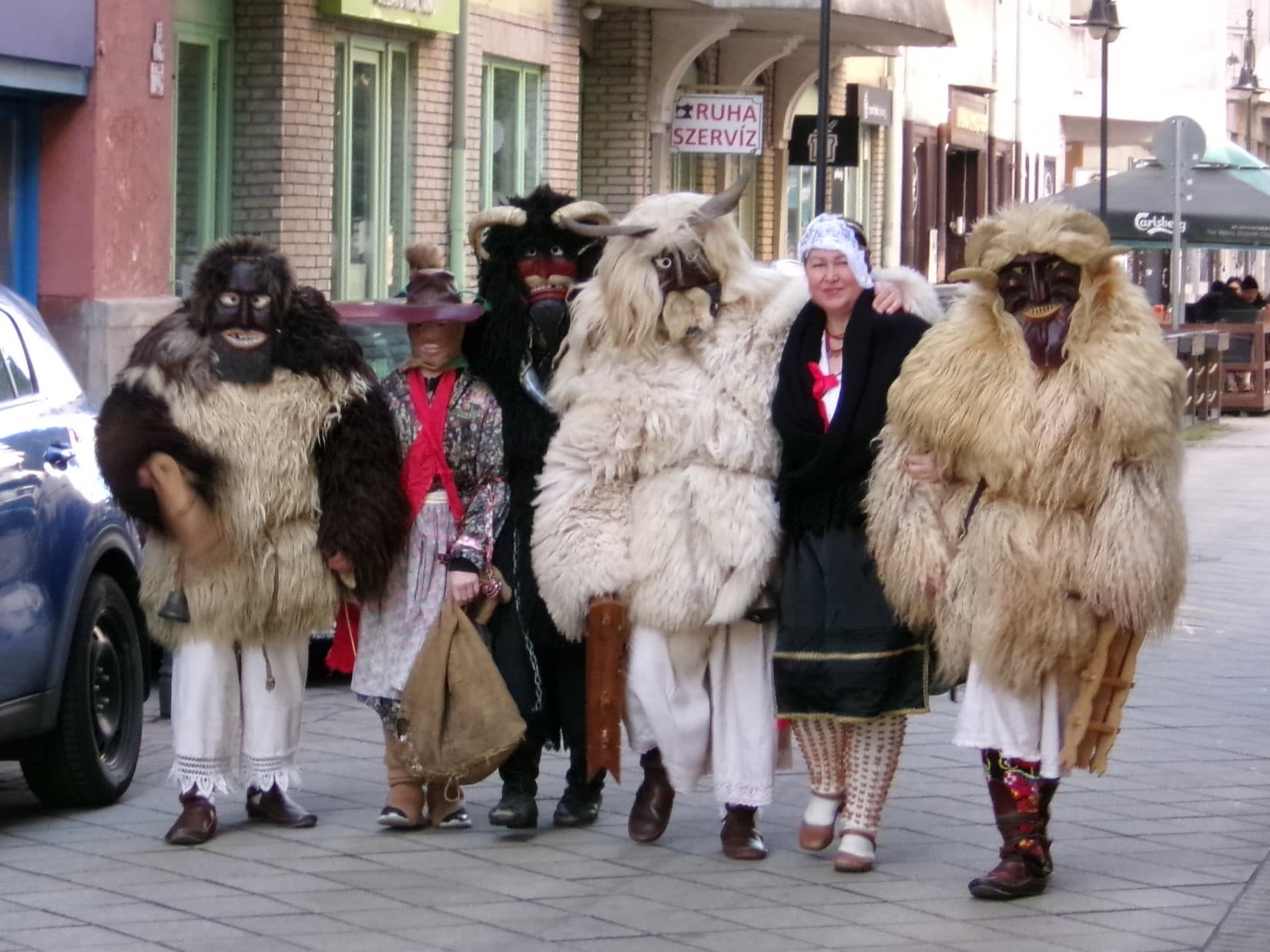
Grand Busó Parade marching along the main street from Kóló tér to Széchenyi tér in Mohács
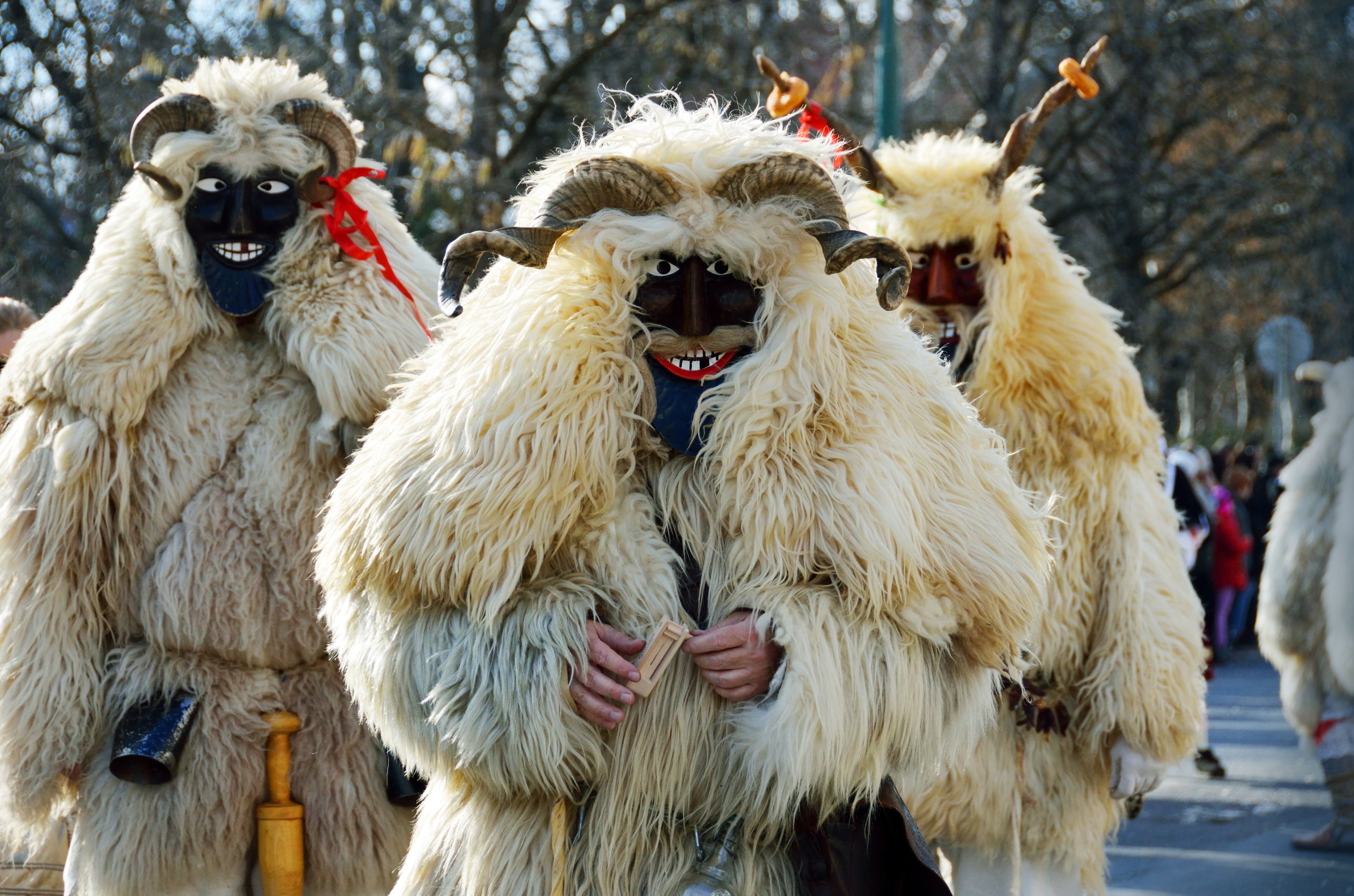
Busó in a sheepskin coat with kolomp cowbells and a feathered buzogány club in Mohács

Overview

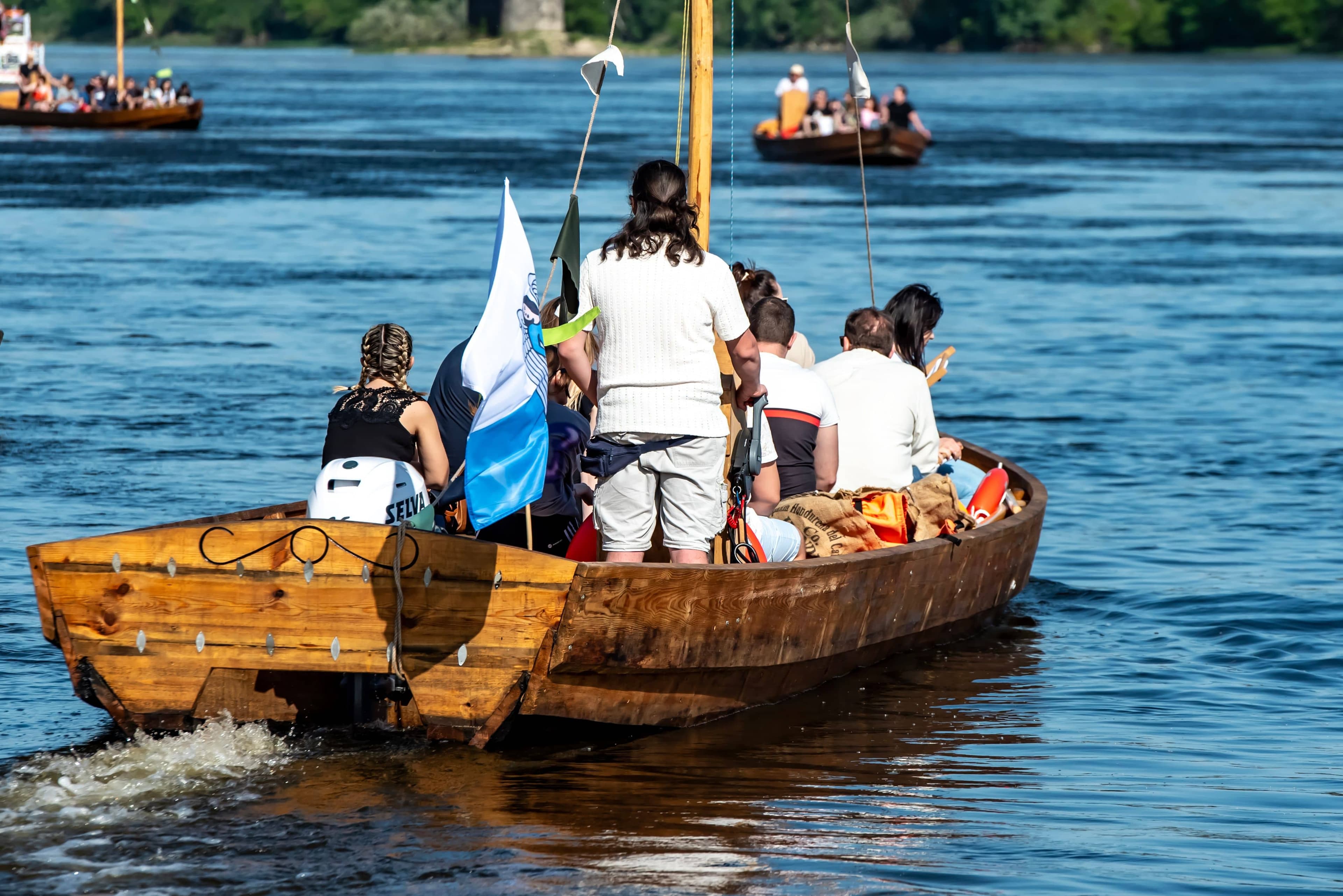
Busójárás 2027 is expected from Thursday 4 February to Tuesday 9 February 2027 in Mohács, southern Hungary 11. More than 500 busós in sheepskins and carved wooden masks arrive by rowboat across the Danube, march to the main square and burn a coffin that stands for winter 9. UNESCO listed the custom in 2009, and the organiser's pages list no entrance fee for the town-centre programme 93.

Highlights

  • Expected 4 to 9 February 2027, from Thursday to Shrove Tuesday, in Mohács 11
  • More than 500 busós arrive by rowboat across the Danube 9
  • The 2026 Sunday ran boat crossing 12:30, parade 14:00, bonfire 17:30 7
  • The 2026 express bus from Budapest to Mohács took 2 hours 50 minutes 4
  • A Magyarország24 day pass cost 4,999 HUF in 2026 8
  • February in Mohács averages a 7°C high and a 0°C low 14

Good to know

Dates
4 to 9 February 2027 (expected) 11
Opening hours
2026 Sunday: boat crossing 12:30, parade 14:00, bonfire 17:30 7
Venue
Mohács town centre around Széchenyi Square, 45°59′45″N 18°40′47″E 13
Entry
No entrance fee listed for the town-centre programme 3
Getting there
Express bus from Budapest took 2 hours 50 minutes in 2026 4

Where Does Your Plan Live on Farsang Sunday?

On the Sunday before Ash Wednesday, Mohács runs on a timetable that changes hourly. In 2026 the busós assembled on the island side from 09:00, crossed the Danube at 12:30, paraded from Kóló Square at 14:00, launched the carnival coffin at 16:30 and lit the bonfire on Széchenyi Square at 17:30 7. About 40,000 visitors came on each of the Saturday and Sunday of 2025 10. Lose your signal at Sokacrév just before the boats land and you are guessing which street the parade will take, whether the ferry from Újmohács is still running and where your group agreed to meet. The organiser publishes the programme, the map, the stage lists and the transport pages online, and the ones you need change from year to year. A phone with working data is also the only way to see the live ferry timetable, buy a day pass without queuing and read the latest notice about road closures while thousands of people stand in the same few streets.

How Do You Buy a Day Pass Without Queuing?

The national rail operator sold the Magyarország24 and Baranya24 day passes in its app in 2026, so travellers could skip the counters 4. At Népliget in Budapest, boarding the extra express buses was only allowed with a ticket bought in advance 4. That purchase needs data, not a screenshot.

How Do You Find Friends After the Sunday Bonfire?

After the Sunday bonfire at around 17:00 to 17:30, many visitors leave at once and the exit roads clog 3. A shared location pin works when shouting across Széchenyi Square does not.

Which Ferry Still Runs Near Midnight?

Extra night ferries left at 02:00 on Friday, Saturday, Sunday and Tuesday in 2026 3. The operator's timetable sits online, so check it before you walk down to the river.

Install your eSIM before you fly and be online when you land — see matching plansSee eSIM plans

The complete guide

When Is Busójárás in 2027?

Busójárás 2027 is expected to run from Thursday 4 February to Tuesday 9 February 2027 in Mohács, southern Hungary 11. The organiser has not published a 2027 programme yet, so these dates are an expectation taken from a tourism calendar, and the organiser's website is the place to confirm them 1. Some calendar pages also still carry the 2026 dates of 12 to 17 February, which is one more reason to check 11.

The date moves because the festival closes on Shrove Tuesday, the day before Ash Wednesday, and the organiser ties its timing to the first full moon after the spring equinox 125. The listed last day, Tuesday 9 February 2027, sits one day before Ash Wednesday on 10 February 2027 11. Six days is the usual length, running from a Thursday to the Tuesday of the Carnival Burial 12.

Busójárás 2026 ran from 12 to 17 February 2026 with six days, 27 venues and more than 140 programmes 1. The 2025 edition ran from 27 February to 4 March 2025 with about 100 events at 24 venues 10.

  • Expected 2027 dates: Thursday 4 to Tuesday 9 February 11

  • 2026 edition: 12 to 17 February 1

  • 2025 edition: 27 February to 4 March 10

  • The biggest days are the Sunday before Ash Wednesday and Shrove Tuesday 10

Tip: Hold a room for the Saturday and Sunday nights first, then add Monday and Tuesday once the programme appears; the two biggest days in 2025 each drew about 40,000 visitors 10.
Busós gathering at Kóló tér in Mohács before the Sunday parade, with cannon and bell groups

Does Mohács Charge Entry to the Busó Parades?

The organiser's visitor page lists no entrance fee for the town-centre programme of Busójárás in Mohács, so the parades, stage shows and bonfires take place in public streets and squares 3. The official programme adds that some workshops and events are ticketed 2. The one price named in the 2026 programme was 2,000 HUF for the interactive carnival workshop for children on Monday at the Kanizsai Dorottya Museum 7.

That makes the real cost of a trip transport and food, not tickets. A Magyarország24 pass gave 24 hours of unlimited train and bus travel across Hungary for 4,999 HUF in 2026, and the Baranya24 pass covered Baranya County for 990 HUF 8. The express bus seat reservation from Budapest cost 300 HUF 4. One guide quoted the direct bus at 8 to 10 EUR and the train with a change in Pécs at 13 to 16 EUR 17.

The currency is the forint, and ATMs are widespread 18. Cards work at most hotels, restaurants and shops, but small outlets and market traders often cannot take them, which matters for street stalls and craft fairs 1819.

  • Parades, stages and bonfires: no entrance fee listed 3

  • Children's workshop on Monday: 2,000 HUF in 2026 7

  • Express bus seat reservation: 300 HUF in 2026 4

  • Day pass for Hungary: 4,999 HUF in 2026 8

Tip: Carry cash in forints for stalls and the craft fair, and keep a card for the train, since small sellers around the squares may not take one 19.

Visitors standing along the main street of Mohács as the busó parade approaches Széchenyi tér
Need a steady connection for transit and maps?See eSIM plans

Which Route Gets You to Mohács From Budapest?

Budapest to Mohács is a bus ride of about 2 hours 50 minutes or a train journey with a change in Pécs, and the drive is about 201.5 km 417. In 2026 the extra express buses ran non-stop from Népliget bus station to Mohács bus station, left Budapest at 07:35, 08:35 and 09:35 and returned from Mohács until 20:35 4. Seat reservation was mandatory 4. One guide put the regular direct bus at 3 hours 5 minutes and the train at 4 hours 38 minutes 17.

By rail, the Mecsek InterCity runs between Budapest and Pécs about every two hours, and in 2026 special Busó trains ran between Pécs and Mohács about every two hours via Villány, in just under one hour 84. The first one left Pécs at 09:24 and reached Mohács at 10:25, and the last left Mohács at 21:04 4. The railway station is a 15 to 20 minute walk north of the centre, while the bus station is a few minutes from the main attractions 4.

By car, parking in the centre is very limited. The organiser's advice is to park on the Újmohács side and take the ferry or a passenger boat into the festival 3. The 2025 advice was to leave the M6 at the Nagynyárád exit and approach from the south 10. Cars arrive mostly on Saturday and Sunday between 10:00 and 14:00 3.

  • Pécs to Mohács: just under 1 hour by Busó train in 2026 8

  • Szekszárd and Baja: direct buses of about 1 hour 4

  • Tour buses drop off at Szepessy park; the PB car park is free 3

Tip: Fly into Budapest and book the seat reservation for the express bus before you leave home, because 2026 boarding at Népliget required a ticket bought in advance 4.

Mohács railway station building on the line from Pécs and Villány

How Do the Six Days Build Toward the Sunday Danube Crossing?

The six days build from a children's carnival on Thursday to the Danube crossing and Grand Busó Parade on Sunday, then end with the coffin burning on Shrove Tuesday 1210. The 2026 programme gives the pattern, and the 2027 times are not published yet 7.

On Thursday 12 February 2026 the carnival parade left the Sokac circle at 14:45 for Széchenyi Square, and children's jankele and little busós took the streets at 15:00 7. Friday and Saturday were stages, craft fairs, exhibitions and dance houses at the Mohács Market from 19:00 67.

Sunday 15 February 2026 was the main day. The busós prepared on the island side from 09:00, a cannon shot at Sokacrév started the crossing at 12:30, the parade left Kóló Square at 14:00, the carnival coffin went into the river at the ferry port at 16:30 and the bonfire was lit at 17:30 76. On Monday the busós traditionally go from house to house around Kóló Square 10. On Tuesday 17 February 2026 the last parade left Kóló Square at 14:30, the group photo on the City Hall steps was at 16:00 and the coffin burned on Széchenyi Square at 17:30 7.

  • Sunday: crossing, parade, coffin on the river and bonfire 7

  • Tuesday: final parade, group photo and coffin burning 7

  • Dance houses nightly at the Mohács Market from 19:00 6

Tip: Watch the crossing from the Sokacrév bank and then walk with the parade to Széchenyi Square, because the bonfire in 2026 followed the parade by about three and a half hours 7.

Busó boats crossing the Danube toward Sokacrév in Mohács on Farsang Sunday

Why Do the Busós Wear Sheepskin and Wooden Masks?

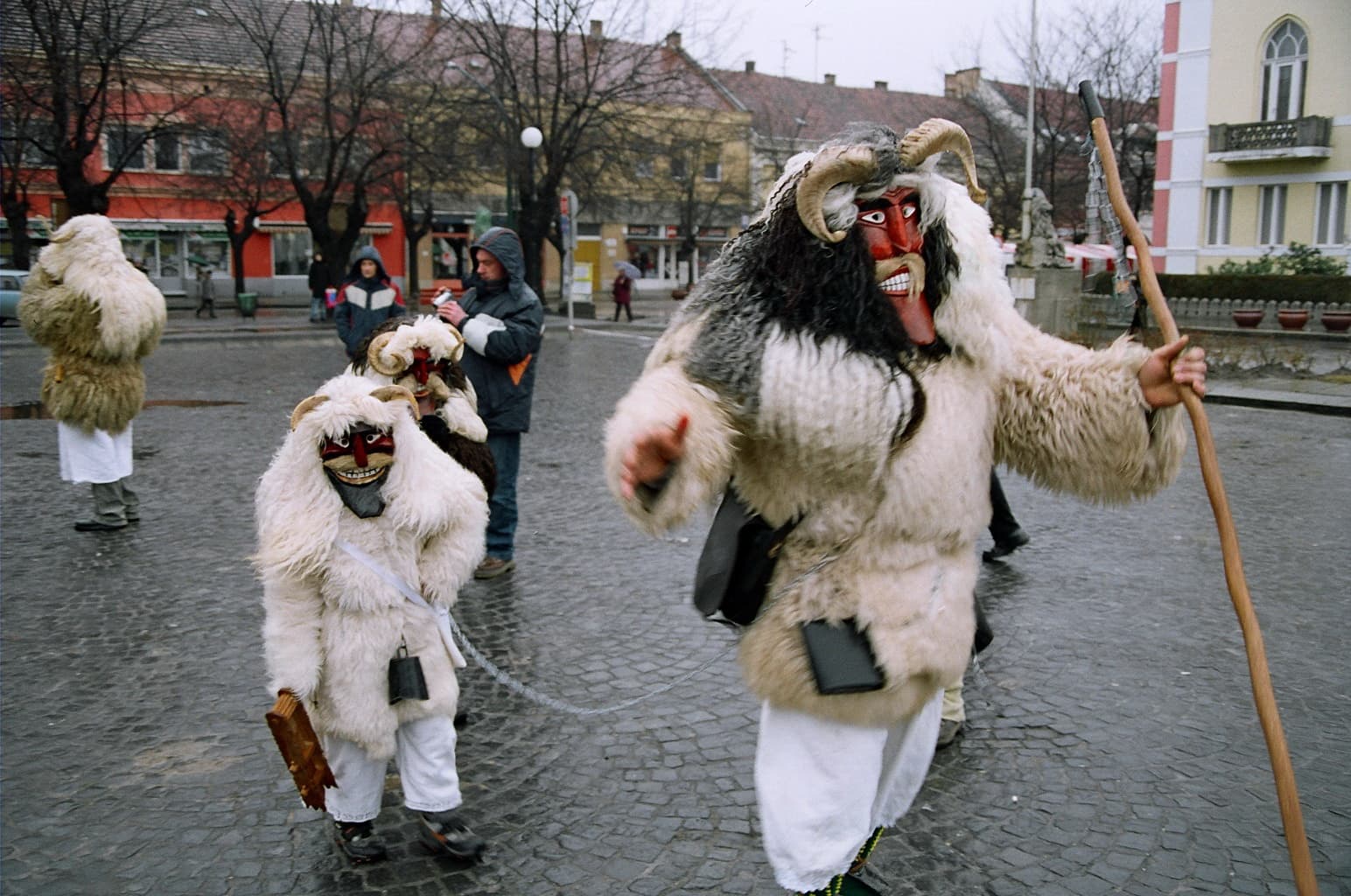
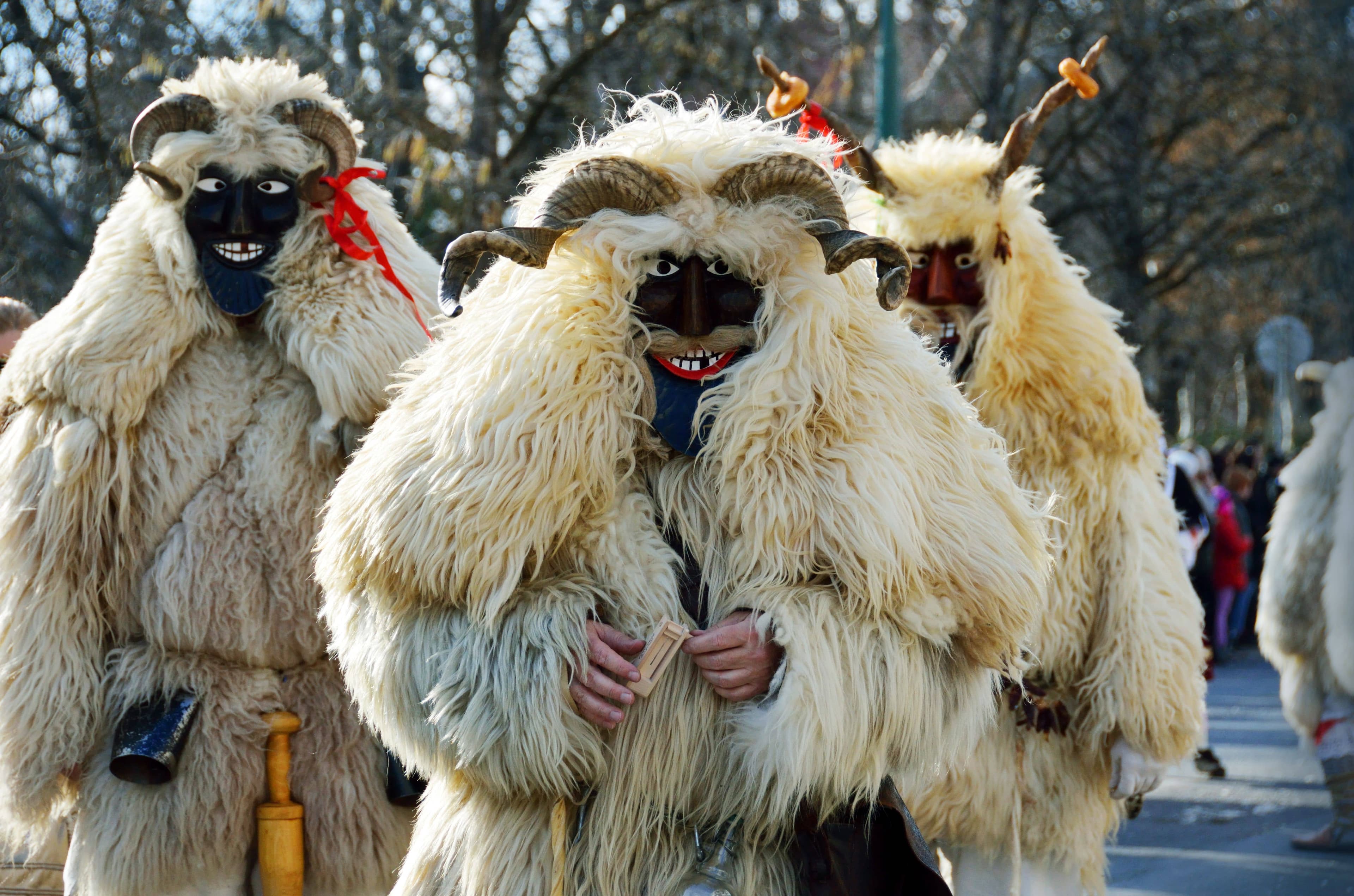
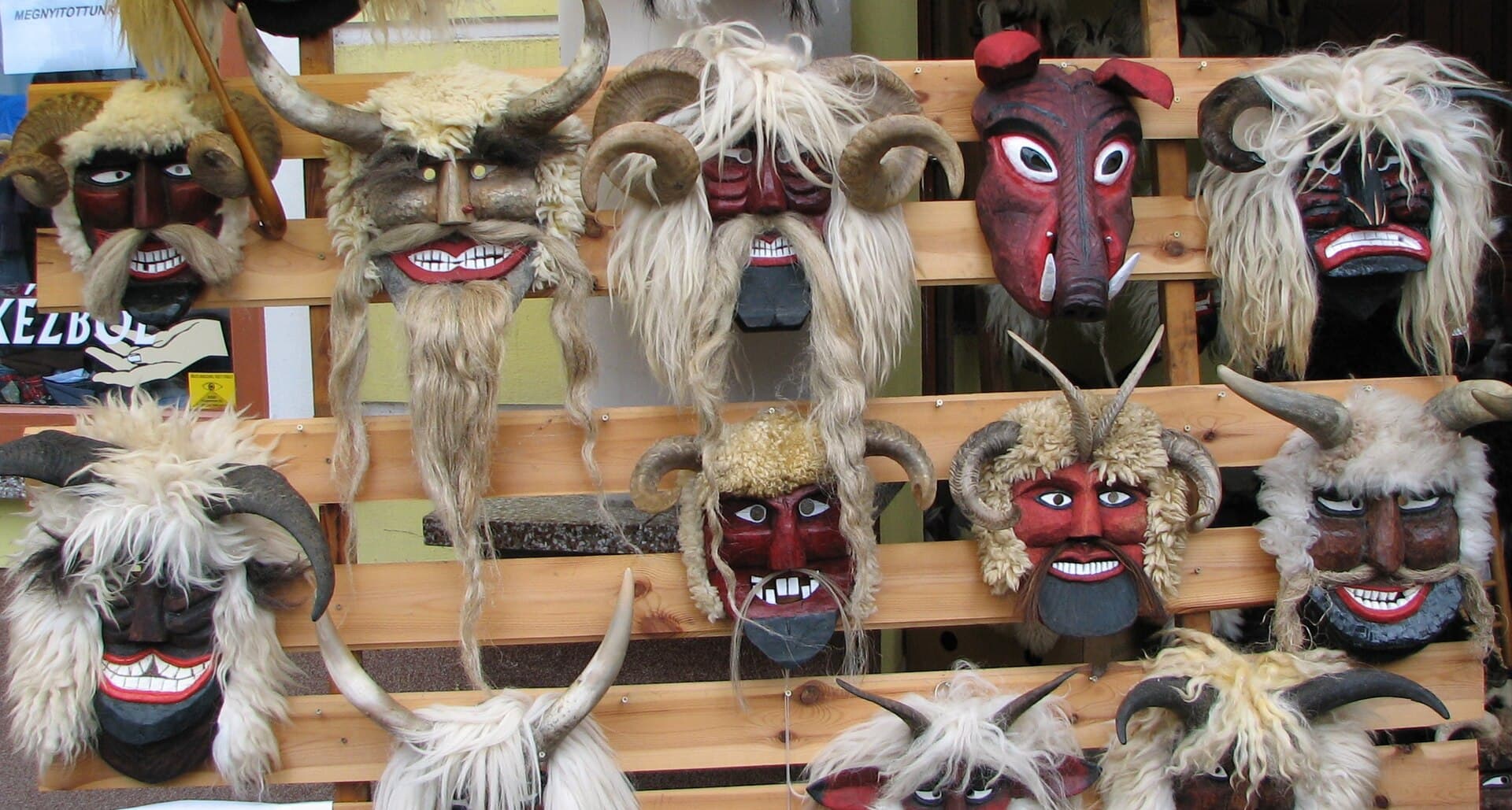
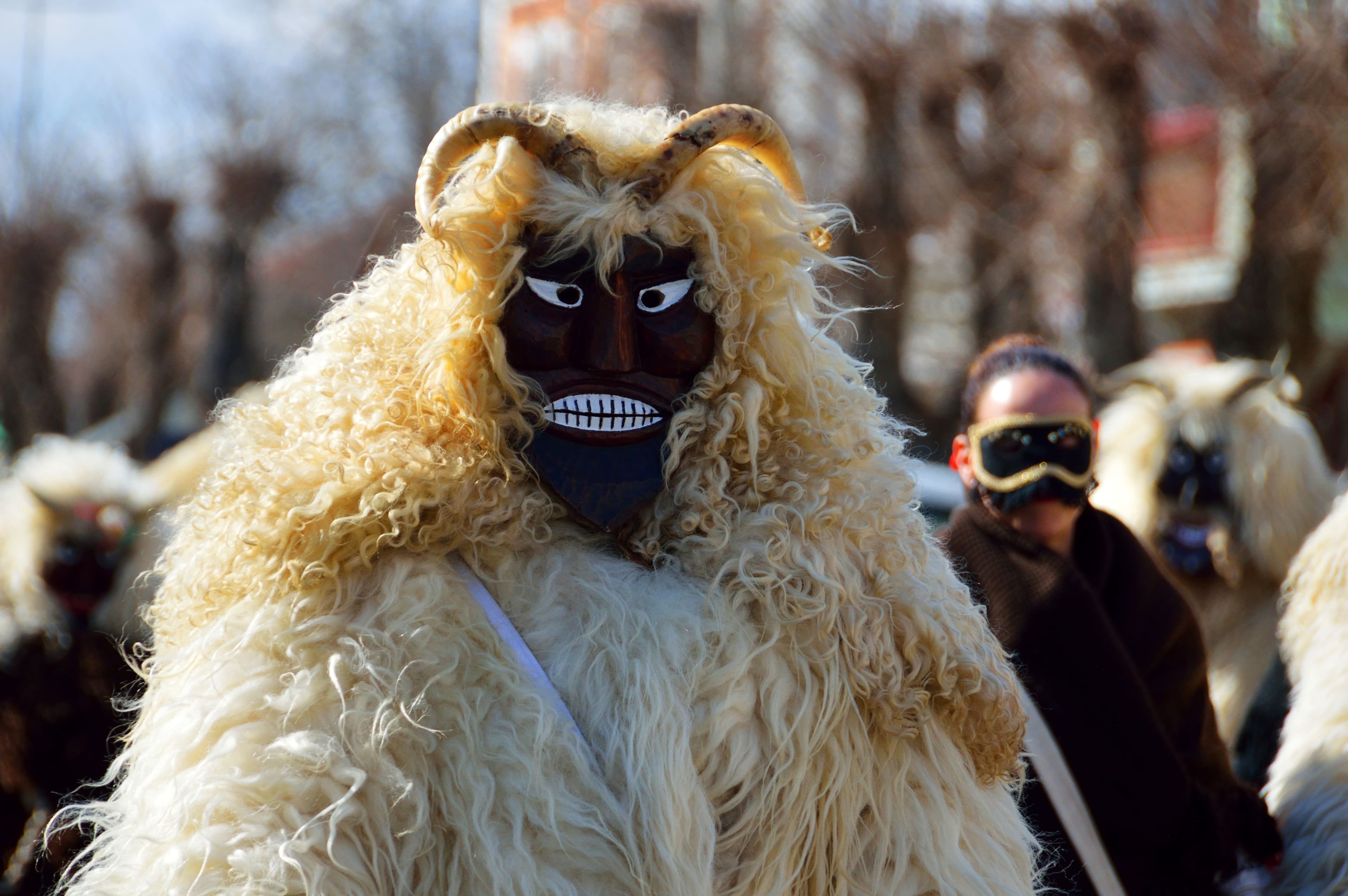
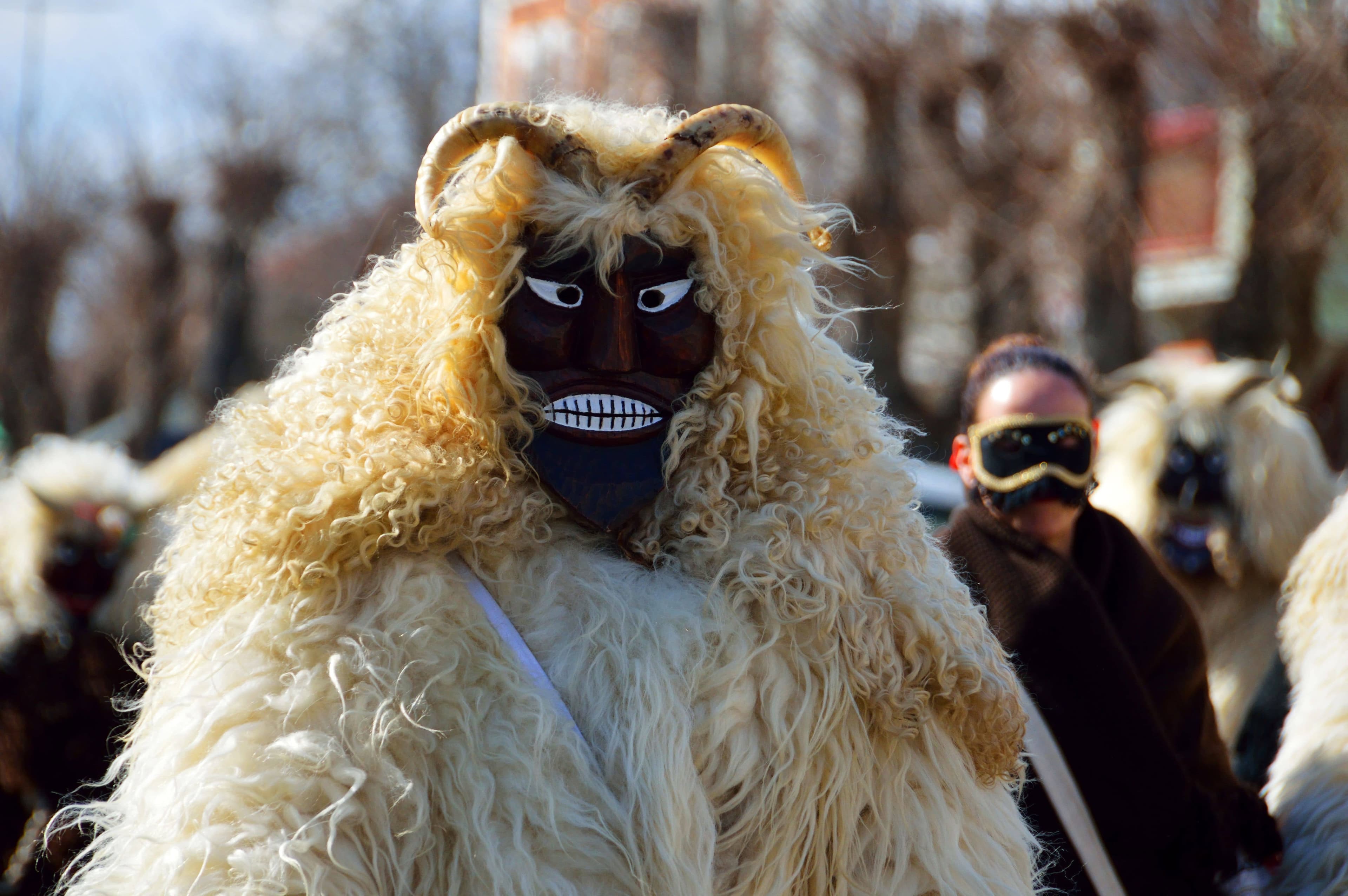
The busó is a figure that scares winter away, and the whole costume is built to be loud and frightening 95. The mask is carved from willow wood and was traditionally painted with animal blood, and the sheepskin hood is the element that makes a busó a busó 5. A short sheepskin coat is worn fur-side in, with straw-stuffed trousers, hand-knitted wool leggings and leather bocskor shoes 5.

Cowbells called kolomp hang from a belt or cattle rope, and each busó carries a rattle or a feathered wooden club 5. Escorts called jankelé keep onlookers and children away and strike teasers with sacks that were once filled with ash or flour and now usually hold rags or sawdust 5. Young Sokac women in traditional dress with covered faces walk with the groups 5.

The tradition belongs to the Sokac, a Catholic community of Croatian origin who settled around Mohács from the late 1600s 16. The best-known legend says they scared the Ottomans out of town by crossing the river at night in frightening masks, though historians doubt it, since Mohács was freed in 1687 and large-scale Sokac settlement began about a decade later 516.

  • Mask: willow wood with a sheepskin hood 5

  • Noise: kolomp cowbells, rattles and feathered clubs 5

  • Escort: the jankelé, who hit teasers with sacks 5

Note: Do not tease a busó. The jankelé hit back with sawdust-filled sacks, and the masks limit what the wearer can see below eye level 53.

Carved willow-wood busó mask with horns beside a sheepskin hood and kolomp cowbells
Photo: User:Themightyquill · CC BY-SA 2.5 · Wikimedia Commons

How Cold Does Mohács Get During Farsang?

February in Mohács averages a high of 7°C, a low of 0°C and a mean of 3°C, with about 51.66 mm of rain over 7 rain days and about 127 hours of sun 14. That is cold for standing still, and the bonfire on Széchenyi Square is lit at dusk, so the coldest hour is also the one where you wait 7.

The Danube banks are slippery, and the organiser asks visitors not to stand near the water 3. The bonfire throws large flames and sparks that can burn clothing, so stand back from it on both Sunday and Tuesday 3. The organiser asks visitors to keep the full width of the road clear during the parade, because standing inside the route is dangerous 3.

Wear layers that you can sit in. A long coat, thermal underwear and waterproof boots cover most of February, and cotton and thin soles do not 14.

  • Insulated waterproof boots with a grip

  • Hat, gloves and a scarf for the bonfire

  • A coat you accept may get sawdust or ash on it 5

  • Hand warmers and a small thermos

  • A phone battery pack, since cold drains batteries

Tip: Wear dark outer layers. Busós and their escorts use ash, flour and sawdust, and light coats show every hit 517.

Széchenyi tér in Mohács in winter with visitors in coats waiting at dusk before the bonfire

Where Do You Sleep When Mohács Fills Up?

Book your Mohács room as early as the dates appear, and plan a fallback in Baja, Pécs or the Villány wine region 17. One guide lists Baja at about 30 minutes, Pécs at about 45 minutes and Villány at about an hour from Mohács 17. The organiser's pages list no accommodation, and its Tourinform office in Mohács at Széchenyi tér 1 can be reached on +36 69 505-515 or at mohacs@tourinform.hu 20.

Staying in Mohács puts you within a short walk of the parade route, the bus station and the stages. It also lets you leave the crowd at night without a timetable, which matters because the last 2026 train to Pécs left at 21:04 and the last express bus to Budapest at 20:35 4. Staying in Pécs works if you take the trains from Pécs, which took just under one hour in 2026 8.

The trade-off is the last connection. After the Sunday bonfire at around 17:30, the exit roads are congested 3. A bed in Mohács avoids that queue and the 02:00 night ferry gamble 3.

  • Mohács: best for late nights and walking to the parade

  • Baja: about 30 minutes away, buses of about 1 hour in 2026 174

  • Pécs: about 45 minutes away by road 17

  • Villány: about 1 hour away, wine villages and pensions 17

Tip: Ask the Tourinform office in Mohács for private rooms before you give up on the town, since the organiser's pages list no accommodation 20.

Széchenyi tér in Mohács with the Town Hall, the square where visitors gather during the festival

What Is Sokác Bab, and Where Do You Eat It?

Sokác bab, also called cserepes or köcsögös bab, is the dish of the Sokac community: a slow bean stew cooked in a clay pot 16. The pot sits beside the fire, not in it, so the stew cooks gently for about 2 to 3 hours and is served hot with fresh bread 16. Typical ingredients are soaked dried beans, smoked bacon, beef and pork shank, carrot, parsnip, celery, onion, garlic, paprika and bay leaf 16.

During the 2026 programme, the Saturday afternoon "Merriment with the Busós" on Síp Street included Sokac bean cooking and tasting, and the "Flavors of Mohács" live cooking took place at Busóudvar at 10:00 7. The same day a Serbian gastronomy showcase ran at the Serbian Church courtyard from 11:00 7.

Farsang food is heavy because the season follows pig slaughter, which supplies much of the fatty, smoked food of late winter 16. Guides to the festival list lángos, kolbász and fánk among the street food 17. Eat early on Sunday, since the main street fills before the parade and most queues grow after 14:00 37.

  • Sokác bab: bean stew from a clay pot, served with bread 16

  • Street food: lángos, kolbász and fánk 17

  • Craft fair and cooking demonstrations in the town centre 7

Tip: Eat the bean stew on Saturday, when the cooking and tasting ran on Síp Street in 2026, rather than on Sunday when the parade pulls everyone to Kóló Square 7.

Sokác bab simmering in a clay köcsög pot beside an open fire

How Do You Keep Children Safe Among the Busós?

Keep children close and agree a meeting point before you enter the crowd, because a busó mask restricts the wearer's view to objects at eye level 3. The organiser also advises avoiding strollers where possible, and putting a note with the child's name and a parent's phone number in a pocket 3. If someone is lost, report it at once to stage staff, security or the police 3.

The Thursday carnival is the child-centred day. In 2026 the children's jankele and little busós took the streets at 15:00 and children's folk dance and busó group performances followed on the Széchenyi Square stage at 15:15 7. A mother and baby rest area was listed at the Kossuth Theatre in Mohács 3. Pets should stay at home because of the noise, cannon shots and crowds 3.

Older relatives will find the bus station about 20 metres from the festival, while the railway station is a 15 to 20 minute walk 34. Emergency help is on 112, with police on 107, ambulance on 104 and fire on 105 18.

  • Meeting point agreed before the parade 3

  • A note with the child's name and a parent's phone number 3

  • Emergency number 112 18

Tip: Choose Thursday or Saturday for young children, and leave the Sunday parade street for when they can stand two rows back 7.

Children in ragged costumes dusting ash on passers-by at the Thursday kisbusó procession in Mohács

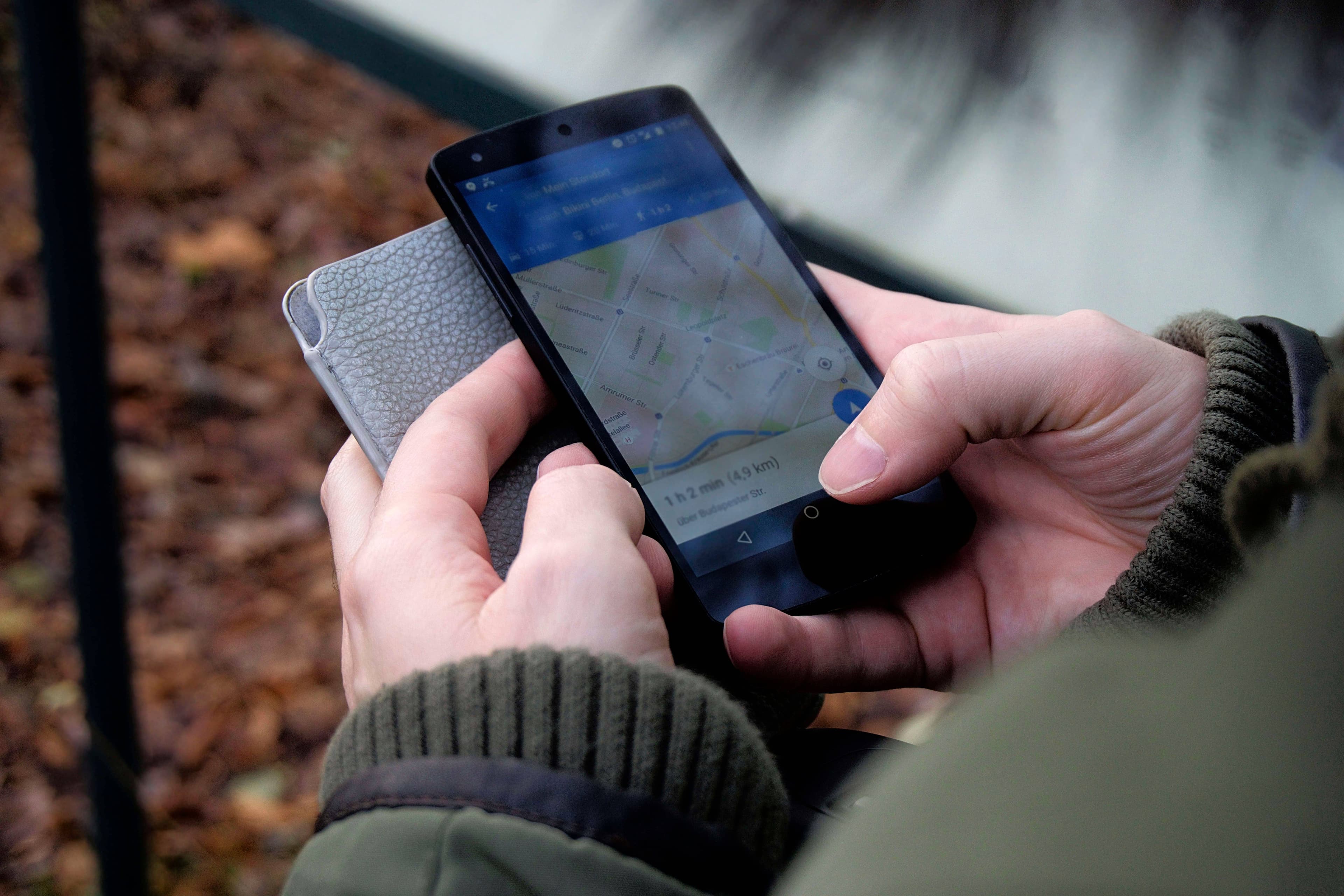
Will Your Phone Hold Up on Széchenyi Square?

Your phone does three jobs in Mohács: the ferry and train timetable, your meeting point, and the day pass. About 40,000 visitors came on each of the Saturday and Sunday of 2025, all in the same town centre, so a busy mobile network is a fair thing to plan for 10. A data plan that works the moment you land in Hungary saves you from hunting for a SIM shop on arrival.

An eSIM is the simplest way to arrive with data already working. You install it at home, switch it on after landing, and keep your own number for calls. See the Hungary eSIM page if you want to compare plans before you fly. No source gives a per-day figure for Mohács, so choose a plan you can top up.

  • Install the eSIM before leaving for Budapest

  • Screenshot the ferry timetable and the bus reservation

  • Download an offline map of Mohács and Újmohács

  • Share a live location with your group before the Sunday parade

Tip: Save the organiser's programme page and the transport page offline the evening before, since both change from year to year 14.

Visitors holding phones up as the bonfire is lit on Széchenyi tér in Mohács

Suggested itinerary

Day 1 · Farsang Sunday, the Danube crossing

  1. Morning
    Pécs stationTake a Busó train via Villány, just under one hour in 2026 8
  2. Mid-morning
    Sokacrév riverbankWatch the groups prepare on the island side from 09:00 in 2026 7
  3. Around 12:30
    Danube boat crossingThe cannon shot and the boats were at 12:30 in 2026 67
  4. Around 14:00
    Kóló Square paradeThe Grand Busó Parade left at 14:00 in 2026 7
  5. Around 16:30
    Ferry portThe carnival coffin was launched into the river in 2026 7
  6. Around 17:30
    Széchenyi Square bonfireStand back from the flames and sparks 3

Day 2 · Monday, a quieter day

  1. Morning
    Kanizsai Dorottya MuseumThe children's carnival workshop ran here in 2026 7
  2. Midday
    Mohács Memorial ParkOpen 9:00 to 18:00 daily at 1,500 HUF in one guide 15
  3. Afternoon
    Kóló SquareBusós traditionally go house to house here on Monday 10
  4. Evening
    Mohács MarketDance houses from 19:00 6

Day 3 · Shrove Tuesday, the Carnival Burial

  1. Morning
    BusóudvarThe Busó School mask-making ran 10:00 to 14:00 in 2026 7
  2. Around 14:30
    Kóló SquareThe final parade left at 14:30 in 2026 7
  3. Around 16:00
    City Hall stepsThe group photo of busós and Sokac girls 7
  4. Around 17:30
    Széchenyi SquareThe coffin was burned here in 2026 to end winter 7
  5. Evening
    Mohács station or bus stationThe last train to Pécs left at 21:04 in 2026 4

Tip: Treat every time here as the 2026 pattern, and check the organiser's 2027 programme before you book trains.

Recommended eSIM plans

Pick by trip length. Visiting several countries? Choose a regional plan.

Selected: eSIM APAC 45 Countries 10GB 10 Day(s)

Set up your eSIM in 3 steps

  1. Order and get your QR codeThe QR code arrives by email right after payment.
  2. Scan before you flySettings → Cellular → Add eSIM, while you still have Wi-Fi.
  3. Turn on data when you landSet the eSIM as your data line and enable data roaming.

Frequently asked questions

Yes. UNESCO added the Busó festivities at Mohács to the Representative List of the Intangible Cultural Heritage of Humanity in 2009, and it was the first Hungarian element on the list 910. UNESCO describes a six-day carnival that marks the end of winter, with a river procession of more than 500 busós by rowboat and a coffin burned on the central square 9.

Parking in the centre is very limited, and the organiser's best option is the Újmohács side, where ferries and passenger boats take you directly into the festival 3. Most cars arrive on Saturday and Sunday between 10:00 and 14:00, and tour buses are sent to Szepessy park 3. Extra night ferries ran at 02:00 on four nights in 2026 3.

The jankelé escorts keep onlookers and children away from the busós and strike teasers with sacks that were once filled with ash or flour and now usually hold rags or sawdust 5. One guide describes busós playing pranks with flour, ash or confetti 17. Do not provoke them, and keep the parade lane clear, because the masks limit the wearer's view 3.

No. The organiser asks visitors to leave pets at home because of the noise, the cannon shots and the crowds in the streets 3. A mask-wearing busó, a bell-ringing group and a bonfire on Széchenyi Square are a stressful mix for any animal. If you travel with a pet, board it at your hotel for the day.

It is a quieter stop between parades. The park marks the 1526 battle where the Ottoman army defeated about 15,000 Hungarian troops, with wooden grave markers and a crown-shaped visitor centre, and one guide lists it as open 9:00 to 18:00 daily at 1,500 HUF 15. Wikipedia notes that battles at Mohács in 1526 and 1687 marked the start and end of Ottoman rule 13.

Enough for the ferry timetable, a live map, the day pass app and a few messages, since a Sunday crowd of about 40,000 stands in one town centre 10. No source gives a per-day figure, so start with a plan you can top up. Screenshot your bus reservation and download an offline map of Mohács before you leave Budapest.

Sources

Figures on this page come from the sources below — the small number next to each figure points to its source.

  1. 1Mohácsi Busójárás, official festival site (accessed 2026-10-18)
  2. 2Busójárás official programme, mohacsibusojaras.hu (accessed 2026-10-18)
  3. 3Busójárás visitor information, mohacsibusojaras.hu (accessed 2026-10-18)
  4. 4Busójárás public transport, mohacsibusojaras.hu (accessed 2026-10-18)
  5. 5About the Busójárás, mohacsibusojaras.hu (accessed 2026-10-18)
  6. 6Busójárás venues and stages, mohacsibusojaras.hu (accessed 2026-10-18)
  7. 7Busójárás 2026 in Mohács, Xpatloop (accessed 2026-10-18)
  8. 8Irány Mohács, extra services for Busójárás, MÁV-csoport (accessed 2026-10-18)
  9. 9Busó festivities at Mohács, UNESCO Intangible Cultural Heritage (accessed 2026-10-18)
  10. 10Csütörtökön indul a híres busójárás Mohácson, Infostart (accessed 2026-10-18)
  11. 11Busójárás hagyomány, Turizmus Program (accessed 2026-10-18)
  12. 12Busójárás, Wikipedia (accessed 2026-10-18)
  13. 13Mohács, Wikipedia (accessed 2026-10-18)
  14. 14February weather averages for Mohács, WeatherAPI (accessed 2026-10-18)
  15. 15Things to do in the Villány wine region, Offbeat Budapest (accessed 2026-10-18)
  16. 16Sokác farsang customs, Pénzcentrum (accessed 2026-10-18)
  17. 17Busójárás in Hungary, Ultimate Budapest (accessed 2026-10-18)
  18. 18Travel advice for Hungary, Rough Guides (accessed 2026-10-18)
  19. 19Hungary travel tips, iExplore (accessed 2026-10-18)
  20. 20General tourist information, Tourinform Mohács, mohacsibusojaras.hu (accessed 2026-10-18)