
ดาวน์โหลดบน App StoreDownload Gohub App on the App Store
AsiaIndia

Puri Rath Yatra 2027: Dates, Where to Celebrate and Travel Tips

  • Expected 5 Jul 2027 (return 13 Jul)
  • Puri, Odisha, India
  • Last updated: 17 พ.ย. 2569
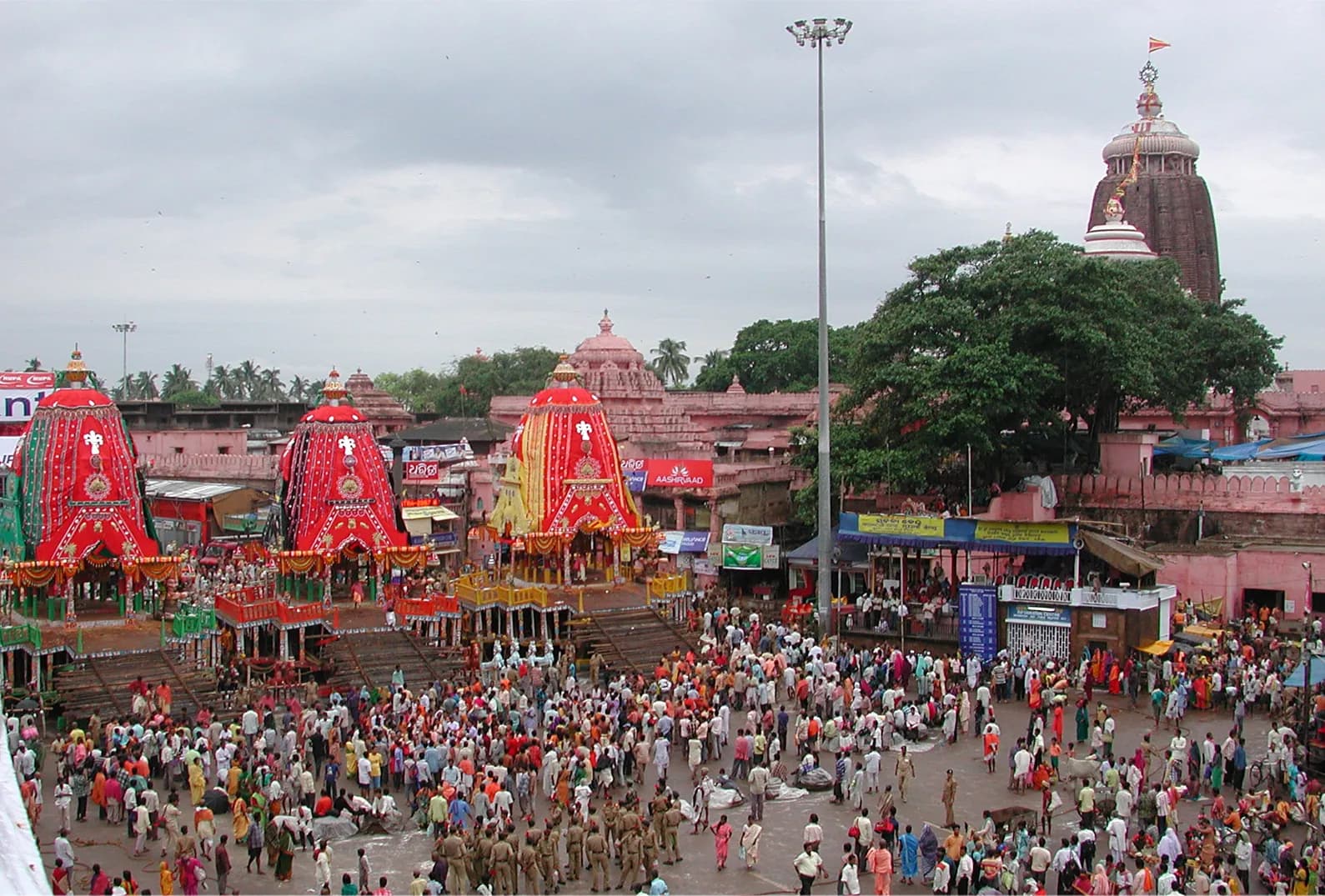
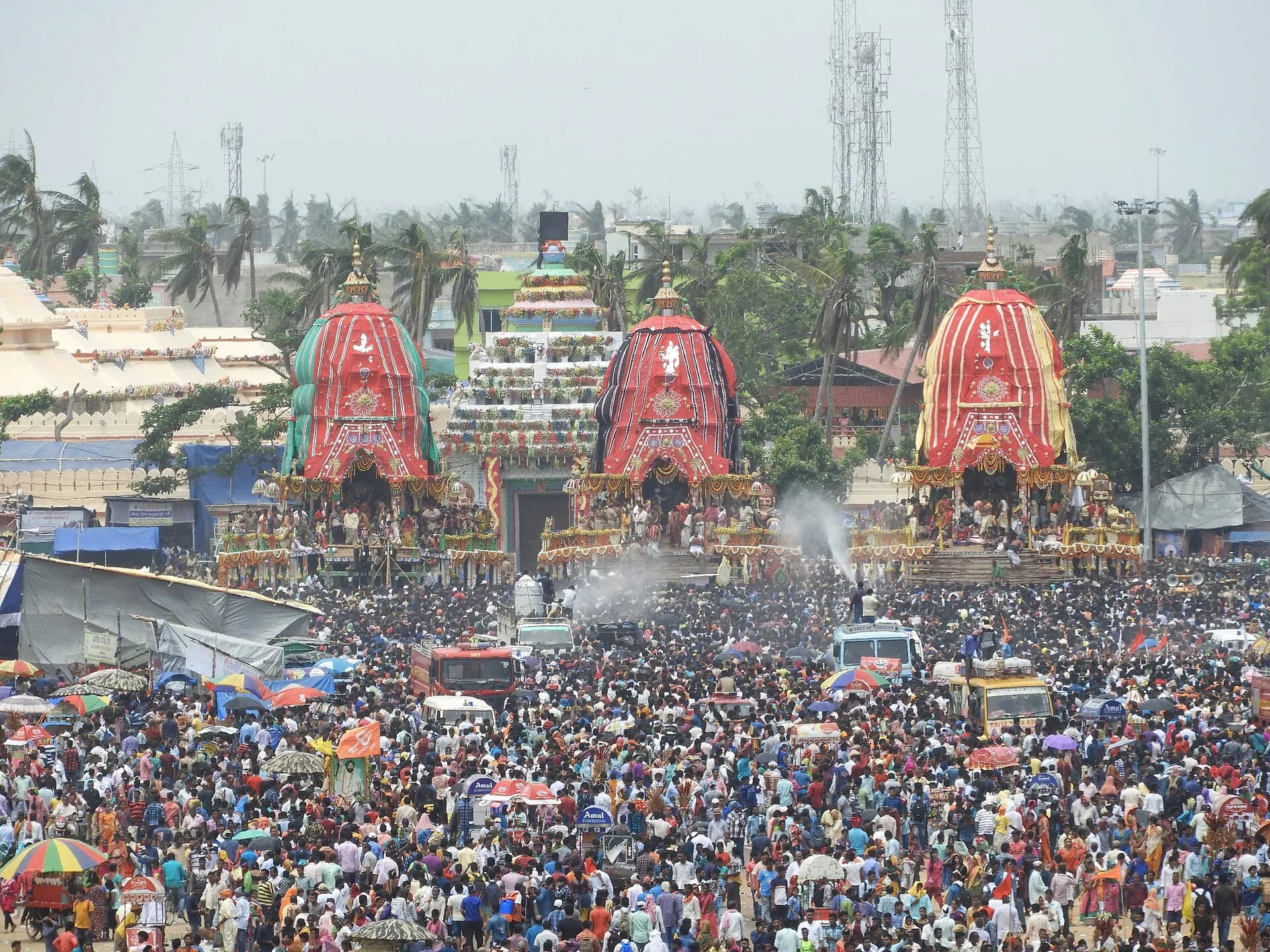
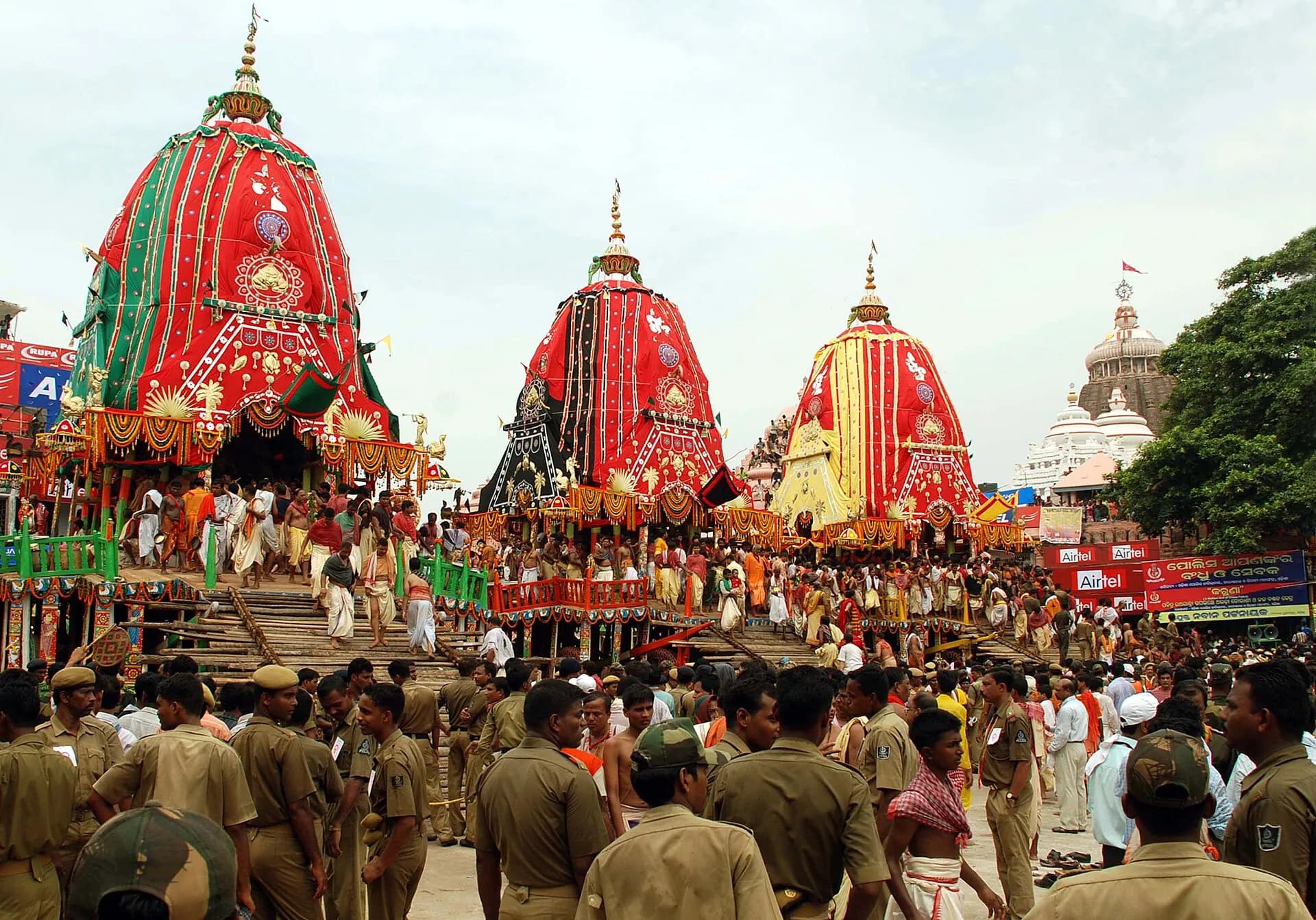
Wide shot of the three painted chariots on the Grand Road in Puri with a dense crowd
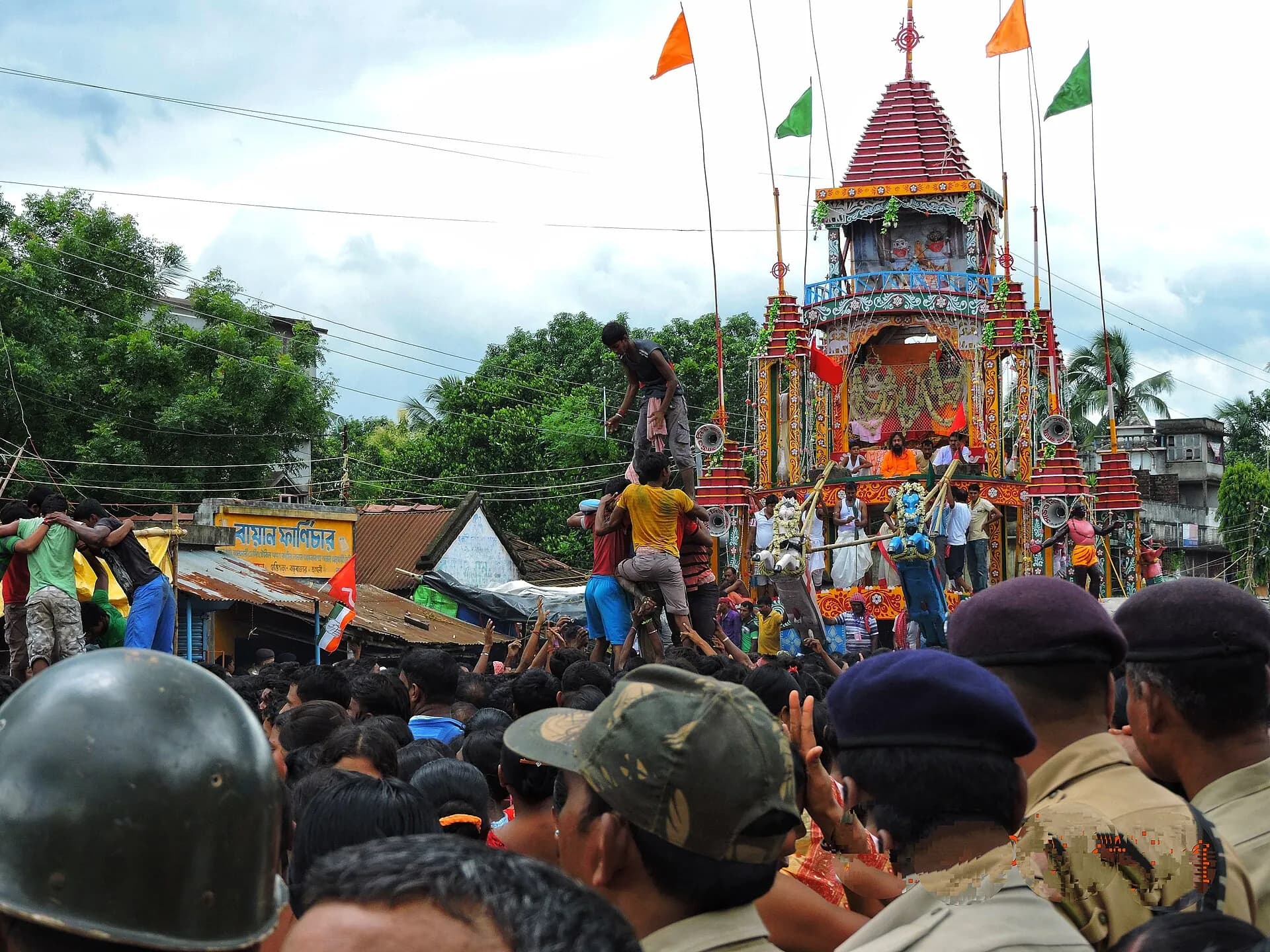
Devotees pulling the thick ropes of Nandighosha chariot in Puri
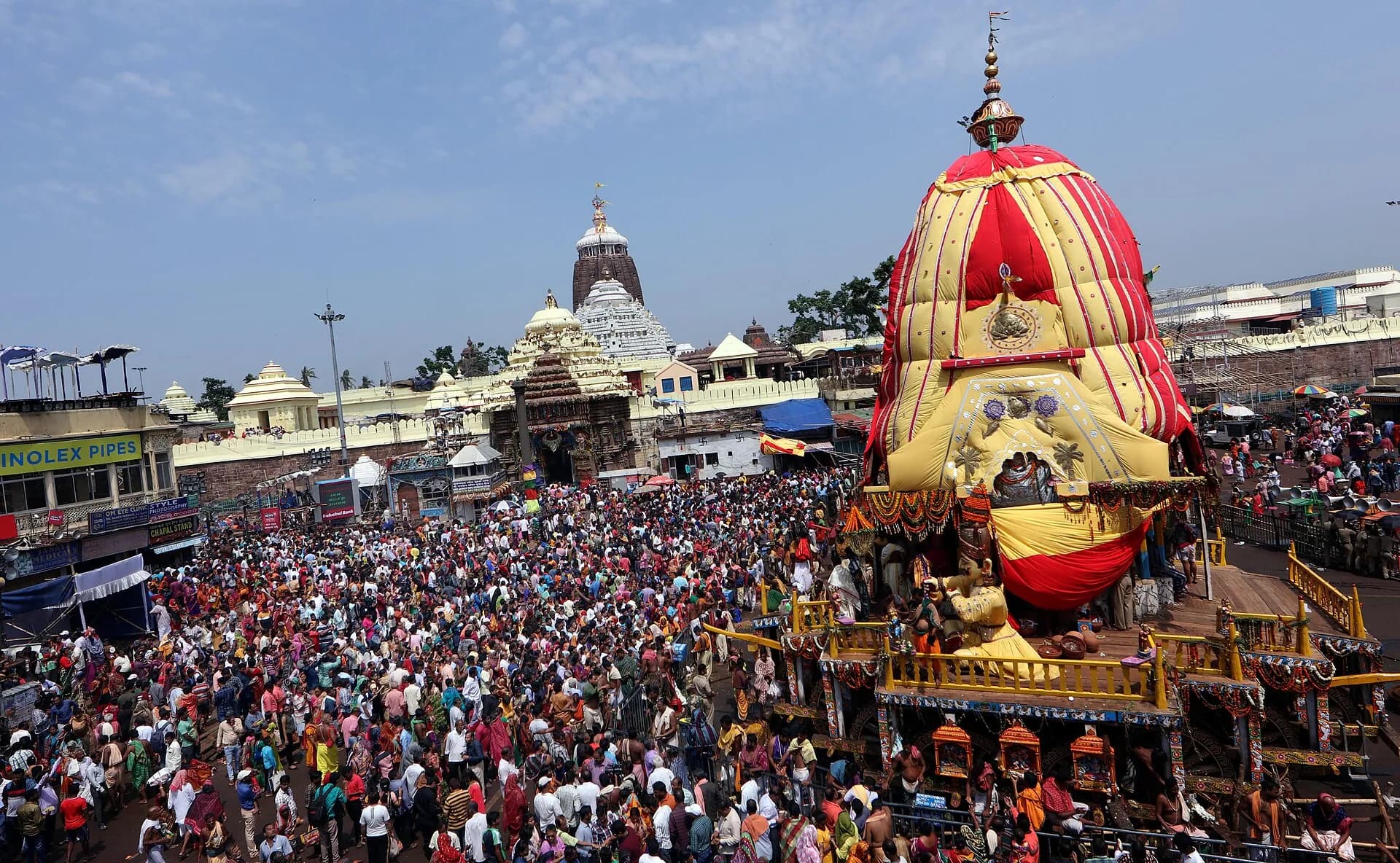
The Jagannath Temple tower seen from Bada Danda during the festival
Gajapati Maharaja sweeping a chariot platform during Chhera Pahanra
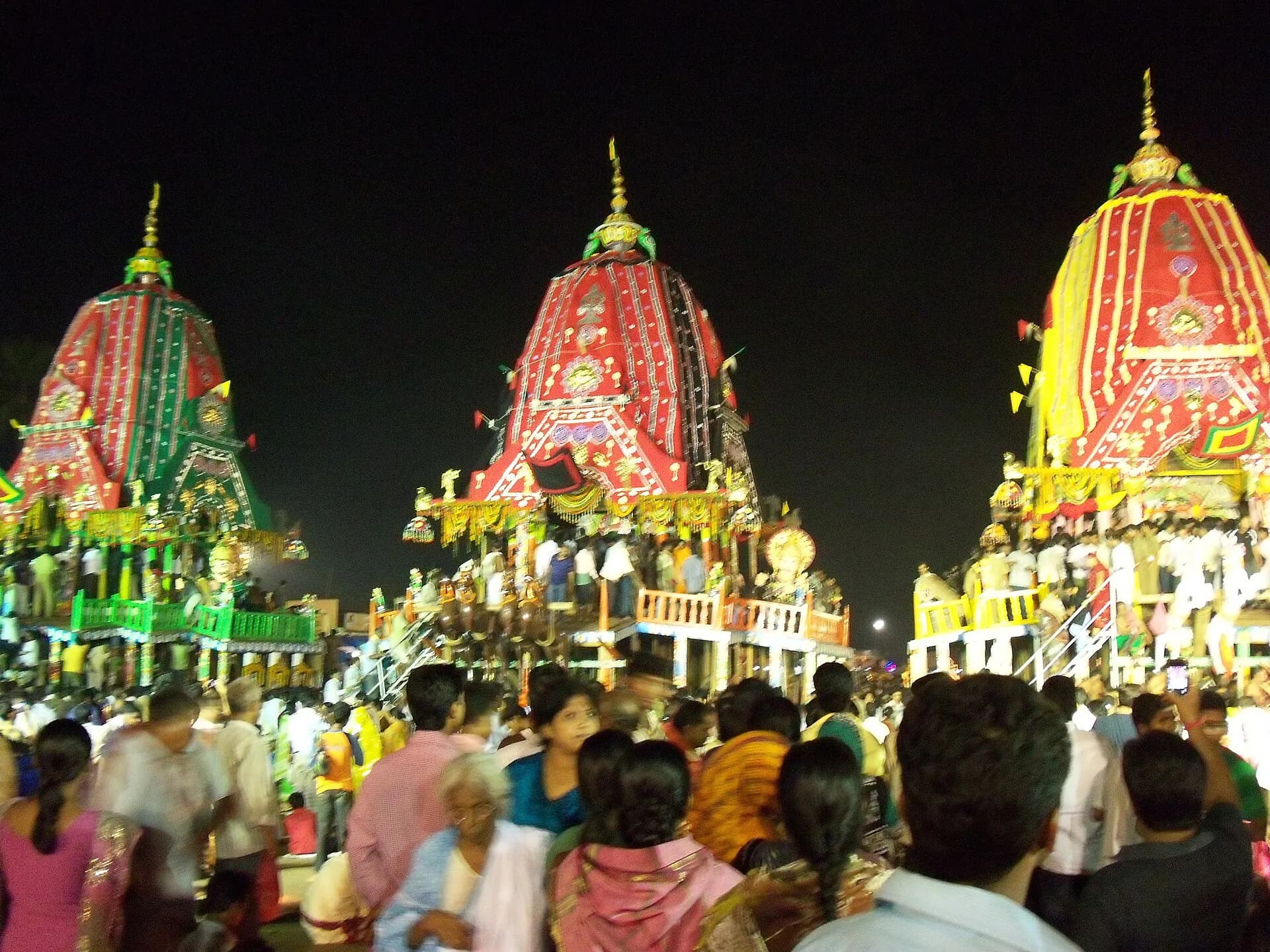
Evening crowd outside the Gundicha Temple in Puri

Overview

Puri Rath Yatra 2027 is expected on Monday 5 July 2027, when three wooden chariots roll along the Grand Road in Puri, Odisha, from the Jagannath Temple to the Gundicha Temple 4. The deities stay seven days and return in the Bahuda Jatra, expected on 13 July 2027 7. Watching and rope-pulling on the road need no ticket 8.

Highlights

  • Three freshly built chariots pulled by hand along a 3 km road 8
  • Pahandi Bije: deities swaying out of the temple to gongs and conches 1
  • Gajapati Maharaja sweeps each chariot floor with a golden broom 1
  • Bahuda Jatra return, then Suna Besha in over 200 kg of gold 1
  • Free to watch from Bada Danda; hotels sell out months ahead 10

Good to know

Dates
Expected Mon 5 Jul 2027 4
Opening hours
Chariots usually move in the afternoon; the sanctum timings are set by the temple
Venue
Bada Danda (Grand Road), Puri, about 3 km to Gundicha Temple 8
Entry
No ticket for the road; non-Hindus cannot enter the sanctum 10
Getting there
Biju Patnaik Airport, Bhubaneswar, about 60 km from Puri 9
Recommended eSIM
India

What to do if you lose your group on Bada Danda when chariots start?

The Puri Rath Yatra puts lakhs of people on a single three-kilometre road 8 9, and the busiest minutes are the ones when the chariots finally begin to move. In that moment phone networks around the Lion's Gate (Singhadwara) slow to a crawl, which is why local guidance tells groups to agree on a meeting point before leaving the hotel 8. A phone that has already switched to a local data plan can still drop a map pin, share live location or send a voice note when plain calls fail. Without data you are left shouting over temple gongs and conches 1. The festival also shuts roads and diverts buses and taxis on peak days 10, so a working map decides whether you reach the viewing spot on time or spend the afternoon walking in detours. Pilgrim trains arrive in waves, platforms are packed, and you may need to rebook a bus, check a delayed service or message a host at short notice. Staying connected is not a luxury here; it keeps the whole group together and moving. Offline maps help, but live updates on closures, shuttles and weather are what keep a plan intact across the ritual days from the pull to Niladri Bije 1. Check the district and police notices each morning, then message the group the day's meeting point so nobody has to guess.

Where to check road closures before the chariots roll?

Roads around Puri are closed and diverted around the procession, and private cars are kept away from the temple area 10. Police and district updates are what tell you which shuttle drop-off is open. Official guidance asks visitors to follow police and local authority instructions and to check temple administration notices for timings 8. All of that arrives as online notices, not signs you can read on the spot.

Can you book a late ride after the Bahuda Jatra?

The return procession ends with crowds pouring away from the Gundicha Temple end of the road. Auto and taxi availability can be disrupted or rerouted 10, so booking a ride or a bus seat through an app, and checking the hotel's pick-up point, saves an hour of standing in the dark. A data connection also lets you confirm the Bhubaneswar train that evening.

Can you pay for prasad and shared autos by UPI?

Visitors are advised to carry some cash, but digital payments are widely accepted 9. A UPI-ready phone with data covers stalls, auto fares and small shops along the road where you will not want to queue for change.

Install your eSIM before you fly and be online when you land — see matching plansSee eSIM plans

The complete guide

When Is Puri Rath Yatra in 2027?

Puri Rath Yatra 2027 is expected on Monday 5 July 2027, the second day of the bright fortnight of Ashadha (Ashadha Shukla Dwitiya) 4. The date moves every year because it follows the Hindu lunar calendar, and the festival is observed on the day Dwitiya is present at sunrise 4. Panchang calculators give slightly different tithi start and end times depending on the city, which is why the Shree Jagannath Temple Administration remains the final authority for ritual timings 5 6.

Odisha Tourism lists the full ladder of 2026 dates: Deba Snana Purnima on 29 June, Rath Yatra on 16 July, Bahuda Jatra on 24 July, Suna Besha on 25 July, Adharapana on 26 July and Niladri Bije on 27 July 1. For 2027, applying these same gaps suggests Bahuda Jatra around 13 July 7. Suna Besha, Adharapana, and Niladri Bije would then follow on consecutive days up to about 16 July 1. Treat these dates as expected until the temple calendar is officially published. A traveller planning around a fixed work leave should therefore keep the entire week from 5 July to 16 July 2027 in mind, as each ritual on the ladder has its own crowd and its own character 1.

Readers searching for earlier editions will find that Rath Yatra 2026 was held on Thursday 16 July 2026 1, and the 2025 festival ran from 27 June to 5 July 2025 11.

  • Lunar rule: Ashadha Shukla Dwitiya decides the day, not a fixed date 4

  • Earlier ritual: Snana Yatra comes roughly two weeks before the pull, after which the deities are hidden from public view 11

  • Expected 2027 return: Bahuda Jatra around 13 July 7

Tip: Book travel around the expected 5 July 2027 date but keep the booking flexible until the temple calendar confirms it 4.
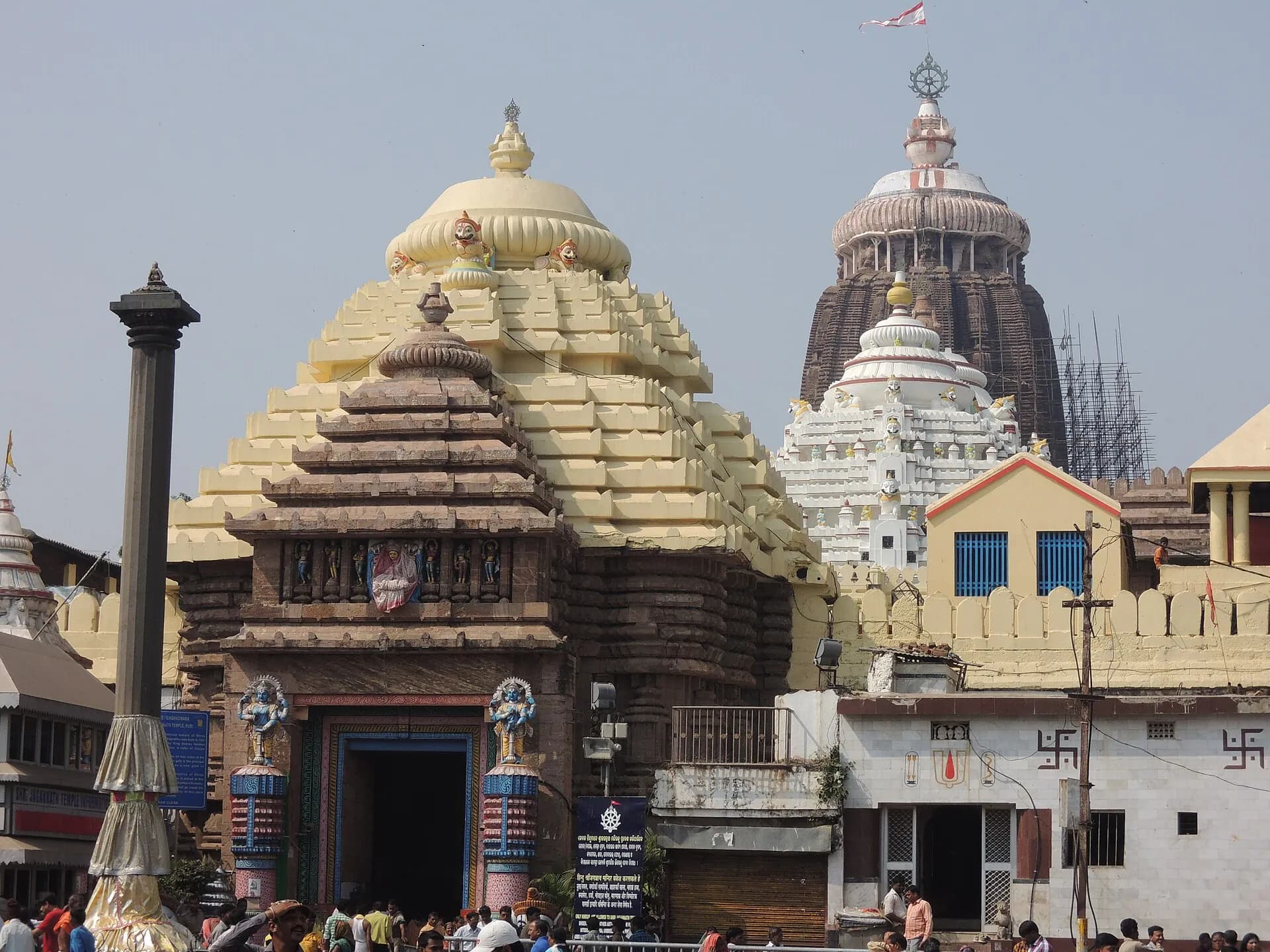
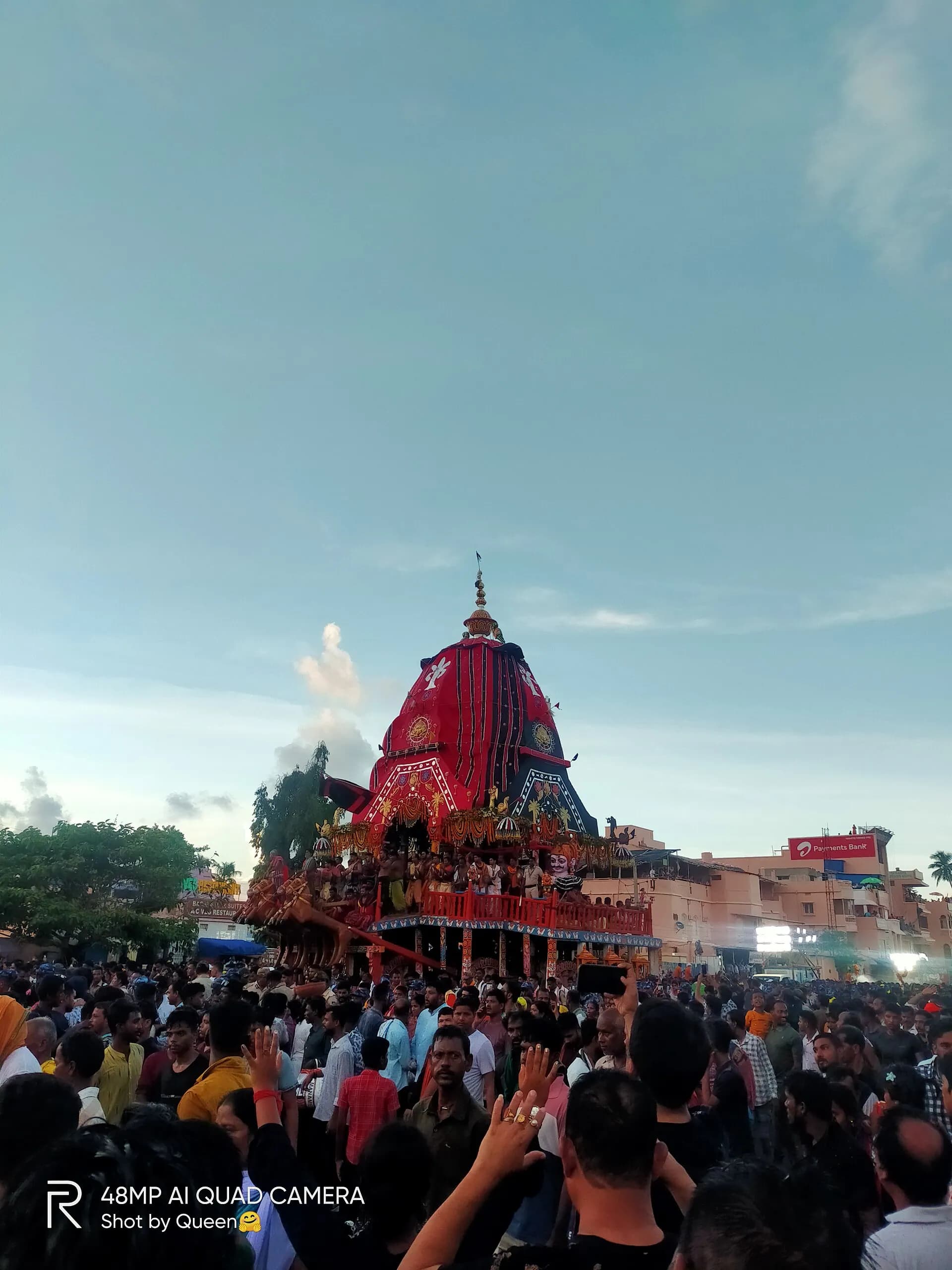
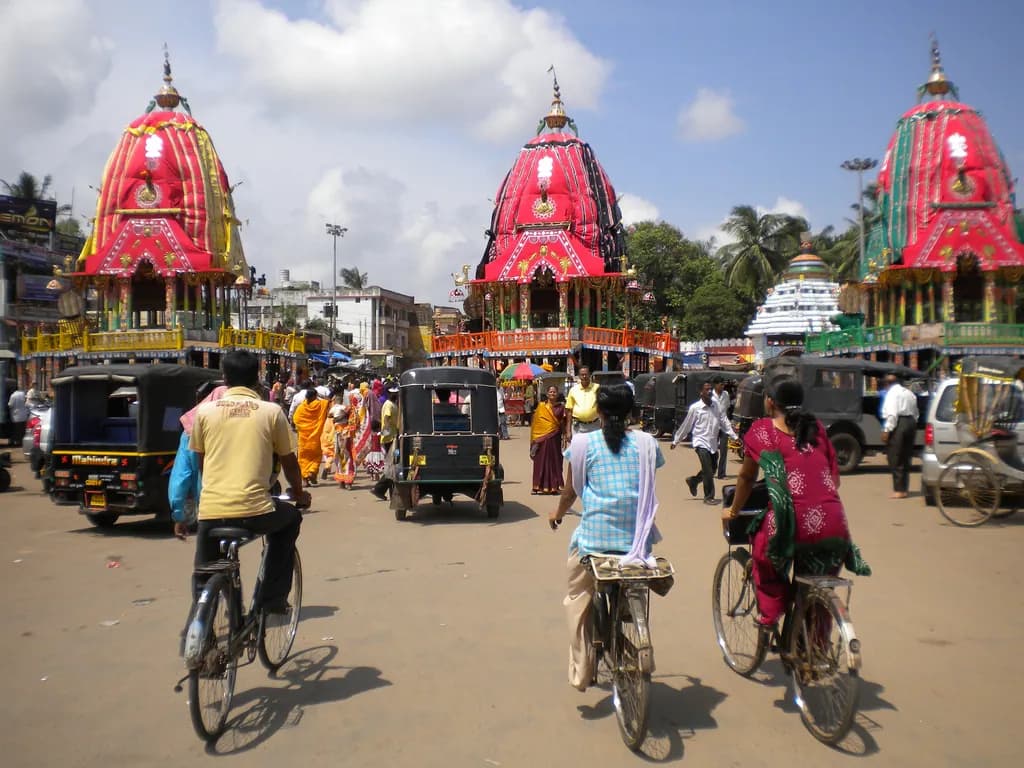
Close view of the three painted wooden chariots lined up before the Jagannath Temple in Puri
Photo: BOMBMAN · CC BY 2.0 · Wikimedia Commons

Do You Need a Ticket to Watch or Pull the Chariots?

No ticket is needed to watch the Puri Rath Yatra from Bada Danda, and non-Hindus may stand on the road and take part in the rope pulling 8. The only restriction is entering the temple sanctum itself 8. That makes this one of the few major Hindu festivals where a foreign visitor can be in the middle of the action without any booking.

Pulling the ropes is considered a deeply meritorious act, and thousands do it, so the ropes are rarely free for long 1 9. Wear clothes you do not mind ruining, because the ropes are coarse, the road is dusty and people press in from every side. Keep your phone and wallet in a zipped inner pocket before you step toward a rope, and hand anything fragile to a friend who stays on the pavement. Expect to be nudged along by crowds, to be handed over by neighbours and to leave after a few minutes. Barricades mark designated areas, and visitors are asked to use designated routes and not push for a better view 9.

Paid or semi-private options exist but are not run by the festival itself. Upper-floor hotel balconies, rooftop cafes and paid platforms along Bada Danda sell vantage points 8. These are arranged privately, prices vary and the organiser has not published a ticket scheme, so confirm the price and the exact view before paying. A balcony that overlooks the barricades gives shade and a seat, which counts for a lot during hours of waiting in the humid heat 8.

  • Free: standing on the road, watching the procession, joining the ropes 8

  • Private: hotel balconies, rooftop cafes and platforms 8

  • Not allowed: entering the temple sanctum if you are not Hindu 8

Tip: Decide which side of the road you want before the chariots begin moving, because crossing the barricaded Grand Road mid-procession is difficult 9.

Devotees gripping the thick coir ropes of a chariot on Bada Danda
Photo: Lipsa Mohapatra · CC BY-SA 4.0 · Wikimedia Commons
Need a steady connection for transit and maps?See eSIM plans

How Do You Reach Puri from Bhubaneswar Airport?

The nearest major airport to Puri is Biju Patnaik International Airport in Bhubaneswar, about 60 km away, and the road trip takes roughly 90 minutes outside festival traffic 8 9. Flights connect Bhubaneswar with Delhi, Mumbai, Bengaluru, Chennai, Kolkata and Hyderabad 9. Taxis, buses and trains run onward to Puri, though expect delays as the yatra approaches 9.

Puri railway station has direct trains from several major cities, and Indian Railways usually adds special trains for Rath Yatra; seats sell out fast, so book as early as the booking window allows 8 9. Odisha Tourism notes that Bhubaneswar is a major rail hub with express and superfast trains to Delhi, Kolkata and Mumbai, and that Puri is easily reached from there by road 2. Buses leave from Baramunda Bus Stand in Bhubaneswar 9. If you are connecting from an international flight, the simplest plan is to land in Bhubaneswar, sleep there if the arrival is late, and take the morning train or taxi to Puri, because arriving after dark on a festival eve means diversions and full guest houses. Agree the fare before you start, and keep the hotel address saved offline so the driver can follow it even when the signal drops.

On festival days the last stretch is the hard part. Heavy vehicles are kept out of Puri town, buses and taxis can be rerouted, and private cars should not expect to reach the temple area 10. Designated parking, shuttles and no-vehicle zones are in use 10.

  • Airport to Puri: about 60 km, roughly 90 minutes without festival traffic 9

  • Konark from Puri: about 35 km by road 1

  • Last stretch: walk or use a designated shuttle 10

Tip: Arrive in Puri one or two days before the main pull instead of on the morning of it 9.

Passenger train arriving at Puri railway station platform
Photo: G.-U. Tolkiehn · CC BY 2.5 · Wikimedia Commons

What Happens From Pahandi Bije to Niladri Bije?

The festival opens on the Grand Road with Pahandi Bije, when the deities are carried out of the temple in a swaying procession to the sound of gongs, cymbals and conches 1. Then comes Chhera Pahanra: the Gajapati Maharaja sweeps each chariot platform with a golden broom, a ritual that Odisha Tourism describes as a symbol of equality before the divine 1.

The three chariots, Nandighosha, Taladhwaja and Darpadalana, carry Jagannath, his brother Balabhadra and his sister Subhadra 11. Nandighosha has 16 wheels, Taladhwaja 14 and Darpadalana 12 11. Government records give their heights as about 13.5 m, 13.2 m and 12.9 m respectively 12. All three are rebuilt from specified trees every year 11. The procession covers about 3 km to the Gundicha Temple 8, where the deities stay for seven days before the return 1.

The return is the Bahuda Jatra, and on the way back the deities stop at the Mausi Maa Temple for an offering of podo pitha 11. Suna Besha follows, with the deities in golden attire and ornaments weighing over 200 kg 1. The finale is Niladri Bije, when Lord Jagannath offers rasagola to Goddess Lakshmi 1.

  • Day of the pull: afternoon procession along Bada Danda 1

  • Return: Bahuda Jatra, expected around 13 July 2027 7

  • Golden dress: Suna Besha, the day after the return 1

Tip: The chariots do not all move at the same pace, so choose a spot near the Lion's Gate for the start, or farther down the road for a calmer view 8.

Gajapati Maharaja sweeping a chariot platform with a golden-handled broom
Photo: DR. RAJENDRALALA MITRA · Public domain · Wikimedia Commons

How Hot and Wet Is Puri During the Rath Yatra?

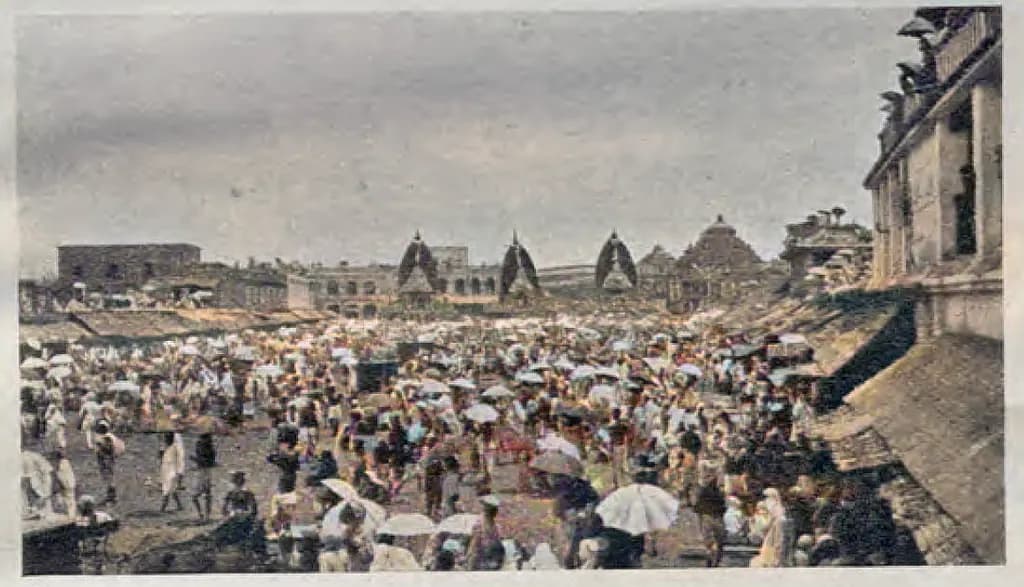
Puri during Rath Yatra is hot, humid and likely to be wet: June and July are described as hot and humid, and Odisha Tourism lists July to September as the monsoon season 3 9. The official site's best time to visit is October to March, which is the opposite of this festival, so plan for discomfort 3.

Heat exhaustion is a genuine risk during a July festival in coastal Odisha, and long hours of standing and waiting add to it 8 9. Official guidance asks visitors to stay hydrated, take shade breaks and carry water, medicines, sunglasses and sunscreen 8 9. Rain showers can turn the road slippery and the barricaded zones muddy. A thin rain jacket and sandals that dry quickly work better than heavy shoes, and a cloth to sit on helps when the road is wet. Because the pull takes place in the monsoon months, a cloudy afternoon is common, and the cloud cover actually makes the long wait easier than a clear, scorching one 3.

Crowds are at their heaviest on the day of the pull and again on the Bahuda Jatra. Visitors are advised to arrive hours early for a good viewing spot 8 and to expect long periods of walking and waiting 9.

  • Wear: light cotton clothing and comfortable footwear 9

  • Carry: water, medicines, sunglasses, sunscreen and a charged phone 9

  • Plan: shade breaks and a rain layer 8

Tip: Keep a small waterproof pouch for your phone and cash, because a sudden shower on Bada Danda leaves little cover 9.

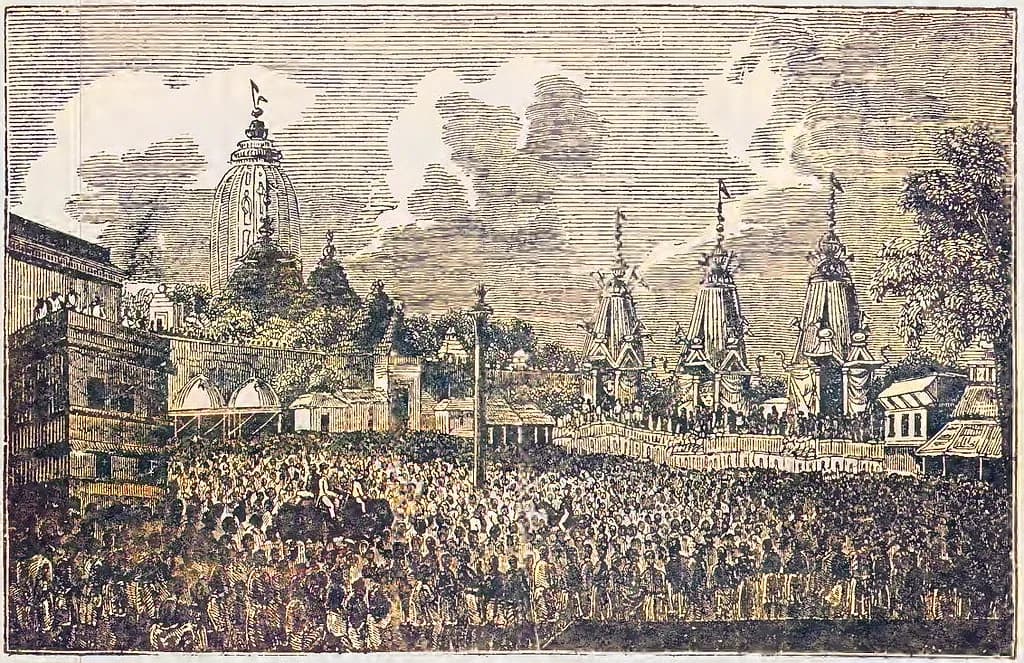
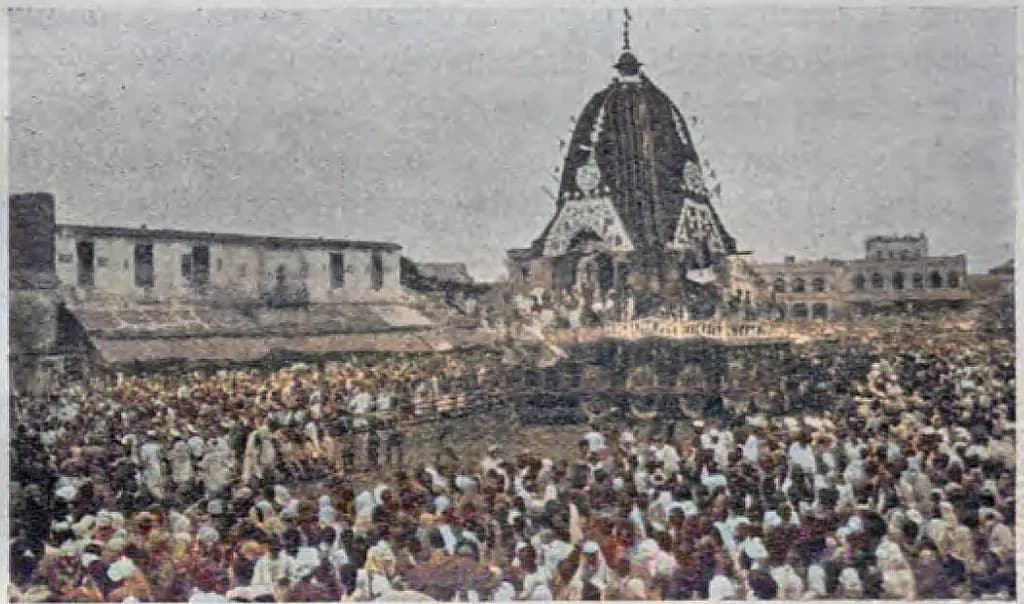
Crowd on Bada Danda under umbrellas during monsoon rain in Puri
Photo: O’Malley, L. S. S. · Public domain · Wikimedia Commons

Where to stay for Rath Yatra

Staying on or near Bada Danda gives the easiest access to the procession, while properties farther away are quieter 9. Hotels, guest houses, dharamshalas and homestays are often fully booked several months ahead, and one guide advises booking at least three to six months in advance 9. Official tourism guidance also says hotels fill months in advance 10.

If Puri is sold out, the same guidance suggests staying in Bhubaneswar or elsewhere on the Puri-Konark-Chilika circuit 10. Konark is about 35 km from Puri 1. A Bhubaneswar base means a daily trip of roughly 60 km each way and possible diversions, so leave early 9 10.

Visitors are advised to arrive in Puri one or two days before the festival and stay a few extra days afterwards 9. That extra time lets you see the Bahuda Jatra and Suna Besha instead of leaving after the first procession 1. Rooms close to the Gundicha Temple end of the road suit the return procession, while rooms near the Lion's Gate suit the start. Confirm the check-in policy and the walking route in writing, since road closures can change the way in on the day 10.

  • Near Bada Danda: closest to the action, noisiest, books out first 9

  • Away from the road: quieter, but expect a longer walk or shuttle 9

  • Bhubaneswar or Konark: fallback when Puri is full 10

Tip: Ask your hotel whether it has a balcony or rooftop view of the road, because viewing platforms are sold privately 8.

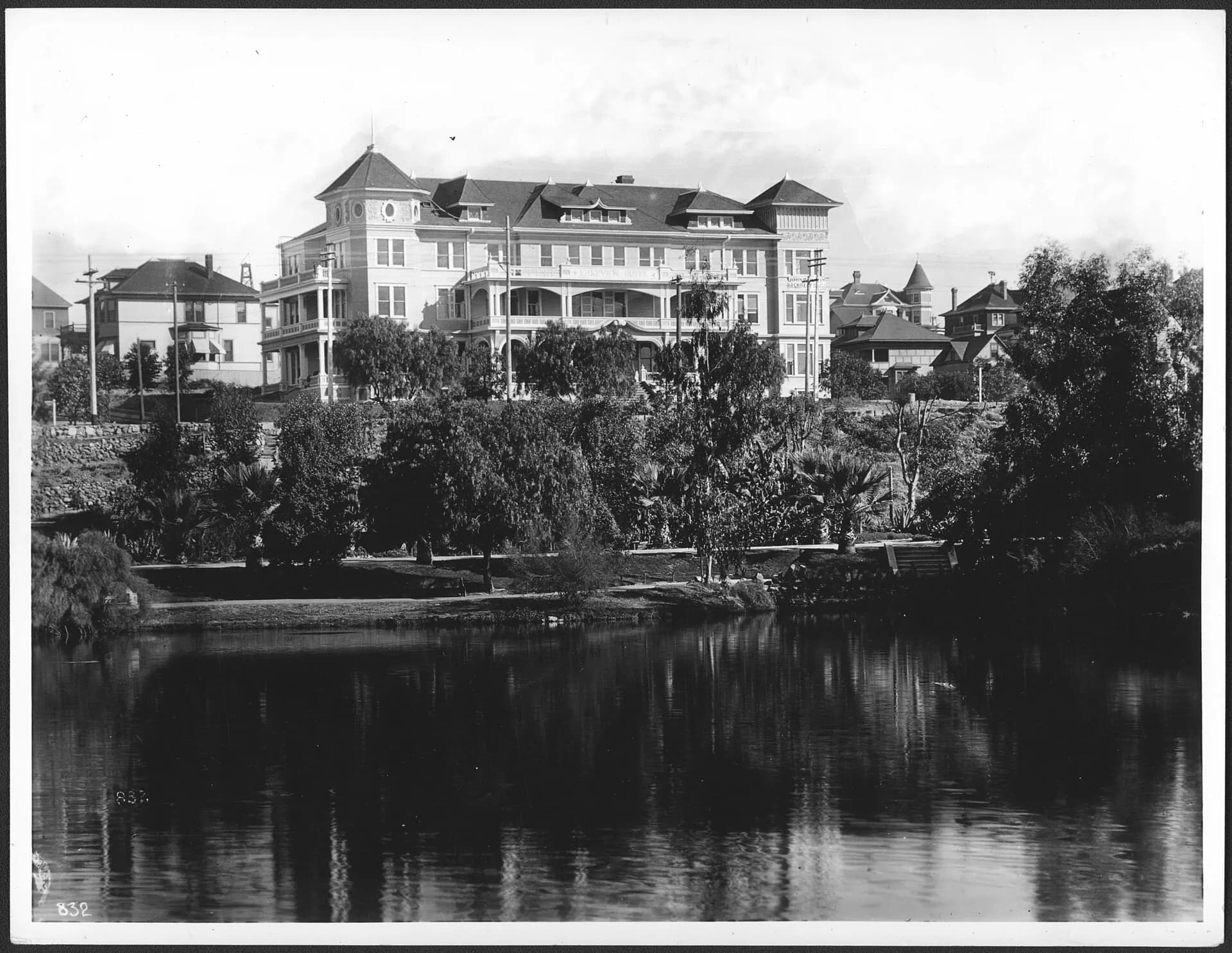
Hotel rooftops and balconies overlooking the Grand Road in Puri
Photo: Unknown author Unknown author · Public domain · Wikimedia Commons

What Are the Entry Rules for Non-Hindu Visitors?

Non-Hindu and foreign visitors are restricted from the inner Shree Jagannath Temple in practice, but they can watch the outdoor chariot procession subject to security 10. The Rath Yatra is therefore the best chance for a non-Hindu to see the three deities, since they travel outside the temple on the chariots 8.

At the temple, shoes, leather items, cameras and mobile phones are not allowed inside, and free shoe and phone stands are near the Lion's Gate and the temple office 10. Facilities include barricaded queues, first aid, ambulances, drinking water and services for seniors and disabled devotees 10.

Dress modestly in light cotton, remove shoes at holy places and follow police instructions 8 9. Photography around the road is common, but pointing a camera into restricted temple areas is not.

  • Leave at the hotel: leather, cameras where banned, spare valuables 10 9

  • Use: free shoe and phone stands near the Lion's Gate 10

  • Follow: barricades and police directions 8

Tip: Carry only what you need on the road, because jewellery and valuables are best left behind in crowded areas 9.

Lion's Gate (Singhadwara) entrance of Shree Jagannath Temple in Puri
Photo: Acabashi · CC BY-SA 4.0 · Wikimedia Commons

Will Your Phone Work on the Grand Road?

Mobile networks can be unreliable around the Lion's Gate and Bada Danda when lakhs of people are present, so agree a meeting point and do not rely on a single call 8 9. Plan to download your offline maps, tickets and hotel address before leaving the room.

Install an eSIM before you fly so that data works the moment the plane lands at Bhubaneswar. A plan for India such as the India eSIM keeps your own number free and avoids hunting for a SIM shop on arrival. Digital payments are widely accepted around Puri, though carrying some cash is still advised 9.

  • Before travel: install the eSIM and download offline maps 8

  • On the road: share live location and agree a meeting point 8

  • Charge: carry a power bank, because long waits drain batteries 9

Tip: Message your group the hotel name and the nearest landmark before the procession starts 8.

Pilgrims using mobile phones among the crowd near the Lion's Gate in Puri
Photo: O’Malley, L. S. S. · Public domain · Wikimedia Commons

What are Mahaprasad and Other Odia Dishes?

Mahaprasad is the sacred food offered to Lord Jagannath and then served to devotees at the Jagannath Temple, and it is considered holy by pilgrims 9. For most visitors it is the single most memorable meal in Puri, eaten with others rather than ordered from a menu.

Odisha Tourism names the dishes to look for: Mahaprasad, dalma, kanika, khata, rasagola and chhena poda 1. Outlook India adds pakhala bhata, khaja and seafood 9. Rasagola has a ritual role as well, because Niladri Bije is the day Lord Jagannath offers it to Goddess Lakshmi 1. On the return from the Gundicha Temple the deities stop at the Mausi Maa Temple for an offering of podo pitha 11.

Eating during the festival is simple. Stalls sell snacks and water along the road, but queues build fast and prices are not regulated for visitors. Do not carry large bags of food into the crowd. Treat the pull day as a day for light food, plenty of water and an early evening meal back at the hotel.

  • Sacred meal: Mahaprasad at the temple 9

  • Everyday Odia dishes: dalma, pakhala bhata, chhena poda, khaja 1 9

  • Sweet with a ritual: rasagola on Niladri Bije 1

Tip: Eat Mahaprasad away from the peak hours of the procession, because the temple area is at its most crowded when the chariots move 8.

Clay pots of Mahaprasad being carried through the lanes near the Jagannath Temple in Puri
Photo: Sujit kumar · CC BY-SA 4.0 · Wikimedia Commons

Suggested itinerary

Day 1 · Arrive and walk the Grand Road

  1. Morning
    Bhubaneswar to PuriTravel by train or taxi; the airport is about 60 km away 9
  2. Afternoon
    Hotel check-in near Bada DandaAsk about rooftop views and drop-off points 8
  3. Around 17:00
    Walk the empty Grand RoadSee the parked chariots before the crowd arrives 11
  4. Evening
    Puri BeachCool sea breeze after a humid day 13

Day 2 · The pull to Gundicha Temple

  1. Morning
    Lion's Gate areaArrive early for a spot; shoe and phone stands are free 10
  2. Midday
    Pahandi Bije and Chhera PahanraWatch the deities and the golden-broom sweeping 1
  3. Afternoon
    Chariot pull on Bada DandaJoin the ropes or watch from the road 8
  4. Evening
    Return to the hotelRest, drink water, avoid crowded exits 9

Day 3 · Konark or the return week

  1. Morning
    Konark Sun TempleAbout 35 km from Puri and a UNESCO World Heritage Site 1 9
  2. Afternoon
    Local handicraftsRaghurajpur for Pattachitra paintings, Pipili for appliqué 1
  3. Around 18:00
    Mahaprasad and dalmaTry the temple food and local sweets 1 9
  4. Evening
    Travel onwardBook the Bhubaneswar train ahead 8

Tip: Keep the afternoon free for the chariots and use mornings for the temple area and beaches, since the crowd peaks on the pull day 9.

Recommended eSIM plans

Pick by trip length. Visiting several countries? Choose a regional plan.

Selected: eSIM India 10GB 15 Days
แพ็กเกจเพิ่มเติมสำหรับอินเดียต้องการดาต้าเพิ่ม? ดูแพ็กเกจอินเดียทั้งหมดดาต้ามากขึ้น ไม่จำกัด และทริปที่ยาวขึ้นดูทั้งหมด

Set up your eSIM in 3 steps

  1. Order and get your QR codeThe QR code arrives by email right after payment.
  2. Scan before you flySettings → Cellular → Add eSIM, while you still have Wi-Fi.
  3. Turn on data when you landSet the eSIM as your data line and enable data roaming.

Frequently asked questions

Rath Yatra is the outbound procession in which the three chariots travel about 3 km from the Jagannath Temple to the Gundicha Temple 8. Bahuda Jatra is the return journey after the deities have stayed seven days 1. For 2027 the return is expected around 13 July 7, with Suna Besha, the golden dress, to follow 1.

Non-Hindus may watch from the road and pull the ropes, but they cannot enter the temple sanctum 8. In practice, non-Hindu and foreign visitors are restricted from the inner temple, so the chariot procession is the main chance to see the deities outdoors 10. Follow police and barricade instructions throughout the procession and keep your group together.

Book at least three to six months before the pull, because Puri hotels, guest houses and homestays are often fully booked several months ahead 9. Official tourism guidance also says hotels fill months in advance 10. If nothing is left, Bhubaneswar or Konark are the usual fallbacks on the Puri-Konark-Chilika circuit 10.

Suna Besha is the day the deities appear in golden attire and ornaments weighing over 200 kg after the Bahuda Jatra 1. For 2026 Odisha Tourism lists it on 25 July 1. In 2027 it should fall the day after the return procession, expected around 14 July 2027 7, but the temple calendar will confirm.

Light use such as maps, UPI payments and messaging fits a modest plan, but video calls and live-streaming use far more. Mobile networks can be slow around the Lion's Gate when the crowd peaks 8, so download maps and tickets in advance. Install an India eSIM before you fly and keep a power bank, as long waits drain batteries 9.

Rath Yatra 2026 was held on Thursday 16 July 2026, with Bahuda Jatra on 24 July and Niladri Bije on 27 July 1. The 2027 date is expected to be Monday 5 July 2027, because the festival follows the lunar calendar and moves earlier than the 2026 date 4.

Sources

Figures on this page come from the sources below — the small number next to each figure points to its source.

  1. 1Odisha Tourism, Ratha Jatra 2026 (accessed 2026-10-15)
  2. 2Odisha Tourism, How to Reach Odisha (accessed 2026-10-15)
  3. 3Odisha Tourism, Weather and Climate (accessed 2026-10-15)
  4. 4DekhoPanchang, Jagannath Rath Yatra 2027 (accessed 2026-10-15)
  5. 5DrikPanchang, Jagannatha Rathayatra 2027 (accessed 2026-10-15)
  6. 6Shubh Panchang, Rath Yatra 2027 (accessed 2026-10-15)
  7. 7Hindu Blog, Puri Rath Yatra (accessed 2026-10-15)
  8. 8ixigo, Rath Yatra 2026 Everything You Need to Know (accessed 2026-10-15)
  9. 9Outlook India, Jagannath Rath Yatra 2026 Travel Guide (accessed 2026-10-15)
  10. 10GoAsia, Puri Rath Yatra 2026 Key Dates and Travel Advice (accessed 2026-10-15)
  11. 11Wikipedia, Ratha Yatra (Puri) (accessed 2026-10-15)
  12. 12Odisha Review Annual Reference, Car Festival (accessed 2026-10-15)
  13. 13Odisha Tourism, Official Homepage (accessed 2026-10-15)