Télécharger sur l'App StoreDownload Gohub App on the App Store
AsiaJapan eSIM

Hanami Japan 2027 Travel Guide: When to Go and What to Expect

  • Late Mar – mid Apr 2027 (Kyoto peak ~Apr 1 – 2)
  • Japan (Kyoto, Osaka, Nara)
  • Last updated: 12 oct. 2026

Hanami Japan 2027

Overview

Hanami, literally "flower viewing", is Japan's spring ritual of gathering under cherry trees to eat, drink and watch the petals fall. It has no organiser and no fixed date: the blossoms set it. In 2027 Kyoto and Osaka are expected to open in the last week of March and peak around 1 to 2 April, with forecasts updated weekly from January. This guide covers the Kansai version: Maruyama Park, Kema Sakuranomiya, Osaka Castle, Nara and Mount Yoshino.

Highlights

  • Kyoto and Osaka expected to peak around 1 to 2 April 2027; forecast from January
  • Hanami is free: a tarp, a bento and a park are all you need
  • Maruyama Park: Kyoto's weeping cherry, evening illumination and picnic lawns
  • Kema Sakuranomiya: 5,000 trees along the Okawa River, free, with Osaka Castle nearby
  • Osaka Mint Bureau: free one-week blossom walk, reservation required
  • Late-blooming double cherries push Kansai's season to mid April

Good to know

Dates
Kyoto and Osaka expected to open around 24 to 25 Mar and peak 1 to 2 Apr 2027; Mint Bureau walk about one week in mid Apr; official forecasts from Jan 2027
Opening hours
Parks open all day; Maruyama Park illumination about 18:00 to 22:00 during peak (2026: 24 Mar to 8 Apr); Mint Bureau timed slots
Venue
Maruyama Park, Kyoto (about 35.003 N, 135.781 E); Kema Sakuranomiya Park and Osaka Castle Park, Osaka; Nara Park; Mount Yoshino
Entry
Parks free; Osaka Castle Nishinomaru Garden about 350 JPY; Kyoto temple gardens paid; Mint Bureau free with reservation
Getting there
Kansai Airport to Kyoto by Haruka express or to Osaka by Nankai; Maruyama Park from Gion-Shijo station; Kema from Sakuranomiya station
Recommended eSIM
Japan eSIM

A festival with no date, no venue and a million hosts

Hanami started with Heian courtiers writing poems under plum and then cherry trees in the ninth century, spread to the samurai, and became everyone's with the planting of Somei Yoshino cherries across Edo-period cities. Today it is a national ritual: offices send a junior to claim a patch of grass at dawn, families spread tarps under the trees, convenience stores run out of beer and bento, and the lit weeping cherry in Kyoto's Maruyama Park draws the whole city after dark. It is also the easiest festival in Japan to join, because nobody organises it; you need a park, a sheet and something to eat.

Which is exactly why your phone matters. The blossoms set the date, and the forecasts from the Japan Meteorological Corporation and Weathernews shift weekly from January; the best park on any morning is the one at full bloom today, not the one you planned; Kyoto's temple illuminations and Osaka's Mint Bureau walk run on timed or reserved entry booked in Japanese; and the Keihan Line to Gion-Shijo on a peak Saturday is a crowd to lose a family in. Hotel Wi-Fi stays at the hotel and public hotspots stall under the trees. A Japan eSIM installed before you fly keeps the bloom status, the maps, the bookings and the group chat working while you chase the petals.

Reading the bloom status every morning

Kyoto's tourism association runs a blossom calendar and a live map that rate each temple and park from "opening" to "full bloom" to "falling", updated daily in season. Checking it over breakfast, with the JMC forecast beside it, is how you spend the morning at the park that peaked overnight instead of the one that peaked last week.

Reserving the one spot that needs it

The Osaka Mint Bureau's blossom walk is free but reservation-only for its one-week run, and the slots go quickly online. Kyoto's illuminated temple gardens sell timed evening entry. Both bookings live in Japanese web forms and QR confirmations that you open at the gate, which needs a connection.

Regrouping on the Philosopher's Path

The canal path is two kilometres long and single file at peak; Maruyama Park's lawns hold thousands after dark; Kema Sakuranomiya's riverside runs for four kilometres. Live location sharing in a group chat is how a family that stopped for dango finds each other, and it needs every phone to have its own data.

Menus, park rules and the last train

Picnic rules differ by park (alcohol banned in some, fires in all), and they are posted in Japanese. So are the stall menus and the station notices when the Keihan Line runs extra trains. Camera translation and the transit app, both on data, turn an evening hanami into a late walk home rather than a missed last train.

Install your eSIM before you fly and be online when you land — see matching plans

The complete guide

When Is Hanami Japan in 2027?

Hanami Japan 2027 in Kyoto and Osaka is expected from the last week of March to the second week of April, with the Somei Yoshino trees opening around 24 to 25 March and reaching full bloom around 1 to 2 April. There is no fixed Hanami Japan date: the blossoms open according to the warmth of the preceding weeks, so the season moves by a week or more from year to year, and the only firm numbers come from the forecasts, which the Japan Meteorological Corporation issues from January and updates roughly weekly until the trees open [TO VERIFY 2027 forecasts].

For comparison, Hanami Japan 2026 in Kansai ran slightly ahead of average: Kyoto's opening was officially announced on 23 March 2026, with best viewing from about 29 or 30 March for a week, and Osaka opened around 24 March and peaked around 31 March to 3 April. In a colder year the whole sequence slides a week later.

How the Kansai season layers:

  • Early: the weeping cherries, including Maruyama Park's famous tree, open several days before the mainstream trees and are at their best when the Somei Yoshino are only starting

  • Peak: Somei Yoshino at full bloom for about a week, with a few days of petal fall (hanafubuki) after

  • Late: the double-flowered yaezakura peak two to three weeks later, which is why the Osaka Mint Bureau walk runs for one week in mid-April (9 to 15 April in 2026) and why Mount Yoshino's 30,000 trees stay good into mid-April

  • Events follow the trees: Maruyama Park's evening illumination ran from 24 March to 8 April in 2026; Osaka Castle's spring festival and the Expo '70 park's illumination ran through early April [TO VERIFY 2027 dates]

Tip: Book flights and cancellable hotels for a window of about 27 March to 10 April 2027, then shift your Kyoto days to match the February forecast. Even a late year gives you the weeping cherries early and the yaezakura late.
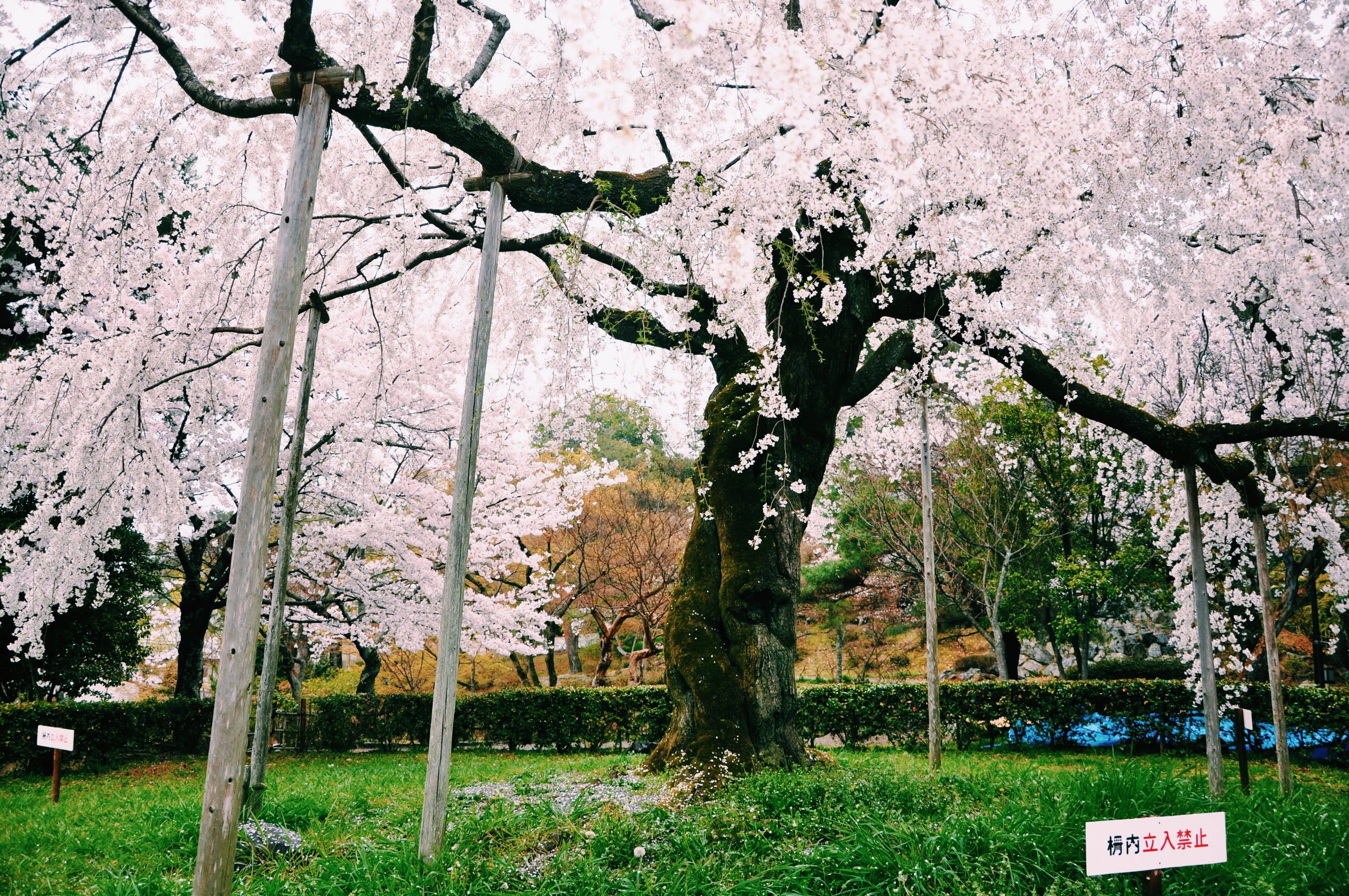
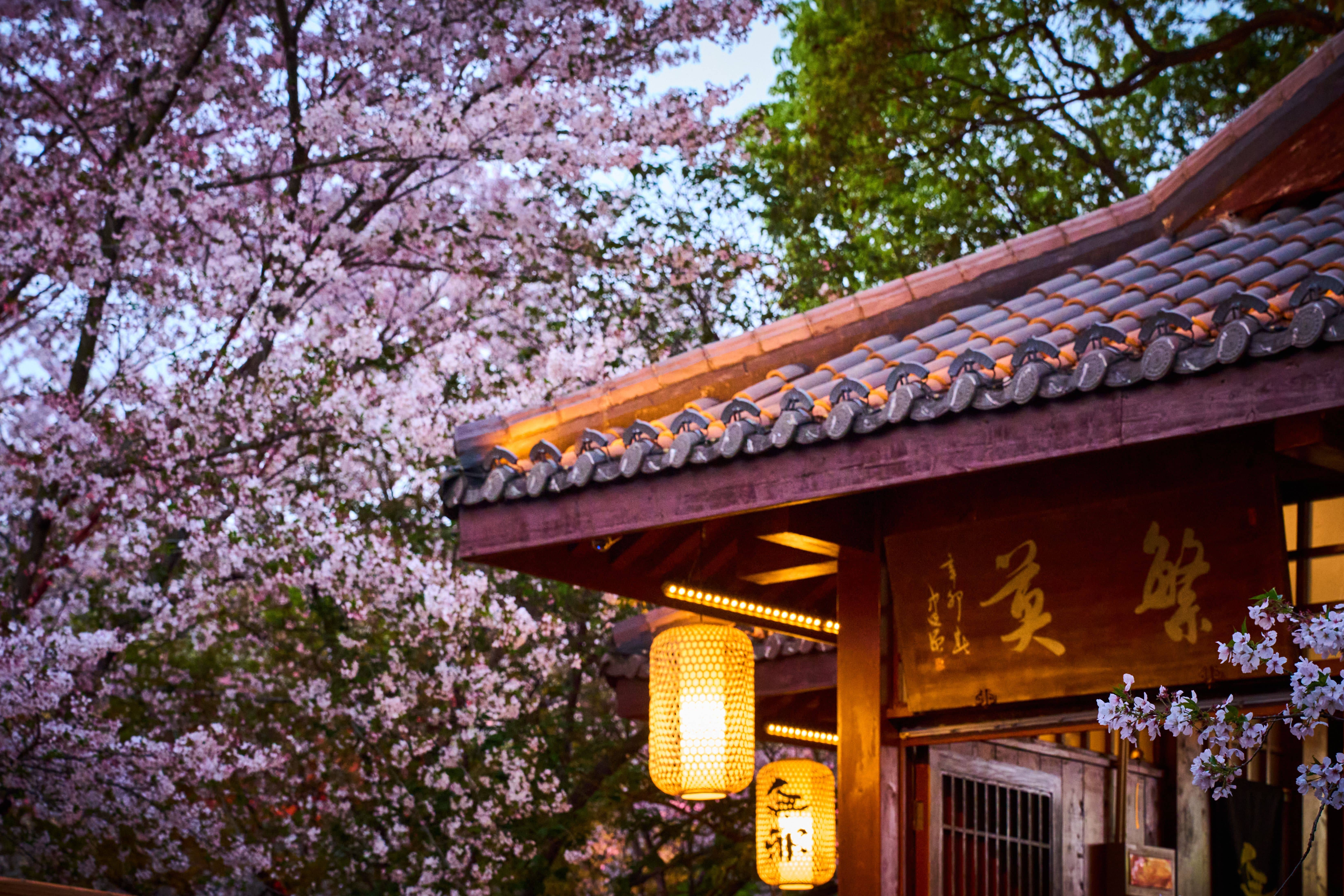
The illuminated weeping cherry tree in Maruyama Park, Kyoto, at night with crowds gathered around it

Do You Need a Ticket, and What Does It Cost?

No ticket is needed for hanami. The custom belongs to public parks, riverbanks and shrine grounds, and the great Kansai spots are free: Maruyama Park, the Philosopher's Path, the Keage Incline and the Kamo River banks in Kyoto, Kema Sakuranomiya Park and the open areas of Osaka Castle Park in Osaka, Nara Park and the trails of Mount Yoshino. What costs money is a handful of gated gardens, the evening illuminations and your picnic.

Paid and reserved spots, at recent published prices:

  • Osaka Castle Park: free to enter; the Nishinomaru Garden, with the castle view and an evening illumination, charges about 350 JPY; the castle keep about 600 JPY

  • Osaka Mint Bureau: admission is free, but the famous 560-meter cherry blossom pathway operates strictly on a pre-registered, one-way transit system. Visitors must complete a free online reservation for a specific dated time slot through the official portal during its exclusive one-week public opening in mid-April. This is one of the very few hanami spots in Japan that strictly mandates online time-slot booking, and reservations regularly fill up completely within days of being released

  • Kyoto temples with famous trees: standard daytime admission to Kiyomizu-dera is 500 JPY, Ninna-ji is 500 JPY (which increases to 1,100 JPY during the peak Omuro cherry blossom season), and the inner grounds of Daigo-ji cost 1,500 JPY for a combined ticket during spring. Entry to the Shinen Garden at Heian Shrine is 600 JPY. For evening illuminations, temples like Kiyomizu-dera and To-ji charge separate night-time tickets typically ranging from 400 JPY to 1,000 JPY.

  • Expo '70 Commemorative Park in Osaka: small park admission, with an evening illumination in early April

  • Daisen Park's Japanese garden in Sakai: about 200 JPY for a quiet alternative

  • Mount Yoshino: free to walk; the ropeway and shuttle buses are paid

The picnic is where most hanami money goes, and it is cheap: a tarp from a convenience store, onigiri, karaage, strawberries and drinks for a few hundred yen a head, or a department-store hanami bento for a treat. Stalls at Maruyama Park, Kema Sakuranomiya and Osaka Castle sell yakisoba, takoyaki and beer at festival prices.

Note: Nothing legitimate is sold as a hanami ticket. Guided hanami walks, yakatabune boat picnics on the Okawa River and bus tours to Yoshino are real products; "admission" to a public park is not.

The scarce thing is a good patch of grass at Maruyama Park on a peak evening, claimed by locals from the afternoon; arrive after 20:00 when office parties leave, or picnic at lunch.

Visitors walking through the one-way cherry blossom tunnel at the Osaka Mint Bureau with double-flowered trees overhead
Need a steady connection for transit and maps?See eSIM plans

Where It Happens and How to Get There

Hanami happens wherever cherry trees stand, but the Kansai spots below are where the picnics, the illuminations and the famous views concentrate, all within an hour of each other by train.

Kyoto:

  • Maruyama Park (about 35.003 N, 135.781 E ): the city's hanami park, behind Yasaka Shrine, with the great weeping cherry, picnic lawns, stalls and the evening illumination; from Gion-Shijo on the Keihan Line, ten minutes on foot through the shrine

  • Philosopher's Path: two kilometres of trees along a canal in the east, from Ginkaku-ji to Nanzen-ji; bus 5 or 17 to Ginkakuji-michi, or walk from Keage station

  • Keage Incline: an old railway slope lined with trees near Nanzen-ji; Keage station on the Tozai Line

  • Arashiyama: the river, the Togetsukyo Bridge and the hillside; Hankyu or JR to Arashiyama

  • Kamo River banks and the Nakaragi path at the Botanical Garden: free, long and local

Osaka:

  • Kema Sakuranomiya Park: 5,000 trees along the Okawa River; Sakuranomiya station on the JR Osaka Loop Line, with the Mint Bureau and Osaka Castle within a 20-minute walk

  • Osaka Castle Park: the castle framed by trees; Osakajokoen station on the Loop Line or Tanimachi 4-chome on the metro

  • Japan Mint Bureau: the one-way blossom walk near Temmabashi station, reservation only

  • Expo '70 Commemorative Park: 5,500 trees, illumination in early April; Bampaku-kinen-koen on the monorail

Nara and beyond: Nara Park with its deer, 45 minutes from Osaka by Kintetsu; Mount Yoshino, about 45 to 60 minutes further by Kintetsu express trains from Yamato-Saidaiji/Kashiharajingu-mae stations plus a ropeway, with 30,000 trees up the mountainside.

From Kansai International Airport: the Haruka express connects to Kyoto in about 75 to 80 minutes, while the Nankai Limited Express Rapi:t reaches Osaka-Namba in a minimum of 34 minutes. From Tokyo, the Tokaido Shinkansen reaches Kyoto in about 2 hours and 15 minutes. Osaka and Kyoto are 15 minutes apart by Shinkansen and about 45 minutes by Hankyu or Keihan.

Tip: Do Osaka's river and castle in one walk: Sakuranomiya station, south along the Okawa River through Kema Sakuranomiya, past the Mint Bureau, over the bridge to Osaka Castle Park; about 90 minutes at hanami pace, all free except the garden.

Getting back late: Maruyama Park's illumination ends around 22:00 and the last local/express trains on the Keihan Main Line depart from Gion-Shijo and Sanjo stations toward Osaka around midnight (between 23:50 and 00:15 depending on the final destination). On peak Saturdays, walk to Sanjo or Shijo rather than squeezing into Gion-Shijo.

What Actually Happens, Hour by Hour

Hanami has no programme, but it has a rhythm, repeated in every park from dawn to the last train. Illumination hours and event dates for 2027 will follow the official blossom forecast and be posted by the respective park and temple administrations once the season approaches.

Early morning, 7:00 to 9:00: the quiet hour. The Philosopher's Path, the Keage Incline and the Kema riverside are briefly empty, the light is soft and the photographers are out. Company juniors are already spreading tarps on the best lawns at Maruyama Park and Osaka Castle.

Late morning to afternoon: the picnic. Groups settle under the trees with bento, strawberries, beer and sake; the stalls open; the yakatabune picnic boats go out on the Okawa River; Nishinomaru Garden fills with people photographing the castle through the branches. Temples open around 8:00 or 9:00 and are calmest in the first hour.

Dusk and evening, yozakura: the parks change character. Lanterns and spotlights come on at Maruyama Park (18:00 to 22:00 in 2026) and in the Nishinomaru Garden; office parties peak between 18:00 and 21:00; the lit weeping cherry draws a slow circle of phones.Temple evening illuminations throughout Kyoto run timed entries and typically remain open until about 21:00 or 21:30 (with last entries strictly cut off between 20:30 and 21:00 depending on the temple)

The two moments to build a day around are full bloom, when every tree is open at once, and hanafubuki a few days later, when the wind sends petals across the canal on the Philosopher's Path and the Okawa River runs pink.

How to do a proper hanami:

  • Claim a spot with a tarp early, or arrive after 20:00 when the first parties leave

  • Shoes off at the edge of the tarp, as in a house

  • Bring more than you need and share with the neighbours; it is expected

  • Keep the music low and the rubbish bagged; parks post rules and locals notice

  • Toast "kanpai" when the lights come on, then go home before the last train

Tip: At Maruyama Park, picnic on the lawns south of the weeping cherry; the ground near the tree is roped, the stalls are to the east, and the quietest spots are up the slope towards the hillside shrines.

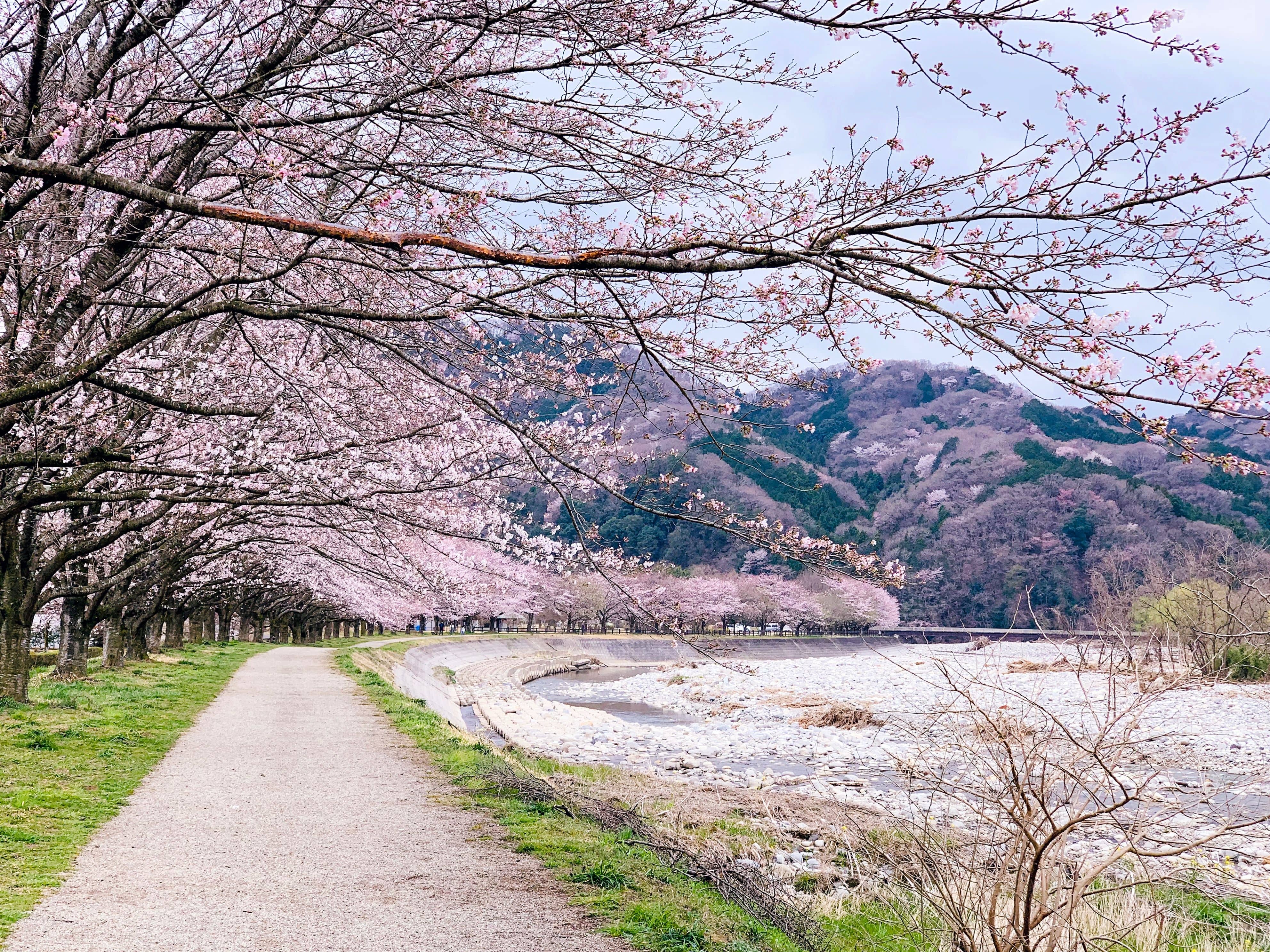
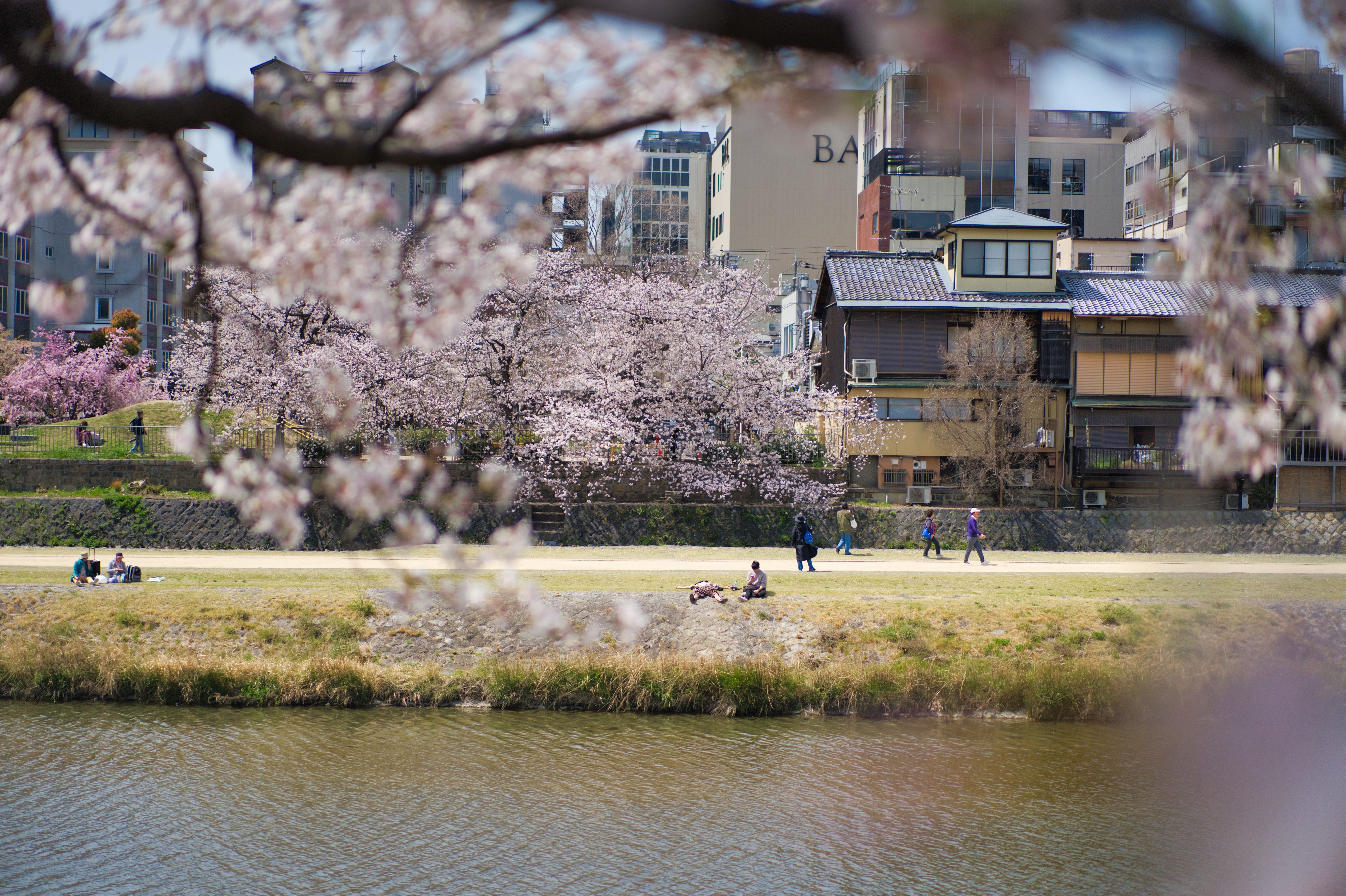
Groups picnicking on blue tarps under cherry trees in full bloom in a Kyoto park with bento boxes and drinks laid out

Best Time to Arrive and What the Weather Is Like

Arrive in Kansai around 28 or 29 March 2027 and stay about ten days, and you have the best odds of catching the weeping cherries early, the Somei Yoshino peak in both Kyoto and Osaka in the first days of April, the petal fall after it, and the Mint Bureau's double cherries at the end. If the February forecast calls an early year like 2026, shift the whole window five days earlier.

Crowd levels on a scale of 1 to 5 for the famous spots:

  • First days of opening, around 24 to 27 March: level 3; weeping cherries at their best, mainstream trees budding

  • Full bloom on a weekday, around 30 March to 2 April: level 4 at Maruyama Park, the Philosopher's Path and Osaka Castle; level 2 at the Kamo River and Kema's northern stretch

  • Full bloom on the weekend (likely 3 and 4 April 2027): level 5 everywhere famous, one-way paths, long temple queues

  • Petal fall, around 5 to 8 April: level 3 and the prettiest days

  • Mint Bureau week, mid-April: level 4 inside the walk, timed entry keeps it moving

The weather is changeable spring. Kyoto in late March and early April features mild days with average highs of around 13°C to 17°C, while cool evenings regularly drop to average lows of 4°C to 7°C, with bright spells, sudden showers and the winds that both open the blossoms and strip them. A warm March brings the season forward; a rainy, windy night at peak can end it in a day. Pollen is heavy and many locals wear masks.

Planning around it:

  • Layers for a 15°C picnic that becomes a 7°C evening under the illumination

  • A compact umbrella and a waterproof layer; rain moves hanami under the eaves, it does not cancel it

  • Antihistamines if pollen affects you

  • Check the Kyoto blossom calendar and the forecast each morning, and go where the status says "full bloom", not where your plan said

Note: Daylight runs roughly 5:45 to 18:15 in early April, so the illuminations start just after dark and a full day fits a dawn walk, a lunch picnic and an evening under the lights.

Osaka peaks a day or two before Kyoto and Yoshino a few days after, so Osaka first, Kyoto second, Yoshino last follows the front.

Where to Stay and When to Book

Stay in Kyoto's Higashiyama or along the Kamo River for the Kyoto days and in central Osaka for the Osaka days, and book earlier than for any other trip to Japan; cherry blossom season is the most sold-out fortnight in the Kansai hotel calendar, and Kyoto sells out first.

Kyoto:

  • Gion and Higashiyama: Maruyama Park, Yasaka Shrine and the temple illuminations on foot; machiya guesthouses, ryokan and boutique hotels; the first area to sell out

  • Along the Kamo River between Sanjo and Demachiyanagi: riverside trees outside the door, Keihan and Karasuma Line stations, mid-range hotels

  • Around Kyoto Station: the widest choice and the easiest Shinkansen and Haruka logistics, 15 minutes by bus or train to the parks

  • Northern Kyoto around Kitayama: the Botanical Garden's trees and quieter streets

Osaka:

  • Around Osaka Castle and Temmabashi: the castle park, the Okawa River and the Mint Bureau on foot; business hotels and a few larger ones

  • Namba and Umeda: the widest choice at every price, direct airport trains, 15 to 20 minutes to the river by metro

  • Osaka is noticeably cheaper than Kyoto in the season, and a Kyoto day trip by Hankyu or Keihan takes under an hour

When to book: Kyoto's rooms for 28 March to 8 April 2027 begin filling the previous autumn and are largely gone from Higashiyama by December 2026; Osaka holds out until about February. Book Kyoto by November 2026 and Osaka by January for choice. Reference rates for peak nights: a machiya or ryokan in Higashiyama starts from roughly 35,000 JPY to over 70,000 JPY per night, a mid-range hotel near Kyoto Station is about 20,000 JPY to 35,000 JPY per night, and a standard business hotel in Osaka is about 12,000 JPY to 22,000 JPY per night, with accommodation taxes added per night.

Tip: Book cancellable rates for the whole window now, then drop the nights you do not need once the February forecast settles. If Kyoto is gone, sleep in Osaka and commute; the Keihan Line delivers you to Gion-Shijo, two minutes from Maruyama Park.

Ask for a room facing a river or a temple garden; a window over cherry trees at night is the best illumination in the city and it is free.

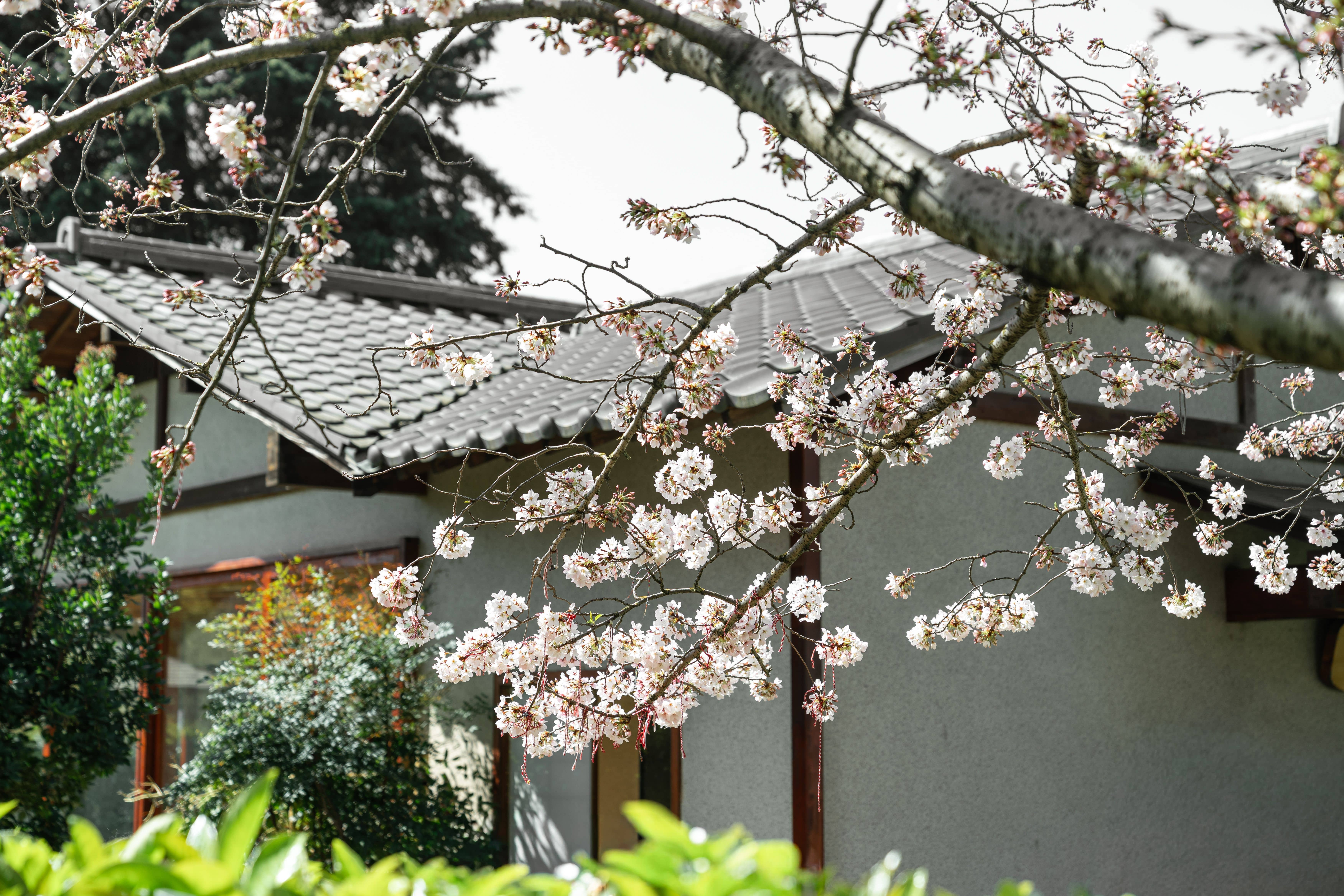
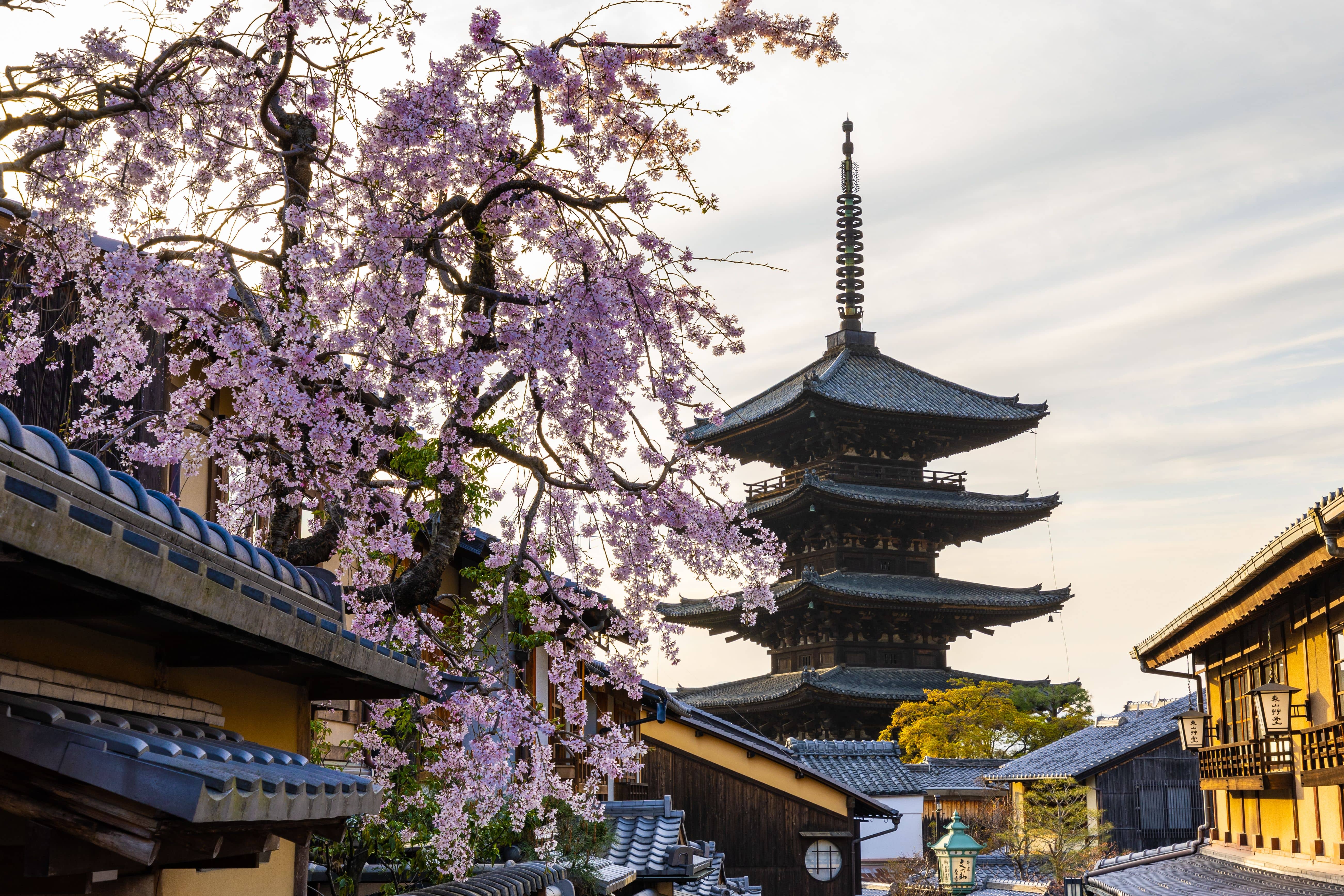
A traditional machiya townhouse guesthouse in Kyoto's Higashiyama district with a cherry tree in bloom over the lane

Staying Connected During the Festival

Public Wi-Fi in Kyoto and Osaka is widespread and useless under a cherry tree at full bloom. The city and station networks need registration and time out, the parks have none, and when thousands of people stand around the lit weeping cherry at Maruyama Park at 20:00, every public hotspot stalls. Hotel Wi-Fi stays at the hotel. Your phone needs its own data, and a Japan eSIM installed before you fly is the simplest way to get it.

What you use data for during hanami:

  • The JMC and Weathernews forecasts, Kyoto's blossom calendar and the live map, checked every morning
  • Reservations for the Osaka Mint Bureau walk and timed entries to temple illuminations, opened at the gate as QR codes
  • Transit apps for the Keihan, Hankyu and JR Loop lines, extra trains on peak days and the last train home
  • A group chat with live location for regrouping on the Philosopher's Path or the Okawa riverside
  • Camera translation of park rules, stall menus and temple notices
  • Mobile payment at stalls and convenience stores for the picnic
  • Photos, video and calls home from under the blossoms, which is the point

Set-up: check that your phone is unlocked and eSIM-capable (most phones from the last five years are), buy the plan, scan the QR code while you still have a reliable connection at home, and switch the line on when you land at Kansai or Itami. Japanese networks are excellent in both cities, on the trains between them and up Mount Yoshino; the only slowdowns are the famous parks on peak weekend evenings.

How much data: 1 to 2 GB a day covers forecasts, maps, transit, messaging, translation and payments. Photos and video are the variable; hanami is the most photographed fortnight in Japan and a day of uploads can double it. For a ten-day Kansai trip, 20 GB is comfortable; 10 GB suits a shorter stay or light use. GoHub's Japan plans are listed on the eSIM for Japan page.

Tip: Download an offline map of Kyoto and Osaka, screenshot the morning's bloom status, and carry a power bank; a day of photographing petals and an evening under the lights empties a phone by the last train.

Keep your home SIM active for SMS so bank verification codes arrive, set the eSIM as your data line, and turn off data roaming on the home SIM.

Suggested itinerary

Day 1 · Osaka, the river and the castle

  1. Around 8:00
    Osaka Castle ParkBefore the tour groups; the castle framed by trees from the Ninomaru lawns
  2. Mid-morning
    Nishinomaru GardenAbout 350 JPY for the classic castle-and-blossom view
  3. Around 12:00
    Picnic at Kema Sakuranomiya ParkConvenience-store bento on the west bank of the Okawa River
  4. Afternoon
    Walk the Okawa riversideFour kilometres of trees; yakatabune boats on the water
  5. Evening
    Nishinomaru Garden illuminationReturn for the lit castle, then dinner in Temmabashi

Day 2 · Kyoto, Maruyama Park and Gion

  1. Morning
    Train to Kyoto, check in near GionKeihan to Gion-Shijo or Hankyu to Kyoto-Kawaramachi
  2. Late morning
    Kiyomizu-dera and the Higashiyama lanesBlossoms over the valley; busiest by noon, so go straight there
  3. Around 14:00
    Maruyama Park picnicClaim a lawn south of the weeping cherry; stalls to the east
  4. Around 18:00
    Weeping cherry illuminationThe whole city comes; stay on your tarp and let it circle you
  5. Late evening
    Gion side streetsDinner, then a lantern-lit walk down Hanamikoji

Day 3 · Kyoto, the Philosopher's Path and Arashiyama

  1. Around 7:30
    Philosopher's Path from Ginkaku-jiWalk south while the canal path is still empty
  2. Late morning
    Keage Incline and Nanzen-jiThe old railway slope under trees; Nanzen-ji's gate for the view
  3. Around 13:00
    Lunch indoors near OkazakiRest through the midday crowd
  4. Afternoon
    Arashiyama river and bamboo groveHankyu to Arashiyama; the Togetsukyo Bridge view at golden hour
  5. Evening
    Illuminated temple gardenTimed entry at Kodai-ji or Shoren-in, booked ahead

Day 4 · Nara and the mountain

  1. Morning
    Nara ParkDeer among the trees and Todai-ji's great Buddha; Kintetsu from Kyoto or Osaka
  2. Around 11:00
    Kintetsu to YoshinoChange at Kashihara-jingu-mae; about an hour and a half from Nara
  3. Afternoon
    Mount Yoshino trails30,000 trees up the mountainside; ropeway or walk from the station
  4. Late afternoon
    Mid-mountain viewpointThe lower slopes peak first; higher zones bloom later into April
  5. Evening
    Return to OsakaTrains run late; Osaka is the cheaper bed for the last night
Tip: Follow the front: Osaka a day or two before Kyoto, Kyoto at peak, Nara or Yoshino as the petals fall; check the bloom status every morning and swap days if needed.

Recommended eSIM plans

Pick by trip length. Visiting several countries? Choose a regional plan.

Selected: eSIM Japan 10GB 10 Day(s)

Set up your eSIM in 3 steps

  1. Order and get your QR codeThe QR code arrives by email right after payment.
  2. Scan before you flySettings → Cellular → Add eSIM, while you still have Wi-Fi.
  3. Turn on data when you landSet the eSIM as your data line and enable data roaming.

Frequently asked questions

Hanami is the Japanese custom of gathering under cherry blossoms to eat, drink and enjoy the season, usually a picnic on a tarp in a park. Claim a spot, take your shoes off at the edge of the sheet, share food and drinks, and stay into the evening if the trees are lit. It is free and open to anyone.

Kyoto for atmosphere, Osaka for ease. Kyoto has the weeping cherry at Maruyama Park, the Philosopher's Path and temple illuminations, with higher prices and bigger crowds. Osaka has the castle, the Okawa River's 5,000 trees and the reservation-only Mint Bureau walk, with cheaper hotels. They are 45 minutes apart; do both and sleep in Osaka.

Yes, in most public parks, and sharing sake or beer on the tarp is part of the custom. Some gardens and temple grounds ban alcohol, with rules posted at the entrance in Japanese, so check before opening a bottle. Drink moderately, keep noise down after 21:00, and take every bottle and can away with you.

It depends on your passport. Many nationalities enter Japan visa-free for short tourist stays, while others must apply in advance; the list and any online pre-registration requirements change, so check the Japanese embassy or consulate site for your country before travel [TO VERIFY current rules]. Carry your passport; hotels must see it at check-in.

Plan on 1 to 2 GB a day for forecasts, maps, transit, translation, reservations and messaging, and more because hanami is the most photographed fortnight in Japan: a day of uploading blossom photos and video can double it. A 20 GB eSIM covers a ten-day Kansai trip; 10 GB suits a shorter stay. Install it before you fly.

Through the Japan Mint's official website, which opens online reservations a few weeks before the walk and assigns dated, timed slots; it is free but reservation-only, the only hanami spot in Japan that works this way. The walk ran 9 to 15 April in 2026 with late-blooming double cherries. Slots go within days [TO VERIFY 2027].