
When Does the Martinskirche Bell Start the Morgestraich?
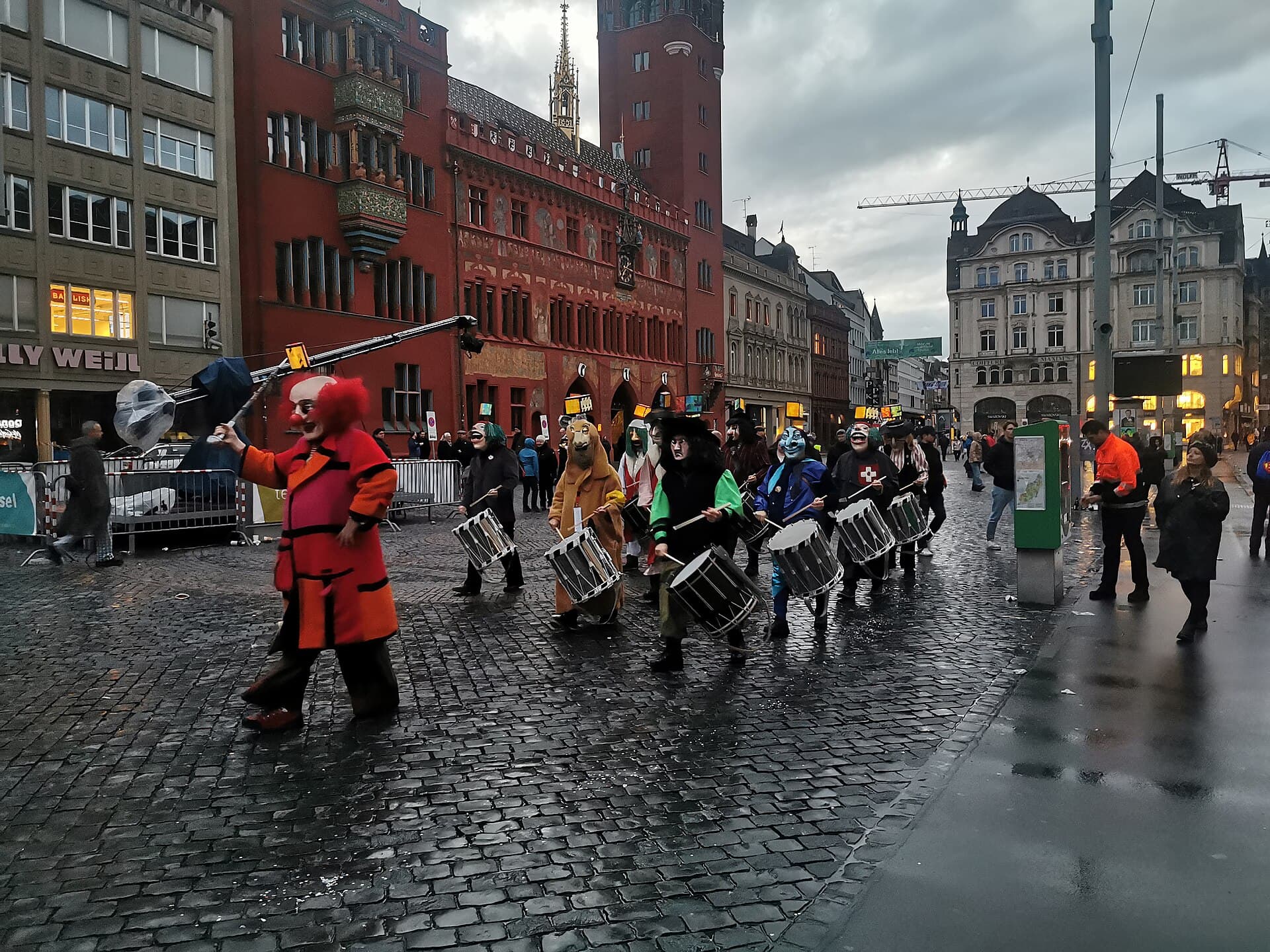
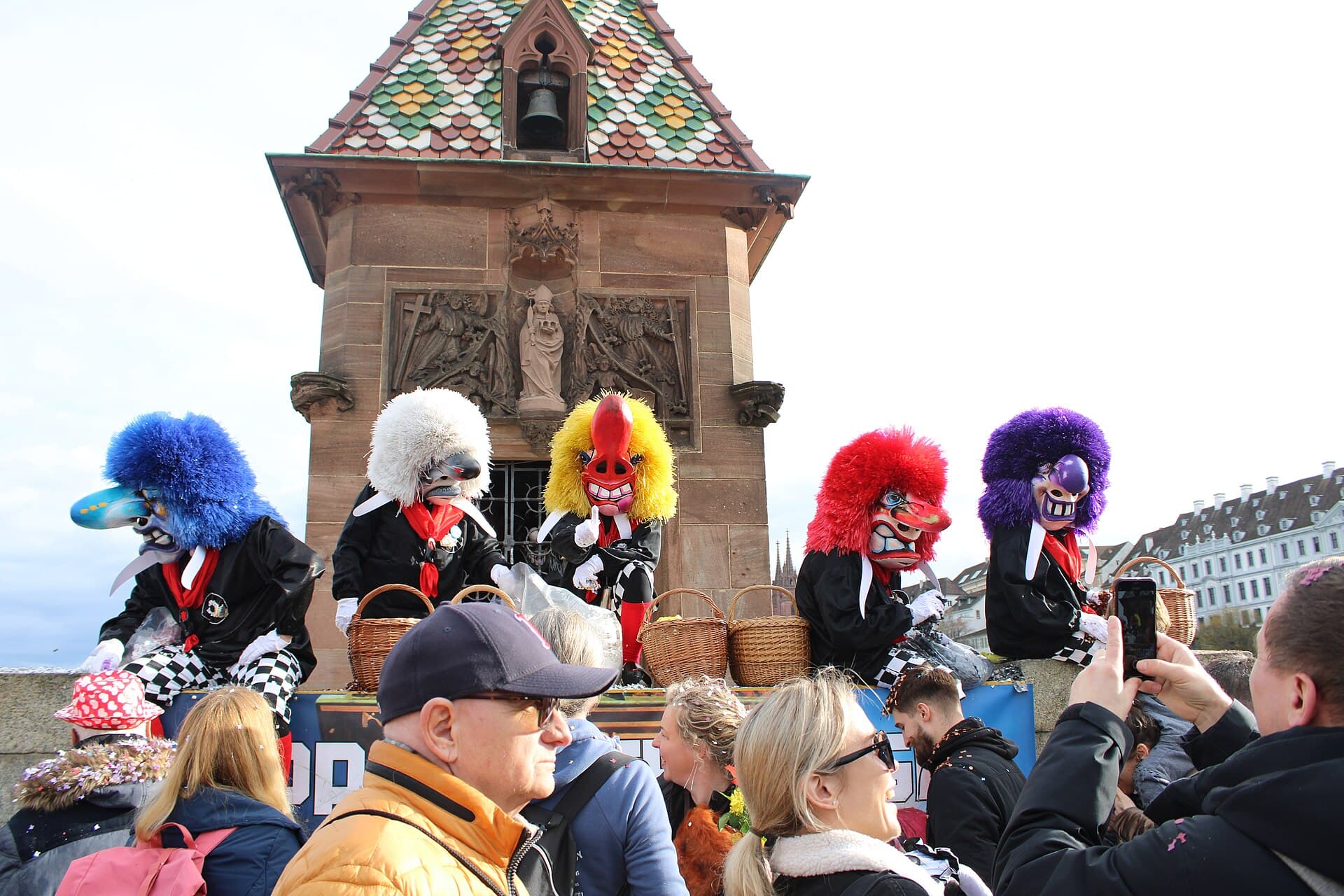
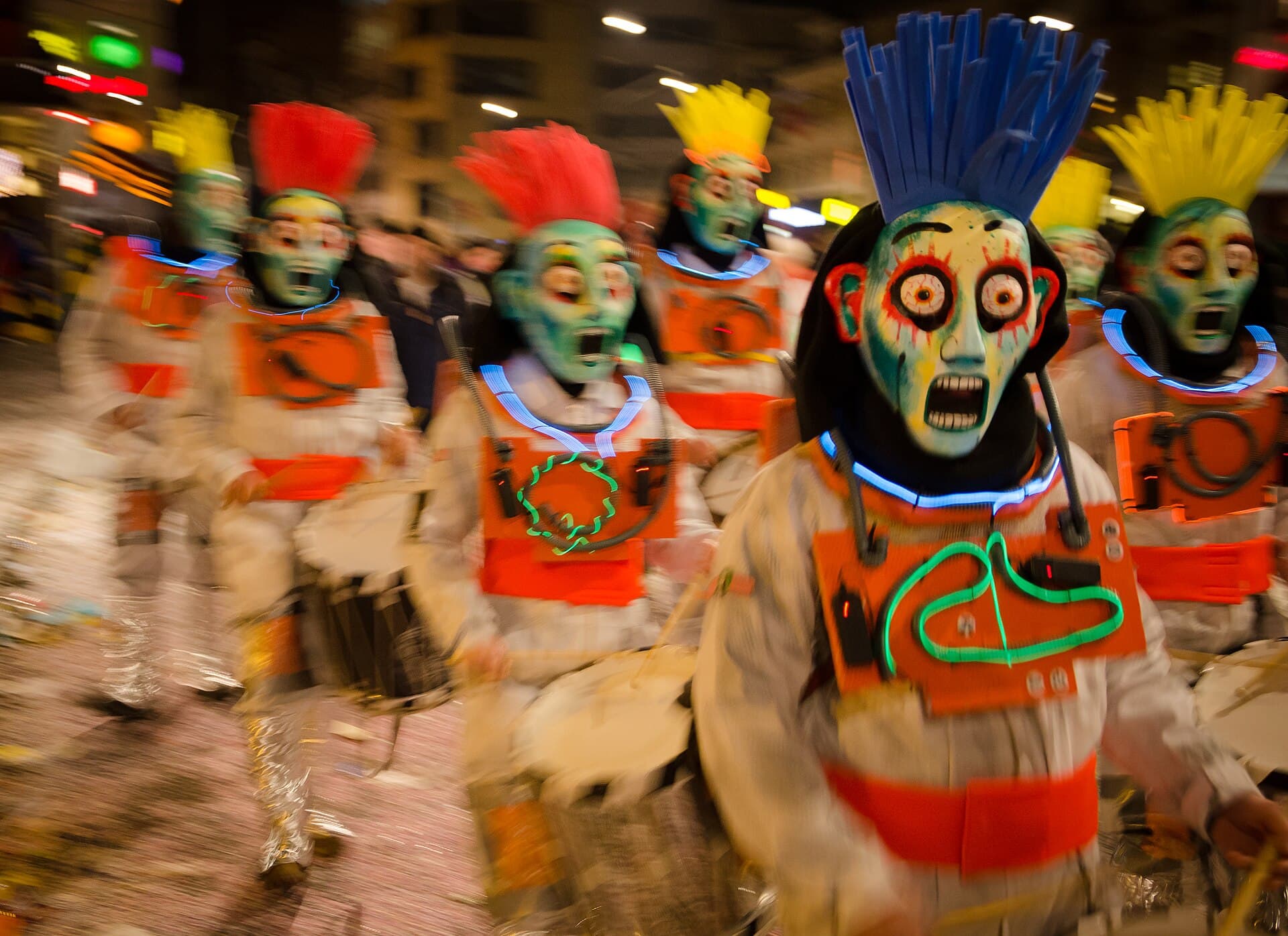
Basel Fasnacht 2027 starts with the Morgestraich at 04:00 on Monday 15 February 2027, the date the Fasnachts-Comité counts down to on its home page 1 6. Basel Tourism describes the carnival as lasting exactly 72 hours, from the Morgestraich on Monday at 04:00 to the Ändstraich on Thursday at 04:00 6 7. For 2027 that puts the closing march at 04:00 on Thursday 18 February 2027 1 6. When the bell strikes, the inner-city lights go out and every clique opens with the Morgestraich march, a traditional tune played only on this occasion 7.
The date moves every year because it is tied to Easter. Basel Fasnacht always begins on the Monday after Ash Wednesday 7 8. That is one week later than carnival elsewhere in Switzerland or Germany, and the reason remains unclear 9. A common explanation links the later date to the Reformation, although no documents from that era support it 9. Locals call the 72 hours “die drey scheenschte Dääg”, the three most beautiful days 9.
Basel Fasnacht 2026 ran from 04:00 on Monday 23 February to 04:00 on Thursday 26 February 2026 6. The Comité's calendar already shows the next Morgestraich Mondays:
The carnival season starts before the Morgestraich. The Drummeli, the Comité's indoor drum and piccolo show, runs from 30 January to 6 February 2027 in the Event Halle of Messe Basel 19. Its presale began on 5 November 2026 20. After Fasnacht, the cliques return without costumes for three Bummel Sundays; in 2026 these fell on 1, 8 and 15 March, from 16:00 to 23:00 6.
Tip: The Morgestraich never moves by an hour. Even after a late Sunday arrival, being in the old town about half an hour before the bell is worth the lost sleep.
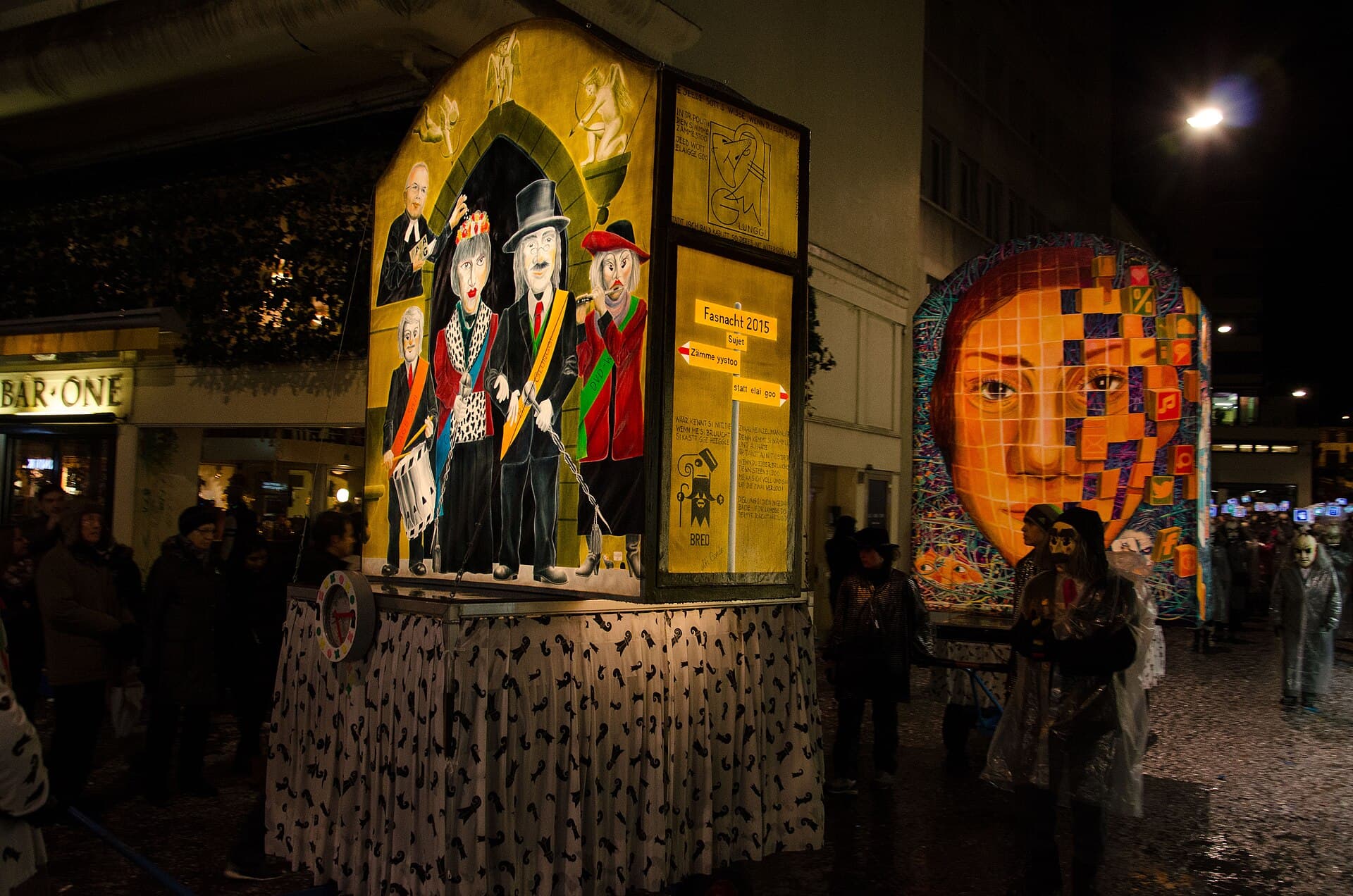
The tradition is older than the lanterns. The first officially permitted Morgestraich took place in 1835, when participants still carried burning torches 7. Pole-mounted lanterns appeared in 1845 after open-flame torches were banned, and the first large procession lantern is recorded in 1860 7. Basel Fasnacht was cancelled in 2020 and 2021 because of the pandemic and returned in limited form in 2022 9. UNESCO added it to the Representative List of the Intangible Cultural Heritage of Humanity in 2017 8.