

Perfect 10 Days in Argentina Itinerary: Buenos Aires, Patagonia & Iguazú Falls

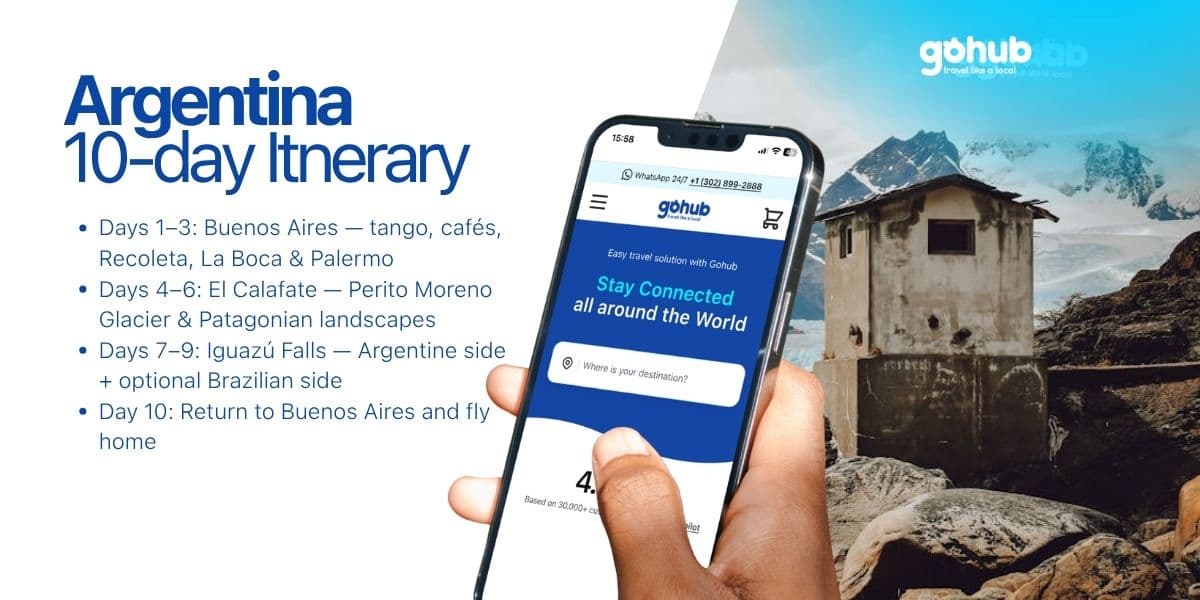
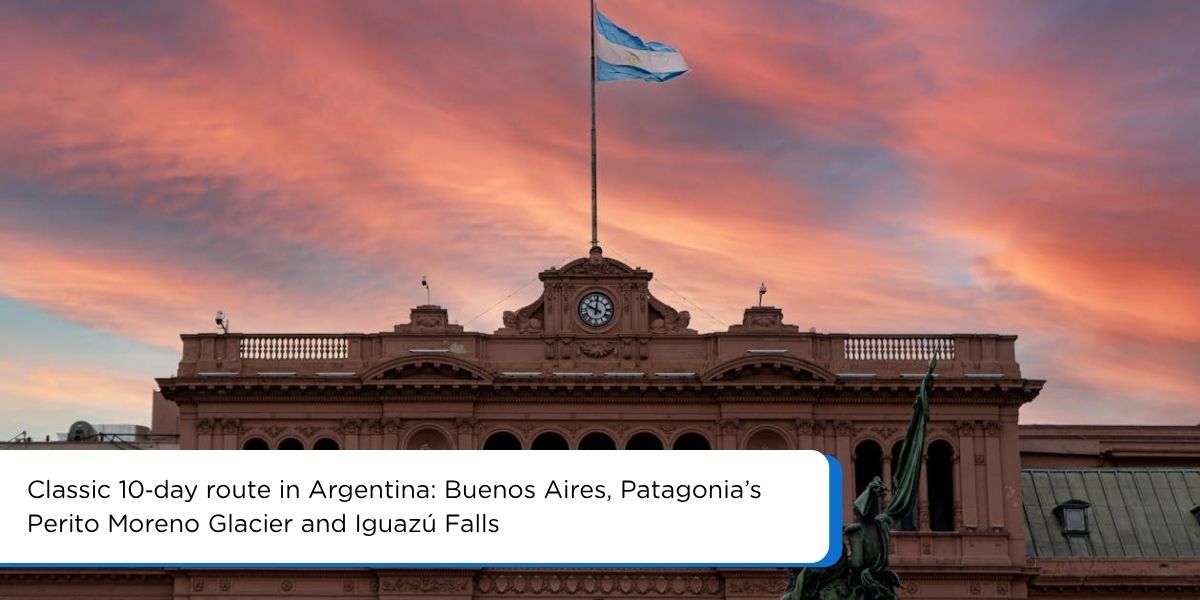
Ten days in Argentina is just enough to taste the country’s greatest hits: café culture and tango nights in Buenos Aires, glacier‑covered landscapes in Patagonia, and the thunder of Iguazú Falls on the tropical northern border. With smart routing and a few internal flights, you can fit all three into one unforgettable trip and still travel at a comfortable pace.
TL;DR: 10 Days in Argentina at a Glance
Days 1–3: Buenos Aires – historic center, La Boca, Recoleta, Palermo, tango show.
Days 4–6: El Calafate – base for Perito Moreno Glacier and Patagonian landscapes.
Days 7–9: Iguazú Falls – full day on the Argentine side plus optional Brazilian side.
Day 10: Fly back to Buenos Aires and connect with your international flight.
Best time to follow this itinerary
Buenos Aires: Best in March–May and September–November, when days are mild and relatively dry.
Patagonia (El Calafate): Warmest and most popular from December–February; beautiful shoulder seasons in October–November and March–April with fewer crowds.
Iguazú Falls: Spectacular all year; shoulder months March–May and August–September balance strong water flow with more comfortable heat and humidity.
Day 1: Historic Center & Firstaste of the City
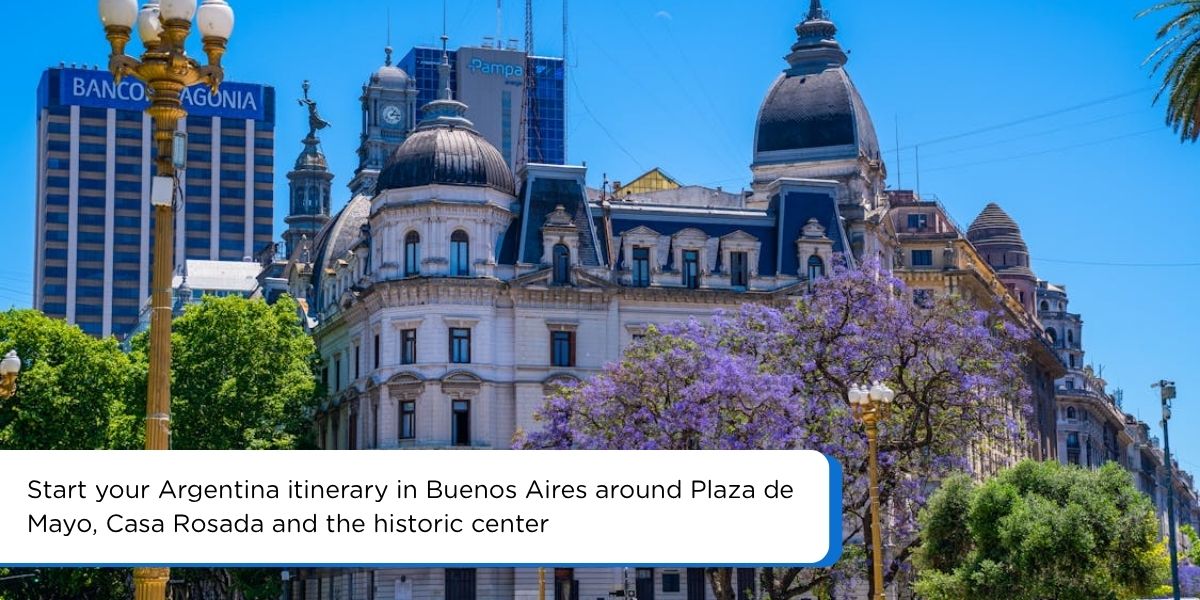
Start in the historic heart of Buenos Aires around Plaza de Mayo, where the pink Casa Rosada presidential palace faces the square and the Metropolitan Cathedral holds the tomb of General San Martín. Walk along Avenida de Mayo, peek into traditional cafés, then continue to the Obelisco and the huge 9 de Julio Avenue.
In the afternoon, stroll the renovated docks of Puerto Madero or join a walking tour to get your bearings in the city. For dinner, book your first steak and Malbec at a parrilla (steakhouse) and use ride‑hailing apps like Uber or Cabify to get home safely – this is where having an Argentina eSIM already set up really pays off.
Day 2: Recoleta, Teatro Colón & Tango Show
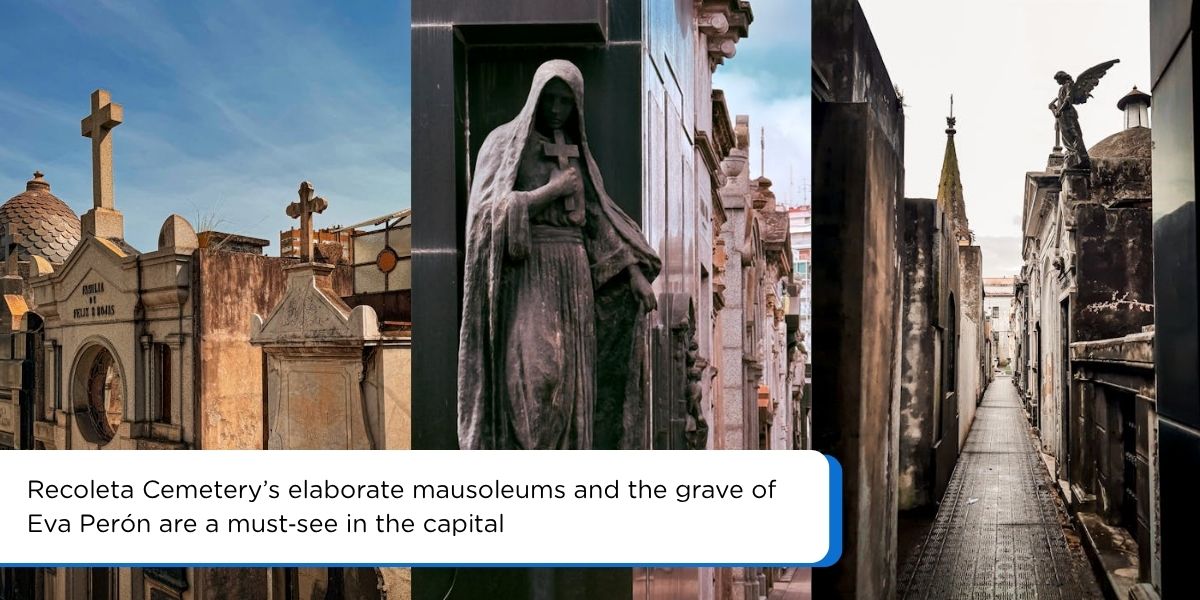
Spend your second day in the elegant neighborhood of Recoleta, where tree‑lined streets and Belle Époque buildings show why Buenos Aires is often called the “Paris of South America”. Recoleta Cemetery, famous for its intricate mausoleums and the grave of Eva Perón, is a highlight even for travelers who do not usually visit cemeteries.
In the afternoon, tour Teatro Colón, widely considered one of the world’s great opera houses, or join a bike tour through Recoleta and Palermo parks. After sunset, dress up for a tango dinner show – a classic introduction to Argentine music and dance with live orchestra, singers and dancers performing in historic venues.
Day 3: San Telmo, La Boca & Palermo
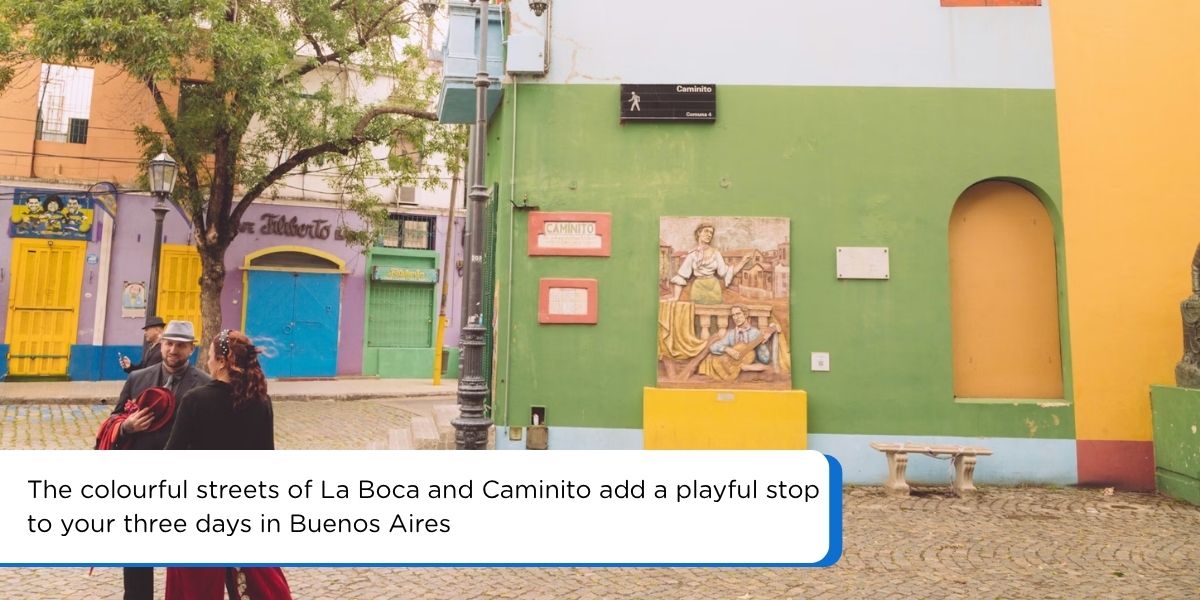
On day three, dive into the more bohemian and colorful side of Buenos Aires. In San Telmo, cobbled streets, antique shops and weekend markets (especially on Sundays) create a laid‑back, old‑world vibe. Continue to La Boca to see the brightly painted houses and street performers around Caminito; it is touristy but still fun when combined with a local guide or walking tour.
Finish the day in Palermo Soho or Palermo Hollywood, the trendiest districts for cafés, boutique shops, craft beer and late‑night dining. This is also a good time to recharge before your early flight to Patagonia the next morning.
Day 4: Fly to El Calafate & Settle into Patagonia
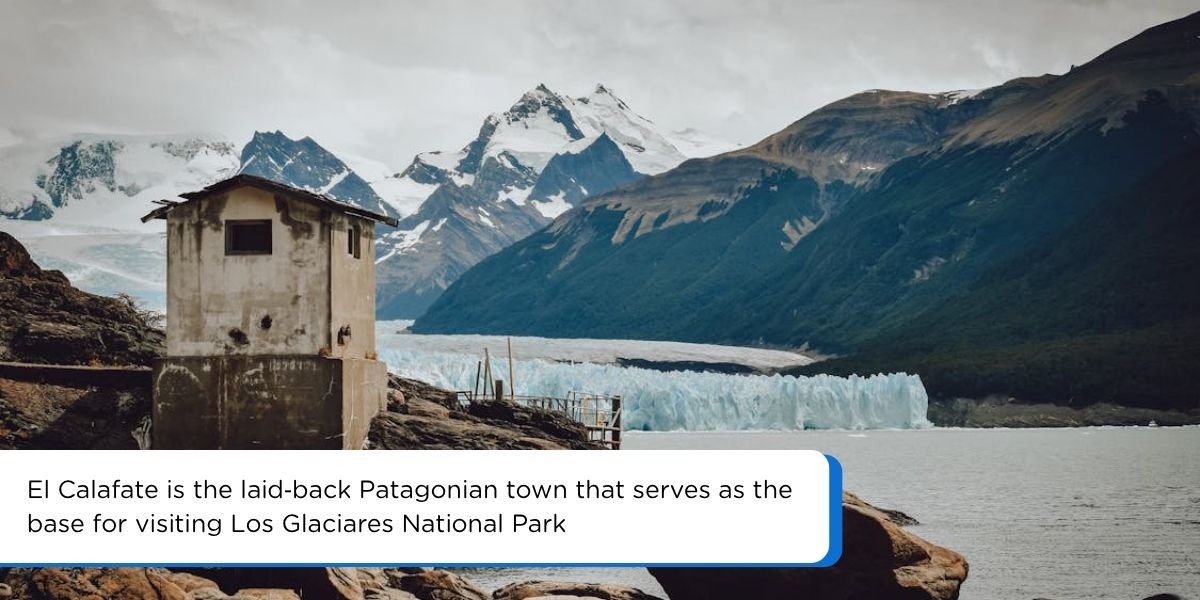
Fly from Buenos Aires to El Calafate, the main gateway to Argentina’s Los Glaciares National Park. Direct flights from the domestic airport (AEP) or the international airport (EZE) take about three hours, and it is worth choosing a window seat for the Patagonian views on approach.
After checking into your hotel, wander down to Lago Argentino, the turquoise lake that dominates the landscape, and adjust to the slower pace of this small Patagonian town. Try roast Patagonian lamb or trout for dinner and rest well before your glacier day.
Day 5: Perito Moreno Glacier – Argentina’s Star Glacier
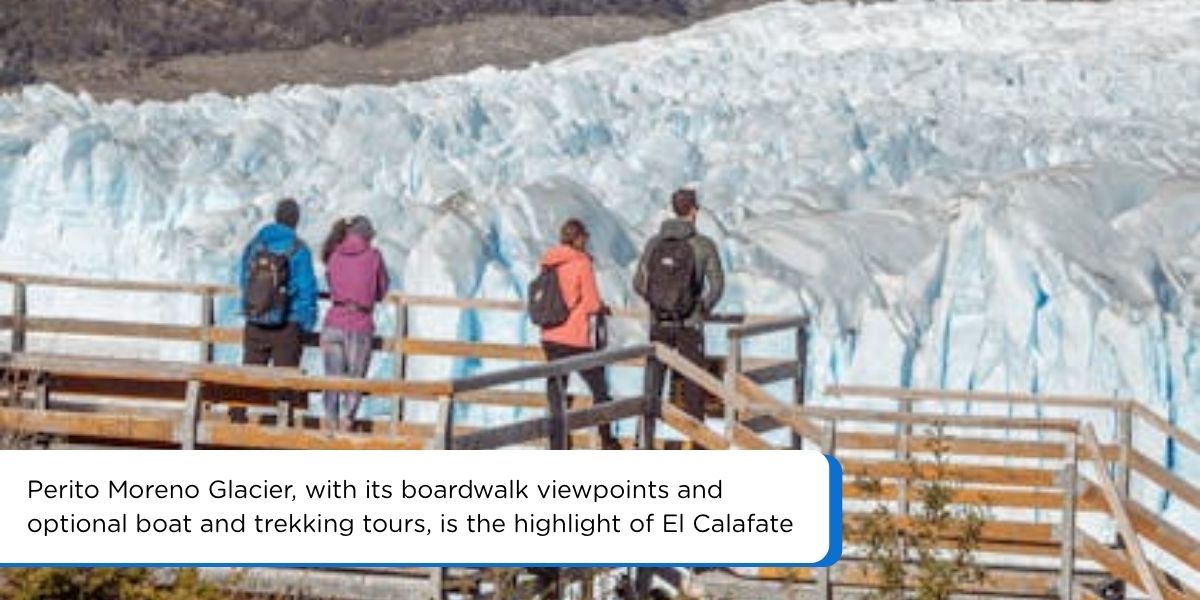
Today is dedicated to Perito Moreno Glacier, one of the world’s most accessible and impressive glaciers. Most tours pick you up in El Calafate in the morning and drive about 1.5 hours across the Patagonian steppe into Los Glaciares National Park.
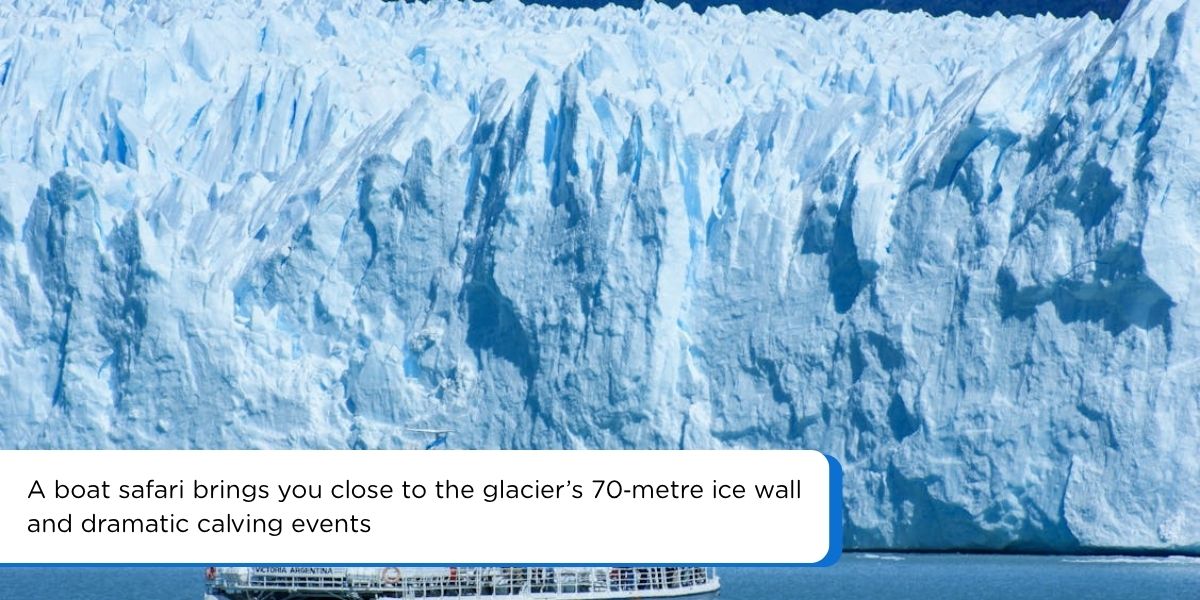
Once inside, elevated boardwalks and viewpoints let you stare straight at a 70‑meter‑high wall of ice, listening for the cracks and thunder as chunks of glacier calve into the lake. For a closer look, you can add a boat safari, which cruises along the face of the glacier, or join a mini trekking excursion that takes you onto the ice with crampons for about 1.5 hours – an unforgettable experience if you are fit enough.
Day 6: Extra Day in El Calafate
Use day six as a flexible buffer. If you want more glaciers, full‑day boat trips on Lago Argentino visit other ice giants such as Upsala and Spegazzini. For a more cultural experience, estancia day tours combine horseback riding or hiking with a traditional Patagonian asado. If you prefer to slow down, visit the Glaciarium museum, enjoy the views and get laundry and logistics sorted before flying to the tropics.
Day 7: Travel to Iguazú Falls
From El Calafate, fly back to Buenos Aires and connect onward to Puerto Iguazú in the far north of Argentina. It is a long travel day with at least one connection, so try to keep this day mostly for transit and a relaxed evening.
If you arrive before sunset, head to the viewpoint where the Iguazú and Paraná rivers meet and see the landmark that marks the border between Argentina, Brazil and Paraguay.
Day 8: Iguazú Falls – Argentine Side
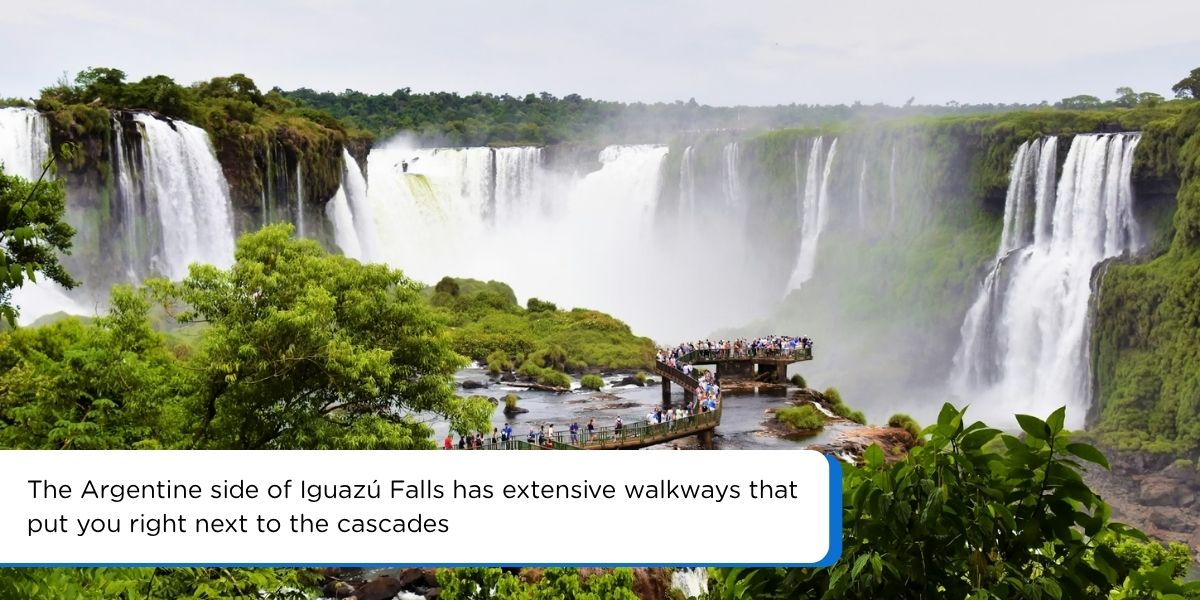
Spend your first full day at Iguazú National Park on the Argentine side. Well‑maintained trails and boardwalks bring you up close to around 80 percent of the falls system, which comprises roughly 275 individual waterfalls depending on water levels.
Start with the Lower Circuit for dramatic up‑close views and mist, then continue to the Upper Circuit for a different perspective from above. Leave time for the train or trail out to Garganta del Diablo (Devil’s Throat), where a balcony sits right on the lip of the most powerful section of the falls. Thrill‑seekers can add a boat ride that drives directly into the spray – expect to get completely soaked.
Day 9: Brazilian Side & Extra Time
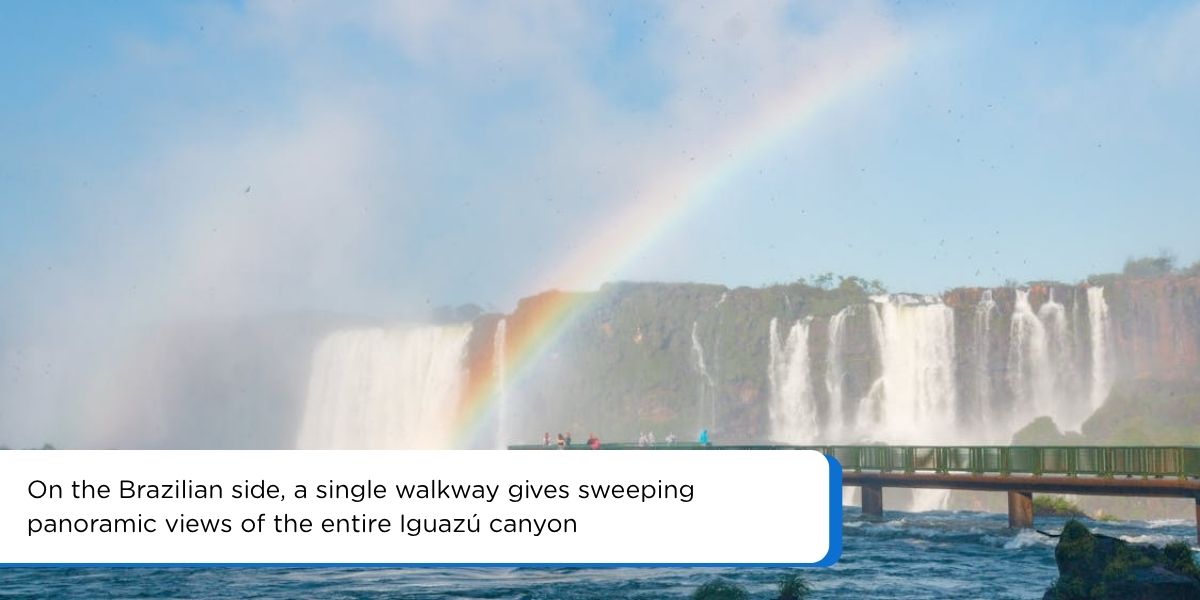
If you can, cross into Brazil for a half‑day visit to the Brazilian side of Iguazú, where a single walkway along the canyon offers sweeping panoramic views back towards the Argentine falls. Many travelers say that Argentina is best for feeling “inside” the falls, while Brazil is best for seeing the whole horseshoe‑shaped panorama.
Depending on your flight schedule, you might also fit in a visit to the nearby bird park or simply relax by the pool before your final flight.
Day 10: Back to Buenos Aires & Fly Home
Fly from Puerto Iguazú back to Buenos Aires and connect with your international departure. Because domestic delays are not uncommon, it is smart to allow several hours between flights or spend one last night in the capital before leaving.
Use any leftover time for a final coffee in Palermo or Recoleta, last‑minute souvenir shopping and one more empanada before you go.
How to Get Around & Stay Connected in 10 Days
Argentina is huge. Driving distances are measured in full days, not hours, so domestic flights are the only realistic way to link Buenos Aires, Patagonia and Iguazú in a 10‑day window. Booking flights early is especially important for Patagonia’s summer months and during local holidays when routes can sell out.
To keep everything running smoothly, consider setting up an eSIM for Argentina before you land. With a single eSIM plan you can:
Check in for domestic flights and receive gate changes in real time
Use Uber or Cabify safely in Buenos Aires and map apps in every city
Coordinate tours in El Calafate and Iguazú via WhatsApp, which most local operators use by default
With smart routing, a bit of flexibility and reliable connectivity, this 10‑day Argentina itinerary gives you a perfect first taste of the country – and plenty of reasons to come back for more.
Frequently Asked Questions
Is 10 days enough for Argentina?
Yes. Ten days is not enough to see everything, but it is enough to experience the highlights: three days in Buenos Aires, three days in Patagonia and two to three days at Iguazú Falls, plus one buffer day for travel. If you have more time, you can extend the trip to Mendoza, Bariloche or northern Argentina.
Should I start with Buenos Aires or Patagonia?
For this route, starting in Buenos Aires usually makes more sense. You have time to adjust to the time zone, culture and food before flying south into colder weather in Patagonia. Most domestic flights to El Calafate and Iguazú also hub through Buenos Aires, so it is the natural starting point.
Do I need to see both sides of Iguazú Falls?
Not strictly, but it is highly recommended if your schedule allows. The Argentine side offers more trails and boardwalks that put you right inside the falls. The Brazilian side has one main walkway but offers the best panoramic views of the entire horseshoe of waterfalls. With one full day, prioritize the Argentine side; with two days, add the Brazilian side.
What is the best month for this 10‑day route?
If you want to balance all three regions, aim for March–April or October–November. Buenos Aires is pleasantly mild, Patagonia is either at the end or beginning of its warmer season, and Iguazú is still lush but not as hot or crowded as in the peak summer months.
Do I need to rent a car for this itinerary?
No. Most travelers rely on domestic flights plus airport transfers and local taxis. In Buenos Aires, you can get around easily with Uber, Cabify and the metro. In El Calafate and Iguazú, organized day tours pick you up from your hotel, so renting a car is optional and only useful if you want to add long road trips or more remote stops.
Is Argentina safe for solo travelers on this route?
Overall, this Buenos Aires – El Calafate – Iguazú route is popular and generally safe if you follow standard precautions. Avoid flashing valuables, use reputable taxis or ride‑hailing apps, watch out for pickpockets in crowded tourist areas, and avoid walking alone late at night in unfamiliar neighborhoods. In Patagonia and Iguazú, the bigger risks tend to be weather and flight delays rather than street crime.

Hi! Mình là Lala Wren, một content creator yêu xê dịch và đam mê chia sẻ trải nghiệm thực tế cho cộng đồng Gohub. Trong nhiều năm qua, mình đã đặt chân đến Thái Lan, Hàn Quốc, Nhật Bản, Singapore, Malaysia, Bali và nhiều điểm đến thú vị khác trên khắp châu Á. Cùng mình tìm hiểu tất tần tật từ khâu chuẩn bị eSIM, Visa, lịch trình và địa điểm nổi bật cho chuyến đi sắp tới của bạn nhé!
عرض جميع المقالات →