

Montenegro Beaches: A Practical Guide for First-Time Travelers

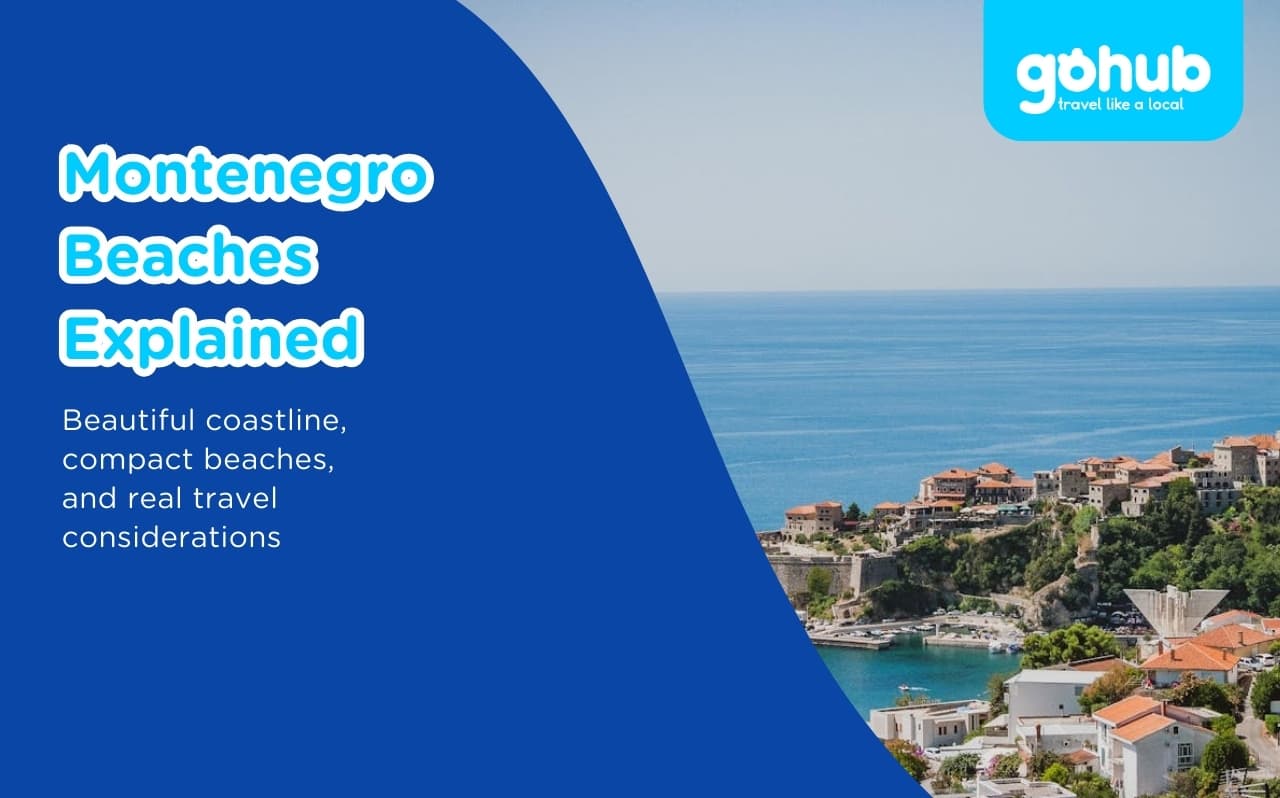
Montenegro often appears on travel feeds as a postcard-perfect destination. Clear blue water. Stone towns along the Adriatic. Quiet coves framed by mountains. For many first-time visitors, beaches are one of the main reasons to come.
But once travelers arrive, the experience can feel less straightforward than expected.
Montenegro’s coastline is beautiful, but it works differently from many popular beach destinations. Beaches are often small. Many are rocky rather than sandy. Access can be unclear. Facilities vary widely from one spot to another.
This guide is written for first-time travelers who want to enjoy Montenegro’s beaches without frustration. It focuses on what beaches are actually like, how to get to them, and what tends to surprise people the most once they’re there.
TL:DR
Montenegro has a beautiful coastline, but many beaches are small, pebbled, and spread out
Some beaches look close on maps but can be hard to reach on foot
Public WiFi is uncommon at beaches, especially outside main towns
Moving between beaches often requires maps, transport schedules, and mobile data
Understanding these realities helps first-time travelers plan more confidently
1. Why Montenegro Beaches Are Different From What You Might Expect
Before choosing where to stay or which beaches to visit, it helps to reset expectations.
Pebble beaches are more common than sandy ones
Most beaches in Montenegro are made of small pebbles rather than soft sand. This is normal along much of the Adriatic coast.
Pebble beaches usually mean:
Clearer water
Faster drop-offs into deeper sea
Less space to spread out towels
Some travelers love this. Others are caught off guard if they expected long sandy stretches.
Many beaches are small and spread out
Instead of one long beach, Montenegro often has:
Short coves
Narrow strips of shoreline
Beaches tucked between cliffs or roads
It’s common to move between several beaches in one day rather than settling in one spot.
Some beaches look close on maps but are hard to reach
Distances along the coast can be misleading. A beach that appears nearby may require:
Walking along narrow roads
Steep paths
Boat access
This surprises many first-time visitors, especially those without a car.
Facilities and public WiFi are not guaranteed
Beach cafés and loungers exist, but they are not universal. Smaller beaches may have:
No restrooms
No shade
No reliable WiFi
Planning with this in mind helps avoid stress.
2. Main Beach Areas in Montenegro and What Each Is Like
Montenegro’s coastline is compact, but each area feels different. Where you stay has a big impact on your beach experience.
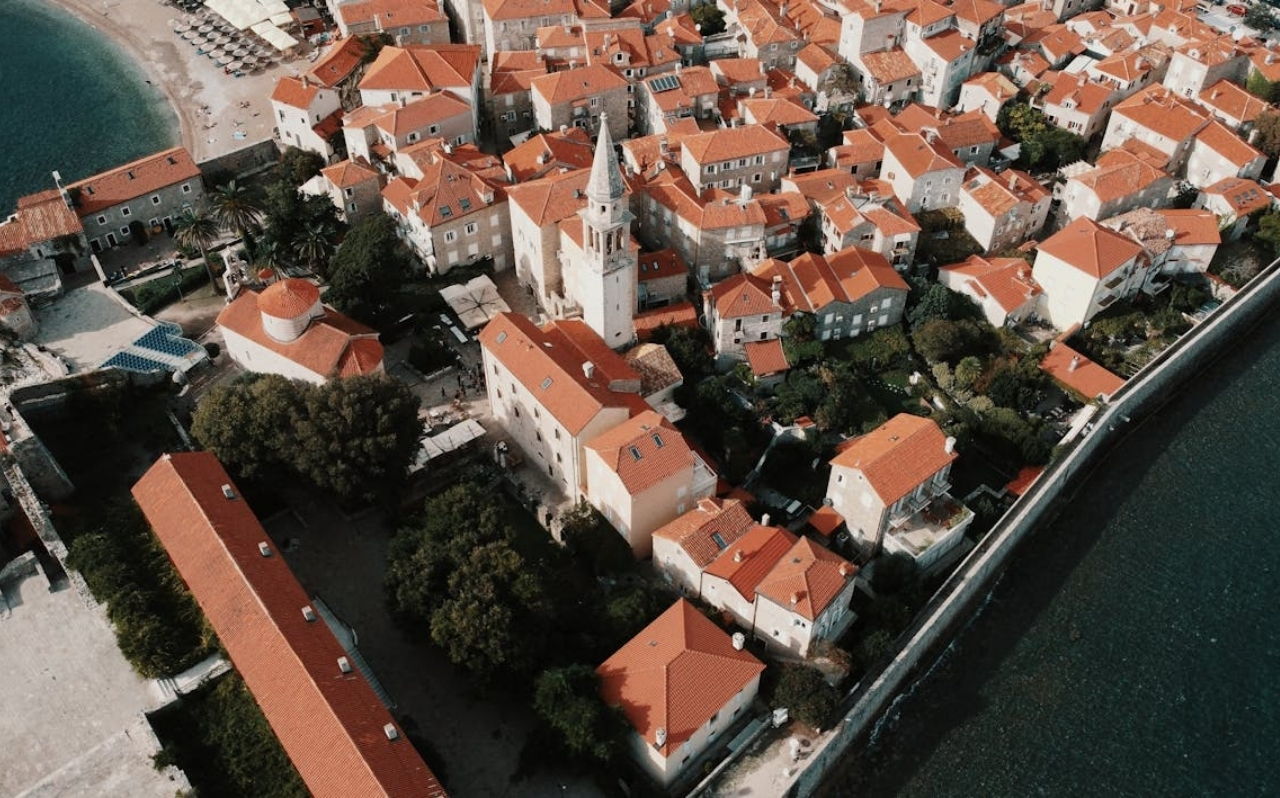
Budva Area Beaches
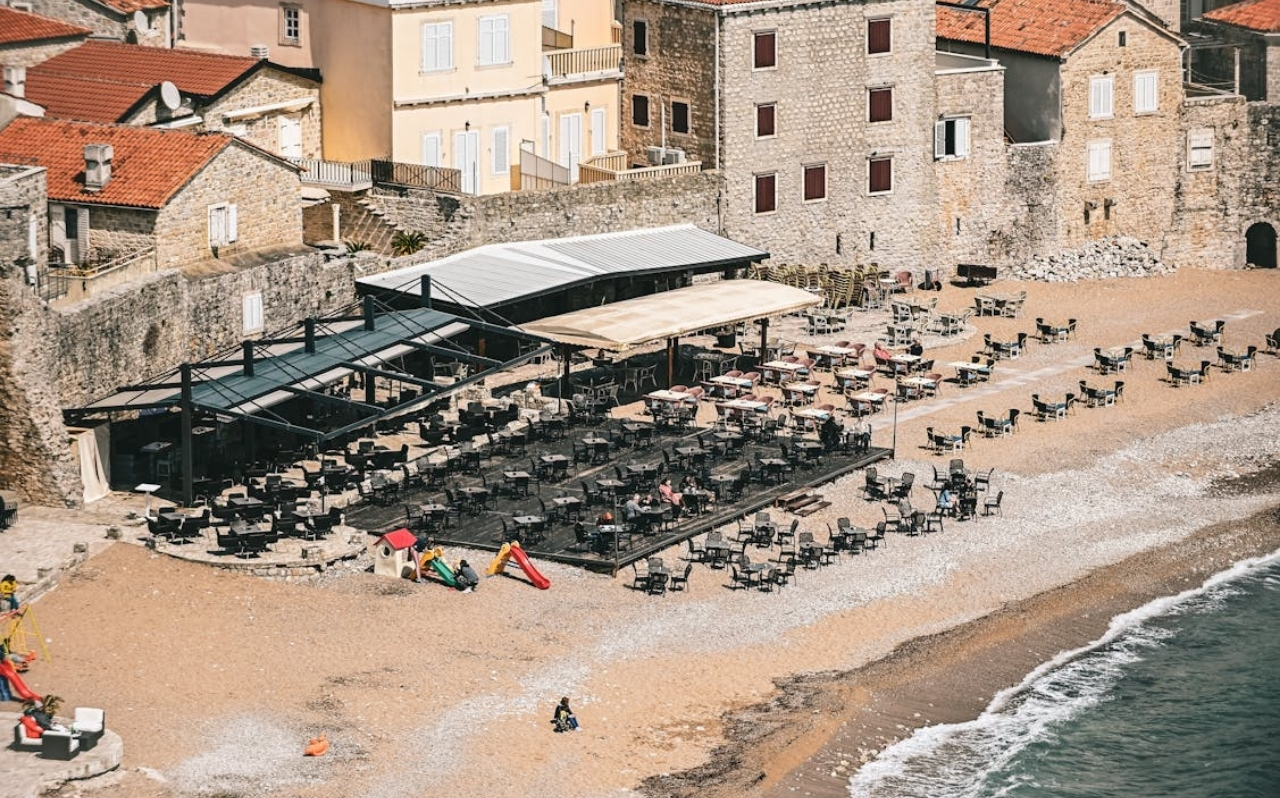
Budva is one of the most popular bases for beach-focused trips.
What travelers like:
Many beaches nearby
Easy access on foot or by bus
Lively atmosphere
Common beaches around Budva include Mogren, Jaz, and Slovenska Plaza. Some are busy, especially in summer, but they are straightforward for first-time visitors.
Budva works well if you want convenience and variety without complicated planning.
Bay of Kotor Coastline
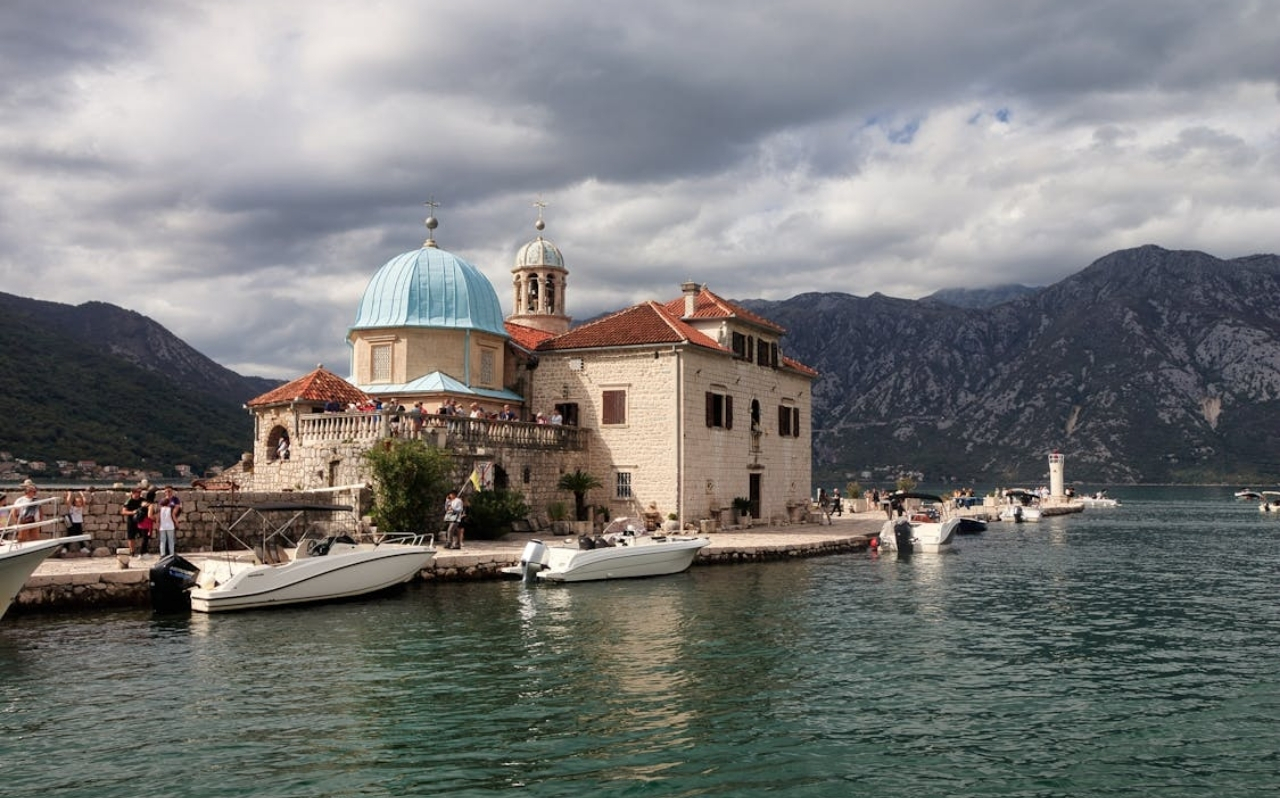
The Bay of Kotor is stunning, but it’s not a classic beach destination.
What to expect:
Beautiful views
Smaller swimming spots
Fewer traditional beaches
Travelers often stay in Kotor for scenery and history, then make short trips to nearby swimming areas. Beaches here tend to be narrow and more spread out along the bay.
Sveti Stefan and the Southern Coast
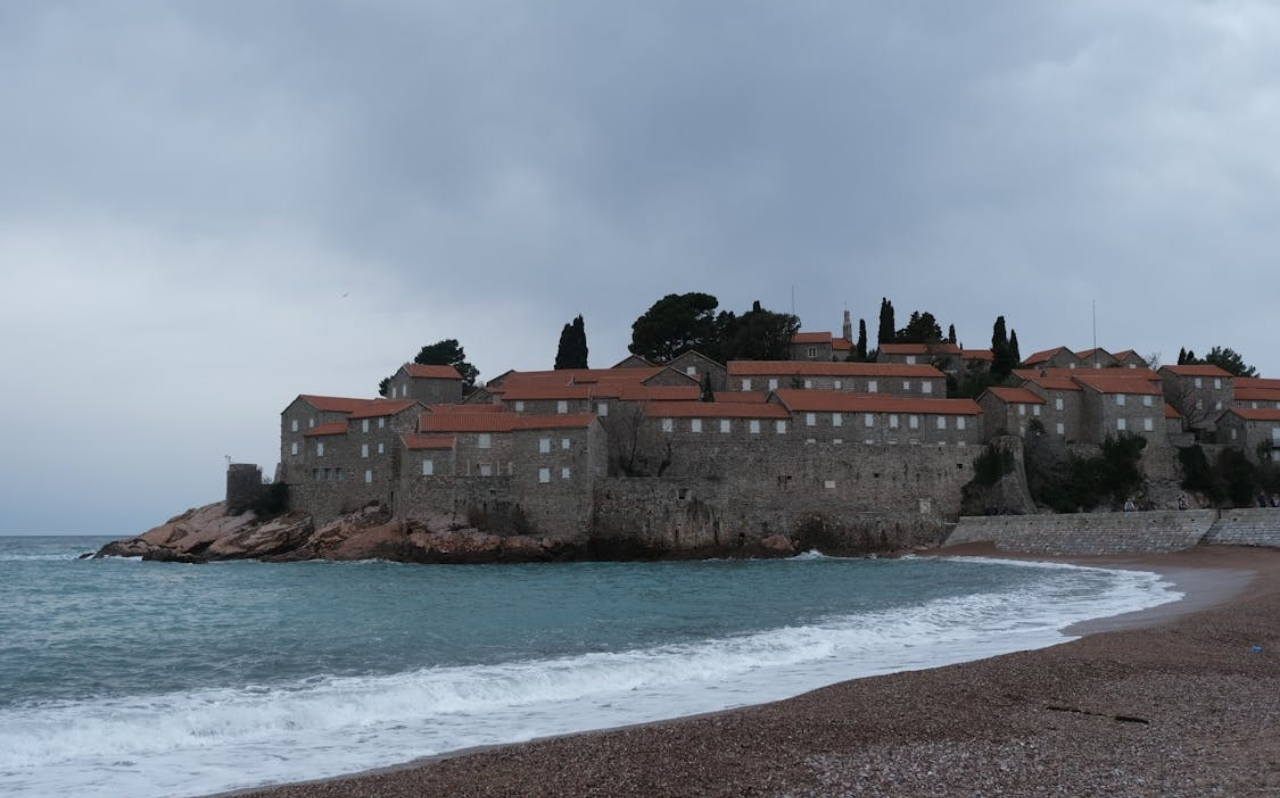
This area is famous for dramatic views.
Key points:
Iconic pebble beaches
Some areas are private or restricted
Access routes are not always obvious
It’s visually impressive but not always the easiest for casual beach hopping.
Smaller Coastal Towns and Quiet Beaches
Places like Petrovac or Perast attract travelers looking for a slower pace.
What to expect:
Fewer crowds
Limited beach choices
Less nightlife and fewer services
These areas suit longer stays, but planning matters more because options are limited.
3. Getting to Montenegro Beaches Without a Car
Many travelers visit Montenegro without renting a car. This is possible, but it requires realistic expectations.
Beaches reachable on foot or by local bus
In towns like Budva:
Several beaches are walkable
Local buses connect nearby beaches
Day trips are manageable
This setup works well for travelers who prefer simplicity.
Where taxis and ride-hailing work, and where they don’t
Taxis are common in tourist areas, but:
Prices can vary
Availability drops in quieter areas
Ride-hailing apps are not consistent everywhere
Relying on taxis alone can become inconvenient late in the day.
Common mistakes first-time travelers make
Some frequent issues include:
Underestimating walking distances
Assuming every beach has clear signage
Not checking return transport options
Beach hopping often takes longer than expected.
4. Practical Connectivity Reality at Montenegro Beaches
This is where expectations and reality often diverge.
When mobile data is realistically needed
In practice, travelers often use mobile data for:
Navigating coastal roads and paths
Finding beach access points
Checking bus schedules or directions
Booking taxis or rides back to town
These needs come up repeatedly, not just once.
Where WiFi is unreliable or unavailable
Public WiFi is usually limited to:
Hotels
Restaurants in towns
At beaches, especially smaller ones:
WiFi is rare
Signals can be weak
Café networks may not reach the shore
Relying on WiFi alone can be frustrating.
What typically goes wrong in real travel situations
First-time visitors often encounter:
Loss of signal along winding coastal roads
Maps failing to load when switching beaches
Difficulty finding transport back in the evening
These moments usually happen when travelers are tired, sunburned, or short on time.
5. When to Consider a More Reliable Setup While Exploring Montenegro Beaches
In situations like this, having a reliable travel eSIM for Montenegro can help travelers stay connected when moving between beaches or exploring less developed coastal areas.
6. Final Thoughts: Enjoying Montenegro Beaches With Fewer Surprises
Montenegro’s beaches are rewarding, but they are not effortless.
They suit travelers who enjoy exploring smaller coves, adjusting plans on the go, and moving at a flexible pace. For first-time visitors, the biggest challenge is rarely the beauty of the coastline. It is understanding how beaches are spread out, how to reach them, and what infrastructure is actually available once you arrive.
Knowing where beaches are easy to access, where facilities are limited, and when connectivity becomes part of the travel experience helps reduce unnecessary stress. With realistic expectations, Montenegro’s coast offers clear water, striking scenery, and quieter moments that feel far removed from crowded beach destinations.
7. FAQs
Are Montenegro beaches sandy or rocky?
Most beaches in Montenegro are pebble-based rather than sandy. This results in clear water but less soft shoreline space. Sandy beaches exist, but they are less common.
Which Montenegro beaches are easiest for first-time travelers?
Beaches around Budva are generally the easiest to access. Many are walkable or reachable by short bus rides. This makes the area suitable for travelers unfamiliar with the country.
Can you visit Montenegro beaches without renting a car?
Yes, especially if you stay in coastal towns like Budva or Kotor. However, reaching quieter or remote beaches without a car can take more planning and time.
Is WiFi available at most beaches in Montenegro?
WiFi is not commonly available directly at beaches. Some beach cafés may offer it, but coverage is often weak or unreliable. Travelers usually depend on mobile data.
Are Montenegro beaches suitable for long stays or remote work?
Some coastal towns are suitable for longer stays, but WiFi quality varies. Many remote workers use mobile data as a backup, especially outside major towns.
Montenegro’s beaches reward travelers who understand how the coast actually works. With realistic expectations and a bit of planning, first-time visitors can enjoy clear water, dramatic scenery, and quieter spots that feel far removed from crowded resort destinations.

Hi! Mình là Lala Wren, một content creator yêu xê dịch và đam mê chia sẻ trải nghiệm thực tế cho cộng đồng Gohub. Trong nhiều năm qua, mình đã đặt chân đến Thái Lan, Hàn Quốc, Nhật Bản, Singapore, Malaysia, Bali và nhiều điểm đến thú vị khác trên khắp châu Á. Cùng mình tìm hiểu tất tần tật từ khâu chuẩn bị eSIM, Visa, lịch trình và địa điểm nổi bật cho chuyến đi sắp tới của bạn nhé!
عرض جميع المقالات →