

Istanbul Itinerary for First-Time Travelers: How to Plan Without Feeling Overwhelmed

For first-time travelers, Istanbul often feels larger than expected.
The city stretches across Europe and Asia. It includes grand mosques, palace complexes, markets, ferry routes, hills, and modern districts. On a map, attractions appear close together. In reality, movement between neighborhoods takes time.
Many visitors arrive with long lists. They want to see Hagia Sophia, the Blue Mosque, Topkapi Palace, the Grand Bazaar, Galata Tower, a Bosphorus ferry, and the Asian side. Trying to fit everything into three days can quickly become exhausting.
This guide presents a realistic Istanbul itinerary for first-time travelers. It focuses on geography, pacing, and practical movement so the trip feels manageable rather than rushed.
TL;DR – A Simple Way to Structure Your First Istanbul Trip
Plan by zone, not by checklist.
Group Old City landmarks into one full day.
Explore Galata, Karaköy, and Taksim together.
Dedicate a half day or full day to the Asian side or a Bosphorus ferry.
Build buffer time for queues, transport, and ferry schedules.
Check closure days before planning, especially Topkapi Palace and the Grand Bazaar.
1. Why First-Time Visitors Often Overplan Istanbul
The City Looks Compact on a Map
Digital maps compress distance.
Hagia Sophia and Galata Tower seem close. Walking between them involves bridges, tram lines, and hills. With crowds, the journey takes longer than expected.
Switching between the European and Asian sides requires ferry crossings or long bridge routes. These are scenic. But they are not instant.
Major Attractions Require Time
Some landmarks are not short stops.
Topkapi Palace can easily take two to three hours to explore. It is typically closed on Tuesdays, according to official museum information:
https://muze.gen.tr/muze-detay/topkapi
Hagia Sophia functions as an active mosque. Visitor access can vary depending on prayer times and seasonal policies. It is important to check official updates before visiting:
https://hagia-sophia.org/hours/
The Grand Bazaar is traditionally closed on Sundays. Confirming this detail before planning helps avoid disappointment.
Each of these sites demands time and patience.
Transport Adds Hidden Time
Istanbul’s tram, metro, and ferry systems are extensive and generally reliable. Official route information is available via Metro Istanbul:
https://www.metro.istanbul
However, transfers and waiting time add up.
Over three days, multiple small commutes can turn into several hours of movement.
2. The Simple Planning Framework
Pick Your Base First
Accommodation location shapes your itinerary.
If staying near Sultanahmet, begin with Old City highlights early in the morning.
If staying near Taksim, plan evenings around that area and group nearby districts together.
Building days around your base reduces unnecessary commuting.
For a deeper breakdown of neighborhoods and what they feel like for first-time visitors, see our guide on
Best Area to Stay in Istanbul for First-Time Visitors.
Think in Zones
Divide the city into practical zones:
Old City (Sultanahmet and Eminönü)
Golden Horn and Galata
Modern Beyoğlu and Taksim
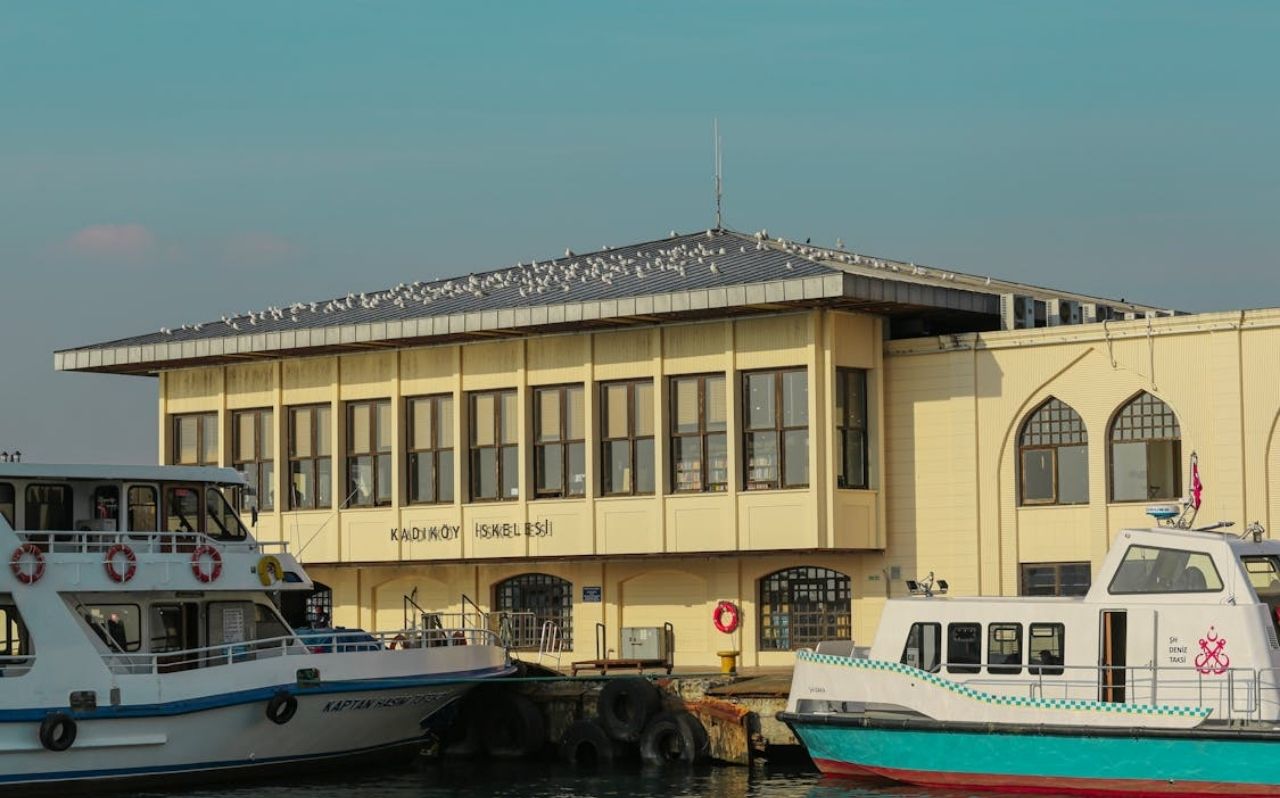
Asian side (Kadıköy)
Plan each day within one zone whenever possible.
Choose Your Pace
Not every trip needs the same rhythm.
Three days: focus on highlights.
Four days: add neighborhoods and slower exploration.
Five days: include markets, viewpoints, and food experiences without rushing.
3. A Realistic 3-Day Istanbul Itinerary
This plan assumes three full days and moderate pacing.
Day 1 – Old City (Sultanahmet and Eminönü)
Morning
Hagia Sophia
Blue Mosque
Sultanahmet Square
Arriving early reduces queue times and allows quieter exploration.
Midday
Topkapi Palace
Avoid scheduling this visit on Tuesday. The palace complex requires time to explore fully.
Afternoon
Basilica Cistern
Grand Bazaar
Remember that the Grand Bazaar is typically closed on Sundays.
Evening
Walk along Eminönü waterfront
View Galata Bridge at sunset
This day works well because most attractions are within walking distance.
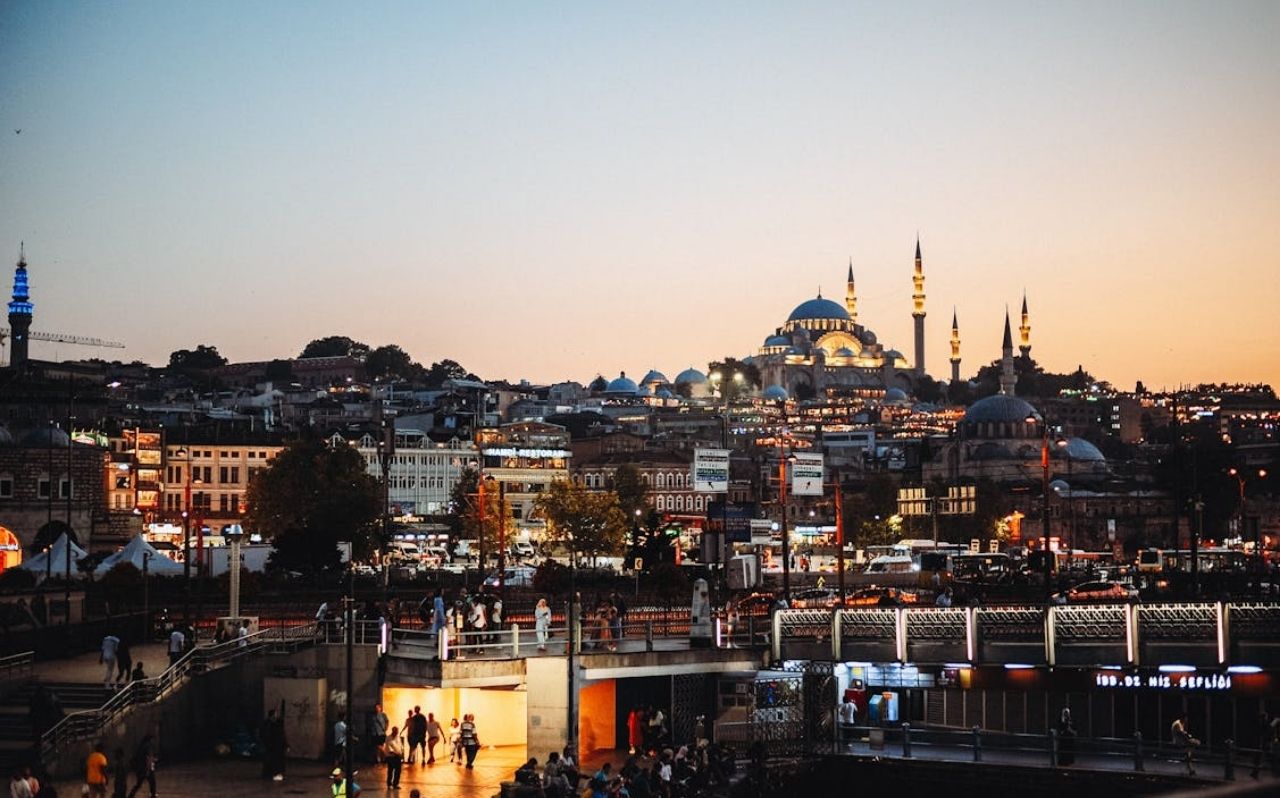
Day 2 – Galata, Karaköy, and Taksim
This day shifts north across the Golden Horn.
Morning
Walk across Galata Bridge
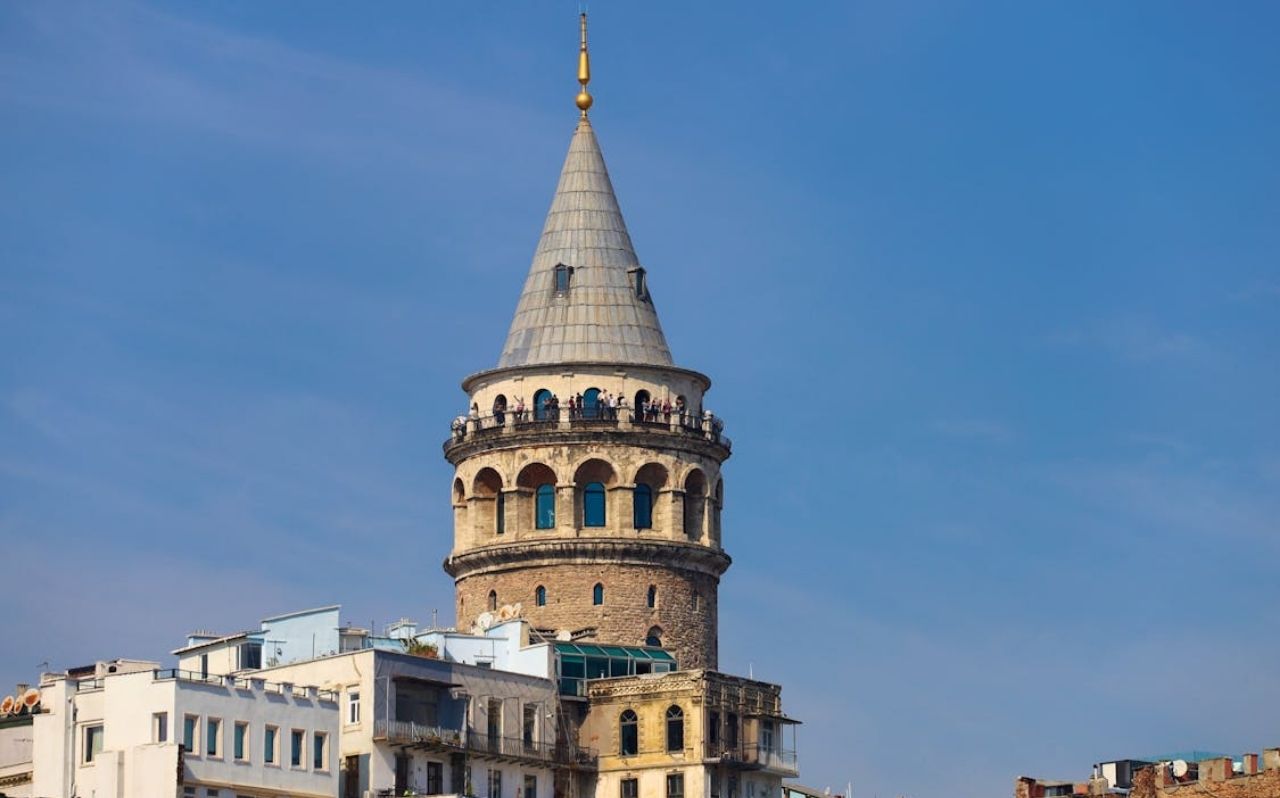
Visit Galata Tower area
The climb toward Galata includes hills. Comfortable footwear helps.
Midday
Lunch in Karaköy
Explore waterfront streets
Afternoon
Tram or walk toward Taksim
Explore Istiklal Street
Taksim Square connects to major metro lines. It offers a different atmosphere from the Old City.
Evening
Dinner in Beyoğlu
Sunset viewpoints if energy allows
Keeping this entire day within one connected area reduces transport complexity.
Day 3 – Choose One: Asian Side or Bosphorus Day
Instead of adding more monuments, use this day to experience the city’s broader geography.
Option A: Asian Side (Kadıköy)
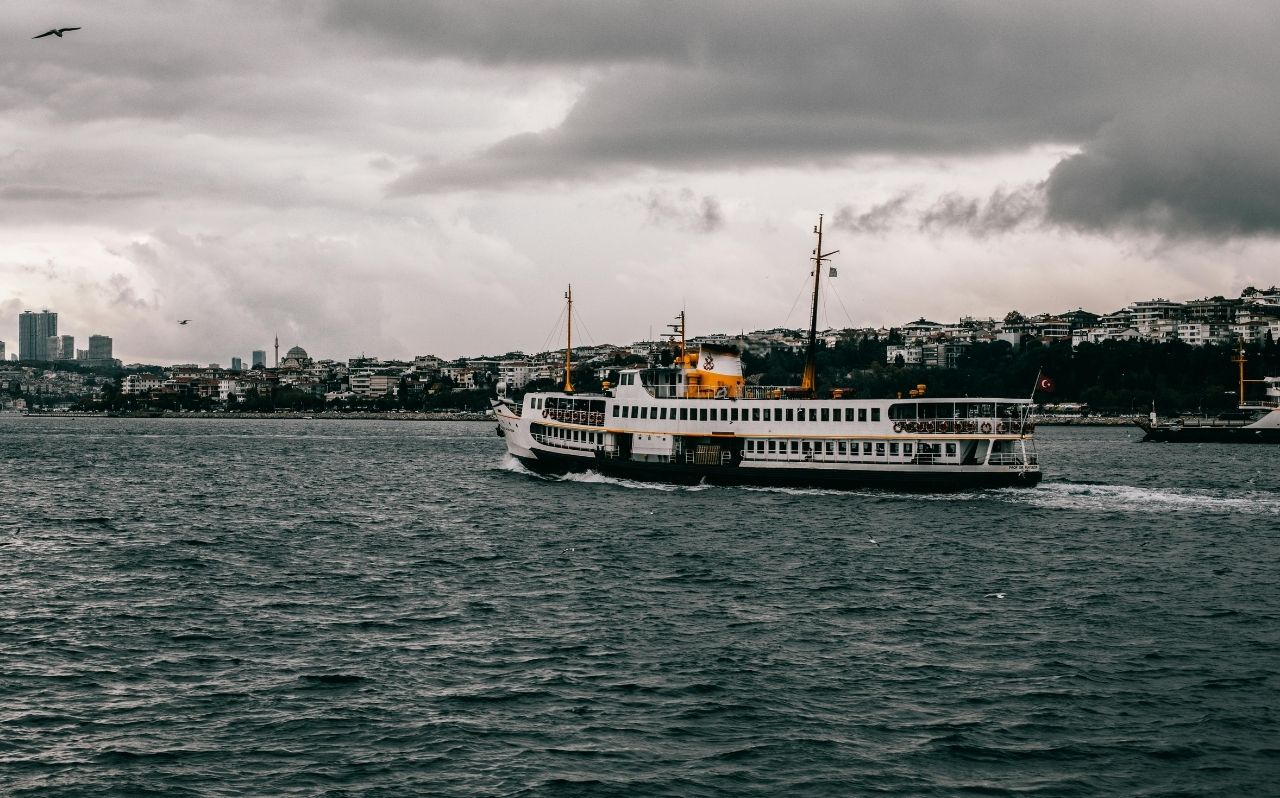
Take a ferry from Eminönü or Karaköy
Explore Kadıköy market
Walk along the waterfront
Ferry schedules are available via the official City Lines site:
https://www.sehirhatlari.istanbul
Checking departure times before heading to the dock prevents unnecessary waiting.
Option B: Bosphorus Ferry Experience
Take a scenic ferry along the Bosphorus
Enjoy waterfront views and neighborhoods
Use this as a slower-paced day
This option balances two monument-heavy days.
If You Have 4–5 Days
Adding one or two extra days allows flexibility.
Day 4 Ideas
Explore Balat and Fener neighborhoods
Visit Ortaköy for Bosphorus views
Spend time in museums or relax in a traditional hammam
Day 5 Ideas
Return to a favorite area
Focus on food exploration
Spend time shopping, remembering that the Grand Bazaar closes on Sundays
More time allows breathing room. It does not require doubling the number of attractions.
4. Practical Connectivity Reality in Istanbul
Planning is only one part of the trip. Movement through the city requires coordination.
Airport Arrival
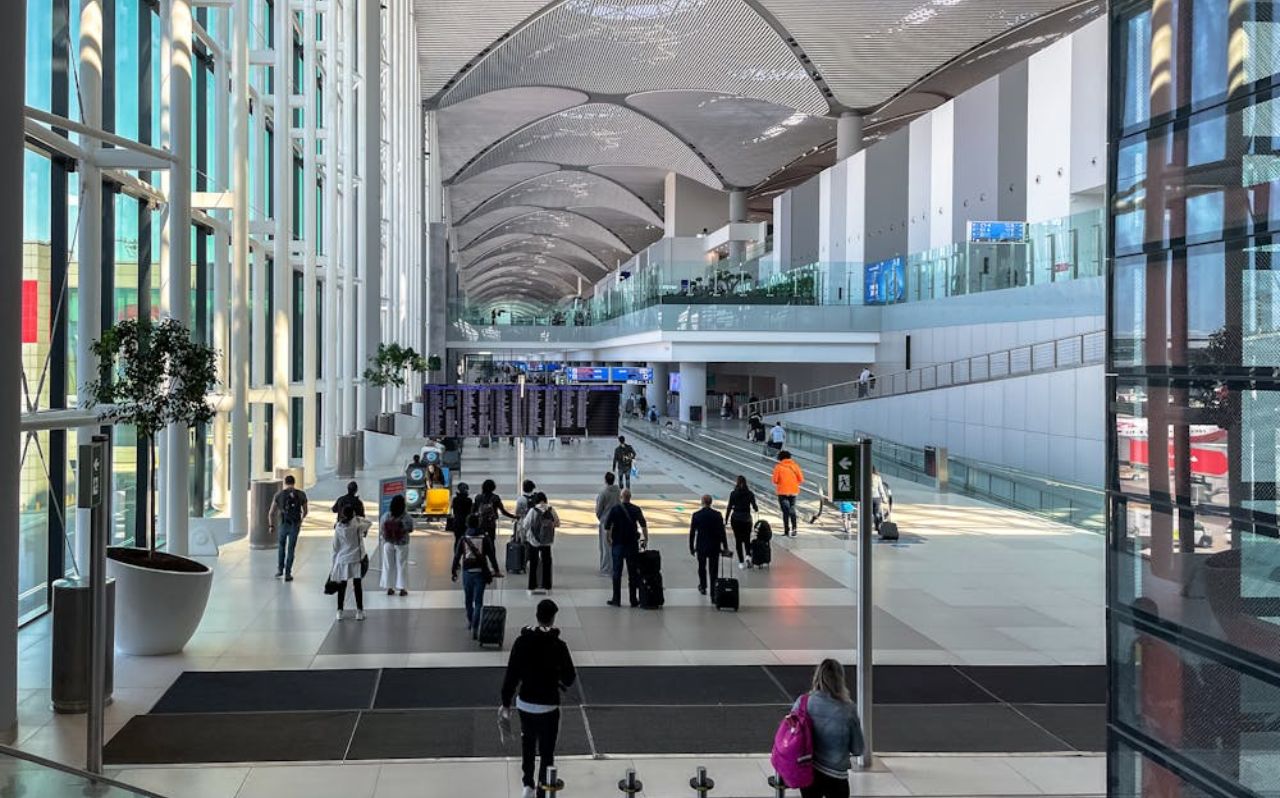
Istanbul Airport is large and busy. Official airport information can be found here:
https://www.istairport.com
After landing, travelers often need:
Transfer details
Bus routes
Hotel directions
Ride-hailing apps
Airport WiFi is available but may require SMS verification. This can create friction for international visitors.
Tram, Metro, and Ferry Navigation
Istanbul’s transport network is extensive.
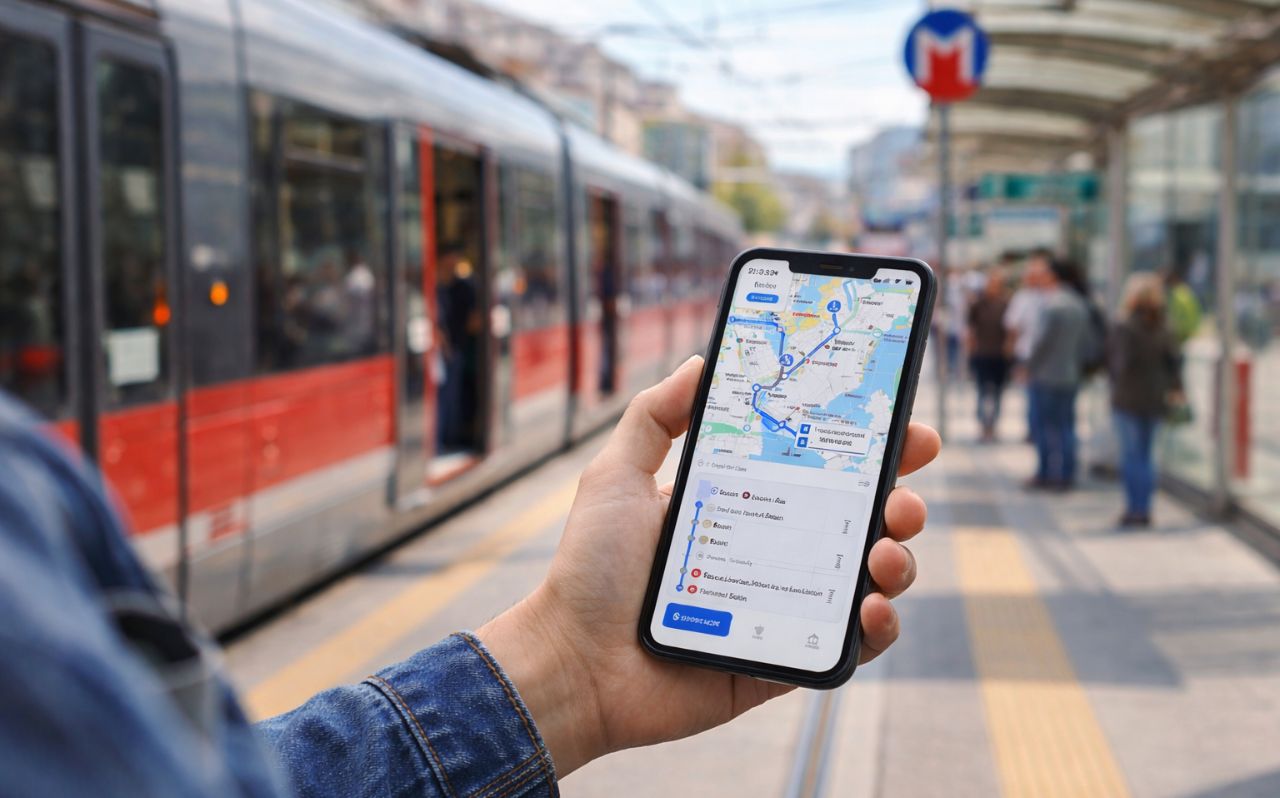
Travelers commonly check:
Correct tram direction
Metro transfer stations
Ferry departure times
Offline maps help. Real-time updates reduce confusion when lines are delayed or crowded.
Public WiFi Limitations
Cafés and hotels provide WiFi.
However:
Speeds vary during peak hours.
Connections disappear once you leave the building.
There is no WiFi while walking between attractions.
In practice, mobile data supports navigation, translation apps, transport updates, and ticket confirmations throughout the day.
5. When to Consider a More Reliable Setup
If your itinerary stays within one compact district, minimal connectivity may be manageable.
However, first-time visitors often:
Cross between neighborhoods daily
Use ferry systems
Arrive late at night
Navigate multiple tram and metro lines
In situations like this, having a reliable travel eSIM for Turkey can help reduce stress and make it easier to follow your itinerary without relying on public WiFi.
The goal is not constant usage. It is dependable access during movement.
6. FAQ
How many days do first-time travelers need in Istanbul?
Three full days cover major landmarks at a steady pace. Four to five days allow exploration of additional neighborhoods and slower travel.
Is Topkapi Palace closed on Tuesdays?
Yes, Topkapi Palace is typically closed on Tuesdays. Always confirm current schedules on official museum websites before planning.
Is the Grand Bazaar open on Sundays?
The Grand Bazaar is generally closed on Sundays. Checking current opening days in advance helps avoid schedule changes.
Can I visit both sides of Istanbul in one day?
Yes, but it requires planning. Ferry schedules and travel time should be factored in to avoid rushing.
Do I need mobile data for an Istanbul itinerary?
Many travelers find mobile data helpful for navigation, ferry schedules, and ride-hailing apps. Public WiFi exists but is not consistently available while moving between areas.
7. Final Thoughts – Plan by Zone, Travel with Margin
A well-structured Istanbul itinerary is less about fitting everything in and more about reducing friction.
Group landmarks by neighborhood. Leave space between major sites. Account for queues, ferry schedules, and transport transfers. Small buffers make a big difference over three days.
Not every attraction needs to happen on the first visit. Istanbul rewards focus. When each day has a clear geographic anchor, movement feels lighter and decisions feel simpler.
With realistic pacing and practical planning, the city becomes easier to navigate and far more enjoyable to experience.

Hi! Mình là Lala Wren, một content creator yêu xê dịch và đam mê chia sẻ trải nghiệm thực tế cho cộng đồng Gohub. Trong nhiều năm qua, mình đã đặt chân đến Thái Lan, Hàn Quốc, Nhật Bản, Singapore, Malaysia, Bali và nhiều điểm đến thú vị khác trên khắp châu Á. Cùng mình tìm hiểu tất tần tật từ khâu chuẩn bị eSIM, Visa, lịch trình và địa điểm nổi bật cho chuyến đi sắp tới của bạn nhé!
عرض جميع المقالات →