

Best Time to Visit Lofoten Islands: Seasons & Weather

Choosing the best time to visit the Lofoten Islands really depends on what kind of trip you want: long hiking days, snowy aurora nights, quiet villages, or lower prices. This guide breaks down the best time to visit Lofoten by experience, season, and month so you can match your dates to your priorities.
Quick Answer: It Depends on Your Trip Style
There is no single “perfect month” for everyone, because Lofoten changes drastically with the seasons. In short, summer (mid‑June–August) is best for hiking, road trips, and the classic green‑mountain, white‑beach postcard views. Winter (November–March) is best if you dream of northern lights and snow‑covered peaks and do not mind storms and short days.
If you hate crowds and want a more local feel, late May and September–early October give a good balance of open services, fewer tour buses, and slightly softer prices, at the cost of more changeable weather.
Month | Best For | Notes |
|---|---|---|
February–March | Northern lights, snow, photography | Dark nights with more daylight than December |
Late May | Fewer crowds, long days | Some trails may still have snow |
June–August | Hiking, road trips, midnight sun | Best weather but highest prices |
September | Photography, fewer crowds, early aurora | More rain and changeable weather |
October | Autumn mood, surfing, quiet villages | Stormier and less predictable |
Understanding Lofoten’s Seasons
Light, Midnight Sun and Polar Night
Lofoten’s light is just as important as its temperature. Around late May to mid‑July, the sun never really sets, giving weeks of midnight sun and almost 24‑hour daylight. In early winter, roughly early December to early January, you get the opposite: a polar night period when the sun does not rise above the horizon, though you still get a few hours of blue‑hour twilight.
This extreme light variation is why summer is ideal for people who want to pack in hikes and drives, while winter is for guests who are happy to embrace short days in exchange for aurora and a cozy Arctic atmosphere.
Weather and Temperatures Through the Year
Despite its northern latitude, Lofoten is relatively mild thanks to the Gulf Stream, but the weather is famously unpredictable. In July and August, daytime temperatures often hover around 12–18°C, with occasional warmer days, and snow has mostly melted from popular hiking trails. In January and February, temperatures are often just above or below freezing, but wind and storms can make it feel much colder and can disrupt travel plans.
Rain and strong winds are common in autumn (September–October), which is one reason locals warn visitors to be flexible with their itineraries. Whatever the month, you should plan for quick shifts between sun, rain, fog and low cloud and always pack layers plus a waterproof shell.
Best Time by Experience
Best Time for Hiking and Outdoor Adventures
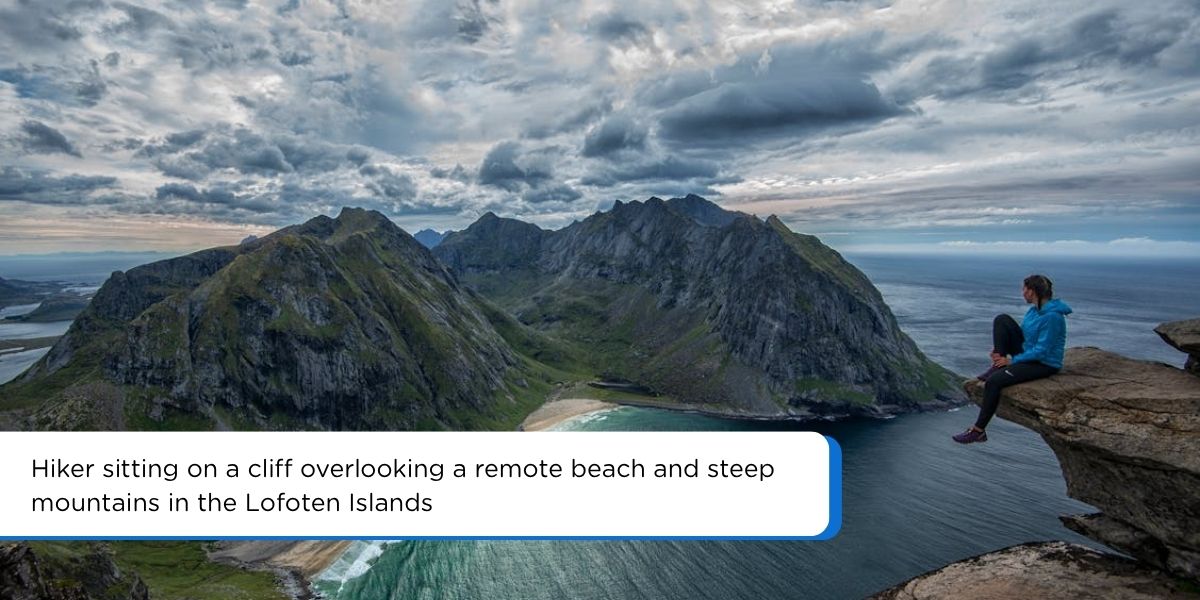
If your priority is hiking, ridge walks, and long days outside, aim for mid‑June to late August. By this time most lower‑ and mid‑elevation trails are clear of snow, mountain passes are more accessible, and almost all campsites, rorbu cabins, and local businesses are open.
July typically offers the most stable combination of warmth and trail conditions, but it is also the busiest and most expensive month. August can be an excellent “best of both worlds” option, with great hiking, slightly fewer crowds, and the first hints of early autumn colours.
eSIM for Hiking & Road Trips
Summer hiking and road trips in Lofoten depend heavily on checking live weather, wind, and ferry schedules day by day. Setting up a Norway eSIM before you arrive means you can use navigation apps, trail maps, and weather forecasts anywhere you have a signal, instead of relying on patchy Wi‑Fi at remote cabins or campgrounds.
Best Time for the Midnight Sun
If you want to experience the midnight sun, the sweet spot is roughly early June to early July, when the sun stays above the horizon all night and the sky glows in pastel colors through the "night." This is ideal for photographers and hikers who like the idea of starting a summit or beach hike at 10 or 11 pm with full daylight.
Best Time for Northern Lights and Snowy Landscapes
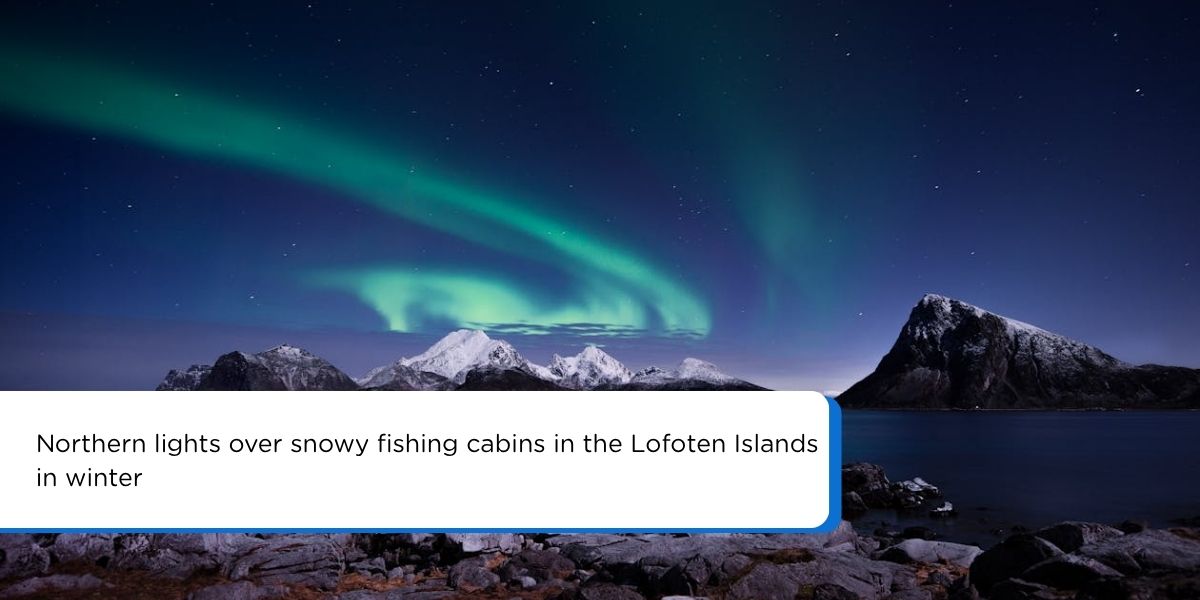
For most travelers, the best window for northern lights and snowy scenery is February and March. The nights are still dark enough for strong aurora displays, but there are more usable daylight hours than in December and early January, and snow tends to be more stable on the mountains.
Aurora season in Lofoten generally runs from late August to early April, but you cannot see northern lights from late spring through midsummer because the sky is too bright during the midnight sun period.
eSIM for Aurora & Winter Safety
Winter in Lofoten is beautiful but can be harsh: storms, icy roads, and sudden ferry or flight cancellations are common. Having reliable mobile data lets you check aurora forecasts, cloud cover, road closures, and ferry status in real time and stay in touch with tour operators or hosts when plans change.
Best Time to Avoid Crowds and Save Money
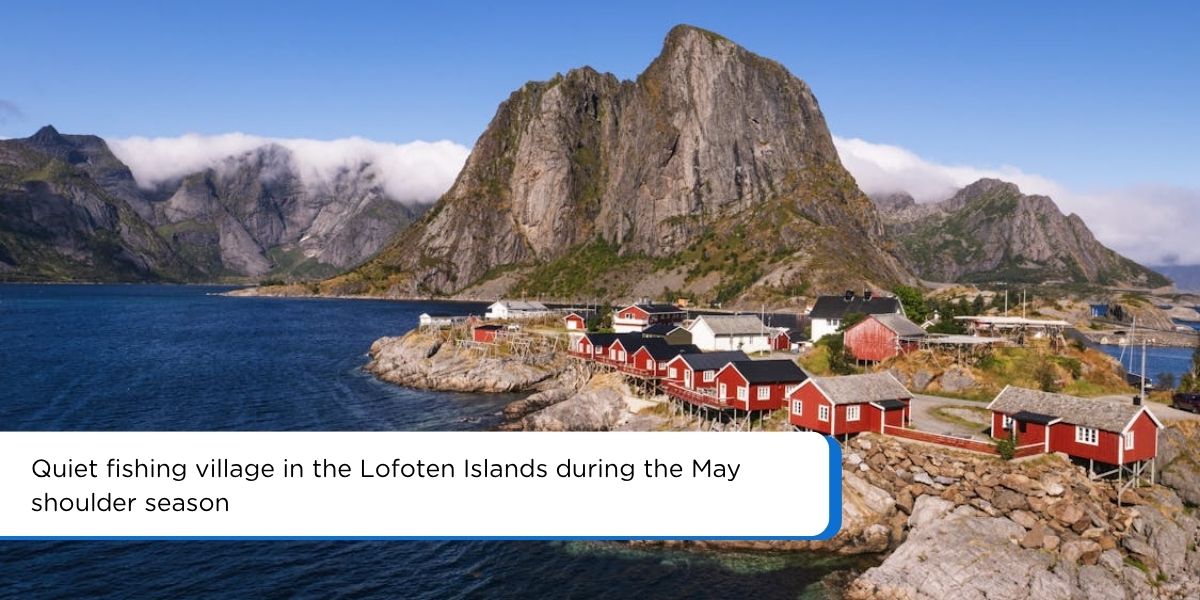
If you dislike crowds and peak‑season prices, consider late May or September to early October. In late May, many services have reopened for the season, days are long, and the islands feel much calmer than in July. In September, the big summer crowds are gone, some trails are still walkable, and northern lights return, though rain and storms are more frequent.
Accommodation and rental prices often ease off outside July–August, making these months appealing for budget‑minded travellers who can roll with unstable weather.
Best Time for Photography and Surfing
Photographers often favor March and September–October for the combination of dramatic light, changeable weather and snow‑dusted peaks. Storm clouds, low sun angles, and fast‑moving conditions can create several different moods in a single day.
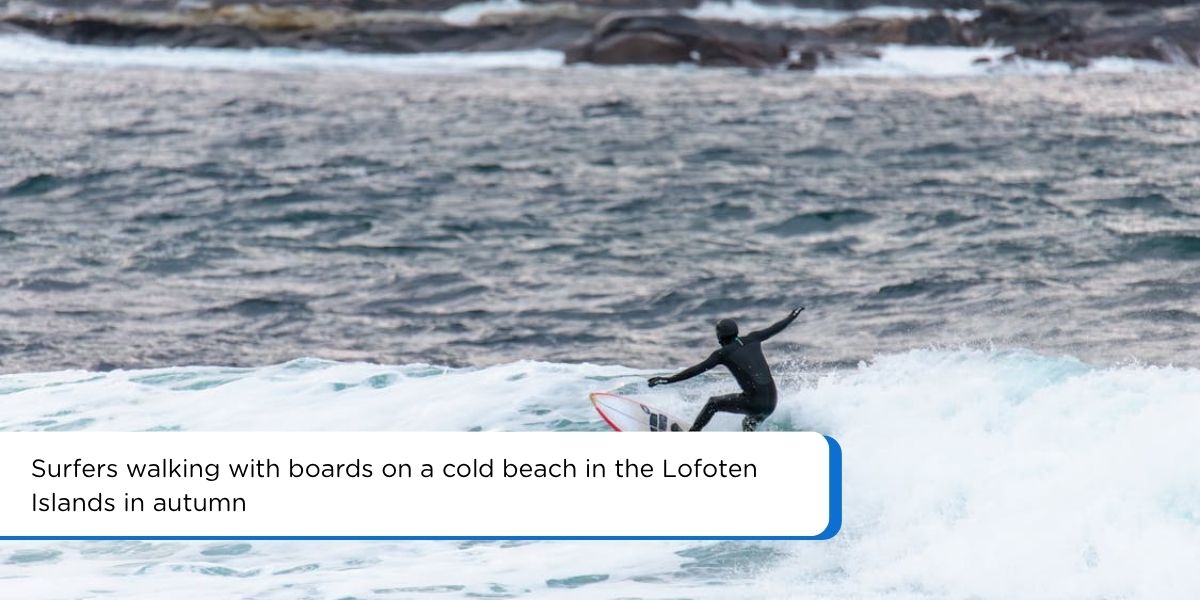
For surfing, autumn and winter (roughly September–March) bring stronger swells to spots like Unstad, though water temperatures are cold year‑round and conditions can be challenging even for experienced surfers.
Season‑by‑Season Overview
Summer (June–August)
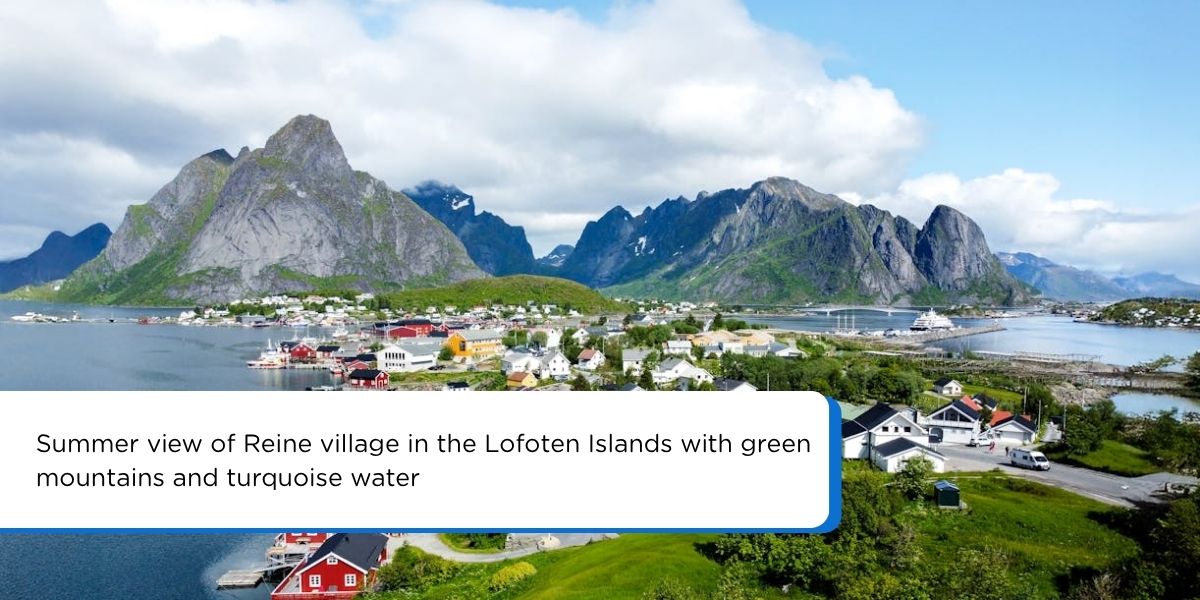
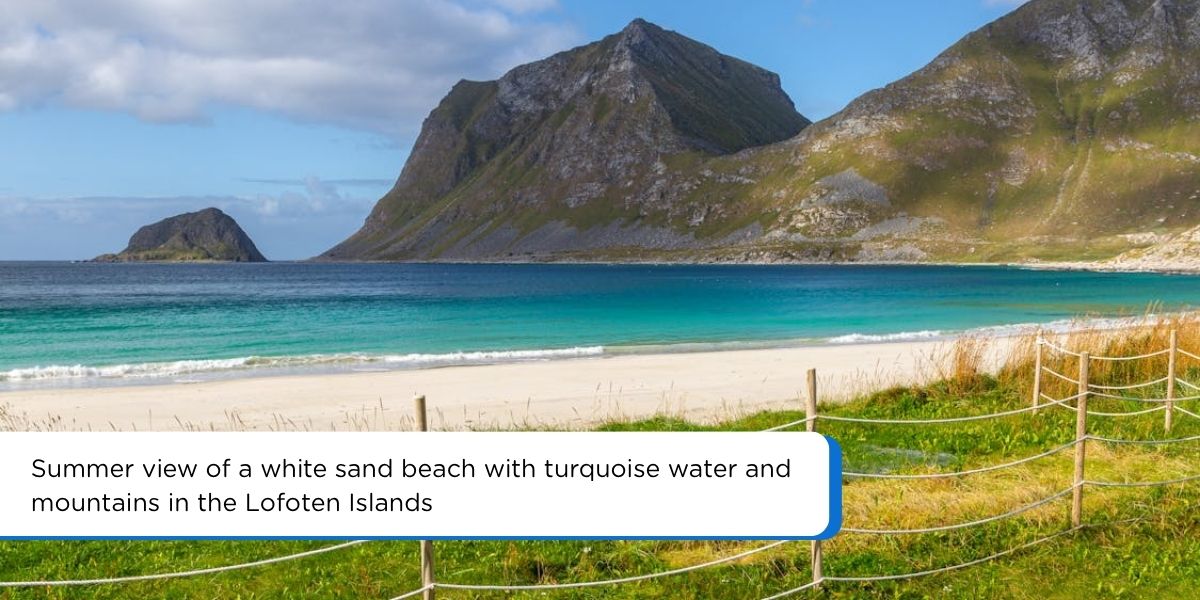
Summer brings long days, green mountains, accessible trails, and the iconic turquoise beaches that Lofoten is famous for. It is the easiest season for road trips and multi-stop itineraries because most ferries, tourist services, and activities operate at full capacity.
On the downside, July and early August can feel very crowded in popular villages and at famous viewpoints, and you should expect higher prices for accommodation and rental cars.
Winter (November–March)
Winter delivers snowy peaks, low golden light, and some of the best aurora opportunities, especially between January and March. The atmosphere is magical, but practical challenges are real: short days, storms, and icy roads can cause delays, and some remote roads or hikes may be inaccessible.
This season suits travelers who prioritize photography, northern lights, and cozy cabin stays over a packed activity schedule and who are comfortable driving in winter conditions or booking guided tours.
Spring (April–May)
Spring is a transitional period. In April, snow often lingers on the mountains while lower areas start to thaw, and it is essentially the tail end of aurora season. May brings more greenery, stronger waterfalls, and rapidly lengthening days, with late May already offering midnight‑sun‑style light but without peak‑summer crowds.
Weather can be mixed and trails at higher elevations may still be partly snow‑covered, so spring is best for flexible visitors who value quiet over guaranteed hiking conditions.
Autumn (September–October)
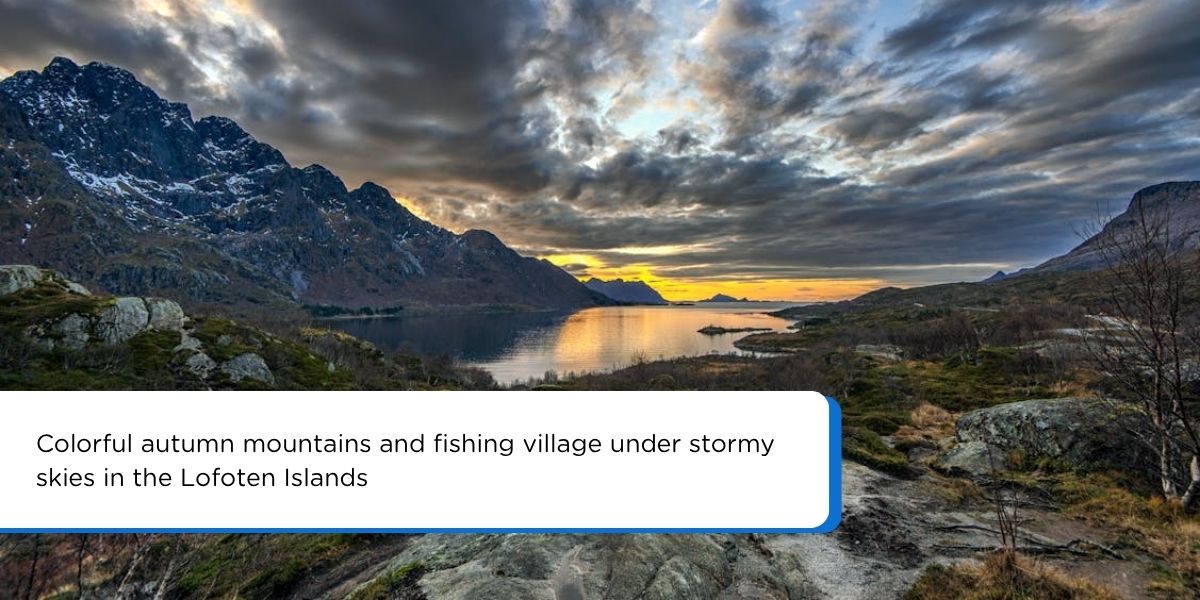
Autumn brings colorful foliage, cool crisp air, and the return of dark nights for aurora chasing. September can still allow some hiking while offering far fewer tourists than July, making it a favorite with many photographers and slow travelers.
However, this is also one of the rainiest and stormiest periods of the year, so you should expect frequent weather changes, rough seas and the possibility of cancelled ferries or tours.
Choosing Your Dates and Staying Connected
In the end, the best time to visit Lofoten comes down to your priorities: pick July–August for easy hiking and long days, February–March for aurora and snow, or late May and September for quieter, more affordable trips with a bit of everything. Whatever you choose, build flexibility into your itinerary and expect the weather to change quickly.
Because conditions and schedules can shift in just a few hours, setting up a Norway eSIM before you land makes it much easier to monitor forecasts, road conditions, and northern lights alerts and to adjust plans without wasting precious time on your Arctic adventure.
If you are still deciding where to go, check out our guide to the best places to visit in Norway for more ideas beyond Lofoten.

Hi! Mình là Lala Wren, một content creator yêu xê dịch và đam mê chia sẻ trải nghiệm thực tế cho cộng đồng Gohub. Trong nhiều năm qua, mình đã đặt chân đến Thái Lan, Hàn Quốc, Nhật Bản, Singapore, Malaysia, Bali và nhiều điểm đến thú vị khác trên khắp châu Á. Cùng mình tìm hiểu tất tần tật từ khâu chuẩn bị eSIM, Visa, lịch trình và địa điểm nổi bật cho chuyến đi sắp tới của bạn nhé!
Alle Artikel ansehen →Related articles
Was man im August 2026 in Spanien unternehmen kann: Festivals, Strände und kühlere Rückzugsorte
Planen Sie Ihre Spanienreise im August: unumgängliche Festivals 2026 wie La Tomatina, Küstenorte, kühlere Rückzugsorte im Norden, Tipps zur Hitzebewältigung und wie Sie in Menschenmengen verbunden bleiben.
3 Dinge, die Sie vor einem Besuch Italiens im Spätsommer wissen müssen
Sie besuchen Italien im Spätsommer? Erfahren Sie, wie Ferragosto-Schließungen, anhaltende Hitze und wechselnde Menschenmassen an den Küsten Ihre Reise beeinflussen können.

Warum ist Griechenland im August so überfüllt? 5 Gründe erklärt
Warum ist Griechenland im August so überfüllt? Entdecken Sie, was die Hochsaison antreibt, wo sich die Menschenmassen konzentrieren und wie Sie eine bessere griechische Sommerreise planen können.