

جاري تحميل الصفحة، يرجى الانتظار...
Saudi Arabia is changing fast.
In just a few years, the Kingdom has opened up to international travelers, revealing landscapes and heritage sites that were previously difficult to access.
For first-time visitors, this is both exciting and confusing.
On one hand, Saudi Arabia offers ancient archaeological wonders, ultra-modern cities, and a relaxed Red Sea coastline. On the other, the country is vast, distances are long, and many of the most famous attractions sit far outside city centers.
This guide is written for first-time travelers who want to understand what visiting Saudi Arabia actually feels like on the ground.
It focuses on the three main tourism hubs most itineraries are built around, along with practical realities that travelers commonly face while moving between them.
TL;DR
• Saudi Arabia is vast — travel between AlUla, Riyadh, and Jeddah often requires domestic flights or long drives.
• Many iconic attractions sit outside city centers, including desert heritage sites and cliff viewpoints.
• AlUla offers ancient Nabataean tombs and dramatic sandstone landscapes.
• Riyadh blends historic Najdi architecture with modern skyscrapers and large-scale entertainment districts.
• Jeddah provides a more relaxed pace along the Red Sea, with coral-stone heritage buildings and coastal promenades.
• Reliable mobile data becomes essential for navigation, ride-hailing, ticket confirmations, and long-distance travel planning.
Saudi Arabia is not difficult to visit, but it does require a different mindset from more compact destinations.
The most common challenge is scale.
Major attractions are spread across thousands of kilometers, and travel between regions often involves domestic flights or long drives.
Another factor is location.
Many iconic sites are not located inside cities. Places like AlUla’s heritage zones or the cliffs near Riyadh require planning, transport, and time buffers.
First-time travelers often underestimate:
How long it takes to move between hubs
How limited services can be outside urban areas
How frequently navigation, confirmations, and updates are needed while on the move
Understanding this context upfront makes the experience far more relaxed.
Most first-time itineraries revolve around three regions.
Each offers a very different side of the country.
AlUla is Saudi Arabia’s premier heritage destination.
It is known for dramatic desert landscapes, sandstone formations, and more than 7,000 years of human history.
Unlike large cities, AlUla is usually visited as a focused destination rather than a quick stop. Many travelers spend two to four days here.
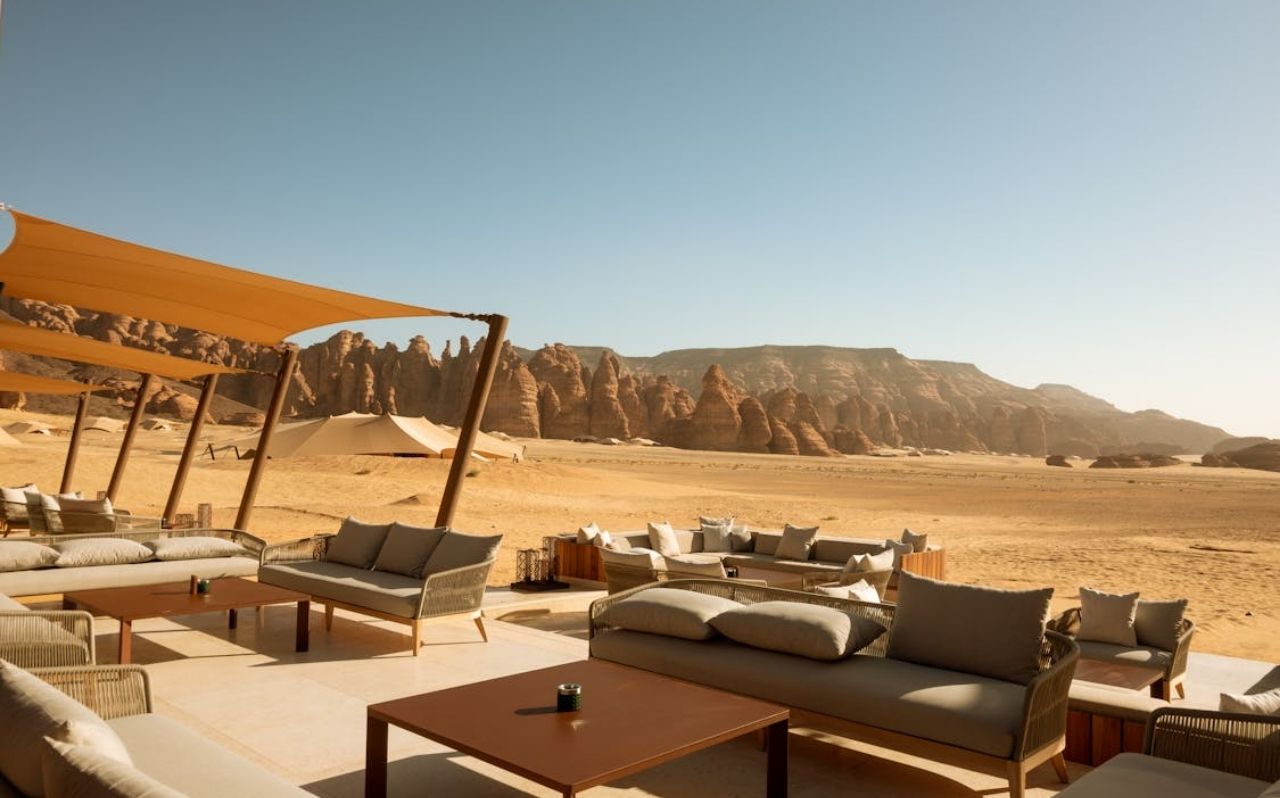
Hegra is the country’s first UNESCO World Heritage Site.
It features over 110 tombs carved directly into sandstone cliffs by the Nabataeans.
The site is spread across a wide desert area. Access is typically managed through organized transport and guided routes to protect the monuments.
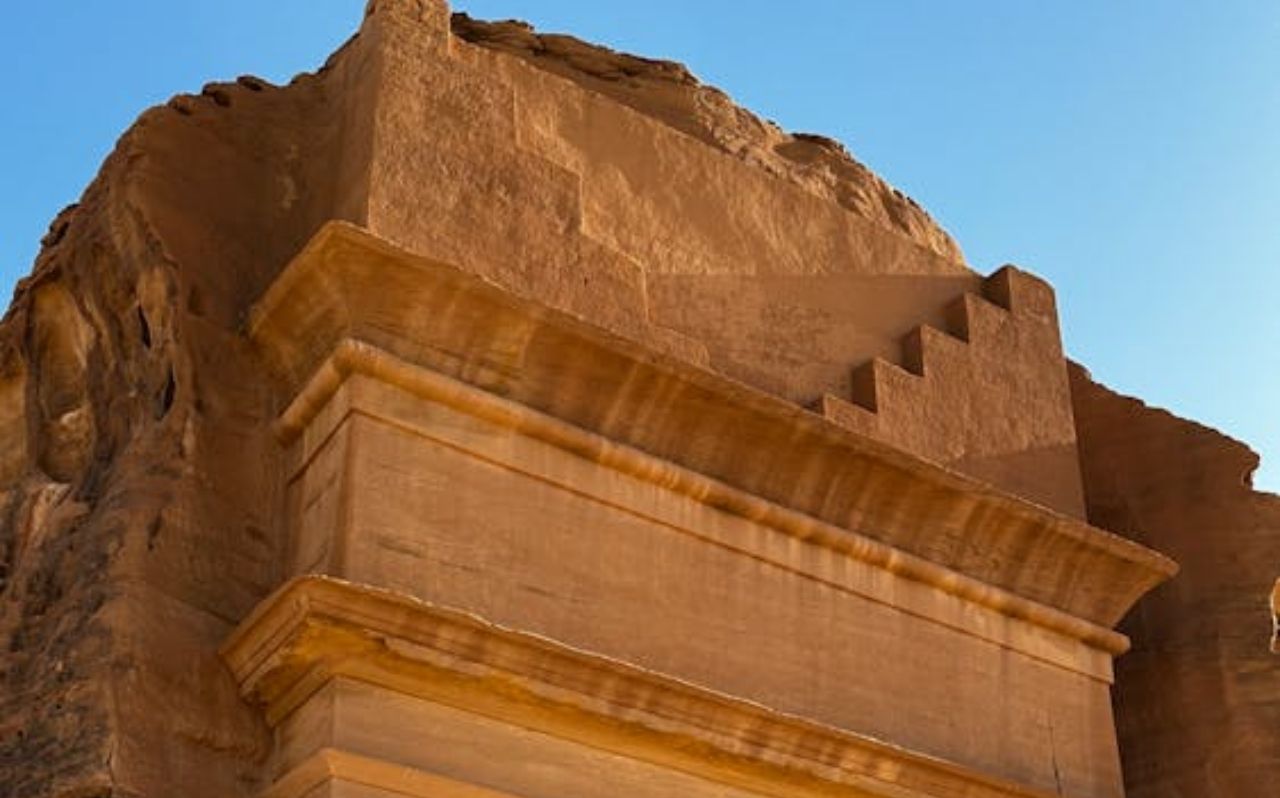
Elephant Rock is a natural sandstone formation shaped like an elephant.
Standing around 52 meters high, it has become one of AlUla’s most recognizable landmarks.
It is especially popular at sunset, when food trucks and seating areas create a relaxed atmosphere. Outside these designated zones, facilities are limited.
Maraya is the world’s largest mirrored building.
It reflects the surrounding desert and mountains and functions as a concert hall and cultural venue.
Events are scheduled throughout the year, and visiting times often depend on programming.
AlUla’s Old Town consists of nearly 900 historic mud-brick houses arranged in narrow lanes.
Nearby, the AlJadidah district focuses on contemporary art, dining, and cafes.
The area is compact, but signage can be minimal, and walking routes are not always intuitive.
Harrat Viewpoint sits at 1,219 meters above sea level.
It offers sweeping views over the AlUla valley, green oases, and surrounding mountains.
Most visitors reach it by car or organized transport.
Riyadh is often the first stop for international travelers.
It balances traditional Najdi heritage with futuristic skyscrapers and large-scale entertainment districts.
The city is expansive, and travel times between attractions can be longer than expected.
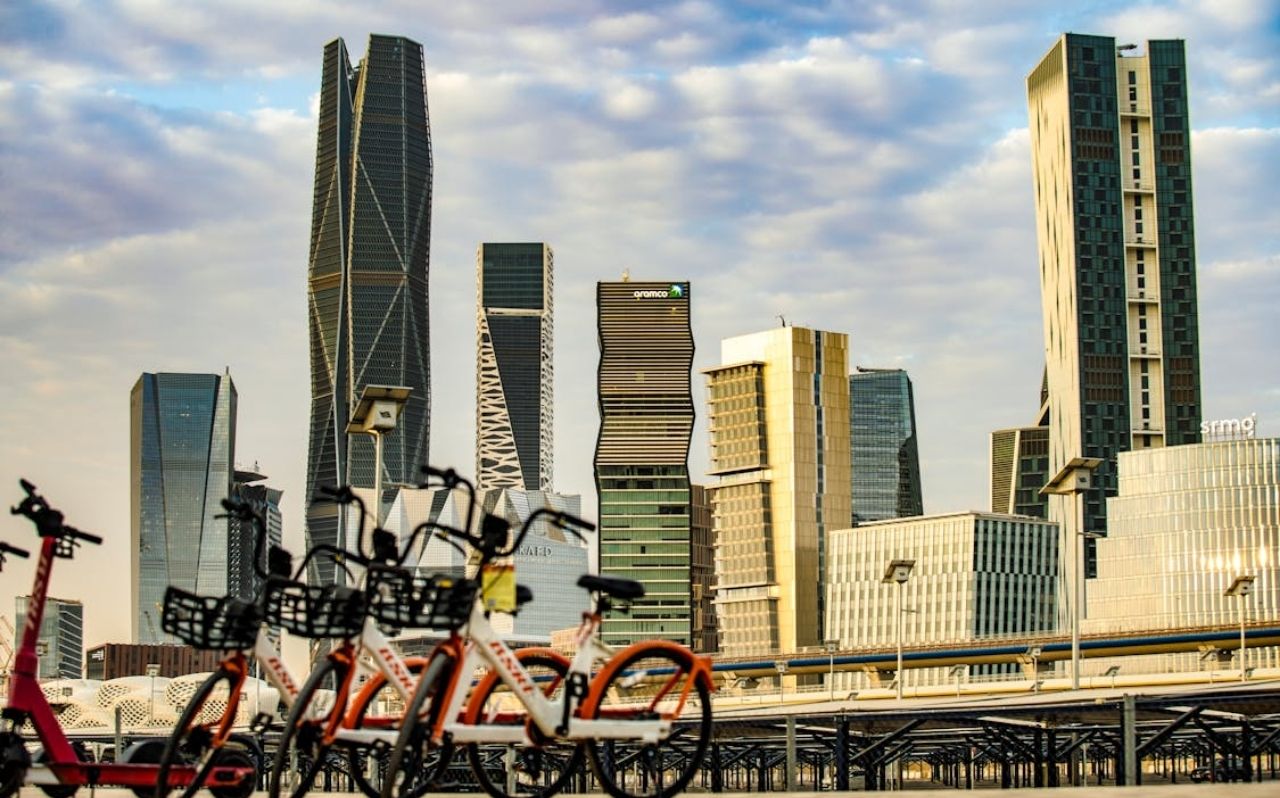
Diriyah is a UNESCO World Heritage Site and the ancestral home of the Saudi royal family.
Visitors can explore restored mud-brick palaces, museums, and the nearby Bujairi Terrace, which offers dining with views of the historic area.
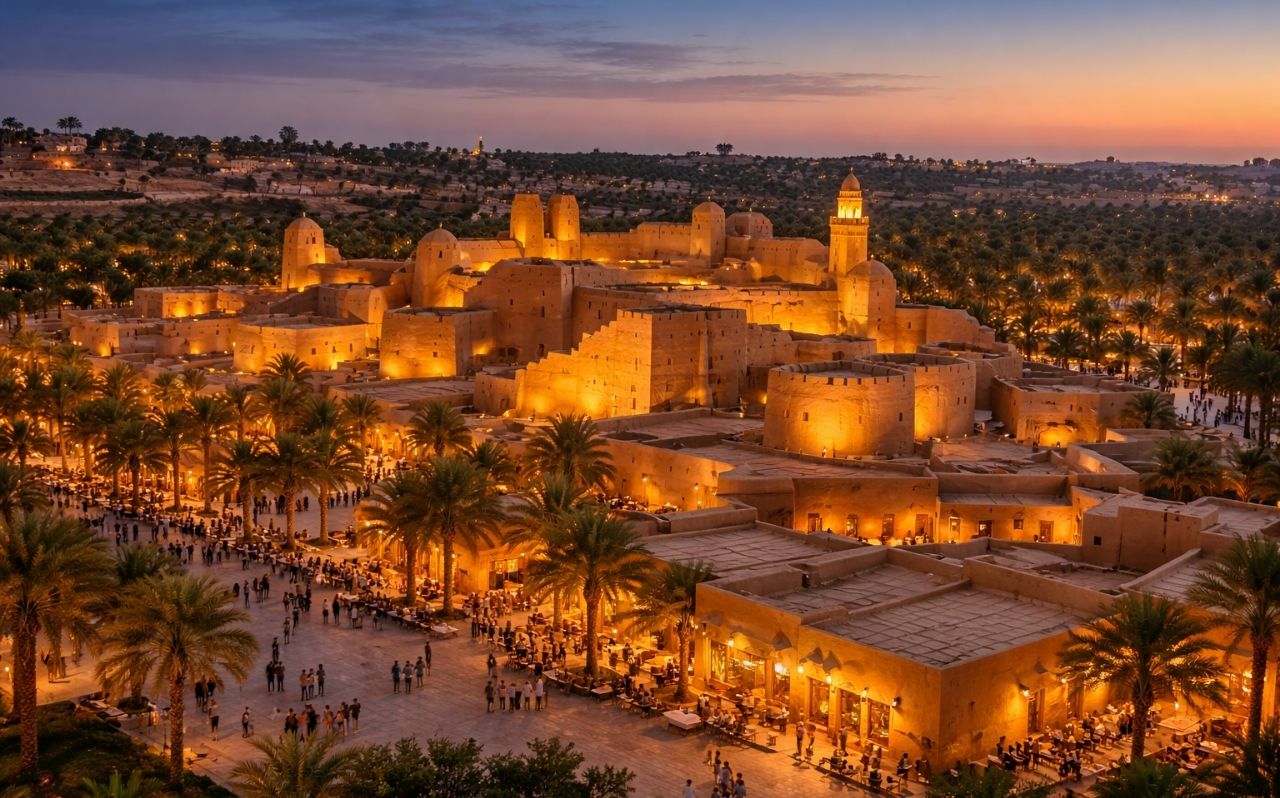
Kingdom Center Sky Bridge sits atop a 302-meter tower.
It provides panoramic views of Riyadh’s skyline and is especially popular in the evening.
Masmak Fortress is a 19th-century mud-brick fortress in old Riyadh.
It houses a museum detailing the unification of the Kingdom.
The surrounding area is busy, and pedestrian crossings can require patience.
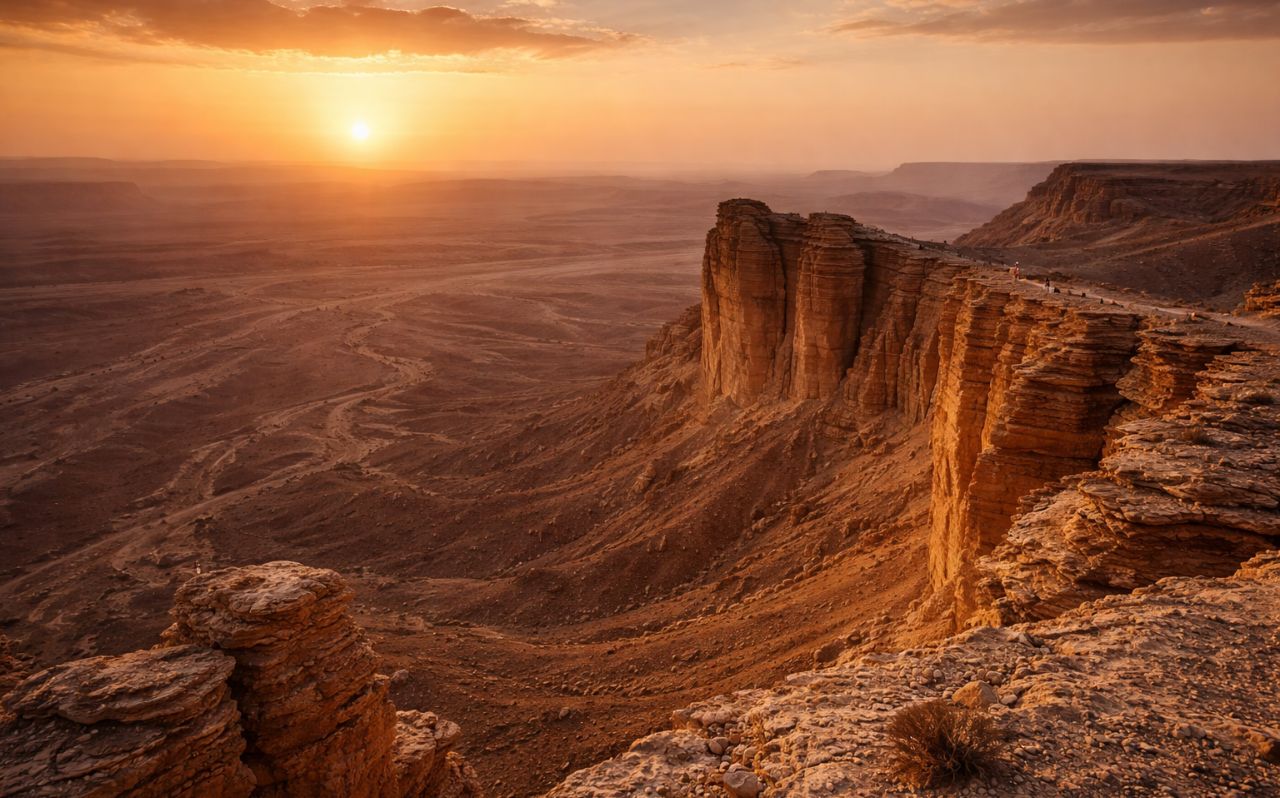
Edge of the World is located about 90 minutes outside the city.
It features dramatic cliffs overlooking an ancient seabed, with drops of up to 300 meters.
Facilities are limited, and visits usually involve off-road driving or guided tours.
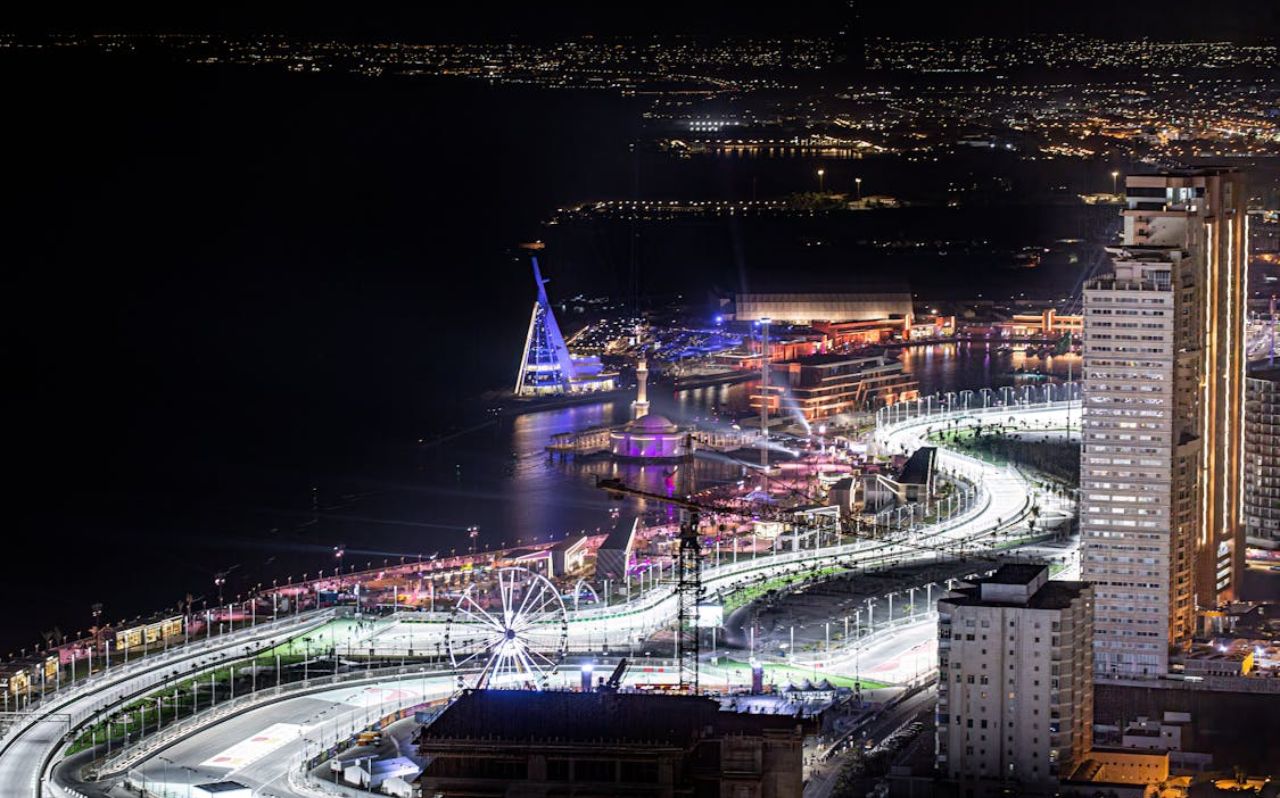
Boulevard City is a large entertainment complex developed for Riyadh Season.
It includes theaters, shops, restaurants, and themed attractions.
The area is most active in the evening and during event periods.
Jeddah offers a more relaxed pace.
It is known for historic coral-stone architecture and a long waterfront along the Red Sea.
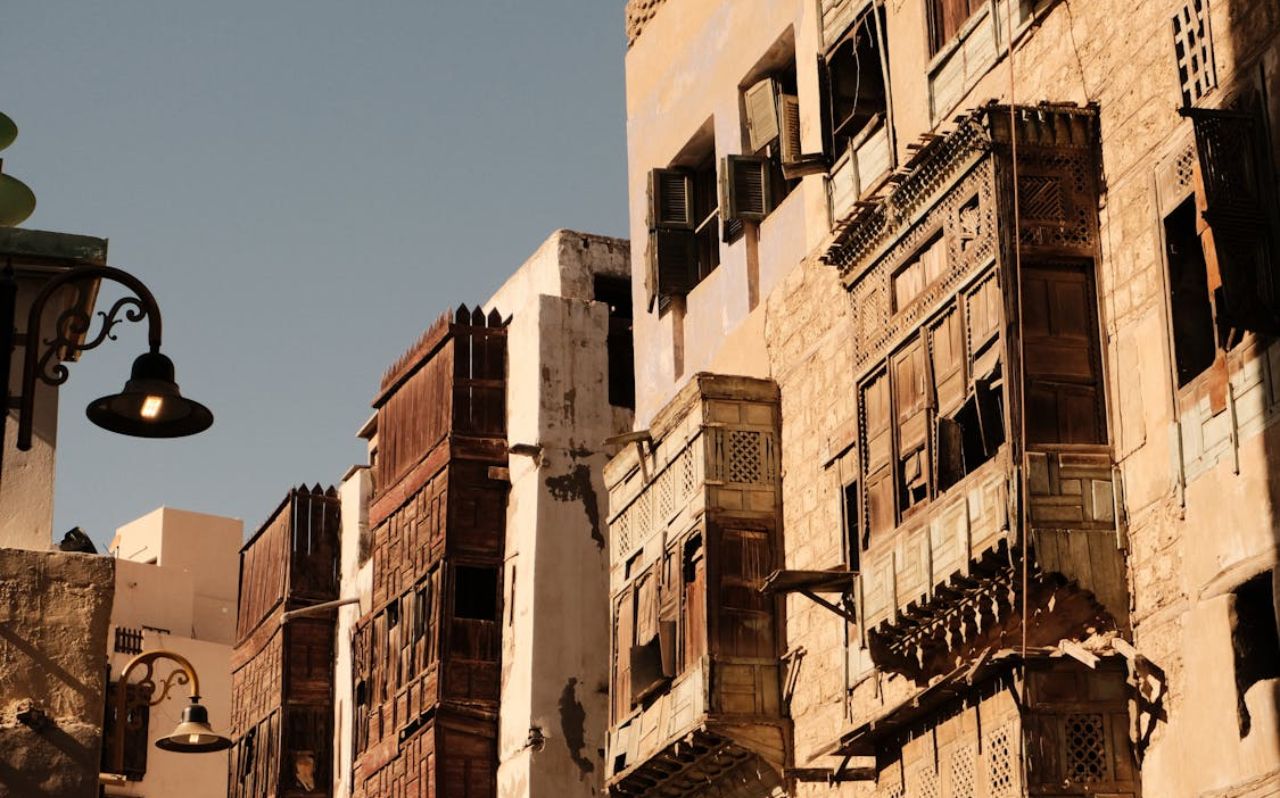
Al Balad is a UNESCO World Heritage Site.
Traditional Hijazi houses are built from coral stone and feature wooden balconies known as rawashin.
Streets are narrow and best explored on foot.
Al Rahmah Mosque sits along the Corniche.
At high tide, it appears to float over the Red Sea and is especially scenic at sunset.
King Fahd’s Fountain is the tallest fountain in the world.
It shoots water up to 853 feet and is best viewed at night when illuminated.
Jeddah serves as a base for snorkeling and diving trips to nearby reefs and islands, including Bayada Island.
The Red Sea is known for clear water and colorful marine life.
Al Taybat International City Museum is a large museum complex built in traditional Hijazi style.
It showcases Saudi history, culture, and architecture across four floors.
In practice, mobile data becomes part of daily travel in Saudi Arabia.
Urban areas like central Riyadh and Jeddah generally have stable coverage.
However, heritage sites and desert attractions are more spread out.
Travelers typically rely on mobile data for:
Navigation between attractions
Ride-hailing and transport coordination
Ticket confirmations and event schedules
Checking opening hours and directions on the move
Public WiFi is mostly limited to hotels, malls, and cafes.
Once outside these environments, connectivity can be inconsistent, especially during long drives or excursions.
Planning for this reality helps avoid unnecessary stress, particularly on arrival days and remote trips.
Trips that involve multiple cities, long drives, or remote heritage sites often require dependable connectivity throughout the day.
In situations like this, having a reliable travel eSIM for Saudi Arabia can help travelers stay connected without relying entirely on fixed WiFi locations or public networks.
Most travelers plan between 7 and 12 days. This allows time to explore one or two hubs without rushing.
Travel usually involves domestic flights or long drives. Distances are significant, so travel days should be planned carefully.
One eSIM, data in 200+ destinations. Activates in minutes.
Code applies to your first order.