
App Store'da indirDownload Gohub App on the App Store
AsiaIndia

Kumbh Mela 2027: Dates, Where to Celebrate and Travel Tips

  • Aug 2 – Sep 12, 2027 (Nashik–Trimbakeshwar)
  • Nashik and Trimbakeshwar (Maharashtra), plus Haridwar, India
  • Last updated: 26 Kas 2026
Wide shot of pilgrims bathing at Ramkund on the Godavari in Nashik at sunrise
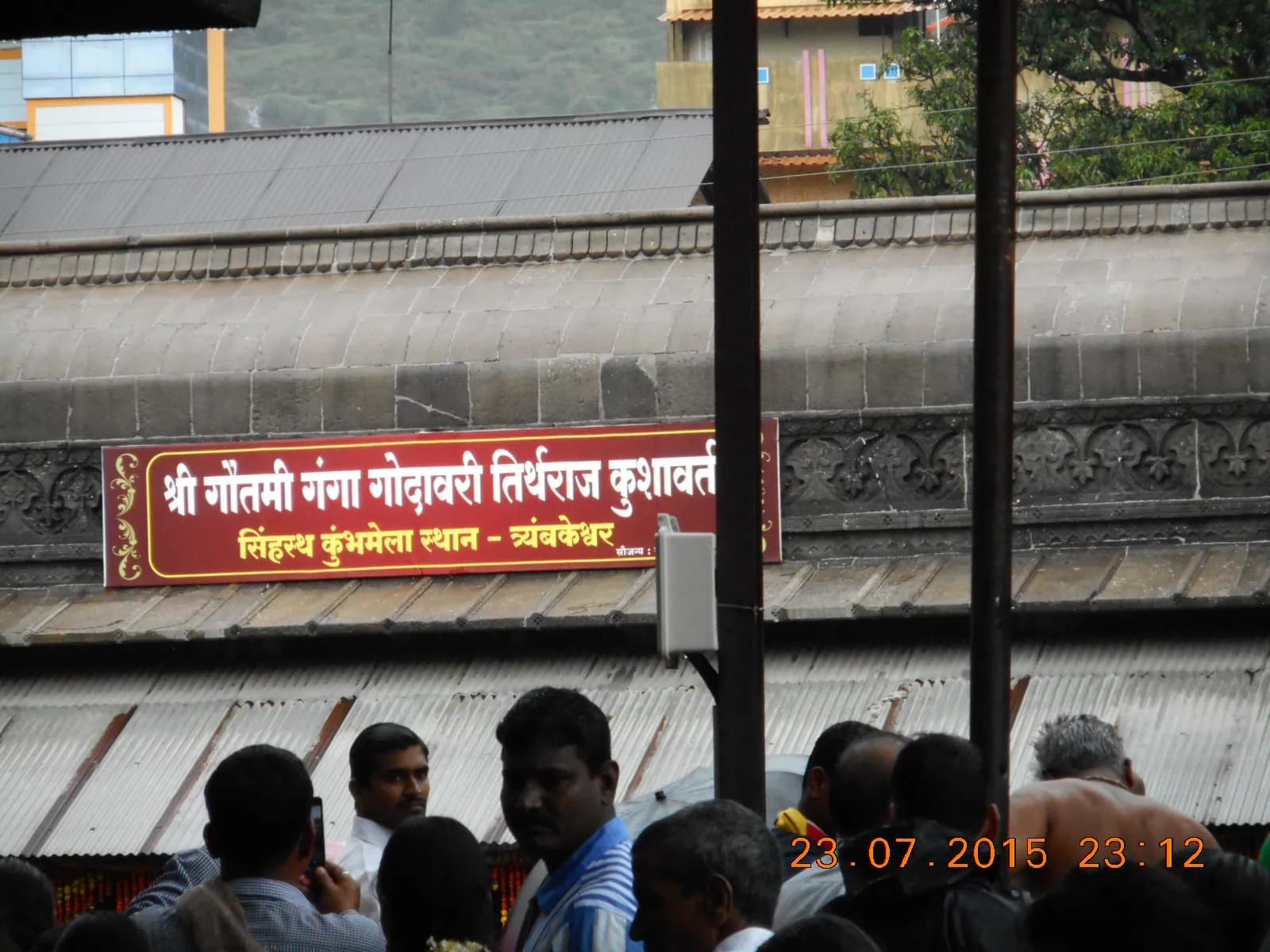
Devotees at Kushavarta Kund in Trimbakeshwar
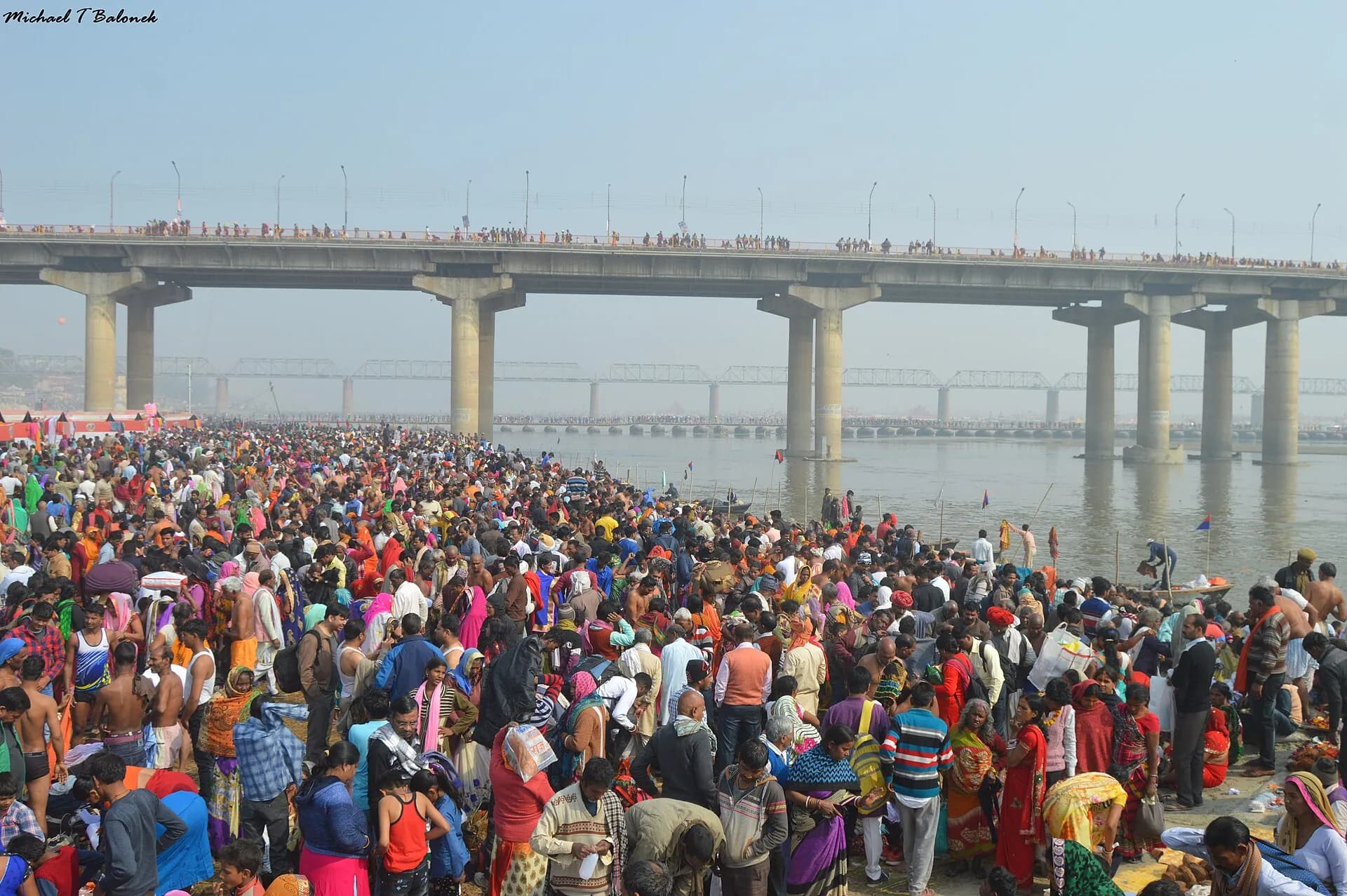
Aerial view of the temporary tent city and ghats at a Kumbh Mela
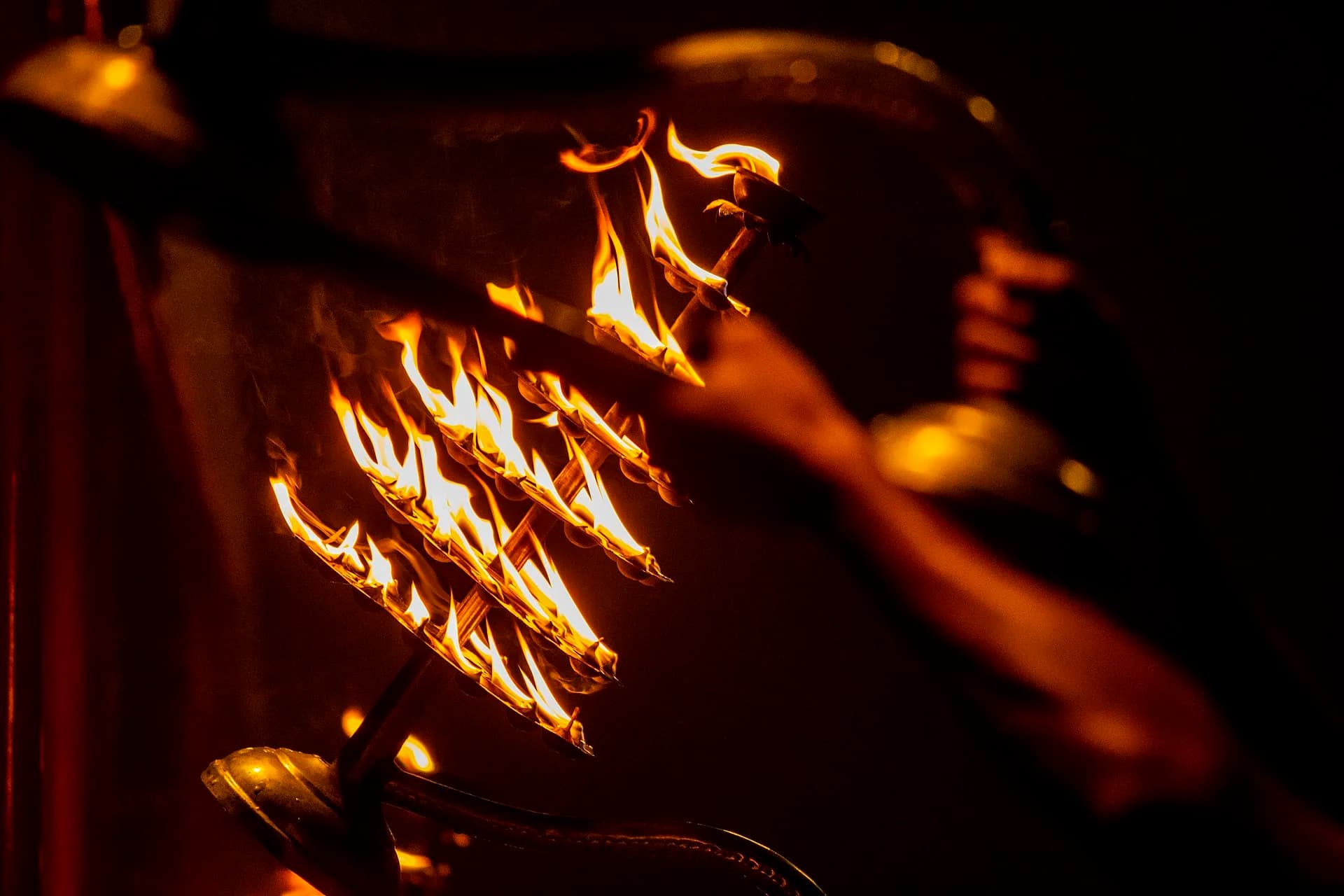
Evening Ganga Aarti at Har Ki Pauri in Haridwar with crowds on the ghats

Overview

The Kumbh Mela in 2027 centres on the Nashik-Trimbakeshwar Simhastha in Maharashtra, whose three main Amrit Snan bathing days fall on 2 August, 31 August and 11 September 2027 at Ramkund in Nashik, with the Trimbakeshwar bath on 12 September 2027 12. Haridwar also holds an Ardh Kumbh from 14 January to 20 April 2027 56.

Highlights

  • Three Amrit Snan days on the Godavari: 2 August, 31 August, 11 September 2027 1
  • Trimbakeshwar holds its third bath on 12 September 2027 1
  • Flag hoisting at Ramkund opens the whole Simhastha on 31 October 2026 3
  • Haridwar's Ardh Kumbh runs 14 January to 20 April 2027 5
  • Vaishnav and Shaiva akhadas bathe separately in Nashik and Trimbakeshwar 1
  • Nashik Road is one of five stations being upgraded for the crowds 9

Good to know

Dates
Amrit Snan 2 Aug, 31 Aug, 11 Sep 2027 (Nashik); 12 Sep 2027 (Trimbakeshwar) 1
Opening hours
Bathing is timed to each Amavasya; akhada entry times are set by the akhadas
Venue
Ramkund in Panchavati, Nashik, and Kushavarta in Trimbakeshwar 2
Entry
No ghat ticket announced as of October 2026
Getting there
Nashik Road station, plus Ozar Airport terminal due 31 March 2027 910
Recommended eSIM
India

Why a Dead Phone Costs You the Amavasya Dip

The first Amrit Snan of the Nashik-Trimbakeshwar Simhastha falls on Monday 2 August 2027, the Somvati Amavasya, and the day is built around a narrow window of pre-dawn movement toward Ramkund 3. Officials have said they want the city largely vehicle-free, with visitors parking outside and riding shuttles in 11, so your day starts with a phone-guided journey: find the right outer zone, board the right shuttle, walk the last stretch through Panchavati lanes you have never seen. Then comes the part nobody rehearses. Hundreds of thousands of people in a few square kilometres, all unlocking phones at once, all checking the same maps, all trying to message relatives who are somewhere upstream of the same ghat. If your connection drops at 4 a.m. in a lane near Ramkund, you lose the shuttle timing, the group chat, the digital payment for a puja and the way back. This page assumes you want to arrive with data already working, because Kumbh logistics reward people who can adapt in real time when a road closes or a bathing slot shifts.

Finding Your Group at Panchavati After the Procession

The Nagar Pradakshina procession on 29 July 2027 clogs the Panchavati lanes, and families routinely get separated when akhada contingents pass 1. Share a live location with one person who stays at the hotel, and agree a fixed landmark away from the ghat steps.

Booking the Shuttle Out of the Outer Parking Zones

Planners describe shuttle buses linking outer and inner parking zones, with schedules meant to be matched to train and flight arrivals 11. You will want live timing and route screens on your phone, because paper timetables will not survive a rerouted bus.

Paying for Prasad and Puja Near Kushavarta

Trimbakeshwar's small shops and priests near Kushavarta Kund take digital payments as readily as cash. A working phone plan means you can pay a pandit for a ritual without hunting for change in a crowd.

Install your eSIM before you fly and be online when you land — see matching plansSee eSIM plans

The complete guide

When Is Kumbh Mela in 2027?

The Kumbh Mela in 2027 is the Nashik-Trimbakeshwar Simhastha, announced on 1 June 2025, with main Amrit Snan days on 2 August, 31 August and 11 September 2027 in Nashik and 12 September 2027 at Trimbakeshwar 12. The whole Simhastha period begins with flag hoisting on 31 October 2026 and ends when the flag comes down on 24 July 2028 13. Dates are expected rather than confirmed here, so check the Nashik Trimbakeshwar Kumbh Mela Authority before booking non-refundable travel.

The date moves because the Kumbh follows Jupiter, not the calendar. In Nashik the mela is tied to Jupiter being in Leo, which happens about once every twelve years, and the previous Simhastha here ran in 2015 and 2016 12. The festival rotates between four cities, Prayagraj, Haridwar, Nashik and Ujjain, at varying intervals 4.

Three terms confuse visitors. An Ardh Kumbh is "half", held every six years. A Purna Kumbh is "full", every twelve years. A Maha Kumbh is "great", every 144 years 4. The sheet that sent many readers here says Maha Kumbh, Prayagraj, 2025, and that edition was the 2025 Maha Kumbh at Prayagraj, which is why 2027 looks like a gap year. It is not: Nashik holds its twelve-year Simhastha, and Haridwar holds an Ardh Kumbh 5.

  • 29 July 2027: Nagar Pradakshina procession in Nashik, not a bathing day 1
  • 2 August 2027: first Amrit Snan, Ashadh Somvati Amavasya 3
  • 31 August 2027: second Amrit Snan, Shravan Amavasya 3
  • 11 September 2027: third Amrit Snan in Nashik 1
  • 12 September 2027: third bath at Trimbakeshwar 1

Officials also list 44 auspicious bathing occasions at Nashik and 53 at Trimbakeshwar tied to specific tithis and yogas 1. Treat those as smaller, quieter dips.

The name changed too: sadhus asked that "Shahi Snan" be called "Amrit Snan", and you will see both in headlines 1.
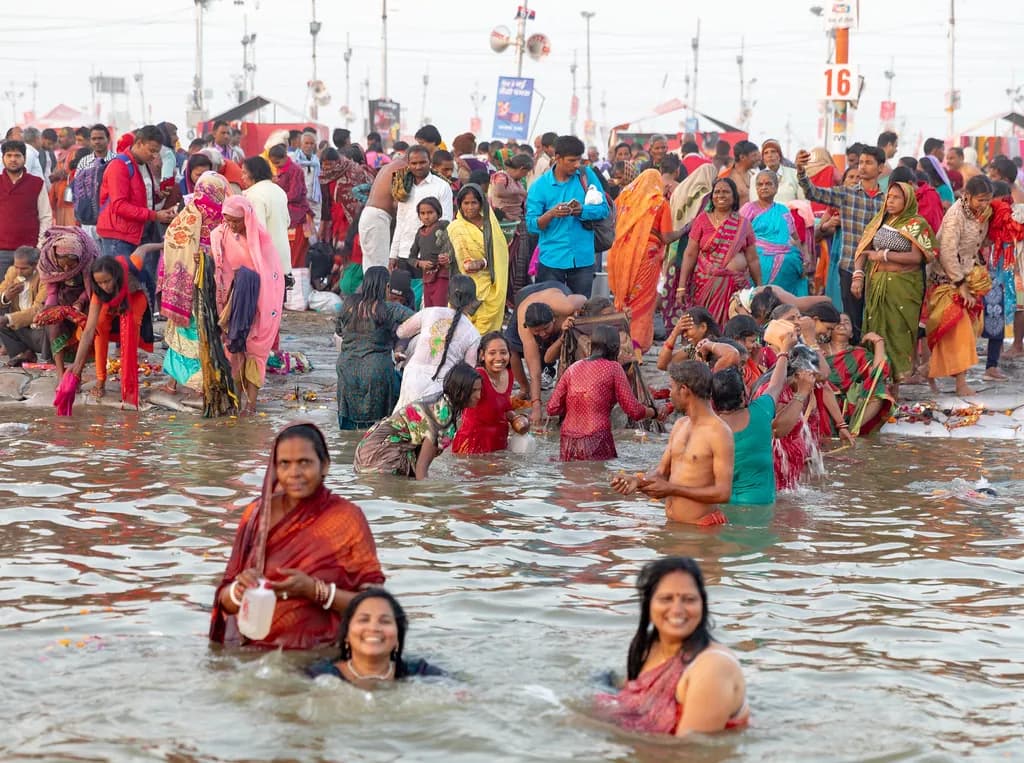
Sadhus entering the Godavari at Ramkund in Nashik during a bathing day, seen from the ghat steps
Photo: Ninara · CC BY 2.0 · Openverse (flickr)

Does Bathing at Ramkund Need a Ticket or Pass?

No ticket had been announced for the bathing ghats at Ramkund or Kushavarta as of October 2026, and public ghats at Indian Kumbh sites have traditionally been open to all. Nothing in the official dates announcement describes an entry fee 1. Treat any website selling "Kumbh entry tickets" with suspicion until the authority publishes a booking system.

What you may pay for are services around the bath. Darshan at the Trimbakeshwar temple, a priest for a pind daan or tarpan rite, boats and tent accommodation each have their own pricing, and none is fixed in public documents I could find. Because the crowd plans lean on vehicle restrictions rather than paid entry, your real "ticket" is a train or bus seat and a place to sleep 11.

  • Ghat bathing: no ticket announced as of October 2026

  • Temple darshan at Trimbakeshwar: queues set by the temple, check locally

  • Rituals: agree the priest's fee before you start

  • Official booking site: none published in the sources I could verify

Entry to the Ramkund zone on the three Amrit Snan days is expected to be controlled by crowd plans rather than payments. The NDRF and SDRF have inspected five critical ghats ahead of the 2027 Simhastha, including Ram Kund, Kapila Sangam, Nandini Sangam, Dasak Gangaghat and Someshwar Ghat, and the review covered emergency access routes and staging areas 12.

Expect to hand over nothing at the ghat itself, but expect friction in the approach lanes. Checkpoints, one-way flows and barricades are normal at Kumbh sites, and they tend to tighten as an Amrit Snan morning gets closer. Carry a photo ID, keep your phone charged, and treat any uniformed instruction as final, even if it sends you the long way round.

Families with elderly relatives should plan around the lesser bathing occasions. Nashik has 44 such tithi-linked bathing occasions and Trimbakeshwar 53, so a quieter dip is possible without joining the largest crowd 1.

Tip: Akhada processions get right of way. If a procession is approaching Ramkund, do not try to cross the line; step back and wait.

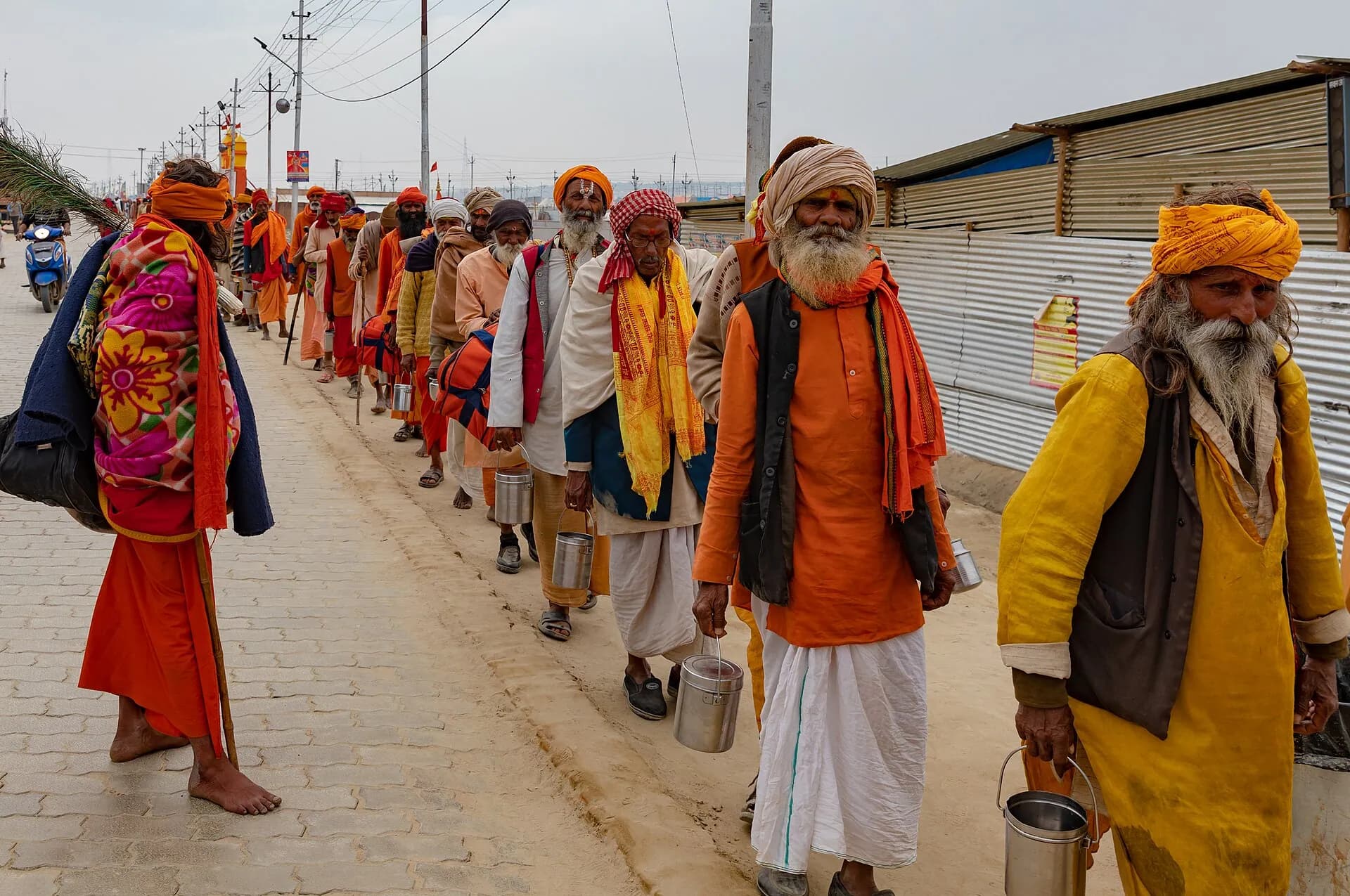
Pilgrims queuing along the Godavari ghats near Ramkund on a festival morning
Photo: Ninara from Helsinki, Finland · CC BY 2.0 · Wikimedia Commons
Need a steady connection for transit and maps?See eSIM plans

Which Gateway Gets You to Ramkund Fastest?

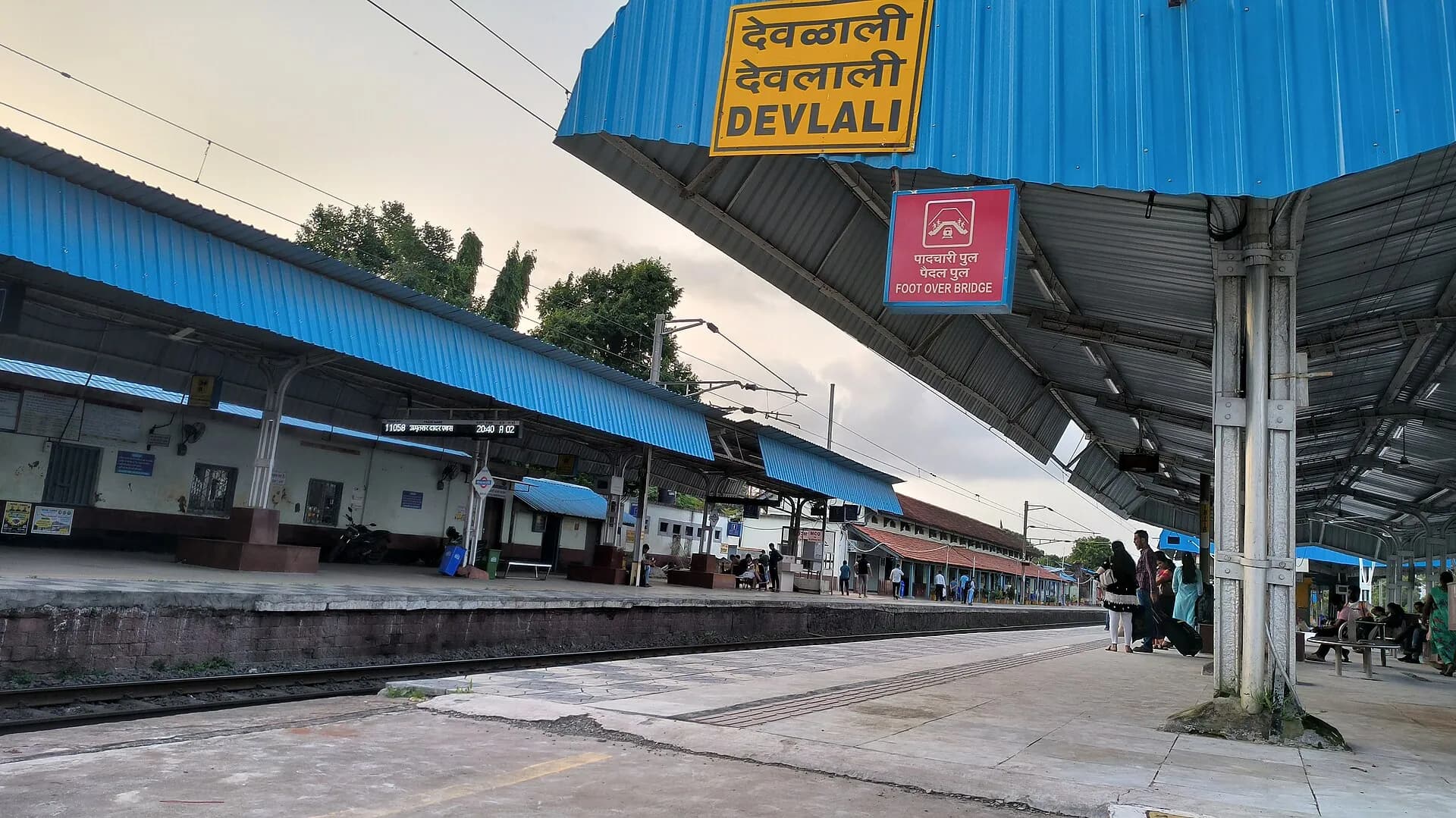
Nashik Road railway station is the practical rail gateway, one of five stations near the Mela area, alongside Devlali, Odha, Kherwadi and Kasbe Sukene 9. Railways has earmarked over 1,000 crore rupees of work at those stations ahead of 2027 9. Nashik's MP has asked for the Nashik Road and Odha upgrades and the wider Kumbh projects to be finished before March 2027 13.

By air, the new integrated terminal at Ozar Airport is targeted for completion on 31 March 2027, and the Simhastha authority calls it an important gateway 10. Road works linking Ozar Airport to the Ozar-Janori road were due the same day, and twelve safety structures on NH-3 are expected by December 2026 10. Planners also expect pilgrims by road from Mumbai, Pune, Shirdi, Gujarat, Dhule and Chhatrapati Sambhajinagar 11.

The city is meant to run largely without private cars, with outer parking areas and shuttles bringing people in 11. Buses on eight pilgrimage corridors, including Nashik-Trimbakeshwar, were reviewed for the event 11.

  • Rail: Nashik Road station is the main arrival point

  • Air: Ozar terminal is still under construction as of the latest report

  • Road: expect closures and shuttle transfers near the ghats

  • Trimbakeshwar: reached on the Nashik-Trimbak road, which is being widened

Tip: Build a one-day buffer into the return. Roads and stations near the Mela area are likely to be heavily restricted on the snan days themselves.

Nashik Road railway station platform crowded with pilgrims during a festival period
Photo: MMJ TheIndianWikiFreak · CC BY-SA 4.0 · Wikimedia Commons

What Happens on an Amrit Snan Morning at Ramkund?

An Amrit Snan is the ritual bath that the akhadas, the main ascetic orders, take in the Godavari in a fixed sequence on the most auspicious days 2. The first on 2 August 2027 coincides with a Somvati Amavasya, a new-moon day falling on a Monday 3.

At this Kumbh the Vaishnava and Shaiva akhadas bathe separately, with Vaishnava groups at Ramkund in Nashik and Shaiva groups at Trimbakeshwar 1. That split goes back to 1789, when a clash between Shaivite sanyasis and Vaishnavite bairagis led the Maratha Peshwa to move the Vaishnavites' bathing from Trimbak to Ramkund in Nashik 2. The 13 main akhadas were represented when the dates were announced 1.

Before the first bath, the Nagar Pradakshina on 29 July 2027 gives a preview: a city procession through Nashik that is not a bathing day 1. It is the best chance to see the akhada contingents without the crush of Amavasya morning.

Watch the order, not the clock. Akhada processions form behind drums and flags, reach the water in turn, and lay-pilgrims are normally held back until the akhada bath is over. Official start times are fixed locally, so ask at your hotel the evening before.

  • Best viewing: the ghat steps near Ramkund and the banks of the Godavari in Panchavati

  • Avoid: pushing toward the water while a procession is entering

  • Dress: clothes you can wade in, leave valuables at the hotel

The Trimbakeshwar mela centres on Kushavarta, where authorities are planning dedicated crowd management 1. The third bath at Trimbakeshwar is on 12 September 2027, a day after Nashik 1.

Note: Names vary in coverage: "Shahi Snan", "Amrit Snan" and "Amrut Snan" all refer to the same royal baths.

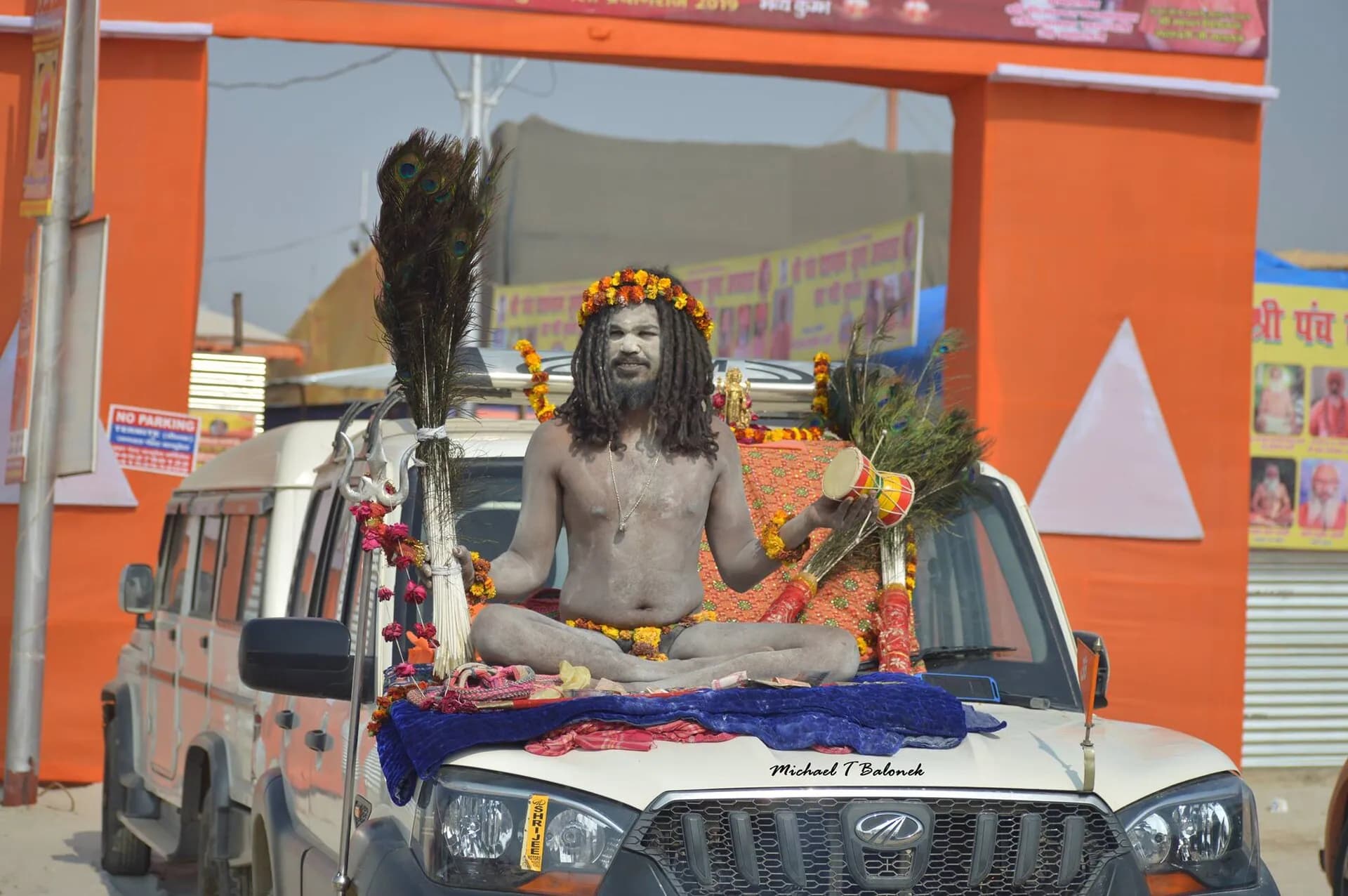
Naga sadhus in procession toward the river on an Amrit Snan morning
Photo: Michael T Balonek · CC BY-SA 4.0 · Wikimedia Commons

Monsoon Weather During the August Snan Days

The August and September snan days fall in the middle of the Nashik monsoon, when an average August brings about 271 mm of rain and an average September about 213 mm 15. Average temperatures from June to September sit between roughly 24 and 26 degrees Celsius 16. Those are secondary climate-site averages, not official normals, so treat them as guides.

That puts the 2027 bathing days in the wettest part of the year. Rain makes the ghat steps slippery and can raise the river, and officials have reviewed water rescue readiness at the Nashik and Trimbakeshwar ghats for this reason 12. Crowd density is likely to peak on the three Amrit Snan dates, and the later ones may be less packed than the first.

Pack as for a wet-season pilgrimage: quick-dry clothes, sandals with grip, a poncho and a waterproof pouch for your phone.

Cotton or light synthetic clothes dry fastest, and a spare set in a sealed bag is worth the weight. Umbrellas are a poor choice in a dense crowd because they block sightlines and poke eyes; a hooded poncho is kinder to the people around you. Leave leather and good shoes at the hotel, since you will remove footwear at temples and at the ghat steps anyway.

Heat is a smaller risk than humidity at this time. Drink water steadily, eat before the pre-dawn walk, and expect a long day of standing even if the bath itself takes only minutes.

  • Peak crowd days: 2 August, 31 August, 11-12 September 2027 1

  • Best way to dodge crowds: go on a lesser tithi bathing day rather than a main one 1

  • Footwear: grippy sandals; ghat steps get slick

Tip: Officials have urged devotees to spread their visits across bathing days to avoid stampede-like crowding 1.

Godavari in monsoon flow at Nashik with wet ghats and umbrellas
Photo: Balone21 · CC BY-SA 4.0 · Wikimedia Commons

Which Nashik Neighbourhoods Work as a Base During the Snan Weeks?

Panchavati, around Ramkund, is the closest base but will be the most restricted on snan days, so staying near Nashik Road station or along the access roads can be easier. Private vehicles are expected to be kept out of the city centre, with shuttles from outer parking zones 11.

Trimbakeshwar itself is small and fills up quickly around the 12 September 2027 bath 1. A tent city is planned along the Nashik-Trimbak route, and a Sadhugram is being built for ascetics, which suggests basic camp accommodation may be an option 1.

Think about the last mile before you think about the bed. If a guesthouse sits inside a vehicle-restricted zone, your driver cannot reach the door, and you will drag luggage through crowded lanes. Ask the host in writing which gate or shuttle stop is nearest and whether they can hold your bags before check-in time.

Group bookings need the most lead time. A family of six will struggle to find adjoining rooms two weeks out, whereas a single traveller can often find a bed late. Dharamshalas and pilgrim lodges near the temple areas exist, but their rules differ, so confirm check-in times and any gender-separated dormitory arrangements directly.

Book as early as you can. The Simhastha runs for many months, but the three Amrit Snan dates concentrate demand. I could not find an official room-rate list or sold-out dates, so use a booking platform and look for free-cancellation rates.

  • Panchavati: closest to Ramkund, restricted on main days

  • Near Nashik Road station: easy rail access and shuttle links

  • Trimbak road corridor: for the Shaiva bathing at Kushavarta

Tip: If you cannot secure a room in Nashik on the main dates, base in a nearby town and travel in before the restrictions begin, then stay through the morning rather than returning at night.

Narrow lanes of old Panchavati with temples and small guesthouses
Photo: आर्या जोशी · CC BY-SA 4.0 · Wikimedia Commons

Will Your Phone Work at Ramkund on Amavasya Morning?

Signal in dense Indian pilgrimage crowds can slow down when hundreds of thousands of phones connect at once, which is why Maharashtra is designing technology systems for the 2027 Simhastha rather than leaving it to chance. A technical advisory committee has reviewed the proposed technology interventions for the gathering, and the NDRF and SDRF have walked the ghats 12.

Do not plan your day around a free hotspot. A paid data plan on your own phone is the only connection you control. Kumbh days run on messages: a relative says the akhada has reached the water, a driver says the shuttle has moved, a priest sends a time. Missing any one of them costs you the morning, and a missed Amavasya window cannot be rebooked.

Phone batteries are the second weak point. Maps, camera and constant messaging empty a phone well before midday, and there are few places to charge in a ghat crowd. Carry a power bank and a cable, and put your phone in a waterproof pouch if you are anywhere near the river.

Public Wi-Fi at a Kumbh is not something to count on, and I found no published list of free hotspots for Nashik. A personal data plan is the safer route for maps, shuttle timings, group chats and digital payments. An India eSIM lets you install a plan before you leave home, so your phone has data the moment you land at Mumbai or Nashik.

  • Install the eSIM before you fly and test it on arrival

  • Download offline maps of Nashik and Trimbakeshwar

  • Share your live location with a group member

  • Keep a power bank, since data drains batteries fast

Tip: Switch to airplane mode between uses in the thickest crowd, then turn data back on when you reach a quieter lane.

Pilgrims checking phones in a crowd beside the Godavari at dusk
Photo: Yosarian · CC BY 3.0 · Wikimedia Commons

How Is Haridwar's 2027 Ardh Kumbh Different From Nashik's Simhastha?

Haridwar's Ardh Kumbh runs from 14 January to 20 April 2027 and has ten major bathing dates, three of them Amrit Snan 56. It is a six-year "half" Kumbh, while Nashik's Simhastha is a twelve-year "full" one 42.

The winter dates are very different from the Nashik monsoon. The Haridwar Amrit Snan days are 6 March, 8 March and 14 April 2027, and the other bathing dates include 14 January, 6 February, 11 February, 20 February, 7 April, 15 April and 20 April 5. Sources disagree on whether there are three or four Amrit Snans, so confirm with the mela officer's notices 5.

If you want a Kumbh with cooler weather and a river-and-mountains setting, Haridwar is the earlier choice. If you want the rare Godavari Simhastha with its Nashik-Trimbakeshwar split between Vaishnav and Shaiva akhadas, wait for August and September.

Ujjain's Simhastha follows in 2028; a Madhya Pradesh review described a mela window of 27 March to 27 May 2028, with three Shahi Snans proposed between 9 April and 8 May 14.

  • Haridwar: 14 Jan to 20 Apr 2027, winter 5

  • Nashik: 2 Aug to 12 Sep 2027 snan days, monsoon 1

  • Ujjain: spring 2028 14

Evening Ganga Aarti at Har Ki Pauri in Haridwar with crowds on the ghats
Photo: Prateek Priyadeep · CC BY-SA 4.0 · Wikimedia Commons

Suggested itinerary

Day 1 · Arrive in Nashik

  1. Morning
    Reach Nashik Road stationMain rail arrival point among the five Mela-area stations 9
  2. Around noon
    Check in away from the ghatsPanchavati will be restricted on main days; rail-side areas are easier
  3. Afternoon
    Walk the Panchavati lanesLearn the route to Ramkund while it is calm
  4. Evening
    Eat early, test your dataSort maps and shuttle timing before the pre-dawn start

Day 2 · Somvati Amavasya Amrit Snan

  1. Before dawn
    Move toward RamkundThe first Amrit Snan is on 2 August 2027 3
  2. Early morning
    Watch the akhada processionsStand back on the steps; processions have right of way
  3. Mid-morning
    Take your own dip once allowedWade, do not push toward the river
  4. Afternoon
    RestCrowds and rain make a long day tiring

Day 3 · Trimbakeshwar

  1. Morning
    Travel the Nashik-Trimbak roadRoad is being widened; allow extra time 1
  2. Late morning
    Visit Kushavarta KundThe Shaiva bathing site for this Kumbh 1
  3. Afternoon
    Temple darshanQueues depend on the day; ask locally
  4. Evening
    Return to NashikKeep a buffer for road closures

Tip: Treat the schedule as a plan, not a promise: confirm the snan time and road closures with local authorities the evening before.

Recommended eSIM plans

Pick by trip length. Visiting several countries? Choose a regional plan.

Selected: eSIM India 20GB 30 Days
Hindistan için daha fazla paketDaha fazla veri mi lazım? Tüm Hindistan paketlerini keşfedinDaha fazla GB, sınırsız ve uzun seyahatlerTümünü gör

Set up your eSIM in 3 steps

  1. Order and get your QR codeThe QR code arrives by email right after payment.
  2. Scan before you flySettings → Cellular → Add eSIM, while you still have Wi-Fi.
  3. Turn on data when you landSet the eSIM as your data line and enable data roaming.

Frequently asked questions

An Ardh Kumbh is held every six years, a Purna Kumbh every twelve years, and a Maha Kumbh every 144 years 4. Prayagraj and Haridwar are six years apart, so they alternate between a Maha or full Kumbh and an Ardh Kumbh. Nashik and Ujjain hold their twelve-year Simhastha, which is a full Kumbh.

Yes. The Nashik-Trimbakeshwar Simhastha runs from 31 October 2026 to 24 July 2028, with the main Amrit Snan days on 2 August, 31 August and 11 September 2027 at Nashik and 12 September 2027 at Trimbakeshwar 1. The Prayagraj Maha Kumbh took place in 2025, and Haridwar's Ardh Kumbh is on 14 January to 20 April 2027 5.

The split goes back to 1789, when a clash between Shaivite sanyasis and Vaishnavite bairagis led the Peshwa to move the Vaishnavites' bathing to Ramkund in Nashik 2. Shaiva akhadas still regard Trimbak as the proper place for the fair. At the 2027 Simhastha, officials have confirmed that the two groups bathe separately 1.

Yes. At the 2027 Simhastha announcement, Mahant Rajendradas Maharaj suggested that “Shahi Snan” be called “Amrut Snan”, and the new name followed the usage at Prayagraj 1. You will see Shahi, Amrit and Amrut Snan in coverage; they all describe the royal bathing days led by the akhadas.

The Uttar Pradesh government said 66.21 crore people bathed at Prayagraj between 13 January and 26 February 2025 7. Critics questioned the figure, noting that Indian Railways reported carrying 4.7 crore people to Prayagraj 8. Treat it as the state's own claim rather than an audited count.

There is no sourced per-day figure, so plan for maps, shuttle timing, group chats and digital payments rather than a gigabyte target. Crowds in Panchavati can slow shared networks, so install a travel eSIM before landing, download offline maps of Nashik and Trimbakeshwar, and carry a power bank because data use drains the battery quickly.

Sources

Figures on this page come from the sources below — the small number next to each figure points to its source.

  1. 1The Week (PTI): Simhastha Kumbh Mela to begin in Nashik-Trimbakeshwar on Oct 31 (accessed 2026-10-15)
  2. 2Wikipedia: Nashik-Trimbakeshwar Simhastha (accessed 2026-10-15)
  3. 3Deccan Chronicle: Nashik Kumbh Mela 2027 to begin with flag hoisting on October 31, 2026 (accessed 2026-10-15)
  4. 4Wikipedia: Kumbh Mela (accessed 2026-10-15)
  5. 5The Week (PTI): Dates announced for bathing festivals during Ardh Kumbh Mela in Haridwar (accessed 2026-10-15)
  6. 6The Statesman: Haridwar Kumbh 2027 will be from January 14 to April 20 (accessed 2026-10-15)
  7. 7ETV Bharat: Maha Kumbh 2025 concludes, 66 crore took holy dip (accessed 2026-10-15)
  8. 8Free Press Journal: Maha Kumbh Mela 2025, Fact and Fiction (accessed 2026-10-15)
  9. 9All India Radio News: Railways begin preparations for Nashik-Trimbakeshwar Simhastha 2027 (accessed 2026-10-15)
  10. 10Free Press Journal: Ozar Airport terminal work put on fast track ahead of MahaSimhastha (accessed 2026-10-15)
  11. 11Asianet Newsable: Kumbh Mela 2027 Nashik authorities review transport bus plans (accessed 2026-10-15)
  12. 12Free Press Journal: NDRF, SDRF assess emergency preparedness ahead of Kumbh 2027 (accessed 2026-10-15)
  13. 13Free Press Journal: Nashik MP Rajabhau Waje pushes for railway upgrade (accessed 2026-10-15)
  14. 14Daily Pioneer: Chief Minister reviews proposed action plan of Simhastha 2028 (accessed 2026-10-15)
  15. 15Sunheron: Nashik weather and climate (accessed 2026-10-15)
  16. 16Kupi: Nashik weather (accessed 2026-10-15)